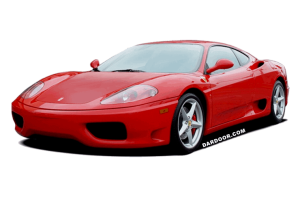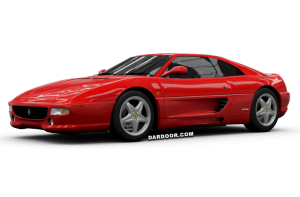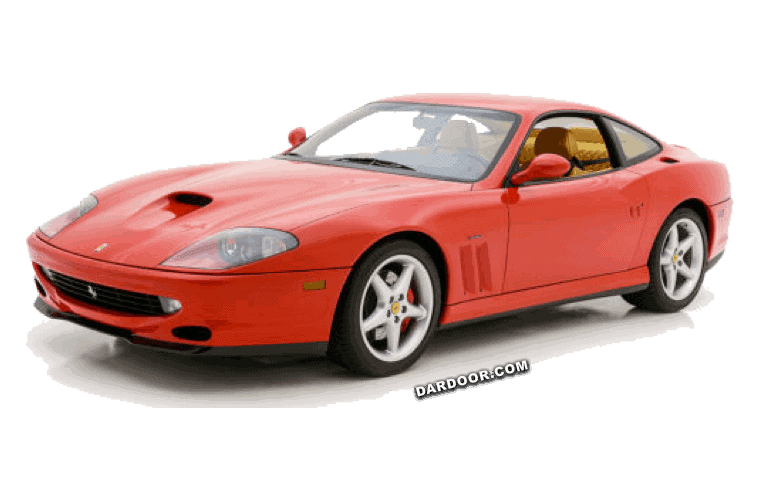
Get the original OEM workshop service and auto repair manual for the 1996-2001 Ferrari 550 Maranello with the wiring diagrams and owner’s manual in a simple PDF file format.
1996-2001 Ferrari 550 Maranello Repair Manual
$32.00
This is the original OEM workshop service and auto repair manual for the 1996-2001 Ferrari 550 Maranello with the wiring diagrams and owner’s manual in a simple PDF file format.
| File Format | |
| File Language | English, Deutch, Italian |
| You’ll Get | 409 MB |
| Pages Count Volume 1 | 232 |
| Pages Count Volume 2 | 223 |
| Wiring Diagram | Included |
| Delivery Method | Instant Download |
This manual includes the procedures for maintenance, disassembling, reassembling, inspection, and adjustment of components and diagnostics for guidance of experienced mechanics. Please peruse and utilize this manual to ensure complete repair work to keep your vehicle in optimum condition. Before you buy this manual check first if your car is subject to a Ferrari service recall so the local dealer can repair your car FREE of charge. When replacing parts during repair work, please make sure to use Ferrari OEM genuine spare parts.
Contents: 1996-2001 Ferrari 550 Maranello Repair Manual
Volume 1
- GENERAL
- ENGINE
- INJECTION – IGNITION
- CLUTCH – GEARBOX
- STEERING
- SUSPENSION AND WHEELS
Volume 2
- BRAKES
- CONTROLS DRIVING INSTRUCTION
- AIR TEMP CONTROL SYSTEM
- ELECTRICAL SYSTEM
Sample Pages
CAUTION: Please note that this manual is made for the use of persons who have special techniques and certifications. If non-specialized or uncertified technicians perform repairs or services only using this manual or without proper equipment or tools, this may cause severe injury to you or other persons nearby and also cause damage to your vehicle. To prevent dangerous operations and damage to your vehicle, please be sure to follow the instructions thoroughly.
1996-2001 Ferrari 550 Maranello: Comprehensive Guide
Overview
The Ferrari 550 Maranello marked Ferrari’s return to front-engine V12 GT cars, replacing the 512M. Named after Ferrari’s hometown of Maranello, Italy, the 550 was produced from 1996 to 2001 and represented a shift from the mid-engine Testarossa lineage to a more classic grand touring layout.
Design & Purpose
- Front-engine, rear-wheel-drive grand tourer
- Designed by Pininfarina
- Built to compete with the Aston Martin DB7 Vantage and Mercedes-Benz SL73 AMG
- Available as a coupe only (the 550 Barchetta was a limited production roadster variant in 2000-2001)
Production Numbers
- Approximately 3,083 coupes produced
- 448 Barchetta Pininfarina roadsters (2000-2001)
Technical Specifications
| Specification | Details |
|---|---|
| Engine | 5.5L (5,474 cc) naturally aspirated V12 |
| Engine Code | F133A |
| Power Output | 485 hp @ 7,000 rpm |
| Torque | 419 lb-ft @ 5,000 rpm |
| Transmission | 6-speed manual |
| Drivetrain | Front-engine, rear-wheel drive |
| 0-60 mph | 4.2-4.4 seconds |
| Top Speed | 199 mph (320 km/h) |
| Weight | ~3,726 lbs (1,690 kg) |
| Chassis | Tubular steel spaceframe |
| Suspension (Front) | Independent, double wishbone, coil springs, anti-roll bar |
| Suspension (Rear) | Independent, double wishbone, coil springs, anti-roll bar |
| Brakes | Ventilated discs all around, ABS standard |
| Wheels | Front: 18″ / Rear: 18″ |
| Tires | Front: 255/40 ZR18 / Rear: 295/35 ZR18 |
| Fuel Capacity | 30.7 gallons (116 liters) |
| Fuel Economy | ~11 mpg city / 16 mpg highway |
Top 10 Mechanical and Electrical Issues
1. Timing Belt/Cam Belt Failure
- Symptoms: Engine misfires, rough running, catastrophic engine damage if belt snaps, check engine light
- Root Cause: Timing belts deteriorate over time (rubber degrades); Ferrari recommends replacement every 3-5 years regardless of mileage
- Fix: Complete timing belt service including tensioners, water pump, and accessory belts; engine-out service recommended for thoroughness
- Cost: $6,000-$12,000 (engine-in service: $6,000-$8,000; engine-out: $10,000-$12,000)
2. Sticky/Failed F1 Transmission Actuators (if equipped with F1 automated manual)
- Symptoms: Difficulty shifting gears, clutch slipping, grinding noises, error messages on dashboard
- Root Cause: Hydraulic actuators and solenoids wear out, seals deteriorate, fluid contamination
- Fix: Replace actuators, rebuild hydraulic pump, flush and replace F1 transmission fluid
- Cost: $3,000-$7,000 depending on extent of damage
3. Leaking Cam Cover/Valve Cover Gaskets
- Symptoms: Oil pooling on engine, burning oil smell, visible oil leaks, low oil warning lights
- Root Cause: Rubber gaskets harden and crack over time due to heat cycling
- Fix: Replace valve cover gaskets and seals (both cam banks)
- Cost: $2,000-$4,000
4. Exhaust Manifold Cracking
- Symptoms: Exhaust leaks, ticking/tapping noise from engine bay (especially on cold start), reduced performance, failed emissions tests
- Root Cause: Thermal expansion/contraction cycles cause stress fractures in cast iron manifolds
- Fix: Replace exhaust manifolds (often requires removal of significant engine components)
- Cost: $4,000-$8,000 (parts and labor)
5. Clutch Wear (Manual Transmission)
- Symptoms: Slipping clutch, difficulty engaging gears, burning smell, high engagement point
- Root Cause: Normal wear from use; exacerbated by spirited driving or city traffic
- Fix: Replace clutch assembly, pressure plate, and throw-out bearing
- Cost: $4,500-$7,000 (requires transmission removal)
6. Suspension Bushings Deterioration
- Symptoms: Clunking noises over bumps, poor handling, uneven tire wear, wandering steering
- Root Cause: Rubber bushings deteriorate with age and use, especially in varying climates
- Fix: Replace worn suspension bushings (control arms, sway bar links)
- Cost: $2,000-$4,000 for comprehensive bushing replacement
7. Fuel Tank Vent System Issues
- Symptoms: Difficulty filling fuel tank (pump clicks off prematurely), fuel odor in cabin, check engine light (EVAP codes)
- Root Cause: Carbon canister saturation, blocked vent lines, failed rollover valves
- Fix: Replace carbon canister, clean/replace vent lines and valves
- Cost: $1,500-$3,000
8. Air Conditioning Compressor/System Failure
- Symptoms: Warm air from vents, loud noises from compressor, no A/C engagement, refrigerant leaks
- Root Cause: Compressor seals fail, refrigerant leaks from age, condenser corrosion
- Fix: Replace A/C compressor, evacuate and recharge system, replace receiver/dryer
- Cost: $2,500-$5,000
9. Alternator Failure
- Symptoms: Battery warning light, dimming lights, electrical system malfunctions, dead battery, whining noise
- Root Cause: Brushes wear out, bearings fail, voltage regulator malfunction from age
- Fix: Replace alternator
- Cost: $1,200-$2,500
10. Sticky Throttle Bodies/Idle Control Issues
- Symptoms: Rough idle, stalling, hesitation on acceleration, high or erratic idle speed
- Root Cause: Carbon buildup in throttle bodies, failed idle control valves, vacuum leaks
- Fix: Clean throttle bodies, replace idle control valves, repair vacuum leaks
- Cost: $800-$2,000
Top 5 Competitors (1996-2001)
1. Aston Martin DB7 Vantage (1999-2003)
- 6.0L V12, 420 hp
- More refined and luxurious interior
- Slightly less performance-focused than the 550
2. Mercedes-Benz SL73 AMG (1999-2001)
- 7.3L V12, 525 hp
- Ultra-rare (only ~85 produced)
- More grand tourer than sports car
3. Porsche 911 Turbo (996) (2000-2005)
- 3.6L twin-turbo flat-6, 415-450 hp
- All-wheel drive, more practical daily driver
- Different driving experience (rear/mid-engine)
4. Dodge Viper GTS (1996-2002)
- 8.0L V10, 450 hp
- Raw, visceral American muscle
- Significantly less expensive
5. Lamborghini Diablo VT (1993-1998)
- 5.7L V12, 492 hp
- Mid-engine exotic with dramatic styling
- More aggressive/extreme than the 550
Top 10 Recalls, Advisories & TSB Highlights
👉 Note: Ferrari typically issues fewer formal NHTSA recalls compared to mass-market manufacturers. Many issues are addressed through factory service bulletins distributed to authorized dealers. The following represents known issues and service campaigns:
1. Fuel System Fire Risk
- Issue: Fuel line routing near exhaust components created potential fire hazard
- Action: Reroute fuel lines, install heat shielding
- Year(s) Affected: Various early production units
2. Seatbelt Anchorage Strength
- Issue: Seatbelt mounting points may not meet crash safety standards
- Action: Reinforce seatbelt anchor points
- Year(s) Affected: Early 1996-1997 models
3. Brake Servo Failure
- Issue: Brake servo (power assist) could fail, requiring excessive pedal pressure
- Action: Replace brake servo unit
- Year(s) Affected: 1996-1998
4. Accelerator Pedal Return Spring
- Issue: Pedal may not return to idle position properly
- Action: Replace accelerator pedal assembly and return spring
- Year(s) Affected: 1996-1997
5. Engine Oil Cooler Line Leaks
- Issue: Oil cooler lines could develop leaks, creating fire risk
- Action: Replace oil cooler lines with updated design
- Year(s) Affected: 1996-1999
6. F1 Transmission Software Updates
- Issue: Shift logic improvements and reliability enhancements
- Action: Software flash for transmission control unit
- Year(s) Affected: All F1-equipped models
7. Power Steering Hose Deterioration
- Issue: High-pressure power steering hoses could burst
- Action: Replace power steering hoses preventatively
- Year(s) Affected: 1996-2000
8. Windshield Washer System Freeze Protection
- Issue: Washer reservoir and lines susceptible to freezing damage
- Action: Updated cold-weather procedures and fluid recommendations
- Year(s) Affected: All years in cold climates
9. Battery Cable Corrosion
- Issue: Battery cables could corrode, causing electrical issues
- Action: Replace battery cables, apply protective coating
- Year(s) Affected: 1996-1998
10. Airbag Deployment Concerns
- Issue: Potential for airbag non-deployment or improper deployment
- Action: Update airbag control module software/replace sensors
- Year(s) Affected: Various; check by VIN
Important: Always verify recall status by VIN through Ferrari North America or authorized dealers, as recall campaigns may have been regional or production-run specific.
Maintenance Schedule
Annual Service (regardless of mileage)
- Oil and filter change
- Brake fluid inspection/replacement (every 2 years)
- Coolant level check
- Battery condition check
- Tire pressure and condition
- Cost: $1,500-$2,500
Major Service (Every 3-5 years or 15,000-30,000 miles)
- Timing belt replacement (critical – NEVER skip)
- Water pump replacement
- Tensioners and idlers
- All accessory belts
- Spark plugs
- Air filters
- Fuel filter
- Differential oil change
- Transmission oil change
- Coolant flush
- Brake fluid flush
- Cost: $8,000-$15,000 (varies if engine-out service)
Additional Regular Maintenance
Every 2 Years:
- Brake fluid replacement
- Climate control system service
Every 5 Years:
- Clutch inspection (manual transmission)
- F1 transmission fluid and filter (F1 transmission)
- Suspension component inspection
- Fuel system inspection
Every 6 Years:
- Timing belt replacement (DO NOT EXCEED)
Pre-Purchase Inspection (PPI)
If buying a used 550, invest in a comprehensive PPI at a Ferrari specialist:
- Compression test
- Leak-down test
- Timing belt service history verification
- Undercarriage inspection
- Electrical system scan
- Cost: $500-$1,500
10 Frequently Asked Questions for Buyers
1. What should I budget annually for maintenance?
Plan for $5,000-$10,000 annually for routine maintenance. In major service years (timing belt), budget $12,000-$18,000. This doesn’t include repairs for unexpected failures.
2. Is the 550 Maranello reliable for a Ferrari?
Relatively yes. The 550 is considered one of the more reliable modern Ferraris, especially with the manual transmission. The naturally aspirated V12 is robust when properly maintained. The F1 automated manual transmission is less reliable.
3. Manual or F1 transmission – which should I buy?
- Manual: More engaging, more reliable, better long-term value, easier/cheaper to maintain.
- F1: More convenient in traffic, faster shifts, but expensive to repair and less reliable. Most enthusiasts prefer the manual.
4. What’s the most critical maintenance item?
Timing belt service. A snapped timing belt will destroy the engine (interference design), resulting in $50,000+ in repairs. Never exceed 5 years or skip this service.
5. How much does it cost to insure a 550 Maranello?
Expect $3,000-$8,000+ annually depending on your age, driving record, location, and agreed value. Many owners use specialty exotic car insurers with agreed value policies.
6. Can I daily drive a 550 Maranello?
Possible, but not ideal. The 550 is relatively comfortable for a Ferrari, but fuel economy is poor (12-14 mpg combined), maintenance is expensive, and exposure to daily hazards (door dings, weather, theft) is risky for a $150,000+ car.
7. What should I look for during a pre-purchase inspection?
- Complete timing belt service records (with dates)
- No oil leaks (valve covers, oil pan, rear main seal)
- Clutch condition (manual) or F1 system health
- Exhaust manifold condition (listen for leaks)
- Service history at authorized Ferrari dealers or reputable specialists
- Clean title, no accident history
- Matching numbers (engine/transmission/VIN)
8. Are parts readily available?
Most parts are available through Ferrari or aftermarket suppliers, but expect long lead times (weeks to months) for some components and high costs. Building relationships with Ferrari specialists is crucial.
9. What’s the current market value?
As of 2024-2026, 550 Maranellos range from:
- Manual transmission: $140,000-$220,000+ depending on condition, mileage, and history
- F1 transmission: $110,000-$160,000 (lower due to transmission concerns)
- 550 Barchetta: $350,000-$500,000+ (rare, collectible)
Values have been appreciating as the 550 gains modern classic status.
10. Should I buy an extended warranty?
Extended warranties for exotic cars exist but are expensive ($5,000-$15,000+ annually) with many exclusions. Given the high cost, many owners self-insure by maintaining a repair fund. Read the fine print carefully – many exclude wear items and require dealer-only service.
Final Buyer Recommendations
✅ BUY IF:
- You have the budget – Not just for purchase price, but for $10,000-$15,000 annual maintenance minimum
- You want a manual transmission – The 6-speed manual is the sweet spot for reliability and engagement
- You can verify complete service history – Especially timing belt services with documentation
- You have access to a Ferrari specialist – Independent or dealer, crucial for proper maintenance
- You’re buying for enjoyment, not investment – While values are appreciating, buy because you love it
- You have garage space – These cars should be stored indoors in climate-controlled environments
- You want the last of the “analog” V12 Ferraris – No traction control, no electronic nannies, pure driving experience
❌ AVOID IF:
- This is your only car – Not practical for daily driving
- You can’t afford maintenance – The purchase price is just the beginning
- Service history is incomplete or questionable – Walk away from cars with gaps in maintenance records
- You’re not mechanically sympathetic – These cars require warm-up, proper driving techniques
- You expect modern reliability – It’s a 25+ year old exotic; things will break
- You’re concerned about depreciation – While values are rising, maintenance costs can offset gains
The Sweet Spot:
Look for a 1999-2001 manual transmission car with:
- Complete service records from reputable Ferrari specialists
- Recent major service (timing belt within 3 years)
- Under 30,000 miles (though well-maintained higher-mileage cars can be excellent)
- No accident history
- Original paint or documented quality respray
- Service position exhaust (easier timing belt access)
Bottom Line
The Ferrari 550 Maranello is one of the great front-engine V12 grand tourers and represents the end of an era before electronics dominated Ferrari’s lineup. It’s a serious driver’s car with a magnificent engine and timeless Pininfarina styling. However, ownership requires deep pockets, patience, and dedication to proper maintenance. If you can afford to maintain it properly and have realistic expectations, the 550 Maranello offers an intoxicating blend of performance, style, and Italian soul that few cars can match.
Find a good Ferrari specialist, maintain the timing belt religiously, and enjoy one of Maranello’s finest creations.
| Brands | |
|---|---|
| File Format | |
| File Size | 409 MB |
| Page Count | 455 |
| Wiring Diagram Included | YES |
| Instant Download | YES |