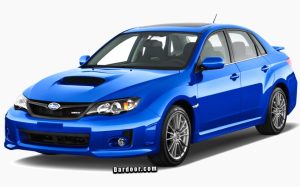
This is the original OEM service and workshop repair manual for the 2013 Subaru Legacy and Subaru Outback. It includes the electrical wiring diagrams and the owner’s manual in a convenient PDF format, offering a complete guide for diagnostics, maintenance, and repairs. This is the same trusted manual that Subaru dealership technicians use to service and repair vehicles.
Models Covered
- 2013 Subaru Legacy
- 2013 Subaru Outback
- Configurations: Left-Hand Drive (LHD) and Right-Hand Drive (RHD).
Engines Covered
- 2.5L DOHC (Non-Turbo)
- 3.6L DOHC (Non-Turbo)
| File Format |
PDF |
| File Language |
English |
| You’ll Get |
240 MB |
| Wiring Diagram |
Included |
| Delivery Method |
Instant Download |
Manual Features
- Wiring Diagrams: Detailed schematics for all electrical systems.
- OEM Repair Procedures: Accurate and step-by-step instructions for professional-grade maintenance and repairs.
- User-Friendly PDF Format: Easy to navigate and compatible with all devices.
- Comprehensive Content: Covers everything from basic maintenance to complex diagnostics.
Why Choose This Manual?
- Trusted OEM Accuracy: Used by Subaru dealership mechanics worldwide.
- Detailed Instructions: Covers every system in your vehicle.
- Convenient Format: PDF design for quick access and easy reference.
Who Is This Manual For?
- Subaru Owners: Ideal for maintaining and repairing your Legacy or Outback.
- Professional Technicians: Dealer-level guidance for diagnostics and service.
- DIY Enthusiasts: Clear instructions for tackling repairs and maintenance.
Download Now
Ensure your 2013 Subaru Legacy or 2013 Subaru Outback stays in top condition with this OEM Workshop Repair Manual. This manual offers reliable and comprehensive guidance to help you handle every repair with confidence! 🚙
This manual provides detailed instructions for maintenance, disassembly, reassembly, component inspection, adjustment, and diagnostics—intended for use by experienced mechanics. Proper application of this guide will help ensure thorough repairs and maintain your vehicle in peak condition.
Important Note: Before purchasing this manual, please check whether your vehicle is subject to any active service recalls, as authorized dealerships may perform necessary repairs free of charge. When replacing parts, always use genuine OEM components to ensure safety, reliability, and long-term performance.
SAMPLE PAGES: 2013 Subaru Legacy and Outback Repair Manual
A Few Pages Will Help You Make The Right Decision
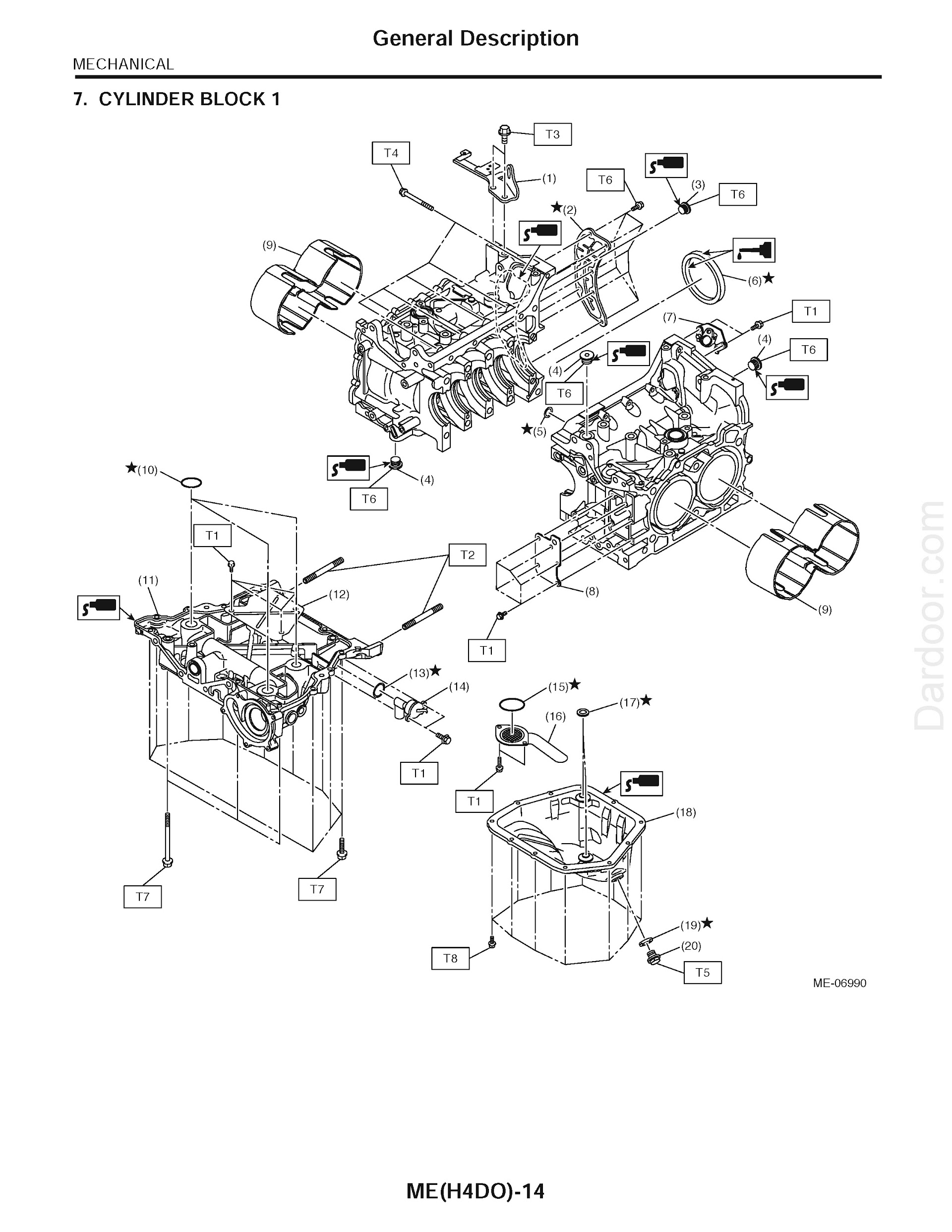
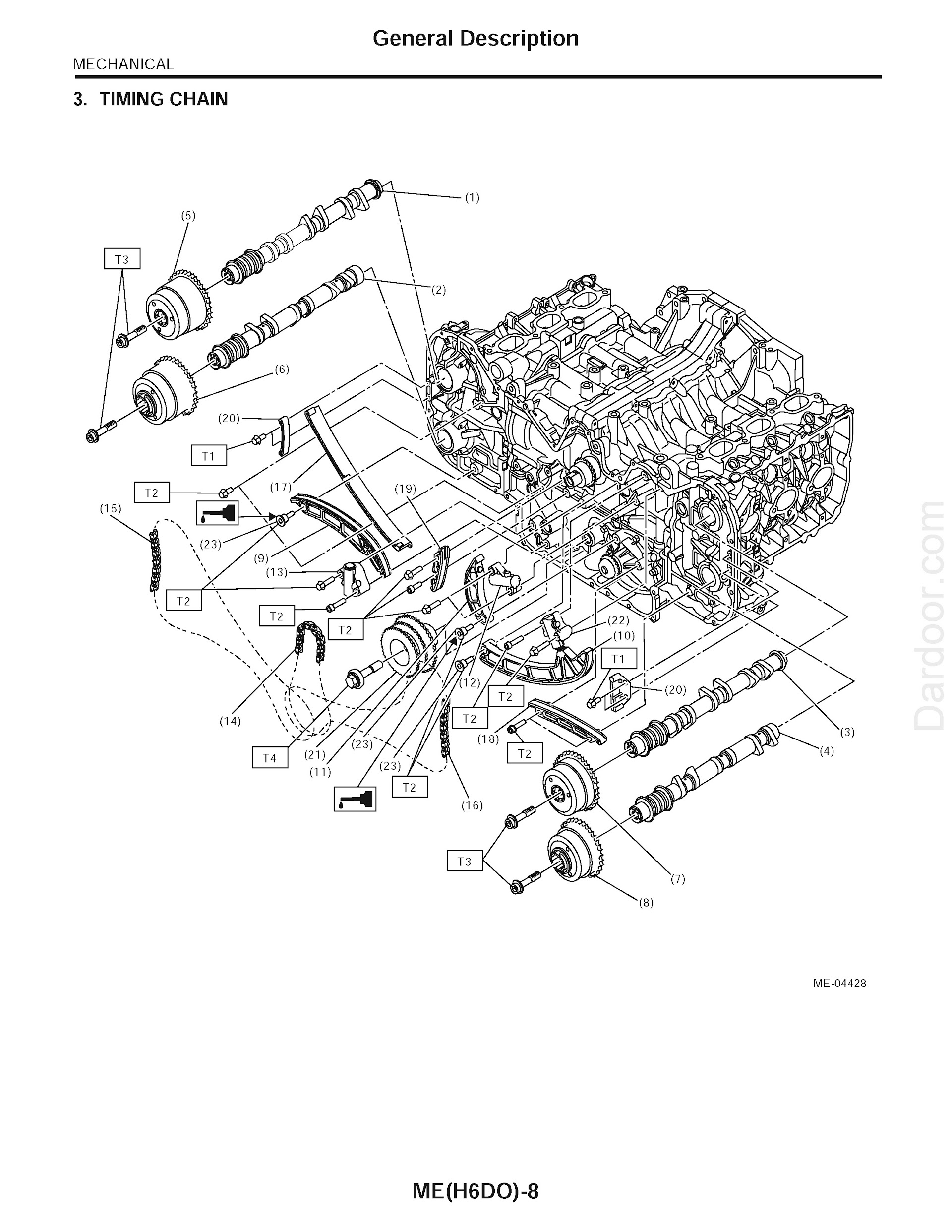
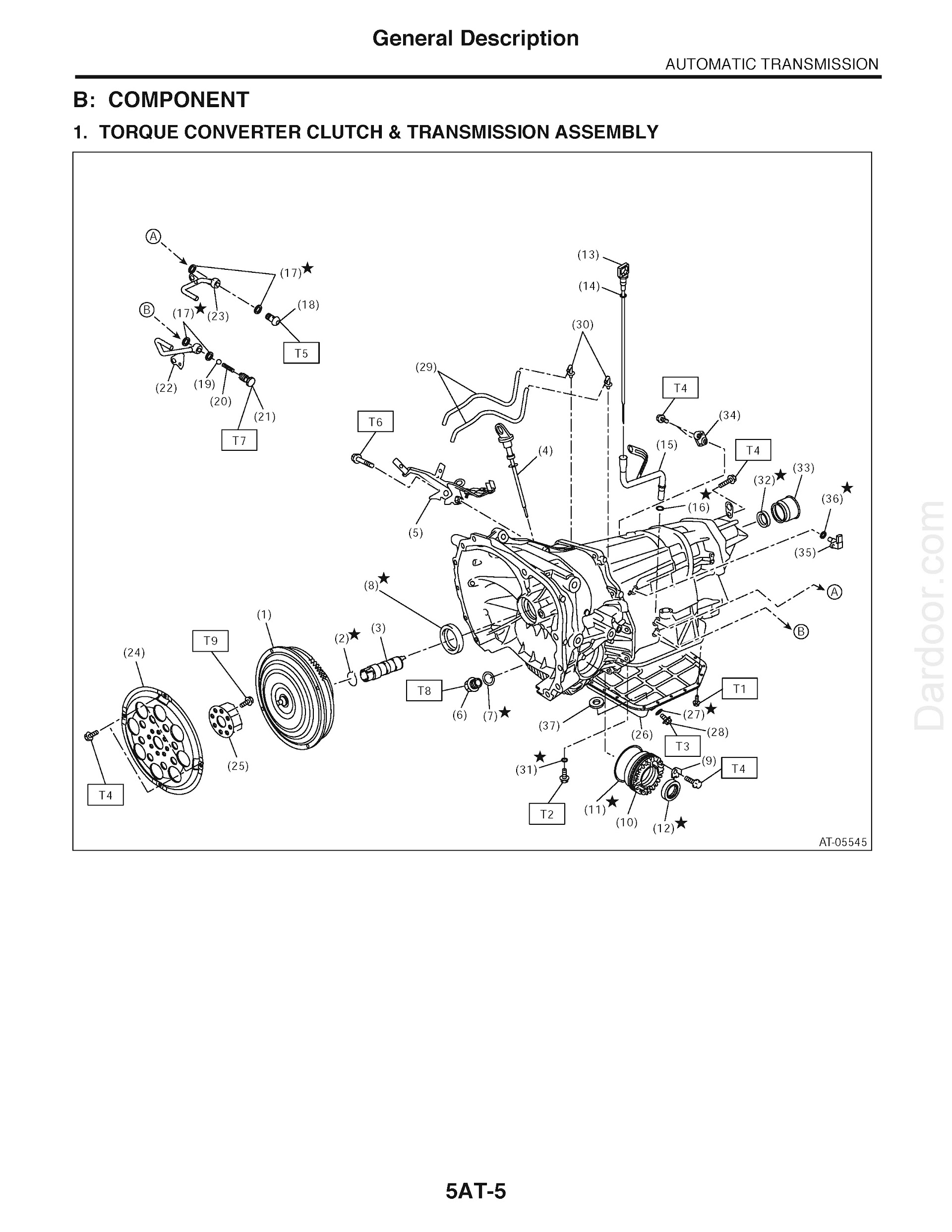
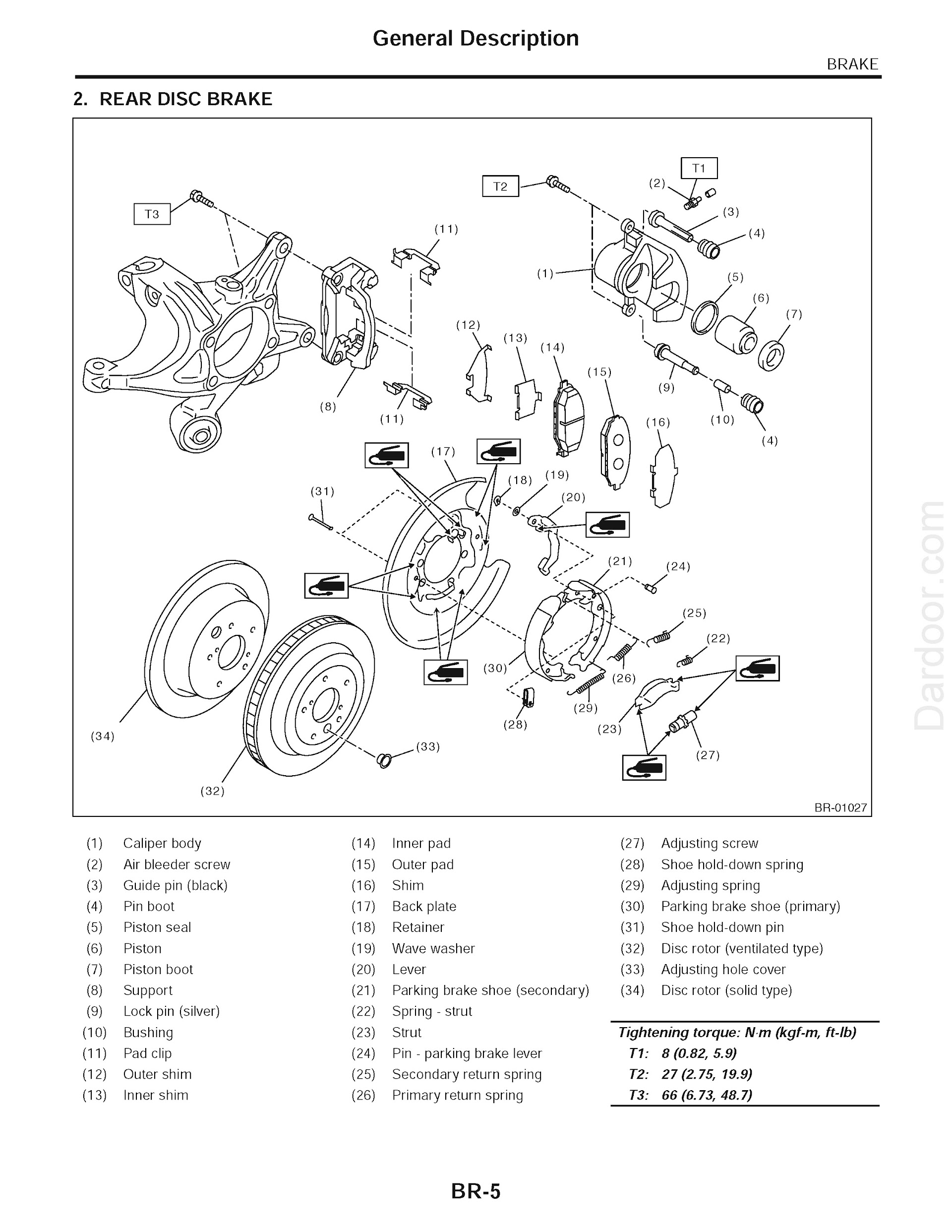
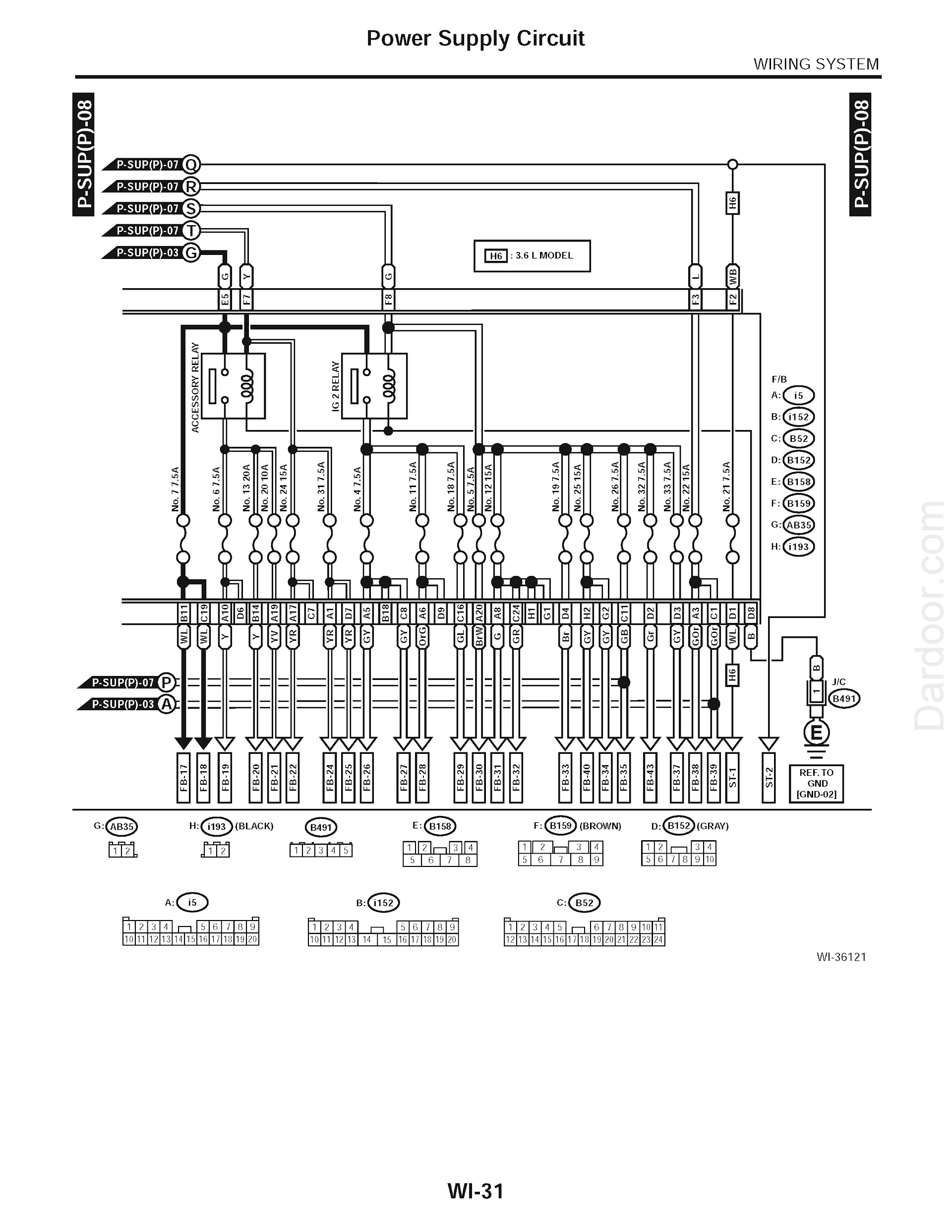
CAUTION: This OEM service and workshop repair manual provides detailed procedures for maintenance, disassembly, reassembly, inspection, adjustment, and diagnostics. It is intended as a comprehensive guide for experienced mechanics. To ensure thorough and accurate repairs that maintain your vehicle’s optimal performance, please read and follow this manual carefully. When replacing parts during any repair work, always use genuine Subaru parts to ensure quality, safety, and reliability.
🚗 2013 Subaru Legacy & Outback – Full Vehicle Overview, Issues, DTCs & Maintenance Guide
The 2013 Subaru Legacy and Outback share the same platform and mechanical DNA, offering a unique combination of safety, practicality, and all-weather capability. Powered by reliable non-turbocharged 2.5L and 3.6L DOHC boxer engines, both models deliver a balanced ride, impressive traction through Subaru’s Symmetrical All-Wheel Drive system, and renowned crash-safety performance.
⚙️ Technical Specifications & Performance
- Engine Options: 2.5L DOHC H4 (173 hp) / 3.6L DOHC H6 (256 hp)
- Transmission: 6-speed manual (2.5L) / CVT / 5-speed automatic (3.6L)
- Drivetrain: Symmetrical All-Wheel Drive (AWD)
- 0–100 km/h: 9.6 sec (2.5L) / 7.2 sec (3.6L)
- Fuel Efficiency: 8.3–10.4 L/100 km (combined)
- Towing Capacity: 1,270 kg (Outback 3.6R)
- Ground Clearance: 150 mm (Legacy) / 220 mm (Outback)
🔧 Top 10 Common Mechanical Issues (Root Cause & Fix)
- Oil consumption in 2.5L engines
🔍 Root Cause: Piston ring design allows blow-by.
🛠️ Fix: Replace piston rings with updated design or complete short block.
- Timing chain tensioner rattle
🔍 Root Cause: Weak oil-pressure-driven tensioner spring.
🛠️ Fix: Replace updated tensioner assembly.
- Head gasket seepage
🔍 Root Cause: Aging gasket material around coolant passages.
🛠️ Fix: Replace head gaskets with multi-layer steel type.
- CVT shudder or hesitation
🔍 Root Cause: Degraded CVT fluid or valve-body wear.
🛠️ Fix: Drain & refill CVT fluid, replace valve body if symptoms persist.
- Rear wheel bearing noise
🔍 Root Cause: Premature hub bearing wear.
🛠️ Fix: Replace rear hub assemblies (both sides recommended).
- Front lower control arm bushing failure
🔍 Root Cause: Rubber deterioration from road salt.
🛠️ Fix: Replace bushings or full arm assembly.
- Brake rotor warping
🔍 Root Cause: Heat buildup from undersized rotors.
🛠️ Fix: Upgrade to vented rotors and ceramic pads.
- Exhaust leaks at manifold joints
🔍 Root Cause: Corrosion on flange gaskets.
🛠️ Fix: Replace gasket and bolts, apply anti-seize compound.
- Cooling system leaks
🔍 Root Cause: Cracked plastic radiator tanks.
🛠️ Fix: Replace radiator with all-aluminum aftermarket option.
- Vibration at idle (H6)
🔍 Root Cause: Aged engine mounts.
🛠️ Fix: Replace motor mounts with OEM hydraulic units.
💡 Top 10 Common Electrical Issues (Root Cause & Fix)
- Airbag warning light
🔍 Root Cause: Seat occupancy sensor or harness under seat.
🛠️ Fix: Clean connector, replace sensor pad if faulty.
- ABS and traction lights on
🔍 Root Cause: Dirty or damaged wheel speed sensor.
🛠️ Fix: Clean or replace affected sensor.
- Battery drain overnight
🔍 Root Cause: Stuck relay or Body Control Module draw.
🛠️ Fix: Identify parasitic circuit and replace module or relay.
- Power window inoperative
🔍 Root Cause: Faulty switch or motor regulator.
🛠️ Fix: Replace affected window switch or regulator.
- Headlight condensation
🔍 Root Cause: Poor seal on housing vents.
🛠️ Fix: Replace headlight assembly and install desiccant pads.
- Key fob not detected
🔍 Root Cause: Weak key battery or faulty antenna loop.
🛠️ Fix: Replace fob battery or keyless entry antenna.
- Backup camera flicker
🔍 Root Cause: Loose connector behind tailgate trim.
🛠️ Fix: Reseat or replace camera connector harness.
- Heated seat failure
🔍 Root Cause: Burnt seat element circuit.
🛠️ Fix: Replace seat heating pad.
- Instrument cluster dimming
🔍 Root Cause: Failing dimmer switch module.
🛠️ Fix: Replace dimmer switch or re-solder circuit board.
- Alternator noise or failure
🔍 Root Cause: Bearing wear from high accessory load.
🛠️ Fix: Replace alternator with OEM Denso unit.
📊 Pros & Cons Comparison with Competitors
| Model |
Pros 👍 |
Cons 👎 |
| Subaru Legacy / Outback |
Standard AWD; Excellent safety; Reliable engines |
CVT wear over time; Interior aging plastics |
| Toyota Camry AWD |
Refined powertrain; Strong resale |
No wagon variant; Pricier service |
| Honda Accord |
Durable drivetrain; Efficient design |
FWD only; Road noise |
| Mazda6 |
Engaging handling; Attractive styling |
Limited AWD availability; Tire wear |
| Ford Fusion AWD |
Comfortable ride; Good technology |
Transmission reliability issues |
| Volkswagen Passat 4Motion |
Solid build; Premium interior |
Costly parts; Electrical issues |
🛠️ Maintenance Schedule
| Interval ⏱️ |
Maintenance Task 🔧 |
| Every 6,000 miles / 10,000 km |
Change engine oil & filter |
| Every 12,000 miles / 20,000 km |
Inspect brakes, rotate tires, replace cabin filter |
| Every 30,000 miles / 50,000 km |
Replace air filter; inspect spark plugs |
| Every 60,000 miles / 100,000 km |
Replace spark plugs (2.5L) and CVT fluid |
| Every 90,000 miles / 150,000 km |
Flush coolant, inspect belts and hoses |
| Every 120,000 miles / 200,000 km |
Service transmission and differential fluids |
⚠️ Recalls, Advisories & Safety Alerts
- Airbag inflator (Takata): Risk of shrapnel deployment under high humidity.
- Brake line corrosion: Salt exposure may lead to brake fluid leaks.
- Electronic parking brake fault: Control module software error.
- Windshield wiper motor failure: Internal corrosion in linkage assembly.
- Fuel pump recall: Impeller deformation causing stalling.
- Engine stalling advisory: Faulty crankshaft position sensor signal.
- CVT fluid sensor malfunction: Incorrect temperature readings cause limp mode.
- Seatbelt anchor bolt recall: Improper torque specification.
- Sunroof glass detachment: Bonding defect risk of separation.
- ABS module moisture advisory: Internal corrosion could disable braking assist.
🧾 Diagnostic Trouble Codes (DTC) Tables
💻 Engine Control Module (ECM)
| Code |
Description |
| P0300 |
Random Cylinder Misfire |
| P0171 |
System Too Lean |
| P0420 |
Catalyst System Efficiency Below Threshold |
| P0456 |
EVAP Small Leak Detected |
| P2096 |
Post-Catalyst Fuel Trim System Too Lean |
| P0500 |
Vehicle Speed Sensor Malfunction |
| P0600 |
Serial Communication Link Error |
| P2097 |
Post-Catalyst Fuel Trim Too Rich |
| P0700 |
Transmission Control System Malfunction |
| P0137 |
O2 Sensor Circuit Low Voltage (Bank 1 Sensor 2) |
⚙️ Transmission Control Module (TCM)
| Code |
Description |
| P0715 |
Input/Turbine Speed Sensor Malfunction |
| P0730 |
Incorrect Gear Ratio |
| P0741 |
TCC Performance/Stuck Off |
| P0765 |
Shift Solenoid D Malfunction |
| P0841 |
Transmission Fluid Pressure Sensor |
| P0868 |
Transmission Fluid Pressure Low |
| P1718 |
AT CAN Communication Circuit |
| P2763 |
Turbine Speed Sensor High Input |
| P2817 |
Pressure Control Solenoid G |
| P2837 |
Clutch B Apply Time Range/Performance |
🛑 ABS / ESC System
| Code |
Description |
| C0021 |
Brake Booster Control Circuit |
| C0040 |
Right Front Wheel Speed Sensor |
| C0057 |
Brake System Control Module Power Relay |
| C0071 |
Steering Angle Sensor Circuit |
| C0101 |
ABS Pump Motor Control |
| C0110 |
Hydraulic Pump Motor Fault |
| C121C |
Torque Request Denied |
| C1241 |
Low Battery Voltage |
| C1421 |
Stop Lamp Switch Circuit |
| C1550 |
Brake Pressure Sensor Fault |
🎈 SRS Airbag System
| Code |
Description |
| B0101 |
Driver Airbag Circuit Open |
| B0110 |
Passenger Airbag Circuit Short |
| B0140 |
Side Airbag Sensor Fault |
| B0155 |
Seat Belt Pretensioner Fault |
| B1100 |
Airbag Control Module Internal |
| B1209 |
Occupant Sensor Fault |
| B1310 |
Crash Sensor Supply Voltage |
| B1340 |
Passenger Airbag Deactivation Circuit |
| B1412 |
Seat Position Sensor Fault |
| B1425 |
Airbag Power Supply Voltage Low |
📡 Body Control / CAN Communication
| Code |
Description |
| U0100 |
Lost Communication with ECM/PCM |
| U0121 |
Lost Communication with ABS |
| U0140 |
Lost Communication with BCM |
| U0155 |
Lost Communication with Cluster |
| U0164 |
Lost Communication with HVAC |
| U1110 |
CAN Bus Off |
| U1123 |
Lost Communication with TPMS |
| U113E |
Lost Communication with Park Assist |
| U1147 |
Invalid Data from ECM |
| U1190 |
Lost Communication with Steering Module |
✅ Final Verdict & Conclusion
The 2013 Subaru Legacy and Outback with 2.5L and 3.6L non-turbo engines remain among the most dependable AWD sedans and wagons of their era. Their balanced ride, excellent safety, and mechanical simplicity make them ideal for long-term ownership. While CVT wear and interior aging are notable drawbacks, both models offer a winning blend of reliability, comfort, and capability for families and all-season.