Introduction
Proper vehicle service and maintenance ensure safety, reliability, and longevity. Always follow manufacturer guidelines and adhere to safety protocols while working on a vehicle.
General Safety Precautions
- Work in a Well-Ventilated Area: Ensure proper airflow when working with fuel, exhaust, or chemical substances.
- Use Personal Protective Equipment (PPE): Wear gloves, safety glasses, and appropriate clothing to protect against injuries.
- Disconnect the Battery: Before working on electrical systems, disconnect the negative terminal to prevent shocks or short circuits.
- Use Proper Tools: Utilize the correct tools for each task to avoid damage and injuries.
- Secure the Vehicle: Use wheel chocks, handbrakes, and lift stands before beginning any work.
- Refer to Service Manuals: Always follow the manufacturer’s repair manual for accurate procedures and torque specifications.
- Dispose of Waste Properly: Fluids, old parts, and hazardous materials must be disposed of according to environmental regulations.
Routine Maintenance Checklist
1. Engine Oil and Filter Change
- Check oil level regularly and change per manufacturer’s recommendation.
- Replace the oil filter at each oil change.
- Dispose of used oil safely.
2. Brake System Inspection
- Check brake fluid levels and refill with the recommended type.
- Inspect brake pads, rotors, and calipers for wear and replace as necessary.
- Bleed the brake system if pedal feels spongy.
3. Tire Maintenance
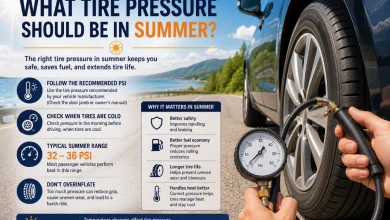
- Maintain proper tire pressure per vehicle specifications.
- Rotate tires every 5,000-8,000 miles.
- Inspect tread depth and replace worn tires.
- Check for uneven wear, which may indicate alignment issues.
4. Battery Maintenance
- Inspect battery terminals for corrosion and clean if necessary.
- Check battery voltage and replace if it fails a load test.
- Ensure battery is securely mounted.
5. Cooling System Service
- Check coolant levels and top up with the recommended type.
- Inspect radiator, hoses, and water pump for leaks.
- Flush and replace coolant as per service schedule.
6. Transmission Fluid and Filter Service
- Check transmission fluid level and condition.
- Replace fluid and filter at recommended intervals.
- Inspect transmission pan for leaks.
7. Suspension and Steering System Check
- Inspect shock absorbers and struts for leaks and wear.
- Check for play in the steering system and lubricate components.
- Align wheels if uneven tire wear is noticed.
8. Exhaust System Inspection
- Check for leaks or loose connections in the exhaust system.
- Inspect catalytic converter and muffler for damage.
- Replace faulty oxygen sensors to maintain fuel efficiency.
9. Lighting and Electrical System Maintenance
- Check all exterior and interior lights for proper function.
- Inspect fuses and replace faulty ones.
- Test alternator output to ensure battery charging system is functional.
10. Fuel System Maintenance
- Replace fuel filters at scheduled intervals.
- Inspect fuel lines for leaks.
- Clean fuel injectors and throttle body periodically.
Emergency Preparedness
- Keep a first-aid kit, fire extinguisher, and emergency tools in the vehicle.
- Ensure spare tire, jack, and lug wrench are available and in good condition.
- Regularly check and replace wiper blades for clear visibility.
Conclusion
Regular maintenance and adherence to safety protocols will help ensure your vehicle’s longevity and safe operation. Always refer to your vehicle’s service manual for specific instructions. If unsure, seek professional assistance.