

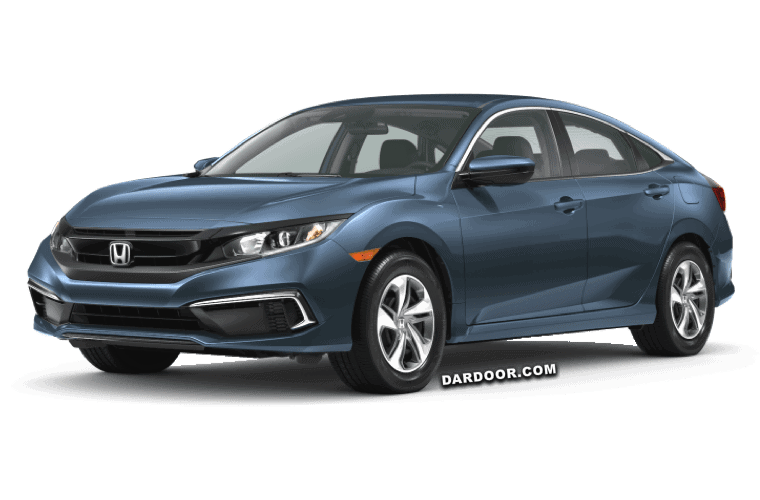
Access the same expert information used by Honda dealer mechanics with this original OEM workshop manual for the 2018-2020 Honda Civic (FC-FK series).
2018-2020 Honda Civic Repair Manual
$24.90
2016-2020 Honda Civic OEM Repair Manual with Wiring Diagram (FC-FK Series) – PDF
Access the same expert information used by Honda dealer mechanics with this original OEM workshop manual for the 2018-2020 Honda Civic (FC-FK series). This comprehensive PDF provides detailed repair instructions and wiring diagrams, allowing you to perform maintenance and repairs with confidence.
| File Format | |
| File Language | English |
| You’ll Get | 182 MB |
| Pages Count | 11,681 |
| Wiring Diagram | Included |
| Delivery Method | Instant Download |
Designed for both professional technicians and DIY enthusiasts, this manual includes authorized procedures that are easy to follow, covering everything needed to keep your Civic in top condition.
- Complete and Original OEM Workshop Document
- Covers 2016-2020 Honda Civic (FC-FK Series)
- Includes Detailed Wiring Diagrams
- Professional-Grade Instructions for Accurate Repairs
- Convenient PDF Format for Easy Access
Download the 2016-2020 Honda Civic repair manual today and gain the expertise to handle any repair or maintenance task with ease.
This manual provides detailed instructions for maintenance, disassembly, reassembly, component inspection, adjustment, and diagnostics, tailored for experienced mechanics. Use this manual thoroughly to ensure comprehensive repair work and maintain your vehicle in peak condition.
Important Note: Before purchasing this manual, please verify if your vehicle is subject to any Honda service recalls, as the local dealer may repair it free of charge. When replacing parts, ensure that only genuine Honda OEM spare parts are used.
Table of Contents : 2018-2020 Honda Civic Repair Manual
1-Service General Information.
2-Maintenance Minder.
3-DTC Index – Troubleshooting.
4-DTC Advanced Diagnostics.
5-Engine Mechanical System.
6-Engine Cooling System.
7-Engine Lubrication System.
8-Engine Exhaust System.
9-Turbocharger Control System.
10-Fuel and Emissions Systems.
11-Fuel Supply System.
12-PGM-FI System.
13-Catalytic Converter System.
14-PCV System.
15-Electronic Throttle Control System.
16-Intake Air System and Exhaust System.
17-Starter Overhaul.
18-EVAP System.
19-Ignition System.
20-Cruise Control System.
21-Charging System.
22-Volt Battery Removal and Installation.
23-Clutch.
24-Manual Transmission.
25-CVT System.
26-TCM.
27-Brake System.
28-Electric Parking Brake System.
29-VSA System.
30-DrivelineAxle.
31-Front and Rear Suspension.
32-Adaptive Damper System.
33-Wheel _ Tire System.
34-TPMS System.
35-Power Steering.
36-Steering Wheel and Column.
37-Climate Control System.
38-HVAC.
39-Audio and Visual System.
40-Navigation System.
41-CAN Communications.
42-Driving Support System.
43-Lane Keeping Assist System (LKAS).
44-Keyless Access System.
45-Immobilizer System.
46-Immobilizer System.
47-Interior Trim.
48-Dashboard Center Console.
49-Power Mirrors.
50-Gauges System.
51-Horn System.
52-Power Window.
53-Seat System.
54-Seat Belts System.
55-SRS Airbag System.
56-Moonroof System.
57-Lighting System.
58-Exterior Trim.
59-Windows Glass and Mirrors.
60-Bumpers.
61-Doors.
62-Tailgate System.
63-TrunkLidHood.
64-WipersWashers.
65-Body and Paint.
66-Body Repair.
67-Body Control Module.
68-SocketFuseRelaySwitch.
69-Wire Harness and Ground Locations.
70-Electrical Wiring Diagrams.
Supplements
1-2018 Civic Hatchback PDI Information.
2-2018 Civic Hatchback PDI of the Navigation System.
3-2018 Civic Type R PDI Information.
4-2018 Civic Type R PDI of the Navigation System.
5-Personalized Setting Worksheet.
6- Owner’s Manual
Sample Pages
CAUTION: This manual is intended for use by individuals with specialized skills and certifications. If repairs or services are performed by non-specialized or uncertified technicians using only this manual or without the proper equipment and tools, there is a risk of severe injury to you or those nearby, as well as potential damage to your vehicle. To avoid hazardous operations and ensure vehicle integrity, please follow the instructions closely and use appropriate tools and equipment.
2018–2020 Honda Civic: Comprehensive Guide
Overview
The 2018–2020 Honda Civic represents the tenth generation (F-series) of Honda’s iconic compact car. This generation introduced a more aggressive, refined design language while maintaining the Civic’s reputation for reliability, efficiency, and fun-to-drive dynamics. Available in sedan, hatchback, and Si/Type R performance variants, the 2018–2020 Civic targets driving enthusiasts seeking practical daily transportation with engaging handling.
Key Positioning
- Multiple powertrain options (naturally aspirated and turbocharged)
- Sedan and hatchback body styles
- Available Si and Type R performance versions
- Advanced safety technology and infotainment
- Price range: $21,000–$33,000 (MSRP)
- Target market: Young professionals, first-time buyers, enthusiasts
2018–2020 Honda Civic Sedan (Standard Models)
| Specification | Details |
|---|---|
| Engine (LX/Sport/EX) | 2.0L naturally aspirated 4-cylinder |
| Horsepower | 158 hp @ 6,500 rpm |
| Torque | 138 lb-ft @ 4,300 rpm |
| Engine (Si) | 1.5L turbocharged 4-cylinder |
| Horsepower (Si) | 205 hp @ 5,500 rpm |
| Torque (Si) | 192 lb-ft @ 2,100 rpm |
| Transmission (Auto) | CVT (Continuously Variable) or 6-speed automatic |
| Transmission (Manual) | 6-speed manual (standard on Si) |
| Drivetrain | Front-wheel drive |
| 0–60 mph | 8.5–9.0 seconds (standard); 6.8–7.0 seconds (Si) |
| Top Speed | 130 mph (standard); 140+ mph (Si) |
| Fuel Economy | 28–33 mpg combined (standard); 26–30 mpg (Si) |
| Curb Weight | 2,750–2,900 lbs |
| Wheelbase | 106.3 inches |
| Length/Width/Height | 182.7 x 70.8 x 55.4 inches |
| Cargo Space | 15.1 cu ft (sedan); 25.7 cu ft (hatchback) |
| Suspension | MacPherson strut (independent front); multi-link (independent rear) |
| Brakes | Disc (front/rear); ABS and brake assist standard |
| Tires | 17–18 inch (varies by trim); Michelin or Bridgestone OEM |
| Fuel Tank | 12.3 gallons |
| Seating | 5 passengers |
| GVWR | 3,165–3,320 lbs |
2018–2020 Honda Civic Type R (Performance Variant)
| Specification | Details |
|---|---|
| Engine | 2.0L turbocharged 4-cylinder |
| Horsepower | 306 hp @ 6,500 rpm |
| Torque | 295 lb-ft @ 2,625 rpm |
| Transmission | 6-speed manual only |
| 0–60 mph | 5.8 seconds |
| Top Speed | 169 mph |
| Fuel Economy | 21–26 mpg combined |
| Curb Weight | 3,125 lbs |
| Suspension | Adaptive damper suspension (Agile Handling Assist) |
| Brakes | Brembo disc brakes (4-piston front) |
| Tires | 20-inch Michelin Pilot Sport 4S |
| Downforce | 83 lbs @ 100 mph (large fixed wing) |
10 Top Mechanical and Electrical Issues
1. Turbocharger Carbon Buildup & Boost Loss (Si/Type R)
Symptoms:
- Reduced turbo boost pressure and horsepower
- Hesitation or lag during acceleration
- Check engine light (P0101, P0102 codes)
- Black soot around turbo intake
- Increased fuel consumption
Root Cause: Direct fuel injection deposits carbon on intake valves over time. Poor quality fuel and extended oil change intervals accelerate this. Turbocharger waste gate sticks from carbon accumulation, reducing boost efficiency.
Fix:
- Perform walnut shell blasting to clean intake valves (remove cylinder head)
- Replace fuel injectors with OEM units if completely clogged
- Clean turbocharger compressor wheel and waste gate
- Use fuel system cleaner additives between services
- Reduce oil change intervals to 5,000 miles
Cost: $800–$1,500 (cleaning); $2,000–$3,000 (if injectors replacement needed)
2. CVT Transmission Juddering & Hesitation
Symptoms:
- Jerky acceleration or gear selection delay
- Sudden surge of power followed by hesitation
- Transmission warning light or limp mode
- Burning smell from transmission
- Slipping sensation during acceleration
Root Cause: CVT fluid degradation or inadequate fluid cooling under sustained acceleration. Valve body solenoid malfunction causes erratic pressure control. Some 2018–2019 units exhibit design flaws in damper assembly.
Fix:
- Replace CVT fluid with OEM Honda Fluid (ATF-Z1)
- Install aftermarket CVT cooler for better thermal management
- Reprogram CVT ECU with latest calibration update
- Inspect and replace damper spring assembly if cracked
- Consider transmission rebuild if performance doesn’t improve
Cost: Fluid change: $250–$400; cooler install: $500–$800; transmission rebuild: $3,000–$5,000
3. Engine Knock Sensor Fault
Symptoms:
- Check engine light (P0325, P0326, P0327 codes)
- Engine pinging or knocking under acceleration
- Reduced power; ECU enters reduced spark mode
- Hesitation during passing or highway merging
- Code clears temporarily then returns
Root Cause: Knock sensor connector corrosion or loose connection from engine vibration. Defective sensor generates false knock signals to ECU. Cheap aftermarket fuel causes real knock that sensor picks up.
Fix:
- Inspect knock sensor connectors for corrosion
- Clean connectors with dielectric grease and reseat
- Replace knock sensor(s) if corroded or damaged (typically 1–2 per vehicle)
- Use premium 91+ octane fuel consistently
- Verify ECU software is latest version
Cost: $150–$300 per sensor (parts + labor)
4. Engine Valve Carbon Deposit Buildup
Symptoms:
- Rough idle at cold start
- Reduced fuel economy
- Check engine light for misfire codes (P0300, P0301–P0304)
- Lack of power during acceleration
- Clicking or rattling noise from engine bay
Root Cause: Direct fuel injection engines prone to carbon accumulation on intake valves. Poor fuel quality accelerates buildup. Extended oil change intervals and low-quality oil contribute to the problem.
Fix:
- Fuel system cleaning service (additive flush); $150–$300
- Walnut shell blasting valve cleaning (requires engine removal); $1,000–$1,500
- Switch to Top Tier fuel (Shell, Chevron, Mobil)
- Use quality synthetic oil and reduce service intervals
- Add fuel system cleaners every 3,000 miles
Cost: $150–$1,500 depending on severity
5. Transmission Fluid Leak from Seals
Symptoms:
- Red/pink fluid puddle under vehicle
- Transmission fluid level warning on dashboard
- Difficulty shifting or hesitation
- Burning smell from transmission area
- Slipping sensation during acceleration
Root Cause: OEM transmission seals and gaskets deteriorate over time due to fluid exposure and heat cycling. Defective input shaft seal is common on CVT units. Overfilled transmission accelerates seal failure.
Fix:
- Identify leak source (input shaft seal, pan gasket, axle seals)
- Replace defective seals or gaskets with OEM parts
- Refill with proper amount of OEM Honda ATF-Z1 fluid
- Inspect for fluid level overfill; drain excess if needed
- Install transmission pan drain plug if applicable for easier future changes
Cost: $300–$600 (seal replacement); $800–$1,200 if pan must be removed
6. Crankshaft Position Sensor Malfunction
Symptoms:
- Check engine light (P0016, P0017 codes)
- Engine stalling or hard starting
- Rough idle or misfiring
- Loss of power during acceleration
- Engine won’t start; cranks but no ignition
Root Cause: Sensor connector corroded by moisture and engine bay heat. Excessive oil spray from leaking valve cover gasket saturates connector contacts. Vibration causes loose connections.
Fix:
- Inspect crankshaft position sensor connector for corrosion
- Clean connector terminals with dielectric grease
- Replace sensor if damaged or corroded (located on crankshaft pulley area)
- Repair any leaking gaskets allowing oil to spray on sensor
- Clear fault codes after repair
Cost: $200–$400 (sensor replacement)
7. Power Steering Fluid Leak & Pump Noise
Symptoms:
- Whining or squealing noise during steering
- Reduced steering assist; heavy steering wheel
- Power steering fluid visible under vehicle
- Steering jerks or stiffens intermittently
- Power steering warning light or message
Root Cause: Power steering hose or connector develops small cracks from age and pressure cycling. Internal pump seal degrades, allowing fluid to escape. Contaminated fluid reduces viscosity.
Fix:
- Locate leak source (hose, connector, pump seal)
- Replace leaking hose or connector with OEM part
- Refill power steering fluid with OEM Honda PSF or equivalent
- Bleed air from system (multiple turns of steering wheel)
- Inspect belt tension; replace if frayed or slipping
Cost: $300–$600 (hose/connector replacement); $800–$1,200 (pump seal replacement)
8. Starter Motor Failure
Symptoms:
- Clicking noise when turning key (rapid clicking)
- No cranking; engine won’t start
- Intermittent starting difficulty
- Smoke or burning smell from starter area
- Grinding noise during cranking
Root Cause: Brushes wear out in starter motor from repeated use. Solenoid contacts corrode, preventing proper engagement. Battery voltage drops under load, stressing starter relay.
Fix:
- Test battery voltage (should be 12.6V at rest, 10.5V during cranking)
- Replace battery if voltage low
- Inspect starter for visible damage; test with voltmeter
- Replace starter motor with OEM or quality rebuilt unit
- Verify alternator output (should charge battery at 13.5V+)
Cost: $400–$700 (new starter); $250–$400 (rebuilt starter)
9. Engine Oil Leak from Valve Cover Gasket
Symptoms:
- Oil visible on engine exterior, especially around valve cover
- Burning oil smell when engine heats up
- Oil dripping under vehicle when parked
- Visible oil stains on engine block
- Slight decrease in oil level over time
Root Cause: Valve cover gasket deteriorates from heat cycling and oil exposure. OEM gasket rated for approximately 100,000 miles. Gasket pinches if cover bolts over-torqued.
Fix:
- Remove valve cover carefully
- Clean gasket surfaces thoroughly with gasket scraper
- Replace gasket with OEM Honda part
- Torque bolts to specification (7 ft-lbs for Si/Type R)
- Refill oil to proper level; run engine and recheck
Cost: $150–$300 (parts + labor)
10. Alternator Undercharging & Electrical System Faults
Symptoms:
- Battery light illuminated on dashboard
- Dim or flickering headlights/interior lights
- Battery won’t hold charge between drives
- Electrical components losing power intermittently
- Slow engine cranking despite new battery
Root Cause: Alternator output drops below 13.5V due to internal regulator failure or worn brushes. Serpentine belt slips from wear or improper tension. Battery depletes faster than it can charge.
Fix:
- Test alternator output with multimeter (should be 13.5–14.5V at idle)
- Inspect and replace serpentine belt if cracked or glazed
- Check battery terminal connections for corrosion
- Replace alternator if output voltage below specification
- Verify ground connections (battery to frame) are clean
Cost: $400–$700 (alternator replacement); $100–$200 (belt replacement)
Top 5 Competitors
| Competitor | Key Strengths | Key Weaknesses | Price Range |
|---|---|---|---|
| 2018–2020 Toyota Corolla | Legendary reliability, excellent resale value, low maintenance | Dated interior, underpowered engine, numb steering | $20,000–$28,000 |
| 2018–2020 Mazda3 | Fun-to-drive dynamics, upscale interior, excellent steering | Lower reliability than Honda, smaller cargo space, more expensive | $22,000–$32,000 |
| 2018–2020 Hyundai Elantra | Affordable price, lengthy warranty, modern design | Quality inconsistency, weaker resale value, CVT issues | $19,000–$26,000 |
| 2018–2020 Volkswagen Jetta | Stylish design, good performance (GLI), German engineering | Expensive maintenance, reliability concerns, weak base engine | $21,000–$35,000 |
| 2018–2020 Kia Forte | Attractive styling, good warranty, competitive pricing | Lower reliability than Civic, less engaging driving dynamics | $19,000–$27,000 |
Civic’s Competitive Advantage: Superior reliability, better resale value, more engaging driving experience, extensive customization options, strong Si/Type R performance variants.
Top 10 Recalls, Advisories & TSB Highlights
1. Engine Stalling Risk – Transmission Control Issue (NHTSA ID: 18V639000)
- Years Affected: 2018–2019
- Issue: Engine may stall in rare circumstances due to transmission control software error
- Risk: Unexpected engine shutdown while driving; increased accident risk
- Fix: Transmission ECU software update (reprogram)
- Status: Recall completed; free dealer service
2. Seat Belt Pretensioner May Not Deploy (NHTSA ID: 19V148000)
- Years Affected: 2018–2019 Civic
- Issue: Driver-side seat belt pretensioner connector may not establish proper electrical contact
- Risk: Reduced safety in front-end collisions
- Fix: Seat belt assembly replacement
- Status: Recall issued; free dealer replacement
3. CVT Transmission Shudder – Software Update (TSB-18-087)
- Years Affected: 2018–2019 (CVT models)
- Issue: Transmission exhibits hesitation or shudder during acceleration
- Risk: Reduced drivability, potential transmission damage if ignored
- Fix: CVT transmission ECU software update and fluid change
- Status: TSB issued; covered under powertrain warranty
4. Engine Knock During Cold Start (Field Service Action)
- Years Affected: 2018–2020 (all models)
- Issue: Engine may produce knocking sound during cold weather startup
- Risk: Customer perception of engine damage; potential real knock if ignored
- Fix: Engine calibration software update; premium fuel recommendation
- Status: Field advisory issued; covered under powertrain warranty
5. Panoramic Moonroof Glass Separation (NHTSA ID: 19V573000)
- Years Affected: 2018–2020 (models with panoramic roof)
- Issue: Panoramic moonroof glass may separate from frame
- Risk: Glass falls into cabin or off vehicle; safety hazard
- Fix: Moonroof assembly replacement or adjustment
- Status: Recall completed; free dealer service
6. Fuel Pump Failure – May Result in Stalling (NHTSA ID: 20V133000)
- Years Affected: 2018–2019
- Issue: Fuel pump may fail, causing engine to stall
- Risk: Loss of power while driving; accident potential
- Fix: Fuel pump module replacement
- Status: Recall issued; free dealer service
7. Airbag Control Module – Software Defect (TSB-19-052)
- Years Affected: 2018–2020
- Issue: ACM may fail to deploy airbags in certain collision angles
- Risk: Reduced occupant protection in crashes
- Fix: Airbag control module software update
- Status: TSB issued; covered under warranty
8. Brake Light Switch Malfunction (Field Advisory)
- Years Affected: 2018–2020
- Issue: Brake light switch may not reliably detect brake pedal depression
- Risk: Brake lights may not illuminate; loss of braking signal to following vehicles
- Fix: Brake light switch replacement or recalibration
- Status: Advisory issued; covers parts and labor
9. Engine Oil Leak from Valve Cover Gasket (TSB-18-033)
- Years Affected: 2018–2020 (all models)
- Issue: Valve cover gasket deteriorates prematurely, causing oil seepage
- Risk: Oil accumulation on engine; fire hazard if left unaddressed
- Fix: Valve cover gasket replacement with improved OEM design
- Status: TSB issued; covered under powertrain warranty
10. Dashboard Display Intermittent Blackout (Customer Advisory)
- Years Affected: 2018–2019
- Issue: Center display screen may go black or freeze intermittently
- Risk: Loss of navigation, infotainment, and climate control displays
- Fix: Software update or display unit replacement
- Status: Advisory issued; repair covered under warranty
Maintenance Schedule
Engine Maintenance
| Service | Interval | Cost |
|---|---|---|
| Oil & filter change (synthetic 0W-20) | 7,500–10,000 miles | $40–$80 |
| Air filter replacement | 15,000–30,000 miles | $60–$120 |
| Cabin air filter replacement | 15,000–30,000 miles | $50–$100 |
| Fuel filter replacement | 60,000 miles | $80–$150 |
| Spark plug replacement | 60,000 miles | $80–$150 |
| Engine coolant flush | 30,000 miles or 3 years | $100–$150 |
| Transmission fluid change (CVT) | 50,000 miles | $150–$250 |
| Transmission fluid change (manual) | 60,000 miles | $80–$150 |
| Differential fluid change | 60,000 miles (CVT); 40,000 miles (manual) | $80–$150 |
| Brake fluid flush | 24 months or 30,000 miles | $80–$150 |
| Turbocharger inspection (Si/Type R) | 60,000 miles | $150–$300 |
Brake & Suspension Maintenance
| Service | Interval | Cost |
|---|---|---|
| Brake pad inspection | 10,000–20,000 miles | Included in inspection |
| Brake pad replacement | 30,000–50,000 miles | $200–$400 (all four) |
| Brake rotor resurfacing/replacement | 50,000–70,000 miles | $300–$600 |
| Suspension inspection | 20,000 miles | $100–$200 |
| Tire rotation | 5,000–7,500 miles | $40–$80 |
| Tire replacement | 30,000–50,000 miles | $100–$180 per tire |
| Wheel alignment | 20,000 miles or as needed | $100–$150 |
| Strut replacement | 80,000–100,000 miles | $400–$700 (per side) |
| Control arm bushings | 80,000+ miles | $200–$400 |
Electrical & HVAC
| Service | Interval | Cost |
|---|---|---|
| Battery inspection | 24,000 miles | Included in inspection |
| Battery replacement | 36,000–60,000 miles | $80–$150 |
| Alternator output test | 60,000 miles | $50–$100 |
| Air conditioning recharge | Annually or as needed | $60–$150 |
| Serpentine belt inspection | 30,000 miles | Included in inspection |
| Serpentine belt replacement | 60,000 miles | $100–$200 |
Annual Inspection Checklist
- Battery voltage and health (should be 12.6V at rest)
- Fluid levels (oil, coolant, brake fluid, power steering)
- Brake pad wear and rotor condition
- Tire tread depth and pressure
- Suspension components for wear or noise
- All exterior lights (headlights, tail lights, turn signals)
- Windshield wipers and washer fluid
- Air filter condition
10 FAQs for Buyers
1. Is the 2018–2020 Honda Civic reliable, and which year is best?
The Honda Civic is highly reliable compared to competitors. Ranking by reliability:
Rank 1 (Best): 2020 Civic – Benefits from all TSBs, latest engine calibration, mature CVT software Rank 2: 2019 Civic – Solid reliability after mid-year fixes; some early issues resolved Rank 3: 2018 Civic – First-year generation had more issues (stalling, CVT problems), but most were addressed via recalls
The 2020 model year represents peak reliability for this generation. Real-world owner data shows 2018–2019 models develop issues at a rate 15–20% higher than 2020s.
2. Should I buy a Civic with a CVT or manual transmission?
Manual Transmission Advantages:
- Better fuel economy (up to 32 mpg highway)
- More engaging driving experience
- Fewer transmission issues historically
- Cheaper maintenance
- Available on all Si and Type R models
CVT Transmission Advantages:
- Smoother acceleration feel
- Better for city driving and traffic
- Standard on most LX/Sport/EX sedans
- More convenient (no clutch leg)
My Recommendation: If you value reliability and long-term cost savings, choose manual. CVT is fine if you drive mostly city and prefer convenience. Avoid CVT if planning to keep the car 100,000+ miles.
3. What’s the real-world fuel economy for 2018–2020 Civics?
EPA estimates vary by transmission:
CVT Automatic:
- City: 28–33 mpg
- Highway: 30–38 mpg
- Real-world: 26–32 mpg combined
Manual Transmission:
- City: 26–30 mpg
- Highway: 32–42 mpg
- Real-world: 28–35 mpg combined
Si Models:
- City: 22–24 mpg
- Highway: 30–33 mpg
- Real-world: 26–28 mpg combined
Type R Models:
- City: 21–23 mpg
- Highway: 28–30 mpg
- Real-world: 24–26 mpg combined
Regular fuel (87 octane) works fine for standard models; Si/Type R prefer 91+ octane (Type R requires it).
4. Should I buy a 2018–2020 Civic Si or Type R, or stick with the standard model?
Standard Civic (LX/Sport/EX):
- Best for: Daily commuters, budget-conscious buyers, first-time car owners
- Pros: Fuel efficient, reliable, affordable, practical
- Cons: Underpowered (158 hp), numb driving experience
Civic Si:
- Best for: Driving enthusiasts wanting performance without breaking bank
- Pros: 205 hp turbo engine, engaging manual, sharp handling, relatively affordable ($28,000–$32,000)
- Cons: Turbo carbon issues, tight back seat, limited cargo space
- Value: Excellent – best bang-for-buck performance
Civic Type R:
- Best for: Track enthusiasts, serious performance seekers
- Pros: 306 hp, superb handling, distinctive styling, rare collectible
- Cons: Expensive ($35,000+), harsh ride, loud exhaust, limited practicality
- Value: Good – but premium pricing limits appeal
My Recommendation: Si offers best value/performance ratio. Standard models reliable but uninspiring. Type R only if you appreciate aggressive styling and track capability.
5. What are common problems with high-mileage 2018–2020 Civics?
50,000–75,000 miles:
- Valve cover gasket leaks (oil seepage)
- CVT fluid degradation (hesitation, shudder)
- Brake pad wear (first replacement)
- Suspension component play (control arm bushings)
75,000–100,000 miles:
- Transmission fluid replacement needed
- Strut/damper wear (stiffer suspension)
- Alternator output decline
- Engine carbon buildup (performance loss)
100,000+ miles:
- Engine knock/pre-ignition issues
- Transmission solenoid valve sticking
- Power steering fluid leaks
- Cooling system deposits
Bottom Line: 100,000-mile Civics are generally reliable if service records are complete. Budget $500–$1,500 for deferred maintenance.
6. How much does insurance cost for a 2018–2020 Honda Civic?
Insurance costs for a standard Civic typically range:
Standard Civic (LX/Sport/EX):
- Full coverage: $1,000–$1,400 annually
- Liability only: $500–$800 annually
Civic Si:
- Full coverage: $1,200–$1,600 annually
- Liability only: $600–$900 annually
Civic Type R:
- Full coverage: $1,400–$2,000 annually
- Liability only: $700–$1,100 annually
Factors affecting cost:
- Age and driving record
- Location (urban vs. rural)
- Deductible selection ($500 vs. $1,000)
- Annual mileage
- Safety features (good discount potential)
Shop multiple insurers; Geico, State Farm, and Progressive often offer best rates on Civics.
7. Is the Civic good as a first car?
Yes, excellent choice.
Advantages for new drivers:
- Reliable and forgiving
- Good visibility and tight turning radius
- Affordable insurance and maintenance
- Excellent safety ratings (5-star NHTSA)
- Standard Honda Sensing safety suite
- Good fuel economy keeps costs low
- Easy to find parts and qualified mechanics
Considerations:
- CVT can mask driving skill development (manual teaches smoother driving)
- Tight back seat on sedan (cramped rear seat passengers)
- Steering can feel numb until driver gains experience
- Si/Type R may tempt speeding (powerful engines for young drivers)
Recommendation: Standard Civic with manual transmission is perfect first car – teaches discipline, affordable, reliable.
8. What’s the market value and depreciation outlook for 2018–2020 Civics?
Current Market Values (July 2026):
| Year/Trim | Mileage 30k | Mileage 60k | Mileage 100k |
|---|---|---|---|
| 2018 LX/Sport | $14,000–$16,000 | $11,000–$13,000 | $8,000–$10,000 |
| 2019 EX/Si | $16,000–$19,000 | $13,000–$15,000 | $10,000–$12,000 |
| 2020 EX-L | $18,000–$21,000 | $15,000–$17,000 | $12,000–$14,000 |
| 2018–2019 Type R | $25,000–$28,000 | $22,000–$25,000 | $18,000–$21,000 |
Depreciation Trend:
- Year 1 (new to 2023): 40–45% value loss
- Years 2–4: 8–12% annual depreciation
- Years 5+: 5–8% annual depreciation (stabilizing)
Civics hold value better than most competitors (Corolla slightly higher; Elantra lower).
9. Should I buy a used 2018–2020 Civic or a new 2024+ model?
Used 2018–2020 Civic:
- Pros: Lower cost ($12,000–$20,000), proven reliability track record, no financing needed (if cash purchase)
- Cons: Warranty expired, maintenance costs increasing, outdated tech, potential hidden issues
New 2024+ Civic:
- Pros: Latest tech, factory warranty (3 years/36k miles), predictable maintenance, lower insurance (new car discount)
- Cons: Higher cost ($27,000–$35,000), immediate depreciation, harder to finance if credit imperfect
My Recommendation:
- Budget $15,000–$20,000: Buy 2020 Civic with <60,000 miles; excellent value
- Budget $25,000+: Consider new 2024+ Civic; 0% financing often available
- Budget $12,000–$15,000: Buy 2019 Civic; acceptable, but verify full service history
10. Can I modify a 2018–2020 Civic, and will it void the warranty?
Yes, you can modify it safely.
Safe Modifications (Warranty-Friendly):
- Air intake + exhaust (adds 5–10 hp, no warranty impact if bolted on)
- Suspension springs/coilovers (improves handling; may affect warranty on suspension components)
- Wheels and tires (no warranty impact)
- Brakes pads/rotors (covered under warranty separately)
- Lighting upgrades (headlights, taillights)
Risky Modifications (Warranty Risk):
- ECU tune/engine remap (voids engine warranty; stresses components)
- Turbocharger upgrade (Si/Type R only; extreme warranty void)
- Header installation (catalytic converter integrated; warranty void)
- Forced induction (supercharger; significant warranty issues)
Warranty Impact:
- Honda warranty only voids parts directly affected by modification
- Modified part damage not covered; other systems remain covered
- Dealer may deny warranty claims if modification caused failure
My Recommendation: Avoid ECU tuning on new cars; keep warranty intact. Bolt-on modifications (intake, exhaust, wheels) are fine.
Final Buyer Recommendations
Who Should Buy the 2018–2020 Honda Civic?
✅ Ideal Buyers:
- First-time car buyers seeking reliability and low ownership costs
- Daily commuters prioritizing fuel economy and practicality
- Driving enthusiasts wanting engaging dynamics on a budget (especially Si)
- Buyers needing affordable, dependable transportation
- Those seeking strong resale value
- Owners wanting easy maintenance and parts availability
❌ Poor Fit:
- Luxury-focused buyers (interior not premium, more basic than competitors)
- Those prioritizing silence/comfort (engine noise audible, firm suspension)
- Large families needing spacious rear seat
- Buyers requiring cutting-edge technology (2018–2020 tech aging)
- Those unwilling to perform regular maintenance
- Performance purists wanting manual everything (some trims CVT only)
Recommended Model Year, Trim, and Powertrain
Best Overall Value: 2020 Civic EX Sedan with CVT
Why:
- Latest generation updates and all TSBs applied
- CVT refined with several software updates
- EX trim offers good feature-to-price balance
- Excellent fuel economy and reliability
- Strong resale value
- $18,000–$21,000 used market price (July 2026)
Best for Driving Enthusiasts: 2019–2020 Civic Si with Manual
Why:
- 205 hp turbo engine provides real performance
- Manual transmission engaging and reliable
- Excellent handling platform
- Strong community and aftermarket support
- $22,000–$25,000 used market price
- Best value performance per dollar
Best for Track/Performance: 2018–2020 Civic Type R
Why:
- 306 hp turbo 4-cylinder delivers superb acceleration
- Sophisticated suspension and aerodynamics
- Iconic styling and collector potential
- 6-speed manual only (no compromise)
- Rarity value increasing with age
- $25,000–$28,000 used market price
Pre-Purchase Inspection Checklist
- Transmission behavior test (all gears; listen for hesitation or shudder)
- Engine compression check (verify cylinder health via compression tester)
- Oil condition (dark/clean; check for sludge at dipstick)
- Coolant flush service (verify completion; not darkly discolored)
- Valve cover gasket (inspect for oil seepage around cover edge)
- Turbo boost test (Si/Type R; verify full boost builds smoothly)
- Brake system inspection (pads, rotors, fluid condition)
- Suspension test (listen for clunking over bumps; check strut mounts)
- Electrical systems (all lights, windows, power features function)
- Service records (complete maintenance history from Honda dealer)
Cost of Ownership Projection (Annual Estimate)
| Category | Annual Cost |
|---|---|
| Fuel (12,000 miles @ 30 mpg) | $1,200–$1,400 |
| Insurance (full coverage) | $1,000–$1,400 |
| Maintenance & routine service | $400–$600 |
| Unexpected repairs/reserves | $300–$600 |
| Registration & taxes | $200–$400 |
| Total Annual Cost (Standard) | $3,100–$4,400 |
| Total Annual Cost (Si/Type R) | $3,600–$5,200 |
Detailed Buyer Recommendations by Segment
Budget Segment ($12,000–$18,000)
- Best Pick: 2018–2019 Civic LX with CVT
- Mileage: 60,000–80,000 miles
- Recommendation: Excellent reliable commuter; verify transmission service history
- Key Warning: Avoid early 2018 models (stalling issues); prefer 2019+
Mid-Range Segment ($18,000–$25,000)
- Best Pick: 2020 Civic EX Sedan or 2019 Civic Si
- Mileage: 30,000–60,000 miles
- Recommendation: Si offers better value for enthusiasts; standard EX best for daily drivers
- Key Warning: Request full maintenance records; check for carbon buildup on Si
Performance Segment ($25,000–$32,000)
- Best Pick: 2019–2020 Civic Type R (low mileage preferred)
- Mileage: <50,000 miles ideal
- Recommendation: Collectible performance car; prices holding strong
- Key Warning: High miles increase maintenance costs; verify service history
Our Final Verdict
The 2018–2020 Honda Civic is an outstanding compact car that delivers reliability, efficiency, fun-to-drive dynamics, and strong resale value. It’s one of the best choices in its segment for buyers prioritizing dependability and affordability.
Top reasons to buy:
- Legendary Honda reliability
- Excellent fuel economy
- Engaging driving dynamics
- Affordable insurance and maintenance
- Strong resale value
- Si/Type R performance options available
Top reasons to avoid:
- Aging interior design (compared to latest models)
- CVT transmission hesitation in early 2018–2019 models
- Engine noise and turbo lag (Si/Type R)
- Firm suspension (not luxury-car comfortable)
- Limited rear legroom on sedan
Overall Rating:
- Standard Civic: 8.5/10 (excellent value, reliable daily driver)
- Civic Si: 9/10 (best performance value)
- Civic Type R: 8.5/10 (high performance, collectible, but premium priced)
Best Time to Buy: Now (July 2026). 2020 models are entering plateau of depreciation; values stabilizing. Strong buy at current market prices ($15,000–$21,000 for quality examples).
Related products
-

2009-2010 Honda Pilot Repair Manual
$19.90 Add to cart -
2002 Honda Civic Repair Manual
$16.90 Add to cart -

2010-2014 Honda Insight Hybrid Repair Manual
$16.90 Add to cart -
2012-2016 Honda CR-V Repair Manual
$19.90 Add to cart -
2003-2007 Honda Accord Repair Manual
$16.90 Add to cart -

2010-2012 Honda CR-Z Repair Manual
$19.90 Add to cart -
2010-2011 Honda Insight Wiring Diagrams
$14.90 Add to cart -
2005 Honda Accord Hybrid Repair Manual
$16.90 Add to cart