2010–2013 Chevrolet Camaro — OEM Workshop Service & Repair Manual (PDF)
Get the original OEM workshop manual for the 2010–2013 Chevrolet Camaro, the exact documentation used by Chevrolet dealership technicians. This fully indexed PDF delivers dealer-grade maintenance, diagnostics, repair procedures, and wiring diagrams so you can work to factory standards with confidence.
| File Format | PDF |
| File Language | English |
| You’ll Get | 128 MB |
| Page Count | 6,473 |
| Wiring Diagram | Included |
| Delivery Method | Instant Download |
Download Now
Equip yourself with the 2010-2013 Chevrolet Camaro OEM Workshop Repair Manual to ensure your Camaro’s reliability and performance. Get comprehensive instructions, wiring diagrams, and manufacturer-approved procedures—all in one convenient PDF!
📘 Models Covered
- Chevrolet Camaro (Model Years: 2010, 2011, 2012, 2013)
⚙️ Engines Covered
- 3.6L V6 (LLT/LFX)
- 6.2L V8 (LS3)
🛞 Transmissions Covered
- 6-Speed Automatic
- 6-Speed Manual (Tremec)
🔧 Key Features
Official OEM Content
Factory procedures, specs, sequences, and safety notes—no aftermarket guesswork.
Wiring Diagrams
Dealer-accurate schematics, connector views, pinouts, grounds, and power distribution.
Diagnostics & DTCs
Flowcharts, test values, and fault-code troubleshooting for fast, accurate repairs.
Searchable PDF
Bookmarks and indexing for quick navigation; print only the pages you need.
🧰 What’s Inside
- Engine service, overhaul and specifications (V6 LLT/LFX, V8 LS3)
- Transmission service & repair (6-AT & Tremec 6-MT), driveline & axles
- Brakes, ABS, suspension, steering & alignment
- Electrical: modules, CAN/LAN networks, wiring diagrams & connector locations
- HVAC, body, restraint systems, interior & exterior systems
- Maintenance schedules, fluids, capacities & torque specs
Why Choose This Manual?
- Dealer-Level Information: The same data trusted by Chevrolet’s certified technicians.
- DIY & Professional Friendly: Suitable for both home mechanics and workshop professionals.
- Cost-Effective: Perform accurate repairs and maintenance without guesswork.
Who Is This Manual For?
- Chevrolet Camaro Owners: Keep your vehicle running optimally with step-by-step guidance.
- Mechanics & Technicians: A factory reference for precise procedures and diagnostic details.
- DIY Enthusiasts: Confidence in tackling everything from minor fixes to major overhauls.
Download & Compatibility
Delivery: Instant digital PDF download
Compatibility: Windows, macOS, iOS, Android
This manual provides detailed instructions for maintenance, disassembly, reassembly, component inspection, adjustment, and diagnostics—intended for use by experienced mechanics. Proper application of this guide will help ensure thorough repairs and maintain your vehicle in peak condition.
Important Note: Before purchasing this manual, please check whether your vehicle is subject to any active service recalls, as authorized dealerships may perform necessary repairs free of charge. When replacing parts, always use genuine OEM components to ensure safety, reliability, and long-term performance.
Table of Contents : 2010-2013 Chevrolet Camaro Repair Manual
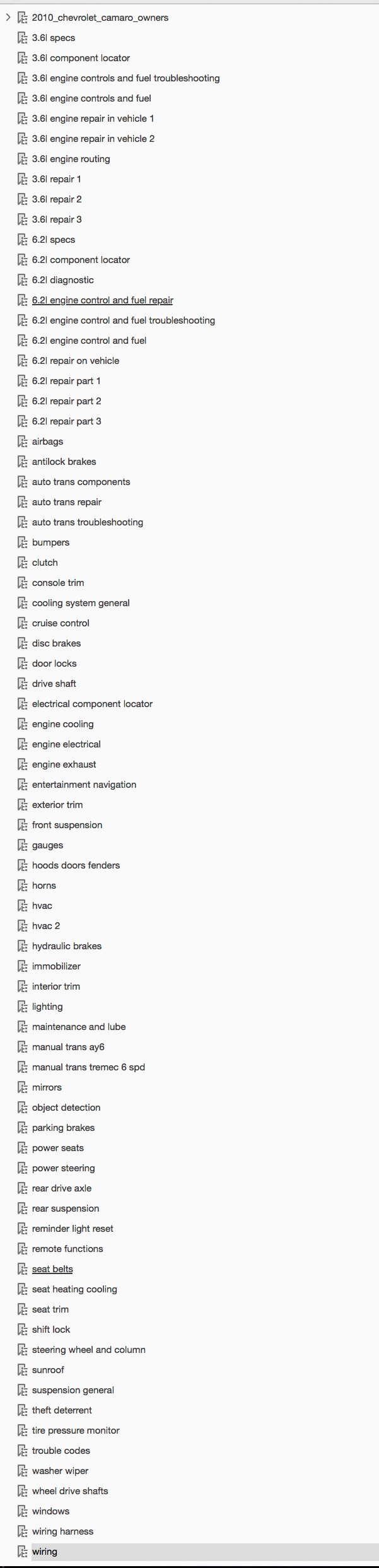
Sample Pages
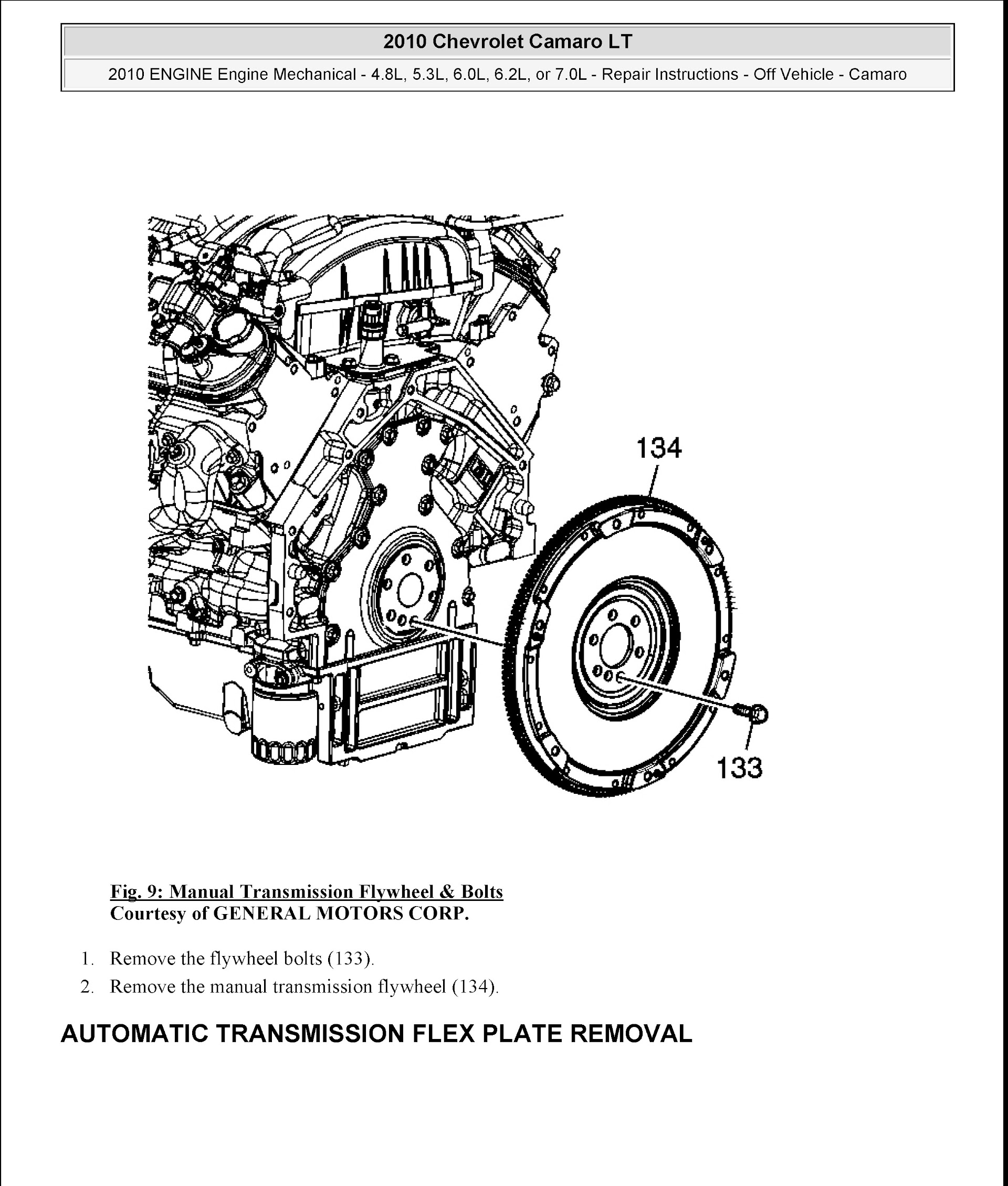
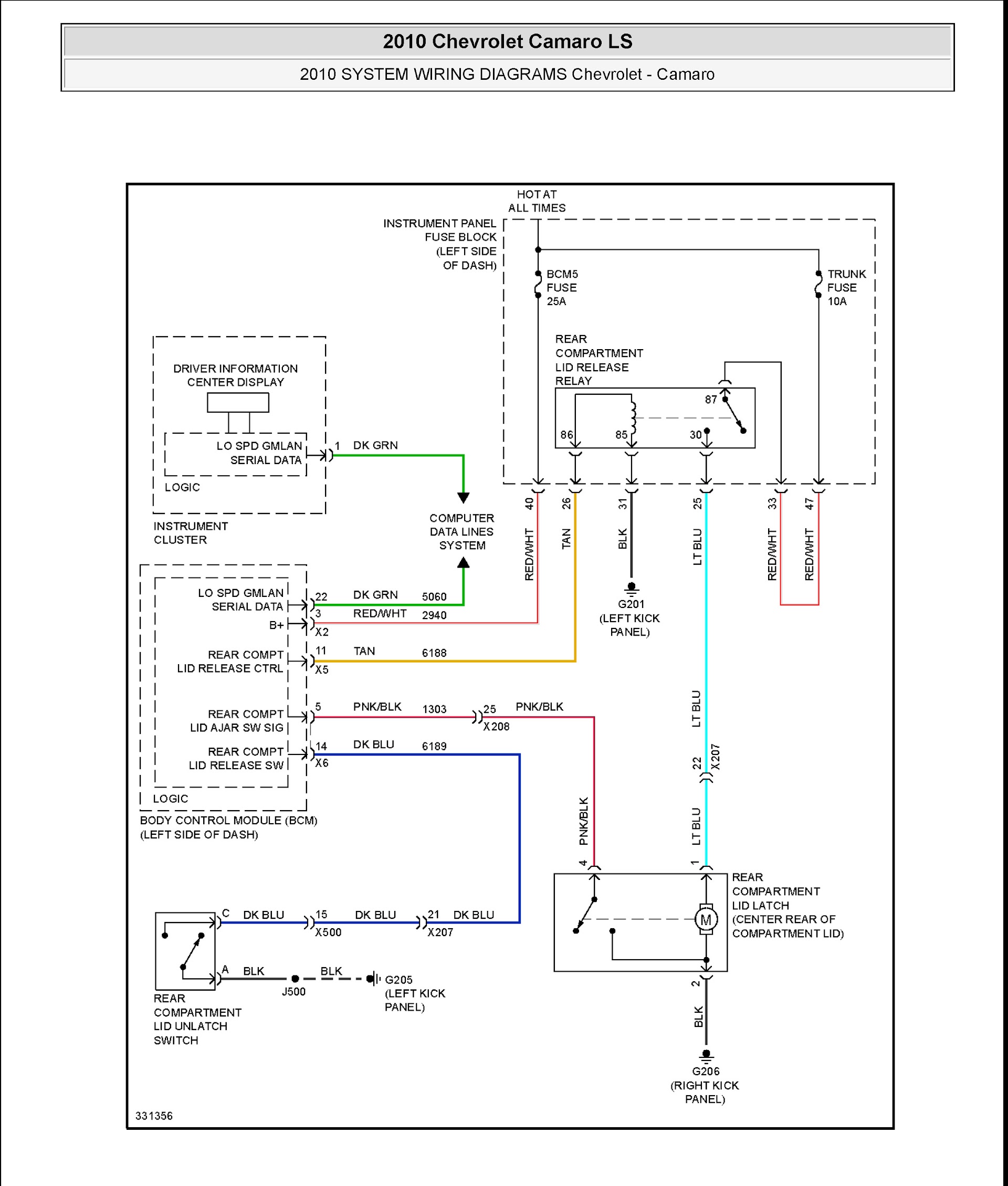
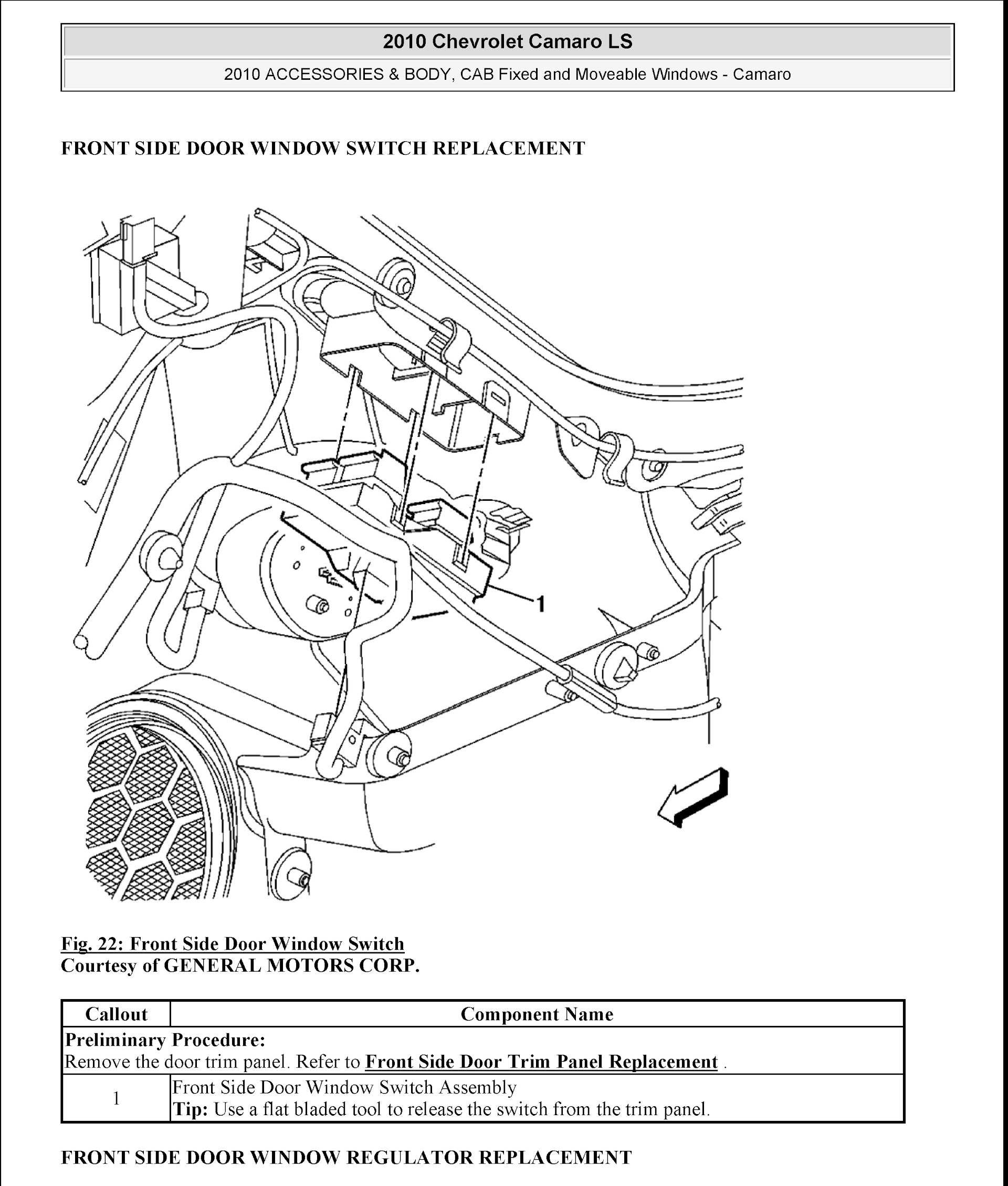
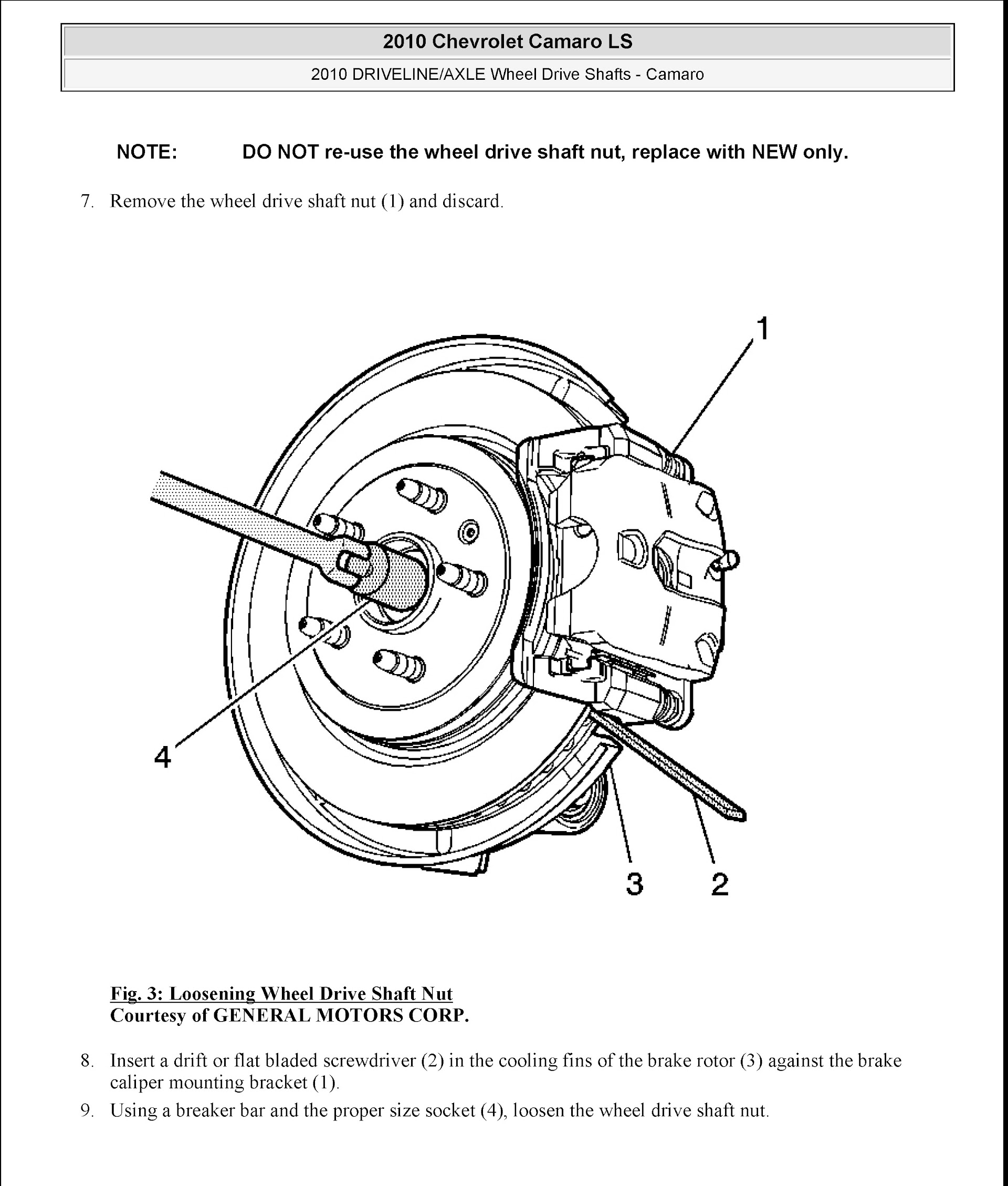
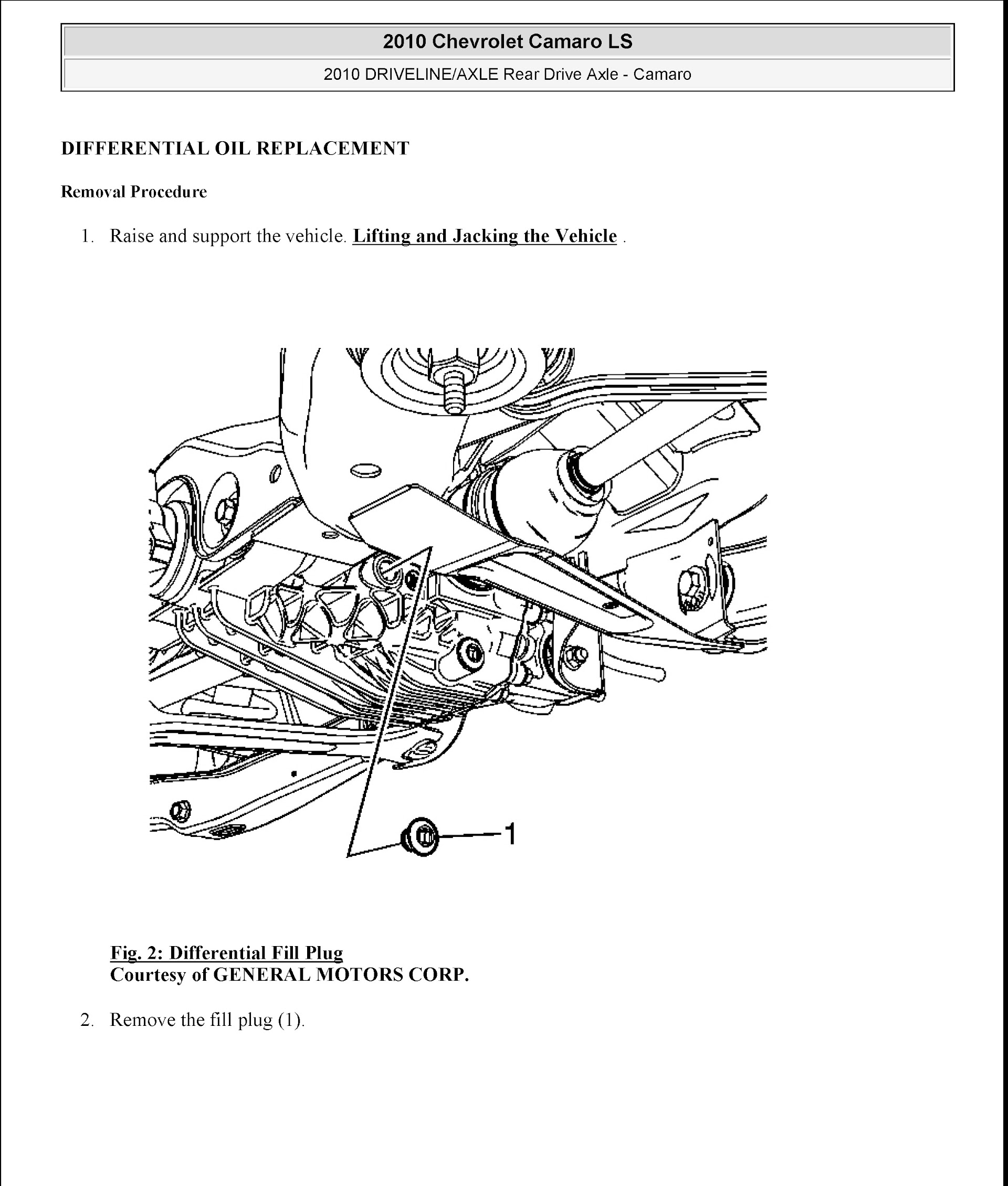
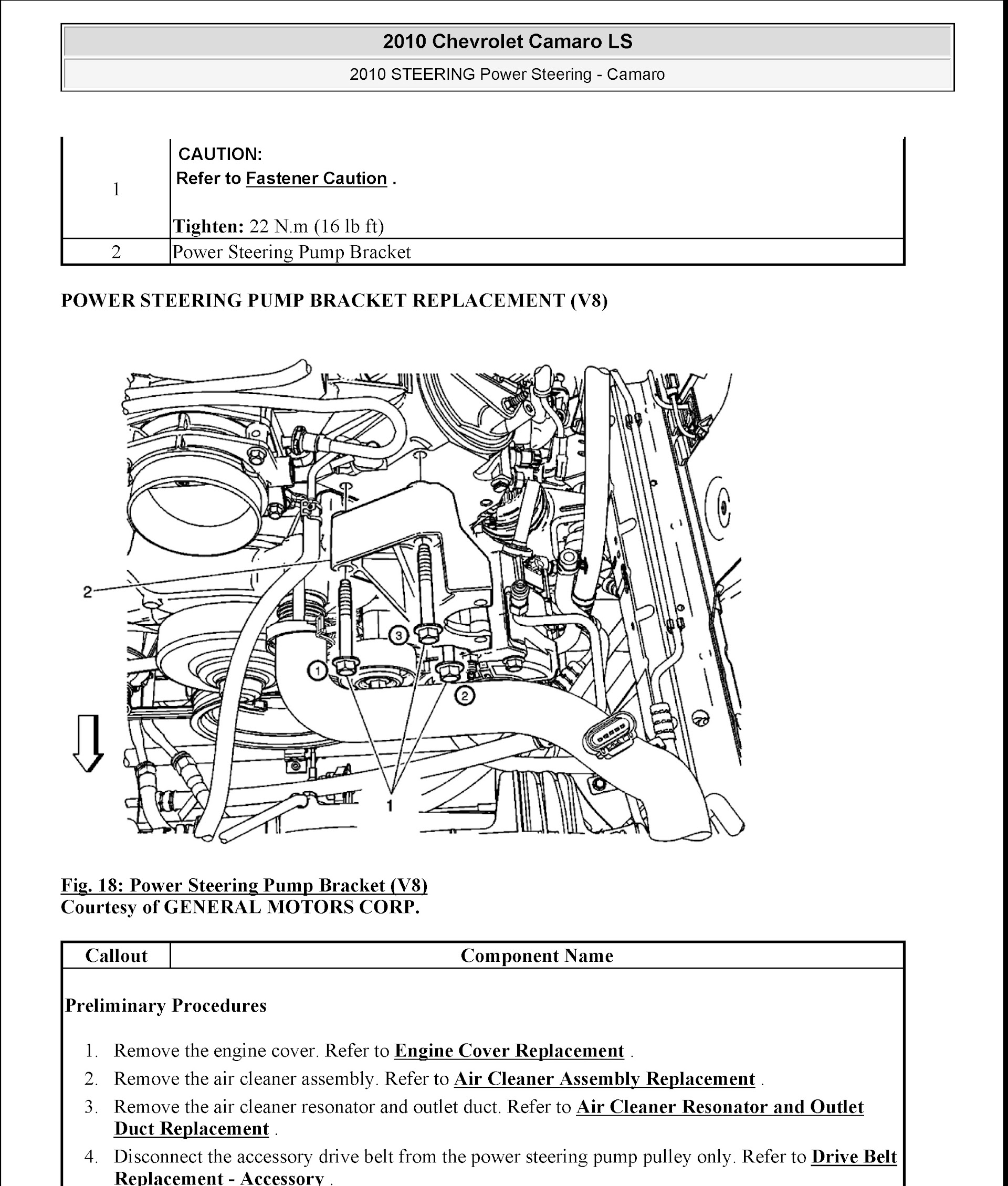
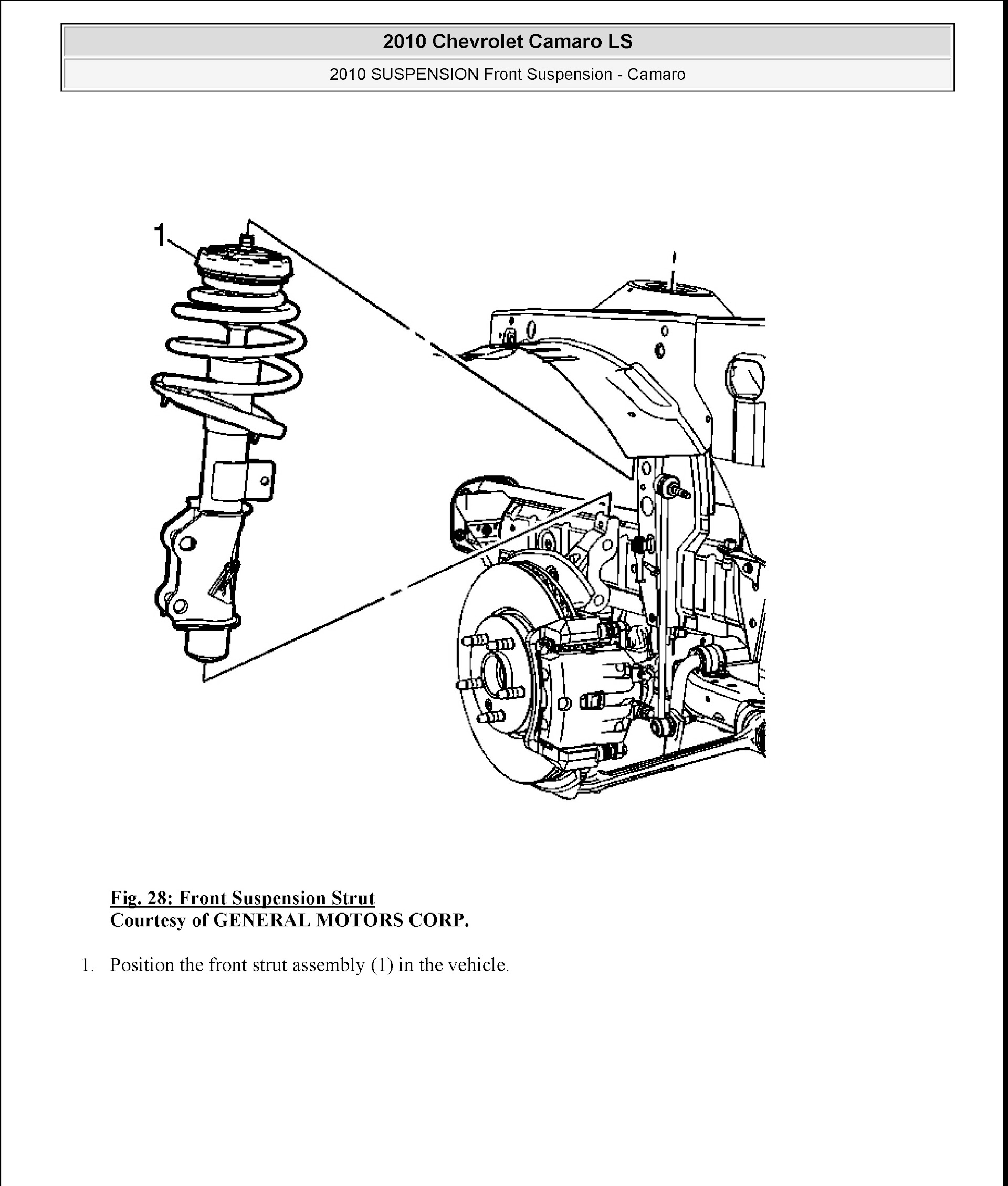
CAUTION: This OEM service and workshop repair manual provides detailed procedures for maintenance, disassembly, reassembly, inspection, adjustment, and diagnostics. It is intended as a comprehensive guide for experienced mechanics. To ensure thorough and accurate repairs that maintain your vehicle’s optimal performance, please read and follow this manual carefully. When replacing parts during any repair work, always
use genuine Chevrolet parts to ensure quality, safety, and reliability.
Common Issues With The 2010-2013 Chevrolet Camaro
Common Mechanical Issues
- Transmission Problems
- Automatic Transmission (6L50/6L80):
- Harsh shifting, slipping, or delayed engagement, especially in 2010–2011 models.
- Fix: Software updates or valve body replacements.
- Manual Transmission (TR6060):
- Grinding gears, clutch chatter, or difficulty shifting (common in 2010–2011 models).
- Engine Issues
- 3.6L V6 Engine (LLT/LFX):
- Timing chain stretch or failure, leading to rough running, misfires, or engine damage.
- Fix: Timing chain replacement under warranty (if applicable).
- 6.2L V8 Engine (LS3/L99):
- Excessive oil consumption or lifter failure (L99 models with Active Fuel Management).
- Suspension and Steering
- Strut Mount Failure: Clunking noises from the front suspension, especially in 2010–2011 models.
- Steering Wheel Vibration: Often caused by unbalanced wheels or worn suspension components.
- Brake System
- Premature brake pad/rotor wear or squeaking noises. Some 2010 models had recalls for brake line corrosion.
- Rear Differential Noise
- Whining or grinding noises from the rear differential, often due to improper fluid levels or worn bearings.
Common Electrical Issues
-
- Battery Drain
- Parasitic drain caused by faulty Body Control Modules (BCM) or aftermarket accessories.
- Infotainment System Glitches
- Screen freezes, unresponsive controls, or Bluetooth connectivity issues (common in 2010–2011 models).
- Faulty Sensors
- Erratic behavior from TPMS (Tire Pressure Monitoring System) or engine sensors.
- Power Window Failures
- Slow operation or complete failure due to faulty motors or regulators.
- Takata Airbag Recall
- Recall (NHTSA 16V-356): Defective Takata airbag inflators in 2010–2013 models could rupture. Replacement is free.
Key Recalls
-
- Brake Line Corrosion (2010): NHTSA 13V-028 (replaced brake lines).
- Passenger Airbag (2010–2013): NHTSA 16V-356 (Takata airbag recall).
- Wiper Motor Failure (2010–2011): NHTSA 11V-487 (replaced wiper motors).
Performance Specs
| Model Variant |
Engine |
Horsepower |
Torque |
0-60 mph |
Transmission |
Drivetrain |
| Base Camaro (V6) |
3.6L V6 |
~304-323 hp |
~280-290 lb-ft |
~6.0-6.5 sec |
6-speed manual or auto |
RWD |
| Camaro SS (V8) |
6.2L V8 |
~426 hp (manual) or 400 hp (auto) |
~420-410 lb-ft |
~4.7 sec (manual) |
6-speed manual or auto |
RWD |
| Camaro ZL1 (High-Performance) |
6.2L Supercharged V8 |
~580 hp |
~556 lb-ft |
~3.9 sec |
Manual (if available) or auto |
RWD |
Note: Performance figures vary by model year and specific configuration.
Maintenance Schedule
Regular maintenance is essential for ensuring the Camaro’s longevity and performance. Below is a general guideline:
| Maintenance Item |
Interval (Miles) |
Interval (Km) |
| Oil Change (Synthetic 5W-30) |
Every 5,000-7,500 |
8,000-12,000 |
| Transmission Fluid Change |
Every 30,000-50,000 |
48,000-80,000 |
| Brake Fluid Replacement |
Every 30,000 |
48,000 |
| Coolant Flush & Replacement |
Every 50,000-60,000 |
80,000-96,000 |
| Spark Plug Replacement |
Every 100,000 |
160,000 |
| Air Filter Replacement |
Every 15,000 |
24,000 |
| Cabin Air Filter Replacement |
Every 15,000 |
24,000 |
| Tire Rotation & Alignment |
Every 5,000-7,500 |
8,000-12,000 |
| Suspension & Steering Inspection |
Every 30,000 |
48,000 |
Note: Always consult your owner’s manual and adjust based on driving conditions.
Competitors
The Camaro competes in the American muscle and sports car segments. Key competitors include:
| Competitor |
Pros |
Cons |
| Ford Mustang |
Strong performance, varied engine options, iconic design |
Less refined interior, less focus on modern tech |
| Dodge Challenger |
Retro styling, powerful V8 engines, spacious cabin |
Heavier, less agile handling |
| Chevrolet Corvette (C7) |
Superior performance, mid-engine balance, high prestige |
Higher price, less practical for everyday driving |
| BMW 4 Series Coupe |
Precise handling, luxurious interior, refined ride |
Higher maintenance costs, more European styling |
| Audi TT RS |
Sporty performance, high-tech interior, turbocharged power |
Limited practicality, higher price tag |
| Subaru BRZ / Toyota 86 |
Excellent handling, lightweight, fun-to-drive |
Less power and practicality compared to the Camaro |
Pros & Cons
Pros:
-
- Aggressive Styling: Bold exterior design and iconic muscle car looks.
- Strong Performance: Especially in SS and ZL1 models, offering thrilling acceleration and handling.
- Modern Technology: Features a well-equipped infotainment system and advanced safety options.
- Engaging Driving Experience: RWD layout and balanced chassis provide a fun and engaging ride.
- Multiple Engine Options: Offers both V6 and V8 variants to suit different driving preferences.
Cons:
-
- Limited Rear Seating Space: The coupe layout offers minimal rear legroom, making it less practical for families.
- Harsh Ride Quality: Sport-tuned suspension can result in a firm ride, especially on rough roads.
- Infotainment and Electrical Glitches: Occasional issues with the infotainment system and minor electrical problems.
- Potential for High Maintenance Costs: Performance components, especially on V8 models, can be expensive to repair.
- Interior Quality: Some lower trims may have materials that feel less refined compared to European rivals.
Recommendations
-
- Check Recalls: Verify open recalls using Chevrolet’s recall lookup tool or the NHTSA VIN database.
- Inspect the Transmission: Address rough shifting early; consider a fluid flush if not done.
- Monitor Engine Health: Watch for timing chain noise or oil consumption issues.
- Test the Battery: Check for parasitic drain and replace if necessary.
- Replace Takata Airbags Immediately: Do not delay—this is a severe safety hazard.
Reliability Note
The 2010-2013 Chevrolet Camaro is a true American muscle car that combines aggressive styling, strong performance, and modern technology. It offers a range of powertrains to suit various driving preferences, from the spirited V6 to the high-performance V8 options. While it delivers an engaging driving experience, potential buyers should be mindful of its limited practicality (especially in coupe form), ride firmness, and possible maintenance costs associated with performance components.
The 2010–2013 Camaro is generally reliable, but transmission issues and timing chain problems are notable concerns. The 2012–2013 models saw fewer complaints, suggesting improvements. Always prioritize recall repairs and pre-purchase inspections for used models.
👉 Verdict: If you’re looking for an iconic muscle car that offers modern technology and thrilling performance—and you’re willing to accept a sportier, less practical interior—the is an excellent choice.