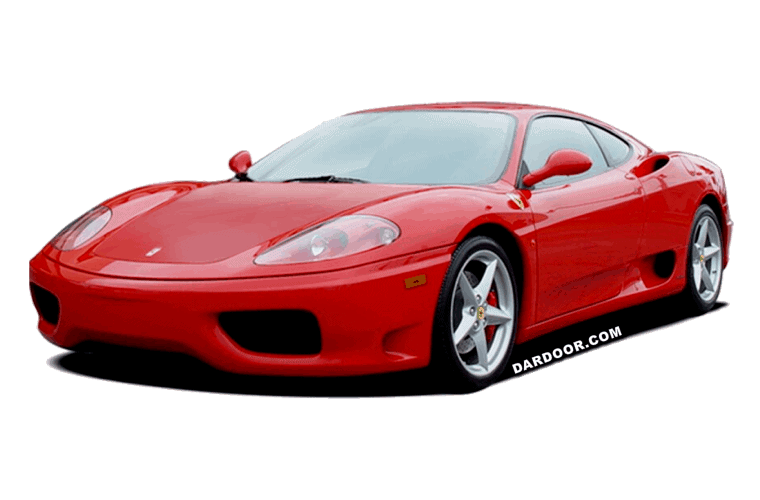
1999-2005 Ferrari 360 Modena OEM Workshop Service & Repair Manual – PDF Download
Get the original OEM workshop service and repair manual for the 1999-2005 Ferrari 360 Modena in a simple, easy-to-use PDF format. This factory-authorized manual provides the same professional-level service information used for accurate diagnostics, maintenance, and repair procedures.
| File Format |
PDF |
| File Languages |
English, Deutch, Italian, French |
| You’ll Get |
509.3 MB |
| Page Count Volume 1 |
360 |
| Page Count Volume 2 |
764 |
| Delivery Method |
Instant Download |
Compatible with Windows, macOS, iPhone, iPad, and Android devices.
Why Choose This Ferrari 360 Modena Manual?
Factory-Authorized Information
Includes the official repair and service procedures designed for the Ferrari 360 Modena.
Comprehensive Coverage
Covers maintenance, diagnostics, mechanical systems, electrical systems, and detailed repair steps.
Workshop-Friendly PDF
Easy to open, search, and print on your computer, tablet, or mobile device.
Perfect for DIY & Professional Use
Ideal for owners, restorers, collectors, and technicians who want reliable factory information.
What’s Included
- Factory service and repair procedures
- Mechanical system maintenance and repair guidance
- Engine and transmission service information
- Suspension, steering, and brake system coverage
- Body, interior, and general maintenance information
- Specifications, adjustments, and workshop instructions
Vehicle Coverage
- Make: Ferrari
- Model: 360 Modena
- Years: 1999, 2000, 2001, 2002, 2003, 2004, 2005
- Format: Digital PDF
This manual provides detailed instructions for maintenance, disassembly, reassembly, component inspection, adjustment, and diagnostics—intended for use by experienced mechanics. Proper application of this guide will help ensure thorough repairs and maintain your vehicle in peak condition.
Important Note: Before purchasing this manual, please check whether your vehicle is subject to any active service recalls, as authorized dealerships may perform necessary repairs free of charge. When replacing parts, always use genuine OEM components to ensure safety, reliability, and long-term performance.
Contents: 1999-2005 Ferrari 360 Modena Repair Manual
Volume 1
- GENERAL INDEX
- GENERAL INFORMATION
- SPECIFICATIONS
- REFILLING AND MAINTENANCE
- ENGINE
- INJECTION AND IGNITION
Volume 2
- BRAKING SYSTEM
- INSTRUMENT AND CONTROL
- AIR CONDITIONING
- ELECTRICAL SYSTEM
- BODYWORK PARTS
Sample Pages
CAUTION: This OEM service and workshop repair manual provides detailed procedures for maintenance, disassembly, reassembly, inspection, adjustment, and diagnostics. It is intended as a comprehensive guide for experienced mechanics. To ensure thorough and accurate repairs that maintain your vehicle’s optimal performance, please read and follow this manual carefully. When replacing parts during any repair work,
always use genuine Ferrari parts to ensure quality, safety, and reliability.
1999–2005 Ferrari 360 Modena: Comprehensive Buyer’s Guide
Overview
The Ferrari 360 Modena represents a watershed moment in Ferrari’s history—the first all-aluminum chassis production Ferrari and a dramatic departure from the F355. Named after Ferrari’s hometown of Modena, the 360 introduced modern styling by Pininfarina, significantly improved build quality, and a more accessible driving experience while maintaining Ferrari’s performance pedigree.
Body Styles:
- 360 Modena (Berlinetta/Coupe) – 1999–2005
- 360 Spider (Convertible) – 2000–2005
- 360 Challenge Stradale (Track-focused variant) – 2003–2004
The 360 was produced for six model years with approximately 17,000 units built across all variants, making it one of Ferrari’s most commercially successful models of its era.
Technical Specifications
| Specification |
Details |
| Engine |
3.6L (3586cc) naturally aspirated V8 |
| Configuration |
Mid-engine, longitudinal, dry sump |
| Power Output |
400 hp @ 8,500 rpm |
| Torque |
275 lb-ft @ 4,750 rpm |
| Transmission |
6-speed manual or F1 paddle-shift automated manual |
| 0-60 mph |
4.3 seconds (manual), 4.5 seconds (F1) |
| Top Speed |
183 mph (295 km/h) |
| Weight |
2,976 lbs (1,350 kg) – Modena coupe |
| Drivetrain |
Rear-wheel drive |
| Chassis |
Aluminum space frame |
| Suspension |
Independent double wishbone, front & rear |
| Brakes |
4-wheel ventilated discs with ABS |
| Fuel Capacity |
25.3 gallons (95.7 liters) |
| Fuel Economy |
11 mpg city / 16 mpg highway (EPA) |
Top 10 Mechanical & Electrical Issues
1. Sticky F1 Transmission Actuators
Symptoms:
- Slow or jerky gear changes
- “Transmission fault” warning on display
- Failure to engage gears
- Clutch slipping or grabbing
Root Cause: The F1 electrohydraulic actuator accumulator sphere loses pressure over time due to internal bladder degradation. The hydraulic fluid also degrades and becomes contaminated with metal particles.
Fix: Replace accumulator sphere, flush and replace hydraulic fluid, replace solenoids if damaged. In severe cases, entire F1 pump assembly replacement.
Cost: $2,500–$6,000 (accumulator service); $8,000–$12,000 (complete pump replacement)
2. Clutch Wear (F1 Transmission)
Symptoms:
- Slipping during acceleration
- Burning smell
- High clutch wear percentage on dash display (>80%)
- Difficulty engaging gears
Root Cause: The single-plate dry clutch wears through normal use, especially in stop-and-go traffic. F1 transmission clutches tend to wear faster than manual transmission clutches due to automated engagement characteristics.
Fix: Complete clutch replacement including pressure plate, release bearing, and flywheel resurfacing if needed.
Cost: $5,000–$8,000 (including labor at specialist)
3. Exhaust Manifold Cracking
Symptoms:
- Ticking or popping noise from engine bay at startup
- Exhaust smell in cabin
- Visible exhaust soot on engine undertray
- Loss of power under acceleration
Root Cause: Cast exhaust manifolds crack due to thermal expansion/contraction cycles. Design flaw in early models; improved in later years but still susceptible.
Fix: Replace cracked manifolds. Aftermarket tubular headers are a popular upgrade that solves the issue permanently.
Cost: $3,000–$5,000 (OEM manifolds); $4,000–$7,000 (aftermarket headers installed)
4. Tubi Style Exhaust Heat Shield Failure
Symptoms:
- Rattling noise from underneath, especially on startup
- Heat shield visibly detached or hanging
- Excessive heat in rear compartment
Root Cause: Exhaust heat shields are held by small bolts that corrode and break. Heat cycling causes metal fatigue.
Fix: Remove and reinstall heat shields with new fasteners, or upgrade to aftermarket exhaust system.
Cost: $500–$1,200 (heat shield reattachment)
5. Engine Bay Fuel Hose Degradation
Symptoms:
- Fuel smell in engine bay or cabin
- Visible fuel weeping or staining on hoses
- Hard starting when hot
- Check engine light (fuel pressure codes)
Root Cause: Rubber fuel lines deteriorate over time due to heat exposure in the engine bay. Ferrari recommends replacement every 5 years but many are overlooked.
Fix: Replace all rubber fuel hoses in engine bay as preventive maintenance.
Cost: $1,500–$3,000 (complete hose replacement)
6. Sticky Door Latches/Microswitch Failure
Symptoms:
- Doors won’t open from inside or outside
- Interior lights don’t activate when door opens
- Alarm system malfunction
- Warning light indicating door ajar when closed
Root Cause: Door latch mechanism microswitches fail due to age and corrosion. Latch mechanism can seize from lack of lubrication.
Fix: Disassemble door latch mechanism, clean and lubricate, replace microswitches if faulty.
Cost: $800–$1,500 per door
7. Capristo/Tubi Exhaust Valve Motor Failure
Symptoms:
- Exhaust valves stuck open or closed
- No change in exhaust note when sport mode activated
- Warning light on dashboard
- Whining or buzzing noise from exhaust area
Root Cause: Electric motors that control exhaust bypass valves fail due to heat exposure and carbon buildup.
Fix: Replace exhaust valve actuator motors.
Cost: $600–$1,200 per side (if equipped with variable exhaust)
8. Coolant Expansion Tank Cracking
Symptoms:
- Coolant level drops frequently
- Sweet coolant smell
- Visible coolant leaks under car
- Overheating warning
- White residue on expansion tank
Root Cause: Plastic expansion tank becomes brittle over time and cracks, especially at mounting points and seams.
Fix: Replace coolant expansion tank and pressure test system.
Cost: $400–$800
9. Ball Joint Wear (Front Suspension)
Symptoms:
- Clunking noise over bumps
- Steering feels loose or vague
- Uneven tire wear
- Vibration through steering wheel
Root Cause: Front lower ball joints wear from normal use and harsh road conditions. No grease fittings mean they cannot be serviced.
Fix: Replace worn ball joints and perform alignment.
Cost: $1,200–$2,000 (both sides)
10. Battery Drain/Alternator Issues
Symptoms:
- Dead battery after sitting for days
- Dim headlights at idle
- Battery warning light
- Electrical accessories malfunction
- Clock/radio reset frequently
Root Cause: Alternator diode failure causes parasitic battery drain. The 360 also has high electrical draw when parked due to alarm system and ECU monitoring.
Fix: Replace alternator; install battery tender for cars that sit for extended periods.
Cost: $1,200–$2,000 (alternator replacement)
Top 5 Competitors (1999–2005)
- Price Range: $150,000 new / $60,000–$100,000 today
- Advantage: More practical, better reliability, turbocharged AWD performance
- Disadvantage: Less exotic, less emotional engine note
2. Lamborghini Gallardo – 2003–2005
- Price Range: $165,000–$200,000 new / $90,000–$140,000 today
- Advantage: V10 engine, Audi build quality, AWD available
- Disadvantage: Heavier, less analog feel
- Price Range: $110,000 new / $40,000–$65,000 today
- Advantage: More GT-focused, better interior, lower running costs
- Disadvantage: Less performance, front-engine layout
4. Dodge Viper GTS/SRT-10 – 1999–2005
- Price Range: $65,000–$85,000 new / $50,000–$90,000 today
- Advantage: Raw V10 power, dramatically lower costs, simpler mechanicals
- Disadvantage: Less refined, American muscle vs Italian exotic
5. Acura NSX – 1999–2005
- Price Range: $89,000 new / $55,000–$90,000 today
- Advantage: Honda reliability, daily-drivable, lower maintenance
- Disadvantage: Less power, aging design by 2005
Top 10 Recalls, Advisories & TSB Highlights
Official NHTSA Recalls:
1. Recall 00V313000 (November 2000)
- Issue: Fuel tank filler neck may crack
- Vehicles: 360 Modena 1999–2000
- Fix: Replace fuel tank filler neck assembly
2. Recall 01V282000 (October 2001)
- Issue: Fuel lines may contact exhaust causing fire risk
- Vehicles: 360 Modena and Spider 1999–2001
- Fix: Reroute fuel lines with proper heat shielding
3. Recall 02V114000 (May 2002)
- Issue: Engine may stall due to fuel pump relay failure
- Vehicles: 360 Modena and Spider 2000–2002
- Fix: Replace fuel pump relay
4. Recall 03V425000 (October 2003)
- Issue: Front suspension lower control arm ball joint may separate
- Vehicles: 360 Modena and Spider 2002–2003
- Fix: Replace front lower control arms
5. Recall 04V537000 (November 2004)
- Issue: Passenger airbag may not deploy properly
- Vehicles: 360 Modena and Spider 2003–2004
- Fix: Replace passenger airbag module
Service Bulletins & Known Issues:
6. TSB: F1 Transmission Accumulator Sphere Service
- Issue: Premature accumulator sphere failure causing transmission issues
- Recommendation: Replace every 3–4 years regardless of mileage
7. TSB: Exhaust Manifold Inspection
- Issue: Cast manifolds prone to cracking
- Recommendation: Visual inspection during major service; consider header upgrade
8. TSB: Fuel Hose Replacement Interval
- Issue: Rubber fuel hoses degrade in engine bay heat
- Recommendation: Replace all fuel hoses every 5 years
9. Advisory: Clutch Inspection Protocol
- Issue: F1 clutch wear accelerated by improper use
- Recommendation: Check clutch wear percentage regularly; budget for replacement
10. Advisory: Battery Maintenance
- Issue: Parasitic battery drain when stored
- Recommendation: Use battery tender when car sits more than a week
Maintenance Schedule
Annual Service (Minor Service) – Every Year or 6,250 Miles
Cost: $1,500–$2,500
- Engine oil and filter change (10 quarts of 10W-60 synthetic)
- Brake fluid flush
- Visual inspection of belts, hoses, suspension
- Tire rotation and pressure check
- Diagnostic scan for fault codes
- Road test
Major Service – Every 3 Years or 18,750 Miles
Cost: $4,000–$7,000
- All items from annual service
- Replace engine air filters
- Replace cabin air filter
- Replace spark plugs (8 total)
- Throttle body synchronization
- Valve clearance check/adjustment
- Transmission fluid change (F1 or manual)
- Differential fluid change
- Inspect/replace coolant hoses
- Inspect brake pads and rotors
- Replace fuel filter
5-Year/Major Component Service
Cost: $7,000–$12,000+
- All items from major service
- Timing belt service (critical – includes belt, tensioners, water pump)
- Replace all rubber fuel hoses
- F1 accumulator sphere replacement
- Replace coolant expansion tank
- Inspect clutch (if F1, likely needs replacement by this point)
- Inspect exhaust manifolds for cracks
Critical Maintenance Notes:
Timing Belt Service: The most critical maintenance item. Must be done every 5 years or 30,000 miles, whichever comes first. Failure can result in catastrophic engine damage. Cost: $6,000–$9,000.
F1 Clutch Life: Typically 10,000–20,000 miles depending on driving style. Track use significantly reduces life.
Annual Running Costs (Assuming 3,000 miles/year):
- Maintenance: $2,000–$3,500
- Insurance: $2,500–$5,000
- Fuel: $2,000–$3,000
- Depreciation: Minimal (market has stabilized)
- Total: $6,500–$11,500/year minimum
10 Frequently Asked Questions for Buyers
1. Manual vs F1 Transmission – Which Should I Buy?
Manual:
- More engaging, traditional Ferrari experience
- Lower maintenance costs
- Better resale value (20–30% premium)
- Clutch lasts longer with proper use
- Only 25% of 360s were manual
F1:
- Faster shifts, more modern
- More available on market
- Better for traffic/daily use
- Higher maintenance (accumulator, clutch)
- Track-mode paddle shifting is thrilling
Recommendation: If you can drive manual and want the purist experience, pay the premium. F1 is fine if maintained properly, but budget more for upkeep.
2. What’s a Realistic Budget for Ownership?
Purchase Price: $80,000–$130,000 (manual commands premium)
Annual Operating Costs:
- Minimum: $6,500/year (garaged, 2,000 miles)
- Typical: $10,000–$15,000/year (5,000 miles, proper maintenance)
- Higher use: $20,000+/year (10,000+ miles, track days)
Budget for deferred maintenance: Add $10,000–$25,000 if service history is incomplete.
3. How Many Miles is Too Many?
Unlike typical cars, condition matters far more than mileage on a 360.
- Low mileage (<15,000 mi): Not necessarily better – cars that sit deteriorate
- Sweet spot: 20,000–40,000 miles – driven regularly, maintained properly
- Higher mileage (50,000+): Fine if comprehensive service records prove proper care
- Timing belt service and major maintenance matter infinitely more than odometer
Red flag: Low mileage car without recent major service = massive upcoming bills.
4. What Should I Look for in a Pre-Purchase Inspection?
Essential PPI Items:
- Complete service history review (timing belt critical)
- F1 transmission diagnostic scan (error codes, accumulator pressure)
- Clutch wear percentage (>80% = negotiation point)
- Exhaust manifold inspection (listen for leaks, look for cracks)
- Fuel hose condition (check for weeping/staining)
- Undercarriage inspection (front frame damage, corrosion)
- Compression test on all cylinders
- Brake system condition (pads, rotors, fluid)
- Suspension bushings and ball joints
- All electronics and features tested
PPI Cost: $500–$1,000 at Ferrari specialist – non-negotiable
5. Challenge Stradale vs Standard 360 – Worth the Premium?
Challenge Stradale (2003–2004):
- 425 hp (vs 400 hp standard)
- 245 lbs lighter (carbon fiber everywhere)
- Stiffer suspension, carbon ceramic brakes
- Only 1,288 built worldwide
- Price Premium: $200,000–$300,000+ vs $80,000–$130,000
Worth it? Only for collectors or serious track enthusiasts. For driving enjoyment and value, standard 360 offers 90% of the experience at a fraction of the cost.
6. Can I Daily Drive a 360?
Realistic Answer: Yes, with caveats.
Pros:
- Reliable by exotic standards if maintained
- Comfortable seating position
- Adequate storage for weekend trips
- Modern enough for highway driving
Cons:
- 11 mpg city fuel economy
- Limited ground clearance (speed bumps, driveways)
- Clutch wear in traffic (especially F1)
- Attention from everyone, everywhere
- Weather concerns (protect from salt/rain)
Better scenario: 3–4 season car driven 3,000–7,000 miles/year on nice days.
7. What Color/Options Affect Resale Value?
Most Desirable Colors:
- Rosso Corsa (Red): Classic Ferrari, holds value best
- Giallo (Yellow): Second most popular
- Nero (Black): Timeless, strong demand
- Argento Nürburgring (Silver): Underrated, elegant
Less Desirable:
- White, blue, green (niche appeal)
- Two-tone or custom colors (polarizing)
Options That Add Value:
- Manual transmission (+20–30%)
- Carbon fiber trim package
- Racing seats/Scuderia shields
- Challenge grille
- Original toolkit and books
8. How Does Insurance Work?
Typical Annual Premium: $2,500–$5,000
Factors:
- Agreed value vs stated value policy
- Annual mileage limits (3,000–7,500 mi typical)
- Garage requirements
- Driver age and history
- Location
Recommended Coverage:
- Agreed value policy (not actual cash value)
- Specialist exotic car insurer (Hagerty, Grundy, etc.)
- Track day coverage if you plan to use it
9. Where Should I Get It Serviced?
Options:
- Ferrari Dealership
- Pros: Factory training, genuine parts, resale documentation
- Cons: Most expensive ($200–$250/hour labor)
- Independent Ferrari Specialist
- Pros: Lower labor rates ($125–$175/hour), equal expertise
- Cons: Must verify credentials and reputation
- Recommended: Research local specialists on FerrariChat forums
- General Exotic Car Shop
- Pros: Might be cheaper
- Cons: Less specific experience, potential for errors
- Not recommended for major work
Key: Comprehensive service records matter more than where it’s done.
10. Is Now a Good Time to Buy?
Market Analysis (2025):
Pros:
- Market has stabilized after 2021–2022 spike
- Solid values in $85,000–$120,000 range for nice examples
- Last of the naturally-aspirated V8 Ferraris
- Strong enthusiast community and parts support
- Depreciation appears to have bottomed
Cons:
- Manual gated cars becoming expensive ($140,000+)
- Deferred maintenance costs rising with inflation
- Entry-level supercar market competitive
Verdict: Good time for serious buyers who budget properly. Values should remain stable with potential appreciation for exceptional examples.
Final Buyer Recommendations
Who Should Buy a 360 Modena:
✅ Enthusiasts who:
- Have $100,000+ all-in budget (car + maintenance reserve)
- Can budget $10,000–$15,000/year for proper ownership
- Want an analog, naturally-aspirated Ferrari experience
- Will use it regularly (cars that sit deteriorate)
- Have garage space and weather-appropriate storage
- Can handle attention and service complexity
Who Should NOT Buy:
❌ People who:
- Are unprepared for maintenance costs
- Want a trouble-free daily driver
- Cannot handle depreciation risk on deferred maintenance
- Expect modern car reliability
- Are sensitive to repair costs exceeding car’s value
Buying Checklist Priority:
1. Service History – Non-negotiable. Walk away if incomplete.
2. Recent Major Service – Timing belt, clutch status, F1 accumulator critical.
3. Pre-Purchase Inspection – Always do this at Ferrari specialist.
4. Mechanical Condition Over Cosmetics – Paint can be fixed; engine issues are catastrophic.
5. Budget Cushion – Have $15,000–$20,000 reserve for immediate needs.
The Bottom Line
The Ferrari 360 Modena represents the sweet spot in Ferrari ownership – modern enough to be reliable and usable, yet analog enough to deliver an authentic driving experience. It’s the last Ferrari before electronics dominated, the last with the iconic gated manual option, and arguably the best-looking mid-engine Ferrari of its era.
Buy it if: You’re prepared financially and emotionally for exotic car ownership. A well-maintained 360 with complete service records is a rewarding machine that will appreciate your care.
Skip it if: You’re stretching financially or expect modern car convenience. This is a 20+ year old exotic that demands respect and resources.
Final Word: The 360 isn’t the fastest or most advanced Ferrari, but it’s one of the most beautiful, most usable, and most attainable. With proper research, realistic budgets, and commitment to maintenance, it can deliver years of intoxicating Ferrari ownership.
🏁 Happy hunting, and always remember: buy the best example you can afford with proper service history. The cheapest 360 is always the most expensive in the long run.