

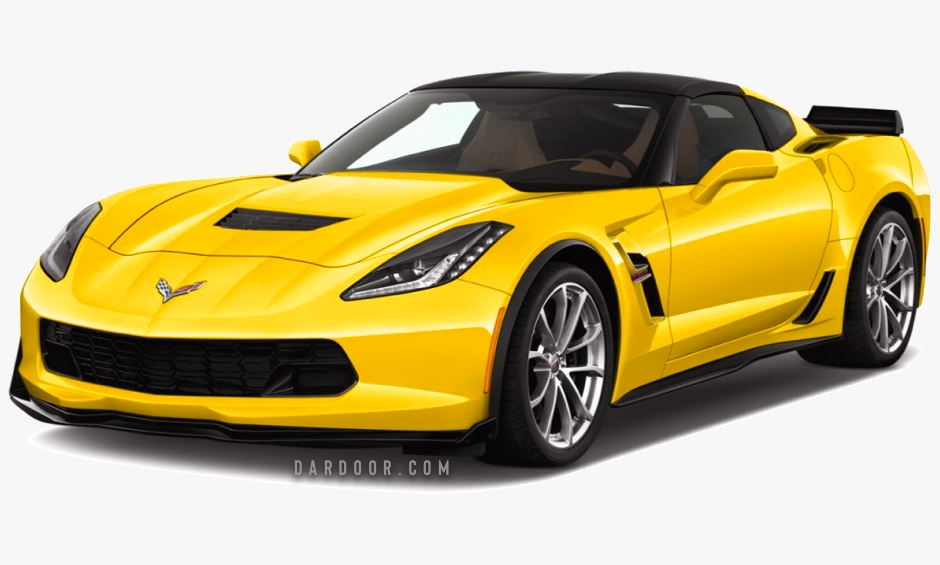
This is the original OEM workshop document with the wiring diagram for the 2014-2017 Chevrolet Corvette C7 repair manual in a simple PDF format.
2014-2017 Chevrolet Corvette C7 Repair Manual
$24.90
Unleash the full potential of your 2014-2017 Chevrolet Corvette C7 with this original OEM workshop manual. This comprehensive PDF provides all the necessary instructions and detailed wiring diagrams to help you diagnose, repair, and maintain your iconic sports car.
| File Format | |
| File Language | English |
| You’ll Get | 118.5 MB |
| Wiring Diagram | Included |
| Delivery Method | Instant Download |
Download the 2014-2017 Chevrolet Corvette C7 repair manual today and take control of your vehicle’s performance!
This is the same manual used by Chevrolet dealer technicians, ensuring you have access to professional-grade information for accurate repairs and maintenance. Whether you’re a seasoned mechanic or a Corvette enthusiast, this manual is your essential resource for keeping your vehicle in peak condition.
- Complete and Original OEM Workshop Document
- Detailed Wiring Diagrams Included
- Covers All Aspects of Repair and Maintenance
- User-Friendly PDF Format
This manual provides detailed instructions for maintenance, disassembly, reassembly, component inspection, adjustment, and diagnostics—intended for use by experienced mechanics. Proper application of this guide will help ensure thorough repairs and maintain your vehicle in peak condition.
Important Note: Before purchasing this manual, please check whether your vehicle is subject to any active service recalls, as authorized dealerships may perform necessary repairs free of charge. When replacing parts, always use genuine OEM components to ensure safety, reliability, and long-term performance.
Table of Contents : 2014-2017 Chevrolet Corvette C7 Repair Manual
General
-
- General Information
- Commonly Used Abbreviations
- Trouble Shooting – Basic Procedures
- DTC Index
- Reminder Indicator Reset Procedures
- Wheel Alignment Theory & Operation
Engine
-
- Maintenance and Lubrication
- Engine Cooling System
- Engine Exhaust System
- Engine Overhaul Procedures
- Engine Mechanical – 6.2L (LT1)
- Specifications
- Component Locator
- Description and Operation
- Diagnostic Information and Procedures
- Repair Instructions – On Vehicle
- Repair Instructions – Off Vehicle
- Schematic and Routing Diagrams
Engine Performance
-
- Engine Controls and Fuel – 6.2L (LT1)
- DTC Index
- Specifications
- Repair Instructions
- Description and Operation
- Diagnostic Information and Procedures
- Schematic and Routing Diagrams
- Engine Controls and Fuel – 6.2L (LT1)
Transmission
-
- Clutch
- Shift Lock Control
- Transmission Cooling
- Automatic Transmission – 6L80 (MYC)
- Description and Operation
- Specifications
- Component Locator
- Diagnostic Information and Procedures
- Repair Instructions – On Vehicle
- Repair Instructions – Off Vehicle
- Schematic and Routing Diagrams
- DTC Index
- Manual Transmission – Tremec 7-Speed (MEL MEP)
Driveline/Axle
-
- Propeller Shaft
- Rear Drive Axle
- Wheel Drive Shafts
Steering
-
- Power Steering
- Steering Wheel and Column
Brakes
-
- Hydraulic Brakes
- Disc Brakes
- Antilock Brake System
- Park Brake
Suspension
-
- Wheel Alignment
- Wheel Alignment Specifications
- Front Suspension
- Rear Suspension
- Electronic Suspension Control
- Suspension General Diagnosis
- Tires and Wheels
- Tire Pressure Monitoring
Accessories & Equipment
-
- Exterior Body Panels and Closures
- Bumpers and Fascias
- Collision Repair
- Folding Top
- Cruise Control
- Data Communications
- Active Noise Cancellation
- Air/Wind Noise
- Cellular, Entertainment, and Navigation
- Exterior Trim
- Floor Coverings and Headlining
- Frame and Underbody
- Horns
- Immobilizer
- Displays and Gauges
- Instrument Panel and Console Trim
- Interior Trim and Paneling
- Remote Functions
- Lighting
- Secondary and Configurable Customer Controls
- Mirrors
- Object Detection
- Paint and Coatings
- Plastic Panel Information and Repair
- Vehicle Access
- Programming and Setup
- Removable Top
- Seat Hardware, Trim and Upholstery
- Seat Heating and Cooling
- Squeaks and Rattles
- Theft Deterrent
- Water leaks
- Fixed and Moveable Windows
- Wipers and Washers
HVAC
-
- Heating, Ventilation and Air Conditioning
- HVAC – Automatic
- Cabin Air Filter
Restraints
-
- Seat Belts
- Supplemental Inflatable Restraints
Electrical
-
- Wiring Systems and Power Management – Repair Instructions
- Wiring Systems and Power Management – Component Locator
- 12 V Starting and Charging
- Power Outlets
- Power Seats
- System Wiring Diagrams
Owner’s Manual
-
- 2017 Chevrolet Corvette C7 Owner’s Manual.
SAMPLE PAGES
A Few Pages Will Help You Make The Right Decision.
CAUTION: This OEM service and workshop repair manual provides detailed procedures for maintenance, disassembly, reassembly, inspection, adjustment, and diagnostics. It is intended as a comprehensive guide for experienced mechanics. To ensure thorough and accurate repairs that maintain your vehicle’s optimal performance, please read and follow this manual carefully. When replacing parts during any repair work, always use genuine Chevrolet parts to ensure quality, safety, and reliability.
2014–2017 Chevrolet Corvette C7 – Comprehensive Guide
Overview
The C7 Corvette (seventh generation) marked a dramatic redesign for America’s sports car, featuring aggressive styling, improved performance, and enhanced technology. Available as a coupe or convertible, with the high-performance Z06 variant joining in 2015.
Technical Specifications
Engine Options
Base (Stingray)
- Engine: 6.2L LT1 V8
- Power: 455 hp @ 6,000 rpm (460 hp with performance exhaust)
- Torque: 460 lb-ft @ 4,600 rpm
- 0-60 mph: 3.7 seconds
- Top Speed: 185+ mph
Z06 (2015+)
- Engine: 6.2L LT4 supercharged V8
- Power: 650 hp @ 6,400 rpm
- Torque: 650 lb-ft @ 3,600 rpm
- 0-60 mph: 2.95 seconds
- Top Speed: 185+ mph (electronically limited)
Grand Sport (2017)
- Uses LT1 engine with Z06 aerodynamics and wider bodywork
Transmission
- 7-speed manual or 8-speed automatic (paddle-shift)
Dimensions & Weight
- Wheelbase: 106.7 inches
- Length: 176.9 inches
- Width: 73.9 inches (77.4 inches for Z06/Grand Sport)
- Height: 48.6 inches
- Curb Weight: 3,298–3,524 lbs (Stingray), 3,524–3,647 lbs (Z06)
Fuel Economy (Stingray)
- Manual: 17 city / 29 highway mpg
- Automatic: 16 city / 28 highway mpg
Chassis & Suspension
- Aluminum frame construction
- Front: Short/long arm double wishbone
- Rear: 5-link suspension
- Magnetic Ride Control available
- Electronic Limited Slip Differential (eLSD)
- Performance Traction Management
10 Top Mechanical & Electrical Issues
1. Cylinder Deactivation Valve Lifter Failure
Symptoms:
- Ticking or tapping noise from engine at idle
- Check engine light with P0300 codes (random misfire)
- Rough idle or hesitation
- Loss of power
Root Cause:
- Defective Active Fuel Management (AFM) valve lifters collapse or stick
- Inadequate oil pressure to lifters
- Carbon buildup in lifter bores
Fix:
- Replace all AFM lifters and associated components
- May require camshaft replacement if damaged
- Some owners disable AFM system with tuning
Cost: $2,000–$4,500
2. Transmission Shudder/Vibration (8-Speed Automatic)
Symptoms:
- Vibration or shuddering during acceleration (15–45 mph)
- Occurs especially during light throttle or uphill
- Feels like driving over rumble strips
Root Cause:
- Torque converter clutch shudder
- Contaminated or degraded transmission fluid
- Torque converter internal wear
Fix:
- Transmission fluid flush with updated fluid
- Torque converter replacement if flush doesn’t resolve
- Software update/reflash
Cost: $150–$400 (fluid service), $1,500–$3,000 (torque converter)
3. Fuel Pump Failure
Symptoms:
- Engine cranks but won’t start
- Stalling at operating temperature
- Loss of power during acceleration
- Whining noise from fuel tank
Root Cause:
- Premature fuel pump wear
- Contamination or debris in fuel system
- Electrical connector corrosion
Fix:
- Replace fuel pump assembly
- Check and clean fuel tank if contaminated
- Inspect electrical connections
Cost: $800–$1,500
4. Head Unit/MyLink Infotainment Freezing
Symptoms:
- Touchscreen becomes unresponsive
- System freezes or reboots randomly
- Backup camera fails to display
- Audio cuts out
Root Cause:
- Software bugs in MyLink system
- Internal memory corruption
- Overheating of head unit components
Fix:
- Software update from dealer
- Hard reset (disconnect battery)
- Head unit replacement if defective
Cost: $0–$200 (software update), $1,200–$2,000 (replacement)
5. Carbon Fiber Hood Delamination/Bubbling
Symptoms:
- Visible bubbles or blisters under clear coat
- Delamination of carbon fiber layers
- Affects visible carbon fiber hoods
Root Cause:
- Manufacturing defect in resin application
- Heat cycling causes expansion/contraction
- UV exposure accelerates degradation
Fix:
- Hood replacement under warranty
- Aftermarket repair/refinishing (limited success)
Cost: $0 (warranty), $3,000–$5,000 (out of warranty)
6. Supercharger Intercooler Heat Soak (Z06)
Symptoms:
- Loss of power after extended high-speed driving
- Reduced boost pressure
- Heat-related performance degradation
- Engine protection mode activation
Root Cause:
- Inadequate cooling capacity of intercooler system
- Track use or hot weather exacerbates issue
- Design limitation of factory cooling
Fix:
- Aftermarket intercooler upgrade
- Additional cooling mods (heat exchanger, radiator)
- GM offered extended warranty for affected vehicles
Cost: $2,500–$5,000 (aftermarket cooling upgrades)
7. Door Lock Actuator Failure
Symptoms:
- Doors won’t lock/unlock with key fob
- Clicking or grinding noise from door
- Manual lock/unlock still works
- One or multiple doors affected
Root Cause:
- Plastic gears inside actuator strip or break
- Normal wear from frequent use
- Moisture intrusion
Fix:
- Replace door lock actuator(s)
- Inspect wiring harness connections
Cost: $150–$350 per door
8. Differential Bushing Wear
Symptoms:
- Clunking noise during acceleration/deceleration
- Vibration through drivetrain
- More noticeable during aggressive driving
- Visible movement of differential
Root Cause:
- Factory rubber bushings deteriorate
- High torque loads accelerate wear
- Track driving exacerbates problem
Fix:
- Replace differential bushings
- Upgrade to polyurethane bushings for durability
Cost: $400–$800
9. Battery Drain/Electrical System Issues
Symptoms:
- Dead battery after sitting for days
- Electrical accessories malfunction
- Multiple warning lights on dashboard
- Radio presets/settings reset
Root Cause:
- Parasitic drain from modules not going to sleep
- Faulty OnStar module or other control modules
- Aftermarket accessories drawing power
Fix:
- Parasitic draw testing to identify source
- Module software updates
- Replace faulty modules
- Battery replacement if damaged from deep discharge
Cost: $100–$300 (diagnosis/battery), $400–$1,200 (module replacement)
10. Steering Column Lock Failure
Symptoms:
- Steering wheel won’t unlock when starting
- “Service Steering Column Lock” message
- Cannot shift out of park
- Clicking noise from steering column
Root Cause:
- Electric steering column lock motor failure
- Wiring harness issues
- Control module malfunction
Fix:
- Replace steering column lock assembly
- Software update
- Wiring repair if needed
Cost: $500–$1,200
Top 5 Competitors
1. Porsche 718 Cayman (2014–2017)
- Price Range: $53,900–$85,000
- Engine: 2.0L turbo 4-cyl (300 hp) or 2.5L turbo 4-cyl (350 hp)
- Pros: Superior handling, premium interior, build quality
- Cons: Less power, more expensive, smaller cargo space
2. Jaguar F-Type (2014–2017)
- Price Range: $65,000–$110,000
- Engine: 3.0L supercharged V6 (340–380 hp) or 5.0L supercharged V8 (550 hp)
- Pros: Stunning design, incredible exhaust note, luxury interior
- Cons: Less reliable, higher maintenance costs, smaller trunk
3. Nissan GT-R (2014–2017)
- Price Range: $101,000–$115,000
- Engine: 3.8L twin-turbo V6 (545–565 hp)
- Pros: AWD traction, advanced technology, supercar performance
- Cons: More expensive, heavier, dated interior, harsh ride
4. Dodge Viper (2013–2017)
- Price Range: $85,000–$120,000
- Engine: 8.4L V10 (645 hp)
- Pros: More power, naturally aspirated V10, exclusive
- Cons: Harsher ride, less refined, discontinued, higher running costs
5. Audi R8 (2014–2015, then new gen 2017)
- Price Range: $115,000–$165,000
- Engine: 4.2L V8 (430 hp) or 5.2L V10 (525–540 hp)
- Pros: AWD, exotic looks, daily drivability, V10 sound
- Cons: Much more expensive, higher maintenance, less raw performance per dollar
Top 10 Recalls, Advisories & TSB Highlights
Recalls
1. NHTSA 14V-634 (2014–2015 Models)
- Issue: Parking brake may not fully engage
- Risk: Vehicle could roll away
- Fix: Replace parking brake cable adjuster
2. NHTSA 15V-355 (2015 Models)
- Issue: Hood latches may not engage properly
- Risk: Hood could open while driving
- Fix: Replace hood latch striker
3. NHTSA 18V-015 (2015–2017 Z06)
- Issue: Fuel tank may crack at seams
- Risk: Fuel leak and fire risk
- Fix: Replace fuel tank
4. NHTSA 15V-712 (2014–2015 Models)
- Issue: Airbag inflator may rupture (Takata)
- Risk: Metal fragments could injure occupants
- Fix: Replace passenger airbag inflator
5. NHTSA 18V-722 (2014–2018 Models)
- Issue: Side-impact airbag inflator may rupture (Takata)
- Risk: Metal fragments could injure occupants
- Fix: Replace side airbag inflators
Technical Service Bulletins (TSBs)
6. TSB 15-NA-012 (2014–2015)
- Issue: Transmission shudder/vibration
- Solution: Transmission fluid flush with updated Mobil 1 LV ATF HP fluid
7. TSB 16-NA-276 (2014–2017)
- Issue: MyLink system freezing or slow response
- Solution: Software update to version 17.4.1 or later
8. TSB 17-NA-086 (2015–2017 Z06)
- Issue: Engine overheating/power reduction on track
- Solution: Customer education on cooling system limitations; extended warranty offered
9. TSB 16-08-44-002B (2014–2016)
- Issue: Ticking noise from engine (AFM lifters)
- Solution: Software update, lifter replacement if excessive noise
10. TSB 18-NA-199 (2014–2018)
- Issue: Squeaking from door weatherstripping
- Solution: Apply silicone lubricant or replace weatherstrip
Maintenance Schedule
Every 7,500 Miles or 12 Months
- Oil and filter change (0W-40 synthetic for Z06, 5W-30 for Stingray)
- Tire rotation
- Multi-point inspection
- Brake inspection
Every 15,000 Miles
- Cabin air filter replacement
- Inspect suspension and steering components
Every 22,500 Miles or 24 Months
- Engine air filter replacement
- Inspect cooling system
Every 45,000 Miles
- Spark plug replacement (iridium)
- Automatic transmission fluid change (if not lifetime fill)
- Differential fluid change
- Brake fluid flush
Every 97,500 Miles
- Engine coolant replacement (DEX-COOL)
Every 150,000 Miles
- Manual transmission fluid change
As Needed
- Brake pads/rotors (varies greatly by driving style)
- Battery replacement (typically 3–5 years)
- Windshield wipers
- Tires (performance tires wear quickly)
Track Driving Additions
- Pre-track inspection (brake pads, fluid levels, tire pressure)
- Post-track brake fluid flush recommended
- More frequent differential and transmission fluid changes
- Tire wear inspection
10 Frequently Asked Questions for Buyers
1. Is the C7 Corvette reliable for daily driving?
Yes, many owners daily drive C7 Corvettes successfully. The Stingray (LT1) is generally more reliable than the supercharged Z06. Common issues are manageable, and the car offers reasonable fuel economy for a sports car. However, the firm suspension and low ground clearance may be challenging in areas with poor roads or harsh winters.
2. Manual or automatic transmission – which is better?
The 7-speed manual offers a more engaging driving experience and is favored by purists. The 8-speed automatic is faster (0-60 times), easier in traffic, and offers better fuel economy. Early automatics (2014–2015) had more shudder issues. Choice depends on driving preference and intended use.
3. Should I avoid the Z06 because of overheating issues?
Not necessarily. The overheating primarily affects track use in hot conditions. For street driving and occasional spirited runs, the Z06 is fine. If you plan extensive track days, budget for cooling upgrades ($2,500–$5,000). The 2017+ models had improvements. Many consider it the best value in supercar performance.
4. What’s a reasonable price range for these models now?
- 2014–2017 Stingray: $35,000–$55,000
- 2015–2017 Z06: $55,000–$80,000
- 2017 Grand Sport: $50,000–$70,000
Prices vary by mileage, condition, options, and market. Low-mileage, well-optioned examples command premium pricing.
5. Are parts and maintenance expensive?
Moderate for a performance car. Oil changes run $80–$150. Tires are expensive ($1,200–$2,000/set for performance tires). Brake pads/rotors can be $800–$2,000 depending on type. Routine maintenance is reasonable, but specialty parts and dealer labor rates add up. Independent Corvette specialists often charge less than dealers.
6. What should I look for during a pre-purchase inspection?
- Cylinder deactivation lifter noise (ticking at idle)
- Transmission shudder (test drive at 20–40 mph)
- Carbon fiber hood condition (if equipped)
- Door lock function (all doors)
- Complete service records
- Evidence of track use or modifications
- Tire wear patterns
- Frame damage from low clearance scrapes
- All recalls completed
- Infotainment system operation
7. How bad is the visibility and parking?
The low seating position and thick rear pillars limit rear visibility. The long hood makes parking challenging initially. Backup camera is standard and helpful. Expect a learning curve for the first few weeks. Many owners report adapting quickly.
8. Can I use the C7 in winter/snow?
Possible but not ideal. With winter tires, AWD isn’t essential, but the low ground clearance (4.5 inches) is problematic in snow. The car has minimal storage for winter supplies. Summer performance tires are dangerous below 40°F. Many owners garage store or use a winter beater.
9. Which year is the best to buy?
- 2015+ for Z06 availability and refinements
- 2016+ for improved MyLink and fewer early production issues
- 2017 for Grand Sport option, most refined year, additional features
Avoid early 2014s if possible due to initial quality issues, though many were addressed under warranty.
10. Are there common modifications or upgrades owners do?
- Performance exhaust (sound and minor power gains)
- Suspension lowering links or coilovers
- Wheels (lighter weight)
- Cold air intake
- ECU tune (significant power gains, especially Z06)
- Differential bushing upgrades
- Upgraded intercooler/cooling (Z06)
- Ceramic tint
- Clear bra/paint protection film
Final Buyer Recommendations
✅ Buy If:
- You want world-class performance for the money (nothing matches C7’s performance-per-dollar)
- You appreciate American muscle with modern technology
- You primarily drive on smooth roads/highways
- You can handle firm suspension and occasional compromises
- You have garage space and possibly another vehicle for winter/utility
- You’ve confirmed all recalls are completed
- Service history is documented
- No evidence of excessive track abuse or poor modifications
⚠️ Be Cautious If:
- You need a primary all-weather daily driver
- You have a rough commute or live in areas with speed bumps
- You’re considering a Z06 for heavy track use without cooling upgrades
- The car has AFM lifter noise (negotiate repair into price)
- Service history is incomplete
- The car has salvage title or accident history
- You’re on a tight budget for maintenance and repairs
❌ Avoid If:
- You need rear seats or significant cargo space
- You require soft, compliant ride quality
- You can’t afford $2,000–$4,000 annual maintenance/tire budget
- You need ground clearance for snow or rough driveways
- You’re not comfortable with sports car visibility limitations
- The specific car shows signs of neglect, modifications without documentation, or unresolved issues
Best Value Pick
2016–2017 Stingray Coupe with 2LT or 3LT package, magnetic ride control, and 8-speed automatic. This combination offers excellent performance, features, comfort, and reliability with fewer of the Z06’s potential issues.
Enthusiast Pick
2017 Z06 with Z07 package (if you can find one) or 2017 Grand Sport with manual transmission. The Grand Sport combines Stingray reliability with Z06 handling and aesthetics. The Z06 remains the ultimate performance bargain if you accept its quirks.
Final Thoughts: The C7 Corvette represents exceptional performance value and marked a huge leap forward for the nameplate. While it has some known issues, most are manageable and well-documented. A well-maintained example from a careful owner can provide years of thrilling driving. Always get a pre-purchase inspection from a Corvette specialist, verify all recalls are completed, and budget appropriately for performance car ownership.
Related products
-
2013-2016 Chevrolet Malibu Repair Manual
$19.90 Add to cart -
2007-2010 Chevrolet Aveo Repair Manual
$19.90 Add to cart -
2007-2013 Cadillac Escalade Repair Manual
$19.90 Add to cart -
2014-2019 Chevrolet Tahoe Repair Manual
$24.90 Add to cart -

2006-2010 Chevrolet Captiva Repair Manual
$19.90 Add to cart -
2017 Chevrolet Cruze Wiring Diagrams
$16.90 Add to cart -
2013 Chevrolet Cruze Repair Manual
$19.90 Add to cart -
2006-2008 Chevrolet Trailblazer Repair Manual
$19.90 Add to cart