



Get the OEM workshop manual for the 2007-2013 Cadillac Escalade complete with wiring diagrams in a convenient PDF file format.
2007-2013 Cadillac Escalade Repair Manual
$19.90
This is the original OEM workshop manual for the 2007-2013 Cadillac Escalade complete with wiring diagrams in a convenient PDF file format.
| File Format | |
| File Language | English |
| You’ll Get | 125.4 MB |
| Page Count | 7,576 |
| Wiring Diagram | Included |
| Delivery Method | Instant Download |
Download now and get this complete guide to keep your Escalade in top condition!
Engines Covered
- 4.8L
- 5.3L
- 6.0L
- 6.2L
Transmission
-
Automatic Transmission – 6L506L806L90
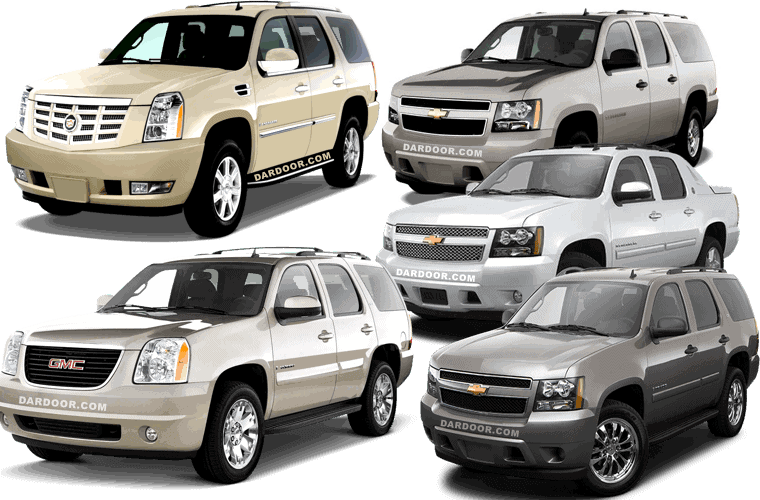
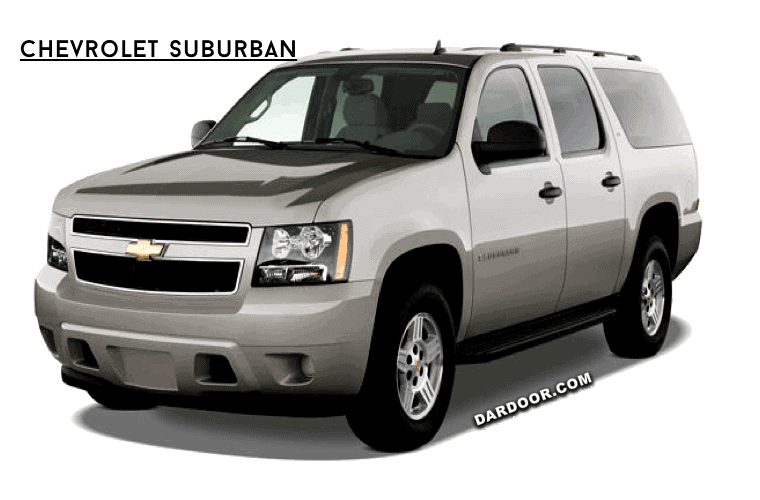
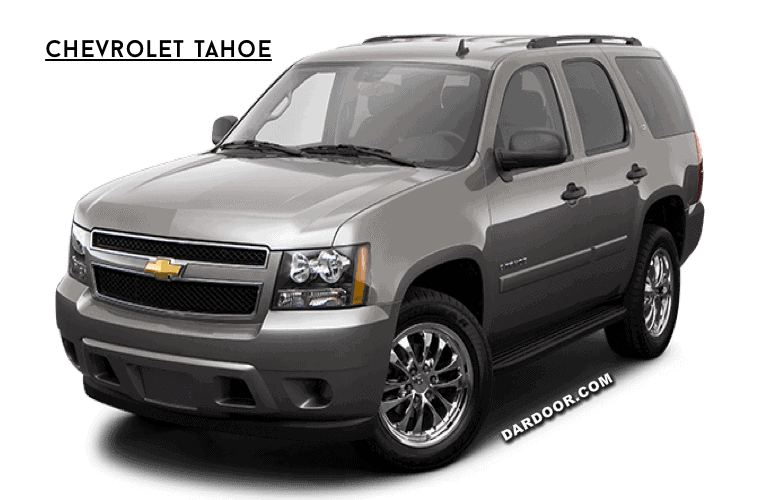
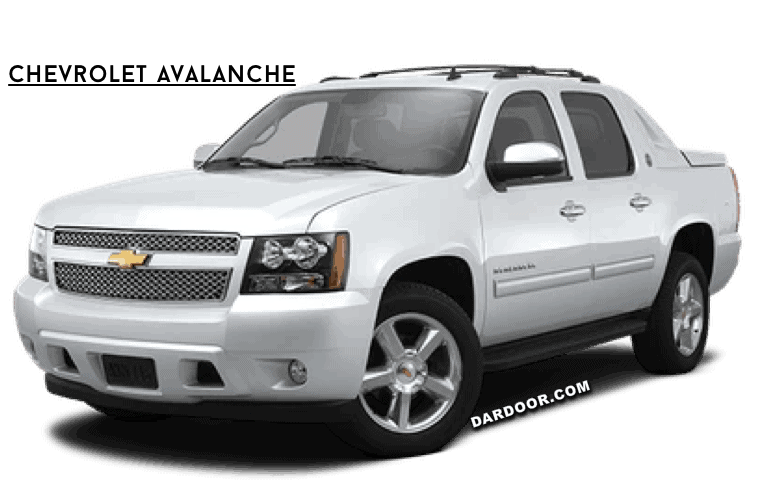
Also applicable to (Chevrolet Avalanche ↗, Chevrolet Tahoe, Suburban ↗, and GMC Yukon/Yukon XL ↗)
All of these are GM “full-size truck/SUV” siblings from the same family (especially in the 2007–2013 era), so they share a lot:
✅ What’s shared (why they are related)
-
- Same basic platform/chassis (GM full-size truck/SUV architecture)
- Similar suspension layout, steering, brakes, and lots of shared parts
- Similar drivetrains (many use the same transmission family; engines vary by trim)
- Same overall “big truck” driving feel: heavy, stable, comfy, not sporty
How the Escalade compares to each
-
- Tahoe / Yukon: closest in size to the standard Escalade.
- Suburban / Yukon XL / Escalade ESV: same idea, just long wheelbase (more cargo behind 3rd row).
- Avalanche / Escalade EXT: same family too, but it’s the pickup/SUV hybrid with the midgate concept. ⭐
What makes Escalade different
-
- More luxury (interior materials, tech, sound insulation)
- Often more power standard (Escalade typically got the bigger V8 as the “default”)
- More premium suspension options (great ride, but pricier repairs)
- Styling/trim/feature packaging is “top shelf”
Key Features
- Comprehensive Resource: The exact manuals used by certified GM dealer ↗ technicians for diagnosing, repairing, and maintaining your vehicle.
- Covers Multiple Models: Detailed instructions applicable to all listed models, including trim and configuration variations.
- Wiring Diagrams Included: Accurate electrical schematics for troubleshooting and repairing the complete electrical system.
Content Overview
- Engine and Drivetrain: Covers maintenance, repairs, and adjustments for all engine options, transmissions, and differentials.
- Suspension and Steering: Detailed instructions for maintaining and repairing components for a smooth and safe ride.
- Brakes: Information on both hydraulic and electronic braking systems, including ABS and traction control.
- Electrical Systems: Wiring diagrams, fuse layouts, and troubleshooting steps for electrical issues.
- Heating and Air Conditioning: Diagnostics and repairs for HVAC systems.
- Body and Interior: Covers repairs for interior features, panels, and exterior components like bumpers and doors.
Why This Manual is Essential
Whether you’re a mechanic, DIY enthusiast, or owner of one of these iconic vehicles, this manual provides all the information you need to properly maintain and repair your car. It includes manufacturer-approved procedures ↗ to ensure your vehicle runs as intended and helps avoid unnecessary repair costs.
This manual provides detailed instructions for maintenance, disassembly, reassembly, component inspection, adjustment, and diagnostics—intended for use by experienced mechanics. Proper application of this guide will help ensure thorough repairs and maintain your vehicle in peak condition.
Important Note: Before purchasing this manual, please check whether your vehicle is subject to any active service recalls ↗, as authorized dealerships may perform necessary repairs free of charge. When replacing parts, always use genuine OEM components ↗ to ensure safety, reliability, and long-term performance.
Table of Contents : 2007-2013 Cadillac Escalade Repair Manual
- General Information
- Engine
- Transmission
- Suspension
- Driveline Axle
- Steering
- Brakes
- Accessories and Equipment
- Restraints
- Electrical
- System Wiring Diagrams
- Owner’s Manual
Sample Pages
CAUTION ↗: This OEM service and workshop repair manual provides detailed procedures for maintenance, disassembly, reassembly, inspection, adjustment, and diagnostics. It is intended as a comprehensive guide for experienced mechanics. To ensure thorough and accurate repairs that maintain your vehicle’s optimal performance, please read and follow this manual carefully. When replacing parts during any repair work, always use genuine GMC parts ↗ to ensure quality, safety, and reliability.
2007–2013 Cadillac Escalade (GMT900) — Specs, Common Problems, Recalls, DTC Codes & Buyer’s Verdict
Overview
- 🛻 Platform: GMT900 full-size SUV (Escalade / ESV / EXT variants)
- 🔥 Signature trait: Big 6.2L V8 power + luxury truck comfort
- 🎯 Best for: Families who want space + towing + “VIP curb presence”
- ⚠️ Watch-outs: Air suspension/MRC costs, drivetrain wear, electrical gremlins as it ages
Technical Specs & Performance
Powertrain
- Engine (common): 6.2L V8 (Vortec) — around 403 hp and 417 lb-ft
- Transmission: 6-speed automatic (6L80 family used in Escalade applications)
- Drivetrain: RWD or AWD (trim-dependent)
Chassis & Features (what matters in real life)
- Full-size body + 3-row space (ESV = extra cargo room)
- Heavy options load: power steps, infotainment/nav, parking sensors, rear entertainment (varies)
- Many trims use air leveling / premium dampers — great ride, expensive when tired
Top 10 Common Mechanical Issues Reported by Owners
1- Front suspension wear (control arms/ball joints/bushings)
– Symptoms: Clunks over bumps, vague steering, uneven tire wear
– Root Cause: Heavy SUV weight + aging rubber bushings and ball joints
– Fix: Inspect play; replace worn arms/ball joints; align afterward
– Cost to Fix: $450–$1,400 (one axle depending on parts + labor)
2- Magnetic Ride / premium shocks wearing out (if equipped)
– Symptoms: Bouncy ride, “Service Suspension” message, harsh damping
– Root Cause: Shock internal failure/leaks; age + road salt exposure
– Fix: Replace affected shocks; scan for suspension codes; calibrate if required
– Cost to Fix: $900–$2,800 (pair vs full set; OEM-style parts cost more)
3- Rear air leveling compressor/air shocks failing (if equipped)
– Symptoms: Sagging rear, slow leveling, compressor runs often/noise
– Root Cause: Leaky air lines/bags or tired compressor from overwork
– Fix: Smoke/soapy leak check; replace leaking components; replace compressor if weak
– Cost to Fix: $350–$1,900
4- 6-speed automatic shift issues (harsh shifts / flare / shudder)
– Symptoms: Hard 2–3/3–4 shifts, delayed engagement, RPM flare, shudder under load
– Root Cause: Fluid wear, valve body/solenoid wear, torque converter clutch issues (age + heat)
– Fix: Scan live data; fluid/filter service (correct spec); adapt reset; diagnose converter/valve body if persistent
– Cost to Fix: $250–$650 (service) / $1,200–$3,500 (valve body or converter work)
5- Transfer case wear / “pump rub” style leaks (AWD/4WD variants)
– Symptoms: Fluid leak, whining, binding, vibration under load
– Root Cause: Case wear + low fluid; seals and internal wear from age/heat
– Fix: Verify fluid level/condition; fix leaks; rebuild/replace if damage found
– Cost to Fix: $250–$600 (seals/fluid) / $1,200–$2,800 (rebuild/replace)
6- Exhaust manifold bolt cracks / leaks
– Symptoms: Ticking noise cold start, exhaust smell, minor power loss
– Root Cause: Heat cycling snaps bolts; manifolds warp slightly over time
– Fix: Extract broken bolts; replace hardware; resurface/replace manifold if warped
– Cost to Fix: $450–$1,800
7- Cooling system leaks (radiator, hoses, water pump seep)
– Symptoms: Coolant smell, low coolant warnings, overheating at idle/tow
– Root Cause: Aging plastic tanks/hoses; pump seals degrade over time
– Fix: Pressure test; replace leaking component; bleed system properly
– Cost to Fix: $180–$1,200
8- Wheel bearing/hub noise
– Symptoms: Humming that changes with speed, vibration, ABS light sometimes
– Root Cause: Bearing wear from load, potholes, and age
– Fix: Confirm with road test; replace hub assembly; recheck ABS sensor signal
– Cost to Fix: $280–$850 (per corner)
9- Brake wear + pulsation (rotors/calipers)
– Symptoms: Vibration under braking, squeal, longer stopping distance
– Root Cause: Heavy vehicle = heat; rotor warping and caliper slide issues over time
– Fix: Replace pads/rotors; service caliper hardware; flush brake fluid if old
– Cost to Fix: $350–$1,200 (axle depending on parts)
10- Rear differential noise / axle issues (important)
– Symptoms: Banging/knocking from rear, sudden lock risk in worst cases
– Root Cause: Known rear axle cross pin defect affected certain GM vehicles (safety recall exists)
– Fix: Check VIN recall status; dealer repair if applicable; inspect diff fluid/metal debris
– Cost to Fix: $0 (recall repair if eligible) / $450–$2,500 (if out of recall + damage)
Top 10 Common Electrical Issues Reported by Owners
1- Battery drain / parasitic draw
– Symptoms: Dead battery after sitting, random warning messages, slow crank
– Root Cause: Aging modules, infotainment/radio not sleeping, door module issues
– Fix: Parasitic draw test; update/repair offending module; verify grounds
– Cost to Fix: $120–$650 (diagnosis + fix) / $250–$1,200 (if module replacement)
2- Stabilitrak / ABS warnings (wheel speed sensor wiring, hub sensors)
– Symptoms: ABS light, traction control off, random chimes
– Root Cause: Wheel hub sensor failure, broken wiring, corrosion at connectors
– Fix: Scan ABS codes; check live speed data; repair wiring or replace hub/sensor
– Cost to Fix: $180–$900
3- HVAC blend door actuator failure
– Symptoms: Clicking behind dash, wrong temp on one side, weak airflow direction control
– Root Cause: Stripped actuator gears; calibration drift with age
– Fix: Replace actuator(s); perform HVAC recalibration procedure
– Cost to Fix: $220–$950
4- Infotainment/nav glitches (screen freeze, no sound)
– Symptoms: Frozen screen, reboot loops, audio cuts out, buttons unresponsive
– Root Cause: Aging head unit hardware, poor connections, module failures
– Fix: Check power/ground; reseat connectors; repair or replace head unit module
– Cost to Fix: $180–$1,600
5- Power running boards acting up (if equipped)
– Symptoms: One side stuck, grinding noise, intermittent operation
– Root Cause: Motor wear, hinge corrosion, water intrusion at wiring/connectors
– Fix: Clean/lube; test motor current; replace motor or assembly if binding/damaged
– Cost to Fix: $250–$2,000
6- Headlight/DRL flicker or intermittent lighting
– Symptoms: Flickering lights, one side out, warning messages
– Root Cause: Connector corrosion, weak grounds, aging ballast/module (trim dependent)
– Fix: Inspect grounds + connectors; replace ballast/module if failing
– Cost to Fix: $120–$900
7- Parking sensor false beeps / “Service Park Assist”
– Symptoms: Constant tone, sensors not detecting, message on cluster
– Root Cause: Failed sensor, cracked bumper sensor mount, water intrusion
– Fix: Scan Park Assist codes; test sensors; replace faulty unit(s)
– Cost to Fix: $120–$650
8- Window/lock switch failures
– Symptoms: Window won’t move, locks act weird, one door dead
– Root Cause: Door module/switch wear, broken wires at door jamb
– Fix: Check harness flex point; repair wires; replace switch/module if needed
– Cost to Fix: $150–$750
9- AC compressor clutch/control issues (electrical side)
– Symptoms: AC intermittent, clutch not engaging, warm air at idle
– Root Cause: Pressure sensor faults, relay issues, wiring/ground problems
– Fix: Verify pressures; test command signal; replace sensor/relay; repair wiring
– Cost to Fix: $150–$900 (electrical diagnosis/repair) / $900–$2,200 (if compressor required)
10- Heated washer system safety disable (recall-related)
– Symptoms: Feature removed/disabled; previously could overheat/short (safety issue)
– Root Cause: Heated washer fluid system electrical risk — recall remedy disables/removes system
– Fix: Confirm recall completion; dealer performs remedy if eligible
– Cost to Fix: $0 (recall remedy if applicable)
Pros & Cons
| Pros | Cons |
|---|---|
| Comfort + “lux truck” feel on long drives | Suspension/ride-control repairs can be expensive |
| Strong 6.2L V8 power and towing confidence | Fuel costs are real (it’s a big V8 SUV) |
| Huge cargo/3-row practicality (especially ESV) | Aging electronics = random intermittent issues |
| Durable truck-based chassis when maintained | Transmission/transfer case wear shows up with mileage |
| Timeless Escalade presence + resale appeal | Rust/corrosion risk in snow/salt regions |
Maintenance Schedule (Practical Owner Plan)
| Interval | Service | Notes |
|---|---|---|
| Every 5,000–7,500 mi | Oil & filter | Shorten interval if towing, city driving, or high idle time |
| Every 15,000–25,000 mi | Engine air filter + cabin filter | More often in dusty/snowy climates |
| Every 30,000–50,000 mi | Transmission fluid check/service (as needed) | Earlier if you feel harsh shifts or tow often |
| Every 30,000–60,000 mi | Differential(s) + transfer case fluid | Critical for AWD/4WD longevity |
| Every 50,000–100,000 mi | Coolant service | Pressure test system if you smell coolant or see seepage |
| Every 2 years | Brake fluid flush | Helps ABS module longevity |
| As needed | Suspension/steering inspection | These are wear items on heavy SUVs |
Top 5 Competitors
Top 10 Recalls / Advisories / Safety Alerts / TSB Highlights
- Heated windshield washer fluid system (safety recall) — remedy disables/removes system due to electrical risk.
- Rear axle cross pin defect (safety recall) — risk of pin fracture and potential rear axle lock.
- Intermediate steering shaft bolt torque issue (safety recall/notice) — potential loss of steering if joint separates.
- Takata front passenger airbag inflator (safety recall groups) — airbag inflator defect risk; VIN-based eligibility applies.
- Ignition lock actuator (safety recall) — key/ignition behavior can cause unintended switch movement and loss of assist.
- Driveline vibration/whine complaints (service attention) — often addressed via fluid specs, mounts, or driveline angles (diagnosis-based).
- Harsh shifting / converter shudder (service attention) — commonly handled with correct fluid service + adaptive resets before hardware.
- HVAC actuator failures (service attention) — clicking + incorrect temps; often resolved with actuator replacement + recalibration.
- Stabilitrak/ABS intermittent warnings (service attention) — frequently hub sensors, wiring, corrosion at connectors.
- Power step issues (service attention) — water intrusion/corrosion leads to intermittent operation; cleaning + motor/assembly fixes.
🔔 Note: Always verify eligibility by VIN using GM or your local dealer lookup, because recall applicability can vary by build date, region, and prior repairs.
DTC Trouble Code Tables (Top 10 per Module)
Engine Control Module (ECM) — 10 Common Codes
| DTC | Meaning (plain English) | Most Common Direction |
|---|---|---|
| P0101 | MAF sensor performance | Check intake leaks, clean/replace MAF, verify air filter |
| P0171 | System too lean (Bank 1) | Vacuum leak/smoke test, MAF, fuel pressure |
| P0174 | System too lean (Bank 2) | Same as above; check both bank trims |
| P0300 | Random/multiple misfire | Plugs/coils, injector balance, vacuum leaks, compression test if needed |
| P0420 | Catalyst efficiency (Bank 1) | Fix misfire first; then O2/cat evaluation |
| P0430 | Catalyst efficiency (Bank 2) | Same approach as P0420 |
| P0442 | EVAP small leak | Gas cap, purge/vent, smoke test EVAP |
| P0455 | EVAP large leak | Disconnected hose, vent valve stuck, smoke test |
| P0521 | Oil pressure sensor range/performance | Verify oil level/pressure; sensor/filter screen concerns |
| P0128 | Coolant temp below thermostat regulating temp | Thermostat, coolant level, ECT sensor check |
Transmission Control Module (TCM) — 10 Common Codes
| DTC | Meaning | Most Common Direction |
|---|---|---|
| P0700 | Transmission control system (MIL request) | Pull specific trans codes with proper scan tool |
| P0711 | Trans fluid temp sensor performance | Inspect TFT sensor circuit; verify fluid condition |
| P0722 | Output speed sensor no signal | Check OSS wiring/sensor; verify connector corrosion |
| P0730 | Incorrect gear ratio | Fluid, internal slip, solenoids, converter evaluation |
| P0741 | TCC stuck off / performance | Converter clutch, valve body, fluid condition |
| P0742 | TCC stuck on | Solenoid/valve body diagnosis |
| P0751 | Shift solenoid A performance | Solenoid/valve body; harness checks |
| P0756 | Shift solenoid B performance | Same approach as above |
| P0796 | Pressure control solenoid performance | Line pressure test; solenoid/valve body |
| P0871 | TFP switch signal range/performance | Internal pressure switch, wiring, valve body |
ABS / ESC (Brake System) — 10 Common Codes
| DTC | Meaning | Most Common Direction |
|---|---|---|
| C0035 | LF wheel speed sensor | Hub sensor/wiring, bearing play, corrosion |
| C0040 | RF wheel speed sensor | Same diagnosis path |
| C0045 | LR wheel speed sensor | Check harness routing, connector corrosion |
| C0050 | RR wheel speed sensor | Often hub sensor; verify live data |
| C0131 | ABS pressure circuit | Sensor/circuit; brake fluid condition |
| C0242 | PCM/ABS communication | CAN integrity, power/ground, scan network |
| C0245 | Wheel speed mismatch | Tire size mismatch, sensor fault, bearing issues |
| C0265 | EBCM relay circuit | Power/ground, module relay, wiring |
| C0299 | Brake assist/traction event | Diagnose cause chain via freeze frame |
| C0561 | System disabled information stored | Follow related codes first; often secondary |
SRS Airbag System — 10 Common Codes
| DTC | Meaning | Most Common Direction |
|---|---|---|
| B0012 | Driver frontal deployment loop | Check connectors, clockspring, wiring |
| B0022 | Passenger frontal deployment loop | Seat/connector checks; module scan |
| B0040 | Driver side impact deployment loop | Door/seat connectors; harness damage |
| B0041 | Passenger side impact deployment loop | Same approach |
| B0051 | Deployment command circuit | Module power/ground integrity |
| B0079 | PPS (passenger presence) system | Seat sensor calibration/repair |
| B0081 | Pretensioner circuit | Seat belt pretensioner connectors |
| B0092 | Crash sensor communication | Sensor wiring; module communication |
| B0100 | SDM internal malfunction | Verify power/ground; module replacement if confirmed |
| U0151 | Lost comm with SDM | CAN diagnosis, grounds, module wake/sleep |
Body Control / CAN Communication — 10 Common Codes
| DTC | Meaning | Most Common Direction |
|---|---|---|
| U0100 | Lost comm with ECM/PCM | Battery/grounds, CAN wiring, module wake |
| U0101 | Lost comm with TCM | Check CAN + TCM power/ground |
| U0121 | Lost comm with ABS | ABS module power/ground; CAN integrity |
| U0140 | Lost comm with BCM | BCM power/ground; connector corrosion |
| U0155 | Lost comm with IPC (cluster) | Cluster connector; network scan |
| U0164 | Lost comm with HVAC | HVAC module power/ground; network |
| B1325 | Device power circuit low | Battery health; grounds; ignition feed |
| B1370 | Ignition circuit | Ignition switch, wiring, related recall checks |
| B3055 | Key / security system issue | Relearn procedures; antenna/module checks |
| B3935 | Transponder communication | Key, receiver, wiring diagnosis |
❓ Frequently Asked Questions (FAQ)
Is the 2007–2013 Cadillac Escalade reliable?
It can be, if you budget for suspension wear, occasional electrical fixes, and stay ahead on fluids (trans/diffs/transfer case). The platform is truck-tough, but it doesn’t forgive neglect.
What’s the most expensive “common” repair?
Suspension systems (premium shocks/air leveling) and transmission-related work (converter/valve body) can get pricey fast if the truck has been towing hard or driven on worn fluid.
Which Escalade body style is the best buy?
If you haul people + gear, the ESV is the easy answer. If you park in tight places, the standard wheelbase is less annoying day-to-day.
Should I worry about recalls on these years?
Yes — especially major safety items like the Takata airbag inflator, rear axle cross pin, and steering shaft bolt notices. Always run the VIN.
What should I check before buying a used Escalade?
Cold-start noises, suspension messages, transmission shift quality, transfer case leaks, ABS/Stabilitrak history, and complete service records for drivetrain fluids.
Is it a good tow vehicle?
Yes — the powertrain is strong. Just make sure fluids are fresh, cooling system is healthy, and the rear suspension levels properly under load.
What’s the quickest way to reduce future repair bills?
Do proactive fluid service (trans/diffs/transfer case), keep brakes and hubs healthy, and don’t ignore small coolant or oil leaks.
Where can I get factory repair procedures and wiring diagrams?
Here’s the OEM-style workshop manual listing: 2007–2013 Cadillac Escalade Repair Manual. ↗
Related products
-

2012-2017 Holden Colorado Repair Manual
$16.90 Add to cart -

2022-2024 Chevrolet Tahoe Repair Manual
$46.00 Add to cart -
2006-2008 Chevrolet Trailblazer Repair Manual
$19.90 Add to cart -
2017 Chevrolet Impala Repair Manual
$26.00 Add to cart -

2006-2008 Chevrolet HHR Repair Manual
$19.90 Add to cart -

2018-2020 Chevrolet Equinox Repair Manual
$24.90 Add to cart -
2014-2019 GMC Yukon Repair Manual
$36.00 Add to cart -

2006-2010 Chevrolet Captiva Repair Manual
$19.90 Add to cart