

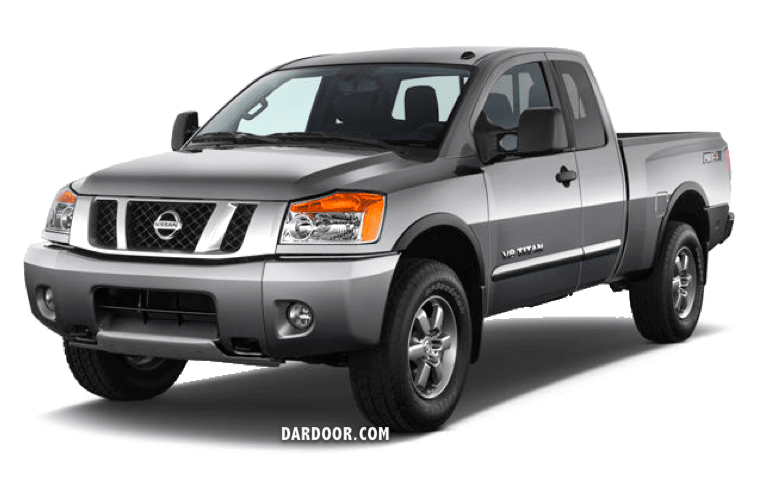
Get the complete and original OEM workshop manual for the 2015 Nissan Titan, model A61 series, in an easily accessible PDF format.
2015 Nissan Titan Repair Manual
$16.90
2015 Nissan Titan Repair Manual (A61 Series) – Original OEM Workshop Document
This is the complete and original OEM workshop manual for the 2015 Nissan Titan, model A61 series, in an easily accessible PDF format. The manual provides step-by-step instructions for diagnosing, servicing, and repairing your truck. It also includes a comprehensive wiring diagram, ensuring all electrical issues are covered. This is the exact same manual trusted by Nissan dealership technicians.
| File Format | |
| File Language | English |
| You’ll Get | 120 MB |
| Delivery Method | Instant Download |
Key Features
- Complete Repair Guide: Detailed instructions for every aspect of repair and maintenance.
- Wiring Diagrams: Includes full electrical schematics for troubleshooting.
- Official Manufacturer Procedures: Authorized and approved by Nissan.
- Portable PDF Format: Easy to access on any device.
Vehicle Specifications
Model:
- Nissan Titan A61 Series
Production Year:
- 2015
Manual Contents
1. General Information
- Vehicle specifications and recommended tools
- Safety precautions and preparation procedures
2. Engine
- Comprehensive service instructions for the Titan’s engine
- Procedures for engine disassembly, inspection, and reassembly
- Cooling, fuel, intake, and exhaust system maintenance
3. Transmission & Driveline
- Service and repair for automatic and manual transmissions
- Troubleshooting transmission issues
- Fluid replacement procedures and specifications
4. Suspension
- Inspection and replacement of suspension components
- Drivetrain maintenance, including the differential and driveshaft
5. Brakes and Steering
- ABS diagnostics and repair
- Brake pad and rotor replacement
- Power steering system troubleshooting
6. Body, HVAC, and Interior
- HVAC system repair and servicing
- Instructions for disassembling and reassembling interior components
7. Body Exterior, Doors, Roof & Vehicle Security
- Exterior body repair and maintenance
- Door and roof component servicing
- Vehicle security system troubleshooting
8. Driver Control
- Adjustments and repairs of driver control systems
9. Electrical & Power Control
- Diagnostics and repairs for electrical and power control systems
10. Driver Information & Multimedia
- Maintenance and troubleshooting of driver information displays and multimedia systems
11. Cruise Control
- Inspection, troubleshooting, and repair of cruise control systems
12. Maintenance Schedule
- Manufacturer-recommended service intervals
- Checklists for routine maintenance tasks
13. Index
Why Choose This Manual?
- Comprehensive and Reliable: Covers all repair and maintenance needs.
- Factory-Approved: Trusted by certified Nissan technicians.
- User-Friendly: Clear step-by-step instructions with diagrams.
- Cost-Effective: Perfect for DIY enthusiasts looking to save on repair costs.
Who Should Use This Manual?
- Vehicle Owners: Empower yourself with the knowledge to maintain and repair your truck.
- Professional Technicians: Access the same manual used in authorized Nissan service centers.
- DIY Mechanics: Perform professional-quality repairs at home.
Download Your Manual Today
Get the 2015 Nissan Titan repair manual (A61 series) and ensure your truck receives top-notch care. With clear, precise instructions and official wiring diagrams, this manual is your ultimate guide to maintaining your vehicle’s performance.
This manual includes the procedures for maintenance, disassembling, reassembling, inspection, and adjustment of components and diagnostics for the guidance of experienced mechanics. Please peruse and utilize this manual thoroughly to ensure complete repair work to keep your vehicle in optimum condition. Before buying this manual, check if your car is subject to a Nissan service recall so the local dealer can repair it for FREE. When replacing parts during repair work, please use Nissan OEM genuine spare parts.
Table of Contents : 2015 Nissan Titan Repair Manual
SAMPLE PAGES
CAUTION: Please note that this manual is made for the use of persons who have special techniques and certifications. If non-specialized or uncertified technicians perform repairs or services only using this manual or without proper equipment or tools, this may cause severe injury to you or other persons nearby and also cause damage to your vehicle. In order to prevent dangerous operations and damage to your vehicle, please be sure to follow the instructions thoroughly.
2015 Nissan Titan (A61 Series): Comprehensive Guide
Overview
The 2015 Nissan Titan (A61 Series) represents the second generation of Nissan’s full-size pickup truck, marking a complete redesign from the previous A60 generation. Launched for the 2016 model year but sold as 2015 in some markets, the A61 marked Nissan’s ambitious entry into the competitive full-size truck market dominated by Ford F-150, Chevrolet Silverado, and RAM 1500.
Key Positioning
- 5.6L naturally aspirated V8 engine
- Available 5-speed automatic or 7-speed automatic transmission
- Crew Cab (4-door) and King Cab (2-door) configurations
- Standard RWD; optional 4WD
- Payload: 1,470–1,950 lbs (depending on configuration)
- Towing capacity: 12,040 lbs (V8 with proper hitch)
- Price range: $35,000–$55,000 (MSRP depending on trim)
- Target market: Full-size truck buyers seeking V8 power and value
Technical Specifications
| Specification | Details |
|---|---|
| Engine | 5.6L naturally aspirated V8 (Endurance V8) |
| Horsepower | 390 hp @ 5,100 rpm |
| Torque | 401 lb-ft @ 3,400 rpm |
| Transmission | 5-speed automatic (2015) or 7-speed automatic (2016+) |
| Drivetrain | Rear-wheel drive (RWD) standard; 4WD available |
| Transfer Case (4WD) | Electronic shift-on-fly (2/4WD auto and manual modes) |
| 0–60 mph | 7.5–8.2 seconds (RWD) |
| Towing Capacity | 12,040 lbs (class average: 10,000–12,000 lbs) |
| Payload Capacity | 1,470–1,950 lbs |
| Curb Weight | 4,625–5,210 lbs |
| GVWR | 5,400–5,800 lbs |
| Wheelbase | 139.8 inches (Crew Cab); 125.9 inches (King Cab) |
| Length/Width/Height | 208.9 x 80.4 x 71.6 inches (Crew Cab) |
| Bed Length | 5.5 feet or 6.5 feet (Crew Cab); 8.0 feet (King Cab) |
| Suspension | Double-wishbone (front); multi-leaf spring (rear) |
| Brakes | Vented disc (front); drum or disc (rear) |
| Tires | 275/65R18 (standard); 285/60R20 (optional) |
| Fuel Tank | 28 gallons (RWD); 26 gallons (4WD) |
| Fuel Economy | 16–18 mpg city / 21–23 mpg highway (RWD with 5-spd) |
| Seating | 5 passengers (Crew Cab); 2–3 passengers (King Cab) |
| Starting Price | $35,000–$37,000 (RWD S trim) |
10 Top Mechanical and Electrical Issues
1. Timing Chain Stretch & Rattle (5.6L V8)
Symptoms:
- Rattling noise from front of engine, especially at cold start
- Noise persists for 5–10 seconds then subsides
- Check engine light (cam/crank timing codes)
- Rough idle; occasional misfires
- In severe cases, loss of engine power or stalling
- Metal shavings in oil upon oil change
Root Cause: The 5.6L Endurance V8 uses a single-roller timing chain prone to stretching due to inadequate tensioning. Aggressive driving, towing, or extended oil change intervals accelerate wear. Nissan’s chain design is known for durability issues on high-mileage examples.
Fix:
- Early intervention: Replace timing chain tensioners and idler sprockets
- Advanced wear: Complete timing chain replacement (includes new sprockets, tensioners)
- Post-repair: Perform valve cover gasket replacement and thorough oil flush
- Monitor: Use synthetic oil (10W-30 or 10W-40) for better lubrication
Cost:
- Tensioner replacement: $800–$1,200
- Full timing chain replacement: $2,000–$3,500 (labor intensive, 8–12 hours)
2. Transmission Torque Converter Shudder & Hesitation
Symptoms:
- Violent shuddering during acceleration, especially from stops
- Transmission slipping between gears (RPM flare without power increase)
- Harsh downshifts when decelerating
- Transmission overheating warning light or limp mode
- Check engine light (transmission codes: P0700 range)
- Burnt transmission fluid smell
- Loss of power when towing
Root Cause: 5-speed automatic transmission torque converter exhibits manufacturing defects or wear prematurely. The 2015 models with 5-speed units are particularly affected. Issues arise from inadequate transmission cooling (especially when towing) or dirty transmission fluid. Some vehicles show defects early; others develop issues over time.
Fix:
- Transmission fluid and filter change (use OEM Nissan CVT or ATF)
- Install transmission cooler upgrade if towing capacity is frequently used
- Reprogram transmission control module (TCM) with latest software
- In cases of severe shudder, torque converter replacement required
- Complete transmission rebuild or replacement if internal damage confirmed
Cost:
- Fluid change & cooler install: $400–$800
- Torque converter replacement: $1,200–$1,800
- Transmission rebuild: $2,500–$4,000
- Full transmission replacement: $4,500–$6,000
3. Crankshaft Sensor & Position Sensor Failures
Symptoms:
- Check engine light (P0016, P0017, P0018 codes)
- Engine stalling without warning
- Difficulty starting; extended crank time
- Rough idle that worsens during driving
- Loss of power; limp mode activation
- Tachometer fluctuating erratically
- Reduced fuel economy
Root Cause: Crankshaft position sensor (CKP) or camshaft position sensors (CMP) fail due to moisture intrusion or connector corrosion in the engine bay. High engine bay temperatures accelerate sensor degradation. Vibration loosens sensor connectors or allows water ingress.
Fix:
- Replace faulty crankshaft/camshaft position sensor (typically 2–4 sensors per engine)
- Inspect and clean all electrical connectors; apply dielectric grease
- Check wiring harness for cracks or abrasion damage
- Use sensor extensions to relocate connectors away from heat/moisture sources
- Clear all diagnostic codes after replacement; perform test drive
Cost:
- Single sensor replacement: $200–$400
- Multiple sensors (3–4): $600–$1,200
- Wiring harness repair: $300–$600
4. Spark Plug & Ignition Coil Pack Degradation
Symptoms:
- Misfiring under acceleration or at highway speeds
- Check engine light (P0300, P0301–P0308 codes)
- Rough idle, especially when cold
- Loss of power; reduced fuel economy
- Difficulty starting
- Black or fouled spark plugs upon inspection
- Visible carbon buildup on cylinder walls (severe cases)
Root Cause: OEM spark plugs rated for 100,000 miles; premature failure occurs by 60,000–80,000 miles due to aggressive driving or poor fuel quality. Ignition coil packs fail from thermal stress (V8 engine produces high underhood temperatures) or moisture exposure. Extended towing or hauling loads generates excess heat.
Fix:
- Replace all 8 spark plugs (OEM Nissan or quality equivalent)
- Inspect and replace any faulty ignition coil packs
- Use premium gasoline (91+ octane) to reduce carbon buildup
- Clean fuel injectors and perform fuel system cleaning
- Consider upgrading to iridium or platinum-tipped spark plugs for extended life
Cost:
- Spark plug set: $150–$300
- Ignition coil pack replacement (1–2 packs): $300–$600
- Full ignition service (all 8 plugs + 2–4 coils): $600–$1,000
5. Throttle Body Carbon Buildup & Electronic Throttle Control (ETC) Issues
Symptoms:
- Check engine light (P0121, P0122, P0123 codes)
- Rough idle; stalling at stops
- Hesitation when accelerating from a stop
- Limp mode activation (reduced power)
- Inability to start or extended crank time
- Erratic RPM fluctuations (idle hunts 500–1,500 rpm)
- Whistling or hissing from throttle body area
Root Cause: Carbon and varnish deposits accumulate on the electronic throttle body valve, restricting airflow and confusing the Electronic Throttle Control (ETC) system. Poor fuel quality, PCV system issues, or extended oil change intervals accelerate buildup. The V8 produces significant blowby gases that contribute to carbon deposits.
Fix:
- Throttle body cleaning (remove, soak, or professional ultrasonic cleaning)
- Fuel system cleaning and fuel injector flush
- Replace air filter and cabin air filter
- Perform fuel quality improvement (use detergent-rich fuels or additive)
- PCV system inspection and cleaning
- ECU relearn procedure after throttle body service
Cost:
- Throttle body cleaning: $300–$600
- Fuel system cleaning: $150–$300
- Complete throttle body replacement: $500–$800
- Professional service (all above): $800–$1,200
6. Exhaust Manifold Cracking & Gasket Failure
Symptoms:
- Loud ticking or popping noise from engine, especially at startup
- Rattling noise from under hood
- Check engine light (misfire codes, oxygen sensor codes)
- Reduced fuel economy
- Hot spots or visible heat shimmer near manifolds
- Exhaust smell inside cabin (rare but possible)
- Failed emissions test (high NOx readings)
Root Cause: Cast iron exhaust manifolds experience thermal stress from repeated heating/cooling cycles. Poor casting quality in some production runs results in micro-cracks that propagate over time. Towing or heavy hauling increases exhaust temperature and accelerates cracking. Worn gaskets allow exhaust leaks.
Fix:
- Replace cracked exhaust manifold(s) with OEM or performance-grade units
- Replace exhaust manifold gaskets (always replace when manifolds removed)
- Inspect oxygen sensors and replace if fouled by exhaust leaks
- Check catalytic converter for damage from unburned fuel
- Reprogram oxygen sensor sensors if error codes present
- Install heat shield gaps to protect from future cracking
Cost:
- Exhaust manifold gasket replacement: $400–$700
- Manifold replacement (single side): $800–$1,200
- Both manifolds + gaskets: $1,500–$2,200
7. Cooling System Leaks & Water Pump Failure
Symptoms:
- Coolant puddles under truck when parked
- Engine temperature gauge reading high or fluctuating
- Radiator fan running constantly
- White/blue smoke from under hood (steam)
- Sweetsmell (coolant) under hood
- Overheating warning light on dashboard
- Visible coolant on outside of water pump
- Cavitation noise from pump (grinding/squealing)
Root Cause: Water pump seal failure is common after 80,000–120,000 miles due to wear. Coolant hose clamps loosen from vibration, or hoses split from age/thermal cycling. Radiator develops small pin-hole leaks. Some 2015 models experience premature water pump failures due to manufacturing defects.
Fix:
- Replace water pump with OEM Nissan unit (includes new gaskets and seals)
- Inspect and replace any cracked or weeping coolant hoses
- Tighten all hose clamps; inspect clamp condition (replace if corroded)
- Flush entire cooling system with distilled water and coolant cleaner
- Replace radiator cap if pressure rating is insufficient
- Perform complete coolant refill with OEM Nissan coolant (green or new formula)
Cost:
- Water pump replacement: $400–$700
- Hose replacement (single): $150–$300
- Complete cooling system flush: $150–$250
- Water pump + hoses + flush: $700–$1,200
8. 4WD Engage/Disengage Issues & Transfer Case Problems
Symptoms:
- Difficulty shifting between 2WD and 4WD modes
- Transfer case makes grinding noise when shifting
- Check engine light with 4WD/transfer case codes
- 4WD indicator light flashing or not engaging
- Clunking noise from transfer case when shifting
- Truck pulling to one side (differential lock issues)
- Whining noise from transfer case while driving
- Loss of 4WD functionality
Root Cause: Electronic shift-on-fly (ESOF) system experiences solenoid failures or electrical connector corrosion. Transfer case motor may jam or slip internally. Some 2015 models exhibit defects in the transfer case vacuum actuator system. Moisture intrusion and road salt corrode connectors.
Fix:
- Replace transfer case shift motor or solenoid assembly
- Clean and inspect all transfer case electrical connectors
- Perform transfer case fluid change (use OEM Nissan fluid)
- Reprogram transfer case control module (TCM) with latest software
- In severe cases, transfer case rebuild or replacement required
- Inspect front and rear differentials for engagement issues
Cost:
- Solenoid/shift motor replacement: $600–$1,000
- Transfer case fluid change: $150–$300
- Transfer case rebuild: $1,500–$2,500
- Complete transfer case replacement: $2,500–$4,000
9. Battery Discharge & Electrical Drain Issues
Symptoms:
- Difficulty starting, especially after truck sits for 1–2 weeks
- Dim interior lights and sluggish cranking
- Dead battery after short periods of inactivity
- Parasitic drain of 50+ mA when truck is off
- Aftermarket accessories draining battery
- Alternator not charging properly (voltage <13V at idle)
- Battery warning light on dashboard
Root Cause: OEM battery undersized for V8 engine startup demands, especially in 4WD models. Alternator output insufficient on 2015 models (150A rating is minimal for V8). Aftermarket electronics (alarm systems, remote starters, upgraded audio) draw excessive current. Some 2015 models have known issues with module sleep states allowing phantom drain.
Fix:
- Replace OEM battery with higher CCA rating (700+ CCA recommended for V8)
- Test alternator output; replace if below 14V at 1,500 rpm
- Perform parasitic drain diagnostic to identify culprit
- Remove or repair aftermarket electronics causing drain
- Reprogram body control module (BCM) if software glitch identified
- Install auxiliary battery or isolator for heavy accessories
Cost:
- Battery replacement: $150–$250
- Alternator replacement: $500–$800
- Alternator + battery: $700–$1,000
- Parasitic drain diagnosis: $100–$200
10. Dashboard Gauge Cluster & Infotainment System Failures
Symptoms:
- Dashboard lights dim or flicker
- Speedometer/tachometer stuck or reading incorrectly
- Fuel gauge inaccurate (shows empty when full, or vice versa)
- Infotainment system freezing or black screen
- Backup camera not displaying image
- Steering wheel controls unresponsive
- Warning lights remain on when engine off
- Bluetooth connectivity dropping frequently
- Intermittent cluster display blackout
Root Cause: Loose solder joints on instrument cluster circuit board from thermal cycling and vibration. Defective LCD segments fail over time. Infotainment system software glitches or RAM issues. Corroded connectors prevent proper data transmission. Some 2015 models have known issues with touchscreen/NAVI units failing early.
Fix:
- Reflow solder joints on instrument cluster circuit board (requires removal and skilled labor)
- Replace defective LCD segments if reflow unsuccessful
- Clean and inspect main harness connectors; apply dielectric grease
- Update infotainment system software to latest version
- Perform “forced restart” of infotainment unit (hold power button 10+ seconds)
- Replace entire cluster assembly if repairs unsuccessful
- Replace infotainment head unit if software update fails
Cost:
- Instrument cluster solder repair: $300–$600
- Cluster replacement: $700–$1,200
- Infotainment software update: Free (dealer)
- Head unit replacement: $800–$1,500
Top 5 Competitors
| Competitor | Key Strengths | Key Weaknesses | Price Range |
|---|---|---|---|
| 2015 Ford F-150 (Regular/SuperCab) | Best-in-class towing (13,000+ lbs), aluminum bed reduces weight, advanced transmission options (6-spd or 8-spd), most aftermarket support | Aluminum bed repairs costly, cabin room lower than Crew Cab, less interior storage | $30,000–$50,000 |
| 2015 Chevrolet Silverado 1500 (RG3) | Reliable LS V8, available 8-speed transmission, competitive payload, good towing capacity | Fuel economy lower than F-150, interior design aging, outdated infotainment | $32,000–$48,000 |
| 2015 RAM 1500 (DT) | Superior interior luxury, smooth ride, largest cab/bed options, air suspension available | Fuel economy poor (15–17 mpg), EcoDiesel reliability concerns, smaller engine displacement | $35,000–$52,000 |
| 2015 Toyota Tundra (KJ255) | Unmatched reliability, strong V8 engine (381 hp), high resale value, great for long-term ownership | Outdated design (carried over from 2007–2015 generation), inferior fuel economy (16–18 mpg), less towing than competitors | $33,000–$50,000 |
| 2015 GMC Sierra 1500 (Elevated Silverado) | Similar to Silverado but with premium styling, available advanced tech, better interior materials | Same reliability concerns as Silverado, higher price point than Silverado/F-150, lower towing than F-150 | $36,000–$54,000 |
Verdict: The Titan competes well on price and V8 power but trails F-150 in towing/payload and Toyota in reliability.
Top 10 Recalls, Advisories & TSB Highlights
1. Seat Belt Anchor Weld Failure (NHTSA ID: 16V0073)
- Years Affected: 2016–2017 (2015 model year sold as 2016 in some markets)
- Issue: Front seat belt anchor may separate due to inadequate weld
- Risk: Seat belt failure during collision; increased injury risk
- Fix: Inspection and reweld of anchor points by dealer
- Status: Recall completed; free service
2. Transmission Torque Converter Shudder (TSB-AT-14-081)
- Years Affected: 2015–2016
- Issue: 5-speed transmission torque converter exhibits harsh engagement/shuddering
- Risk: Uncomfortable driving experience; potential transmission damage if unaddressed
- Fix: Transmission fluid change (DW1 fluid), torque converter replacement if necessary
- Status: TSB issued; covered under powertrain warranty
3. Timing Chain Stretch & Rattle (Field Service Action)
- Years Affected: 2015–2017 (scattered reports, particularly high-mileage vehicles)
- Issue: Timing chain stretches prematurely, causing startup rattle
- Risk: Loss of engine timing; potential engine damage
- Fix: Timing chain tensioner replacement; full chain replacement if wear excessive
- Status: Field advisory issued; covered under powertrain warranty (60,000 miles)
4. Transfer Case Shift Motor Failure (TSB-TR-14-091)
- Years Affected: 2015–2017
- Issue: Electronic shift-on-fly (ESOF) motor fails to engage 4WD
- Risk: Loss of 4WD functionality
- Fix: Transfer case shift motor replacement; TCM reprogram
- Status: TSB issued; covered under drivetrain warranty
5. Fuel Tank Pressure Vent Valve Malfunction (NHTSA ID: 17V0232)
- Years Affected: 2015–2017
- Issue: Fuel tank pressure relief valve fails; tank pressurizes
- Risk: Fuel leak or tank rupture; fire hazard
- Fix: Fuel tank filler neck and vent valve replacement
- Status: Recall issued; free dealer replacement
6. Air Suspension Compressor Failure (4WD Models with Air Suspension)
- Years Affected: 2016–2017 (specific air suspension packages)
- Issue: Air suspension compressor fails prematurely
- Risk: Loss of air suspension ride; truck sits too low
- Fix: Air suspension compressor replacement
- Status: Covered under powertrain/suspension warranty
7. Catalytic Converter Rattling & Separation (TSB-EM-15-039)
- Years Affected: 2015–2016
- Issue: Catalytic converter internal structure degrades; internals rattle
- Risk: Reduced emissions control; check engine light
- Fix: Catalytic converter replacement (includes oxygen sensor diagnosis)
- Status: Covered under emissions warranty (80,000 miles)
8. Passenger Air Bag Deployment Issue (NHTSA ID: 16V0248)
- Years Affected: 2015–2016
- Issue: Passenger-side airbag may not deploy in certain crash scenarios
- Risk: Increased injury risk in accidents
- Fix: Airbag control module reflash or replacement
- Status: Recall issued; free dealer service
9. Door Latch Malfunction (Crew Cab Rear Doors)
- Years Affected: 2015–2017
- Issue: Rear door latches become difficult to open/close or fail to latch
- Risk: Door opening while driving; child safety lock inoperability
- Fix: Rear door latch replacement
- Status: Recall issued; free dealer replacement
10. Backup Camera Display Failure (NHTSA ID: 17V0398)
- Years Affected: 2015–2017 (vehicles with factory backup camera)
- Issue: Backup camera image does not display on touchscreen
- Risk: Reduced visibility when reversing; increased accident risk
- Fix: Camera connector inspection/replacement; infotainment system software update
- Status: Recall issued; free dealer service
Maintenance Schedule
Engine Maintenance
| Service | Interval | Cost |
|---|---|---|
| Oil & filter change (10W-30 synthetic) | 5,000–7,500 miles | $75–$150 |
| Air filter replacement | 15,000–30,000 miles | $100–$200 |
| Cabin air filter replacement | 15,000–30,000 miles | $75–$150 |
| Engine air intake cleaning | 30,000 miles | $100–$200 |
| Spark plug replacement | 60,000 miles | $200–$400 |
| Engine coolant flush | 30,000–60,000 miles | $150–$300 |
| Transmission fluid change (ATF/DW1) | 50,000 miles | $200–$400 |
| Transfer case fluid change (4WD) | 50,000 miles | $150–$300 |
| Front differential fluid change (4WD) | 40,000 miles | $150–$300 |
| Rear differential fluid change | 40,000 miles | $150–$300 |
Brake & Suspension Maintenance
| Service | Interval | Cost |
|---|---|---|
| Brake fluid flush | 24 months or 30,000 miles | $150–$300 |
| Brake pad inspection | 10,000–20,000 miles | Included in inspection |
| Brake pad replacement | 40,000–60,000 miles | $300–$600 (all four corners) |
| Brake rotor resurfacing/replacement | 60,000–100,000 miles | $400–$800 |
| Suspension inspection | 30,000 miles | $150–$300 |
| Tire rotation | 5,000–7,500 miles | $50–$100 |
| Tire replacement | 40,000–60,000 miles (depending on driving) | $250–$400 per tire |
| Wheel alignment | 20,000 miles or as needed | $100–$200 |
| Shock absorber replacement | 80,000–120,000 miles | $500–$1,000 (all four) |
Electrical & HVAC
| Service | Interval | Cost |
|---|---|---|
| Battery inspection | 36,000 miles | Included in inspection |
| Battery replacement | 48,000–72,000 miles | $150–$250 |
| Alternator output test | 60,000 miles | $100–$150 |
| Air conditioning recharge | 24 months (annual inspection) | $100–$200 |
| Coolant fan operation check | 30,000 miles | Included in inspection |
Body & Undercarriage
| Service | Interval | Cost |
|---|---|---|
| Undercarriage rust inspection | Annually | $75–$150 |
| Corrosion protection/undercoating | Annually (especially in salt environments) | $150–$300 |
| Door hinge lubrication | 12 months | $50–$100 |
| Bedliner inspection (if equipped) | 6 months | Usually inspected during other services |
Annual Inspection Checklist
- Battery voltage and health
- All fluid levels (oil, coolant, brake fluid, power steering, transmission, transfer case, differentials)
- Brake pad wear; rotor condition and warping
- Tire tread depth (minimum 4/32″); pressure; uneven wear
- Suspension components for wear (bushings, ball joints, tie-rods)
- 4WD/AWD system operation
- Exhaust system for leaks or damage
- Air filter condition
- Engine bay for leaks, corrosion, or loose connections
- Light operation (headlights, brake lights, turn signals)
- Wiper blade condition
10 FAQs for Buyers
1. Is the 2015 Nissan Titan reliable compared to F-150, Silverado, and Tundra?
The Titan is reasonably reliable but ranks below Toyota Tundra and competitively with F-150/Silverado. The 5.6L V8 is proven and dependable, but some design decisions (timing chain tensioning, transmission torque converter) show vulnerabilities. Real-world data shows:
- Tundra: Most reliable; fewer issues
- F-150: Similar to Titan; more diverse engine/transmission options
- Silverado: Similar to Titan; shared GM reliability concerns
- Titan: Solid but requires proactive maintenance
Budget $1,200–$1,800 annually for preventive maintenance and unexpected repairs. The Titan rewards diligent owners but punishes those who defer maintenance.
2. Which transmission is better—5-speed or 7-speed automatic?
The 7-speed automatic (2016+) is superior if you have the option:
- 5-speed (2015): Prone to torque converter shudder; less fuel-efficient (16–18 mpg); slower off-line acceleration
- 7-speed (2016+): Smoother shifts; better fuel economy (17–19 mpg); quicker gear ratios for towing; fewer reported issues
If buying a 2015, prioritize vehicles with complete service records and verify transmission smoothness during test drive. Avoid vehicles showing transmission shudder history.
3. What’s the real-world towing capacity and fuel economy when towing?
EPA ratings: 12,040 lbs capacity; 16–18 mpg highway
Real-world towing experience:
- Empty truck: 18–23 mpg (highway)
- Towing 8,000–10,000 lbs: 12–14 mpg
- Max capacity (12,000 lbs): 10–12 mpg
- Payload-heavy: 14–16 mpg
Key factors:
- Trailer aerodynamics (boat vs. enclosed trailer)
- Road terrain (mountains reduce economy 30–40%)
- Towing package quality (transmission cooler helps)
- Driver habits (steady speed better than variable)
Budget $4,500–$6,000 annually for fuel if towing frequently.
4. Should I buy a 2015 with high mileage (80,000+ miles)?
Proceed cautiously. At 80,000+ miles, the truck is approaching major service intervals:
- Transmission fluid change (critical, especially if towing history)
- Timing chain tensioner replacement potential
- Spark plug replacement
- Suspension wear (shocks, bushings)
- Brake rotor/pad replacement
Recommendations:
- Request complete service history (not optional)
- Perform pre-purchase inspection: compression test, transmission scan, suspension inspection
- Budget $2,000–$3,500 for deferred maintenance
- Negotiate purchase price reflecting maintenance needs
- Prioritize single-owner trucks with documented service records
A well-maintained high-mileage Titan is safer than a neglected lower-mileage truck.
5. Is 4WD worth the extra cost, and what are ownership differences?
4WD adds $3,000–$4,000 to purchase price and $150–$250 annually to ownership costs.
4WD advantages:
- Capability in snow/ice/mud
- Better resale value in regions with winter weather
- Peace of mind for occasional off-road use
- Transfer case fluid maintenance (50,000 miles)
4WD disadvantages:
- Reduced fuel economy (1–2 mpg penalty)
- More complex drivetrain (repair costs higher)
- 400+ lbs additional weight
- Transfer case issues (see Issue #8)
Verdict: Buy 4WD if you live in snowy region or tow frequently. RWD is sufficient for mild climates and pavement-only use.
6. What’s the best trim level value: S, SV, SL, or Platinum?
Best value: SV Crew Cab (RWD)
- S (base): Stripped interior; minimal features; good for work trucks
- SV: Sweet spot—adds air conditioning, power windows/locks, 6-speaker stereo, attractive exterior trim
- SL: Adds leather, advanced audio, navigation (useful if future-proofing)
- Platinum: Luxury focus; expensive; diminishing returns for work/utility use
Pricing impact:
- S: $35,000–$38,000
- SV: $38,000–$42,000
- SL: $42,000–$46,000
- Platinum: $48,000–$55,000
For truck buyers prioritizing value, SV offers best feature/cost ratio. Avoid Platinum unless brand prestige justifies premium.
7. Are there known years/configurations to avoid?
2015 model year has the most reported issues. Prioritize these guidelines:
- Avoid: 2015 model year if possible (teething problems, torque converter shudder, timing chain issues reported more frequently)
- Prefer: 2016–2017 (7-speed transmission, improved timing chain tensioning, updated software)
- Avoid: Vehicles with high-mileage 5-speed transmissions showing shudder history
- Prefer: Single-owner trucks with complete service records
- Avoid: Fleet-use or commercial-heavy trucks (often abused)
- Prefer: RWD over 4WD for lower maintenance (unless region demands 4WD)
8. What insurance costs should I expect?
Insurance for a 2015 Nissan Titan typically costs:
- Full coverage (collision/comprehensive): $1,200–$1,800 annually
- Liability only: $600–$900 annually
- Variations by: Age/driving record, location (urban vs. rural), mileage, financed vs. owned
Example scenario (40-year-old, clean record, urban area):
- Liability: $75/month
- Full coverage: $130/month
Shop multiple insurers; truck-specific policies (Progressive, GEICO, State Farm) often provide better rates.
9. Can I modify the Titan for performance or capability?
Yes, Titans are highly modifiable. Popular upgrades:
Performance:
- Supercharger kits: +100–150 hp ($3,000–$5,000)
- Cold air intake: +15–25 hp ($300–$600)
- ECU tuning: +20–50 hp ($400–$800)
- Exhaust upgrade: +15–30 hp ($800–$1,500)
Capability:
- Lift kits: 2–4 inch lift ($1,200–$3,000)
- Aftermarket suspension: Improved ride/handling ($1,500–$3,500)
- Bedliner/tonneau cover: Bed protection ($800–$2,000)
- Hitch upgrades: Improved towing ($500–$1,500)
Caution: Modifications may void warranty and affect reliability. Stick with reputable vendors (Westin, Bushwacker, etc.).
10. What’s the resale value outlook, and will it hold value?
Titan values have stabilized after initial depreciation:
- 2015 with 80,000+ miles: $20,000–$28,000 (50–65% original MSRP)
- 2015 with 40,000–60,000 miles: $28,000–$36,000 (65–80% original MSRP)
- 2015 with <40,000 miles: $32,000–$42,000 (80–95% original MSRP)
Factors affecting resale:
- Service history (documented = +$2,000–$3,000 value)
- Accident history (major ding: -$3,000–$5,000)
- 4WD vs. RWD (4WD adds $1,500–$2,000)
- Mileage (lower always better; expect $0.10/mile depreciation after 100,000 miles)
- Condition (excellent vs. good = $2,000–$3,000 difference)
Outlook: Values declining steadily but leveling off. Titan won’t appreciate but won’t crash in value either. Expect 50–60% value retention after 10 years.
Final Buyer Recommendations
Who Should Buy the 2015 Nissan Titan?
✅ Ideal Buyers:
- Full-size truck enthusiasts who prioritize V8 power and towing capacity
- Buyers seeking value over prestige (Titan cheaper than F-150/RAM)
- Those comfortable with regular maintenance and repair costs
- Truck buyers in mild climates (RWD models most economical)
- Buyers planning to keep truck 10+ years (long-term ownership sweet spot)
- Contractors/tradespeople who need utility without luxury frills
❌ Poor Fit:
- Budget-conscious buyers seeking lowest cost of ownership (Toyota Tundra better long-term)
- Luxury/comfort seekers (RAM 1500 offers better interior)
- First-time truck buyers (F-150 offers more dealer support)
- Those with limited mechanical knowledge (complex systems require specialist service)
- Buyers expecting trouble-free ownership (Titan requires proactive maintenance)
- Fleet/commercial operators (Silverado and F-150 more common = cheaper parts)
Recommended Configuration
Best Overall Value: 2016–2017 Titan SV Crew Cab (RWD) with 7-speed transmission
Why:
- 7-speed transmission more reliable than 2015’s 5-speed
- Crew Cab offers family comfort without luxury markup
- RWD sufficient for most buyers; saves $3,000–$4,000
- SV trim hits sweet spot of features and value
- 2016+ benefits from updated software and design refinements
If 2015 Required: Seek SV or SL trim with <40,000 miles and complete service records.
Pre-Purchase Inspection Checklist
- Compression test (verify V8 engine health; all cylinders should be within 10% variance)
- Transmission fluid condition check (should be red; dark red = approaching end-of-life)
- Transmission road test (verify smooth shifts, no shudder or hesitation)
- Timing chain rattle test (cold start listen; 5+ seconds rattle = potential issue)
- 4WD engagement test (shift into 4WD; verify firm engagement, no grinding)
- Undercarriage inspection (check for rust, leaks, corroded fasteners)
- Suspension articulation (bounce test each corner; verify dampers functioning)
- Brake test (pedal feel, stopping distance, no pulsation)
- Full diagnostic scan (retrieve all historical fault codes)
- Test towing capability (if towing package equipped, verify stability and power)
Cost of Ownership Projection (Annual Estimate)
| Category | Annual Cost |
|---|---|
| Fuel (15,000 miles @ 18 mpg highway) | $2,500–$3,200 |
| Insurance (full coverage) | $1,500–$1,800 |
| Maintenance & routine service (oil, filters, fluids) | $800–$1,200 |
| Unexpected repairs/reserves | $1,000–$1,500 |
| Tires (prorated over 50,000-mile life) | $300–$400 |
| Registration & taxes | $250–$500 |
| Total Annual Cost | $6,350–$8,600 |
Total Cost of Ownership Over 10 Years (150,000 miles)
Assuming $28,000 purchase price (well-maintained 80,000-mile truck):
| Cost Component | 10-Year Total |
|---|---|
| Purchase price | $28,000 |
| Annual operating costs (avg $7,500/year) | $75,000 |
| Major repairs (timing chain, transmission service, brakes) | $4,000–$6,000 |
| Total Cost of Ownership | $107,000–$109,000 |
| Cost per mile | $0.71–$0.73 |
Comparison: Toyota Tundra = $0.65–$0.70/mile; Ford F-150 = $0.68–$0.72/mile
Our Final Verdict
The 2015 Nissan Titan (A61 Series) is a solid full-size truck choice for buyers prioritizing V8 power, towing capability, and value over brand prestige. It excels as a work truck or weekend hauler but requires committed maintenance and proactive repair budgeting.
Top Reasons to Buy:
- Powerful, naturally aspirated 5.6L V8 (390+ hp)
- Strong towing capacity (12,000+ lbs)
- Reasonable pricing ($25,000–$35,000 used market)
- Spacious Crew Cab configuration
- Proven engine reliability (if maintained)
Top Reasons to Avoid:
- Transmission torque converter issues (especially 2015 5-speed)
- Timing chain tension design vulnerabilities
- Higher-than-average repair costs
- Lower resale value than F-150/Toyota
- Interior quality/infotainment aging vs. competitors
Overall Rating: 7.5/10 for the right buyer; 5.5/10 for those prioritizing long-term reliability
Recommendation: The Titan represents a legitimate alternative in the competitive full-size truck market, especially for budget-conscious buyers. However, prioritize 2016+ models with 7-speed transmissions and complete service records for maximum peace of mind. Well-maintained examples serve reliably past 150,000 miles, making them viable long-term investments for patient owners.
Related products
-
2014 Nissan Versa Note Repair Manual
$16.90 Add to cart -
2014 Nissan Sentra Repair Manual
$16.90 Add to cart -
2017 Nissan Sentra Repair Manual
$16.90 Add to cart -
2016 Nissan Quest Repair Manual
$16.90 Add to cart -
2016 Nissan Pathfinder Repair Manual
$16.90 Add to cart -

2016-2020 Nissan Murano Repair Manual
$16.90 Add to cart -

2014 Nissan Altima Repair Manual
$16.90 Add to cart -
2016 Nissan 370Z Repair Manual
$16.90 Add to cart