

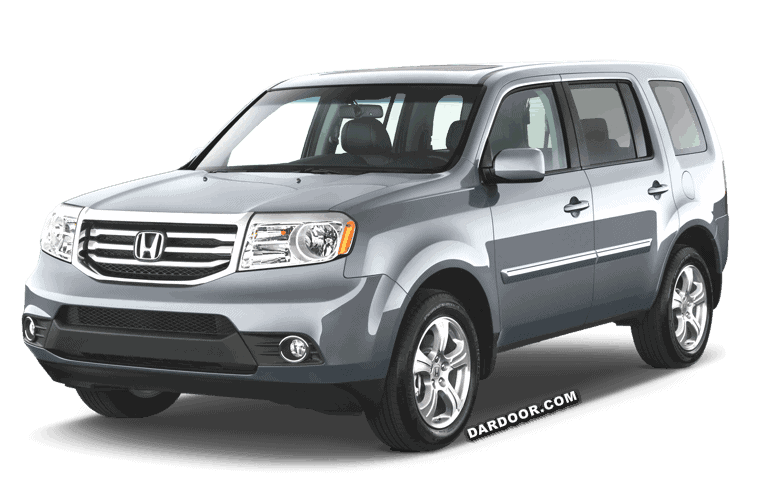
Get the OEM workshop document for the 2009-2010 Honda Pilot repair manual in a simple PDF file format.
2009-2010 Honda Pilot Repair Manual
$19.90
Get the full potential of your DIY repairs with our OEM workshop document, specifically tailored for the 2009-2010 Honda Pilot. This comprehensive repair manual is available in a convenient PDF format, providing you with the same in-depth guidance that professional Honda dealer mechanics and technicians use.
| File Format | |
| File Language | English |
| Pages Count | 3,164 |
| You’ll Get | 84.5 MB |
| Delivery Method | Instant Download |
| Printable | Yes |
Features:
- Manufacturer-Authorized Procedures: Follow step-by-step instructions directly from Honda’s authorized repair protocols.
- User-Friendly PDF Format: Easily navigate and zoom into diagrams for a clearer view of wiring connections and layouts.
- Supports DIY Repairs and Professional Maintenance: Ideal for both car enthusiasts and professional technicians.
Download your copy today and ensure your Honda Pilot receives the expert care it deserves with this indispensable manual. Get your PDF copy today and keep your vehicle in peak condition!
This manual provides detailed instructions for maintenance, disassembly, reassembly, component inspection, adjustment, and diagnostics—intended for use by experienced mechanics. Proper application of this guide will help ensure thorough repairs and maintain your vehicle in peak condition.
Important Note: Before purchasing this manual, please check whether your vehicle is subject to any active service recalls, as authorized dealerships may perform necessary repairs free of charge. When replacing parts, always use genuine OEM components to ensure safety, reliability, and long-term performance.
Table of Contents : 2009-2010 Honda Pilot Repair Manual
1- General Information
2- Specifications
3- Maintenance
4- Engine Electrical
5- Engine Mechanical
6- Engine Cooling
7- Fuel and Emissions
8- Transaxle
9- Steering
10- Suspension (Including TPMS)
11- Brakes (Including VSA)
12- Body
13- Heating, Ventilation and Airconditioning
14- Body Electrical
15- Audio, Navigation, and Telematics
16- Restraints.
SAMPLE PAGES
CAUTION: This OEM service and workshop repair manual provides detailed procedures for maintenance, disassembly, reassembly, inspection, adjustment, and diagnostics. It is intended as a comprehensive guide for experienced mechanics. To ensure thorough and accurate repairs that maintain your vehicle’s optimal performance, please read and follow this manual carefully. When replacing parts during any repair work, always use genuine Honda parts to ensure quality, safety, and reliability.
2009–2010 Honda Pilot: Comprehensive Guide
Overview
The 2009–2010 Honda Pilot is a midsize three-row SUV from the second generation (2009–2015). These model years represented a complete redesign with improved interior space, updated styling, and enhanced features.
Key Highlights:
- Seating for 8 passengers (standard) or 7 with second-row captain’s chairs
- Available all-wheel drive with Variable Torque Management (VTM-4)
- Redesigned exterior with more aggressive styling
- Improved third-row access and comfort
Technical Specifications
| Specification | Details |
|---|---|
| Engine | 3.5L V6 SOHC VTEC (J35Z4) |
| Horsepower | 250 hp @ 5,700 rpm (2009) / 255 hp (2010) |
| Torque | 253 lb-ft @ 4,800 rpm |
| Transmission | 5-speed automatic |
| Drivetrain | FWD or AWD (VTM-4) |
| Fuel Economy | 17/23 mpg (FWD), 16/22 mpg (AWD) |
| Towing Capacity | 4,500 lbs (AWD), 2,000 lbs (FWD) |
| Curb Weight | 4,354–4,655 lbs |
| Wheelbase | 109.2 inches |
| Length | 191.4 inches |
| Width | 78.5 inches |
| Height | 70.9 inches |
| Fuel Tank | 21 gallons |
| Cargo Space | 87 cu ft (seats folded), 18 cu ft (3rd row up) |
Trim Levels: LX, EX, EX-L, Touring
Top 10 Mechanical & Electrical Issues
1. VTM-4 Lock Light Flashing / AWD System Malfunction
- Symptoms: VTM-4 warning light flashing on dashboard, loss of AWD functionality, rough shifting, grinding noise from rear differential
- Root Cause: Rear differential fluid breakdown due to lack of maintenance, worn differential clutch packs, faulty rear differential temperature sensor
- Fix: Rear differential fluid change with Honda Dual Pump II fluid, replace differential if internally damaged, replace temperature sensor if faulty
- Cost: $150–300 (fluid service), $1,500–2,500 (differential replacement)
2. Transmission Judder/Shudder During Acceleration
- Symptoms: Vibration or shuddering sensation during acceleration (especially 20–50 mph), rough shifts, transmission slipping
- Root Cause: Torque converter lockup clutch deterioration, contaminated transmission fluid, worn transmission mounts
- Fix: Transmission fluid flush with Honda ATF-DW1, torque converter replacement, transmission rebuild in severe cases
- Cost: $200–350 (fluid service), $1,200–1,800 (torque converter), $2,500–4,000 (rebuild)
3. Engine Misfire (Cylinder 1, 2, or 3)
- Symptoms: Check engine light, rough idle, hesitation during acceleration, reduced fuel economy, P0301/P0302/P0303 codes
- Root Cause: Faulty ignition coils (especially on rear bank cylinders), worn spark plugs, carbon buildup on valves
- Fix: Replace ignition coils and spark plugs, perform valve cleaning service if carbon buildup is severe
- Cost: $300–600 (coils and plugs), $500–800 (valve cleaning service)
4. Power Steering Pump Failure
- Symptoms: Whining or groaning noise when turning, heavy steering feel, power steering fluid leak, illuminated power steering warning light
- Root Cause: Worn power steering pump bearings, contaminated power steering fluid, damaged pump seals
- Fix: Replace power steering pump, flush and refill power steering system, inspect hoses and rack for leaks
- Cost: $400–700 (pump replacement), $100–150 (fluid flush)
5. A/C Compressor Clutch Failure
- Symptoms: A/C not blowing cold air, clicking noise from engine bay when A/C is on, A/C clutch not engaging, burning smell
- Root Cause: Worn compressor clutch bearing, damaged clutch coil, low refrigerant causing excessive cycling
- Fix: Replace A/C compressor clutch assembly or entire compressor, recharge A/C system, check for refrigerant leaks
- Cost: $500–900 (clutch replacement), $800–1,400 (full compressor)
6. Fuel Injector Failure
- Symptoms: Rough idle, engine hesitation, poor fuel economy, black smoke from exhaust, check engine light with injector codes
- Root Cause: Clogged injector nozzles from fuel deposits, electrical failure in injector solenoid, contaminated fuel
- Fix: Fuel injector cleaning service, replace failed injectors, fuel system cleaning
- Cost: $150–250 (cleaning service), $400–800 (injector replacement for multiple cylinders)
7. Alternator Bearing Failure
- Symptoms: Squealing or grinding noise from engine, dimming lights, battery warning light, electrical system issues, dead battery
- Root Cause: Worn alternator bearings, damaged voltage regulator, belt misalignment causing premature wear
- Fix: Replace alternator, inspect and adjust drive belt tension, test battery and charging system
- Cost: $400–650 (alternator replacement)
8. Exhaust System Rattle (Heat Shield)
- Symptoms: Metallic rattling noise from underneath vehicle (especially on startup or acceleration), vibration at idle
- Root Cause: Loose or corroded heat shield bolts/brackets, cracked heat shield from age and thermal cycling
- Fix: Tighten or replace heat shield mounting hardware, replace heat shield if damaged, remove if not required by emissions
- Cost: $100–300 (repair/replacement), $50–100 (removal)
9. Wheel Speed Sensor Failure (ABS/VSA)
- Symptoms: ABS warning light, VSA warning light, traction control malfunction, speedometer erratic readings
- Root Cause: Corroded or damaged wheel speed sensor connector, debris on sensor tone ring, failed sensor
- Fix: Clean sensor and tone ring, repair wiring harness, replace wheel speed sensor
- Cost: $150–300 (per sensor replacement)
10. Timing Belt Tensioner Noise
- Symptoms: Squealing or chirping noise from engine at startup, noise that changes with engine speed, visible belt wear
- Root Cause: Worn timing belt tensioner bearing, glazed timing belt, misaligned tensioner pulley
- Fix: Replace timing belt, tensioner, water pump as preventive maintenance (recommended every 105k miles)
- Cost: $800–1,200 (full timing belt service)
Top 5 Competitors
1. Toyota Highlander (2008–2010)
- Similar size and seating capacity
- Known for exceptional reliability
- Less powerful V6 (270 hp)
- Higher resale value
- More conservative styling
2. Nissan Pathfinder (2008–2012)
- More powerful V6 (266 hp)
- Standard third row
- Lower reliability ratings than Pilot
- Better off-road capability
- Less refined interior
3. Mazda CX-9 (2007–2015)
- Sportier driving dynamics
- More powerful turbocharged 4-cylinder (later models)
- Less reliable than Pilot
- Upscale interior materials
- Smaller third row
4. Ford Flex (2009–2019)
- Unique boxy styling
- More spacious third row
- Twin-turbo V6 option (EcoBoost)
- Lower reliability ratings
- Better ride comfort
5. Chevrolet Traverse (2009–2012)
- Larger interior space
- Available V6 with 288 hp
- Less reliable than Pilot
- More affordable pricing
- Better towing capacity (5,200 lbs)
Top 10 Recalls, Advisories & TSB Highlights
Recalls
1. Airbag Inflator Recall (Takata) – Multiple Campaigns
- Affects driver and passenger airbag inflators
- Inflators may explode and send metal fragments into cabin
- Critical safety issue – check NHTSA database with VIN
- Free repair at Honda dealers
2. Fuel Pump Strainer Recall (2009 Models)
- Campaign: 10V388000
- Fuel pump strainer may crack causing engine stall
- Free inspection and replacement
3. Vehicle Stability Assist (VSA) Modulator Recall
- Campaign: 11V005000
- VSA modulator-control unit may fail
- Can cause loss of vehicle stability control
- Free replacement
Technical Service Bulletins (TSBs)
4. TSB 10-002: Transmission Judder/Shudder
- Addresses shuddering during light acceleration
- Updated transmission fluid specification
- May require torque converter replacement under warranty
5. TSB 09-057: VTM-4 Lock Indicator Flashing
- Covers rear differential service procedures
- Specifies Honda Dual Pump II fluid requirement
- Service interval recommendations
6. TSB 11-026: Moonroof Wind Noise
- Addresses wind noise from moonroof at highway speeds
- Moonroof adjustment procedure
- Weatherstrip replacement if necessary
7. TSB 10-038: Radio Display Goes Blank
- Navigation/audio display intermittently blank
- Software update available
- May require display unit replacement
8. TSB 09-010: A/C Condenser Damage
- A/C condenser vulnerable to road debris
- Protective screen installation recommended
- Common cause of refrigerant leaks
9. TSB 11-089: Steering Column Click/Pop Noise
- Clicking noise when turning steering wheel
- Steering column u-joint lubrication procedure
- Replacement if lubrication doesn’t resolve
10. TSB 10-021: Brake Squeal
- Brake squeal during light braking
- Updated brake pad compound
- Rotor refinishing or replacement may be needed
Maintenance Schedule
Every 7,500 Miles or 12 Months
- Engine oil and filter change (0W-20 synthetic recommended)
- Tire rotation
- Multi-point inspection
- Check all fluid levels
Every 15,000 Miles
- Cabin air filter replacement
- Inspect brake system
- Check suspension components
- Battery test
Every 30,000 Miles
- Engine air filter replacement
- Transmission fluid inspection
- Brake fluid inspection
- Fuel filter inspection
Every 45,000 Miles
- Spark plug replacement (iridium)
- Rear differential fluid change (AWD models) – CRITICAL
- Drive belt inspection
Every 60,000 Miles
- Transmission fluid replacement (ATF-DW1)
- Transfer case fluid change (AWD)
- Coolant replacement
- Brake fluid replacement
Every 90,000 Miles
- Rear differential fluid change (AWD)
- Inspect timing belt
Every 105,000 Miles
- Timing belt replacement (includes water pump, tensioner)
- Drive belts replacement
- Coolant system flush
As Needed
- Brake pad replacement (typically 40k–70k miles)
- Battery replacement (4–6 years)
- Wiper blades (annually)
- Tires (40k–60k miles depending on type)
10 FAQs for Buyers
Q1: Is the 2009–2010 Pilot reliable? Generally yes. Honda has a strong reliability reputation, but these model years can have transmission issues and require diligent rear differential maintenance on AWD models. Proper maintenance is key.
Q2: What’s the difference between 2009 and 2010 models? Minimal changes. The 2010 received a slight horsepower increase (250 to 255 hp), updated USB integration, and minor interior trim updates. Both years are mechanically very similar.
Q3: Should I buy FWD or AWD? AWD if you need winter traction or light off-road capability. However, AWD requires additional maintenance (rear differential service every 45k miles) and gets slightly lower fuel economy. FWD is adequate for most buyers and cheaper to maintain.
Q4: What mileage is too high for a used Pilot? With proper maintenance, these can easily exceed 200,000 miles. Look for vehicles under 150,000 miles with documented service history. Verify timing belt was replaced around 105k miles.
Q5: Are transmission problems common? Shuddering issues occur but aren’t universal. Regular transmission fluid changes with Honda-specific ATF-DW1 fluid significantly reduce problems. Avoid units with delayed service history.
Q6: How much does it cost to maintain annually? Expect $800–1,200 annually for routine maintenance (oil changes, tire rotations, filters). Budget an additional $500–1,000 for unexpected repairs on higher-mileage vehicles. Major service years (timing belt) will cost more.
Q7: Can I tow with the Pilot? Yes. AWD models can tow up to 4,500 lbs with proper equipment. FWD models are limited to 2,000 lbs. Ensure the vehicle has the factory tow package for higher ratings.
Q8: What should I check during a pre-purchase inspection?
- Transmission fluid condition (should be bright red, not dark/burnt)
- Rear differential service history (AWD models)
- Timing belt replacement records
- VTM-4 light operation (AWD)
- Engine misfires or rough idle
- Undercarriage rust (especially in salt-belt states)
Q9: Is the third row suitable for adults? The third row is best for children or short trips. Adults can fit but will find it cramped for long journeys. Access is decent with the one-touch second-row fold feature.
Q10: What’s the real-world fuel economy? Expect 16–18 mpg city and 21–23 mpg highway with AWD, slightly better with FWD. These aren’t fuel-efficient vehicles by modern standards due to the older 5-speed transmission and heavier weight.
Final Buyer Recommendations
✅ GOOD BUY IF:
- You find one with complete service records, especially timing belt and transmission service
- The vehicle has under 150,000 miles
- AWD models have documented rear differential services every 45k miles
- You need proven reliability and Honda build quality
- You want a spacious, practical family SUV
- You’re willing to perform preventive maintenance
- Price is competitive ($6,000–12,000 depending on condition and mileage)
⚠️ PROCEED WITH CAUTION IF:
- No service records available
- Transmission shows signs of shuddering or hesitation
- Timing belt hasn’t been replaced past 105,000 miles
- AWD warning lights are present
- Evidence of deferred maintenance
- Rust present on frame or undercarriage (northern vehicles)
❌ AVOID IF:
- Transmission has obvious problems (slipping, harsh shifts, burnt fluid)
- Major oil leaks present
- Timing belt overdue with no replacement proof
- Flood damage or salvage title
- Multiple warning lights illuminated
- Engine misfires or runs rough
Best Value:
Look for a 2010 EX-L AWD with 80,000–120,000 miles, documented timing belt service, clean CARFAX, and maintenance records. This offers the best balance of features, remaining lifespan, and value.
Key Inspection Points:
- Request all service records before viewing
- Have a pre-purchase inspection performed by a Honda specialist
- Test drive to check transmission behavior (especially 20–50 mph range)
- Verify VTM-4 system operates without warning lights (AWD)
- Check for engine oil leaks around valve covers
- Inspect for frame rust if from salt-belt states
- Verify timing belt replacement with receipts
Our Final Verdict
The 2009–2010 Honda Pilot is a solid, dependable family SUV when properly maintained. It offers excellent space, good safety ratings, and Honda’s reputation for longevity. However, these are 14–15 year old vehicles now, so condition and maintenance history matter more than age or mileage. Budget for the timing belt service if it hasn’t been done, and be prepared for the rear differential maintenance on AWD models. With proper care, these can be excellent value propositions for families needing affordable, spacious transportation.
Overall Rating: 7.5/10 – A practical, reliable choice with some age-related concerns that can be managed with diligent maintenance.
Related products
-
2010-2012 Honda CR-Z Repair Manual
$19.90 Add to cart -

2016-2018 Honda HR-V Repair Manual
$16.90 Add to cart -

2020-2022 Honda Civic Wiring Diagrams
$19.90 Add to cart -

2007-2011 Honda CR-V Repair Manual
$19.90 Add to cart -

2007-2010 Honda Odyssey Repair Manual
$19.90 Add to cart -
2012-2016 Honda CR-V Repair Manual
$19.90 Add to cart -
2002 Honda Civic Repair Manual
$16.90 Add to cart -
2018-2020 Honda Civic Repair Manual
$24.90 Add to cart