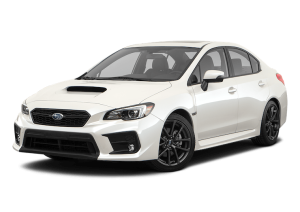
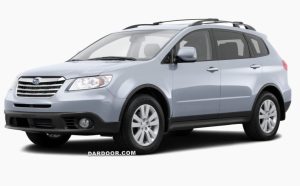
Overview
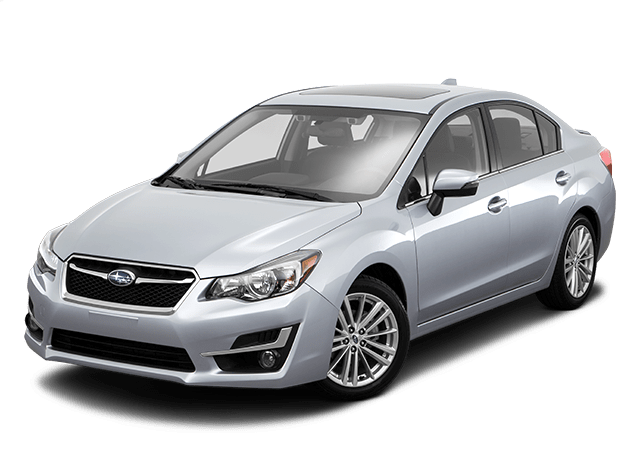
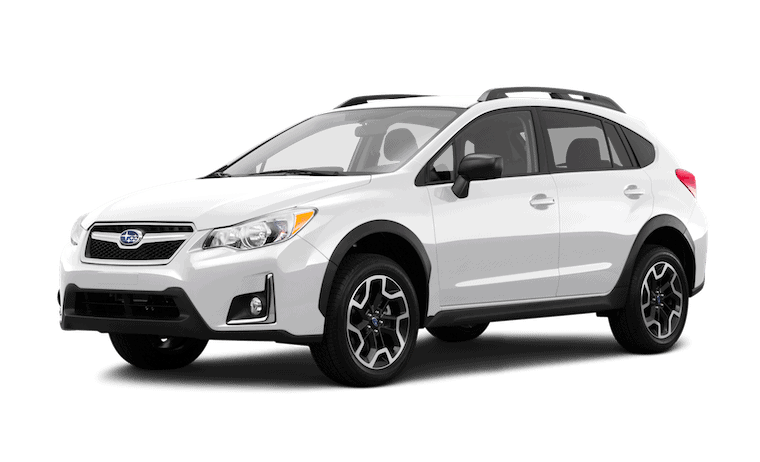
The 2016 Subaru Impreza and Crosstrek (XV) share the same platform, representing the fourth generation Impreza architecture. The Crosstrek is essentially a lifted Impreza with added ground clearance and rugged styling.
2016 Subaru Impreza
- Body Styles: 4-door sedan, 5-door hatchback
- Trim Levels: 2.0i, 2.0i Premium, 2.0i Sport Premium, 2.0i Limited, 2.0i Sport Limited
- Starting MSRP: ~$18,395 USD / ~$20,995 CAD
2016 Subaru Crosstrek
- Body Style: 5-door crossover SUV
- Trim Levels: 2.0i, 2.0i Premium, 2.0i Limited, Hybrid (2.0i Touring Hybrid)
- Starting MSRP: ~$21,595 USD / ~$24,995 CAD
Technical Specifications
| Specification |
Impreza |
Crosstrek |
| Engine |
2.0L FB20 flat-4 |
2.0L FB20 flat-4 |
| Horsepower |
148 hp @ 6,200 rpm |
148 hp @ 6,200 rpm |
| Torque |
145 lb-ft @ 4,200 rpm |
145 lb-ft @ 4,200 rpm |
| Transmission |
5-speed manual or CVT |
5-speed manual or CVT |
| Drivetrain |
Symmetrical AWD (standard) |
Symmetrical AWD (standard) |
| Fuel Economy (CVT) |
28/37/31 mpg (city/hwy/combined) |
26/34/29 mpg |
| Ground Clearance |
5.1 inches |
8.7 inches |
| Cargo Space |
22.5 cu ft (hatchback) / 12 cu ft (sedan) |
22.3 cu ft |
| Curb Weight |
2,965-3,150 lbs |
3,223-3,298 lbs |
| Towing Capacity |
Not rated |
1,500 lbs (when equipped) |
| Wheelbase |
104.1 inches |
103.7 inches |
| Fuel Tank |
13.2 gallons |
15.9 gallons |
Safety Features:
- EyeSight Driver Assist (optional on Premium/Limited trims)
- Vehicle Dynamics Control
- Traction Control System
- 7 airbags standard
Top 10 Mechanical & Electrical Issues
1. CVT Transmission Shuddering/Juddering
Symptoms:
- Vibration or shuddering during acceleration (15-25 mph range)
- Hesitation when accelerating from a stop
- Rough shifting between “gears”
Root Cause:
- CVT fluid breakdown or contamination
- Torque converter issues
- CVT valve body problems
Fix:
- CVT fluid flush and replacement with fresh Subaru CVT fluid
- Software update/reflash
- Torque converter replacement (severe cases)
- Complete CVT replacement (worst case)
Cost:
- Fluid change: $150-$300
- Software update: $100-$200
- Torque converter: $1,200-$2,000
- CVT replacement: $4,000-$7,000 (often covered under warranty/extension)
2. Head Gasket Failure (Less Common on FB20)
Symptoms:
- White smoke from exhaust
- Overheating
- Coolant loss without visible leaks
- Milky oil cap residue
- External oil leaks around cylinder heads
Root Cause:
- While the FB20 engine is more reliable than older EJ engines, head gasket issues can still occur
- Overheating events
- Poor maintenance
Fix:
- Head gasket replacement
- Cylinder head resurfacing
- Timing belt replacement (while engine is apart)
Cost:
- $2,000-$3,500 depending on labor rates and additional work needed
3. Piston Ring Failure / Excessive Oil Consumption
Symptoms:
- Burning through 1+ quart of oil between oil changes
- Blue smoke from exhaust on startup or acceleration
- Reduced engine performance
- Check engine light (potentially)
Root Cause:
- Manufacturing defect in certain FB20 engines (2012-2015 primarily, but some 2016 models affected)
- Piston ring design issues causing oil to bypass into combustion chamber
Fix:
- Short-block engine replacement (Subaru extended warranty coverage for affected VINs)
- Regular oil consumption monitoring
Cost:
- $5,000-$8,000 if out of warranty
- Often covered under Subaru’s oil consumption warranty extension
4. Rear Wheel Bearing Failure
Symptoms:
- Humming, growling, or roaring noise from rear of vehicle (increases with speed)
- Noise changes when turning (louder on turns)
- Vibration through seat or steering wheel
- ABS/traction control warning lights (advanced failure)
Root Cause:
- Normal wear and tear
- Water/salt contamination
- Driving through deep water
- Poor quality replacement parts
Fix:
- Replace failed wheel bearing hub assembly
- Both sides recommended if one fails
Cost:
- $300-$600 per side (parts and labor)
5. Torque Converter Shudder
Symptoms:
- Vibration at low speeds (30-45 mph) during light acceleration
- Feels like driving over rumble strips
- Most noticeable when going uphill or accelerating gently
Root Cause:
- Torque converter clutch material degradation
- Contaminated CVT fluid
- Software calibration issues
Fix:
- CVT fluid replacement with OEM Subaru fluid
- ECU/TCM software update
- Torque converter replacement (if fluid change doesn’t resolve)
Cost:
- Fluid change: $150-$300
- Software update: $100-$200
- Torque converter: $1,200-$2,000
6. EyeSight System Malfunctions
Symptoms:
- “EyeSight Disabled” warning message
- Pre-Collision Braking System warning
- Lane Keep Assist not functioning
- Adaptive Cruise Control inoperative
Root Cause:
- Dirty/obstructed windshield or camera lenses
- Temperature extremes (too hot/cold)
- Windshield replacement without proper recalibration
- Camera module failure
Fix:
- Clean windshield and camera area thoroughly
- Allow system to recalibrate (may take several drive cycles)
- Professional camera recalibration after windshield replacement
- Camera module replacement (rare)
Cost:
- Cleaning: DIY/free
- Recalibration: $150-$300
- Camera replacement: $1,000-$2,000
7. Air Conditioning Compressor Failure
Symptoms:
- AC blows warm air
- Loud squealing or grinding noise from engine bay when AC is on
- AC clutch not engaging
- Intermittent cooling
Root Cause:
- Compressor clutch bearing failure
- Internal compressor seizure
- Refrigerant leaks causing compressor damage
Fix:
- AC compressor replacement
- System evacuation and recharge
- Replace receiver/dryer
- Flush AC system
Cost:
- $800-$1,500 (parts and labor)
8. Radiator/Cooling System Leaks
Symptoms:
- Coolant puddles under vehicle
- Sweet smell from engine bay
- Overheating
- Low coolant warning light
- Visible coolant drips
Root Cause:
- Plastic radiator end tank cracking (common failure point)
- Age and heat cycling
- Radiator hose deterioration
- Water pump seal failure
Fix:
- Radiator replacement
- Hose replacement
- Water pump replacement (if source of leak)
- Thermostat replacement (while system is drained)
Cost:
- Radiator: $400-$800
- Hoses: $150-$300
- Water pump: $400-$700
9. Starter Motor Failure
Symptoms:
- Clicking sound when turning key (no engine cranking)
- Grinding noise during startup
- Engine cranks slowly or intermittently
- Complete failure to start
Root Cause:
- Worn starter solenoid contacts
- Bendix gear wear
- Electrical connection corrosion
- Normal wear (typically 100k+ miles)
Fix:
- Starter motor replacement
- Battery and alternator testing (rule out other causes)
- Clean battery terminals and connections
Cost:
- $400-$700 (parts and labor)
10. Infotainment System Freezing/Glitches
Symptoms:
- Touchscreen unresponsive or laggy
- System freezes/crashes
- Bluetooth connectivity issues
- Backup camera black screen or delayed display
- Radio/navigation non-functional
Root Cause:
- Software bugs
- Outdated firmware
- Corrupted system files
- Hardware failure (less common)
Fix:
- System reset (hold power button 10+ seconds)
- Software update from Subaru dealer
- Factory reset
- Head unit replacement (severe cases)
Cost:
- Software update: $100-$200
- Head unit replacement: $800-$1,500
Top 5 Competitors (2016 Model Year)
- Strengths: More engaging driving dynamics, better interior quality, more powerful engine options
- Weaknesses: No standard AWD (FWD only on Mazda3), less cargo space
- Price Range: $18,000-$26,000
- Strengths: Superior fuel economy, more refined CVT, better reliability ratings, spacious interior
- Weaknesses: FWD only (no AWD on 2016 Civic), less ground clearance on HR-V
- Price Range: $19,000-$27,000
- Strengths: Legendary reliability, strong resale value, lower maintenance costs
- Weaknesses: Less engaging to drive, dated interior (2016 Corolla), higher price for RAV4
- Price Range: $18,000-$28,000
- Strengths: Multiple engine choices, available turbo, better tech features
- Weaknesses: Problematic dual-clutch transmission (Focus), higher maintenance costs
- Price Range: $17,500-$29,000
- Strengths: Premium interior feel, German engineering, available diesel (2016)
- Weaknesses: Higher maintenance costs, expensive repairs, dieselgate concerns
- Price Range: $19,000-$31,000
Top 10 Recalls, Advisories & TSB Highlights
Recalls
1. Brake Light Switch Recall (WTV-54)
- Issue: Brake light switch may malfunction, preventing brake lights from illuminating
- Affected: 2016 Impreza and Crosstrek
- Fix: Replace brake light switch
2. Valve Spring Recall (WUC-57)
- Issue: Improperly manufactured valve springs may break, causing engine failure
- Affected: Select 2016 models with FB20 engines
- Fix: Engine inspection and valve spring replacement if needed
3. Rear Suspension Crossmember Recall (WUX-60)
- Issue: Rear suspension crossmember may crack due to insufficient anti-corrosion coating
- Affected: 2016 Crosstrek (primarily salt-belt states/provinces)
- Fix: Inspection and crossmember replacement if necessary
4. PCV Valve Recall (WRZ-63)
- Issue: PCV valve may become clogged, causing oil leaks or engine stalling
- Affected: 2016 Impreza and Crosstrek
- Fix: Replace PCV valve and update engine software
Technical Service Bulletins (TSBs)
5. CVT Judder/Shudder TSB 16-157-15R
- Issue: CVT transmission vibration during acceleration
- Solution: CVT software update and fluid replacement
6. EyeSight Calibration TSB 11-180-17
- Issue: EyeSight camera recalibration procedures after windshield replacement
- Solution: Proper dealer calibration process
7. Wind Noise TSB 10-147-14R
- Issue: Wind noise from door mirrors at highway speeds
- Solution: Mirror housing tape application
8. Infotainment System TSB 18-212-17
- Issue: Bluetooth connectivity and touchscreen responsiveness issues
- Solution: Software update
9. Climate Control TSB 62-199-15
- Issue: HVAC blower motor noise or reduced airflow
- Solution: Blower motor replacement or resistor update
10. Oil Consumption Monitoring Program
- Issue: Excessive oil consumption on certain FB20 engines
- Solution: Oil consumption test procedure and potential short-block replacement under warranty extension
Maintenance Schedule
Every 6,000 Miles / 6 Months
- Engine oil and filter change
- Tire rotation
- Visual inspection of brakes, suspension, exhaust
Every 12,000 Miles / 12 Months
- Cabin air filter replacement
- Brake fluid inspection
Every 30,000 Miles
- Engine air filter replacement
- Brake system inspection (pads, rotors, calipers)
- Fuel filter inspection
- Front differential fluid (if applicable)
- Rear differential fluid replacement
Every 60,000 Miles
- Spark plug replacement
- Coolant replacement
- Transmission/CVT fluid replacement (severe conditions)
- Brake fluid flush
Every 100,000 Miles
- Timing belt inspection (FB20 uses timing chain – no replacement needed)
- CVT fluid replacement (normal conditions)
- Drive belts replacement
- Fuel system cleaning
As Needed
- Battery replacement (3-5 years typical)
- Wiper blades (annually or as needed)
- Brake pads (typically 30k-60k miles)
- Tires (40k-60k miles depending on type)
Note: Subaru recommends more frequent maintenance for “severe” driving conditions (short trips, extreme temperatures, towing, dusty conditions).
10 FAQs for Buyers
1. Should I buy a 2016 Impreza/Crosstrek with high mileage?
Answer: These models can be reliable with proper maintenance, but be cautious above 100,000 miles. Check for CVT transmission health (shuddering, hesitation), oil consumption issues, and ensure all recalls/TSBs have been addressed. Get a pre-purchase inspection focusing on CVT condition, wheel bearings, and cooling system.
2. Is the CVT transmission reliable?
Answer: The CVT in 2016 models has mixed reliability. Many owners report trouble-free operation, while others experience shuddering and premature failure. Subaru extended the CVT warranty to 10 years/100,000 miles on many models. Proper maintenance with OEM CVT fluid is critical. If buying used, test drive thoroughly and listen for unusual noises or vibrations.
3. What’s the real-world fuel economy?
Answer:
- Impreza: 26-32 mpg combined (depending on driving style and conditions)
- Crosstrek: 25-30 mpg combined
- Manual transmissions typically get 1-2 mpg less than CVT
- AWD and smaller engine mean fuel economy isn’t class-leading
4. How does the Subaru AWD system work?
Answer: Symmetrical AWD is standard on all models. Power is continuously distributed to all four wheels (60/40 front/rear split typically), providing excellent traction in snow, rain, and light off-road conditions. It’s always active, unlike many competitors’ reactive AWD systems.
5. Is the base 2.0L engine powerful enough?
Answer: The 148 hp engine is adequate for daily driving but feels underpowered when fully loaded, merging onto highways, or at higher elevations. The Crosstrek feels particularly slow due to added weight. If you prioritize acceleration, consider waiting for the 2017+ models with improved performance or look at competitors with more power.
6. What should I look for in a pre-purchase inspection?
Key Areas:
- CVT fluid condition and transmission operation (test drive at various speeds)
- Oil consumption history (ask for service records)
- Check for oil leaks around head gaskets
- Wheel bearing noise (test drive and listen for humming)
- EyeSight functionality (if equipped)
- Rust inspection (undercarriage, wheel wells, suspension components)
- Cooling system condition (radiator, hoses, coolant color)
- All recalls and TSBs completed
7. Are parts and repairs expensive?
Answer: Parts are moderately priced, but labor can be expensive due to the boxer engine’s horizontal layout making some repairs more time-intensive. Common repair costs:
- Oil change: $50-$80
- Brake pads: $200-$400 per axle
- Tires (set of 4): $500-$800
- CVT fluid change: $150-$300
- Major repairs (CVT, engine work) can be $3,000-$7,000
8. How long do these vehicles typically last?
Answer: With proper maintenance, 200,000+ miles is achievable. The FB20 engine is generally more reliable than older Subaru engines. Key longevity factors:
- Regular oil changes (especially important for preventing consumption issues)
- CVT fluid changes every 60k-100k miles
- Promptly addressing cooling system issues
- Rust prevention in salt-belt regions
Expect major components (CVT, suspension) to need attention around 120k-150k miles.
9. Is the Impreza or Crosstrek better for winter driving?
Answer: Both are excellent in winter due to standard AWD and low center of gravity. The Crosstrek has advantages:
- 8.7″ ground clearance vs 5.1″ (better for deep snow/unplowed roads)
- Higher seating position for visibility
- More rugged approach/departure angles
The Impreza offers:
- Slightly better fuel economy
- Lower price point
- Car-like handling
For most winter conditions, either works well. For rural/mountainous areas with heavy snow, the Crosstrek is superior.
10. Should I buy the EyeSight package?
Answer: Yes, if budget allows. EyeSight provides:
- Adaptive cruise control (very useful on highway trips)
- Pre-collision braking (genuine safety benefit)
- Lane departure/sway warning
- Better resale value
Considerations:
- Windshield replacement costs more ($500-$1,000+ with recalibration)
- System can be overly sensitive in some conditions
- Requires clear windshield (problematic in heavy snow/ice)
For safety and resale value, EyeSight is worth the investment.
Final Buyer Recommendations
✅ BUY IF:
- You prioritize AWD capability – Standard Symmetrical AWD is excellent for winter, rain, and light off-road use
- You want reliability on a budget – These are generally dependable with proper maintenance
- Winter driving is a priority – Among the best in class for snow/ice traction
- You need practical space – Crosstrek offers excellent cargo versatility; Impreza hatchback is very practical
- Long-term ownership – These can last 200k+ miles with care
- Fuel economy is adequate – 25-32 mpg combined is acceptable for your needs
- You value safety – Good crash test ratings, available EyeSight
⚠️ PROCEED WITH CAUTION IF:
- High mileage (100k+) – CVT longevity becomes concern; thorough inspection essential
- You find evidence of oil consumption – Could indicate piston ring issues requiring expensive engine work
- CVT shows symptoms – Shuddering/hesitation may lead to $4k-$7k replacement
- Service history is incomplete – CVT and oil change records are critical
- Heavy rust present – Especially on suspension/subframe components in salt-belt vehicles
- Recalls not completed – Verify all recalls/TSBs addressed before purchase
❌ DON’T BUY IF:
- You need more power – 148 hp is underwhelming; wait for 2017+ or choose competitor
- You want a refined CVT – Honda and Toyota offer smoother transmissions
- Interior quality matters greatly – Hard plastics and dated design may disappoint
- You’re outside warranty – CVT and potential engine issues carry high repair costs
- Budget is very tight – Potential CVT/engine repairs could exceed vehicle value
- You drive primarily highway – Competitors offer better fuel economy and refinement
Summary Score
| Category |
Rating |
Notes |
| Reliability |
7/10 |
Generally good, but CVT and oil consumption concerns |
| Value |
8/10 |
Affordable, good features for price |
| Performance |
5/10 |
Underpowered, slow acceleration |
| Fuel Economy |
7/10 |
Decent but not class-leading |
| Safety |
9/10 |
Excellent with EyeSight, good crash ratings |
| Practicality |
8/10 |
AWD standard, good cargo space |
| Ownership Cost |
6/10 |
Moderate, but CVT repairs expensive |
Overall Recommendation
The 2016 Impreza and Crosstrek are solid choices for budget-conscious buyers prioritizing AWD and winter capability. They’re practical, safe, and generally reliable with proper maintenance. However, CVT concerns and lackluster performance are notable drawbacks.
Best bet: Find a well-maintained example with complete service records, all recalls completed, and ideally still under the 10-year/100k mile CVT warranty. Have a pre-purchase inspection focus on CVT operation and oil consumption. If buying from a private seller, request an oil consumption test.
Value pick: A 2016 model with 40k-70k miles, complete records, and the EyeSight package offers the best balance of price, remaining warranty, and features.