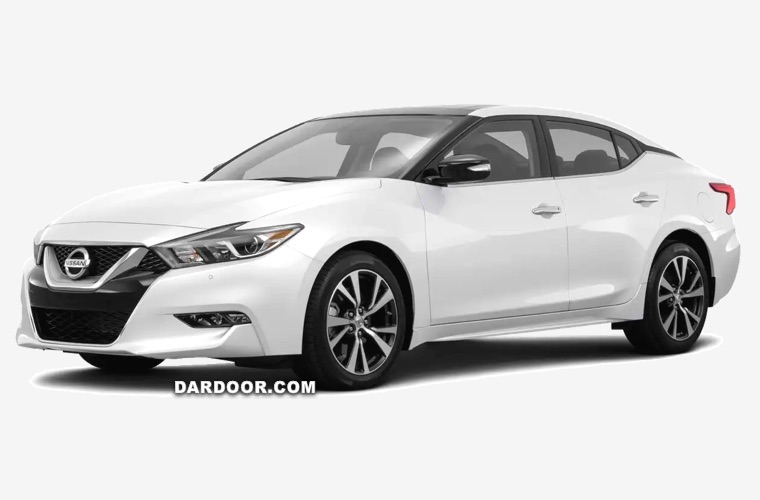
This manual provides detailed instructions for maintenance, disassembly, reassembly, component inspection, adjustment, and diagnostics—intended for use by experienced mechanics. Proper application of this guide will help ensure thorough repairs and maintain your vehicle in peak condition.
Important Note: Before purchasing this manual, please check whether your vehicle is subject to any active service recalls, as authorized dealerships may perform necessary repairs free of charge. When replacing parts, always use genuine OEM components to ensure safety, reliability, and long-term performance.
Technical Specs
- Body: 4-door midsize sedan (FWD)
- Engine: 3.5L V6 (300 hp / 261 lb-ft)
- Transmission: Xtronic CVT
- Fuel economy (EPA): ~22 mpg city / 30 mpg highway
- Curb weight: ~3,500 lb
- Suspension: Independent (front/rear)
Top 10 Common Mechanical Issues (Symptoms • Cause • Fix • Cost)
- CVT shudder or slipping
– Symptoms: Hesitation, RPM flare, judder on acceleration
– Root Cause: CVT belt/pulley wear, overheated fluid
– Fix: Scan TCM, inspect fluid condition, software update or CVT replacement if severe
– Cost to Fix: $250–$450 (service) / $3,500–$5,500 (replacement)
- Engine overheating
– Symptoms: Rising temp gauge, coolant smell
– Root Cause: Failing radiator, thermostat, or water pump
– Fix: Pressure test, replace failed cooling component, bleed system
– Cost to Fix: $300–$900
- Oil consumption
– Symptoms: Low oil between services, blue smoke on start
– Root Cause: Worn piston rings or valve seals (VQ35)
– Fix: Monitor consumption; engine repair if excessive
– Cost to Fix: $0–$400 (monitoring) / $3,000–$6,000 (engine work)
- Timing chain noise
– Symptoms: Rattle on cold start
– Root Cause: Stretched chain or worn tensioner
– Fix: Replace timing chain components
– Cost to Fix: $1,200–$2,500
- Brake rotor warping
– Symptoms: Steering wheel shake while braking
– Root Cause: Heat buildup on heavy front end
– Fix: Replace rotors and pads as a set
– Cost to Fix: $350–$800
- Suspension bushing wear
– Symptoms: Clunks over bumps, uneven tire wear
– Root Cause: Aging rubber bushings
– Fix: Replace worn control arm bushings
– Cost to Fix: $500–$1,200
- Exhaust flex pipe leak
– Symptoms: Loud exhaust, ticking noise
– Root Cause: Metal fatigue at flex joint
– Fix: Replace flex pipe or exhaust section
– Cost to Fix: $300–$900
- Motor mount failure
– Symptoms: Vibration at idle, clunk on gear change
– Root Cause: Hydraulic mount wear
– Fix: Replace failed mount(s)
– Cost to Fix: $400–$900
- Power steering noise
– Symptoms: Whining when turning
– Root Cause: Low or contaminated fluid (electric-assist systems still use fluid components)
– Fix: Fluid service or component replacement
– Cost to Fix: $150–$800
- Thermostat stuck open
– Symptoms: Poor heater output, P0128 code
– Root Cause: Thermostat failure
– Fix: Replace thermostat
– Cost to Fix: $250–$600
Top 10 Common Electrical Issues (Symptoms • Cause • Fix • Cost)
- Infotainment screen freezing
– Symptoms: Touchscreen unresponsive
– Root Cause: Software bugs, memory faults
– Fix: Software update or head unit replacement
– Cost to Fix: $0–$1,200
- Battery drain
– Symptoms: Dead battery overnight
– Root Cause: Parasitic draw from modules
– Fix: Draw test, update or replace faulty module
– Cost to Fix: $150–$600
- ABS/VDC warning lights
– Symptoms: ABS or traction control disabled
– Root Cause: Wheel speed sensor failure
– Fix: Replace faulty sensor
– Cost to Fix: $200–$450
- Power window failure
– Symptoms: Window stuck or slow
– Root Cause: Regulator motor wear
– Fix: Replace window regulator
– Cost to Fix: $250–$600
- Keyless entry issues
– Symptoms: Door won’t unlock remotely
– Root Cause: Weak fob battery or antenna fault
– Fix: Replace fob battery or antenna module
– Cost to Fix: $10–$350
- Backup camera failure
– Symptoms: Blank or flickering image
– Root Cause: Camera module or wiring issue
– Fix: Replace camera or repair wiring
– Cost to Fix: $300–$900
- HVAC control malfunction
– Symptoms: Incorrect vent temperature
– Root Cause: Blend door actuator failure
– Fix: Replace actuator and recalibrate system
– Cost to Fix: $250–$700
- TPMS warning light
– Symptoms: Tire pressure light stays on
– Root Cause: Sensor battery depletion
– Fix: Replace TPMS sensor(s)
– Cost to Fix: $60–$120 per wheel
- Audio system distortion
– Symptoms: Crackling or no sound
– Root Cause: Amplifier overheating or wiring fault
– Fix: Repair wiring or replace amplifier
– Cost to Fix: $300–$1,000
- Airbag warning light
– Symptoms: SRS light illuminated
– Root Cause: Clock spring or seat sensor issue
– Fix: Diagnose SRS circuit; replace faulty component
– Cost to Fix: $250–$1,200
| Pros |
Cons |
| Strong V6 performance |
CVT reliability concerns |
| Comfortable, upscale interior |
Repairs can be expensive |
| Sporty handling for a sedan |
Resale affected by CVT reputation |
| Quiet highway ride |
Infotainment software quirks |
| Interval |
Service |
Notes |
| 5,000 mi |
Oil & filter |
Use quality synthetic |
| 15,000 mi |
Tire rotation, cabin filter |
Inspect brakes |
| 30,000 mi |
Engine air filter, brake fluid |
Check suspension |
| 60,000 mi |
CVT fluid service |
Critical for longevity |
| 100,000 mi |
Spark plugs, coolant |
Prevent misfires/overheating |
- Toyota Camry (2016)↗ – More reliable, excellent resale value, available V6, but less sporty
- Honda Accord (2016) ↗ – Strong reliability, engaging handling, spacious interior, available V6
- Mazda6 (2016) ↗ – Superior handling dynamics, upscale interior, but less powerful engine
- Ford Fusion (2016) ↗– Stylish design, multiple engine options including EcoBoost, available AWD
- Chevrolet Impala (2016) ↗ – Spacious cabin, smooth V6, comfortable ride, large trunk
Top 10 Recalls, Advisories & TSB Highlights
- Fuel Pump Relay (NHTSA Campaign 18V572) – Fuel pump relay may fail, causing engine stall
- Occupant Classification System (NHTSA Campaign 20V350) – OCS software error may incorrectly classify front passenger, affecting airbag deployment
- Backup Camera Display (NHTSA Campaign 19V220) – Backup camera may not display properly
- Automatic Emergency Braking (NHTSA Campaign 20V017) – AEB may activate unexpectedly
Technical Service Bulletins (TSBs):
- CVT Judder/Shudder (NTB17-057a) – Addressing CVT transmission vibration or shuddering during acceleration
- Steering Pull/Drift – TSB for steering alignment concerns and pull/drift issues
- Navigation/Infotainment Freezing – Software updates to address touchscreen freezing or lag
- Sunroof Wind Noise – TSB for wind noise from panoramic sunroof at highway speeds
- Brake Noise – TSB addressing brake squeal or noise during low-speed braking
- A/C Odor – TSB for musty smell from climate control system
🔔 Note: Always check the VIN-specific recall history at
NHTSA.gov or through a Nissan dealer before purchasing. Some recalls may have been completed on the vehicle already.
ECM (Engine Control Module)
| Code |
Description |
| P0300 |
Random Misfire |
| P0420 |
Catalyst Efficiency Low |
| P0171 |
System Too Lean |
| P0128 |
Coolant Temp Below Regulating |
| P0100 |
MAF Circuit |
| P0500 |
Vehicle Speed Sensor |
| P0130 |
O2 Sensor Circuit |
| P0455 |
EVAP Large Leak |
| P0110 |
IAT Circuit |
| P1604 |
Startability Malfunction |
TCM (Transmission Control Module)
| Code |
Description |
| P0700 |
Transmission Control System |
| P0715 |
Input Speed Sensor |
| P0720 |
Output Speed Sensor |
| P0730 |
Incorrect Gear Ratio |
| P0746 |
Pressure Control Solenoid |
| P0776 |
Pressure Control Solenoid Performance |
| P0868 |
Line Pressure Low |
| P0965 |
Pressure Control Solenoid B |
| P1701 |
CVT Control Error |
| P2813 |
Shift Solenoid D |
ABS / ESC
| Code |
Description |
| C1101 |
ABS Pump Motor |
| C1110 |
ABS Actuator |
| C1140 |
Wheel Speed Sensor |
| C1155 |
Yaw Rate Sensor |
| C1163 |
Steering Angle Sensor |
| C1180 |
ABS Communication |
| C1201 |
Engine Control Fault |
| C1210 |
Hydraulic Unit |
| C1232 |
Stop Lamp Switch |
| C1300 |
ABS ECU |
SRS Airbag System
| Code |
Description |
| B1018 |
Driver Airbag Circuit |
| B1020 |
Passenger Airbag Circuit |
| B1049 |
Side Airbag Sensor |
| B1054 |
Curtain Airbag Sensor |
| B1100 |
Airbag Control Unit |
| B1134 |
Seat Belt Pretensioner |
| B1145 |
OCS Sensor |
| B1200 |
SRS Power Supply |
| B1210 |
Crash Zone Sensor |
| B1402 |
Airbag Warning Lamp |
Body Control / CAN
| Code |
Description |
| U0100 |
Lost Communication ECM |
| U0121 |
Lost Communication ABS |
| U0140 |
Lost Communication BCM |
| U0155 |
Cluster Communication |
| U0184 |
Radio Communication |
| B2601 |
Door Lock Circuit |
| B2610 |
Power Window Circuit |
| B2620 |
Lighting Control |
| B2635 |
Smart Key Antenna |
| U0073 |
CAN Bus Off |
Frequently Asked Questions
1. What engine does the 2016 Maxima have? It comes with a 3.5L V6 engine producing 300 horsepower and 261 lb-ft of torque, paired with a CVT (Continuously Variable Transmission). It’s front-wheel drive only.
2. What are the available trim levels? The 2016 Maxima offers five trims: S, SV, SL, SR, and Platinum. Each adds features like leather seats, navigation, premium audio, and advanced safety tech.
3. What’s the fuel economy? EPA estimates are 22 mpg city / 30 mpg highway / 25 mpg combined, which is solid for a V6 sedan.
4. Is it reliable? The 2016 Maxima has mixed reliability ratings. It’s known for CVT transmission issues in Nissan’s lineup, though the Maxima’s transmission tends to be more robust than smaller Nissan models.
5. What safety features are included? Standard features include stability control, traction control, and multiple airbags. Higher trims offer blind-spot monitoring, rear cross-traffic alert, forward collision warning, and automatic emergency braking.
6. How much cargo and passenger space is there? It seats 5 adults comfortably with 14.3 cubic feet of trunk space. Rear legroom is 35 inches, making it spacious for a midsize sedan.
7. What’s the typical price range for a used 2016 Maxima? Depending on mileage, condition, and trim, expect to pay roughly $12,000–$18,000 in today’s used market.
8. Are parts and maintenance expensive? Maintenance costs are moderate for the class. Parts are generally affordable, though CVT repairs (if needed) can be costly.
9. What are common problems to watch for? Watch for CVT transmission issues (shuddering, hesitation), premature brake wear, and infotainment glitches.
10. Is it good for long-distance driving? Yes, the Maxima is comfortable for highway cruising with supportive seats, low noise levels, and good power for passing.
The 2016 Maxima offers strong performance and upscale styling at a competitive price point. However, potential CVT concerns make a pre-purchase inspection and verification of maintenance history essential. If you’re considering one, have a trusted mechanic inspect the transmission carefully.