

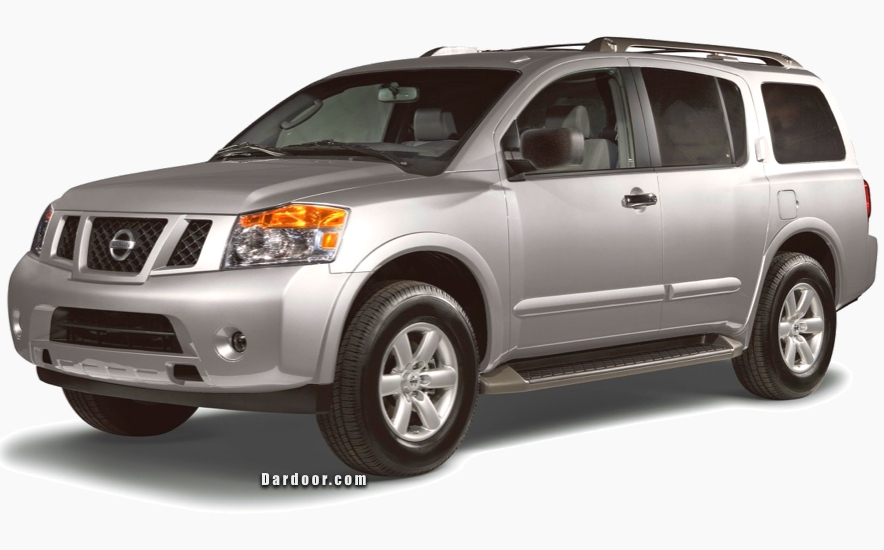
This is the complete original workshop repair manual with the wiring diagram for the 2015 Nissan Armada, Model TA60 Series, available in PDF format.
2015 Nissan Armada Repair Manual
$16.90
Original OEM Workshop Repair Manual: 2015 Nissan Armada (Model TA60 Series)
Get the complete original workshop repair manual with the wiring diagram for the 2015 Nissan Armada, Model TA60 Series, available in PDF format.
Manual Highlights:
- Comprehensive Content: Includes detailed instructions for service, repair, and maintenance.
- Wiring Diagrams: Clear and complete electrical schematics for troubleshooting and repairs.
- Authorized Information: The exact manual used by Nissan dealer technicians for diagnosis and repair.
- User-Friendly Format: Accessible and straightforward PDF document for easy use.
Ensure your 2015 Nissan Armada receives the expert-level care it deserves with this trusted and detailed OEM service manual.
| File Format | |
| File Language | English |
| You’ll Get | 124.9 MB |
| Wiring Diagram | Included |
| Delivery Method | Instant Download |
Important Notes:
- Experienced Mechanics Only: This manual is intended for use by those with advanced skills and knowledge. For safe and effective repairs, ensure you are familiar with the procedures outlined.
- Check for Recalls: Before purchasing, verify if your vehicle is subject to a Nissan service recall, which may entitle you to free repairs at a local dealer.
- Use Genuine Parts: Always replace parts with Nissan OEM genuine spare parts to maintain vehicle integrity and performance.
Table of Contents : 2015 Nissan Armada Repair Manual
SAMPLE PAGES
CAUTION: This manual is intended for use by individuals with specialized training and proper certification. Attempting repairs or maintenance using only this manual—without the necessary skills, tools, or equipment—may result in serious injury to yourself or others and may also cause significant damage to the vehicle. To ensure safety and prevent vehicle damage, always follow the instructions carefully and use appropriate tools and procedures.
2015 Nissan Armada (Model TA60 Series): Comprehensive Guide
Overview
The 2015 Nissan Armada (TA60) represents the third generation of Nissan’s full-size luxury SUV, launched in 2004 but significantly updated for the 2015 model year. It competes in the crowded full-size SUV segment alongside the Chevrolet Tahoe, Ford Expedition, and Toyota Sequoia.
Key Positioning
- 5.6L naturally aspirated V8 engine
- 8-passenger seating capacity (3-row)
- RWD standard; 4WD available
- Advanced safety features (Nissan Safety Shield)
- MSRP: $45,000–$60,000 (depending on trim)
- Target market: Family-focused buyers seeking luxury, space, and towing capability
Generation Context
The 2015 refresh was the final year before the complete redesign in 2017. It featured updated styling, refreshed interior design, and improved infotainment. However, the platform (shared with Infiniti QX56) dates to 2004, making it older than competitors.
Technical Specifications
| Specification | Details |
|---|---|
| Engine | 5.6L naturally aspirated V8 |
| Horsepower | 390 hp @ 5,800 RPM |
| Torque | 401 lb-ft @ 4,000 RPM |
| Transmission | 7-speed automatic (AL32E) |
| Drivetrain | Rear-wheel drive (standard); 4-wheel drive (optional) |
| 0–60 mph | ~7.5 seconds |
| Top Speed | 140 mph |
| Fuel Economy (RWD) | 14 city / 19 highway / 16 combined mpg |
| Fuel Economy (4WD) | 13 city / 18 highway / 15 combined mpg |
| Towing Capacity | 8,500 lbs (with proper setup) |
| Payload Capacity | 1,500 lbs |
| Curb Weight (RWD) | 5,390 lbs |
| Curb Weight (4WD) | 5,560 lbs |
| Wheelbase | 122.0 inches |
| Length/Width/Height | 208.3 x 80.3 x 76.0 inches |
| Seating Capacity | 8 passengers (3-row) |
| Cargo Space | 16.5 cu. ft. (3rd row up); 76.8 cu. ft. (all seats folded) |
| Fuel Tank | 28.0 gallons |
| Ground Clearance | 8.6 inches (RWD); 9.4 inches (4WD) |
| Suspension (Front) | Independent double-wishbone with coil springs |
| Suspension (Rear) | Multi-link with coil springs |
| Brakes | Ventilated disc (all corners) with ABS/ESC |
| Tires | Michelin LTX M/S 275/60R20 (standard) |
| Available Safety Features | Nissan Safety Shield (lane departure warning, collision warning, backup camera, blind spot monitor) |
10 Top Mechanical and Electrical Issues
1. Timing Chain Rattle & Stretching (VQ56VH Engine)
Symptoms:
- Rattling noise from front of engine, especially during cold start
- Noise increases with engine RPM, particularly at 1,200–1,800 RPM
- Timing chain rattle heard through hood
- Check engine light (P0008, P0009 codes) after prolonged noise
- Possible loss of power if chain fully fails
Root Cause: The 5.6L V8 timing chain is prone to stretching due to inadequate tensioner pressure. Poor oil circulation to the timing components accelerates wear. Extended oil change intervals exacerbate the problem. The design is inherently weak compared to competitor engines.
Fix:
- Replace timing chain and tensioner assembly with OEM parts
- Replace timing chain guides (all four)
- Perform complete oil system flush and refill with high-quality synthetic oil
- Inspect crankshaft and camshaft sprockets for wear; replace if damaged
- Reset timing after reassembly
Cost: $2,000–$3,500 (parts + labor); ~20–30 hours of labor
2. Transmission Shudder & Delayed Engagement (AL32E 7-Speed)
Symptoms:
- Harsh shifting, especially from 1st to 2nd gear
- Transmission shudder or vibration during acceleration
- Delayed engagement when shifting into Drive or Reverse
- Transmission slipping at highway speeds
- Check engine light (P0740, P0750 codes)
- Transmission overheating warning light
Root Cause: The AL32E transmission is known for torque converter issues. Worn transmission fluid fails to provide adequate hydraulic pressure. Friction material breakdown causes internal slipping. OEM fluid degrades faster than recommended.
Fix:
- Transmission fluid and filter change (use OEM Nissan CVT or ATF)
- Torque converter inspection and cleaning (or replacement if damaged)
- Reprogram transmission control module for smoother shift strategy
- Install transmission cooler upgrade for better thermal management
- In severe cases, rebuild or replace transmission
Cost: Fluid change: $150–$300; cooler install: $800–$1,500; transmission rebuild: $3,000–$4,500
3. Valve Cover Gasket Oil Leaks
Symptoms:
- Oil leaking from top of engine
- Oil smell from engine bay
- Visible oil on valley cover area between cylinder heads
- Oil accumulation around spark plug wells
- Rough idle if oil drips onto spark plugs
Root Cause: OEM rubber valve cover gaskets degrade from thermal cycling and high engine temperatures. The V8’s heat output accelerates gasket deterioration. Poor installation or over-torquing of bolts can also cause premature failure.
Fix:
- Remove valve covers (both sides)
- Clean gasket surfaces thoroughly
- Install new OEM or silicone gaskets
- Torque bolts to specification in crisscross pattern (typically 7–9 lb-ft)
- Fill engine oil to proper level
Cost: $300–$600 (parts + labor)
4. Intake Valve Carbon Buildup & Engine Knock
Symptoms:
- Engine knock/pinging under acceleration or at highway speeds
- Reduced fuel economy
- Lack of power, especially under load (towing)
- Rough idle
- Check engine light (P0325 knock sensor codes)
- Black/sooty smoke from exhaust
Root Cause: The 5.6L V8 lacks direct fuel injection; fuel enters through traditional port injectors, allowing carbon to accumulate on intake valves over time. Gasoline quality and driving conditions (short trips, idle time) accelerate buildup. Poor air filter maintenance exacerbates the issue.
Fix:
- Use premium 91+ octane fuel for optimal combustion
- Perform fuel system cleaning (injector cleaning, fuel rails)
- Perform intake valve cleaning via chemical soak or walnut shell blasting
- Replace air filter more frequently (every 15,000 miles)
- Use top-tier gasoline brands (Shell, Chevron, Mobil)
- Inspect knock sensor; replace if faulty
Cost: $400–$800 (fuel system cleaning); $600–$1,200 (intake valve cleaning)
5. Power Steering Hose & Pump Failure
Symptoms:
- Stiff steering wheel, especially at low speeds
- Whining noise from power steering pump
- Power steering fluid leaking from hoses or pump
- Intermittent loss of power steering assistance
- Check engine light (power steering fault codes)
Root Cause: OEM power steering hoses are susceptible to cracking due to engine heat exposure and pressure cycling. The power steering pump bearings wear prematurely if fluid is low or contaminated. Weak OEM hose clamps allow fluid to spray.
Fix:
- Inspect all power steering hoses; replace if cracked or leaking
- Flush power steering system and replace fluid (use OEM Nissan PS fluid)
- Replace power steering pump if bearing noise present
- Tighten all clamps; upgrade to stainless steel clamps if available
- Pressurize system to bleed air
Cost: Hose replacement: $300–$600; pump replacement: $600–$1,200
6. Radiator Corrosion & Coolant Leaks
Symptoms:
- Coolant leaking from radiator (visible puddles)
- Overheating warning light or engine running hot
- Radiator fans running constantly
- Low coolant level requiring frequent top-ups
- Sweet smell from engine bay (coolant odor)
- Steam from under hood
Root Cause: The aluminum radiator is prone to internal corrosion from coolant pH breakdown. Nissan’s orange coolant can become acidic over time if not changed per schedule. Electrolysis from improper grounding can accelerate corrosion. Plastic end tanks deteriorate from heat cycling.
Fix:
- Replace radiator with OEM part
- Flush entire cooling system with distilled water
- Refill with Nissan orange coolant or equivalent (NOT mixing types)
- Inspect water pump for proper operation
- Check thermostat housing for leaks
- Verify proper coolant strength (50/50 mix)
Cost: $400–$700 (radiator replacement + fluid flush)
7. Alternator Output Failure & Charging System Issues
Symptoms:
- Battery warning light illuminated on dash
- Dim headlights, especially at idle
- Weak or dead battery
- Difficulty starting engine
- Voltage reading below 13.5V at idle
- Electrical accessories shutting off
Root Cause: The Armada’s alternator output (typically 130 amps) is marginal for the large V8 engine and power accessories (dual climate zones, heated/cooled seats, power-adjustable suspension). High-load driving (towing, off-roading with lights/winch) can overload the alternator. Internal rectifier diodes fail from heat stress.
Fix:
- Test alternator output with multimeter (should be 13.5–14.5V at idle)
- Replace alternator if output is low
- Inspect serpentine belt for wear; replace if glazed
- Clean battery terminals and ground connections
- Check for parasitic drain if battery dies overnight
- Consider upgraded alternator (150+ amps) if frequent towing
Cost: $400–$800 (alternator replacement); upgraded unit: $600–$1,000
8. Crankshaft Position Sensor Malfunction
Symptoms:
- Check engine light (P0016 code)
- Rough idle or stalling
- Starting difficulty; engine hesitates to crank
- Intermittent misfiring
- Loss of power during acceleration
- Engine dies while driving
Root Cause: The crankshaft position sensor (located near crankshaft pulley) is exposed to engine heat and moisture. Electrical connector corrosion from road salt or humidity causes intermittent contact. Sensor wear over time causes signal degradation.
Fix:
- Replace crankshaft position sensor with OEM Nissan unit
- Inspect electrical connector; clean with dielectric grease
- Check wiring harness for damage or corrosion
- Ensure proper sensor gap (typically 0.020–0.050 inches)
- Clear diagnostic codes after replacement
- Test alternator output to ensure adequate voltage
Cost: $200–$400 (parts + labor)
9. Transmission Cooler Line Leaks (Radiator-Integrated)
Symptoms:
- Automatic transmission fluid (ATF) leaking
- Reddish/pink fluid puddles under vehicle
- Transmission temperature running high
- Transmission warning light
- Slipping transmission if fluid level low
Root Cause: The transmission cooler is integrated into the radiator on most Armadas. Aluminum tubing corrodes internally, causing pinhole leaks. Thermal cycling stresses solder joints. Improper ATF fluid (mixing types) accelerates corrosion.
Fix:
- Replace radiator assembly (includes transmission cooler)
- Alternatively, install external transmission cooler bypass system
- Flush transmission fluid completely; use only OEM Nissan ATF
- Verify transmission temperature (should stay below 200°F)
- Inspect transmission pan and filter; replace if debris present
Cost: Radiator replacement: $400–$700; external cooler install: $600–$1,000
10. Evaporative Emission System Fault & Check Engine Light
Symptoms:
- Check engine light (P0440, P0441, P0455, P0456 codes)
- Difficulty filling fuel tank (pump shuts off)
- Fuel smell from fuel door area
- Engine hesitation or rough idle
- No performance issues but MIL light remains on
Root Cause: The EVAP system prevents fuel vapors from escaping to the atmosphere. Carbon canister purge valve fails to open/close properly. Charcoal canister becomes saturated with fuel. Damaged fuel cap or hoses allow vacuum leaks. Faulty pressure sensor gives false readings.
Fix:
- Scan for specific EVAP code and diagnose fault
- Replace fuel cap if missing or damaged (common fix)
- Replace purge valve if stuck or leaking
- Inspect EVAP hoses for cracks; replace as needed
- Flush and replace carbon canister if saturated
- Clear codes after repair; test system
Cost: Fuel cap: $20–$50; purge valve: $200–$400; canister replacement: $400–$700
Top 5 Competitors
| Competitor | Key Strengths | Key Weaknesses | Price Range |
|---|---|---|---|
| Chevrolet Tahoe (GMT900) | Proven reliability, excellent towing (8,600 lbs), spacious interior, strong resale value | Fuel economy poor (~14 mpg), dated platform, aging infotainment | $42,000–$58,000 |
| Ford Expedition (U313) | Better fuel economy (~17 mpg highway), more modern platform, advanced EcoBoost engine option | Smaller third-row legroom, complex turbocharged engines prone to issues | $44,000–$62,000 |
| Toyota Sequoia (J200) | Legendary reliability, legendary resale value, smooth V8, comfortable | Poor fuel economy (~15 mpg), slower acceleration, lower towing capacity (7,400 lbs) | $48,000–$64,000 |
| Infiniti QX80 (Z62) | Luxury-focused interior, smooth engine, comfortable highway cruising | Very expensive maintenance, poor fuel economy, overly soft suspension for sport driving | $65,000–$80,000 |
| Honda Pilot (YF4) | Better fuel economy (~18 mpg combined), more affordable, Honda reliability | Smaller cargo space, only 7 passengers (vs. 8), less towing capacity (3,500 lbs) | $38,000–$50,000 |
Note: The 2015 Armada competes well on value and interior space but lags in fuel economy. The aging platform (12+ years old at this point) is a significant disadvantage versus newer competitors.
Top 10 Recalls, Advisories & TSB Highlights
1. Rear Axle Shaft Failure (NHTSA ID: 15V559000)
- Years Affected: 2005–2015
- Issue: Rear axle shaft may fracture under load, causing loss of rear-wheel drive
- Risk: Sudden loss of vehicle control; accident potential
- Fix: Rear axle shaft replacement with improved OEM design
- Status: Recall issued; free dealer replacement
2. Panoramic Sunroof Glass Separation (NHTSA ID: 15V271000)
- Years Affected: 2015–2016
- Issue: Panoramic sunroof glass panel may separate from frame while driving
- Risk: Ejected glass; injury risk; loss of structural integrity
- Fix: Sunroof frame reinforcement and glass resealing
- Status: Recall completed; free dealer service
3. Seat Belt Pretensioner Malfunction (NHTSA ID: 14V427000)
- Years Affected: 2004–2014 (includes 2015)
- Issue: Front seatbelt pretensioners may not deploy properly in collision
- Risk: Reduced occupant protection during accidents
- Fix: Pretensioner assembly replacement
- Status: Recall; covers all affected model years free of charge
4. Transmission Shift Lever Detent Issue (TSB-AT-13-035)
- Years Affected: 2013–2015
- Issue: Shift lever may pop out of Park, especially on inclines
- Risk: Unintended vehicle roll-away
- Fix: Transmission detent spring replacement and shift lever adjustment
- Status: TSB issued; covers parts and labor under powertrain warranty
5. Engine Stalling During Acceleration (Field Service Action)
- Years Affected: 2015
- Issue: Engine stalls or stumbles during heavy acceleration (towing, merging)
- Risk: Sudden loss of power during highway driving
- Fix: Engine control module (ECM) software update to optimize fuel mixture
- Status: Free dealer service; no parts replacement usually needed
6. Power Steering Assist Loss (TSB-PS-13-041)
- Years Affected: 2013–2015
- Issue: Power steering assistance intermittently fails or becomes very stiff
- Risk: Increased steering effort; accident potential at low speeds
- Fix: Power steering control module reprogramming or replacement
- Status: Covered under powertrain/electrical warranty if defective
7. Evaporative Emission System False Check Engine Light (TSB-EM-14-018)
- Years Affected: 2014–2015
- Issue: EVAP system generates P0440, P0455 codes despite no actual leak
- Risk: Check engine light; fuel fill issues; emissions test failure
- Fix: EVAP pressure sensor replacement; reprogram ECM
- Status: Common issue; covered under emissions warranty
8. Radiator Coolant Leaks (TSB-CO-10-017)
- Years Affected: 2011–2015
- Issue: Radiator develops pinhole leaks from internal corrosion
- Risk: Engine overheating; potential engine damage if leak severe
- Fix: Radiator replacement; cooling system flush with proper coolant
- Status: Not always covered; typically requires out-of-warranty repair
9. Rear Brake Pad Accelerated Wear (Field Advisory)
- Years Affected: 2015
- Issue: Rear brake pads wear prematurely (12,000–20,000 miles)
- Risk: Reduced braking efficiency; potential brake system imbalance
- Fix: Rear brake pad replacement more frequently; inspect brake fluid
- Status: Advisory issued; owners advised to monitor brake condition
10. Climate Control Compressor Clutch Failure (TSB-AC-12-028)
- Years Affected: 2012–2015
- Issue: A/C compressor clutch engages erratically; compressor cycles on/off
- Risk: Reduced cooling efficiency; possible compressor damage
- Fix: A/C compressor clutch replacement or full compressor replacement
- Status: Typically out of warranty; repair cost $600–$1,200
Maintenance Schedule
Engine Maintenance
| Service | Interval | Cost |
|---|---|---|
| Oil & filter change (synthetic 5W-30) | 10,000 miles or 12 months | $60–$120 |
| Air filter replacement | 15,000–30,000 miles | $80–$150 |
| Cabin air filter replacement | 15,000–30,000 miles | $80–$150 |
| Spark plug replacement | 105,000 miles | $150–$300 |
| Engine coolant flush | 30,000 miles (orange coolant) | $150–$300 |
| Transmission fluid change (AL32E) | 60,000 miles or 48 months | $200–$400 |
| Differential fluid change (RWD) | 30,000 miles | $150–$250 |
| Transfer case fluid (4WD) | 30,000 miles | $100–$200 |
| PCV system inspection | 60,000 miles | $100–$200 |
| Fuel filter replacement | 105,000 miles | $80–$150 |
Brake & Suspension Maintenance
| Service | Interval | Cost |
|---|---|---|
| Brake fluid flush | 24 months (annually recommended) | $100–$200 |
| Brake pad inspection | 10,000–20,000 miles | Included in inspection |
| Brake pad replacement (front) | 30,000–50,000 miles | $300–$600 |
| Brake pad replacement (rear) | 30,000–40,000 miles | $250–$500 |
| Brake rotor inspection/resurfacing | 60,000–80,000 miles | $200–$400 |
| Brake hose inspection | 30,000 miles | Included in inspection |
| Suspension inspection | 20,000 miles | $150–$300 |
| Tire rotation | 5,000–7,500 miles | $60–$120 |
| Tire replacement (all-terrain or highway) | 30,000–50,000 miles | $600–$1,200 (set of 4) |
| Wheel alignment | 20,000 miles or as needed | $150–$250 |
| Shock absorber/strut inspection | 50,000 miles | $150–$300 |
Electrical & HVAC
| Service | Interval | Cost |
|---|---|---|
| Battery inspection | 36,000 miles | Included in inspection |
| Battery replacement | 48,000–60,000 miles | $100–$200 |
| Alternator output test | 60,000 miles | $75–$150 |
| Air conditioning recharge | 24 months (annually) | $80–$150 |
| A/C compressor inspection | 60,000 miles | $100–$200 |
| Spark plug wire/coil inspection | 60,000 miles | Included in spark plug service |
Fluid & Filter Service
| Service | Interval | Cost |
|---|---|---|
| Power steering fluid flush | 30,000 miles | $100–$200 |
| Air filter replacement | 15,000 miles | $80–$150 |
| Cabin air filter | 15,000 miles | $80–$150 |
Annual Inspection Checklist
- Battery voltage and terminal corrosion
- All fluid levels (oil, coolant, brake, power steering, transmission)
- Tire tread depth, wear pattern, and pressure
- Brake pad wear and rotor condition
- Suspension components for excessive wear or play
- Lighting (headlights, taillights, brake lights)
- All hoses for leaks or deterioration
- Undercarriage rust and corrosion (4WD models especially)
- HVAC system operation and refrigerant level
- Wiper blade condition
10 FAQs for Buyers
1. Is the 2015 Armada still reliable at this age and mileage?
The 2015 Armada is reasonably reliable if properly maintained, but it’s now 9+ years old. Expect:
- High-mileage examples (80,000–120,000 miles): Timing chain rattle, transmission shudder, and cooling system issues becoming common
- Lower-mileage examples (40,000–60,000 miles): Generally trouble-free if service records are documented
- Preventive maintenance critical: Regular oil changes, transmission fluid flushes, and coolant changes are essential
Compared to competitors:
- Toyota Sequoia: More reliable overall; known for longevity
- Chevy Tahoe: Similar reliability; platform is equally aged
- Ford Expedition: More issues due to turbocharged engine complexity
Recommendation: Buy a well-maintained low-mileage example with documented service records. Budget $2,000–$3,000 annually for maintenance and repairs.
2. What are the most common problems with the 2015 Armada?
Top 5 Most Common Issues (in order of frequency):
- Timing chain rattle (especially 60,000+ miles)—$2,000–$3,500 fix
- Transmission shudder/rough shifting—$150–$3,000 depending on severity
- Valve cover gasket leaks—$300–$600
- Check engine light (EVAP codes)—$50–$700 depending on cause
- Alternator or charging system issues—$400–$800
Most of these are age-related and don’t necessarily indicate a “lemon” vehicle. They’re typical for a 9-year-old SUV with 80,000+ miles.
3. Should I buy a 2015 Armada or wait for a newer generation (2017+)?
2015 Model Pros:
- Much cheaper ($35,000–$50,000 vs. $55,000–$75,000 for 2017+)
- More mature platform with known issues documented
- Parts availability abundant
- Proven reliability track record
2015 Model Cons:
- Platform is older (dating to 2004)
- Fuel economy is poor (~15 mpg)
- Infotainment system outdated
- Safety features less advanced (no blind spot cameras, etc.)
2017+ Model Pros:
- Modern platform (completely redesigned)
- Better fuel economy (~17 mpg)
- Advanced safety and infotainment
- More warranty remaining
Verdict: If budget-constrained, the 2015 is a solid value. If you can afford a 2017+, the newer generation is more refined and efficient. The 2015 is best viewed as a 5–7-year keeper (total ownership cost ~$40,000–$50,000).
4. What’s the real-world fuel economy?
EPA estimates are 14 city / 19 highway / 16 combined for RWD (4WD slightly lower).
Real-world figures vary:
- Highway cruising (65 mph): 18–20 mpg
- Mixed city/highway: 15–17 mpg
- Towing: 10–12 mpg (depends on load and terrain)
- Spirited driving: 12–14 mpg
With a 28-gallon tank and average driving at 15 mpg, expect fuel costs of $2,500–$3,500 annually (assuming $2.80/gallon average).
Budget accordingly: The Armada drinks premium or regular unleaded at high volume. Diesel alternative doesn’t exist for this generation.
5. Is 4WD worth it on the 2015 Armada?
4WD Pros:
- Better traction in snow, mud, sand
- Higher ground clearance (9.4″ vs. 8.6″ RWD)
- Off-road capability (though Armada is not designed for serious trails)
- Resale value slightly higher in cold-weather regions
4WD Cons:
- ~5% worse fuel economy (15 vs. 16 mpg combined)
- ~$2,000–$3,000 additional purchase price
- Slightly higher maintenance (transfer case fluid, differential service)
- Added complexity (more systems to fail)
Verdict: Only choose 4WD if you live in snow country or plan off-road use. For most buyers, RWD is sufficient and saves money on both purchase and operation.
6. How much does insurance cost for a 2015 Armada?
Insurance premiums typically range:
- Full coverage (collision/comprehensive): $1,000–$1,500 annually
- Liability only: $500–$900 annually
Factors affecting cost:
- Driver age and history (young drivers pay 30–50% more)
- Location (urban: higher; rural: lower)
- Annual mileage
- Discount eligibility (multi-policy, good driver, safety features)
Shop around: Quotes can vary by $300–$600 between insurers for identical coverage. The Armada’s large size and safety features often result in moderate insurance costs.
7. What towing capacity should I expect realistically?
Nissan rates the 2015 Armada at 8,500 lbs maximum towing capacity. However, realistic expectations:
Maximum safe towing: 7,000–7,500 lbs (staying within 80% of rated capacity is recommended) Practical towing:5,000–6,000 lbs (boat, utility trailer, small camper)
Factors affecting capacity:
- Engine power (390 hp with 7-speed auto is adequate but not excessive)
- Brake capacity (sufficient but not overbuilt for heavy loads)
- Suspension stiffness (can become stiff/uncomfortable with max load)
- Driver experience (larger vehicles require different towing technique)
Note: When towing, fuel economy drops to 10–12 mpg, and transmission fluid temps run hot. Install a transmission cooler if towing frequently.
8. What are common issues when buying used?
Red flags to watch for:
- Timing chain noise – If you hear rattling on cold start, budget $2,500+ for repair
- Transmission slipping/shuddering – Test drive thoroughly; transmission rebuilds are expensive
- Oil leaks – Check valve cover gaskets, pan gasket, and differential seals
- Coolant leaks – Radiator corrosion is common; check for puddles
- Check engine light – Scan for codes before purchase; P0440 codes are common but inexpensive fixes
- Suspension clunks – Listen for noise over bumps; could indicate worn shocks/control arms
- Brake fade – Test brakes thoroughly; pads wear faster on Armadas
- Electrical gremlins – Test all power seats, windows, and climate controls
Recommended pre-purchase inspection: Pay $150–$300 for a professional pre-purchase inspection; it’s money well spent.
9. Should I buy extended warranty or maintenance plan?
By 2015, most factory warranties have expired. Consider:
Third-party extended warranty ($2,000–$4,000 for 5 years):
- Pros: Covers major repairs (engine, transmission, A/C compressor)
- Cons: Deductibles ($250–$500 per claim); excluded items; not transferable
Maintenance plans ($1,500–$2,500 for 5 years):
- Pros: Covers routine service (oil changes, filters, fluids)
- Cons: Often overpriced; you can DIY many services cheaper
Recommendation:
- For high-mileage examples (80,000+ miles): Extended warranty is worthwhile ($2,500 cost buys peace of mind against a $3,000+ transmission rebuild)
- For low-mileage examples (40,000–60,000 miles): Skip warranty; use savings for preventive maintenance
- Skip maintenance plans: You’ll save money doing oil changes and filter replacements yourself
10. What’s the resale value outlook for the 2015 Armada?
Current market (2024):
- Good condition, ~80,000 miles: $35,000–$45,000
- Excellent condition, ~50,000 miles: $45,000–$55,000
- Poor condition, ~120,000 miles: $25,000–$35,000
Depreciation trajectory: The 2015 Armada has bottomed out in depreciation. Values are stable, with slight appreciation expected as it becomes a classic/collectible (unlikely). Expect:
- 5-year ownership: ~$10,000–$15,000 total depreciation from purchase
- 10-year ownership: Values may stabilize around $20,000–$30,000
Factors supporting value retention:
- Full-size SUVs maintain value better than sedans
- 8-passenger capacity appeals to large families
- V8 engine prestige (despite poor fuel economy)
- Strong demand for used SUVs
Factors hurting value:
- Aging platform (12+ years old at 2015 MY)
- Poor fuel economy vs. newer competitors
- Expensive maintenance (V8 engines, complex systems)
- Growing availability of affordable used SUVs
Verdict: The 2015 Armada is a reasonable value buy with stable, if unspectacular, depreciation. Don’t expect appreciation.
Final Buyer Recommendations
Who Should Buy the 2015 Armada?
✅ Ideal Buyers:
- Families needing true 8-passenger seating (Pilots and Highlanders typically only seat 7)
- Truck enthusiasts who want V8 power and capability in an SUV
- Budget-conscious buyers seeking full-size SUV value ($35,000–$45,000 range)
- Owners who prioritize interior space over fuel efficiency
- Those with documented maintenance records (reduces uncertainty)
- Towing enthusiasts (boat, camper, travel trailer owners)
❌ Poor Fit:
- Budget-conscious buyers concerned about fuel costs (~$3,000/year)
- Urban apartment dwellers (size unwieldy, parking difficult)
- First-time used car buyers (complexity and potential issues are intimidating)
- Those with limited mechanical knowledge (specialized repairs required)
- Eco-conscious buyers (poor environmental footprint)
- Buyers planning long-distance road trips (fuel economy is a concern)
Recommended Configuration & Buying Strategy
Best Overall Choice: 2015 Armada SV or SL (RWD) with 50,000–70,000 documented highway miles
Why This Configuration:
- SV/SL trims offer excellent value (base features without premium pricing)
- RWD saves fuel and money vs. 4WD (unless snow country driving)
- 50,000–70,000 miles = most major issues haven’t developed yet
- Highway miles are easier on engine than city miles
- Premium trim (Platinum) adds unnecessary luxury features
Alternatives:
- If towing important: Upgrade to 4WD and budget $600–$1,000 for transmission cooler
- If comfort priority: SL or Platinum trim adds leather, sunroof, premium audio
- If budget tight: Consider older 2013–2014 models (save $5,000–$8,000)
Pre-Purchase Inspection Checklist
Engine & Mechanical (Critical):
- ✓ Cold start test—listen for timing chain rattle
- ✓ Compression test all cylinders (verify no dropped valves)
- ✓ Oil condition check (should be clean, not dark/gritty)
- ✓ Coolant inspection (should be orange, not rusty/discolored)
- ✓ Transmission fluid test (should be red, not brown/burnt smell)
Transmission & Drivetrain: 6. ✓ Test drive shifts 1st to 2nd gear (should be smooth, not harsh) 7. ✓ Test towing capability (if equipped) 8. ✓ Differential fluid inspection 9. ✓ Transfer case fluid (4WD models) 10. ✓ Axle seal inspection for leaks
Steering, Suspension & Brakes: 11. ✓ Power steering feel (should be responsive, not stiff) 12. ✓ Brake test (hard stop from 30 mph; should be confident, no noise) 13. ✓ Brake pad thickness (measure thickness; should be 5/32″ minimum) 14. ✓ Suspension bounce test (bounce each corner; should settle in 1–2 cycles) 15. ✓ Tire condition and wear pattern
Electrical & Safety: 16. ✓ Full diagnostic scan (identify all fault codes) 17. ✓ Alternator output test (should be 13.5–14.5V at idle) 18. ✓ Battery load test (should hold voltage under load) 19. ✓ All lights, power windows, climate controls 20. ✓ Airbag system check (no warning lights)
Documentation: 21. ✓ Service records (request from seller or Nissan dealership via VIN) 22. ✓ Title check (verify clean title, not salvage/flood) 23. ✓ Accident history report (Carfax, AutoCheck) 24. ✓ Warranty status (check remaining powertrain/emissions coverage)
Cost of Ownership Projection (Annual Estimate)
| Category | Annual Cost |
|---|---|
| Fuel (12,000 miles @ 16 mpg combined) | $2,250–$3,000 |
| Insurance (full coverage) | $1,000–$1,500 |
| Maintenance & routine service | $800–$1,200 |
| Unexpected repairs/reserves | $1,500–$2,500 |
| Registration & taxes | $200–$400 |
| Total Annual Cost | $5,750–$8,600 |
5-year ownership total: $28,750–$43,000 (before depreciation)
Note: High-mileage examples (100,000+ miles) may see unexpected repairs spike to $3,000–$4,000 annually.
Warranty & Protection Strategy
At purchase:
- Get 2–3 day inspection window to get pre-purchase inspection done
- Negotiate based on inspection findings (timing chain rattle = $3,000+ discount)
- Request receipt for recent major services (transmission fluid, radiator flush)
After purchase:
- Budget immediately for preventive maintenance:
- Timing chain/tensioner inspection ($500 for diagnosis)
- Transmission fluid change ($200–$400)
- Cooling system flush ($150–$300)
- Consider aftermarket extended warranty if:
- Purchase price exceeds $40,000
- Mileage above 80,000
- No service records available
Our Final Verdict
The 2015 Nissan Armada is a solid value full-size SUV for practical buyers who prioritize interior space, V8 power, and 8-passenger capability over fuel economy and cutting-edge technology. It’s not a luxury car (despite competing against them), nor is it the most reliable choice, but it represents excellent value in the $35,000–$50,000 used SUV market.
Strengths: Spacious interior, impressive towing capacity, proven V8 engine, affordable relative to competitors, parts availability excellent
Weaknesses: Poor fuel economy, aging platform, expensive specialized maintenance, timing chain issues (model weakness), outdated infotainment
Overall Rating: 7.5/10 for practical family buyers; 6/10 for eco-conscious or premium-focused buyers
Bottom Line: Buy a well-maintained low-mileage example with documented service records, budget $3,000–$5,000 for immediate preventive maintenance, and plan to drive it for 5–7 years before major powertrain work is needed. The 2015 Armada is best appreciated as a pragmatic family hauler, not a prestige purchase.
📚 References
-
- Nissan USA Service Bulletins
- NHTSA.gov – Recalls Database
- Dardoor.com Repair Manuals
Related products
-
2015 Nissan 370Z Repair Manual
$19.90 Add to cart -

2014 Nissan Versa Repair Manual
$16.90 Add to cart -
2014-2020 Nissan X-Trail Repair Manual (T32)
$24.90 Add to cart -
2016 Nissan Quest Repair Manual
$16.90 Add to cart -
2014 Nissan Versa Note Repair Manual
$16.90 Add to cart -

2016 Nissan GT-R Repair Manual
$16.90 Add to cart -
2014 Nissan Sentra Repair Manual
$16.90 Add to cart -
2009 Nissan Murano Repair Manual
$14.90 Add to cart