

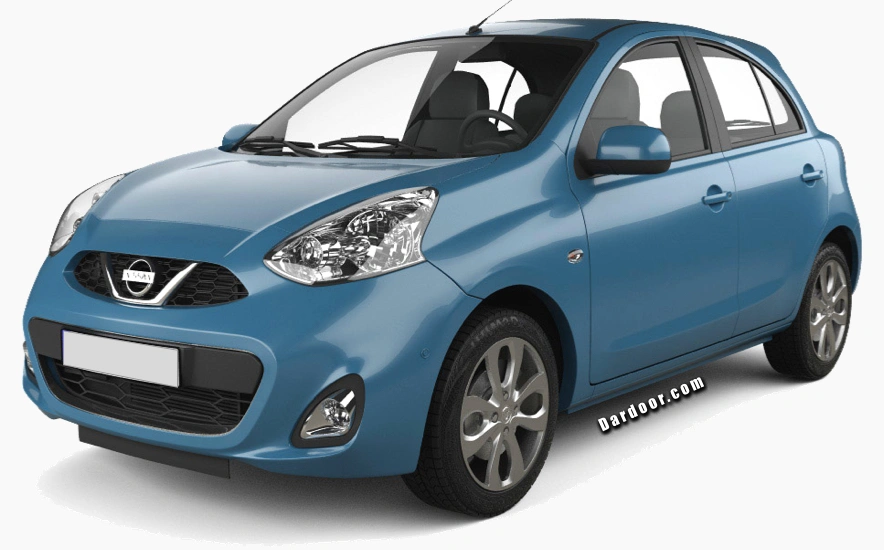
Get the OEM workshop repair manual with the wiring diagram for the 2010–2016 Nissan Micra, Model K13 series (4th Generation) — available in a convenient PDF format.
2010-2016 Nissan Micra Repair Manual
$19.90
2010–2016 Nissan Micra (K13) OEM Service & Repair Manual – PDF Download
Get the original OEM workshop repair manual with the wiring diagram for the 2010–2016 Nissan Micra, Model K13 series (Fourth Generation) — available in a convenient, easy-to-navigate PDF format. It includes complete wiring diagrams and factory-authorized procedures used by certified Nissan dealership technicians worldwide.
| File Format | |
| File Language | English |
| File Size | 181 MB |
| Page Count | 10,468 |
| Wiring Diagram | Included |
| Delivery Method | Instant Download |
Your All-in-One Solution for Maintaining and Repairing the Nissan Micra!
Also Known As:
- Nissan March (Global)
- Renault Pulse (India)
Nissan Micra discontinued in Canada for 2020
What’s Inside:
✅ Step-by-step repair procedures for all major systems
✅ Complete electrical wiring diagrams for accurate diagnostics
✅ Routine maintenance guidelines
✅ Engine, transmission, brakes, suspension, HVAC, bodywork & more
✅ Troubleshooting charts & DTC (diagnostic trouble codes)
✅ OEM specifications – no guesswork involved
Why This Manual?
- Professional-Grade Information – Straight from the factory
- Instant PDF Download – Access on any device
- DIY-Friendly – Save time and money on service and repairs
- Global Model Coverage – March, Pulse, Micra K13
Whether you’re a home mechanic, an auto technician, or just someone who wants to understand their car better, this manual gives you the power to tackle any job with confidence.
This manual provides detailed instructions for maintenance, disassembly, reassembly, component inspection, adjustment, and diagnostics, tailored for experienced mechanics. Use this manual thoroughly to ensure comprehensive repair work and maintain your vehicle in peak condition.
Table of Contents : 2010-2016 Nissan Micra
Sample Pages
CAUTION: This manual is intended for use by individuals with specialized training and proper certification. Attempting repairs or maintenance using only this manual—without the necessary skills, tools, or equipment—may result in serious injury to yourself or others and may also cause significant damage to the vehicle. To ensure safety and prevent vehicle damage, always follow the instructions carefully and use appropriate tools and procedures.
2010–2016 Nissan Micra: Comprehensive Buyer’s Guide
Overview
The 2010–2016 Nissan Micra (fourth generation, K13) is a subcompact/supermini car sold globally but notably not available in North America during this period. It was popular in Europe, Asia, Latin America, and other markets as an economical city car.
Key Markets: Europe, UK, India, Middle East, Latin America, Asia-Pacific
🔍 Quick Specs
| Attribute | Details |
| Model Years | 2010–2016 |
| Platform | Nissan V platform |
| Body Style | 5-door hatchback |
| Drivetrain | FWD |
| Engine Options | 1.2L I3, 1.5L I4 (select markets) |
| Transmission | 5-speed manual, CVT automatic |
| Fuel Economy | ~42–50 MPG (UK); ~6.0–6.5 L/100km (global avg) |
⚙️ Engine Options
| Engine | Power Output | Torque | Fuel Type |
| 1.2L 3-Cyl (HR12DE) | 79 hp | 110 Nm | Petrol |
| 1.2L 3-Cyl Supercharged (HR12DDR) | 97 hp | 142 Nm | Petrol (DIG-S variant) |
| 1.5L 4-Cyl (HR15DE) | 99–109 hp | 148 Nm | Petrol |
Transmission:
- 5-speed manual
- 4-speed automatic (CVT in some markets)
Dimensions:
- Length: 3,825 mm (150.6 in)
- Width: 1,665 mm (65.6 in)
- Height: 1,525 mm (60.0 in)
- Wheelbase: 2,450 mm (96.5 in)
Performance:
- 0-100 km/h: 11-14 seconds (depending on engine)
- Top speed: 160-175 km/h
- Fuel economy: 4.5-5.5 L/100km (42-52 mpg combined)
Weight: 940-1,050 kg depending on specification
Top 10 Mechanical & Electrical Issues
1. CVT Transmission Failure
-
- Symptoms: Jerking, hesitation, shuddering during acceleration, whining noise, loss of power, Check Engine Light
- Root Cause: Premature wear of CVT belt/pulleys, overheating transmission fluid, design weakness in Jatco CVT used in some markets
- Fix: CVT fluid change (temporary), complete CVT replacement in severe cases
- Cost: Fluid change £150-250 / CVT replacement £2,000-3,500
2. Timing Chain Tensioner Wear (1.2L Engine)
-
- Symptoms: Rattling noise on cold start, particularly from front of engine, noise disappears when warm, Check Engine Light
- Root Cause: Weak timing chain tensioner design, oil starvation, use of incorrect oil grade
- Fix: Replace timing chain tensioner, timing chain, and guides; ensure proper oil grade (5W-30)
- Cost: £400-800
3. Catalytic Converter Failure
-
- Symptoms: Loss of power, poor acceleration, excessive fuel consumption, sulfur smell, Check Engine Light (P0420 code)
- Root Cause: Premature catalyst breakdown, engine running rich, oil contamination
- Fix: Replace catalytic converter, address underlying engine issues
- Cost: £300-800 (aftermarket) / £800-1,500 (OEM)
4. Electric Power Steering (EPS) Failure
-
- Symptoms: Steering warning light, heavy steering, intermittent loss of power steering, steering stiffness at low speeds
- Root Cause: Faulty steering control module, wiring harness issues, motor failure
- Fix: Replace EPS control unit or steering motor, check/repair wiring
- Cost: £400-1,200
5. Air Conditioning Compressor Failure
-
- Symptoms: No cold air, squealing noise from engine bay, AC clutch not engaging, intermittent cooling
- Root Cause: Compressor clutch wear, internal compressor failure, refrigerant leaks
- Fix: Replace AC compressor, recharge system, check for leaks
- Cost: £350-700
6. Throttle Body Carbon Buildup
-
- Symptoms: Rough idle, stalling at stops, hesitation on acceleration, poor fuel economy, Check Engine Light
- Root Cause: Carbon deposits on throttle plate, low-quality fuel, short urban journeys
- Fix: Clean throttle body, reset adaptive learning values
- Cost: £80-150
7. Faulty Oxygen Sensors
-
- Symptoms: Check Engine Light, poor fuel economy, rough running, failed emissions test
- Root Cause: Sensor contamination, age-related failure, oil/coolant fouling
- Fix: Replace oxygen sensor(s)
- Cost: £100-250 per sensor
8. Suspension Strut Mount Failure
-
- Symptoms: Clunking noise over bumps, knocking from front suspension, uneven tire wear, steering wander
- Root Cause: Worn rubber mounts, poor quality materials, deterioration over time
- Fix: Replace front strut top mounts (both sides recommended)
- Cost: £150-350
9. Battery Drain / Electrical Issues
-
- Symptoms: Dead battery after sitting overnight, electrical accessories not working, flickering lights, radio memory loss
- Root Cause: Faulty alternator, parasitic drain from radio/alarm system, poor battery connections
- Fix: Test charging system, locate parasitic drain, clean battery terminals, replace battery or alternator
- Cost: £80-150 (battery) / £250-450 (alternator)
10. Fuel Pump Failure
-
- Symptoms: Engine cranks but won’t start, sputtering at high speeds, loss of power under load, whining from fuel tank
- Root Cause: Wear from contaminated fuel, overheating, electrical failure
- Fix: Replace fuel pump assembly
- Cost: £200-450
Top 5 Competitors (2010-2016)
| Model | Pros | Cons |
| Toyota Yaris | Superior reliability, better resale value, proven longevity | Slightly higher cost |
| Honda Fit / Jazz | Roomy interior, flexible cargo space | Firmer ride, more expensive |
| Hyundai i10 / i20 | Longer warranty, more equipment, competitive pricing | Less engaging to drive |
| Ford Fiesta | etter handling, more engaging drive, larger aftermarket support | Less reliable long-term |
| Kia Picanto | Excellent warranty, compact size | Limited power on highways |
| Chevrolet Spark | Very affordable, maneuverable | Noisy engine, less refined interior |
Top 10 Recalls, Advisories & TSB Highlights
Recalls
- Airbag Inflator Recall (Takata) – Defective airbag inflators could rupture; affects millions of Nissan vehicles globally
- Power Steering Recall – Electric power steering could fail; software update or component replacement
- Fuel Pump Recall – Potential fuel pump failure causing engine stall
- Brake Master Cylinder Recall – Potential brake fluid leak affecting braking performance
Technical Service Bulletins (TSBs)
- CVT Judder/Shudder – Software update and CVT fluid replacement procedure
- Timing Chain Noise – Updated tensioner installation procedure
- AC Performance Issues – Revised refrigerant charge specifications
- Radio/Navigation Malfunction – Software update for infotainment system
- Door Lock Actuator Failure – Improved replacement parts available
- Headlight Condensation – Vent modification procedure
Note: Specific recall numbers and availability vary by market. Check with local Nissan dealer using VIN.
Maintenance Schedule
Every 6 Months or 10,000 km (6,000 miles)
-
- Engine oil and filter change
- Visual inspection of brakes, tires, lights
- Check all fluid levels
Every 12 Months or 20,000 km (12,000 miles)
-
- Air filter inspection/replacement
- Cabin filter replacement
- Brake fluid check
- Tire rotation
- Battery test
Every 24 Months or 40,000 km (24,000 miles)
-
- Replace spark plugs
- Replace brake fluid
- Inspect timing chain (listen for noise)
- Check coolant condition
- Inspect suspension components
Every 36 Months or 60,000 km (36,000 miles)
-
- Replace coolant
- Replace transmission fluid (CVT: critical!)
- Inspect/replace drive belts
- Full brake system inspection
Every 48 Months or 80,000 km (48,000 miles)
-
- Replace timing chain if showing wear (preventive on 1.2L)
- Major service: all filters, fluids, comprehensive inspection
As Needed
-
- Brake pads: 40,000-60,000 km
- Tires: 40,000-60,000 km
- Battery: 3-5 years
- Wiper blades: annually
10 FAQs for Buyers
1. Is the Nissan Micra reliable? Generally reliable for a budget car, but CVT transmission and timing chain issues are common. Diesel models tend to be more problematic than petrol versions.
2. Which engine is best? The 1.2L naturally aspirated petrol with manual transmission is the most reliable. Avoid CVT automatics if possible. The supercharged 1.2L offers better performance but is less common.
3. What’s the typical fuel economy? Expect 45-52 mpg (5.0-5.5 L/100km) in mixed driving with the 1.2L petrol. Diesel achieves 55-65 mpg but has higher maintenance costs.
4. Are parts expensive? Parts are generally affordable, though some electronics can be costly. Availability varies by market but is good in Europe and Asia.
5. What mileage is too high? Well-maintained examples can reach 150,000-200,000 km. Be cautious above 120,000 km if timing chain hasn’t been addressed. CVT models should be avoided above 100,000 km unless fully documented.
6. Is it good for highway driving? Adequate but not ideal. The 80 HP engine struggles with highway speeds, especially when loaded. Fine for occasional motorway use but better suited to urban driving.
7. How much does insurance cost? Typically in low insurance groups (5-10 in UK), making it cheap to insure, especially for young drivers.
8. What should I check when buying used? CVT condition (test drive thoroughly), timing chain noise on cold start, check service history, test all electrics, inspect for rust (wheel arches, sills), check for oil leaks.
9. Are there known rust issues? Generally good corrosion protection, but check rear wheel arches, door sills, and tailgate on higher-mileage examples, especially in salt-belt regions.
10. What’s the resale value like? Depreciation is steep initially but stabilizes. Not as strong as Toyota Yaris but reasonable for the segment. Well-maintained low-mileage examples hold value better.
Final Buyer Recommendations
✅ BUY IF:
- You need an affordable, economical city car
- You’re primarily doing urban/suburban driving
- You can find a manual transmission model with full service history
- The timing chain has been replaced or vehicle is low mileage (<80,000 km)
- You want cheap insurance and running costs
- You’re buying as a second car or learner vehicle
⚠️ BE CAUTIOUS IF:
- The car has a CVT transmission (high failure rate)
- Service history is incomplete or missing
- You hear timing chain rattle on startup
- Mileage exceeds 120,000 km without documented major maintenance
- You need regular highway/motorway driving
- The car has had multiple owners in short periods
❌ AVOID IF:
- CVT transmission shows any signs of problems
- No service records available
- You need a car for long-distance commuting
- Major repairs (CVT, timing chain, catalytic converter) are due
- You want strong performance or towing capability
- The vehicle has been in flood or major accident
Best Model Years: 2014-2016 (post-facelift, more refined)
Best Specification: 1.2L petrol, 5-speed manual, mid-spec trim (Acenta/Visia in most markets)
Price Expectations (2024, varies by market):
- Low mileage (<60,000 km): £3,500-5,500
- Average mileage (60,000-100,000 km): £2,500-4,000
- High mileage (>100,000 km): £1,500-2,500
The Micra is a sensible budget choice if you find the right example with proper maintenance history, but it requires careful inspection and realistic expectations about performance and longevity compared to competitors like the Toyota Yaris.
🛠️ Nissan Micra Discontinued
The 2010–2016 Nissan Micra (K13) was a globally sold subcompact hatchback, but it has been discontinued in several major markets due to changing consumer preferences and stricter safety/emissions regulations.
🌍 Markets Where the Nissan Micra (K13) Has Been Discontinued
| Market | Discontinuation Year | Replaced By / Notes |
| North America | 2019 (Canada) | Discontinued due to low sales; not sold in the U.S. |
| Europe | 2016–2017 | Replaced by the K14 Micra, built on Renault-Nissan CMF platform |
| Australia | 2016 | Discontinued due to declining demand |
| Japan | 2022 (March nameplate) | March (Micra) phased out; no successor announced |
| India | 2020 | Discontinued after BS6 norms; no direct replacement |
| South Africa | 2022 | K13 phased out; K14 version introduced, but eventually pulled |
| Mexico & LATAM | 2023 | Phased out and replaced by Nissan Versa or Kicks in some regions |
Related products
-

2015 Nissan Titan Repair Manual
$16.90 Add to cart -

2014 Nissan Altima Repair Manual
$16.90 Add to cart -

2016 Nissan Rogue T32 Repair Manual
$19.90 Add to cart -

2014-2020 Nissan X-Trail Repair Manual (T32)
$24.90 Add to cart -

2016 Nissan Titan XD Repair Manual
$24.90 Add to cart -

2017 Nissan Rogue Repair Manual T32 Series
$19.90 Add to cart -

2016 Nissan Pathfinder Repair Manual
$16.90 Add to cart -

2016-2020 Nissan Murano Repair Manual
$16.90 Add to cart