

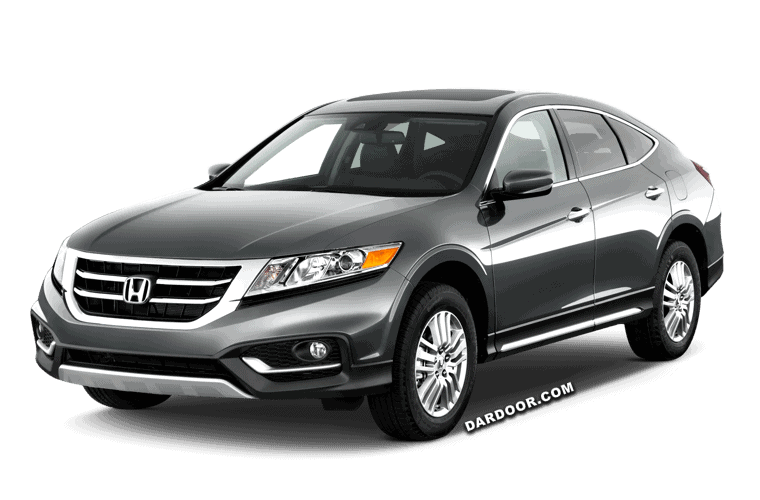
This is the original OEM workshop document for the 2010-2015 Honda Crosstour repair manual, (4 Cylinders, 2.4L) and Honda Accord Crosstour (V6, 3.5L) with the wiring diagrams in PDF.
2010-2015 Honda Crosstour Repair Manual
$19.90
2010-2015 Honda Crosstour (Accord Crosstour) Workshop Repair Manual
Get the original OEM workshop repair manual for the 2010-2015 Honda Crosstour and Honda Accord Crosstour. It includes comprehensive repair and maintenance procedures for both engine variants—4-cylinder (2.4L)and V6 (3.5L)—along with detailed wiring diagrams, all compiled in an easy-to-use PDF format.
Also Called:
- Honda Accord Crosstour (2010–2011)
| File Format | |
| File Language | English |
| You’ll Get | 274 MB |
| Pages Count | 9,348 |
| Wiring Diagram | Included |
| Delivery Method | Instant Download |
Key Features
- Comprehensive Repair Instructions: Step-by-step procedures for diagnosing, servicing, and repairing your vehicle.
- Detailed Wiring Diagrams: Complete electrical circuit layouts, harness routing, and connector pinouts.
- Manufacturer-Authorized Information: Trusted content used by Honda dealership technicians.
- Portable PDF Format: Access your manual anywhere, on any device.
Detailed Sections
1. General Information
- Vehicle specifications and safety guidelines.
- Maintenance schedules and fluid capacities.
2. Engine Repair and Diagnostics
- Complete procedures for the K24Z (2.4L) and J35Z (3.5L) engines.
- Timing chain/belt service, valve adjustments, and fuel system repairs.
3. Transmission and Drivetrain
- Servicing 5-speed and 6-speed automatic transmissions.
- Troubleshooting drivetrain vibrations and AWD system (if equipped).
4. Electrical Systems
- Comprehensive wiring diagrams for all systems.
- ECU diagnostics, sensor testing, and relay troubleshooting.
5. Suspension and Brakes
- Inspection and repair of suspension components.
- Anti-lock braking system (ABS) diagnostics and repairs.
6. HVAC Systems
- Air conditioning diagnostics and repairs.
- Heater core and blower motor servicing.
7. Safety Systems
- Airbag system diagnostics and repairs.
- Seatbelt and crash sensor servicing.
Why Choose This Manual?
- OEM Quality: The same manual trusted by Honda-certified mechanics.
- Comprehensive Coverage: Covers every system, from engine to electronics.
- DIY-Friendly: Step-by-step guidance with detailed diagrams and illustrations.
- Cost-Effective: Save money on repairs by following manufacturer-approved procedures.
Who Is This For?
- Honda Crosstour Owners: Ensure optimal performance and reliability.
- Professional Technicians: Access the official guide for accurate repairs.
- DIY Enthusiasts: Tackle repairs confidently with clear instructions.
Download Your Manual Today
Access the trusted repair guide for your 2010-2015 Honda Crosstour or Accord Crosstour. Maintain and repair your vehicle with confidence using this detailed OEM workshop manual!
This manual includes the procedures for maintenance, disassembling, reassembling, inspection, and adjustment of components and diagnostics for guidance of experienced mechanics. Please peruse and utilize this manual fully to ensure complete repair work to keep your vehicle in optimum condition. Before you buy this manual check first if your car is subject to a Honda service recall so the local dealer can repair your car FREE of charge. When replacing parts during repair work, please make sure to use Honda OEM genuine spare parts.
Table of Contents : 2010-2015 Honda Crosstour Repair Manual
Sample Pages
CAUTION: Please note that this manual is made for the use of persons who have special techniques and certifications. If non-specialized or uncertified technicians perform repairs or services only using this manual or without proper equipment or tools, this may cause severe injury to you or other persons nearby and also cause damage to your vehicle. To prevent dangerous operations and damage to your vehicle, please be sure to follow the instructions thoroughly.
2010–2015 Honda Crosstour: Comprehensive Guide
Overview
The Honda Crosstour (also known as the Accord Crosstour) is a mid-size crossover wagon that blends sedan comfort with SUV versatility. Built on the Accord platform, it was marketed as a lifestyle vehicle for those wanting more cargo space than a sedan but a more car-like driving experience than an SUV.
- Production Years: 2010–2015 (discontinued after 2015)
- Body Style: 4-door crossover wagon
- Platform: Honda Accord (8th generation)
Technical Specifications
Engine Options
2010–2011:
- 3.5L V6 (standard)
- Horsepower: 271 hp @ 6,200 rpm
- Torque: 254 lb-ft @ 5,000 rpm
- Transmission: 5-speed automatic
2012–2015:
- 2.4L 4-cylinder (base, introduced 2012)
- Horsepower: 192 hp @ 7,000 rpm
- Torque: 162 lb-ft @ 4,400 rpm
- Transmission: 5-speed automatic
- 3.5L V6 (optional)
- Horsepower: 278 hp @ 6,200 rpm
- Torque: 252 lb-ft @ 5,000 rpm
- Transmission: 6-speed automatic
Drivetrain
- Front-wheel drive (FWD) – standard
- All-wheel drive (AWD) – available on V6 models only
Dimensions
- Length: 196.3 inches
- Width: 74.7 inches
- Height: 65.9 inches
- Wheelbase: 110.1 inches
- Cargo capacity: 25.7 cu ft (seats up), 51.3 cu ft (seats down)
- Curb weight: 3,749–4,176 lbs
Fuel Economy (EPA estimates)
- 4-cylinder FWD: 22 city / 31 highway mpg
- V6 FWD: 18 city / 27 highway mpg
- V6 AWD: 17 city / 25 highway mpg
Suspension
- Front: Independent MacPherson strut
- Rear: Multi-link independent
Brakes
- Front: 11.1-inch ventilated discs
- Rear: 11.1-inch solid discs
- ABS, EBD, and Brake Assist standard
Top 10 Mechanical & Electrical Issues
1. Premature Brake Wear & Pulsation
- Symptoms: Vibration when braking, squealing noises, soft brake pedal, reduced stopping power
- Root Cause: Soft brake pad material, rotor warping from heat, aggressive driving or heavy vehicle weight
- Fix: Replace brake pads and resurface or replace rotors; upgrade to higher-quality aftermarket pads
- Cost: $300–$600 per axle (parts & labor)
2. VCM (Variable Cylinder Management) System Issues
- Symptoms: Rough idle, engine vibration, check engine light, reduced fuel economy, misfires
- Root Cause: VCM system causing excessive vibration and carbon buildup; active on V6 models only
- Fix: Install VCM disabler/tuner (aftermarket), clean throttle body and intake valves, or dealership ECU update
- Cost: $50–$300 (VCM disabler), $200–$400 (cleaning), $0–$150 (ECU update)
3. Transmission Shuddering/Jerking
- Symptoms: Shuddering during acceleration (especially 20–50 mph), rough shifting, delayed engagement
- Root Cause: Torque converter issues, worn clutch packs, contaminated transmission fluid
- Fix: Transmission fluid flush with Honda ATF-Z1, torque converter replacement if severe
- Cost: $150–$250 (fluid change), $1,200–$2,500 (torque converter replacement)
4. Power Steering Pump Failure
- Symptoms: Whining noise when turning, stiff steering, fluid leaks under vehicle, grinding sounds
- Root Cause: Worn pump bearings, contaminated fluid, seal failure
- Fix: Replace power steering pump, flush system, check for leaks
- Cost: $400–$700 (parts & labor)
5. Air Conditioning Compressor Failure
- Symptoms: No cold air, loud clicking/grinding from engine bay, AC clutch not engaging, burning smell
- Root Cause: Compressor clutch failure, internal bearing wear, refrigerant leaks
- Fix: Replace AC compressor, evacuate and recharge system, replace receiver-drier
- Cost: $800–$1,400 (parts & labor)
6. Ignition Coil/Spark Plug Failure
- Symptoms: Misfires, rough idle, hesitation during acceleration, check engine light (P0300-P0306 codes), reduced fuel economy
- Root Cause: Normal wear, moisture intrusion, carbon buildup (especially with VCM)
- Fix: Replace ignition coils and spark plugs (all 4 or 6 cylinders recommended)
- Cost: $300–$600 (parts & labor for all cylinders)
7. Battery Drain/Electrical Issues
- Symptoms: Dead battery after sitting overnight, dim lights, slow cranking, radio/clock resetting
- Root Cause: Parasitic draw from aftermarket accessories, failing alternator, faulty door switches
- Fix: Test for parasitic draw, replace battery if old (5+ years), check alternator output
- Cost: $150–$250 (battery), $400–$600 (alternator)
8. Rear Differential Fluid Leak (AWD Models)
- Symptoms: Fluid puddle under rear of vehicle, whining noise from rear, burning smell
- Root Cause: Worn differential seals, overfilled differential, damaged gasket
- Fix: Replace differential seals and gasket, refill with Honda dual-pump fluid
- Cost: $300–$500 (parts & labor)
9. Door Lock Actuator Failure
- Symptoms: Doors won’t lock/unlock with remote or switch, clicking noise from door, intermittent operation
- Root Cause: Worn actuator motor, broken gears inside actuator, electrical connection issues
- Fix: Replace door lock actuator(s)
- Cost: $150–$300 per door (parts & labor)
10. Fuel Injector Issues
- Symptoms: Rough idle, poor fuel economy, hesitation, check engine light, fuel smell
- Root Cause: Clogged injectors from poor fuel quality, carbon buildup, internal seal failure
- Fix: Fuel injector cleaning service, replace faulty injectors if cleaning doesn’t help
- Cost: $100–$200 (cleaning service), $400–$800 (injector replacement)
Top 5 Competitors
1. Toyota Venza (2009–2015)
- Similar size and concept, better reliability reputation
- V6 or 4-cylinder options, AWD available
- More refined interior, better resale value
2. Subaru Outback (2010–2014)
- More rugged, standard AWD across all models
- Better ground clearance for light off-roading
- Strong safety ratings, loyal customer base
3. Nissan Murano (2009–2014)
- More SUV-like styling, V6 standard
- CVT transmission, available AWD
- More premium interior materials
4. Ford Flex (2009–2015)
- Larger, boxy design with three-row seating
- EcoBoost or V6 engines, AWD available
- More cargo space, unique styling
5. Mazda CX-9 (2007–2015)
- Three-row seating, V6 power
- More engaging driving dynamics
- Available AWD, better handling
Top 10 Recalls, Advisories & TSB Highlights
Recalls
1. Takata Airbag Inflator Recall (Multiple campaigns)
- Issue: Defective airbag inflators can explode, sending shrapnel into cabin
- Models Affected: 2010–2015 (various campaigns)
- Fix: Replace driver and/or passenger airbag inflators (free)
2. Fuel Pump Recall (2010–2011 models)
- Issue: Fuel pump may fail, causing engine stall
- Fix: Replace fuel pump module (free)
3. Power Window Master Switch Recall (2010 models)
- Issue: Switch can overheat and cause fire
- Fix: Replace master switch (free)
4. Electronic Power Steering Recall (2010–2011 models)
- Issue: EPS system may fail, increasing steering effort
- Fix: Update software, replace EPS unit if needed (free)
Technical Service Bulletins (TSBs)
5. TSB 12-002: Transmission Judder
- Addresses shuddering during light acceleration
- Solution: Software update and/or fluid change
6. TSB 11-078: VCM Engine Vibration
- Addresses excessive vibration at idle with VCM active
- Solution: ECU software update to modify VCM operation
7. TSB 13-056: Rear Differential Noise (AWD)
- Addresses whining or humming from rear differential
- Solution: Replace rear differential fluid with updated specification
8. TSB 10-068: Brake Judder
- Addresses brake pulsation and vibration
- Solution: Resurface or replace brake rotors, specific bedding procedure
9. TSB 11-032: Door Lock Noise
- Addresses clicking or buzzing from door locks
- Solution: Replace door lock actuators with updated parts
10. TSB 12-089: Audio System Static
- Addresses radio static or poor reception
- Solution: Replace antenna amplifier, update software
Maintenance Schedule
Every 5,000–7,500 miles (or 6 months)
- Oil and filter change (0W-20 synthetic oil recommended)
- Rotate tires
- Inspect brakes
- Check fluid levels
Every 15,000 miles (or 12 months)
- Replace engine air filter
- Inspect drive belt
- Check battery condition
Every 30,000 miles
- Replace cabin air filter
- Inspect brake pads and rotors
- Transmission fluid inspection
- Check suspension components
Every 45,000 miles
- Replace spark plugs (4-cylinder)
- Inspect cooling system
- Check exhaust system
Every 60,000 miles
- Replace spark plugs (V6)
- Transmission fluid change (especially if towing or severe conditions)
- Inspect valve clearance (4-cylinder)
- Replace brake fluid
- Replace rear differential fluid (AWD models)
Every 90,000 miles
- Replace timing belt (V6 models) – CRITICAL
- Replace water pump (recommended with timing belt)
- Replace accessory drive belts
Every 100,000+ miles
- Inspect/replace fuel filter
- Coolant system flush
- Inspect/replace suspension components as needed
Note: Severe driving conditions (frequent short trips, extreme temperatures, towing, dusty conditions) require more frequent maintenance.
10 FAQs for Buyers
1. Is the Honda Crosstour reliable?
Generally yes. It shares the Accord’s proven platform and has good reliability ratings, though not quite as stellar as the Accord sedan. Common issues include VCM-related vibration on V6 models and brake wear.
2. Should I get the 4-cylinder or V6?
- 4-cylinder: Better fuel economy (22/31 mpg), adequate for daily driving, FWD only
- V6: More power for highway merging/passing, available AWD, smoother but lower MPG (17-18/25-27)
- Recommendation: V6 if you need AWD or tow; 4-cylinder for commuting
3. Is AWD worth it?
Only if you live in snowy climates or need better traction. AWD adds weight, reduces fuel economy by 1-2 mpg, and increases maintenance costs (rear differential service). FWD with winter tires works well for most situations.
4. What’s the VCM issue, and should I avoid V6 models?
VCM (Variable Cylinder Management) deactivates cylinders to save fuel but causes vibration and potential carbon buildup. Many owners install VCM disablers ($50-$300). It’s manageable but something to be aware of. Don’t avoid V6 models entirely—just budget for a VCM solution.
5. How much cargo space does it have?
25.7 cu ft with rear seats up, 51.3 cu ft with seats folded. Less than a CR-V (39.2/75.8 cu ft) but more than an Accord sedan. The sloped rear hatch limits vertical space.
6. What’s a fair price for a used Crosstour?
Prices vary by year, mileage, and condition, but generally:
- 2010–2011: $8,000–$13,000
- 2012–2013: $11,000–$16,000
- 2014–2015: $14,000–$20,000 Prices are lower than comparable Accords due to less demand.
7. What common problems should I look for during a test drive?
- Check for transmission shuddering (20-50 mph acceleration)
- Listen for power steering whine when turning
- Test all door locks and windows
- Check AC performance
- Feel for brake pulsation
- On V6: Feel for excessive idle vibration (VCM issue)
- On AWD: Check for rear differential leaks/noise
8. Has the Takata airbag been replaced?
CRITICAL: Check the VIN at Honda’s recall website or NHTSA.gov. Many Crosstours had Takata airbags recalled. Ensure all recalls are completed before purchase.
9. Can it tow?
Yes, with proper equipment:
- 4-cylinder: Not recommended for towing
- V6 FWD: Up to 1,500 lbs
- V6 AWD: Up to 1,500 lbs Factory tow hitch not offered; requires aftermarket installation.
10. Why was it discontinued?
Poor sales. The styling was polarizing, it was more expensive than the Accord, and the CR-V offered better practicality. Honda discontinued it after 2015 and didn’t replace it.
Final Buyer Recommendations
✅ BUY IF:
- You want Accord reliability with more cargo space
- You prefer a lower, car-like driving position over an SUV
- You’re getting a good deal (they’re undervalued compared to Accords)
- You need AWD and want Honda dependability
- You don’t mind the unconventional styling
⚠️ CONSIDER ALTERNATIVES IF:
- You need maximum cargo space (get a CR-V or Pilot instead)
- You want the best resale value (Accord or CR-V hold value better)
- You’re sensitive to road noise and ride comfort (it’s firmer than an Accord)
- You prioritize technology/features (dated infotainment system)
🔍 Pre-Purchase Checklist:
- VIN check for all recalls (especially Takata airbag)
- Verify maintenance records – look for regular oil changes and transmission services
- V6 models: Test for VCM vibration; budget for VCM disabler
- AWD models: Inspect rear differential for leaks
- Test transmission thoroughly – feel for shuddering or rough shifts
- Check brake condition – rotors and pads wear faster than average
- Look for timing belt service (V6 at 90k miles – $800-$1,200)
- Inspect power steering system for leaks and noise
- Test all electrical – locks, windows, AC, audio system
- Get pre-purchase inspection from trusted mechanic
💰 Best Value:
2012–2013 V6 FWD models with 60,000–90,000 miles offer the best balance of features, reliability, and value. Ensure the timing belt has been done if near 90k miles.
⭐ Overall Rating: 7/10
The Crosstour is a competent, reliable vehicle that’s underappreciated. It’s not the best at anything, but it’s good at most things. If you can overlook the styling and get one at a fair price, it’s a solid choice backed by Honda’s engineering. Just stay on top of maintenance, address the VCM issue on V6 models, and you’ll have a dependable daily driver.
Related products
-
2018-2020 Honda Civic Repair Manual
$24.90 Add to cart -
2003-2007 Honda Accord Repair Manual
$16.90 Add to cart -
2010-2011 Honda Insight Repair Manual
$16.90 Add to cart -
2005 Honda Accord Hybrid Repair Manual
$16.90 Add to cart -
2010-2012 Honda CR-Z Repair Manual
$19.90 Add to cart -
2007-2011 Honda CR-V Repair Manual
$19.90 Add to cart -
2009-2012 Honda Ridgeline Repair Manual
$16.90 Add to cart -
2004-2008 Honda Element Repair Manual
$16.90 Add to cart