

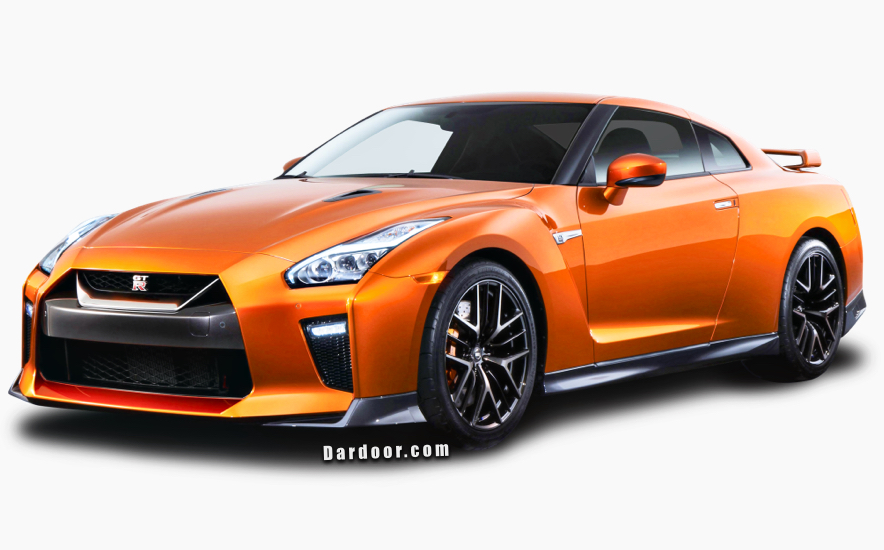
Get the full potential of your 2010-2014 Nissan GT-R with this complete OEM workshop repair manual with the wiring diagram in a convenient PDF format.
2010-2014 Nissan GTR Repair Manual
$19.90
2010-2014 Nissan GT-R OEM Repair Manual (R35 Series) with Wiring Diagram – PDF
Get the full potential of your 2010-2014 Nissan GT-R with this complete and original OEM workshop manual. Specifically designed for the R35 series, this comprehensive PDF includes all the essential instructions and detailed wiring diagrams necessary to effectively diagnose and repair your high-performance vehicle.
| File Format | |
| File Language | English |
| You’ll Get | 50 MB |
| Page Count | 1,829 |
| Delivery Method | Instant Download |
This manual is the same one used by local Nissan dealer technicians, ensuring you have access to professional-grade information and guidance for accurate repairs and maintenance.
- Complete and Original OEM Workshop Document
- Covers 2010-2014 Nissan GT-R (R35 Series)
- Includes Detailed Wiring Diagrams
- Professional-Grade Instructions for Accurate Repairs
- User-Friendly PDF Format
Download the 2010-2014 Nissan GT-R repair manual today and empower yourself with the knowledge to maintain your car at peak performance!
This manual includes the procedures for maintenance, disassembling, reassembling, inspection, and adjustment of components and diagnostics for the guidance of experienced mechanics. Please use this manual to ensure complete repair work to keep your vehicle in optimum condition. When replacement parts during repair work are needed, be sure to use genuine OEM parts.
Table of Contents : 2010-2014 Nissan GTR Repair Manual
SAMPLE PAGES
CAUTION: This OEM service and workshop repair manual provides detailed procedures for maintenance, disassembly, reassembly, inspection, adjustment, and diagnostics. It is intended as a comprehensive guide for experienced mechanics. To ensure thorough and accurate repairs that maintain your vehicle’s optimal performance, please read and follow this manual carefully. When replacing parts during any repair work, always use genuine Nissan parts to ensure quality, safety, and reliability.
2010–2014 Nissan GT-R (R35): Comprehensive Guide
Overview
The 2010–2014 Nissan GT-R (R35) represents the second generation of this legendary Japanese supercar. Following the successful 2008–2009 launch, this period saw refinements and performance enhancements while maintaining the GT-R’s reputation as a high-performance, technologically advanced machine capable of supercar-level performance at a relatively accessible price point.
Key Positioning
- Twin-turbocharged 3.8L V6 engine
- Dual-clutch transmission (ATTESA E-TS AWD system)
- 0–60 mph in approximately 2.7–2.9 seconds
- Top speed: 190+ mph (electronically limited)
- Price range: $95,000–$110,000 (MSRP)
- Target market: Performance enthusiasts seeking Japanese engineering
Technical Specifications
| Specification | Details |
|---|---|
| Engine | 3.8L twin-turbocharged V6 |
| Horsepower | 545 hp (2010–2012); 570 hp (2013–2014) |
| Torque | 463 lb-ft (2010–2012); 465 lb-ft (2013–2014) |
| Transmission | 6-speed dual-clutch (DCT) |
| Drivetrain | All-wheel drive (ATTESA E-TS) |
| 0–60 mph | 2.7–2.9 seconds |
| 1/4 mile | 10.8–11.0 seconds |
| Top Speed | 190+ mph (electronic limiter) |
| Fuel Economy | 16–22 mpg combined |
| Curb Weight | 3,829–3,860 lbs |
| Wheelbase | 109.4 inches |
| Length/Width/Height | 184.6 x 72.4 x 49.6 inches |
| Suspension | Double-wishbone (independent, all corners) |
| Brakes | Brembo carbon-ceramic (high-end trims); vented disc |
| Tires | Bridgestone Potenza (275/35R20) |
| Fuel Tank | 20.0 gallons |
| Seating | 4 passengers |
10 Top Mechanical and Electrical Issues
1. Turbocharger Bearing Wear & Failure
Symptoms:
- Excessive turbo lag or whistling noise from engine bay
- Smoke from exhaust (bluish tint, oil burning)
- Reduced engine power and boost pressure
- Metal shavings in oil (visible upon oil change)
Root Cause: Inadequate oil circulation to turbocharger bearings, especially in vehicles with extended service intervals or inferior oil quality. Heat cycling and boost pressure stress accelerate bearing degradation.
Fix:
- Replace turbocharger(s) with OEM units or quality rebuilds
- Perform complete oil and filter change with high-quality synthetic oil
- Inspect oil lines for blockages; replace if necessary
- Consider turbo timer installation to allow proper cool-down
Cost: $2,500–$4,500 per turbo (parts + labor); $5,000–$8,500 for both turbos
2. Transmission Clutch Pack Degradation & Shudder
Symptoms:
- Harsh engagement when shifting or accelerating from a stop
- Transmission shudder or vibration during acceleration
- Occasional loss of power delivery
- Transmission warning lights; limp mode activation
- Burnt smell from transmission
Root Cause: Aggressive driving, repeated high-boost launches, or inadequate transmission fluid cooling cause thermal stress on the dual-clutch pack. OEM fluid may not dissipate heat efficiently.
Fix:
- Replace transmission fluid with OEM or high-quality alternative (Nissan DW-1)
- Install aftermarket transmission cooler for better heat dissipation
- Reprogram ECU to optimize shift strategy and reduce clutch wear
- In severe cases, rebuild or replace transmission assembly
Cost: Fluid change: $300–$600; cooler install: $1,000–$1,500; transmission rebuild: $4,000–$6,500
3. Crankshaft Position Sensor Failure
Symptoms:
- Check engine light (P0016, P0017 codes)
- Rough idle or stalling
- Starting difficulty; engine won’t crank
- Reduced power; limp mode
- Engine hesitation during acceleration
Root Cause: Sensor corrosion or electrical connector degradation from moisture exposure and high engine bay temperatures. Vibration can cause loose connector contacts.
Fix:
- Replace crankshaft position sensor (typically on passenger side near crankshaft pulley)
- Inspect and clean electrical connectors; apply dielectric grease
- Check wiring harness for damage or corrosion
- Clear diagnostic codes after replacement
Cost: $250–$500 (parts + labor)
4. Intercooler Piping Boost Leak
Symptoms:
- Loss of boost pressure; reduced horsepower
- Whistling or hissing sound from engine bay
- Higher than normal EGT (exhaust gas temperatures)
- Check engine light (boost pressure codes)
- Uneven turbo spool-up
Root Cause: Vibration and thermal cycling cause cracked silicone hoses, loose clamps, or separated aluminum piping connections. Some aftermarket intercooler kits have fitment issues.
Fix:
- Perform smoke test to identify leak location
- Tighten all clamps and inspect hose condition
- Replace damaged hoses with OEM or quality replacements
- Replace aluminum piping if cracked
- Apply thread sealant to threaded connections
Cost: $300–$800 (DIY parts cheaper; labor varies)
5. VVT (Variable Valve Timing) Solenoid Issues
Symptoms:
- Check engine light (P0011, P0014 codes)
- Rough idle at cold start
- Reduced fuel economy
- Lack of power delivery across RPM range
- Rattling noise from valve cover area
Root Cause: Carbon buildup on solenoid valve or internal passages restricts oil flow. Dirty or low-quality oil accelerates this. Electrical connector corrosion can also cause solenoid malfunction.
Fix:
- Clean or replace VVT solenoid(s) and associated passages
- Perform engine flush to remove carbon deposits
- Replace valve cover gasket if necessary for cleanliness
- Use OEM recommended oil viscosity (10W-60 preferred)
- Inspect wiring harness and connectors; clean with dielectric grease
Cost: $400–$1,000 per solenoid (includes labor and valve cleaning)
6. Cooling System Pressure Build-up & Thermostat Failure
Symptoms:
- Engine running hotter than normal
- Coolant leaking from overflow tank
- Radiator fan running constantly
- Possible steam from under hood
- Temperature gauge reading high; engine warning light
Root Cause: Thermostat stuck in closed position or partially jammed, causing poor coolant circulation. Weak radiator cap allows excessive pressure buildup. Mineral deposits in cooling passages restrict flow.
Fix:
- Replace thermostat assembly with OEM part
- Replace radiator cap if rated pressure is low
- Flush cooling system with distilled water and coolant cleaner
- Inspect water pump for proper operation
- Bleed air from cooling system after refill
Cost: $300–$700 (parts + labor)
7. Spark Plug & Ignition Coil Issues
Symptoms:
- Misfiring; rough idle
- Check engine light (P0300, P0301–P0306 codes)
- Loss of power; hesitation during acceleration
- Increased fuel consumption
- Black/wet spark plugs upon inspection
Root Cause: OEM spark plugs rated for 105,000 miles; premature failure occurs due to carbon buildup or high boost conditions. Ignition coil pack failure from thermal stress or moisture intrusion.
Fix:
- Replace spark plugs with OEM Nissan or quality equivalent every 50,000–60,000 miles
- Inspect ignition coil packs; replace any with visible damage
- Clean fuel injectors to reduce carbon buildup
- Check fuel pressure regulator function
- Verify proper ECU tuning for ignition timing
Cost: $200–$500 (spark plugs + ignition coils)
8. Fuel Pump & Fuel Pressure Sensor Malfunction
Symptoms:
- Engine stalling or hesitation under acceleration
- Check engine light (P0089, P0090 codes)
- Difficulty starting
- Weak fuel spray from injectors
- Fuel smell inside cabin
Root Cause: Fuel pump relay degradation or electrical connector corrosion. In-tank fuel pressure sensor fails from exposure to ethanol fuel or contaminated fuel. Clogged fuel filter restricts flow.
Fix:
- Replace fuel pressure sensor with OEM unit
- Inspect and clean fuel pump relay connectors
- Replace fuel filter (should be done every 60,000 miles)
- Pressure test fuel system to confirm pump output
- Use quality fuel; avoid stations with low-quality ethanol blends
Cost: $400–$800 (sensor + fuel filter replacement)
9. Battery and Electrical Drain Issues
Symptoms:
- Difficulty starting; weak cranking
- Electrical system not charging properly
- Interior lights flickering or dim
- Dead battery after short periods of inactivity
- Alternator warning light
Root Cause: OEM battery undersized for twin-turbo engine startup demands. Alternator output insufficient for extended driving with climate control and turbo cooling fans. Parasitic drain from aftermarket electronics.
Fix:
- Replace OEM battery with higher CCA rating (500+ CCA minimum)
- Test alternator output; replace if below 13.5V at idle
- Install auxiliary cooling fan relay to reduce electrical load
- Remove or repair any aftermarket electronics causing parasitic drain
- Clean battery terminals and ground connections
Cost: $150–$300 (battery); $500–$1,000 (alternator replacement)
10. Dashboard & Gauge Cluster Failure
Symptoms:
- Warning lights remaining illuminated when engine off
- Gauges displaying incorrect readings
- Complete instrument cluster blackout
- Intermittent display of warning messages
- Backlighting failure (gauges invisible at night)
Root Cause: Loose solder joints on circuit board from thermal cycling and vibration. Defective LCD segments fail over time. Corroded connector contacts prevent proper data transmission.
Fix:
- Attempt to reflow solder connections on circuit board (requires removal)
- Replace defective LCD segment(s) if reflow ineffective
- Clean and inspect main harness connectors; apply dielectric grease
- Program instrument cluster with correct VIN and vehicle data
- Replace entire cluster assembly if repairs unsuccessful
Cost: $300–$600 (board repair); $800–$1,500 (cluster replacement with programming)
Top 5 Competitors
| Competitor | Key Strengths | Key Weaknesses | Price Range |
|---|---|---|---|
| 2010–2014 Chevrolet Corvette ZR1 | 638 hp supercharged V8, true American muscle, excellent handling | Fuel economy (14 mpg), no back seats, aging infotainment | $90,000–$115,000 |
| 2010–2014 Porsche 911 Turbo (997) | Timeless design, legendary build quality, excellent 4-seater capability | Higher purchase price, expensive maintenance, smaller cargo space | $120,000–$160,000 |
| 2010–2014 BMW M5 (F10) | Luxury cabin, powerful V8, good daily driver usability | Heavy (~4,300 lbs), high maintenance costs, less track-focused | $80,000–$110,000 |
| 2010–2014 Mercedes-AMG C63 (W204) | Twin-turbo V8 power, luxurious interior, good resale value | Complex electronics prone to failure, steering feel less engaging | $85,000–$120,000 |
| 2010–2014 Dodge Challenger SRT8 | Affordable performance, authentic muscle car styling, V8 power | Outdated platform, poor handling vs. competitors, fuel economy poor | $45,000–$65,000 |
Note: The GT-R competes across multiple price segments due to its exceptional value-to-performance ratio. It outperforms competitors in 0–60 and handling but loses in luxury amenities and interior quality.
Top 10 Recalls, Advisories & TSB Highlights
1. Seatbelt Anchor Weld Failure (NHTSA ID: 11V149000)
- Years Affected: 2009–2011
- Issue: Rear seatbelt anchor bolt may fracture due to inadequate welds
- Risk: Seatbelt failure during collision
- Fix: Inspected and rewelded seatbelt anchors if cracked
- Status: Recall completed; free dealer service
2. Turbocharger Boost Pressure Hose Cracking (TSB-TM-10-064)
- Years Affected: 2009–2012
- Issue: Silicone intercooler hoses crack from thermal cycling
- Risk: Boost pressure loss; loss of turbo efficiency
- Fix: Replacement with reinforced hoses and updated clamp designs
- Status: TSB issued; covered under powertrain warranty
3. Crankshaft Position Sensor Corrosion (Field Service Action)
- Years Affected: 2009–2013
- Issue: Sensor connector corroded by moisture in engine bay
- Risk: Rough idle, stalling, starting difficulty
- Fix: Sensor replacement with improved corrosion-resistant connector
- Status: Recall expanded; free dealer replacement
4. Transmission Dual Clutch Pack Wear (TSB-TR-12-007)
- Years Affected: 2009–2014
- Issue: Aggressive shift strategy causes premature clutch wear
- Risk: Transmission shudder, loss of power, transmission damage
- Fix: ECU software update to reduce shift severity; fluid change
- Status: TSB issued; covers both parts and labor
5. Airbag Control Module Software Glitch (NHTSA ID: 13V258000)
- Years Affected: 2010–2013
- Issue: ACM may fail to deploy airbags in certain collision scenarios
- Risk: Increased injury risk in accidents
- Fix: Airbag control module software reflash
- Status: Recall completed; free dealer service
6. Fuel Tank Pressure Sensor Malfunction (TSB-FU-11-041)
- Years Affected: 2009–2012
- Issue: Pressure sensor fails from ethanol fuel exposure
- Risk: Check engine light, fuel system fault codes
- Fix: Sensor replacement with improved design
- Status: Covered under emissions warranty
7. Engine Knock Sensor False Signals (Field Advisory)
- Years Affected: 2010–2012
- Issue: Knock sensor generates false signals under turbo boost
- Risk: ECU retards ignition timing; loss of power
- Fix: Knock sensor replacement or ECU calibration update
- Status: Field advisory issued; parts coverage available
8. VVT Solenoid Carbon Buildup (Technical Service Bulletin)
- Years Affected: 2009–2014
- Issue: Carbon deposits clog solenoid passages
- Risk: Rough idle, loss of power, check engine light
- Fix: Engine flush, solenoid cleaning/replacement, fuel system cleaning
- Status: Preventive maintenance recommended; covered under powertrain warranty if defective
9. Water Pump Seal Leakage (TSB-CO-10-034)
- Years Affected: 2009–2013
- Issue: Water pump seal deteriorates prematurely
- Risk: Coolant leaks; engine overheating
- Fix: Water pump replacement with improved seal design
- Status: Covered under powertrain warranty
10. Dashboard Cluster Intermittent Blackout (Customer Advisory)
- Years Affected: 2010–2014
- Issue: LCD segments fail or connections loosen
- Risk: Loss of instrument cluster display and warning lights
- Fix: Cluster replacement or circuit board reflow repair
- Status: Advisory issued; not covered under warranty; repair costs $1,200–$1,500
Maintenance Schedule
Engine Maintenance
| Service | Interval | Cost |
|---|---|---|
| Oil & filter change (synthetic 10W-60) | 3,000–5,000 miles | $80–$150 |
| Air filter replacement | 15,000–30,000 miles | $100–$200 |
| Cabin air filter replacement | 15,000–30,000 miles | $80–$150 |
| Fuel filter replacement | 60,000 miles | $150–$250 |
| Spark plug replacement | 60,000 miles | $150–$300 |
| Engine coolant flush | 30,000 miles | $150–$300 |
| Transmission fluid change (DW-1) | 50,000 miles | $300–$600 |
| Differential fluid change (front/rear) | 40,000 miles | $200–$400 |
| Transfer case fluid change | 60,000 miles | $100–$200 |
| Turbocharger inspection | 60,000 miles | $200–$500 |
Brake & Suspension Maintenance
| Service | Interval | Cost |
|---|---|---|
| Brake fluid flush | 24 months or 30,000 miles | $150–$300 |
| Brake pad inspection | 10,000–20,000 miles | Included in inspection |
| Brake pad replacement (ceramic) | 30,000–50,000 miles | $600–$1,200 (all four corners) |
| Brake rotor resurfacing/replacement | 60,000–80,000 miles | $400–$1,000 |
| Carbon-ceramic brake maintenance | 120,000+ miles | Minimal (longest-lasting option) |
| Suspension inspection | 20,000 miles | $150–$300 |
| Tire rotation | 5,000–10,000 miles | $75–$150 |
| Tire replacement (performance) | 25,000–40,000 miles | $300–$500 per tire |
| Wheel alignment | 20,000 miles or as needed | $150–$300 |
Electrical & HVAC
| Service | Interval | Cost |
|---|---|---|
| Battery inspection | 24,000 miles | Included in inspection |
| Battery replacement | 36,000–60,000 miles | $150–$300 |
| Alternator output test | 60,000 miles | $100–$200 |
| Air conditioning recharge | 24 months (annual inspection) | $100–$200 |
| Coolant fan operation check | 30,000 miles | Included in inspection |
Body & Undercarriage
| Service | Interval | Cost |
|---|---|---|
| Undercarriage rust inspection | Annually | $100–$200 |
| Corrosion protection | Annually | $150–$300 |
| Door hinge lubrication | 12 months | $50–$100 |
| Sunroof track cleaning | Annually | $50–$100 |
Annual Inspection Checklist
- Battery voltage and health
- Fluid levels (oil, coolant, brake fluid, power steering)
- Brake wear and rotor condition
- Suspension components for wear
- Tire tread depth and pressure
- All light operation
- Air filter condition
- Engine bay for leaks
10 FAQs for Buyers
1. Is the 2010–2014 GT-R a good investment?
The GT-R is an excellent value proposition if you prioritize performance and engineering. However, it’s not an investment in the traditional sense—values have stabilized in the $40,000–$70,000 range (depending on mileage and condition). Maintenance costs can be steep, so budget accordingly. The car is appreciating slightly due to its cult status and rarity, but it’s best viewed as a depreciating asset to be enjoyed rather than flipped for profit.
2. How reliable is the GT-R compared to other supercars?
The GT-R is more reliable than most supercars (Lamborghini, Ferrari, McLaren) but requires meticulous maintenance. The 3.8L twin-turbo V6 is robust if serviced properly—many examples exceed 80,000+ miles without major issues. The weak points are the DCT transmission (avoid aggressive launches if not rebuilt) and various electrical sensors. Compared to the Corvette or Mustang, it requires more specialized maintenance, but reliability is solid for its performance class.
3. What’s the real-world fuel economy?
EPA estimates are 16 city / 22 highway, but real-world figures vary:
- Spirited/track driving: 12–14 mpg
- Highway cruising: 20–24 mpg
- Mixed/commuting: 16–18 mpg
Premium 91+ octane fuel is required. With a 20-gallon tank, budget $2,800–$3,500 annually for fuel if driven moderately.
4. Which model year is the most reliable—2010, 2011, 2012, 2013, or 2014?
2013–2014 models are the safest choice because they benefit from:
- Increased horsepower (570 hp vs. 545 hp)
- Refined turbocharger internals
- Updated fuel injection system
- Improved cooling capacity
- Refined transmission programming
However, well-maintained 2010–2012 examples are equally reliable if service records are documented. Avoid 2009 (first-year teething issues).
5. What’s the difference between Premium/Black Edition/SpecV trims?
- Standard/Base: Core GT-R, fixed wing, standard interior
- Premium: Added luxury features, Brembo carbon-ceramic brakes, premium audio
- Black Edition: All-black exterior trim, unique interior appointments, same performance
- SpecV (2013–2014): Lightweight race-focused version, adjustable aero, upgraded suspension, titanium exhaust (rare and expensive)
All models share the same engine and DCT transmission. Choose based on desired aesthetic and brake preference (ceramic or standard).
6. Should I buy a GT-R with high mileage (60,000+ miles)?
Proceed with caution. At 60,000+ miles, the vehicle is approaching major service intervals:
- Turbocharger overhaul/replacement potential
- Transmission fluid change (critical)
- Brake fluid flush
- Suspension component wear
Request complete service history. A well-documented high-mileage GT-R with receipts is safer than a lower-mileage car with unknown service. Budget $3,000–$5,000 for deferred maintenance on a high-mileage example.
7. How much does insurance cost?
Insurance for a 2010–2014 GT-R typically costs:
- Full coverage (collision/comprehensive): $1,200–$2,000 annually
- Liability only: $600–$1,000 annually
Costs vary by:
- Age and driving record
- Location (urban vs. rural)
- Driving history (accidents, tickets)
- Mileage
Shop multiple insurers; some specialize in high-performance vehicles at better rates.
8. Can I modify/tune the GT-R safely?
Yes, but cautiously. The GT-R’s ECU is tunable, and the platform responds well to modifications:
- Safe ECU tuning: +50–100 hp without harming reliability
- Turbo upgrades: Can add 150+ hp but stresses engine internals
- Exhaust/intake: Modest power gains with reliability maintained
- Suspension upgrades: Improve handling but increase NVH
Avoid aggressive tuning (20+ psi boost) unless you rebuild the engine. Stick with reputable tuners (AMS, Litchfield, etc.). Any modifications void Nissan warranty and may affect insurance coverage.
9. What’s the market outlook for GT-R values?
The 2010–2014 GT-R market has stabilized:
- 2010–2011: $40,000–$55,000 (higher mileage)
- 2012–2013: $55,000–$70,000 (moderate mileage)
- 2014 SpecV: $65,000–$85,000 (low mileage)
Values are unlikely to appreciate significantly due to:
- Growing supply of used GT-Rs
- Age approaching 10–15 years
- Increased maintenance costs deterring buyers
However, values are stabilizing and won’t collapse. The GT-R is gaining cult classic status, suggesting modest appreciation over 5–10 years.
10. Should I buy a GT-R as a daily driver?
Yes, but with caveats:
- Pros: Thrilling performance, surprisingly practical (4 seats, trunk space), good visibility
- Cons: Loud (engine/turbo noise), stiff ride, premium fuel required, high insurance, specialized service
It’s drivable daily if you accept:
- Firm suspension (especially in R-Mode)
- Turbo lag at low RPM
- Premium fuel costs
- Limited ground clearance (no curbs!)
- Attention from other drivers
Best used as a weekend/performance car with occasional daily duty rather than a primary commuter.
Final Buyer Recommendations
Who Should Buy the 2010–2014 GT-R?
✅ Ideal Buyers:
- Performance enthusiasts who want supercar speed at a fraction of the cost
- Technical-minded owners comfortable with specialized maintenance
- Collectors seeking Japanese performance icons
- Track day enthusiasts seeking accessible high-performance platform
- Those wanting reliable twin-turbo technology
❌ Poor Fit:
- Buyers seeking luxury/comfort (cabin is spartan, noise high)
- Those with limited mechanical knowledge or access to specialized mechanics
- Budget-conscious owners (fuel, insurance, maintenance are expensive)
- Luxury brand status-seekers (GT-R prioritizes function over prestige)
- Warranty-dependent buyers (all are out of warranty or limited coverage)
Recommended Model Year & Configuration
Best Overall Choice: 2013–2014 GT-R Premium or Black Edition
Why:
- Latest generation with refined turbochargers and fuel systems
- 570 hp provides optimal power without engine strain
- Ceramic Brembo brakes on Premium trim worth the investment
- Most comprehensive TSB updates applied
- Widest selection of clean examples available
Pre-Purchase Inspection Checklist
- Compression test on all cylinders (verify turbo health)
- Borescope inspection of cylinder walls for scoring
- Transmission fluid condition check (should be deep red, not brown)
- Turbo boost hold test (verify no boost leaks)
- Suspension geometry check (alignment, component wear)
- Full diagnostic scan (retrieve all historical fault codes)
- Dyno run (verify horsepower output)
- Service history verification (call Nissan dealer with VIN)
- Title & ownership history (verify clean title, single owner preferred)
- Track history (ask if raced; high-mileage track cars carry risk)
Cost of Ownership Projection (Annual Estimate)
| Category | Annual Cost |
|---|---|
| Fuel (12,000 miles @ 18 mpg) | $2,500–$3,500 |
| Insurance (full coverage) | $1,500–$2,000 |
| Maintenance & routine service | $1,000–$1,500 |
| Unexpected repairs/reserves | $1,500–$2,500 |
| Registration & taxes | $300–$800 |
| Total Annual Cost | $6,800–$10,300 |
Our Final Verdict
The 2010–2014 Nissan GT-R is an exceptional value supercar that delivers stunning performance, technological sophistication, and reliable engineering—if properly maintained. It’s not for everyone, but for those who appreciate Japanese engineering prowess and can accept higher maintenance costs, it represents one of the best performance-per-dollar values in the supercar segment.
Top reasons to buy: Incredible performance, dual-clutch transmission mastery, AWD traction, value proposition, cult status
Top reasons to avoid: High maintenance costs, specialized service requirements, premium fuel, firm ride quality, aging interior design
Overall Rating: 8.5/10 for the right buyer; 4/10 for casual luxury seekers
📚 References
- 📄 Nissan GT-R Technical Service Portal
- 📊 NHTSA.gov – Recall Search Tool
- 📘 Dardoor.com Nissan GT-R Manuals
| Brands | |
|---|---|
| File Format | |
| File Language | English |
| File Size | 42 MB |
| Wiring Diagram Included | YES |
| Instant Download | YES |
| Searchable & Printable | YES |
| Indexed | YES |
| Permissions | All Permissions, No Password Protected |
| Delivery Method | Instant Fast Download Speed (The download link will appear on the checkout page after payment is complete) |
Related products
-
2015 Nissan Xterra Repair Manual
$16.90 Add to cart -
2016 Nissan Altima Repair Manual
$16.90 Add to cart -
2014 Nissan Sentra Repair Manual
$16.90 Add to cart -
2015 Nissan Rogue Repair Manual T32
$16.90 Add to cart -
2014 Nissan Altima Repair Manual
$16.90 Add to cart -
2015 Nissan Frontier Repair Manual
$19.90 Add to cart -
2015 Nissan Titan Repair Manual
$16.90 Add to cart -
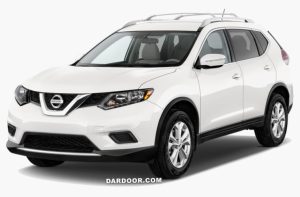
2016 Nissan Rogue T32 Repair Manual
$19.90 Add to cart