
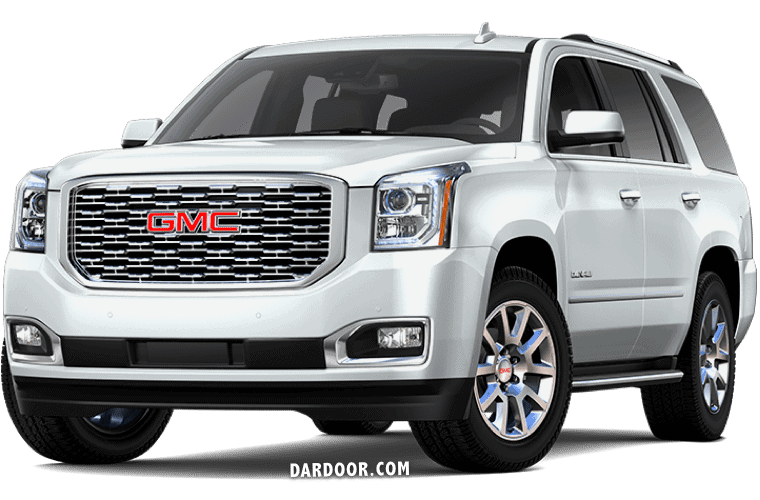
Get the original OEM workshop manual for the 2014-2019 GMC Yukon, built on the GMT K2XX Platform, including complete wiring diagrams in a simple PDF format.
2014-2019 GMC Yukon Repair Manual
$36.00
2014-2019 GMC Yukon Repair Manual – OEM Workshop Document
This is the original OEM workshop manual for the 2014-2019 GMC Yukon, built on the GMT K2XX Platform, including complete wiring diagrams in a simple PDF format.
Engines Covered
- EcoTec3 5.3 L V8 355 hp (265 kW)
- EcoTec3 6.2 L V8 420 hp (313 kW)
Transmissions Covered
- 6-speed 6L80 (MYC) / 6L90 (MYD) Automatic
| File Format | |
| File Language | English |
| You’ll Get | 309 MB |
| Page Count | 13,754 |
| Wiring Diagram | Included |
| Delivery Method | Instant Download |
Why Choose This Manual?
Get the same comprehensive level of information trusted by GMC dealer mechanics and technicians. This manual is:
- Straightforward and User-Friendly: Includes only the manufacturer’s authorized procedures, making it easy to follow.
- Detailed and Complete: Covers every aspect of maintenance, troubleshooting, and repair for your Yukon.
What’s Inside?
- Mechanical Systems: Engine, transmission, drivetrain, and more.
- Electrical Systems: Complete wiring diagrams for accurate diagnostics.
- Safety Systems: Brakes, airbags, and stability controls.
- Comfort Features: HVAC, entertainment, and interior components.
- Body and Chassis: Suspension, steering, and exterior parts.
Why It’s a Must-Have:
- Designed for professionals and DIY enthusiasts alike.
- Step-by-step instructions paired with high-quality diagrams.
- Fully searchable and printable PDF for ease of use.
Download your copy today and confidently maintain or repair your GMC Yukon with manufacturer-approved guidance!
This manual includes the procedures for maintenance, disassembling, reassembling, inspection, and adjustment of components and diagnostics for the guidance of experienced mechanics. Please peruse and utilize this manual to ensure complete repair work to keep your vehicle in optimum condition. Before you buy this manual check first if your car is subject to GMC service recall so the local dealer can repair it for FREE. When replacing parts during repair work, please make sure to use GMC OEM genuine spare parts.
Table of Contents : 2014-2019 GMC Yukon Repair Manual
Sample Pages
CAUTION: Please note that this manual is made for the use of persons who have special techniques and certifications. Suppose non-specialized or uncertified technicians perform repairs or services only using this manual or without proper equipment or tools. In that case, this may cause severe injury to you or other persons nearby and also cause damage to your vehicle. To prevent dangerous operations and damage to your vehicle, please be sure to follow the instructions thoroughly.
🛠️ Common Issues with the 2014-2019 GMC Yukon
The GMC Yukon is a full-size SUV known for its powerful performance, spacious interior, and towing capabilities. The 2014-2019 models represent the fourth generation of the Yukon, offering a blend of luxury and utility. However, like any vehicle, these models have their share of common electrical and mechanical issues, recalls, and maintenance requirements. In this blog, we’ll explore the technical aspects of the 2014-2019 GMC Yukon, discuss its common problems, highlight recalls, and compare it to its competitors.
Common Problems:
- Transmission Issues:
- Owners have reported transmission slippage and rough shifting, particularly in models equipped with the 6L80 transmission. These issues often manifest as delayed gear engagement or harsh shifting.
- Dashboard Cracking:
- Cracked dashboards have been a frequent complaint, with cracks appearing around the passenger airbag area and above the instrument cluster. This not only affects aesthetics but may also raise safety concerns.
- Suspension Problems:
- Some owners have experienced a rough ride, with reports of the vehicle jerking or swaying, especially over speed bumps. This has been attributed to issues with the suspension system, including worn-out shocks or struts.
- Engine Performance:
- Models equipped with Active Fuel Management (AFM), which allows the engine to switch between eight and four cylinders to conserve fuel, have been known to cause excessive wear on lifters and the camshaft, leading to potential engine performance issues.
- Roof Antenna Leak:
- A known issue with the shark fin roof antenna gasket can lead to water leaks into the cabin. GMC issued a bulletin addressing this problem, indicating that the gasket’s water gap orientation may allow water ingress.
Common Electrical Issues
The 2014-2019 GMC Yukon is generally reliable, but some owners have reported electrical issues. Here are the most common ones:
- Infotainment System Malfunctions
- The Yukon’s IntelliLink infotainment system has been known to freeze, reboot, or fail to respond to inputs. Some owners have also reported issues with Bluetooth connectivity and navigation system errors.
- Solution: Software updates from a GMC dealership can often resolve these issues. In some cases, the head unit may need to be replaced.
- Power Seat and Window Failures
- Some owners have reported issues with power seats and windows not functioning properly. This is often due to faulty switches or wiring issues.
- Solution: Inspect and replace faulty switches or repair damaged wiring.
- Battery Drain Problems
- A few owners have experienced battery drain issues, often caused by parasitic draws from aftermarket accessories or faulty electrical components.
- Solution: Check for parasitic draws and ensure the alternator is functioning correctly. Replace the battery if necessary.
- Dashboard Display Glitches
- Some drivers have reported issues with the instrument cluster, such as flickering screens or incorrect readings.
- Solution: A software update or replacement of the instrument cluster may be required.
Common Mechanical Issues
The 2014-2019 GMC Yukon is mechanically robust, but a few recurring problems have been reported:
- Transmission Issues
- Some owners have reported rough shifting, hesitation, or complete transmission failure. This is more common in models with the 6-speed automatic transmission.
- Solution: Regular transmission fluid changes and software updates can help mitigate these issues. In severe cases, a transmission rebuild or replacement may be necessary.
- Engine Problems
- The 5.3L V8 engine in some Yukons has been known to experience issues such as lifter failure, excessive oil consumption, and check engine lights related to the Active Fuel Management (AFM) system.
- Solution: Regular oil changes and using high-quality oil can help prevent lifter failure. Disabling the AFM system with an aftermarket tuner may also reduce issues.
- Suspension Noise and Wear
- Some drivers have reported clunking or squeaking noises from the suspension, often caused by worn bushings or shocks.
- Solution: Inspect and replace worn suspension components as needed.
- Brake Problems
- Premature brake wear and squeaking noises have been reported by some owners.
- Solution: Regularly inspect and replace brake pads and rotors as needed.
- Air Conditioning Issues
- Some owners have experienced issues with the air conditioning system, such as weak cooling or complete failure.
- Solution: Check for refrigerant leaks and ensure the compressor is functioning correctly. Replace faulty components as needed.
Recalls
The 2014-2019 GMC Yukon has been subject to several recalls. Here are the most notable ones:
- Seat Belt Recall
- Issue: The front seat belt pretensioners may not deploy properly in a crash, increasing the risk of injury.
- Solution: GMC issued a recall to replace the faulty seat belt pretensioners.
- Transmission Shift Cable Recall
- Issue: The transmission shift cable may detach, preventing the vehicle from shifting gears or causing it to roll away when parked.
- Solution: GMC issued a recall to replace the shift cable assembly.
- Airbag Recall
- Issue: The airbag system may not deploy properly in a crash due to a faulty sensing and diagnostic module.
- Solution: GMC issued a recall to replace the faulty module.
- Brake Booster Recall
- Issue: The brake booster may fail, increasing the risk of a crash.
- Solution: GMC issued a recall to replace the brake booster.
- Brake Vacuum Assist:
- A recall was issued for 2014-2018 models due to a decrease in vacuum pump assist, leading to increased braking effort and extended stopping distances, thereby increasing the risk of a crash.
-
Electronic Stability Control:
-
- The 2019 Yukon was recalled for potential unintended braking on one wheel due to a faulty wheel speed sensor, which could cause the vehicle to pull to one side unexpectedly, increasing the risk of a crash. Cars.com
-
Always check the National Highway Traffic Safety Administration (NHTSA) website or contact a GMC dealership to confirm if your vehicle is affected by any recalls.
Maintenance Tips
Proper maintenance is key to keeping your 2014-2019 GMC Yukon running smoothly. Here are some tips:
- Oil Changes
- Use high-quality synthetic oil and change it every 5,000-7,500 miles or as recommended in the owner’s manual. Regularly check oil levels to address any consumption issues.
- Transmission Fluid Replacement
- Replace transmission fluid every 50,000-60,000 miles to maintain transmission performance.
- Tire Rotation and Alignment
- Rotate tires every 7,500 miles and ensure proper alignment to prevent uneven wear.
- Brake Inspection
- Inspect brakes every 12,000 miles and replace pads or rotors as needed.
- Suspension Checks
- Inspect suspension components for wear and tear, especially if you notice unusual noises or handling issues.
- Air Conditioning Maintenance
- Regularly check the air conditioning system for leaks and ensure it is functioning correctly.
Competitors
The 2014-2019 GMC Yukon competes in the full-size SUV segment. Here’s how it stacks up against its rivals:
- Chevrolet Tahoe
- The Tahoe is essentially a sibling to the Yukon, offering similar performance and features. However, the Yukon is often seen as more upscale.
- Ford Expedition
- The Expedition offers a powerful EcoBoost engine and a spacious interior. However, the Yukon’s ride quality and towing capacity are often preferred.
- Toyota Sequoia
- The Sequoia is known for its reliability and off-road capability. However, the Yukon offers a more refined interior and better fuel efficiency.
- Nissan Armada
- The Armada provides a powerful V8 engine and a comfortable ride. However, the Yukon’s towing capacity and luxury features give it an edge.
Technical Service Bulletins (TSBs):
- Transmission Calibration:
- TSBs have been issued to address transmission performance issues, recommending software updates to improve shifting quality and reduce harshness.
- Engine Oil Consumption:
- TSBs addressing excessive oil consumption in AFM-equipped engines suggest potential solutions, including reprogramming the engine control module or replacing certain engine components.
Recommendations:
- Regular Maintenance:
- Adhere to the manufacturer’s recommended maintenance schedule, including timely oil changes, transmission fluid checks, and suspension inspections, to mitigate potential issues.
- Recall Compliance:
- Ensure all recall repairs have been completed. You can check for open recalls using your vehicle’s VIN on the GMC Recall Page.
- Monitor for Symptoms:
- Stay vigilant for signs of the common problems mentioned above, such as unusual noises, warning lights, or changes in vehicle performance, and consult a qualified mechanic promptly if they occur.
The 2014-2019 GMC Yukon is a powerful and capable full-size SUV with a few common electrical and mechanical issues. By staying on top of maintenance and addressing recalls promptly, owners can enjoy a reliable and luxurious vehicle. When compared to its competitors, the Yukon stands out for its towing capacity, spacious interior, and upscale features. Whether you’re hauling a trailer or navigating city streets, the 2014-2019 GMC Yukon remains a strong contender in the full-size SUV segment.
Related products
-

2022-2024 Chevrolet Tahoe Repair Manual
$46.00 Add to cart -

2018-2020 Chevrolet Equinox Repair Manual
$24.90 Add to cart -
2010-2012 Chevrolet Equinox Repair Manual
$16.90 Add to cart -
2013-2016 GMC Acadia Repair Manual
$24.90 Add to cart -
2007-2013 Cadillac Escalade Repair Manual
$19.90 Add to cart -

2017 Chevrolet Impala Repair Manual
$26.00 Add to cart -

2014-2016 Cadillac ELR Repair Manual
$16.90 Add to cart -
2006-2008 Chevrolet Trailblazer Repair Manual
$19.90 Add to cart