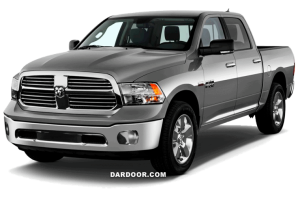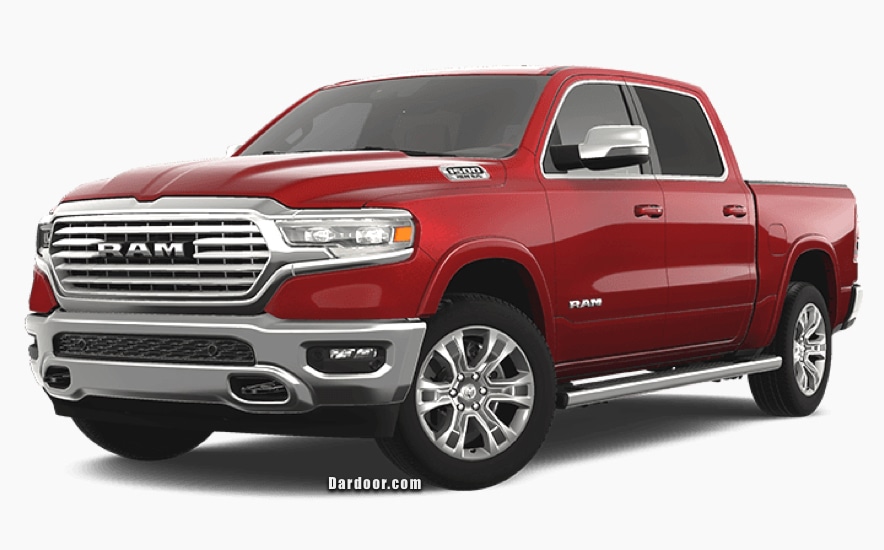
Access the official repair manual for the 2020-2023 RAM 1500 in PDF format. This comprehensive OEM document includes detailed repair instructions and covers all key components,
“2014-2016 RAM 1500 Laramie Repair Manual” has been added to your cart. View cart
Original OEM Workshop Manual for 2020-2023 RAM 1500
Access the official repair manual for the 2020-2023 RAM 1500 in PDF format. This comprehensive OEM document includes detailed repair instructions and covers all key components, just as used by RAM dealer technicians.
| File Format | |
| File Language | English |
| You’ll Get | 1.05 GB |
| Page Count | 19,654 |
| Delivery Method | Instant Download |
Engines Covered:
- 3.0 L
- 3.6 L
- 5.7 L
- 6.2 L
Transmissions Covered:
- Automatic 8HP50/850RE
- Automatic 8HP75
- Automatic 8HP95
Key Features:
- Thorough coverage of all engines and transmissions
- Complete service, repair, and maintenance procedures
- Easy-to-follow, manufacturer-authorized instructions
- Convenient PDF format for easy access
Maintain your RAM 1500 confidently with this fully detailed OEM workshop manual.
This manual provides detailed instructions for maintenance, disassembly, reassembly, component inspection, adjustment, and diagnostics, tailored for experienced mechanics. Use this manual thoroughly to ensure comprehensive repair work and maintain your vehicle in peak condition
Important Note: Before purchasing this manual, please verify if your vehicle is subject to any service recalls, as the local dealer may repair it free of charge. When replacing parts, ensure that only genuine OEM spare parts are used.
Table of Contents: 2020-2023 RAM 1500 Repair Manual
Sample Pages
CAUTION: This OEM service and workshop repair manual provides detailed procedures for maintenance, disassembly, reassembly, inspection, adjustment, and diagnostics. It is intended as a comprehensive guide for experienced mechanics. To ensure thorough and accurate repairs that maintain your vehicle’s optimal performance, please read and follow this manual carefully. When replacing parts during any repair work, always use genuine RAM parts to ensure quality, safety, and reliability.
2020–2023 RAM 1500: Comprehensive Buyer’s Guide
Overview & Technical Specifications
The 2020–2023 RAM 1500 represents the fifth generation of RAM’s full-size pickup truck, known for its refined ride quality, upscale interior, and versatile powertrain options. This generation emphasizes both luxury and capability, making it a strong contender in the highly competitive full-size truck segment.
Engine Options
3.6L Pentastar V6 with eTorque (Mild Hybrid)
- Power: 305 hp / 269 lb-ft torque
- eTorque system adds up to 90 lb-ft additional torque
- Fuel Economy: 20 city / 25-26 highway mpg (RWD)
- Standard 8-speed automatic transmission
5.7L HEMI V8
- Power: 395 hp / 410 lb-ft torque
- Available with or without eTorque mild hybrid system
- eTorque adds up to 130 lb-ft additional torque
- Fuel Economy: 15-17 city / 22-23 highway mpg
- Most popular engine choice
3.0L EcoDiesel V6 Turbo (2020-2022)
- Power: 260 hp / 480 lb-ft torque
- Fuel Economy: 22 city / 32 highway / 26 combined mpg (RWD)
- Maximum towing: 12,560 lbs
- Discontinued after 2022 model year
- Premium cost: approximately $4,995 option
Transmission & Drivetrain
- Transmission: TorqueFlite 8-speed automatic (all models)
- 850RE for V6 engines
- 8HP75 for V8 and diesel engines
- Drivetrain: RWD standard, 4WD optional
- Suspension: Coil spring rear suspension (class-unique) or available active-level air suspension
Capability
- Towing Capacity: Up to 12,750 lbs (depending on configuration)
- Payload Capacity: Up to 2,300 lbs
- Frame: 98% high-strength steel construction
Cab & Bed Configurations
- Cab Styles: Regular Cab, Quad Cab, Crew Cab
- Bed Lengths: 5’7″, 6’4″, 8′ (depending on cab style)
- Seating: 3-6 passengers (depending on configuration)
Top 10 & Electrical Issues
Based on owner reports and reliability data, here are the most common problems affecting the 2020-2023 RAM 1500:
1. Rear Window Leaks
Symptoms:
- Water entering cabin during rain or car washes
- Wet carpet behind rear seats
- Water stains on headliner
- Musty odors from mold growth
- Potential damage to electrical components
Root Cause: Faulty window seal or adhesive around the rear sliding window has been a recurring problem since the 1990s
Fix:
- Replace rear window seal and reseal window
- May require multiple dealer visits for proper repair
Cost: Replacement seal costs around $70, but dealerships often quote $1,000 or more for the complete repair
2. Transmission Issues
Symptoms:
- Hard or rough shifting between gears
- Transmission slipping or unexpectedly shifting to neutral
- Delayed engagement when shifting from park to drive
- Erratic driving behavior
Root Cause: Transmission Control Module failures and defective valve bodies are major contributors to transmission problems
Fix:
- TCM reprogramming or replacement
- Valve body replacement
- Complete transmission rebuild or replacement in severe cases
Cost:
- TCM replacement: $500–$1,500
- Valve body: $1,000–$2,500
- Transmission rebuild/replacement: $3,500–$6,000
3. 5.7L HEMI V8 Exhaust Manifold Bolt Failure
Symptoms:
- Ticking or tapping noise from engine, especially when cold
- Loss of power
- Check engine light
- Exhaust smell or visible exhaust leak
Root Cause: Exhaust manifold bolts break repeatedly, particularly when towing
Fix:
- Replace broken manifold bolts with upgraded kit
- May require manifold resurfacing or replacement
Cost:
- $800–$1,500 per side (labor-intensive repair)
- Issue often recurs despite repairs
4. 3.0L EcoDiesel High-Pressure Fuel Pump (HPFP) Failure
Symptoms:
- Engine stalling without warning
- Hard starting or no-start condition
- Loss of power during acceleration
- Check engine light with fuel system codes
Root Cause: High-pressure fuel pump may fail, causing engine stall
Fix:
- HPFP replacement
- Inspection and potential replacement of additional fuel system components
- Subject to recall Z96
Cost:
- Covered under recall (free repair at dealer)
- Out-of-warranty: $2,000–$3,500
5. EcoDiesel Oil Cooler Failure
Symptoms:
- Engine overheating, especially when towing
- Oil mixing with coolant (milky appearance in either reservoir)
- Loss of engine performance
- Low coolant or oil levels
Root Cause: High engine temperatures, especially during towing, can cause oil cooler malfunctions leading to oil and coolant mixing
Fix:
- Oil cooler replacement
- Complete cooling system flush
- Engine oil and filter change
Cost:
- $1,500–$2,500 including parts and labor
- Aftermarket coolers more reliable than OEM
6. Electrical System & TIPM Issues
Symptoms:
- Random vehicle stalling
- Battery drain/dead battery after non-use
- Malfunctioning power windows and door locks
- Intermittent electrical failures
- Infotainment system crashes or freezes
Root Cause: Totally Integrated Power Module failures and phantom battery draws
Fix:
- TIPM replacement or reprogramming
- Battery replacement
- Electrical system diagnosis to locate parasitic draws
Cost:
- Battery: $150–$300
- TIPM replacement: $500–$1,200
- Diagnostic time: $100–$200
7. eTorque System Engine Stalling
Symptoms:
- Sudden engine stall while driving
- Difficulty restarting engine
- Check engine light
- “Stop/Start Unavailable” message
Root Cause: Low battery issues or incorrect fuel mixture from powertrain control module software
Fix:
- Battery replacement
- PCM software update
- eTorque system component inspection/replacement
Cost:
- Battery: $200–$400 (eTorque battery is larger/more expensive)
- PCM update: Usually covered under warranty
- System repairs: $500–$2,000
8. Running Board Failure
Symptoms:
- Power running boards slow to extend or retract
- Boards stop working entirely
- Motor corrosion visible
Root Cause: Corrosion in the running board motors
Fix:
- Running board motor replacement
- Complete running board assembly replacement
Cost:
- $400–$800 per side
- Often covered under warranty if caught early
9. Air Suspension Compressor & Component Failure
Symptoms:
- Suspension won’t raise or lower properly
- “Service Air Suspension” warning message
- Vehicle sitting lower than normal
- Compressor running excessively or making noise
Root Cause:
- Air compressor failure
- Air spring leaks
- Height sensor failures
Fix:
- Air compressor replacement
- Air spring replacement
- Height sensor calibration or replacement
Cost:
- Air compressor: $800–$1,500
- Air springs: $300–$600 each
- Complete system repair: $1,500–$3,000
10. Infotainment System (Uconnect) Malfunctions
Symptoms:
- Screen flickering or going blank
- System crashes and won’t restart
- Backup camera not displaying
- Radio, GPS, or phone connectivity failures
- Touchscreen unresponsive
Root Cause: Software glitches and hardware failures in the Uconnect system
Fix:
- Software update
- Complete Uconnect module replacement
Cost:
- Software update: Free at dealer
- Module replacement: $500–$1,500
- May be covered under warranty or “goodwill” repair
Top 5 Competitors
The 2020-2023 RAM 1500 competes in the highly competitive full-size pickup segment:
1. Ford F-150
- Strengths: Multiple powertrain options including hybrid, highest towing capacity in class, aluminum body construction
- How RAM Compares: RAM offers more refined ride quality, more rear legroom (45.2″ vs 43.6″), superior interior materials, and quieter cabin
2. Chevrolet Silverado 1500
- Strengths: Strong V8 engine lineup, proven reliability, competitive pricing
- How RAM Compares: RAM offers better fuel economy, more trim levels (10 vs 3), superior towing capacity on comparable models, and more upscale interior
3. GMC Sierra 1500
- Strengths: Upscale trim options, MultiPro tailgate, smooth ride
- How RAM Compares: RAM offers higher horsepower (395 vs 355), better standard warranty, air suspension availability, lower MSRP (approximately $10,000 less at base level)
4. Toyota Tundra
- Strengths: Legendary reliability, strong resale value, proven off-road capability
- How RAM Compares: RAM offers significantly better towing (12,750 vs 10,200 lbs), more engine options, superior fuel economy, larger infotainment screen (up to 12″ vs 7″), and better noise insulation
5. Nissan Titan
- Strengths: Comfortable ride, competitive pricing, standard V8 engine
- How RAM Compares: RAM offers more powertrain choices, better fuel economy, superior interior quality, more advanced technology features, and higher towing capacity
RAM 1500’s Key Competitive Advantages:
- Best-in-class rear legroom (Crew Cab)
- Coil-spring rear suspension for superior ride quality
- Available 19-speaker Harman Kardon or 23-speaker Klipsch audio systems
- Class-exclusive active-level air suspension
- RamBox cargo management system
- Quietest cabin in class
Top 10 Recalls, Advisories & TSB Highlights
Major Safety Recalls
1. Driver’s Side Airbag Connector (Recall 08C)
- Affected Years: 2019-2024 RAM 1500
- Issue: Driver’s side airbag may not be connected properly, preventing deployment in a crash
- Fix: Dealers secure airbag connectors (free of charge)
- Status: All vehicles remedied as of May 2025
2. Side Curtain Airbag Inflator Rupture (Recalls 05C, 09C, 10C, Y55)
- Affected Years: 2015-2020 RAM 1500 Classic, 2016-2019 RAM 1500
- Issue: Side airbag inflator end cap may detach or sidewall may rupture, propelling metal fragments into cabin
- Fix: Replacement of side curtain airbag assemblies (free)
- Status: Ongoing repair campaign
3. High-Pressure Fuel Pump Failure – EcoDiesel (Recall Z96)
- Affected Years: 2020-2022 RAM 1500 with 3.0L diesel
- Issue: High-pressure fuel pump may fail, causing engine stall and increasing crash risk
- Fix: HPFP replacement and fuel system inspection (free)
- Notification: October 2023
4. Heated Trailer Tow Mirror Glass Detachment (Recall 86B)
- Affected Years: 2020-2023 RAM 1500 Classic with heated mirrors
- Issue: Mirror glass may detach from driver’s side heated mirror, reducing visibility
- Fix: Mirror glass replacement (free)
- Notification: December 2024
5. Electronic Stability Control System Malfunction (Recall 85B)
- Affected Years: 2019, 2021-2024 RAM 1500
- Issue: ABS control module software malfunction may disable electronic stability control
- Fix: ABS module software update (free)
- Notification: September-October 2024
6. Rearview Camera Display Failure (Multiple Recalls)
- Affected Years: 2020-2023 RAM 1500
- Issue: Radio software error prevents rearview camera image from displaying
- Fix: Radio software update or module replacement (free)
- Impact: Multiple recalls issued for this ongoing issue
7. Turn Signal Self-Canceling Failure (Recall A1B)
- Affected Years: 2023-2024 RAM 1500
- Issue: Turn signal self-canceling feature may not function properly
- Fix: Steering column control module inspection/replacement (free)
- Notification: October 2024
8. Transmission Fluid Leak (Recall 63B)
- Affected Years: 2023 RAM 1500, 2500, 3500
- Issue: Insufficient weld in transmission control unit allows fluid to leak onto electrical components, causing loss of drive power or park function
- Fix: Valve body and control unit replacement (free)
- Notification: July 2024
9. Front Seat Belt Retractor Issue
- Affected Years: 2019-2020 RAM 1500
- Issue: Front seat belt retractor may not properly slow occupant’s forward movement after locking in a crash
- Fix: Seat belt retractor replacement (free)
10. Tailgate Latch Misalignment
- Affected Years: 2019-2022 RAM 1500, 2500, 3500
- Issue: Tailgate may not latch properly due to misaligned strikers, potentially opening while driving
- Fix: Tailgate striker adjustment or replacement (free)
Notable Technical Service Bulletins (TSBs)
- Water Leaks: Multiple TSBs addressing water intrusion at front/rear seats, rear cab, headliner
- Steering Column Clicking: Noise while turning steering wheel
- Uconnect Enhancements: Wi-Fi connection failures, speaker popping/crackling during voice recognition
- Backup Camera Issues: Flickering, blank, or blue screen; requires software update and three sleep cycles
- Engine Noise/Misfire: Internal engine concerns requiring diagnosis
- HVAC Temperature Variance: Temperature differences between driver and passenger sides
- 3.0L Diesel Components: Fast feedback program for diesel engine monitoring
Maintenance Schedule
Proper maintenance is critical to maximizing the longevity and reliability of your RAM 1500. The truck is equipped with an Oil Change Indicator System that monitors driving conditions and alerts you when service is needed.
General Maintenance Intervals
Every Oil Change (7,500-10,000 miles or as indicated)
- Engine oil and filter change
- Tire rotation
- Multi-point inspection
- Fluid level checks (coolant, brake, power steering, washer)
- Maximum interval: Under no circumstances should oil change intervals exceed 10,000 miles, 12 months, or 350 hours of engine run time
Severe Duty Conditions (dusty, off-road, heavy towing, extreme temperatures):
- Oil changes every 3,000-5,000 miles
20,000 Miles / 12 Months
- All oil change services plus:
- Cabin air filter replacement
- Brake system inspection
- Front suspension and tie rod end inspection
- Engine air filter inspection/replacement
30,000 Miles
- All previous services plus:
- Engine air filter replacement (if not done at 20k)
- CV/Universal joint inspection
- Transfer case fluid inspection
- Front/rear axle surface inspection
- Power steering fluid check (2500/3500 only)
60,000 Miles
- All routine services plus:
- Automatic transmission fluid and filter change
- Front drive shaft fitting lubrication
- Exhaust system inspection
90,000 Miles
- All routine services plus:
- Spark plug replacement (mileage-based only, not yearly)
- Spark plug wire inspection
- PCV valve inspection/replacement
- Transmission fluid replacement
100,000-120,000 Miles
- Continue routine maintenance
- Inspect all major components for wear
150,000 Miles
- All routine services plus:
- Engine coolant flush and replacement (10 years or 150,000 miles, whichever comes first)
Additional Maintenance Items
Battery
- Inspect terminals for corrosion at each service
- Typical lifespan: 3-5 years
Accessory Drive Belts
- Inspect for wear, cracks, and proper tension
- Replace as needed (typically 60,000-100,000 miles)
Brake Fluid
- Inspect and replace per manufacturer recommendations
- Typically every 3 years or as needed
Differential Fluid (Police, taxi, fleet, off-road, or frequent trailer towing):
- Change axle fluid more frequently than standard intervals
10 Frequently Asked Questions for Buyers
1. Which engine should I choose?
-
- For daily driving and light use: The 3.6L V6 with eTorque offers excellent fuel economy (20/25 mpg) and adequate power for most drivers.
- For towing and performance: The 5.7L HEMI V8 is the most popular choice, providing 395 hp and 12,750 lbs towing capacity. The eTorque version adds smoothness and some fuel savings.
- For maximum fuel economy: The 3.0L EcoDiesel (2020-2022 only) delivers 22/32 mpg, but the $4,995 premium takes years to recoup in fuel savings. Best for high-mileage drivers or those who tow frequently.
2. Is the RAM 1500 reliable?
Reliability is mixed. The RAM 1500 scores well in J.D. Power Quality & Reliability (89/100), but owner complaints reveal recurring issues with water leaks, transmission problems, and EcoDiesel engine concerns. Regular maintenance and addressing recalls promptly improves long-term reliability. With proper care, these trucks can exceed 200,000 miles.
3. Should I get the air suspension?
-
- Pros: Superior ride comfort, automatic height adjustment for towing/loading, improved highway fuel economy
- Cons: More expensive to repair ($1,500-$3,000 for major issues), potential reliability concerns, firmer ride at highway speeds when lowered
- Recommendation: Great for those who prioritize comfort and towing convenience, but consider extended warranty coverage.
4. Are there significant differences between 2020, 2021, 2022, and 2023 models?
-
- 2020: Introduction of 3.0L EcoDiesel engine, Night Edition trims added
- 2021: Minor updates, continued refinement
- 2022: 10th Anniversary and special edition trims, sportier G/T package added
- 2023: EcoDiesel discontinued, minor technology and trim updates
The 2020-2022 models are largely similar; choose based on price, availability, and whether you want the diesel option.
5. What are the most common problems I should watch for?
-
- Rear window leaks – Check for water stains, musty smells
- Transmission shifting issues – Test drive thoroughly
- HEMI exhaust manifold ticking – Listen for ticking when cold
- EcoDiesel fuel pump/oil cooler (diesel models) – Check service history
- Electrical gremlins – Test all electrical functions
- Battery drain – Verify battery condition and charging system
6. Is the EcoDiesel worth the extra cost?
Probably not for most buyers. The $4,995 premium takes 5-6 years to recoup through fuel savings. The EcoDiesel also has documented reliability issues (HPFP failures, oil cooler leaks, DPF clogging). It’s only worthwhile if you:
-
- Drive 20,000+ miles annually
- Tow frequently (excellent torque)
- Plan to keep the truck 7+ years
- Are prepared for potentially expensive diesel-specific repairs
7. How does the RAM 1500 compare to Ford F-150 and Chevy Silverado?
-
- vs. Ford F-150: RAM offers a smoother ride, quieter cabin, more luxurious interior, and better rear legroom. Ford offers more engine choices (including hybrid and PowerBoost) and slightly better towing.
- vs. Chevy Silverado: RAM has superior interior quality, more trim options, better fuel economy, and a more refined driving experience. Silverado is simpler and may have lower long-term repair costs.
- Overall: RAM leads in comfort and refinement; Ford leads in capability and innovation; Chevy offers traditional truck simplicity.
8. Should I buy new or used?
-
- New Advantages: Full warranty coverage, latest technology, no hidden issues, current incentives
- Used Advantages: Significant depreciation savings (20-30% in first 2-3 years), recall repairs already completed, real-world reliability data available
- Sweet Spot: 2021-2022 CPO (Certified Pre-Owned) models with low mileage (20,000-40,000 miles) offer best value – recalls addressed, warranty remaining, substantial savings over new.
9. What trim level offers the best value?
-
- Best Overall Value: Big Horn/Lone Star – Strikes excellent balance between features and price, includes upgraded interior, power seats, 8.4″ touchscreen, and available luxury packages.
- Budget Choice: Tradesman – Basic but capable, best for work use
- Luxury Choice: Laramie – Premium materials, extensive features, still reasonable pricing
- Off-Road: Rebel – Factory off-road setup, lifted suspension, unique styling
- Skip: Limited and Longhorn unless you need absolute luxury – prices approach $60,000+
10. What should I look for when buying a used 2020-2023 RAM 1500?
Pre-Purchase Inspection Checklist:
-
- ✓ VIN check: Verify no open recalls using NHTSA.gov
- ✓ Service history: Confirm oil changes every 8,000-10,000 miles
- ✓ Water leaks: Inspect carpet, headliner for stains; smell for mold
- ✓ Rear window seal: Check for gaps or visible damage
- ✓ Transmission: Test drive for smooth shifting, no slipping
- ✓ Engine noise: Listen for manifold bolt ticking (HEMI V8)
- ✓ Electrical systems: Test all windows, locks, infotainment, cameras
- ✓ Air suspension (if equipped): Verify all functions work properly
- ✓ Frame/undercarriage: Check for rust, especially in salt-belt states
- ✓ Tires: Uneven wear may indicate suspension issues
- ✓ Battery condition: Test voltage and charging system
- ✓ Diesel-specific (EcoDiesel): Check for oil cooler leaks, fuel pump recall completion
Red Flags:
- Multiple electrical issues
- Evidence of previous water damage
- Exhaust manifold repairs on service records (recurring issue)
- Transmission repairs
- Flood damage history
Final Buyer Recommendations
Should You Buy a 2020-2023 RAM 1500?
YES, if you:
- Prioritize ride comfort and cabin refinement over rugged truck feel
- Want a luxurious interior with car-like amenities
- Need strong towing capability (up to 12,750 lbs)
- Value a quiet, smooth highway cruiser
- Appreciate extensive customization options (10 trim levels)
- Are willing to stay on top of maintenance and address issues promptly
CONSIDER ALTERNATIVES if you:
- Need absolute maximum reliability (consider Toyota Tundra)
- Want a hybrid powertrain (Ford F-150 PowerBoost)
- Prefer simpler, less complex systems (Chevy Silverado)
- Are concerned about potential water leak/electrical issues
- Need a truck primarily for severe-duty commercial use
Best Model Years to Target
Best Value: 2021-2022 models offer maturity in the generation, most recalls addressed, and significant depreciation from new.
Avoid: Early 2020 models may have more unresolved issues; 2023 if you want the EcoDiesel option.
Smart Buying Strategy
- Prioritize Certified Pre-Owned: Extended warranty coverage protects against electrical and transmission issues
- Budget for maintenance: Set aside $1,500-2,500 annually for routine maintenance and potential repairs
- Check recalls immediately: Use VIN lookup at NHTSA.gov before purchase
- Get pre-purchase inspection: Have independent mechanic inspect, especially electrical systems and evidence of leaks
- Consider extended warranty: Given complexity and potential repair costs, extended powertrain and electronics coverage provides peace of mind
Our Final Verdict
The 2020-2023 RAM 1500 is an excellent choice for buyers who want a refined, comfortable, and capable full-size truck. It excels as a daily driver that can also handle serious work when needed. The interior quality and ride comfort are class-leading, and the available powertrains provide good performance and reasonable fuel economy.
However, potential buyers must be aware of documented issues—particularly water leaks, transmission problems, and EcoDiesel reliability concerns. These trucks require diligent maintenance and prompt attention to recalls and service bulletins.
Overall Rating: ⭐⭐⭐⭐ (4/5 stars)
- Comfort & Refinement: ⭐⭐⭐⭐⭐
- Capability: ⭐⭐⭐⭐½
- Reliability: ⭐⭐⭐½
- Value: ⭐⭐⭐⭐
- Technology: ⭐⭐⭐⭐
Bottom Line: A compelling package that balances luxury and utility, best suited for buyers who value comfort and are prepared for potential maintenance needs. With proper care and prompt recall attention, the RAM 1500 makes an excellent long-term ownership proposition.
| Brands | |
|---|---|
| File Format | |
| File Language | English |
| File Size | 1.05 GB |
| Page Count | 19,654 |
| Searchable & Printable | YES |
| Instant Download | YES |