

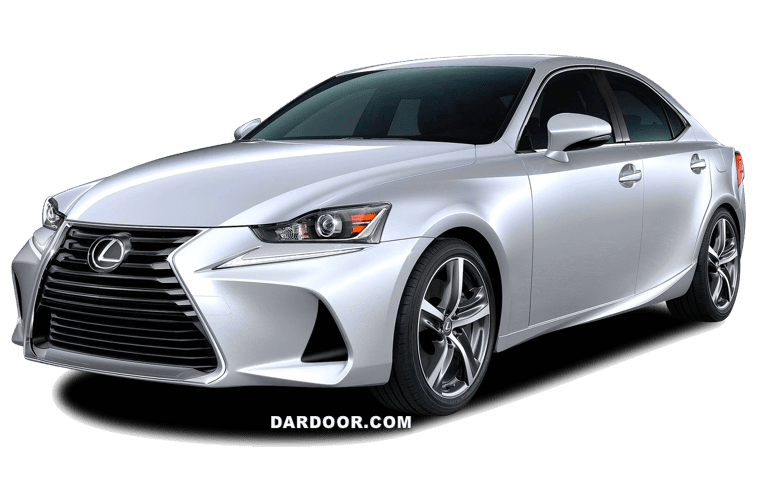
Get the complete original service and repair manual for the 2013-2020 Lexus IS Series, models IS350, IS300, IS250 and IS200T with the wiring diagrams, 3rd generation XE30.
2014-2020 Lexus IS Series Repair Manual
$42.00
Master Your Lexus with the Ultimate OEM Workshop Manual for 2013-2020 Lexus IS Series, Models (IS350, IS300, IS250, IS200t) – Third Generation XE30!
Take full control of your Lexus IS with the Complete OEM Workshop Manual, the definitive guide for maintaining, repairing, and optimizing your luxury sedan. Designed for professional technicians and dedicated DIYers alike, this manual is your all-in-one resource for keeping your Lexus in peak condition.
| File Format | |
| File Language | English |
| You’ll Get | 312.3 MB |
| Page Count | 15,133 |
| Wiring Diagrams | Included |
| Indexed, Searchable and Printable | YES |
| Delivery Method | Instant Download |
Don’t wait—empower yourself with the knowledge and tools to master your Lexus IS. Download now and experience the satisfaction of professional-grade repairs!
What’s Included?
✅ Comprehensive Repair Procedures: Step-by-step instructions for maintenance, disassembly, reassembly, inspection, and adjustment of every component.
✅ Detailed Wiring Diagrams: Clear, precise wiring diagrams for engines like the 2GR-FSE (4WD & 2WD) and 4GR-FSE, ensuring accurate electrical diagnostics and repairs.
✅ Factory-Accurate Information: Direct from Lexus, this manual (Reference RM30G0U) guarantees 100% reliability and authenticity.
✅ Printable PDF Format: Accessible on any device, with the ability to print pages for hands-on use in your workshop or garage.
Engines Covered
-
- Petrol, 3.5 L 2GR-FSE V6
- Petrol, 2.0 L 8AR-FTS I4-T
Wiring Diagrams Engines Covered: –
- 2GR-FSE, 4WD & 2WD
- 4GR-FSE
Why Choose This Manual?
- Save Time & Money: Skip costly dealership visits and tackle repairs yourself with confidence.
- Expert Guidance: Follow precise, manufacturer-approved procedures for flawless results.
- Maximize Performance: Keep your Lexus running smoothly and efficiently for years to come.
Perfect For:
🔧 Professional Mechanics
🔧 Lexus Enthusiasts
🔧 Owners of 2013-2020 Lexus IS350, IS300, IS250, and IS200t Models
This manual includes the procedures for maintenance, disassembling, reassembling, inspection, and adjustment of components and diagnostics for the guidance of experienced mechanics. Please use this manual thoroughly to ensure complete repair work to keep your vehicle in optimum condition. Please make sure to use genuine OEM spare parts.
CONTENTS: 2014-2020 Lexus Repair Manual (IS350, IS300, IS250, IS200t)
- Audio Visual & Telematics
- Brake Drivetrain
- Engine
- Hybrid System
- Power Source Network
- Steering
- Suspension
- Vehicle Exterior
- Vehicle Interior
- Vehicle Wiring Diagrams
SAMPLE PAGES
2014-2020 Lexus IS Series: Comprehensive Buyer’s Guide
Overview
The 2014-2020 Lexus IS series represents the third generation (XE30) of Lexus’s compact luxury sports sedan. Available in multiple variants (IS200t/IS300, IS250, IS350), this generation featured aggressive styling with the signature spindle grille, improved handling dynamics, and Lexus’s renowned reliability.
Model Variants:
- IS250 (2014-2015): 2.5L V6, rear-wheel drive (RWD) or all-wheel drive (AWD)
- IS350 (2014-2020): 3.5L V6, RWD or AWD
- IS200t (2016-2017): 2.0L turbocharged 4-cylinder, RWD
- IS300 (2016-2020): 2.0L turbo 4-cylinder or 3.5L V6 (AWD only), RWD or AWD
- IS F Sport: Performance-oriented trim available across variants
Technical Specifications
IS250 (2014-2015)
- Engine: 2.5L V6 (2GR-FSE)
- Horsepower: 204 hp @ 6,400 rpm
- Torque: 185 lb-ft @ 4,800 rpm
- Transmission: 6-speed automatic
- 0-60 mph: 7.7 seconds (RWD)
- Fuel Economy: 21/30 mpg (RWD), 21/28 mpg (AWD)
IS200t/IS300 (Turbo, 2016-2020)
- Engine: 2.0L turbocharged inline-4 (8AR-FTS)
- Horsepower: 241 hp @ 5,800 rpm
- Torque: 258 lb-ft @ 1,650-4,400 rpm
- Transmission: 8-speed automatic
- 0-60 mph: 7.0 seconds
- Fuel Economy: 22/32 mpg (RWD), 21/28 mpg (AWD)
IS300 (V6 AWD, 2016-2020)
- Engine: 3.5L V6 (2GR-FSE)
- Horsepower: 260 hp @ 6,000 rpm
- Torque: 236 lb-ft @ 4,400 rpm
- Transmission: 6-speed automatic
- 0-60 mph: 6.2 seconds
- Fuel Economy: 19/26 mpg
IS350 (2014-2020)
- Engine: 3.5L V6 (2GR-FSE)
- Horsepower: 306 hp @ 6,400 rpm (311 hp for 2016+)
- Torque: 277 lb-ft @ 4,800 rpm
- Transmission: 8-speed automatic (2014-2015: 6-speed)
- 0-60 mph: 5.6 seconds (RWD), 5.7 seconds (AWD)
- Fuel Economy: 19/28 mpg (RWD), 19/26 mpg (AWD)
Common Specs Across Models:
- Curb Weight: 3,460-3,737 lbs
- Wheelbase: 110.2 inches
- Length: 183.7 inches
- Width: 71.3 inches
- Height: 56.3 inches
- Seating Capacity: 5
- Cargo Space: 10.8 cubic feet
- Fuel Tank: 17.4 gallons
Top 10 Mechanical & Electrical Issues
1. Carbon Buildup on Intake Valves (Direct Injection Engines)
-
- Symptoms: Rough idle, hesitation on acceleration, reduced fuel economy, misfires, check engine light, loss of power
- Root Cause: Direct injection sprays fuel directly into the combustion chamber, bypassing the intake valves. Without fuel washing over the valves, carbon deposits accumulate over time, restricting airflow.
- Fix: Walnut blasting or chemical cleaning of intake valves. Preventive catch can installation recommended. Should be cleaned every 60,000-80,000 miles.
- Cost: $400-$800 for walnut blasting; catch can installation $200-$400
2. Melting Dashboard (2014-2016 Models)
-
- Symptoms: Dashboard surface becomes sticky, shiny, or melted, especially in hot climates. Typically affects the center console and instrument cluster area.
- Root Cause: Defective dashboard material that breaks down when exposed to heat and UV rays. Manufacturing defect in the dashboard coating.
- Fix: Complete dashboard replacement. Lexus extended warranty coverage through 2024 for this issue on affected vehicles.
- Cost: $2,000-$3,500 if out of warranty (covered under extended warranty program)
3. Infotainment System Freezing/Remote Touch Issues
-
- Symptoms: Screen freezes, touchpad unresponsive, system reboots randomly, navigation errors, audio cutting out, backup camera not displaying
- Root Cause: Software glitches in the Lexus Enform system, outdated firmware, overheating of system components, or faulty Remote Touch controller.
- Fix: Software update from dealership, system reset (hold Menu and Enter buttons for 3 seconds), or replacement of Remote Touch controller module.
- Cost: Software update $0-$150; controller replacement $500-$1,200
4. Water Pump Failure (V6 Engines)
-
- Symptoms: Coolant leaks (often from weep hole), engine overheating, whining or grinding noise from front of engine, low coolant warning, steam from engine bay
- Root Cause: Water pump bearing failure or seal degradation, typically occurring between 80,000-120,000 miles. Normal wear item on these engines.
- Fix: Water pump and thermostat replacement (usually done together). Timing cover gasket should also be replaced during this service.
- Cost: $800-$1,500 (includes labor, water pump, thermostat, coolant)
5. VVT-i Actuator/Solenoid Issues
-
- Symptoms: Check engine light with codes P0010, P0011, P0020, P0021, rough idle, rattling noise on cold start, reduced performance, poor fuel economy
- Root Cause: Variable Valve Timing solenoid failure due to oil sludge, dirty oil, or internal wear. Oil control valve screens can become clogged with debris.
- Fix: Replace VVT-i oil control valve/solenoid, clean screens, use proper oil weight (0W-20), ensure regular oil changes. May require camshaft timing gear replacement in severe cases.
- Cost: $300-$600 per bank for solenoid replacement; $1,500-$2,500 if timing gears needed
6. Adaptive Variable Suspension (AVS) Failures
-
- Symptoms: Suspension warning light, harsh ride quality, clunking noises over bumps, uneven vehicle height, one corner sagging, reduced handling performance
- Root Cause: Electronic shock absorber failure, air compressor issues (if equipped), or control module malfunction. Shocks typically fail between 60,000-100,000 miles.
- Fix: Replace failed shock absorber(s) with OEM or aftermarket units. Some owners convert to conventional shocks to avoid future electronic issues.
- Cost: $400-$800 per shock (OEM); $1,500-$3,000 for all four; conventional conversion $800-$1,500
7. Fuel Injector Issues (2016+ Turbo Models)
-
- Symptoms: Hard starting when hot, rough idle, check engine light, misfires, fuel smell, reduced fuel economy, hesitation under load
- Root Cause: Fuel injector O-rings degrading from heat in the 2.0L turbo engine, or injector coking. Direct injection systems run higher pressures, accelerating wear.
- Fix: Replace fuel injector seals/O-rings, or replace entire injectors if coking is severe. Use Top Tier gasoline to minimize deposits.
- Cost: $400-$800 for seal replacement; $1,200-$2,000 for full injector replacement
8. Starter Motor Failure
-
- Symptoms: Engine cranks slowly, clicking sound when turning key, intermittent no-start condition (especially when hot), grinding noise during starting
- Root Cause: Starter solenoid contacts wearing out, heat soak from engine affecting starter components, or brushes wearing down. Common on higher-mileage vehicles (100,000+ miles).
- Fix: Replace starter motor assembly. Some owners report heat shielding improvements help longevity. Ensure battery and connections are in good condition first.
- Cost: $500-$900 (parts and labor)
9. Brake Actuator Issues (Pre-Collision System)
-
- Symptoms: Brake system warning light, pre-collision system disabled message, pulsing brake pedal, ABS/VSC warning lights, reduced brake assist
- Root Cause: Brake actuator assembly malfunction in the pre-collision braking system. Accumulator pump or linear solenoid valve failure. More common on 2014-2016 models.
- Fix: Replace brake actuator assembly. Lexus issued TSB and extended warranty coverage for some vehicles. Requires diagnostic scan to pinpoint exact component.
- Cost: $2,500-$4,000 (covered under extended warranty on some vehicles)
10. Sunroof Drain Clogs/Water Leaks
-
- Symptoms: Water dripping from headliner, wet carpets (front footwells), musty smell, water in spare tire well, electrical issues from water damage
- Root Cause: Sunroof drain tubes becoming clogged with debris, leaves, or deteriorating. Drain exits are located in the front fender wells and can become blocked.
- Fix: Clear drain tubes using compressed air or flexible wire, ensure drain exit points are clear. Apply protectant to prevent future clogs. Check and clear regularly.
- Cost: $100-$300 for cleaning; $500-$1,000 if tubes need replacement or interior water damage repair
Top 5 Competitors
1. BMW 3 Series (F30/G20, 2014-2020)
-
- Strengths: Superior handling dynamics, more powerful engine options (340i), better technology, sportier driving experience, rear-wheel drive bias
- Weaknesses: Higher maintenance costs, less reliable long-term, more expensive repairs, stiffer ride, premium fuel required
- Comparison: The 3 Series offers more engaging driving dynamics and better performance, but the Lexus provides superior reliability, lower ownership costs, and better fuel economy.
2. Mercedes-Benz C-Class (W205, 2015-2021)
-
- Strengths: More luxurious interior, advanced technology, refined ride quality, prestigious badge, better rear seat space
- Weaknesses: Complex electronics prone to issues, expensive maintenance, turbocharged engines less reliable, higher depreciation
- Comparison: The C-Class feels more premium inside with better materials, but the Lexus wins on reliability, simplicity, and lower cost of ownership over time.
3. Audi A4 (B9, 2017-2020)
-
- Strengths: Quattro all-wheel drive standard, excellent interior quality, advanced infotainment (MMI), refined turbocharged engines, Virtual Cockpit display
- Weaknesses: Expensive maintenance, complex systems, premium fuel required, higher repair costs, less engaging to drive than BMW
- Comparison: The A4 offers a more modern interior and tech, but the Lexus is more reliable, has lower operating costs, and the V6 models offer better sound and feel than Audi’s turbo-4.
4. Infiniti Q50 (2014-2020)
-
- Strengths: Available twin-turbo V6 (400 hp in Red Sport), excellent value, spacious interior, dual-screen infotainment, standard RWD
- Weaknesses: Confusing dual-screen system, steering lacks feel (direct adaptive steering), lower resale value, less prestigious brand
- Comparison: The Q50 offers more power and features for the money, but the Lexus has better build quality, higher resale value, more refined driving dynamics, and superior reliability.
5. Cadillac ATS/CT4 (2014-2020)
-
- Strengths: Sharp handling, available turbocharged engines, competitive pricing, distinctive styling, CUE infotainment improvements over time
- Weaknesses: Smaller interior, poor reliability ratings, CUE system frustrations, lower resale value, cramped rear seat
- Comparison: The ATS/CT4 delivers engaging handling that rivals BMW, but the Lexus offers better reliability, more interior space, superior fit and finish, and stronger resale values.
Top 10 Recalls, Advisories & TSB Highlights
1. Fuel Pump Recall (2020)
-
- Issue: Low-pressure fuel pump may fail, causing engine stall Vehicles Affected: 2018-2020 IS models
- Fix: Fuel pump replacement at no charge
2. Melting Dashboard Extended Warranty
-
- Issue: Dashboard surface deterioration in high temperatures Vehicles Affected: 2014-2016 IS models
- Fix: Dashboard replacement covered through extended warranty program (through 2024)
3. Brake Actuator Extended Warranty
-
- Issue: Pre-collision brake actuator failure Vehicles Affected: 2014-2017 IS models
- Fix: Extended warranty coverage to 10 years/150,000 miles for brake actuator replacement
4. Floor Mat Interference (TSB-0103-18)
-
- Issue: Improperly secured floor mats may interfere with accelerator pedal Vehicles Affected: All model years
- Fix:Proper floor mat installation, use of retention clips
5. Infotainment System Software Update (TSB-0066-19)
-
- Issue: Screen freezing, system lag, connectivity issues Vehicles Affected: 2014-2019 IS models
- Fix: Software update available at dealership
6. Engine Hesitation on Acceleration (TSB-0087-16)
-
- Issue: Brief hesitation when accelerating from stop Vehicles Affected: 2014-2016 IS models with 2.5L V6
- Fix: ECU software reprogramming
7. Rough Idle/Vibration (TSB-0023-17)
-
- Issue: Engine vibration at idle, rough running Vehicles Affected: 2014-2017 IS350 models
- Fix: Engine mount inspection/replacement, ECU update
8. Sunroof Wind Noise (TSB-0041-15)
-
- Issue: Excessive wind noise from sunroof area at highway speeds Vehicles Affected: 2014-2015 IS models with sunroof
- Fix: Sunroof weatherstrip adjustment or replacement
9. Bluetooth Connectivity Issues (TSB-0098-17)
-
- Issue: Phone disconnects, audio streaming problems Vehicles Affected: 2014-2017 IS models
- Fix: Bluetooth module software update
10. Steering Column Noise (TSB-0112-16)
-
- Issue: Clicking or popping noise from steering column when turning Vehicles Affected: 2014-2016 IS models
- Fix:Steering column bushing replacement or lubrication
Recommendations
- Check Recalls: Verify open recalls using Lexus’ recall lookup tool or the NHTSA VIN database.
- Inspect the Transmission: Address rough shifting early; consider a fluid flush if not done.
- Update Infotainment Software: Visit a dealership for the latest firmware.
- Test the Battery: Check for parasitic drain and replace if necessary.
- Monitor Engine Performance: Address rough idling or hesitation early.
Maintenance Schedule
Every 5,000-10,000 Miles (6-12 Months)
-
- Engine oil and filter change (0W-20 synthetic)
- Tire rotation
- Fluid level checks
- Visual brake inspection
Every 15,000 Miles (18 Months)
-
- Cabin air filter replacement
- Comprehensive vehicle inspection
- Battery test
Every 30,000 Miles (36 Months)
-
- Engine air filter replacement
- Brake fluid flush (every 3 years regardless of mileage)
- Coolant system inspection
- Drive belts inspection
Every 60,000 Miles (72 Months)
-
- Spark plug replacement (iridium plugs)
- Transmission fluid change (not “lifetime” – recommended)
- Differential fluid change (AWD models)
- Brake fluid replacement
- Coolant replacement (first change at 100,000 miles, then every 50,000)
Every 90,000-100,000 Miles
-
- Water pump inspection/replacement (preventive)
- Timing cover gasket inspection
- VVT-i system cleaning
- Intake valve cleaning (direct injection engines)
As Needed
-
- Brake pads: 40,000-70,000 miles (depends on driving style)
- Brake rotors: 70,000-100,000 miles
- Battery: 4-6 years
- Tires: 40,000-60,000 miles (depends on tire type)
- Wiper blades: annually
- Alignment: as needed or every 2 years
Important Notes:
-
- Use Toyota/Lexus 0W-20 synthetic oil only
- Brake fluid should be DOT 3 or DOT 4
- Premium fuel (91 octane) recommended for optimal performance
- Severe driving conditions require more frequent servicing
10 Buyer FAQs
1. Which engine should I choose: 4-cylinder turbo, V6, or IS350?
Answer: It depends on your priorities. The IS200t/IS300 turbo offers the best fuel economy (22/32 mpg) and adequate power (241 hp) for daily driving, with strong low-end torque. It’s ideal for commuters prioritizing efficiency. The IS300 V6 AWD (260 hp) provides a good balance and all-weather capability. The IS350 (306-311 hp) is the performance choice with exhilarating acceleration and the best exhaust note, but fuel economy drops to 19/28 mpg. For long-term reliability, the naturally aspirated V6 engines have a slightly better track record, though the turbo 4-cylinder is generally reliable. If you value performance and don’t mind the fuel cost, choose the IS350. For efficiency with decent power, the turbo 4-cylinder is excellent.
2. Are there any model years to avoid?
Answer: 2014-2015 models have the highest incidence of the melting dashboard issue, though this is covered by extended warranty. 2014 was the first year of this generation, so it has more early production quirks. 2016+ models benefit from the improved 8-speed transmission (on IS350), updated infotainment, and the addition of the turbo 4-cylinder option. The 2017-2020 models are the most refined with fewer reported issues. If possible, target 2017 or newer for the best combination of updates and reliability, though any model year can be a good choice if well-maintained and priced appropriately.
3. How reliable are these compared to German competitors?
Answer: Significantly more reliable. The Lexus IS consistently ranks among the most reliable luxury sedans, with Consumer Reports and J.D. Power giving it high marks. Repair costs are 40-60% lower than comparable BMW 3 Series, Mercedes C-Class, or Audi A4 models. Common Lexus repairs involve routine maintenance items, while German cars often face expensive electronic failures, turbocharger issues, and complex system repairs. Over 10 years of ownership, you can expect to save $5,000-$10,000+ in maintenance and repairs compared to German rivals. The trade-off is that German cars often offer more advanced technology and sportier handling.
4. What should I look for when buying used?
Answer: Prioritize complete service history – particularly oil changes every 5,000-7,500 miles. Check for carbon buildup symptoms on direct injection engines (rough idle, hesitation). Inspect the dashboard for melting/stickiness on 2014-2016 models. Test the infotainment system thoroughly – freeze the screen, test navigation, backup camera, and Remote Touch controller. Check for sunroof drain clogs by looking for water stains on headliner or wet carpets. On F Sport models, inspect adaptive suspension by checking for warning lights and test driving over bumps. Verify no check engine lights and get a pre-purchase inspection focusing on VVT-i system, water pump, and intake valve condition. Request records of any TSB or recall work. AWD models should have differential fluid service documented.
5. Is the F Sport package worth it?
Answer: It depends on your priorities. The F Sport adds: sport-tuned suspension (firmer ride), unique styling (mesh grille, bumpers, wheels), sport seats, aluminum pedals, LSD (limited-slip differential on RWD models), and paddle shifters. The suspension provides sharper handling but a noticeably firmer ride that some find uncomfortable for daily driving. The styling is aggressive and distinctive. If you prioritize handling dynamics and appearance, and don’t mind a stiffer ride, F Sport is worthwhile. For those seeking maximum comfort or who primarily drive in traffic, the standard suspension is more compliant. F Sport typically adds $2,000-$4,000 to resale value, so it partially pays for itself.
6. What are the real-world fuel economy expectations?
Answer: Expect slightly lower than EPA estimates in real-world driving:
- IS200t/IS300 Turbo: 24-26 mpg combined (city/highway mix)
- IS300 V6 AWD: 21-23 mpg combined
- IS350 RWD: 22-24 mpg combined
- IS350 AWD: 20-22 mpg combined
Highway-focused driving can achieve 28-32 mpg in the turbo models and 26-28 mpg in the IS350. City-heavy driving drops economy significantly: 18-20 mpg for IS350, 20-22 mpg for turbo. Using premium fuel (recommended) adds to cost. Aggressive driving or neglected maintenance reduces economy further.
7. How does the AWD system perform in winter?
Answer: The Lexus AWD system is competent but not exceptional. It’s a reactive system that sends power to the rear wheels under normal driving and redistributes to the front when slippage is detected (up to 50/50 split). It handles light snow, ice, and slippery conditions well for daily commuting. However, it’s not designed for deep snow or off-road use – ground clearance is only 5.5 inches. Winter tires make a far bigger difference than AWD alone. The system adds about 200 lbs and slightly reduces fuel economy (1-2 mpg). For serious winter conditions, consider dedicated snow tires on any model. For occasional winter driving, AWD with all-season tires is adequate.
8. What’s the cost of ownership over 5 years?
Answer: Estimated 5-year ownership costs (60,000 miles):
- Purchase price depreciation: $15,000-$22,000 (depending on trim/year)
- Fuel: $8,500-$11,000 (assuming $3.50/gallon, premium)
- Insurance: $6,000-$9,000 (varies by location/driver)
- Maintenance: $3,500-$5,000 (oil changes, tires, brakes, fluids)
- Repairs: $1,500-$3,000 (minor issues, out-of-warranty)
- Total: $34,500-$50,000
IS350 models cost more in fuel and may have slightly higher insurance. Models with adaptive suspension cost more to maintain. Buying CPO (Certified Pre-Owned) with extended warranty reduces repair risk. Lexus ownership costs are 20-30% lower than BMW/Mercedes/Audi equivalents.
9. Should I buy new, CPO, or private party?
Answer: New (if still available as 2020 leftover): Full warranty, latest updates, but highest depreciation. Only worth it with significant dealer incentives. CPO: Best balance for most buyers – 2-year/unlimited mile warranty extension, 161-point inspection, roadside assistance, lower depreciation. Typical CPO premium is $1,500-$2,500 over private party. Private Party: Lowest price but no warranty protection. Good for buyers who can do their own maintenance or have trusted mechanics. Best strategy: buy 2017-2019 CPO with under 40,000 miles for warranty coverage during potential issue years, or buy 2016-2018 private party with excellent service records at 50,000-70,000 miles for best value.
10. How long will these cars last?
Answer: With proper maintenance, 200,000-300,000+ miles is realistic. The Toyota/Lexus powertrains are proven, and many IS owners report 250,000+ miles with only routine maintenance. Key factors for longevity: religious oil changes(5,000-mile intervals with full synthetic), timely fluid services (transmission, differential, coolant), addressing issues promptly (don’t ignore warning lights), and preventing carbon buildup (periodic intake cleaning, quality fuel). The V6 engines are particularly durable. Examples of high-mileage IS models are common in Lexus forums. Budget for a water pump around 100,000-120,000 miles and intake valve cleaning at 80,000-100,000 miles (direct injection models). Unlike German luxury cars that become financial burdens past 100,000 miles, the IS remains affordable to maintain well into six-figure mileage.
Final Buyer Recommendations
Best Overall Choice: 2017-2019 IS350 F Sport RWD
This combination offers the best balance of performance, reliability, features, and value. The 8-speed transmission (2016+) is smoother than the earlier 6-speed, the 2017+ models have the most refined infotainment, and the IS350’s 311 hp V6 provides exhilarating performance that won’t get old. F Sport adds handling dynamics without excessive harshness. RWD is lighter and more engaging than AWD unless you face harsh winters.
Best Value: 2016-2017 IS200t/IS300 Premium or Luxury
The turbo 4-cylinder is underrated – it offers 90% of the IS350’s real-world performance with significantly better fuel economy. The 2016-2017 models have depreciated substantially, making them excellent values. Look for the Premium or Luxury trim (between base and F Sport) for good equipment without the F Sport’s firm ride. These can be found in the low-to-mid $20,000s with reasonable mileage.
Best for Winter Climates: 2017-2019 IS300 AWD (V6)
The AWD V6 combination provides better winter traction than RWD with more naturally aspirated V6 character than the turbo 4-cylinder. The 260 hp is adequate for most drivers, and the system is proven reliable. Add quality winter tires for maximum capability.
Best for Enthusiasts: 2016-2020 IS350 F Sport RWD
Driving enthusiasts should prioritize the IS350 F Sport with RWD for maximum engagement. The limited-slip differential, sport-tuned suspension, and powerful V6 create an involving driving experience. Accept the firmer ride and lower fuel economy as trade-offs for driving pleasure.
Best Luxury/Comfort: 2018-2020 IS300 (Turbo) Luxury or IS350 Luxury
For those prioritizing ride comfort over sport, skip the F Sport and choose the Luxury trim with standard suspension. The IS300 turbo offers better fuel economy for highway cruising, while the IS350 provides effortless power. Both deliver a supple, quiet ride with excellent build quality.
🛑 Models to Avoid
- 2014 models (first-year issues, 6-speed transmission)
- High-mileage examples without service records (any year)
- IS250 (underpowered, less desirable, poor resale)
- Models with dashboard melting issues that haven’t been repaired (2014-2016)
- Any vehicle with warning lights or deferred maintenance
👉 Pre-Purchase Checklist
✓ Verify complete service history, especially oil changes
✓ Check for dashboard issues on 2014-2016 models
✓ Test infotainment system thoroughly
✓ Inspect for water leaks (sunroof drains, trunk)
✓ Verify all recalls and TSBs completed
✓ Check for carbon buildup symptoms (rough idle, hesitation)
✓ Test adaptive suspension on F Sport models
✓ Get pre-purchase inspection from Lexus specialist
✓ Verify no accident history (Carfax/AutoCheck)
✓ Test drive in various conditions
Final Thoughts
The 2014-2020 Lexus IS series represents one of the most reliable luxury sport sedans available. While it may not offer the cutting-edge technology or driving dynamics of German rivals, it excels in build quality, long-term dependability, and cost of ownership. The styling has aged well, the interiors are beautifully crafted, and the powertrains are proven.
For buyers seeking a luxury sedan that won’t become a financial burden, offers engaging driving dynamics, and can realistically reach 200,000+ miles with proper care, the IS series is an excellent choice. The key is finding a well-maintained example with complete service records, addressing any known issues like carbon buildup or dashboard problems, and keeping up with maintenance.
Whether you choose the efficient turbo 4-cylinder, the smooth V6, or the powerful IS350, you’re getting a vehicle backed by Toyota’s legendary reliability with Lexus luxury and refinement. In the used luxury sedan market, few vehicles offer better long-term value.
| Brands | |
|---|---|
| File Format | |
| File Language | English |
| File Size | 312.3 MB |
| Page Count | 15,133 |
| Wiring Diagram Included | YES |
| Instant Download | YES |
| Searchable & Printable | YES |
| Indexed | YES |
Related products
-

2007 Lexus IS250 IS220D Repair Manual
$19.90 Add to cart -

2014-2018 Lexus LX 570 Wiring Diagram
$24.90 Add to cart -

2007-2015 lexus LX 570 and LX 460 Wiring Diagram
$24.90 Add to cart -
2007-2012 Lexus ES 350 Repair Manual
$36.00 Add to cart -

2010-2012 Lexus CT200h Repair Manual
$19.90 Add to cart -

2010-2013 Lexus GX 460 Repair Manual
$24.90 Add to cart -

2002-2005 Lexus IS300 Repair Manual
$16.90 Add to cart -
2006 Lexus Wiring Diagram (IS300, IS250, IS220d)
$16.90 Add to cart