
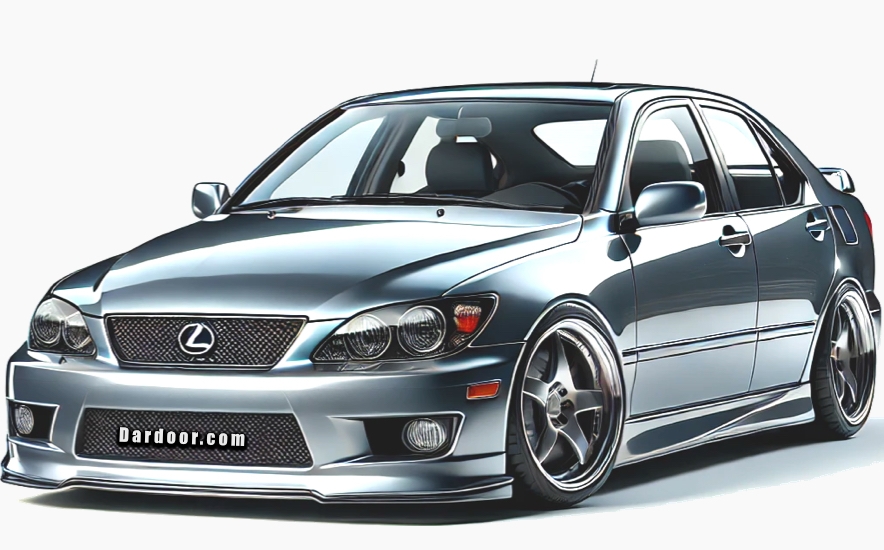
This is the original OEM workshop manual for the 2002-2005 Lexus IS300, including comprehensive wiring diagrams, available in a simple PDF format.
2002-2005 Lexus IS300 Repair Manual
$16.90
This is the original OEM workshop manual for the 2002-2005 Lexus IS300, including comprehensive wiring diagrams, available in a simple PDF format. The manual contains all the necessary instructions for diagnosing, maintaining, and repairing your Lexus IS300. It is the same trusted resource used by Lexus dealership technicians for accurate and reliable servicing.
| File Format | |
| File Language | English |
| File Size | 30.9 MB |
| Page Count | 1,666 |
| Wiring Diagrams | Included |
| Delivery Method | Instant Download |
Features
- Vehicles Covered:
- Lexus IS300 (2002–2005).
- Format: Searchable PDF for easy navigation.
- Comprehensive Content: Includes detailed wiring diagrams and step-by-step repair instructions.
- Manufacturer-Authorized Procedures: Provides accurate and trusted guidance.
Why Use This Manual?
- Comprehensive Coverage: All systems and components are included.
- OEM-Approved Resource: Ensures accurate and reliable repair information.
- User-Friendly Format: Designed for both professional technicians and DIY enthusiasts.
Who Should Use This Manual?
- Lexus IS300 Owners: For understanding and maintaining your vehicle.
- Professional Mechanics: As a detailed reference for servicing and repairs.
- DIY Enthusiasts: Step-by-step instructions for self-repair and maintenance.
Download Now
Access the 2002-2005 Lexus IS300 OEM Workshop Manual in PDF format. With this guide, you’ll have everything you need to diagnose, repair, and maintain your Lexus with confidence. 📘
This manual includes the procedures for maintenance, disassembling, reassembling, inspection, and adjustment of components and diagnostics for the guidance of experienced mechanics. Please use this manual to ensure complete repair work to keep your vehicle in optimum condition. When replacement parts during repair work are needed, be sure to use Lexus OEM genuine parts.
Table of Contents : 2002-2005 Lexus IS300 Repair Manual
- Introduction
- Air Conditioning
- Automatic Transmission
- Body Electrical
- Body Mechanical
- Brake
- Charging
- Clutch
- Cooling
- Emission Control
- Engine Mechanical
- Ignition
- Lubrication
- Maintenance
- Manual Transmission
- Propeller Shaft
- Service Specifications
- SFI
- Starter
- Steering
- Supplemental Restraint System
- Suspension & Axle
SAMPLE PAGES
CAUTION: Please note that this manual is made for the use of persons who have special techniques and certifications. If non-specialized or uncertified technicians perform repairs or services only using this manual or without proper equipment or tools, this may cause severe injury to you or other persons nearby and also cause damage to your vehicle. In order to prevent dangerous operations and damage to your vehicle, please be sure to follow the instructions thoroughly.
Common Issues Reported By Owners
Here’s a comprehensive overview of the 2002–2005 Lexus IS300 (XE10) — Lexus’ first attempt at a compact sport sedan for the North American market, blending Toyota reliability with sporty European-inspired dynamics.
📝 Overview: 2002–2005 Lexus IS300 (1st Gen, XE10)
| Specification | Details |
| Engine | 3.0L Inline-6 (2JZ-GE, NA) |
| Transmission Options | 5-speed automatic, 5-speed manual (from 2002) |
| Drivetrain | Rear-Wheel Drive (RWD) |
| Body Styles | Sedan (2002–2005), SportCross wagon (2002–2005) |
| Horsepower | 215 hp @ 5,800 rpm |
| Torque | 218 lb-ft @ 3,800 rpm |
| 0–60 mph | ~6.8 seconds (manual) |
| Fuel Economy | 18–25 mpg (city/highway) |
✅ Pros
-
- Legendary 2JZ-GE engine (same base block as Supra, naturally aspirated)
- Solid rear-wheel-drive platform and balanced handling
- High build quality and reliability
- Sporty aesthetics with unique chronograph-style gauges
- Available SportCross wagon for added practicality
- Manual transmission option (2002 onward)
❌ Cons
-
- Cramped rear seat and trunk (especially compared to German rivals)
- Interior materials not as upscale as Audi/BMW
- Lack of power compared to turbocharged competitors
- Limited aftermarket tuning options vs. Supra (N/A engine)
- Fuel economy isn’t great for a naturally aspirated I6
⚠️ Common Issues
| Issue | Details |
| Lower control arm bushing wear | Causes clunking, vague handling; common by 100k miles |
| Dashboard & interior panel cracking | Particularly in hot climates |
| Instrument cluster pixels fade | Speedo or odometer display can go dim or flicker |
| O2 sensors & MAF failures | Check engine light and rough idle, common over 100k miles |
| Water pump leaks | Replace with timing belt at ~90–100k miles |
| Throttle body issues | Dirty throttle body can cause hesitation or surging |
| Transmission hesitation (auto) | Occasionally reported delayed shifts in the 5-speed automatic |
🛠️ Maintenance Schedule
| Service Item | Interval |
| Engine Oil & Filter | Every 5,000 miles / 8,000 km |
| Timing Belt & Water Pump | Every 90,000–100,000 miles |
| Spark Plugs | Every 60,000 miles |
| Transmission Fluid (Auto) | Every 60,000 miles |
| Brake Fluid | Every 2 years |
| Coolant | Every 3–5 years |
| Differential Fluid | Every 30,000–50,000 miles |
🆚 Key Competitors (2002–2005)
| Model | Strengths | Weaknesses |
| BMW 3 Series (E46) | Excellent handling, premium interior | More maintenance-intensive |
| Audi A4 (B6) | Quattro AWD, interior quality | Reliability concerns |
| Acura TSX/TL | Reliable, well-equipped | FWD, less sporty than IS300 |
| Infiniti G35 | Powerful V6, RWD | Less refined interior |
| Mercedes C-Class (W203) | Luxury features | Expensive parts and maintenance |
| Volvo S60 (P2) | Safety, comfort | FWD/AWD platform lacks sporty dynamics |
🔧 Performance & Tuning Potential
- NA 2JZ-GE engine is robust but limited in bolt-on power
- Turbo kits exist, but not plug-and-play like Supra
- Suspension mods (coilovers, sway bars) highly recommended
- Popular upgrades:
- Intake + exhaust
- ECU tuning (limited gains)
- LSD (if not equipped)
- Big brake kits
Common Issues Reported By Owners
The 2006 Lexus IS300, part of the first generation of the IS lineup, is known for its reliability and sporty performance. However, there are some common issues reported by owners:
1. Premature Wear of Suspension Components
- Issue: Some owners report premature wear of suspension components, such as control arm bushings and ball joints, leading to clunking noises and poor handling.
- Solution: Regularly inspect the suspension system and replace worn components promptly.
2. Dashboard and Interior Melting
- Issue: The soft-touch materials on the dashboard and door panels can melt or become sticky, especially in hot climates.
- Solution: Use sunshades and park in shaded areas to reduce UV exposure. Lexus has offered repairs for some vehicles under extended warranties, so check with a dealership.
3. Faulty Oxygen Sensors
- Issue: Oxygen sensor failures are common, triggering the check engine light and affecting fuel economy.
- Solution: Replace the faulty oxygen sensor as soon as the issue is identified.
4. Oil Consumption
- Issue: Some owners report higher-than-normal oil consumption, particularly in high-mileage vehicles.
- Solution: Monitor oil levels frequently and top off as needed. Consider a thorough engine inspection if consumption becomes excessive.
5. Cooling System Problems
- Issue: Radiator failures or leaks are common, potentially leading to overheating.
- Solution: Inspect the cooling system regularly, replace the radiator if leaks are detected, and ensure coolant levels are adequate.
6. Brake Wear
- Issue: Premature brake pad and rotor wear has been reported, especially with aggressive driving.
- Solution: Use high-quality replacement brake components and avoid excessive hard braking.
7. Transmission Shifting Issues
- Issue: Some automatic transmission-equipped models experience hard or delayed shifting.
- Solution: Perform regular transmission fluid changes and ensure the correct fluid is used.
8. Electrical Problems
- Issue: Owners have reported occasional electrical problems, such as malfunctioning door locks or window regulators.
- Solution: Replace the faulty components and check the wiring connections.
9. Rust on Undercarriage
- Issue: In regions with salted roads, rust can develop on the undercarriage and exhaust system.
- Solution: Apply rustproofing treatments and regularly wash the undercarriage during winter.
10. Timing Belt Replacement
- Issue: The 2JZ-GE engine uses a timing belt, which requires periodic replacement (typically every 90,000 miles). A failure can result in significant engine damage.
- Solution: Replace the timing belt on schedule and inspect the water pump and tensioners during the process.
Related products
-

2011-2020 lexus GS 450h and GS 300h Wiring Diagram
$24.90 Add to cart -

2004-2009 Lexus RX 300 Repair Manual
$16.90 Add to cart -

2008-2014 Lexus LS600h Wiring Diagram
$24.90 Add to cart -

2010-2012 Lexus CT200h Repair Manual
$19.90 Add to cart -

2014-2019 Lexus RC300h Wiring Diagram
$24.90 Add to cart -

2004-2009 Lexus RX 330 Repair Manual
$17.90 Add to cart -

2010-2013 Lexus GX 460 Repair Manual
$24.90 Add to cart -

2007-2009 Lexus IS300 IS250 Repair Manual
$16.90 Add to cart