

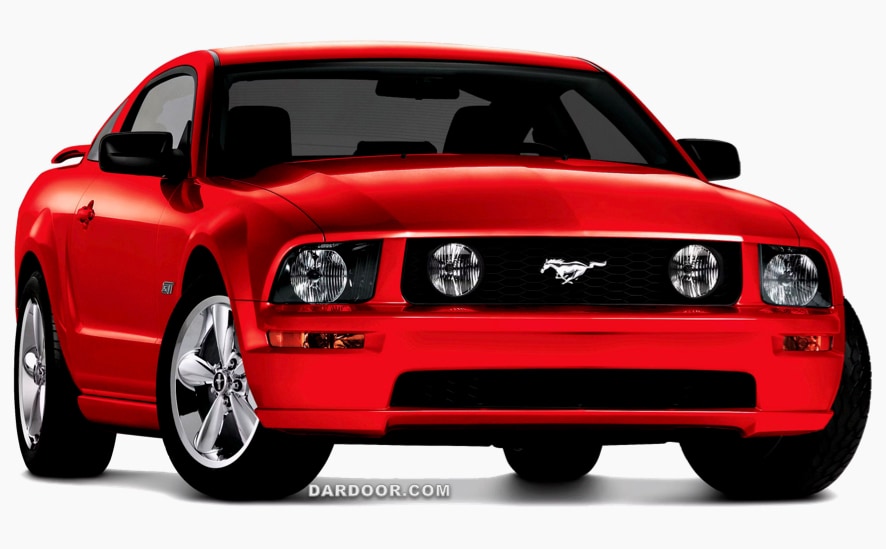
Get the original and complete OEM workshop document for the 2007 Ford Mustang and Mustang GT S197, including the wiring diagram in a convenient PDF format.
2007 Ford Mustang Repair Manual
$24.90
Ford Mustang (2007) Repair Manual – OEM Workshop Document
Get the original and complete OEM workshop document for the 2007 Ford Mustang and Mustang GT S197, including the wiring diagram in a convenient PDF format.
| File Format | |
| File Language | English |
| You’ll Get | 305 MB |
| Wiring Diagram | Included |
| Delivery Method | Instant Download |
Manual Highlights:
- Comprehensive Information: Covers all service, repair, and maintenance procedures.
- Detailed Wiring Diagrams: Includes complete electrical schematics for accurate troubleshooting and repairs.
- Official OEM Resource: The exact same manual used by Ford dealer technicians to diagnose and repair your Mustang.
- Specific Coverage: Tailored to the 2007 Mustang and Mustang GT S197 models for precise guidance.
Why Choose This Manual?
- Get access to professional-grade instructions and detailed explanations.
- Save money by handling maintenance and repairs with confidence.
- Ensure your vehicle receives the same level of care as it would at a Ford dealership.
Whether you’re a DIY enthusiast or a professional mechanic, this manual provides all the tools you need to keep your 2007 Ford Mustang in top condition. Download your copy today and take control of your Mustang’s care!
This manual includes the procedures for maintenance, disassembling, reassembling, inspection, and adjustment of components and diagnostics for the guidance of experienced mechanics. Please use this manual to ensure complete repair work to keep your vehicle in optimum condition. When replacement parts during repair work are needed, be sure to use Ford genuine OEM parts.
SAMPLE PAGES: 2007 Ford Mustang Repair Manual
CAUTION: Please note that this manual is made for the use of persons who have special techniques and certifications. If non-specialized or uncertified technicians perform repairs or services only using this manual or without proper equipment or tools, this may cause severe injury to you or other persons nearby and also cause damage to your vehicle. In order to prevent dangerous operations and damage to your vehicle, please be sure to follow the instructions thoroughly.
2007 Ford Mustang – Complete Buyer’s Guide
Overview
The 2007 Ford Mustang represents the third year of the fifth-generation (S197) pony car, featuring retro-inspired styling that paid homage to the classic 1960s Mustangs. This was a significant redesign year with updates to the interior, suspension, and engine offerings.
Available Body Styles:
- 2-door coupe
- 2-door convertible
Trim Levels:
- V6 Deluxe
- V6 Premium
- GT Deluxe
- GT Premium
- Shelby GT500
Technical Specifications
V6 Models
- Engine: 4.0L V6
- Horsepower: 210 hp @ 5,300 rpm
- Torque: 240 lb-ft @ 3,500 rpm
- Transmission: 5-speed manual or 5-speed automatic
- 0-60 mph: ~7.5 seconds
- Fuel Economy: 19 city / 28 highway (manual)
GT Models
- Engine: 4.6L V8 (3-valve SOHC)
- Horsepower: 300 hp @ 5,750 rpm
- Torque: 320 lb-ft @ 4,500 rpm
- Transmission: 5-speed manual (Tremec TR-3650) or 5-speed automatic
- 0-60 mph: ~5.1 seconds
- Fuel Economy: 17 city / 25 highway (manual)
Shelby GT500
- Engine: 5.4L supercharged V8
- Horsepower: 500 hp @ 6,000 rpm
- Torque: 480 lb-ft @ 4,500 rpm
- Transmission: 6-speed manual (Tremec TR-6060)
- 0-60 mph: ~4.5 seconds
- Fuel Economy: 14 city / 22 highway
General Specifications
- Platform: Ford D2C (S197)
- Wheelbase: 107.1 inches
- Length: 187.6 inches
- Width: 73.9 inches
- Height: 55.6 inches (coupe) / 56.0 inches (convertible)
- Curb Weight: 3,450–3,920 lbs (depending on model)
- Fuel Tank: 16 gallons
- Front Suspension: MacPherson strut with stabilizer bar
- Rear Suspension: 3-link solid axle with Panhard rod
- Brakes: 4-wheel disc (vented front)
- Steering: Rack-and-pinion, power-assisted
Top 10 Mechanical & Electrical Issues
1. Clutch Master Cylinder Failure (Manual Transmission)
Symptoms: Soft or spongy clutch pedal, clutch pedal stays to floor, difficulty shifting gears, fluid leaks near pedal assembly
Root Cause: Internal seals in the clutch master cylinder deteriorate over time, causing fluid leaks and loss of hydraulic pressure
Fix: Replace clutch master cylinder and slave cylinder assembly, bleed hydraulic system
Cost: $300–$600 (parts + labor)
2. Window Regulator Failure
Symptoms: Power windows operate slowly, windows fall into door, grinding/clicking noises, windows won’t go up or down
Root Cause: Plastic components in the window regulator mechanism break or wear out, particularly the cable guides and rollers
Fix: Replace window regulator assembly (sometimes includes motor)
Cost: $250–$450 per window (parts + labor)
3. Rear Differential Pinion Seal Leak
Symptoms: Oil spots under rear of car, whining noise from rear end, low differential fluid level, visible oil on driveshaft
Root Cause: Pinion seal deteriorates due to age and heat cycles, especially common in cars with harder driving or track use
Fix: Replace pinion seal, check pinion bearing preload, refill differential fluid
Cost: $300–$600 (parts + labor)
4. Fuel Pump Driver Module (FPDM) Failure
Symptoms: Engine stalling, hard starting (especially when hot), hesitation during acceleration, intermittent no-start condition, check engine light
Root Cause: The FPDM (located on driver’s side frame rail) overheats due to poor location and inadequate heat dissipation, causing circuit board failure
Fix: Replace fuel pump driver module, sometimes relocate to better-ventilated area
Cost: $200–$400 (parts + labor)
5. Lower Control Arm Bushing Deterioration
Symptoms: Clunking noise over bumps, wandering steering, uneven tire wear, vibration at highway speeds, poor handling
Root Cause: OEM rubber bushings deteriorate prematurely, especially in cars driven aggressively or in harsh climates
Fix: Replace lower control arms or install upgraded polyurethane bushings, alignment required
Cost: $400–$800 (parts + labor for both sides)
6. Alternator Failure
Symptoms: Battery warning light illuminated, dimming headlights, electrical accessories malfunctioning, whining noise from alternator, dead battery
Root Cause: Voltage regulator failure, worn brushes, or bearing failure in the alternator (common around 80,000–120,000 miles)
Fix: Replace alternator, test battery and charging system
Cost: $300–$550 (parts + labor)
7. Valve Cover Gasket Oil Leaks (V8)
Symptoms: Oil smell from engine bay, visible oil on valve covers, oil consumption, smoke from engine bay, oil drips on exhaust
Root Cause: Valve cover gaskets harden and shrink over time due to heat cycles, causing compression set and oil seepage
Fix: Replace valve cover gaskets, clean mating surfaces, torque to proper specification
Cost: $350–$600 (parts + labor for both sides)
8. Throttle Body Issues
Symptoms: Rough idle, stalling at stops, hesitation during acceleration, surging at idle, check engine light (P0505, P2101, P2111)
Root Cause: Carbon buildup on throttle plate and bore, electronic throttle body actuator motor failure, or throttle position sensor malfunction
Fix: Clean throttle body with appropriate cleaner and recalibrate, or replace throttle body if cleaning doesn’t resolve issue
Cost: $100–$200 (cleaning) or $400–$700 (replacement)
9. Ignition Coil Failure (V8 particularly)
Symptoms: Engine misfires, rough running, loss of power, check engine light with misfire codes (P0300-P0308), poor fuel economy
Root Cause: Coil-on-plug design exposes coils to heat and vibration; internal coil windings break down over time, especially on V8 models
Fix: Replace failed coil(s) and spark plug(s), scan for codes to identify cylinder
Cost: $100–$150 per coil (parts + labor), often multiple coils fail together
10. Steering Rack Noise/Clunk
Symptoms: Clunking noise when turning steering wheel (especially at low speeds), loose feeling in steering, wandering, noise over bumps
Root Cause: Steering rack internal bushings wear out, causing excessive play; also intermediate steering shaft U-joint can develop slack
Fix: Replace steering rack or intermediate shaft (depending on diagnosis), alignment required
Cost: $300–$500 (intermediate shaft) or $800–$1,400 (steering rack replacement)
Top 5 Competitors (2007)
1. Chevrolet Camaro
Note: The Camaro was not in production for 2007 (production ended 2002, resumed 2010), but it’s the Mustang’s traditional rival
2. Dodge Challenger
Note: The modern Challenger didn’t launch until 2008 as a 2009 model
3. Chevrolet Corvette
- Price Range: $45,000–$65,000+ (significantly higher)
- Advantage: Superior performance, better handling, more exotic
- Disadvantage: Much more expensive, less practical, higher insurance
4. Nissan 350Z
- Price Range: $28,000–$36,000
- Advantage: Better handling, more exotic appeal, modern interior
- Disadvantage: Less rear-seat practicality (2-seater), smaller aftermarket, higher maintenance costs
5. Pontiac GTO
- Price Range: $32,000–$34,000
- Advantage: 400 hp LS2 V8, better interior quality, more refined
- Disadvantage: Bland styling, heavier, less aftermarket support, discontinued after 2006
6. Mazda RX-8
- Price Range: $26,000–$31,000
- Advantage: Unique rotary engine, excellent handling, 4 doors
- Disadvantage: Poor fuel economy, reliability concerns, low torque, high oil consumption
Top 10 Recalls, Advisories & TSB Highlights
Recalls
1. NHTSA Campaign 10V388000 (September 2010)
- Issue: Intermittent loss of power steering assist
- Affected: 2007–2010 Mustangs
- Solution: Dealer reprograms power steering control module software
2. NHTSA Campaign 14V053000 (February 2014)
- Issue: Steering shaft may corrode and separate
- Affected: 2005–2014 Mustangs in salt-belt states
- Solution: Dealer inspects and replaces intermediate steering shaft if necessary
3. NHTSA Campaign 09V342000 (September 2009)
- Issue: Spare tire cable corrosion may allow spare to fall from vehicle
- Affected: 2005–2007 Mustangs
- Solution: Dealer inspects cable and applies corrosion protection or replaces cable
4. NHTSA Campaign 06V286000 (August 2006)
- Issue: Cruise control deactivation switch may overheat and cause fire
- Affected: 2005–2007 Mustang GTs with cruise control
- Solution: Dealer installs fused wiring harness to cruise control deactivation switch
5. NHTSA Campaign 11V579000 (November 2011)
- Issue: Fuel tank may crack along seam
- Affected: 2005–2007 Mustangs built at Flat Rock Assembly Plant
- Solution: Dealer inspects and replaces fuel tank if necessary
Technical Service Bulletins (TSBs)
6. TSB 07-20-8 (October 2007)
- Issue: Manual transmission hard to shift into first or reverse when cold
- Solution: Replace transmission fluid with revised specification Motorcraft XT-M5-QS
7. TSB 08-1-10 (January 2008)
- Issue: Rattle or buzz from instrument panel area
- Solution: Install revised instrument panel insulator pad
8. TSB 07-25-12 (December 2007)
- Issue: Squeaking noise from clutch pedal
- Solution: Apply lubricant to clutch pedal pivot points
9. TSB 08-23-8 (November 2008)
- Issue: Steering wheel vibration at highway speeds
- Solution: Road force balance wheels, check for bent wheels or tire issues
10. TSB 09-6-6 (March 2009)
- Issue: Wind noise from door area at highway speeds
- Solution: Adjust door alignment, replace door weatherstripping if necessary
Maintenance Schedule
Every 5,000 Miles or 6 Months
- Engine oil and filter change (synthetic recommended for GT/GT500)
- Tire rotation
- Inspect brake pads and rotors
- Check fluid levels (coolant, brake, power steering)
- Inspect belts and hoses
Every 10,000 Miles or 12 Months
- Cabin air filter replacement
- Inspect suspension components
- Check battery and charging system
- Inspect exhaust system
- Lubricate chassis/driveline components
Every 15,000 Miles or 18 Months
- Engine air filter replacement (sooner in dusty conditions)
- Inspect cooling system
- Check differential fluid level
Every 30,000 Miles or 36 Months
- Replace engine air filter
- Replace cabin air filter
- Transmission fluid change (especially for hard driving)
- Rear differential fluid change (GT/GT500, especially with hard driving)
- Replace spark plugs (V6)
- Brake fluid flush
- Inspect fuel filter
Every 60,000 Miles or 5 Years
- Replace spark plugs (V8)
- Replace coolant
- Replace automatic transmission fluid (if not done earlier)
- Inspect throttle body (clean if necessary)
- Replace PCV valve
Every 100,000 Miles
- Replace timing chain guides (if noise present – not a regular service item)
- Inspect all engine mounts
- Comprehensive suspension inspection
- Replace fuel filter (if accessible)
As Needed
- Brake pad replacement (typically 30,000–50,000 miles)
- Brake rotor resurfacing or replacement
- Battery replacement (3–5 years)
- Wiper blade replacement
- Tire replacement (25,000–50,000 miles depending on tire type)
- Clutch replacement (manual transmission, 60,000–100,000+ miles)
10 FAQs for Buyers
1. Should I buy a V6 or V8 GT?
The V6 offers better fuel economy (28 mpg highway vs 25 mpg) and lower insurance costs, making it suitable for daily driving. The GT provides significantly more power (300 hp vs 210 hp), better performance, and stronger resale value. If budget allows and you want the authentic muscle car experience, the GT is worth the extra cost. However, the V6 is adequate for most drivers and more economical.
2. What’s the difference between the 2007 and earlier/later model years?
The 2007 model received significant updates including a redesigned interior with improved materials, revised suspension tuning, updated exterior styling (new hood, grille, side scoops), and the GT gained an extra 10 hp (300 hp vs 290 hp in 2005-06). The 2007 is generally preferred over 2005-06 due to these refinements. The 2010+ models received another refresh with better engines and interior, but 2007 represents good value in the S197 generation.
3. Are 2007 Mustangs reliable?
Overall, the 2007 Mustang is reasonably reliable for a performance car, especially the V6 models. The GT’s 4.6L V8 is proven and durable. Common issues include window regulators, clutch components (manual), and fuel pump driver modules, but most problems are well-documented with known fixes. Proper maintenance is critical. Reliability heavily depends on previous owner care and driving style.
4. What should I look for when inspecting a used 2007 Mustang?
Check for: oil leaks (valve covers on V8), rear differential leaks, test all power windows thoroughly, inspect clutch operation (manual transmission), check for steering clunk/looseness, verify smooth idle and no misfires, examine undercarriage for rust (especially steering components), check for accident history (common with performance cars), test drive for transmission issues, verify maintenance records exist, and check for aftermarket modifications that might indicate hard driving.
5. How much does it cost to insure a 2007 Mustang?
Insurance costs vary significantly based on driver age, location, coverage, and driving record. Generally, V6 models cost $1,200–$1,800/year for full coverage, while GT models run $1,500–$2,500/year. Young drivers (under 25) can expect significantly higher rates, sometimes $3,000–$5,000+ annually. The GT500 is even more expensive. Get quotes from multiple insurers, as Mustangs are considered performance cars and theft targets.
6. What’s the real-world fuel economy?
V6 models typically achieve 17–20 mpg city and 25–28 mpg highway with normal driving. GT models get 14–17 mpg city and 22–25 mpg highway. Aggressive driving, modifications, or frequent short trips can lower these numbers by 2–4 mpg. Premium fuel is recommended for GT/GT500 models for best performance, though regular 87 octane is acceptable for V6 models.
7. Is the manual or automatic transmission better?
The 5-speed manual (Tremec TR-3650 in GT) is more engaging and preferred by enthusiasts, offering better performance and more control. However, the clutch and hydraulics require maintenance/eventual replacement. The 5-speed automatic is smooth and reliable, better for daily commuting and traffic, but feels less sporty and is slower. For collectibility and resale, manual GTs are generally more desirable. For the V6, either transmission works fine for daily use.
8. What’s the aftermarket support like?
Excellent. The Mustang has one of the largest aftermarket support communities of any car. Endless options exist for performance upgrades (cold air intakes, exhaust systems, superchargers, suspension, brakes), appearance modifications (wheels, body kits, spoilers, lights), and interior upgrades. Parts are affordable and widely available. Online forums and clubs provide extensive knowledge and support.
9. How practical is a Mustang as a daily driver?
Moderately practical. The coupe has usable rear seats for children or occasional adults, and a decent-sized trunk (13.4 cubic feet). The ride is firm but manageable for daily use. Winter driving requires caution (especially GT with rear-wheel drive) and appropriate tires. Fuel costs are higher than economy cars. Visibility is decent. Convertibles lose some trunk space. Overall, it’s usable as a daily driver if you don’t need serious cargo/passenger capacity.
10. What’s a fair price for a 2007 Mustang?
Prices vary by condition, mileage, location, and configuration. As of 2024-2026:
- V6 Coupe: $8,000–$14,000 (depending on mileage/condition)
- V6 Convertible: $10,000–$16,000
- GT Coupe: $12,000–$20,000
- GT Convertible: $15,000–$24,000
- Shelby GT500: $35,000–$55,000+
Lower mileage (<70,000 miles), clean history, and good maintenance records command premium prices. Avoid examples with extensive modifications or unclear history unless priced accordingly.
Final Buyer Recommendations
✅ Buy If:
- You want an affordable, iconic American muscle car with strong enthusiast community
- You prefer the classic pony car formula with retro styling
- You value large aftermarket support and modification potential
- You’re comfortable with rear-wheel drive dynamics and firm ride
- You can verify maintenance history and the car hasn’t been abused
- You’re looking at a GT model with manual transmission for best value retention
- You understand this is a 18+ year old performance car requiring more maintenance than a basic sedan
- You’ve budgeted for higher insurance and fuel costs
- You want a fun weekend car or second vehicle
⚠️ Buy With Caution If:
- This will be your only car and you need maximum practicality
- You live in harsh winter climates without garage storage
- You’re a young/inexperienced driver (insurance costs and power management)
- The car has extensive modifications without documentation
- Maintenance records are incomplete or missing
- The car shows signs of hard track use or racing
- You’re considering a high-mileage example (>120,000 miles) without thorough mechanical inspection
- You have a very tight budget with no cushion for repairs
❌ Avoid If:
- You need excellent fuel economy (look at modern turbocharged alternatives)
- You require maximum reliability for critical transportation needs
- You can’t afford ongoing maintenance and occasional repairs ($1,000–$2,000/year average)
- You need substantial cargo space or regularly transport more than 2 adults
- You’re uncomfortable with performance car dynamics and handling
- The specific car has accident history, rust, or questionable modifications
- You’re looking at a V6 automatic convertible (poor value retention)
Best Configuration to Buy:
The 2007 Mustang GT Premium Coupe with manual transmission represents the sweet spot for most buyers, offering the desirable V8 experience, better resale value than V6 models, premium features, and engaging driving dynamics. Prices are still reasonable, parts are plentiful, and the enthusiast community is strong.
Pre-Purchase Inspection Checklist:
- Complete mechanical inspection by qualified technician (preferably Mustang specialist)
- Compression test (especially V8 models)
- Undercarriage inspection for rust and leaks
- CARFAX/AutoCheck for accident and title history
- Test drive including highway speeds, acceleration, braking, and turning
- All features functional test (windows, locks, HVAC, audio, cruise)
- Verify VIN matches all documentation
- Check for open recalls and verify completion
- Review maintenance records thoroughly
- Consider having paint thickness measured (indicates bodywork)
The 2007 Mustang remains an excellent choice for enthusiasts seeking an affordable, fun, and iconic American performance car with strong community support and modification potential. With proper inspection, maintenance, and realistic expectations, it can provide years of enjoyable ownership.
Related products
-
2008 Ford Edge SE and Lincoln MKX Repair Manual
$16.90 Add to cart -
2018-2020 Ford F-150 Repair Manual
$42.00 Add to cart -
2007-2012 Ford Focus Repair Manual
$19.90 Add to cart -
2019 Ford Ranger Repair Manual
$35.90 Add to cart -

2016-2019 Ford Explorer Repair Manual
$24.90 Add to cart -

2013-2015 Ford Mustang Repair Manual
$19.90 Add to cart -
1997-2003 Ford F-150 Repair Manual
$16.90 Add to cart -

2015-2017 Ford Expedition Repair Manual
$26.90 Add to cart