

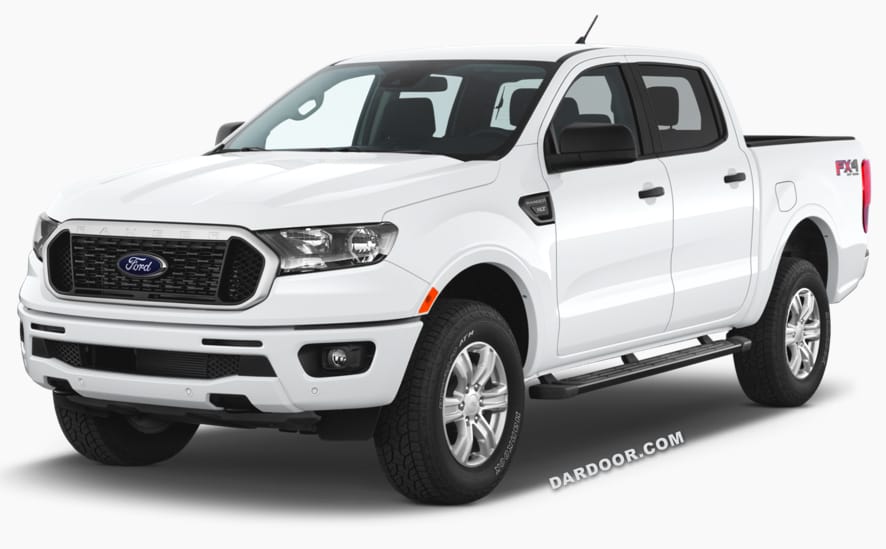
Get access to the complete and original OEM workshop manual for the 2019 Ford Ranger (2.3L) with this comprehensive PDF.
2019 Ford Ranger Repair Manual
$35.90
Get access to the complete and original OEM workshop manual for the 2019 Ford Ranger (2.3L) with this comprehensive PDF. This essential resource includes every detail required for service, repair, and maintenance, just like the information used by your official Ford dealer.
| File Type | |
| File Language | English |
| You’ll Get | 69 MB |
| Page Count | 3,605 |
| Delivery Method | Instant Download |
Features:
- Complete Coverage: Detailed information on every service, repair, and maintenance task for the 2019 Ford Ranger with a 2.3L engine.
- Expert Guidance: Trusted by Ford technicians, this manual provides precise instructions for accurate service and repair.
- Step-by-Step Instructions: Simple, illustrated directions covering everything from routine maintenance to complex repairs.
Ensure your 2019 Ford Ranger receives the expert care it deserves with this indispensable manual. Get your PDF copy today and keep your vehicle in top condition!
This manual includes the procedures for maintenance, disassembling, reassembling, inspection, and adjustment of components and diagnostics for the guidance of experienced mechanics. Please peruse and utilize this manual fully to ensure complete repair work to keep your vehicle in optimum condition. When replacement of parts during repair work is needed, be sure to use Ford OEM genuine parts.
Contents: 2019 Ford Ranger Repair Manual
General Info
-
- Diagnostic Trouble Code Charts
- Identification Codes
- Jacking and Lifting
- Noise, Vibration and Harshness (NVH)
Chassis
-
- Suspension System
- Front Suspension – RWD
- Front Suspension – 4WD
- Rear Suspension
- Wheels and Tires
- Tire Pressure Monitoring System (TPMS)
- Driveshaft
- Rear Drive Axle/Differential
- Front Drive Axle/Differential
- Front Drive Halfshafts
- Brake System
- Front Disc Brake
- Rear Disc Brake
- Parking Brake and Actuation
- Hydraulic Brake Actuation
- Power Brake Actuation
- Anti-Lock Brake System (ABS) and Stability Control
- Steering System
- Power Steering
- Steering Column
- Steering Wheel and Column Electrical Components
Powertrain – 2.3L EcoBoost (201kW/273PS)
-
- Engine System
- Engine
- Engine Cooling
- Fuel Charging and Controls
- Fuel Charging and Controls – Turbocharger
- Accessory Drive
- Starting System
- Engine Ignition
- Engine Emission Control
- Intake Air Distribution and Filtering
- Evaporative Emissions
- Electronic Engine Controls
- Automatic Transmission – 10-Speed Automatic Transmission – 10R80
Electrical
-
- Horn
- Warning Chimes
- Parking Aid
- Parking Aid – Vehicles With Parking Aid Camera
- Charging System
- Battery, Mounting and Cables
- Generator and Regulator
- Voltage Converter/Inverter
- Information and Entertainment System – Vehicles With AM/FM
- Information and Entertainment System – Vehicles With SYNC 3
- Exterior Lighting
- Interior Lighting
- Daytime Running Lamps (DRL)
- Electrical Distribution
- Module Configuration
- Perimeter Anti-Theft Alarm
- Passive Anti-Theft System (PATS)
- Passive Anti-Theft System (PATS) – Vehicles With Keyless Vehicle System
Interior/Exterior Body Panels
-
- Body System
- Front End Body Panels
- Body Closures
- Pickup Bed and Platform Body
- Interior Trim and Ornamentation
- Exterior Trim and Ornamentation
- Instrument Panel and Console
- Handles, Locks, Latches and Entry Systems
- Wipers and Washers
- Bumpers
Owner’s Manual
-
- 2019 Ranger Owner’s Manual
Sample Pages
CAUTION: This manual is intended for use by individuals with specialized training and proper certification. Attempting repairs or maintenance using only this manual—without the necessary skills, tools, or equipment—may result in serious injury to yourself or others and may also cause significant damage to the vehicle. To ensure safety and prevent vehicle damage, always follow the instructions carefully and use appropriate tools and procedures.
2019 Ford Ranger: Complete Buyer’s Guide
VEHICLE OVERVIEW
The 2019 Ford Ranger marked the triumphant return of this legendary nameplate to the U.S. market after an 8-year hiatus (discontinued in 2011). Built on Ford’s global T6 platform, the modern Ranger competes directly with the Toyota Tacoma, Chevrolet Colorado, and Nissan Frontier. This midsize pickup delivered a compelling package: strong EcoBoost performance, modern technology, impressive towing capacity, and a competitive price point. It immediately became a serious contender in the midsize truck segment, appealing to buyers seeking a fuel-efficient alternative to full-size F-150s.
TECHNICAL SPECIFICATIONS
Engine & Powertrain
- Engine: 2.3L EcoBoost Intercooled Turbocharged Inline 4-Cylinder
- Horsepower: 270 hp @ 5,500 RPM
- Torque: 310 lb-ft
- Transmission: 10-Speed SelectShift Automatic (co-developed with GM)
- Fuel Delivery: Direct Injection
- Fuel Capacity: 18 gallons
- Recommended Fuel: 87-octane (Regular)
- Oil Capacity: 6.2 quarts (5W-30)
- Oil Change Interval: 10,000 miles (or as indicated by engine oil monitor)
Drivetrain & Suspension
- Standard: Rear-Wheel Drive (RWD) with open differential
- Optional: 4WD with available electronic locking rear differential
- Front Suspension: Independent with coil springs
- Rear Suspension: Watts linkage with coilover rear springs (provides lateral stability)
- Steering: Electric Power-Assisted Rack-and-Pinion
- Steering Ratio: 17.7:1
- Turning Circle: 41.99 feet (curb-to-curb)
Braking
- Type: Four-Wheel Power Disc Brakes
- Safety Features: 4-Sensor, 4-Channel ABS with Electronic Stability Control
Performance & Efficiency
- 0-60 mph: ~6.5-7.0 seconds (depending on trim/tires)
- Fuel Economy (EPA estimated):
- 2WD: 21 mpg city / 26 mpg highway (23 combined)
- 4WD: 20 mpg city / 24 mpg highway (22 combined)
- Towing Capacity: Up to 7,500 lbs (properly equipped)
- Payload Capacity: Up to 1,560 lbs
- Ground Clearance: Improved approach and departure angles for off-road capability
Dimensions
- Wheelbase: Available in two configurations
- Bed Lengths: 5-foot (SuperCrew) or 6-foot (SuperCab)
- Overall Length: Optimized for maneuverability while maintaining truck functionality
Wheels
- Bolt Pattern: 6×139.7 mm (6×5.5″)
- Factory Wheel Sizes: 16-18 inches
TRIM LEVELS & CONFIGURATIONS
- XL (Base model – most affordable)
- XLT (Mid-range, enhanced comfort & features)
- Lariat (Premium trim, top features)
- Touring (Added for 2019 model year)
Cab Styles:
- SuperCab: Extended cab with smaller rear doors, 6-foot bed standard
- SuperCrew: Full four-door crew cab, 5-foot bed standard
TOP 10 MECHANICAL & ELECTRICAL ISSUES
Issue #1: TRANSMISSION HARSH SHIFTING & JERKING
Symptoms: Rough, harsh shifting especially when cold; noticeable jerking during acceleration or deceleration; delayed engagement when shifting from Park to Drive/Reverse
Root Cause: Cold transmission fluid viscosity; potential software calibration issues with the 10-speed automatic; transmission adaptation learning errors
Fix: Transmission fluid and filter change; software reprogramming/reflash at dealership; in severe cases, transmission rebuild or replacement may be required
Cost: $150-$300 (fluid change) to $3,500-$5,000 (rebuild/replacement); covered under 3-year/36,000-mile basic warranty
Issue #2: 10-SPEED TRANSMISSION SLIPPING & GEAR ENGAGEMENT FAILURE
Symptoms: Transmission slips out of gear; fails to engage properly; intermittent loss of drive; unintended gear selector shifts while driving
Root Cause: Internal transmission valve body issues; worn transmission seals; software mapping errors in the transmission control module
Fix: Dealership software update; transmission fluid flush and refill; seal kit replacement; internal transmission repairs or replacement
Cost: $200-$400 (software/fluid) to $4,000-$6,000 (internal repairs/replacement); covered under warranty for earlier model years
Issue #3: TURBOCHARGER FAILURES & EXCESSIVE NOISE
Symptoms: Loud rattling, whining, or whistling from engine bay; unusual squealing sounds during acceleration; reduced engine power at higher RPMs; turbo lag (delayed power delivery)
Root Cause: Defective turbocharger bearing; carbon buildup in turbo lines; low-quality or infrequent oil changes damaging turbo bearings; wastegate actuator malfunction
Fix: Turbocharger replacement; EGR and intake valve cleaning; oil system flush; wastegate actuator repair/replacement; boost pressure sensor replacement
Cost: $1,200-$1,800 (turbo replacement with labor); $300-$500 (cleaning/service); covered under warranty depending on mileage
Issue #4: ENGINE OIL LEAKS
Symptoms: Visible oil dripping under vehicle; low oil level warnings; oil smell under the hood; oily residue on engine components
Root Cause: Faulty oil filter adapter gasket; leaking valve cover gasket; cracked oil pan seals; defective turbo oil feed/return line connections
Fix: Replace gaskets and seals; tighten or replace oil pan; replace turbocharger oil line fittings; complete gasket set replacement in severe cases
Cost: $150-$400 (gasket replacement) to $800-$1,200 (extensive sealing work); covered under powertrain warranty (5-year/60,000-mile)
Issue #5: MALFUNCTION INDICATOR LAMP (MIL/CHECK ENGINE LIGHT) WITH VARIABLE CAM TIMING CODES
Symptoms: Check Engine Light illuminated; diagnostic trouble codes P0011, P0014, or related VCT (Variable Cam Timing) codes; possible rough idle and reduced power
Root Cause: Failed VCT solenoid; carbon buildup on cam phaser; defective crankshaft/camshaft position sensors; worn timing chain
Fix: Clean intake valves and EGR system; replace VCT solenoid; replace position sensors; complete timing system overhaul in severe cases
Cost: $300-$600 (solenoid/sensor replacement) to $1,500-$2,500 (valve cleaning and system overhaul)
Issue #6: ELECTRICAL SYSTEM BATTERY DRAIN & ALTERNATOR FAILURE
Symptoms: Battery drains quickly even when parked; difficulty starting engine; dimming dashboard lights; slow/no cranking; dead battery after sitting
Root Cause: Faulty alternator not charging properly; parasitic drain from defective modules; corroded battery terminals; defective voltage regulator
Fix: Test alternator output (should be 13.5-14.5V at idle); clean or replace battery terminals; replace alternator; diagnose parasitic drain with professional multimeter
Cost: $400-$800 (alternator replacement with labor); $50-$150 (battery terminal cleaning/replacement); covered under electrical warranty
Issue #7: COMPLETE ELECTRICAL SHUTDOWN/WIRING HARNESS ISSUES
Symptoms: Complete loss of electrical power while driving; sudden shutdown of engine and all electronics; vehicle won’t restart; all dash lights off
Root Cause: Detached wiring harness clip under cabin that disconnects from vibration; loose battery cable connections; failing PCM (Powertrain Control Module) causing electrical cascade failure
Fix: Inspect and resecure wiring harness clips throughout cabin; replace battery cables; reprogram or replace PCM if necessary; professional electrical system diagnosis
Cost: $200-$600 (harness repair/reconnection) to $1,500-$3,000 (PCM replacement and reprogramming)
Issue #8: HVAC BLOWER MOTOR FAILURE & FIRE RISK
Symptoms: Blower motor doesn’t work or works intermittently; burning smell from HVAC vents; melting or smoking from dashboard vents; ticking sound from HVAC unit
Root Cause: Improper electrical terminal clearance in blower motor assembly; short circuit between terminal and conductive base plate; manufacturing defect in early 2019 production
Fix: Dealership replacement of entire HVAC blower motor assembly; inspection of surrounding wiring for damage; electrical system check
Cost: $300-$600 (parts and labor); RECALL #19S34 – covered 100% by Ford (free for all affected vehicles)
Issue #9: BRAKE SYSTEM FAILURES & BRAKE PEDAL SINKING
Symptoms: Brake pedal sinks to the floor with little to no resistance; brake warning light illuminated; poor braking response; extended stopping distances
Root Cause: Defective brake master cylinder; air in brake lines; failed brake booster; brake fluid leak in system
Fix: Bleed brake system; replace brake master cylinder; replace brake booster; system fluid flush and brake inspection
Cost: $400-$800 (bleeding/fluid flush) to $1,200-$1,800 (master cylinder/booster replacement); covered under safety systems warranty
Safety Note: At least 6 crashes reported to NHTSA related to brake failure—seek immediate dealer attention if experienced
Issue #10: REAR SEAT LATCH FAILURE & UNLATCHING DURING BRAKING
Symptoms: Rear seats don’t lock into place securely; rear seats unlock or pop open during hard braking; rattling rear seat movement while driving
Root Cause: Defective rear seat latch mechanism; inadequate latch engagement design; worn pivot points allowing seats to slip free
Fix: Adjust or replace rear seat latch mechanisms; verify proper seat positioning; complete rear seat assembly replacement if necessary
Cost: $150-$400 (latch adjustment/replacement); covered under structural integrity warranty (varies by year)
TOP 5 COMPETITORS
1. Toyota Tacoma (2019+)
- Engine: 2.7L naturally-aspirated V6 (159 hp, 180 lb-ft) or newer turbocharged options
- Strengths: Legendary Toyota reliability, excellent resale value, proven off-road capability, strong braking performance
- Weaknesses: Lower horsepower than Ranger in base form, higher starting price, less modern interior technology
- Best For: Buyers prioritizing long-term reliability and off-road heritage over technology
- Verdict vs Ranger: Tacoma wins on reliability and resale; Ranger wins on performance and technology
2. Chevrolet Colorado (2019+)
- Engine: 2.5L Turbo I4 (308 hp) or 3.6L V6 options; optional diesel engine
- Strengths: More engine choices, modern cabin with better infotainment, diesel option for fuel savings, excellent driving dynamics
- Weaknesses: Less reliable than Ranger historically, higher maintenance costs, more complex turbocharged system
- Best For: Buyers wanting variety in powertrain options and premium interior appointments
- Verdict vs Ranger: Colorado offers more choice but Ranger is more straightforward and reliable
3. Nissan Frontier (2019+)
- Engine: 3.8L V6 (310 hp, 281 lb-ft) standard; older 2.5L 4-cyl on older models
- Strengths: More raw horsepower, most affordable entry price, V6 engine option, comfortable interior with Zero Gravity seats
- Weaknesses: Outdated platform and technology, poorest fuel economy, lowest towing capacity, aging design
- Best For: Budget-conscious buyers prioritizing engine power and comfort over modern features
- Verdict vs Ranger: Ranger outperforms in fuel economy, technology, and overall capability
4. Honda Ridgeline (2019+)
- Engine: 3.5L V6 (280 hp) with hybrid option available
- Strengths: Smooth V6 power, unibody design for car-like ride, AWD standard, excellent interior comfort
- Weaknesses: Not a true body-on-frame truck, lower towing (5,000 lbs), premium pricing, less truck-like driving feel
- Best For: Buyers who want truck bed utility with car-like comfort and refinement
- Verdict vs Ranger: Different category—Ridgeline is car-based, Ranger is true truck
5. Jeep Gladiator (2019+)
- Engine: 3.6L Pentastar V6 (285 hp, 260 lb-ft)
- Strengths: Unique removable doors/top like Wrangler, exceptional off-road capability, iconic design, true 4×4 only
- Weaknesses: Highest price, lower fuel economy, 4×4-only limits options, less towing capacity (6,500 lbs)
- Best For: Off-road enthusiasts wanting Jeep’s legendary capability in truck form
- Verdict vs Ranger: Gladiator better for hardcore off-road; Ranger better for versatile daily driving
TOP 10 RECALLS & TSBs
RECALLS (Safety-Related)
Recall 1: HVAC Blower Motor Fire Risk (19S34) – October 2019
- Affected: Select 2019 Rangers built Aug 1-Sept 19, 2019
- Issue: Improper electrical terminal clearance causes short circuit, risk of blower overheating/melting
- Solution: Free replacement of HVAC blower motor assembly at any Ford dealer
- Status: Completed campaign—contact dealer if not yet completed
Recall 2: Right-Front Seat Belt Assembly Issue (19S23) – July 2019
- Affected: Select SuperCab Rangers
- Issue: Misrouted seat belt may not adequately restrain occupants in crash
- Solution: Dealership inspection and rerouting of seat belt assembly
- Status: Completed
Recall 3: Brake Transmission Shift Interlock Override (19C02) – February 2019
- Affected: Certain 2019 Rangers
- Issue: Transmission shift interlock could be overridden, allowing unintended vehicle movement
- Solution: Software reprogramming at dealership
- Status: Completed
Recall 4: Shift Cable Bracket Fasteners (19S15) – May 2019
- Affected: Certain 2019 Rangers
- Issue: Shift cable fasteners may loosen, affecting transmission shift control
- Solution: Inspection and tightening/replacement of fasteners
- Status: Completed
Recall 5: Rear Lamps/Brake Light Wiring (19S43) – November 2019
- Affected: Select 2019 Rangers
- Issue: Rear lamp connector may cause loss of brake lights or turn signals
- Solution: Dealership rewiring of lamp connector
- Status: Completed
Recall 6: Transmission Fluid Leak Risk – Various Years
- Affected: 2017-2023 models with 10R80 transmission
- Issue: Transmission fluid leak causing power loss and safety hazard
- Solution: Transmission seal kit replacement or fluid system service
- Status: Ongoing—contact dealer with concerns
Recall 7: Rearview Camera Display Issue (25S89) – January 2026
- Affected: 2019-2023 Rangers
- Issue: Software error may cause blank or frozen rearview camera image
- Solution: Dealership software update
- Status: In progress
Recall 8: Block Heater Fire Risk (25SA4) – December 2025
- Affected: Certain 2019-2024 vehicles
- Issue: Block heater may overheat and cause fire
- Solution: Block heater replacement or element replacement with blanking plug
- Status: Interim notification sent; remedy expected September 2026
- Action: Do NOT plug in block heater until remedy applied
Recall 9: Distorted/Blank Rearview Camera (25V270) – January 2026
- Affected: 2015-2019 select models including 2019 Ranger
- Issue: Rearview camera may display distorted, inverted, or blank image
- Solution: Camera inspection and replacement as necessary
- Status: In progress
Recall 10: Engine Oil Leak Inspection & Service (TSB 24-Mar)
- Affected: 2015-2024 turbocharged engines
- Issue: Engine oil leaks from turbo seal areas and gaskets
- Solution: Dealership inspection using WSM Section 303-00; service as needed
- Status: Ongoing TSB—proactive inspection recommended
TECHNICAL SERVICE BULLETINS (TSBs)
TSB 19-2052: Engine Cold Start Runs Rough, Excessive Fast Idle, Rough Shifting
- Solution: Intake valve and EGR cleaning; transmission fluid flush
TSB 20-2153: Multiple Misfire/Ignition Codes (P02EE, P02EF, P02F0, P02F1, P050A, P050B, P1026, P051B)
- Solution: Spark plug replacement; ignition coil inspection; carbon cleaning
TSB 20-2339: Buck/Surge During Low Speed, Rough After Cold Start
- Solution: Transmission reprogramming; fuel system service
TSB 21-2021: Catalyst System Efficiency Below Threshold
- Solution: Oxygen sensor replacement; catalytic converter service
TSB 50067: Illuminated MIL with VCT (Variable Cam Timing) DTCs
- Solution: VCT solenoid replacement; sensor diagnostics
TSB 50171: Lack of Power with Illuminated MIL (Wastegate Issue)
- Solution: Turbocharger boost pressure diagnostics; wastegate actuator replacement
TSB 51465: Light to Moderate Engine Ticking (2019-2023 Rangers)
- Solution: Engine oil quality verification; fuel system carbon cleaning
TSB 23-2251: Shudder/Vibration When Accelerating (Non-Tremor Models)
- Solution: Driveshaft inspection; transmission mount inspection; engine mount replacement
TSB 50443: Rear Driveshaft Yokes Appear Out of Alignment
- Solution: Driveshaft balancing or replacement; rear axle inspection
TSB 53040: Transmission Seal Kit Backorder Notice
- Applies to: 2012-2024 vehicles during transmission repairs
- Status: Supply chain delay notification—expect delays on transmission work
MAINTENANCE SCHEDULE
Every 5,000 Miles (or 12 Months)
- Oil and oil filter change (10,000-mile intervals with engine oil monitor)
- Visual inspection of all exterior lights and bulbs
- Fluid level checks (coolant, brake fluid, power steering, transmission)
- Tire rotation and inspection
- Windshield wiper blade inspection
Every 10,000 Miles
- Engine air filter visual inspection
- Cabin air filter inspection
Every 15,000 Miles
- Replace engine air filter
- Inspect battery condition
- Check coolant level and condition
Every 20,000 Miles
- Replace cabin air filter
- Inspect transmission fluid level and color
- Complete suspension and undercarriage inspection
Every 25,000 Miles
- Replace fuel filter
- Inspect brake pads and rotor thickness
- Check shock absorber condition
Every 30,000 Miles
- Inspect all exterior hoses, connections, and fittings under hood
- Complete exhaust system inspection
- Inspect brake system thoroughly
- Check transmission fluid (drain and fill if needed)
Every 60,000 Miles (5-Year)
- Transmission fluid change (if severe service conditions)
- Spark plug replacement consideration
- Rear differential fluid inspection and service
- Brake fluid flush consideration
Every 100,000-150,000 Miles
- Coolant system flush
- Transmission complete service (if not done earlier)
- Suspension component replacement as needed
- Brake system complete inspection and service
Important Notes:
- Ford Intelligent Oil Life Monitor calculates optimal oil change intervals—follow its recommendations
- Severe service (towing, dusty conditions, stop-and-go traffic, extreme temperatures) requires more frequent service
- Always consult owner’s manual for your specific vehicle’s recommended intervals
- Follow severe service schedule if you regularly tow, haul, or drive in demanding conditions
- Ford recommends using 5W-30 motor oil (5W-40 acceptable in certain climates)
FREQUENTLY ASKED QUESTIONS (FAQs)
FAQ 1: Is the 2019 Ranger Reliable?
Answer: The 2019 Ranger is generally reliable with a solid powertrain, but it had more quality control issues than competitors during its first year back. Most issues are covered under Ford’s warranty. After 2019, quality improved significantly. Common problems (transmission, electrical) are manageable. Many owners report 150,000+ miles without major issues when properly maintained. It’s considered more reliable than its Chevrolet Colorado competitor but less so than the Toyota Tacoma.
FAQ 2: What’s the Real-World Fuel Economy?
Answer: EPA estimates 21 city/26 highway for 2WD and 20 city/24 highway for 4WD. Real-world owners report 18-24 mpg combined depending on driving habits and conditions. Highway driving nets better mileage; city/towing reduces it. The EcoBoost engine’s turbo lag when cold reduces efficiency initially, but performance improves as engine warms. Use of premium fuel doesn’t improve economy significantly (87-octane is fine).
FAQ 3: Can the 2019 Ranger Tow 7,500 Pounds?
Answer: Yes, properly equipped models can tow up to 7,500 lbs—among the best in the midsize segment. However, actual capacity depends on your specific truck’s equipment group. Verify your vehicle’s towing capacity on the door placard. Proper hitch installation, brake controller, and transmission cooler are essential. Payload capacity is up to 1,560 lbs but decreases when towing. Towing in extreme heat or mountainous terrain requires more caution.
FAQ 4: Are There Safety Concerns I Should Know About?
Answer: Yes, several notable issues have been documented: brake pedal sinking to floor (safety critical), rear seat unlatching during hard braking, seat belt routing issues, and early HVAC blower motor fire risk. All major safety issues have been addressed through recalls (now free). If purchasing used, verify all recalls have been completed via NHTSA.gov using the VIN. Current model 2019 Rangers should have all recalls done.
FAQ 5: What’s Wrong with the 10-Speed Transmission?
Answer: The 10-speed automatic is smooth and efficient when working properly, but early 2019 Rangers experienced harsh shifting, slipping, and delayed engagement—particularly in cold weather. Issues typically resolve with software updates and transmission fluid changes. Many owners report no problems after dealer service. The transmission is fundamentally sound, but early production had teething troubles. Subsequent years (2020+) showed improvement. Warranty coverage helps mitigate costs.
FAQ 6: Should I Buy a 2019 or Wait for 2020+?
Answer: Both have the same engine and core architecture. The 2019 had more first-year quality issues (transmission, electrical, HVAC). Later model years (2020-2022) show improvement due to refinement and updated components. However, 2019 Rangers are now used vehicles with lower prices—if recalls are completed and the truck is well-maintained, it’s a solid value. New 2023+ models received major refresh. For peace of mind, 2020+ is slightly safer choice; for value, used 2019 is good if inspected carefully.
FAQ 7: What’s the Difference Between SuperCab and SuperCrew?
Answer: SuperCab has an extended cab with small rear doors and no true rear seats—better for two people and offers 6-foot bed. SuperCrew has full four-door design with comfortable rear seating but only 5-foot bed. SuperCrew is more practical for families; SuperCab better for work trucks prioritizing bed length. Both are available in 2WD and 4WD. SuperCrew typically costs $2,000-$3,000 more.
FAQ 8: What About Off-Road Capability?
Answer: The 2019 Ranger has legitimate off-road capability, especially FX4 and Tremor packages. Watts linkage rear suspension improves stability, electronic locking rear differential (available) provides traction, and Terrain Management system with selectable drive modes (Normal, Grass/Gravel/Snow, Mud/Ruts, Sand) aids capability. Factory ground clearance and approach/departure angles are respectable. It won’t match a Jeep Gladiator or Toyota TRD Pro but handles light-to-moderate trails competently. Aftermarket upgrades (lift, tires, bumpers) significantly improve capability.
FAQ 9: How Much Should I Spend on a Used 2019 Ranger?
Answer: (2024 market prices) Used 2019 Rangers typically range $18,000-$28,000 depending on mileage, trim, condition, and regional market. Base XL models with 80,000+ miles: ~$18,000-$22,000. XLT with 50,000-80,000 miles: ~$22,000-$26,000. Lariat with low mileage: ~$26,000-$28,000+. 4WD commands 15-20% premium over 2WD. Prices vary significantly by region—check local listings for your area. Ensure all recalls are completed before purchase.
FAQ 10: What’s the Best Trim Level for the Money?
Answer: The XLT offers the best value—includes quality upgrades over XL at moderate price increase. It provides better infotainment (usually 8-inch touchscreen), power windows/locks, and more comfortable interior. The Lariatadds luxury features (leather, heated seats, premium audio) but costs significantly more. For work purposes, XL is adequate but sparse. For personal use, XLT balances comfort and value. Lariat justifies its cost only if you prioritize comfort and can afford premium pricing.
FINAL BUYER RECOMMENDATIONS
THE VERDICT
The 2019 Ford Ranger is a solid midsize pickup truck that delivered on Ford’s promise to offer a modern, turbocharged alternative in the midsize segment. While it had first-year quality issues (particularly transmission and electrical systems), these problems are well-documented, have been addressed through recalls and TSBs, and are covered under warranty for early owners. Today’s used 2019 Rangers represent good value for practical truck buyers.
STRENGTHS
✓ Excellent power and towing capacity – 270 hp, 310 lb-ft, 7,500-lb towing beats most competitors
✓ Superior fuel economy – Best in its class for EPA ratings
✓ Modern technology – Responsive infotainment, modern safety features
✓ Well-sorted design – Clean, practical interior; good ergonomics
✓ Balanced capability – Competent on road and off-road; versatile
✓ Good warranty coverage – 3-year/36k basic, 5-year/60k powertrain
✓ Proven parts availability – Ford has extensive dealer network
✓ Practical dimensions – Smaller than F-150; easier to park and maneuver
WEAKNESSES
✗ First-year quality issues – 2019 had transmission, electrical, seat issues
✗ Transmission can be problematic – Early rough shifting; requires software updates
✗ Turbo-dependent performance – Less linear than naturally-aspirated engines
✗ Not as reliable as Tacoma – Toyota still edges out Ford long-term
✗ Electrical gremlins – Battery drain, wiring issues in 2019
✗ Brake system concerns – Some reports of brake failure (rare but serious)
✗ Interior noise – Road/wind noise more pronounced than F-150
✗ Payload capacity – Not class-leading for carrying loads
WHO SHOULD BUY
Perfect For:
- Buyers wanting modern turbocharged technology in a truck
- Those prioritizing fuel efficiency over raw power
- First-time truck owners needing manageable size
- Towing enthusiasts (7,500 lbs is respectable)
- Off-road hobbyists wanting capable truck without extreme pricing
- Buyers wanting balance between work and comfort
Not Ideal For:
- Those seeking maximum reliability (choose Tacoma instead)
- Heavy payload haulers (payload is moderate)
- Buyers wanting multiple engine options (EcoBoost only)
- Those uncomfortable with turbocharged engines
- Budget-conscious buyers (Frontier/Tacoma cheaper)
- Hardcore off-roaders (Gladiator or TRD Pro better)
SPECIFIC GUIDANCE BY USE CASE
Work Truck: Get an XL or XLT with GVWR appropriate for your work. The payload capacity (1,560 lbs) is adequate for medium-duty work but not heavy hauling. Verify bed size needed (5 ft or 6 ft).
Personal/Weekend Use: XLT or Lariat offers comfort for longer drives. 4WD adds off-road fun; 2WD saves money and improves fuel economy. FX4 package worth considering if any trail driving.
Towing: Properly equipped Rangers handle 7,500 lbs well. Verify transmission cooler equipped, brake controller installed, and hitch/WDH properly rated. Don’t exceed limits; turbo engines are efficient but not invincible.
Off-Road: FX4 or Tremor packages worthwhile investments. Locking rear diff essential for serious trails. Aftermarket suspension/tires improve capability significantly.
First-Time Truck Buyer: 2019 Ranger is excellent intro truck—manageable size, modern features, respectable capability, reasonable price. Just ensure recalls done and pre-purchase inspection completed.
PURCHASING RECOMMENDATIONS
If Buying New (unlikely now): Not available; 2019 is several years old. Look at 2020-2022 for remaining new inventory or certified pre-owned.
If Buying Used 2019:
- Pre-purchase inspection is mandatory – Have independent Ford specialist inspect thoroughly
- Verify all recalls completed – Pull NHTSA history using VIN at nhtsa.gov
- Request service history – Verify transmission service done if rough shifting reported
- Check for signs of electrical issues – Test all electrical components (windows, locks, lights, infotainment)
- Test drive extensively – Cold start, highway acceleration, transmission engagement, braking feel
- Get CarFax/AutoCheck – Verify no major accidents or title issues
- Negotiate based on issues found – Recalls/TSBs should lower asking price
- Consider warranty extension – Third-party warranty ($1,500-$3,000) covers unforeseen issues
- Budget for maintenance – Plan for transmission fluid change, brake service, regular oil changes
EXPECTED OWNERSHIP COSTS (Annual)
- Oil/filter changes (2x/year): $150-$250
- Tire rotation/maintenance: $100-$200
- Inspection/misc service: $200-$400
- Repairs (unexpected): $500-$1,000 (depends on luck)
- Insurance: $900-$1,400 (varies by age, driving record, location)
- Registration/fees: $200-$400
- Total Annual: $2,050-$3,650
LONG-TERM RELIABILITY PREDICTION
The 2019 Ranger should reach 150,000-200,000+ miles with proper maintenance and reasonable luck. Early issues are well-understood and fixable. Engine and transmission are fundamentally solid. Main risks are electrical gremlins and brake system issues. Following the recommended maintenance schedule and addressing issues promptly significantly improves longevity.
FINAL SCORE
Overall Rating: 7.5/10 for 2019 Model
- Mechanical: 7/10 (Good engine/trans, some issues in 2019)
- Electrical: 6/10 (Several documented issues)
- Reliability: 7/10 (Solid but not Tacoma-level)
- Value: 8/10 (Good pricing for capabilities)
- Performance: 8/10 (Strong power and towing)
- Practicality: 8/10 (Balanced truck)
- Warranty/Support: 8/10 (Solid Ford coverage)
- Fuel Economy: 8.5/10 (Best in class)
BOTTOM LINE
The 2019 Ford Ranger is worth buying IF:
- All recalls are completed
- Pre-purchase inspection reveals no major issues
- Maintenance history is good
- Price is fair for market conditions
- You understand its quirks (turbo engine, first-year issues)
- You accept slightly lower reliability vs. Toyota for better value
Pass on a 2019 if:
- Recalls haven’t been completed
- Transmission issues persist despite service attempts
- Major electrical problems exist
- No maintenance history available
- Budget is very tight (unexpected repairs possible)
- Maximum reliability is non-negotiable (buy Tacoma instead)
RESOURCES
- NHTSA Recalls: https://www.nhtsa.gov/recalls (Search by VIN)
- Ford Owner Support: 1-866-436-7332
- TSB Information: CarComplaints.com or Ford-Trucks.com
- Ranger Community: Ranger5G.com or Ranger-Forums.com
- Service Information: Owner’s manual and Ford’s online portal
Related products
-
2007 Ford Mustang Repair Manual
$24.90 Add to cart -
2015-2016 Ford Ranger PX MK2 Repair Manual
$24.90 Add to cart -
2007-2012 Ford Focus Repair Manual
$19.90 Add to cart -
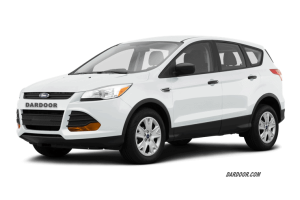
2012-2014 Ford Kuga Repair Manual
$19.90 Add to cart -
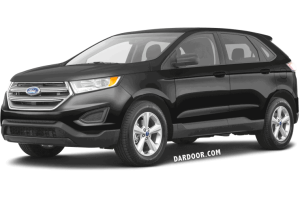
2015-2018 Ford Edge Repair Manual
$24.90 Add to cart -
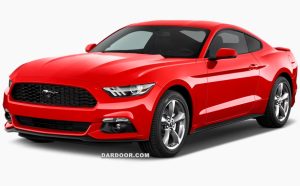
2013-2015 Ford Mustang Repair Manual
$19.90 Add to cart -
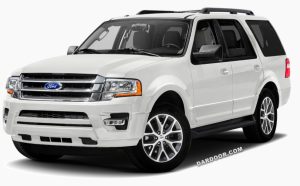
2015-2017 Ford Expedition Repair Manual
$26.90 Add to cart -
2008-2014 Ford Falcon FG Repair Manual
$17.90 Add to cart