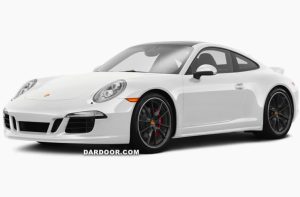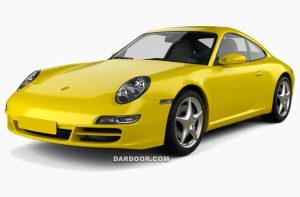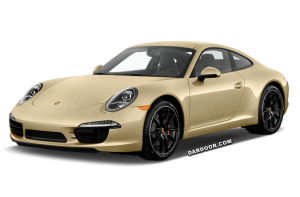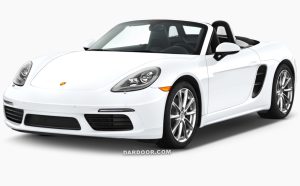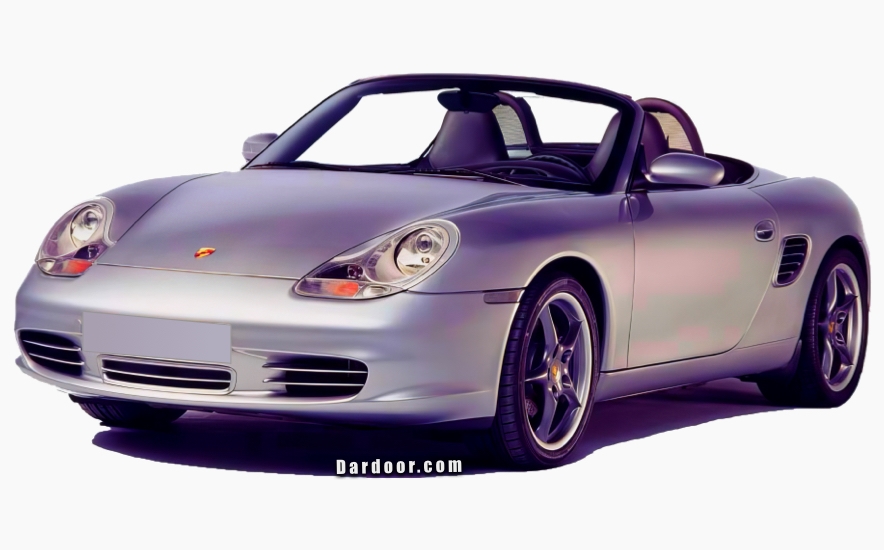
Get the complete OEM workshop service and repair manual for the 2002–2004 Porsche Boxster (986) in with the wiring diagram in a convenient PDF format.
📌 Overview
The 2002–2004 Boxster (986.2) is the facelifted first-generation Boxster: a mid-engine, rear-wheel-drive roadster with excellent balance and steering feel. These model years are popular because they combine the updated interior/top window design with strong parts availability—yet ownership is all about staying ahead of a few known weak points (cooling system plastics, oil leaks, and wear items).
- 🧩 Platform: 986.2 (facelift)
- 🧠 Key ownership rule: preventive maintenance beats reactive repairs
- 🔍 Best pre-purchase checks: coolant system, oil leaks, top operation, suspension play, and service history
🧾 Technical Specs & Performance
🔧 Engines & Drivetrain (typical 2002–2004 range)
| Trim | Engine | Output | Transmission | Drivetrain |
|---|---|---|---|---|
| Boxster | 2.7L flat-6 (NA) | ~228 hp / ~192 lb-ft | 5-spd manual or 5-spd Tiptronic | RWD (mid-engine) |
| Boxster S | 3.2L flat-6 (NA) | ~258 hp (varies by market) | 6-spd manual or Tiptronic | RWD (mid-engine) |
🏎️ Performance (real-world expectations)
- ⏱️ 0–60 mph: typically mid-6s (2.7 manual) / high-5s to low-6s (S manual)
- 🛣️ Handling: excellent chassis balance; worn suspension arms quickly dull the feel
- ⛽ Fuel: premium recommended; misfires/lean codes often trace back to ignition/air leaks
Pro tip: A “healthy” 986 runs clean fuel trims, holds stable coolant temps, and has a smooth top cycle (no skipping/clicking, no one-sided movement).
⚙️ Top 10 Common Mechanical Issues (Owner-Reported)
- 🧱 Intermediate Shaft (IMS) bearing risk (catastrophic engine failure)
👀 Symptoms: Often none; sometimes metallic debris in oil filter, abnormal noises, sudden engine failure
🔎 Root Cause: Bearing wear/contamination over time; failure can allow timing jump and internal damage
✅ Fix: Preventive IMS retrofit during clutch service (where applicable), frequent oil changes, inspect filter for debris
💰 Cost to Fix: $2,000–$4,500 (preventive retrofit w/ clutch overlap) / $12,000–$25,000+ (engine rebuild/replacement) - 🛢️ Rear Main Seal (RMS) oil leak
👀 Symptoms: Oil spots under bellhousing, burning oil smell, clutch chatter if severe contamination
🔎 Root Cause: Seal wear; crankcase pressure issues can worsen seepage
✅ Fix: Replace RMS (best done with clutch/IMS access), verify AOS/crankcase ventilation operation
💰 Cost to Fix: $900–$2,000 (RMS only, labor heavy) / $1,800–$3,800 (bundle with clutch/IMS) - 🌫️ Air-Oil Separator (AOS) failure
👀 Symptoms: Heavy white smoke on startup, rough idle, oil consumption, whistling, vacuum at oil cap
🔎 Root Cause: Diaphragm rupture causing excess crankcase vacuum and oil ingestion
✅ Fix: Replace AOS; check vacuum lines; clear misfire/mixture codes and re-evaluate trims
💰 Cost to Fix: $350–$900 (DIY/parts) / $900–$1,800 (shop) - 💧 Coolant expansion tank cracks/leaks
👀 Symptoms: Sweet coolant smell, low coolant warnings, wet carpet in trunk area, overheating risk
🔎 Root Cause: Plastic tank ages and cracks from heat cycles; cap/pressure issues accelerate failures
✅ Fix: Replace tank + cap; pressure test; bleed system properly to avoid air pockets
💰 Cost to Fix: $600–$1,400 (typical) / $1,400–$2,200 (if hoses/fittings also brittle) - 🌀 Water pump / thermostat wear
👀 Symptoms: Coolant seepage, noisy bearing, fluctuating temps, overheating in traffic
🔎 Root Cause: Pump bearing/impeller wear; thermostat sticking after age/scale buildup
✅ Fix: Replace pump & thermostat together; flush coolant; inspect belts and tensioner
💰 Cost to Fix: $700–$1,800 - 🧯 Radiator/condenser clogging (front intakes)
👀 Symptoms: Higher temps, weak A/C, fans running often, overheating under load
🔎 Root Cause: Leaves/debris trap moisture and rot fins; corrosion and reduced airflow
✅ Fix: Clean intakes; replace radiators/condensers if fins are corroded or leaking
💰 Cost to Fix: $150–$400 (cleaning/service) / $1,000–$3,000 (radiators/condensers) - 🧲 Vacuum leaks / intake boots / oil filler tube issues
👀 Symptoms: Rough idle, lean codes, hesitation, high idle, whistling
🔎 Root Cause: Aging rubber/plastic cracks, loose clamps, brittle filler tube components
✅ Fix: Smoke test intake; replace cracked boots/hoses; reset adaptations and verify trims
💰 Cost to Fix: $150–$600 (minor leaks) / $600–$1,500 (multiple components) - 🧷 Clutch wear / dual-mass flywheel (DMF) chatter
👀 Symptoms: Slipping, high engagement point, vibration, rattling at idle, shudder on takeoff
🔎 Root Cause: Normal wear; DMF springs degrade; oil contamination worsens clutch life
✅ Fix: Replace clutch kit; resurface/replace flywheel if out of spec; consider IMS/RMS bundle
💰 Cost to Fix: $1,600–$3,500 (clutch) / $2,400–$5,000 (with flywheel + RMS/IMS overlap) - 🦴 Suspension control arms & bushings (wandering/clunks)
👀 Symptoms: Clunks over bumps, vague steering, uneven tire wear, poor alignment hold
🔎 Root Cause: Ball joints/bushings wear; 986 front arms are common wear items
✅ Fix: Replace worn arms/links; alignment after repair; inspect struts/top mounts
💰 Cost to Fix: $600–$1,800 (partial) / $1,800–$3,500 (comprehensive refresh) - 🧵 Convertible top mechanism wear (transmissions/cables)
👀 Symptoms: One side moves faster, clicking, stuck top, plastic rear window strain (early years), misalignment
🔎 Root Cause: Cables stretch, gearboxes wear, microswitch sync issues cause binding
✅ Fix: Adjust/replace cables or transmissions; lubricate pivots; calibrate switches; inspect pushrods
💰 Cost to Fix: $250–$700 (adjustment/cable) / $900–$2,500 (transmissions + labor)
⚡ Top 10 Common Electrical Issues (Owner-Reported)
- 🔑 Ignition switch electrical portion failure (random electrical gremlins)
👀 Symptoms: Intermittent no-start, accessories acting weird, warnings, radio/cluster glitches
🔎 Root Cause: Worn internal contacts in the electrical switch portion behind the key cylinder
✅ Fix: Replace electrical switch; verify battery/charging; clear stored fault codes
💰 Cost to Fix: $120–$350 (parts + labor) - 🪟 Window regulator / window drop feature issues
👀 Symptoms: Window won’t drop slightly when opening door, grinding, slow operation, stuck glass
🔎 Root Cause: Regulator cable wear; door latch microswitch signal problems affect drop logic
✅ Fix: Replace regulator; test door latch microswitch; recalibrate window limits
💰 Cost to Fix: $300–$900 per door - 🧠 Convertible top microswitch faults (top stops mid-cycle)
👀 Symptoms: Top halts, warning light flashes, must “help” the top, inconsistent operation
🔎 Root Cause: Misadjusted or failed microswitches; mechanical drag causes out-of-sync signals
✅ Fix: Diagnose switch states; adjust/replace faulty switches; inspect transmissions/cables
💰 Cost to Fix: $200–$700 (switch/adjust) / $900–$2,500 (if mechanical parts needed) - 🔋 Battery drain (parasitic draw)
👀 Symptoms: Dead battery after sitting, random alarm triggers, memory resets
🔎 Root Cause: Faulty alarm module/door latch, aftermarket audio, trunk light switch, aging battery
✅ Fix: Perform parasitic draw test; isolate circuit; repair module/switch; replace battery if weak
💰 Cost to Fix: $120–$400 (diagnosis) / $250–$1,200 (depends on culprit) - ⚙️ Alternator / voltage regulator issues
👀 Symptoms: Battery light, dim lights, low voltage, random module faults, stalling
🔎 Root Cause: Alternator wear; regulator failure; belt/tensioner problems reduce charge
✅ Fix: Test charging output; replace alternator/regulator; inspect belt and tensioner
💰 Cost to Fix: $650–$1,500 - 🌬️ MAF sensor drift (lean/rich, hesitation)
👀 Symptoms: Hesitation, poor MPG, lean/rich codes, rough idle, sluggish throttle response
🔎 Root Cause: Sensor contamination/aging; intake leaks can mimic MAF problems
✅ Fix: Verify intake is sealed; test MAF readings; replace if out of spec; reset adaptations
💰 Cost to Fix: $250–$650 - 🧯 O2 sensors / catalyst efficiency faults
👀 Symptoms: Check Engine Light, poor MPG, sulfur smell, failed emissions test
🔎 Root Cause: Sensor aging; exhaust leaks; catalytic converter degradation over time
✅ Fix: Smoke/pressure test exhaust; replace sensors; address leaks; evaluate cat efficiency
💰 Cost to Fix: $250–$900 (sensors) / $1,800–$4,500 (cats) - 🧷 Seat belt warning / buckle switch faults
👀 Symptoms: Persistent seat belt light/chime even when buckled
🔎 Root Cause: Buckle switch wear or wiring break in seat/buckle harness area
✅ Fix: Test switch continuity; repair wiring; replace buckle assembly if needed
💰 Cost to Fix: $180–$650 - 🧨 Airbag/SRS warning light (seat occupancy sensor / connectors)
👀 Symptoms: Airbag light on; stored SRS codes; intermittent warning after seat movement
🔎 Root Cause: Seat occupancy mat wear, loose under-seat connectors, harness strain
✅ Fix: Scan SRS; repair connectors/harness; replace sensor mat if confirmed faulty; clear codes
💰 Cost to Fix: $150–$450 (connectors) / $900–$2,200 (occupancy mat/module work) - 🔒 Central locking / door latch microswitch failure
👀 Symptoms: Door won’t lock/unlock reliably, alarm issues, window drop logic fails
🔎 Root Cause: Latch microswitch wear; moisture intrusion; actuator fatigue
✅ Fix: Confirm latch switch states with scan tool; replace latch/actuator; reseal as needed
💰 Cost to Fix: $350–$1,100 per door
✅ Pros & Cons
| 👍 Pros | 👎 Cons |
|---|---|
| 🎯 Mid-engine balance, great steering feel | 🧱 IMS/RMS risk anxiety (preventive work matters) |
| 🏎️ Fun performance without supercar costs | 💧 Cooling system plastics age (tank/pump/hoses) |
| 🧰 Strong DIY/community support + parts availability | 🧵 Convertible top mechanisms can be finicky |
| 💺 Comfortable roadster, solid daily potential | 🦴 Suspension arms are frequent wear items |
| 📈 Still desirable as a “driver’s Porsche” | ⚡ Electrical gremlins from switches/connectors with age |
🛠️ Maintenance Schedule (Smart Owner Baseline)
Note: Intervals vary by driving style/climate. This schedule is a conservative “keep it healthy” plan for a 20+ year-old performance car.
| Service Item | Interval | Why it matters |
|---|---|---|
| 🛢️ Engine oil + filter | Every 5,000 miles / 6 months | Reduces sludge/metal risk; helps monitor debris early |
| 🧪 Inspect oil filter for glitter/debris | Every oil change | Early warning for internal wear |
| 💧 Coolant flush | Every 4 years | Protects pump/radiators; prevents corrosion |
| 🌀 Water pump + thermostat (preventive) | Every 60k–90k miles (or when symptoms start) | Common wear item; prevents overheating events |
| 🧯 Brake fluid | Every 2 years | Moisture lowers boiling point; protects ABS components |
| 🕯️ Spark plugs | Every 30k–40k miles / ~4 years | Reduces misfires and coil stress |
| ⚡ Coil packs inspection | Every 30k–40k miles | Cracked coils cause misfires & catalyst damage |
| 🧰 Serpentine belt + tensioner check | Inspect yearly / replace ~60k miles | Prevents charging/cooling failures |
| 🧴 Transmission fluid | Every 60k miles (manual/Tiptronic) | Improves shift quality and longevity |
| 🧵 Convertible top maintenance | Every 6–12 months | Lubricate pivots, inspect cables, prevent binding |
| 🦴 Suspension inspection + alignment | Yearly / after any clunks | Keeps handling sharp; protects tires |
🏁 Top 10 Competitors
If you’re cross-shopping similar sporty coupes/roadsters, these are common alternatives. (Links go to related OEM manuals on Dardoor.)
- 🏎️ Porsche 911 (996) ↗
- 🇩🇪 BMW Z4 ↗
- 🇩🇪 Audi TT ↗
- 🇯🇵 Mazda MX-5 Miata ↗
- 🇯🇵 Subaru BRZ ↗
- 🇯🇵 Toyota Supra ↗
- 🇯🇵 Lexus RC F ↗
- 🇯🇵 Nissan GTR ↗
- 🇺🇸 Chevrolet Corvette ↗
- 🇬🇧 Jaguar F-Type ↗
🚨 10 Recalls, Advisories & Safety/TSB Highlights (Mix)
Important: Recall applicability is VIN-specific. Always verify using Porsche’s recall lookup and/or your local authority database.
- 💡 Headlamp compliance issue (FMVSS 108 / sealing cap retrofit) — If a headlamp horizontal adjuster sealing cap is missing, aim may be altered and visibility/glare risk increases. Fix: dealer checks and retrofits caps where missing.
- 🧑🍼 Child restraint / seat belt locking behavior compliance (FMVSS 208) — Some campaigns address seat belt locking retractor behavior with certain child restraint configurations. Fix: dealer inspection and remedy per campaign.
- 🧠 Over-rev evaluation guidance (TSB information) — Porsche guidance exists for evaluating over-rev log data on Boxster/Cayman/Carrera. Why it matters: protects against buying/operating an over-rev damaged engine.
- 🛞 Tire pressure & tire age safety guidance (AfterSales bulletin) — Emphasizes maintaining specified pressures and replacing aged tires (commonly >6 years). Why it matters: handling stability and blowout risk.
- 🔥 Cooling system pressure integrity advisory — Cracked tanks/caps can cause sudden coolant loss. Action: pressure test and replace tank/cap proactively on high-mileage cars.
- 🛢️ Oil leak monitoring advisory (RMS/AOS/CCV) — Oil leaks can contaminate clutch and mask bigger crankcase ventilation issues. Action: address AOS and leaks together when possible.
- 🧯 Catalyst protection advisory — Misfires from coils/plugs/MAF can overheat cats. Action: fix misfires quickly to avoid expensive catalytic replacement.
- 🔒 Immobilizer/alarm reliability advisory — Aging modules/door latches can create no-start or alarm triggers. Action: diagnose parasitic draw and latch switch states.
- 🧵 Convertible top safety check — Out-of-sync top mechanisms can bind and cause sudden stop or cable failure. Action: service cables/transmissions and verify microswitch alignment.
- 🦴 Suspension joint integrity advisory — Ball joint wear affects stability under braking and cornering. Action: inspect arms/tie rods annually and align after replacement.
Tip: Because older models may show “0 recalls” on some consumer sites, rely on VIN-based official recall portals for the final word.
🧠 DTC Trouble Codes (Quick Reference Tables)
This DTC list is tailored for the 2002, 2003, and 2004 Porsche Boxster 986 series. It includes common engine, transmission, ABS/PSM, airbag, and comfort system codes (or equivalent OBD-II powertrain codes) found during diagnostics using PIWIS or professional OBD tools.
🟦 ECM — Engine Control Module (10 Common Codes)
| Code | Meaning | Most common direction |
|---|---|---|
| P0101 | MAF range/performance | MAF drift, intake leaks |
| P0113 | IAT high input | Sensor/wiring, MAF housing issues |
| P0130 | O2 sensor circuit (B1S1) | O2 sensor aging, wiring |
| P0150 | O2 sensor circuit (B2S1) | O2 sensor aging, exhaust leaks |
| P0300 | Random/multiple misfire | Coils, plugs, vacuum leaks |
| P0301 | Misfire cyl 1 | Coil/plug/injector |
| P0304 | Misfire cyl 4 | Coil/plug/injector |
| P0430 | Catalyst efficiency low (Bank 2) | Cat aging, misfires, O2 errors |
| P1128 | Fuel trim (Bank 1) too lean | Vacuum leak, AOS, MAF |
| P1130 | Fuel trim (Bank 2) too lean | Vacuum leak, AOS, MAF |
🟩 TCM — Transmission Control Module (10 Common Codes)
| Code | Meaning | Most common direction |
|---|---|---|
| P0700 | Transmission control system (MIL request) | Read TCM for sub-codes |
| P0715 | Input/turbine speed sensor | Sensor/wiring, internal wear |
| P0720 | Output speed sensor | Sensor/wiring |
| P0730 | Incorrect gear ratio | Fluid, solenoids, clutch packs (Tip) |
| P0732 | Gear 2 incorrect ratio | Tiptronic internal slip |
| P0733 | Gear 3 incorrect ratio | Tiptronic internal slip |
| P0740 | TCC circuit/performance | Torque converter clutch issues |
| P0741 | TCC stuck off / performance | Solenoid, converter wear |
| P0753 | Shift solenoid A electrical | Solenoid/wiring |
| P0763 | Shift solenoid C electrical | Solenoid/wiring |
🟥 ABS / ESC — Brake System (10 Common Codes)
| Code | Meaning | Most common direction |
|---|---|---|
| C0035 | LF wheel speed sensor | Sensor, tone ring, wiring |
| C0040 | RF wheel speed sensor | Sensor, corrosion |
| C0045 | LR wheel speed sensor | Sensor, harness damage |
| C0050 | RR wheel speed sensor | Sensor, hub play |
| C0110 | Pump motor circuit | ABS pump, relay |
| C0121 | Valve relay circuit | Relay, module |
| C0131 | Pressure sensor circuit | Sensor or ABS module |
| C0155 | ABS/traction control switch | Switch/wiring |
| C0196 | Yaw/lat accel sensor | Sensor calibration/failure |
| C0550 | ABS module internal fault | Module repair/rebuild |
🟨 SRS — Airbag System (10 Common Codes)
| Code | Meaning | Most common direction |
|---|---|---|
| B1000 | SRS module internal fault | Module diagnosis |
| B1015 | Crash sensor fault | Sensor or wiring |
| B1020 | Driver airbag circuit | Clock spring, connector |
| B1025 | Passenger airbag circuit | Connector, harness |
| B1035 | Seat belt pretensioner circuit | Seat harness, buckle/pretensioner |
| B1040 | Side airbag circuit | Door/seat wiring |
| B1045 | Occupant detection fault | Seat mat/sensor |
| B1050 | Airbag warning lamp circuit | Cluster/LED/wiring |
| B1055 | Under-seat connector resistance | Clean/repair connectors |
| B1060 | SRS power supply/voltage | Battery/charging issues |
🟪 Body Control / CAN Communication (10 Common Codes)
| Code | Meaning | Most common direction |
|---|---|---|
| U0100 | Lost comm with ECM/PCM | Voltage, CAN wiring |
| U0101 | Lost comm with TCM | CAN, connectors |
| U0121 | Lost comm with ABS | ABS module power/ground |
| U0155 | Lost comm with cluster | Cluster power, CAN |
| U0164 | Lost comm with HVAC | Module, wiring |
| U1110 | CAN signal implausible | CAN integrity/ground issues |
| B1300 | Central locking fault | Latches/actuators |
| B1342 | Door latch microswitch fault | Latch replacement |
| B1400 | Alarm/immobilizer fault | Module diagnosis, key sync |
| B1490 | Convertible top control fault | Switch states, top calibration |
Reminder: Use a Porsche-capable scan tool for full module access (Durametric/PIWIS-equivalent). Generic OBD-II readers may miss body/SRS/ABS specifics.
Tip: Use Porsche PIWIS or Durametric diagnostic tools for complete DTC reading, live data, and bi-directional testing. Always verify wiring and sensor integrity before replacing parts.
Tip: Use Porsche PIWIS or Durametric diagnostic tools for complete DTC reading, live data, and bi-directional testing. Always verify wiring and sensor integrity before replacing parts.
❓ Frequently Asked Questions (FAQ)
Is the 2002–2004 Porsche Boxster (986) reliable?
It can be very reliable when maintained proactively. The biggest ownership risk is avoiding overheating events and staying ahead of oil leaks and known wear items (coolant tank/pump, AOS, coils/plugs, and suspension arms).
What’s the #1 “must-check” problem before buying?
Cooling system integrity (tank, pump, radiators, hoses) and evidence of oil contamination/leaks. Also confirm smooth top operation and a clean service history.
Should I worry about IMS on 2002–2004 cars?
It’s a known concern across many M96 engines. Many owners choose preventive work during clutch service. A clean oil filter inspection history and frequent oil changes are a strong positive sign.
What are signs of a bad AOS?
White smoke, rough idle, whistling, abnormal vacuum at the oil cap, and increased oil consumption. Replace promptly to protect catalysts and drivability.
Why do these cars overheat in traffic?
Common reasons include clogged front radiators/condensers, weak water pump, thermostat issues, trapped air after coolant work, or a cracked expansion tank.
My convertible top stops halfway—what’s usually wrong?
Most often microswitch misalignment/failure or worn top transmissions/cables causing the mechanism to go out of sync.
What’s the best maintenance habit for longevity?
Short oil intervals (5k/6 months), regular cooling system inspections, timely ignition service (plugs/coils), and fixing small leaks before they become big repairs.
Which is cheaper to own: Boxster 2.7 or Boxster S?
Typically the 2.7 can be slightly cheaper (tires/brakes/insurance can differ), but condition and maintenance history matter far more than trim choice.
🏆 Final Verdict
If you want a pure, balanced roadster experience, the 2002–2004 Boxster (986) is still one of the best value entry points into Porsche ownership. Buy on condition + history, budget for preventive cooling and wear items, and you’ll get a car that feels special every time you drive it.
- ✅ Best for: drivers who value handling feel and don’t skip maintenance
- ⚠️ Avoid if: you need “appliance” reliability or can’t budget for occasional premium repairs
- 🎯 Smart buy: a well-documented car with cooling refreshed, no active leaks, and a smooth top cycle
📚 References
- 📄 Porsche Technical Information System (TIS)
- 📊 NHTSA.gov ↗ – Recall Database
- 📘 Dardoor.com Porsche Boxster 986 Manuals ↗