

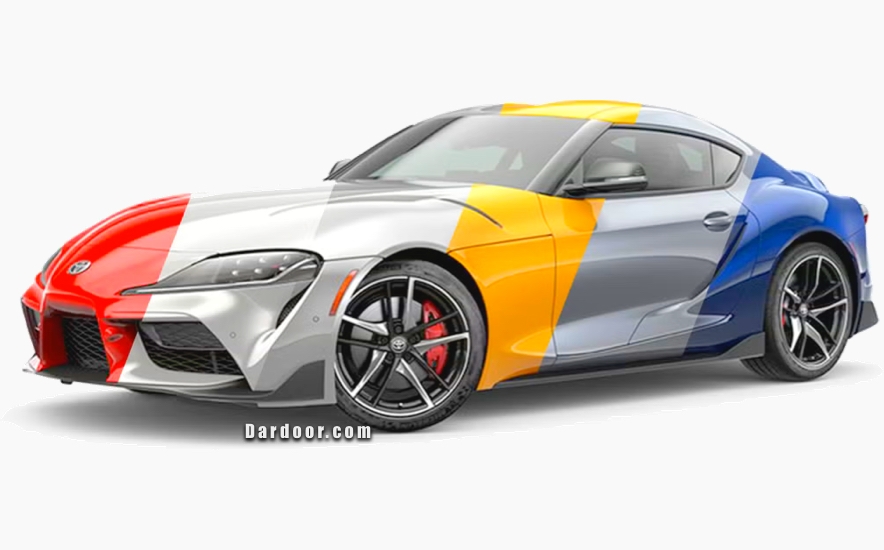
Get the original OEM service and workshop repair manual for the 2020 Toyota Supra, featuring the B58 engine, in a convenient PDF format.
2020 Toyota Supra Repair Manual
$24.90
Toyota Supra (2020) Repair Manual – OEM Service Document
Get the original OEM service and workshop repair manual for the 2020 Toyota Supra ↗, featuring the B58 engine, in a convenient PDF format. This manual offers the same detailed information and instructions that Toyota dealer technicians ↗ rely on for diagnosing and repairing your Supra, ensuring you have access to professional-grade guidance.
| File Format | |
| File Language | English |
| You’ll Get | 103 MB |
| Pages Count | 3,453 |
| Delivery Method | Instant Download |
Features:
- Complete OEM Coverage: Comprehensive repair and maintenance instructions specifically for the 2020 Toyota Supra with the B58 engine.
- Professional-Grade Information: The exact manual trusted by Toyota technicians for accurate, reliable repairs.
- User-Friendly PDF Format: Organized and easily accessible for quick reference during repairs.
Download your copy today and maintain your Toyota Supra with the knowledge and precision of a professional!
This manual provides detailed instructions for maintenance, disassembly, reassembly, component inspection, adjustment, and diagnostics—intended for use by experienced mechanics. Proper application of this guide will help ensure thorough repairs and maintain your vehicle in peak condition.
Important Note: Before purchasing this manual, please check whether your vehicle is subject to any active service recalls, as authorized dealerships may perform necessary repairs free of charge. When replacing parts, always use genuine OEM components to ensure safety, reliability, and long-term performance.
Table of Contents : 2020 Toyota Supra Repair Manual
Sample Pages
CAUTION: This OEM service and workshop repair manual provides detailed procedures for maintenance, disassembly, reassembly, inspection, adjustment, and diagnostics. It is intended as a comprehensive guide for experienced mechanics. To ensure thorough and accurate repairs that maintain your vehicle’s optimal performance, please read and follow this manual carefully. When replacing parts during any repair work, always use genuine Toyota parts to ensure quality, safety, and reliability.
🛠️ Common Issues with the 2020 Toyota Supra
The 2020 Supra is best when treated like a modern turbo performance car: quality fluids, correct service intervals, careful warm-up/cool-down habits, and immediate diagnosis of warning lights. When shopping used, confirm recall completion, scan for stored history codes, and test all electronics (Bluetooth, camera, hatch release, lights) before you buy.
Technical Specs & Performance
Key Specs (2020 Supra 3.0 — commonly referenced)
| Item | Spec |
|---|---|
| Layout | Front-engine, RWD, 2-seat hatchback coupe |
| Engine (common US spec) | 3.0L turbocharged inline-6 (B58 family) |
| Power / Torque (commonly cited) | 335 hp / 365 lb-ft |
| Transmission | 8-speed automatic (with manual shift mode) |
Notes 📝: Power/trim availability can vary by market and build. If you want, I can tailor this section to your target market (US/Canada) and exact trim.
Top 10 Common Mechanical Issues
-
Rear Hatch Won’t Open (electric or manual release)
- Symptoms: Hatch button does nothing, hatch won’t pop, interior manual release doesn’t open, intermittent operation.
- Root Cause: Known hatch release condition documented in Toyota service guidance for 2020–2021 Supra.
- Fix: Confirm latch operation and follow OEM diagnostic steps; repair/adjust/replace latch components per guidance.
- Cost to Fix: $120–$350 (diagnosis/adjustment) / $350–$900 (latch/actuator parts + labor).
-
Turbo Boost Leak / Underboost (B58)
- Symptoms: Sluggish acceleration, hissing under load, reduced power, occasional check-engine light.
- Root Cause: Charge-pipe/coupler leak, loose clamp, intercooler plumbing seep, sensor plausibility issues.
- Fix: Smoke/pressure test intake tract; reseat couplers/clamps; verify boost control and MAP/MAF readings.
- Cost to Fix: $120–$450 (leak repair) / $700–$2,500 (if components/turbo control parts are needed).
-
Oil Filter Housing / Seepage Smell (turbo heat soak)
- Symptoms: Burning-oil smell after spirited driving, small drips, residue around housing area.
- Root Cause: Gasket aging/heat cycling; minor seepage becomes noticeable in hot turbo engine bays.
- Fix: Clean and confirm source; replace gasket/seals; verify PCV operation and crankcase pressure.
- Cost to Fix: $250–$900 depending on access and exact sealing point.
-
Cooling System Low Coolant / Minor Leaks
- Symptoms: Low coolant message, sweet smell, small puddles, higher temps during hard driving.
- Root Cause: Hose/connector seepage, expansion tank cap, or heat-cycle related leaks (varies by car).
- Fix: Pressure test; inspect all quick-connect fittings; repair leaks; bleed system correctly.
- Cost to Fix: $120–$650 (hose/cap/bleed) / $650–$1,800 (if multiple components are involved).
-
Brake Vibration / Warped Feel Under Hard Stops
- Symptoms: Steering wheel shake when braking from highway speeds, pulsation, longer stopping feel.
- Root Cause: Pad deposits/heat spots from aggressive stops; uneven rotor wear; wheel torque issues.
- Fix: Measure runout; re-bed pads if appropriate; resurface/replace rotors and pads as needed.
- Cost to Fix: $250–$650 (pads) / $600–$1,600 (pads + rotors front or all-around).
-
Steering Pull / Front-End Knock (tie rod / alignment related)
- Symptoms: Steering feels off-center, pull, clunk over bumps, unstable feel at speed.
- Root Cause: Alignment drift, impact damage, or recall-related tie rod design issue on a very small population (verify by VIN).
- Fix: Inspect steering components; check recall status; perform alignment after repairs.
- Cost to Fix: $140–$280 (alignment) / $450–$1,200 (tie-rod/steering work).
-
Differential / Driveline “Clunk” on Throttle On/Off
- Symptoms: Clunk when shifting from coast to power, noticeable driveline lash at low speed.
- Root Cause: Normal driveline lash can be amplified by worn mounts, diff bushing wear, or axle play.
- Fix: Inspect diff mounts/bushings; check axle play; update driveline fluid if due.
- Cost to Fix: $180–$450 (inspection/fluid) / $700–$2,200 (mounts/bushings/axle work).
-
Rattles / Buzzing in Hatch Area
- Symptoms: Buzz/rattle over rough roads, noise changes when pressing interior trim.
- Root Cause: Trim clips, latch striker adjustment, loose fasteners, cargo-area panel fitment.
- Fix: Road test to locate; re-secure clips; add anti-rattle felt; adjust striker if needed.
- Cost to Fix: $60–$250 (trim work) / $250–$600 (if latch/striker parts are needed).
-
Rough Idle After Fill-Up (EVAP purge behavior)
- Symptoms: Brief rough idle/stumble after refueling, occasional check-engine light.
- Root Cause: EVAP purge control behavior or purge valve issues; sometimes worsened by topping off the tank.
- Fix: Scan for EVAP codes; smoke test EVAP system; replace purge valve only if verified faulty.
- Cost to Fix: $120–$250 (diagnosis) / $180–$650 (purge valve/hoses).
-
Suspension Front End “Click” / Clunk (links/bushings)
- Symptoms: Clicking/clunk over driveway entries, light steering knock, uneven tire wear over time.
- Root Cause: Stabilizer links, control arm bushings, or top mounts (wear/impact dependent).
- Fix: Inspect with wheels unloaded; replace worn link/bushing; align after repairs.
- Cost to Fix: $180–$450 (links) / $600–$1,800 (control arms/mounts + alignment).
Top 10 Common Electrical Issues
-
Bluetooth Pairing / Connection Drops
- Symptoms: Phone won’t pair, drops connection, audio stutters, calls cut out.
- Root Cause: Known connectivity concerns documented in Toyota tech tips/communications for Supra.
- Fix: Delete/re-pair devices, update software, reset head unit, confirm phone OS compatibility.
- Cost to Fix: $0–$80 (reset/update) / $400–$1,500 (module repair/replacement if confirmed).
-
Backup Camera Image Issue / Noncompliance Software Update
- Symptoms: Camera display brightness/contrast behaves oddly; image may not meet visibility requirements in certain settings.
- Root Cause: Recall-related software behavior tied to camera display settings (verify by VIN).
- Fix: Dealer applies updated rearview camera software (recall remedy).
- Cost to Fix: $0 under recall; otherwise typically $120–$250 for diagnostic/programming.
-
Headlamp Control Unit Failure / Headlamp Function Loss 💡
- Symptoms: One/both headlamps out, turn signal function affected, warnings on dash.
- Root Cause: Recall-related headlamp control unit concern (verify by VIN).
- Fix: Replace affected control unit(s) under recall remedy procedure.
- Cost to Fix: $0 under recall; otherwise $400–$1,200 depending on parts/programming.
-
Headlamp Aim/Adjustment Plug Noncompliance (horizontal adjustability)
- Symptoms: Often none noticed; may show up as inspection/aim compliance item.
- Root Cause: Recall-related assembly configuration where headlamp adjustment plugs were switched (verify by VIN).
- Fix: Dealer correction per noncompliance recall procedure.
- Cost to Fix: $0 under recall; otherwise $150–$450 typical.
-
“No Start” / Low Voltage After Sitting
- Symptoms: Slow crank, battery drained after a few days, random module warnings.
- Root Cause: Weak battery, parasitic draw, or charging system concerns; low voltage can trigger multiple “U-codes.”
- Fix: Battery/alternator load test first; then parasitic draw test; repair offending circuit/module.
- Cost to Fix: $200–$450 (battery) / $250–$1,200+ (diagnosis + repairs).
-
TPMS Warning Light Stays On
- Symptoms: TPMS light on despite correct tire pressures.
- Root Cause: Sensor battery failure, sensor damage, relearn not completed.
- Fix: Scan sensor IDs; relearn; replace failed sensor(s).
- Cost to Fix: $60–$120 (relearn/scan) / $80–$180 per sensor installed.
-
Parking Sensors / Driver Assist Warnings (intermittent)
- Symptoms: Random “sensor blocked” messages, intermittent beeps, feature temporarily disabled.
- Root Cause: Dirty sensors, bumper moisture, wiring connector corrosion, calibration needs.
- Fix: Clean sensors; inspect connectors; scan for stored codes; calibrate/replace sensor if confirmed.
- Cost to Fix: $0–$80 (clean/inspect) / $250–$900 (sensor/repair/calibration).
-
Window Switch / One-Touch Auto Up/Down Glitches
- Symptoms: Auto up/down stops, reverses, or needs repeated attempts.
- Root Cause: Pinch protection calibration drift, regulator drag, low voltage.
- Fix: Perform window initialization procedure; check channel seals/regulator drag; repair as needed.
- Cost to Fix: $0–$120 (initialization/adjust) / $350–$900 (regulator/motor).
-
Keyless Entry / “Key Not Detected”
- Symptoms: Intermittent “No key detected,” reduced remote range, occasional start refusal.
- Root Cause: Weak fob battery, antenna module issues, low vehicle voltage.
- Fix: Replace fob battery; verify vehicle battery health; scan for BCM/immobilizer codes.
- Cost to Fix: $5–$20 (fob battery) / $200–$900 (antenna/module diagnostics/repair).
-
Random CAN / Communication Codes (multiple warnings)
- Symptoms: Multiple warning lights at once, intermittent features disabled, odd electrical behavior.
- Root Cause: Low system voltage is the #1 cause; also grounds, moisture, or a failing module.
- Fix: Battery/charging system check first; then inspect grounds and connector moisture; isolate failing node if needed.
- Cost to Fix: $150–$450 (basic electrical diagnosis) / $450–$1,800+ (wiring/module repair).
Pros & Cons
| Pros | Cons ❌ |
|---|---|
| Strong turbo performance and modern chassis feel | Recall history (lights/camera/fuel tank/tie rod) — must verify by VIN |
| Great handling balance (RWD) with daily-drivable comfort | Infotainment/Bluetooth quirks reported |
| 8-speed automatic is quick and smooth | Hatch/latch issues can be annoying if present |
| Unique styling and high “fun per mile” factor | Modern electronics mean diagnosis can be module/software heavy |
Maintenance Schedule
| Interval | Service Items | Notes |
|---|---|---|
| Every 5,000–7,500 mi (8,000–12,000 km) or 6–12 months | Engine oil & filter, tire rotation, brake inspection | Turbo engines benefit from conservative oil intervals. |
| Every 15,000–20,000 mi (24,000–32,000 km) | Cabin air filter 🌬️, check coolant level, check battery health | Short trips + cold weather can age batteries faster. |
| Every 30,000 mi (48,000 km) | Engine air filter, brake fluid test/replace (as needed), alignment check | Brake fluid commonly every 2–3 years depending on moisture. |
| Every 50,000–60,000 mi (80,000–96,000 km) | Transmission service (severe use), differential fluid check/replace | Track days / heat = “severe use.” |
| Every 60,000–100,000 mi (96,000–160,000 km) | Coolant service, inspect belts/hoses, inspect turbo plumbing | Pressure test cooling system after service. |
Reminder 📝: Always follow the exact OEM schedule for your VIN and driving conditions.
Top Competitors
- BMW Z4 (2011–2016) — Dardoor OEM Repair Manual ↗
- Nissan 370Z (2012) — Dardoor OEM Repair Manual ↗
- Audi TT (2015–2020) — Dardoor OEM Repair Manual ↗
- Porsche Cayman / Boxster 981 (2013–2016) — Dardoor OEM Repair Manual ↗
- Chevrolet Corvette C7 (2014–2017) — Dardoor OEM Repair Manual ↗
Recalls, Advisories & Safety/TSB Highlights
Important Confirm completion using your VIN on Toyota’s official recall lookup (US/Canada) or NHTSA recall tools.
- Safety Recall (19V653 / Toyota K0R) — Driver seat belt guide loop mount weld may be out of spec (inspect/replace vehicle remedy per recall).
- Safety (Noncompliance) Recall (19V684 / Toyota 19TA19) — Backup camera display settings may not meet FMVSS 111 in certain conditions; software update remedy.
- Safety Recall (19V850 / Toyota 19TA20) — Headlamp control unit may fail causing loss of headlamp/turn signal function; replace control unit remedy.
- Safety (Noncompliance) Recall (20V516) — Headlamp adjustment plugs may be switched, allowing horizontal adjustment; dealer correction remedy.
- Safety Recall (20V355 / Toyota 20TA09) — Steering gear tie rods of earlier design may become damaged/fracture over time; replace tie rods remedy.
- Safety Recall (20V700 / Toyota 20TB16) — Fuel tank weld may fail over time causing fuel leak and fire risk; fuel tank replacement remedy.
- Toyota Tech Tip (T-TT-0644-21) — Rear hatch may not open electrically or from interior manual release; follow OEM diagnostic recommendations.
- TSB/Tech Tip (Bluetooth connectivity concerns) — Pairing/connection issues with Bluetooth in some cases; resets/updates and OEM guidance may apply.
- Safety Reminder — If any fuel smell/leak is present: stop driving and have it inspected immediately (especially relevant to fuel tank campaigns).
- Recent Toyota Notice (MY2020–2022 Supra) — Toyota announced a safety recall affecting certain 2020–2022 Supra vehicles (verify VIN for applicability and remedy details).
Note 📝: Some recalls are shared with BMW platforms because the Supra is manufactured alongside the BMW Z4. Always verify by VIN for your exact build.
FAQ ❓
1) Is the 2020 Supra reliable?
Generally, yes—when maintained properly and when recall work is confirmed complete. Most “owner pain points” tend to be software/electrical quirks and a handful of campaign items rather than constant mechanical failures.
2) What recalls should I verify first?
Start with seat belt weld, backup camera software, headlamp control unit, headlamp noncompliance, tie rod campaign, and fuel tank weld recall—then check for any newer Toyota announcements affecting MY2020–2022.
3) My hatch won’t open—what’s the fastest next step?
Confirm whether it opens via both the exterior switch and the interior manual release. If both fail, follow the OEM diagnostic guidance for the known rear hatch condition.
4) Are Bluetooth issues usually hardware?
Often it’s software pairing/compatibility. Try delete/re-pair + software update first before replacing modules.
5) Should I shorten oil intervals?
If you do short trips, cold starts, or spirited driving, shorter intervals are typically safer for turbo longevity.
6) Is the Supra basically a BMW?
It’s a Toyota-badged sports car with BMW manufacturing and many shared components, which is why several recalls/campaigns overlap with BMW models.
7) What’s the most expensive “unexpected” repair?
Out-of-warranty module replacements (infotainment) or major driveline work can add up—so a full scan and electronics check during a pre-purchase inspection is worth it.
8) What’s the best competitor to cross-shop?
BMW Z4 is the closest platform neighbour. Audi TT, Cayman/Boxster, 370Z, and Corvette are common alternatives depending on your priorities (comfort vs raw speed vs handling).
Final Verdict 🏁
Best for Drivers who want a modern, fast, RWD 2-seater with strong tuning potential and great day-to-day usability.
Watch-outs Verify recall completion by VIN, confirm hatch release works perfectly, and test infotainment/Bluetooth thoroughly. Also, any fuel smell/leak = immediate inspection.
Bottom line A properly maintained 2020 Supra with all campaigns completed is an excellent sports car value—especially if you buy with a clean scan, complete service history, and a thorough electronics check.
Related products
-
2005-2006 Toyota Tacoma Repair Manual
$19.90 Add to cart -

2007-2011 Toyota Camry Repair Manual
$19.90 Add to cart -
2010-2015 Toyota Prius Repair Manual
$19.90 Add to cart - Sale!

Free Download 2002-2007 Toyota Avensis Wiring Diagram
Original price was: $19.90.$0.00Current price is: $0.00. Add to cart -
2004-2007 Toyota Corolla Matrix Repair Manual
$16.90 Add to cart - Sale!
2006 Toyota Corolla Wiring Diagram
Original price was: $16.90.$0.00Current price is: $0.00. Add to cart -

2007 Toyota Sienna Wiring Diagram
$16.90 Add to cart -
2009-2011 Toyota Venza Wiring Diagram
$16.90 Add to cart