

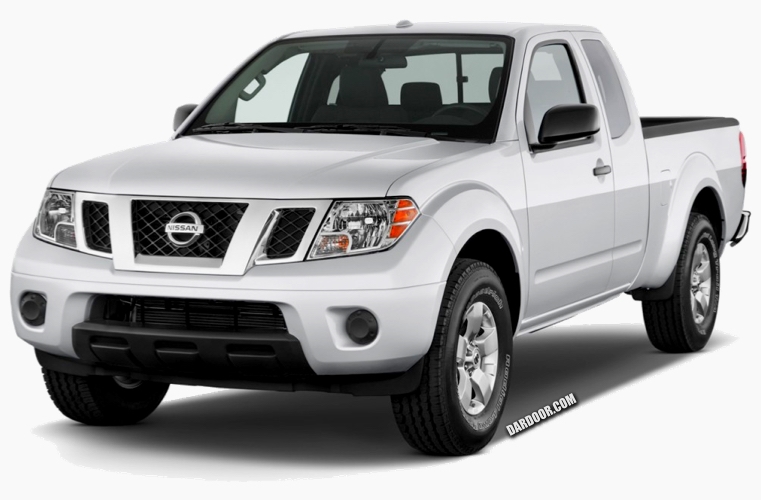
Maximize the performance and longevity of your 2015 Nissan Frontier with this original OEM workshop manual.
2015 Nissan Frontier Repair Manual
$19.90
2015 Nissan Frontier OEM Repair Manual (D40 Series) with Wiring Diagram – PDF
Maximize the performance and longevity of your 2015 Nissan Frontier with this original OEM workshop manual. Specifically designed for the D40 Series, this comprehensive PDF includes all the essential repair instructions and detailed wiring diagrams you need to effectively diagnose and repair your vehicle.
| File Format | |
| File Language | English |
| You’ll Get | 103.4 MB |
| Wiring Diagram | Included |
| Delivery Method | Instant Download |
Download the 2015 Nissan Frontier repair manual today and take charge of your vehicle’s maintenance and repairs!
This is the very same manual that your local Nissan dealer technicians use to diagnose and repair your Frontier. Whether it’s routine maintenance like tune-ups and brake service or more extensive repairs involving engine and transmission disassembly, this factory workshop repair manual provides the most reliable information, guidance, and instructions you may need.
- Complete and Original OEM Workshop Document
- Covers 2015 Nissan Frontier (D40 Series) Models
- Includes Detailed Wiring Diagrams
- Professional-Grade Instructions for Accurate Repairs
- User-Friendly PDF Format
This manual provides detailed procedures for maintenance, disassembly, reassembly, inspection, adjustment of components, and diagnostics, serving as a guide for experienced mechanics. Please review and utilize this manual thoroughly to ensure complete and accurate repairs, keeping your vehicle in optimal condition.
Before purchasing this manual, check if your vehicle is subject to a Nissan service recall so your local dealer can repair it free of charge. When replacing parts during repairs, always use Nissan OEM genuin spare parts to maintain quality and performance.
Table of Contents : 2015 Nissan Frontier Repair Manual
SAMPLE PAGES
CAUTION: This manual is intended for use by individuals with specialized training and proper certification. Attempting repairs or maintenance using only this manual—without the necessary skills, tools, or equipment—may result in serious injury to yourself or others and may also cause significant damage to the vehicle. To ensure safety and prevent vehicle damage, always follow the instructions carefully and use appropriate tools and procedures.
2015 Nissan Frontier: Comprehensive Buyer’s Guide
Overview
The 2015 Nissan Frontier is a mid-size pickup truck that represents the second generation of this long-running model. Known for its durability and value retention, the 2015 model year saw minimal changes from previous years, as this generation has remained largely unchanged since its 2005 debut.
- Trim Levels: S, SV, PRO-4X, Desert Runner, SL
- Body Styles: King Cab (extended cab) and Crew Cab with short or long bed options
- Drive Configurations: Rear-wheel drive (RWD) or four-wheel drive (4WD)
Technical Specifications
Engine Options:
- 2.5L 4-cylinder (I4)
- Horsepower: 152 hp @ 5,600 rpm
- Torque: 171 lb-ft @ 4,400 rpm
- Available only in King Cab S with RWD
- 4.0L V6 (VQ40DE)
- Horsepower: 261 hp @ 5,600 rpm
- Torque: 281 lb-ft @ 4,000 rpm
- Standard on most trims
Transmission:
- 5-speed automatic
- 6-speed manual (available with 4-cylinder and V6)
Dimensions:
- Wheelbase: 125.9 inches (King Cab), 125.9 inches (Crew Cab short bed)
- Length: 205.5 inches (King Cab), 205.5 inches (Crew Cab)
- Width: 72.8 inches
- Height: 70.1-70.9 inches
- Ground clearance: 8.9-9.3 inches
Capacities:
- Payload: 900-1,480 lbs (depending on configuration)
- Towing: 3,500 lbs (4-cylinder), 6,500 lbs (V6 with towing package)
- Fuel tank: 21.1 gallons
- Bed length: 5 ft or 6.1 ft
Fuel Economy (EPA estimates):
- 4-cylinder: 19 city / 23 highway mpg
- V6 RWD: 16 city / 22 highway mpg
- V6 4WD: 15 city / 21 highway mpg
Curb Weight: 3,900-4,700 lbs depending on configuration
Top 10 Mechanical & Electrical Issues
1. Timing Chain Failure (V6 Engine)
-
- Symptoms: Rattling noise on cold start, check engine light, reduced power, metal shavings in oil, catastrophic engine failure
- Root Cause: The VQ40DE engine’s timing chain tensioner and guide can wear prematurely, especially in trucks with infrequent oil changes or used in severe conditions. The plastic timing chain guides deteriorate over time.
- Fix: Replace timing chain, tensioners, guides, and related components. Often requires engine removal for proper access. Preventive replacement recommended at 100,000-150,000 miles.
- Cost: $2,000-$4,500 (depending on extent of damage and whether engine removal is needed)
2. Radiator Transmission Cooler Failure (SMOD – Strawberry Milkshake of Death)
-
- Symptoms: Pink or milky transmission fluid, transmission slipping, overheating, complete transmission failure, coolant in transmission
- Root Cause: Internal failure of the transmission cooler inside the radiator allows coolant and transmission fluid to mix. This contamination destroys the transmission. Primarily affects 2005-2010 models but can occur in 2015.
- Fix: Replace radiator with aftermarket unit featuring external transmission cooler, flush transmission multiple times, replace transmission if contaminated (often necessary)
- Cost: $400-$800 (radiator replacement preventively), $3,000-$5,000 (if transmission replacement needed)
3. Rear Differential Seal Leaks
-
- Symptoms: Differential fluid puddles under truck, whining or humming noise from rear axle, burning smell, low differential fluid level
- Root Cause: Pinion seal and axle seals deteriorate over time due to heat, age, and wear. Common on higher mileage vehicles or those used for towing.
- Fix: Replace pinion seal and/or axle seals, refill differential with proper gear oil
- Cost: $300-$600 (pinion seal), $200-$400 per side (axle seals)
4. Catalytic Converter Failure
-
- Symptoms: Check engine light (P0420/P0430 codes), reduced fuel economy, rattling noise from exhaust, rotten egg smell, failed emissions test
- Root Cause: Catalytic converter substrate breaks down due to age, heat cycles, and contamination. Common after 100,000+ miles.
- Fix: Replace catalytic converter(s). OEM parts recommended for longevity and avoiding check engine lights.
- Cost: $800-$2,000 per side (Frontier has two catalytic converters on V6 models)
5. Fuel Level Sender Failure
-
- Symptoms: Inaccurate fuel gauge readings, gauge stuck on empty or full, erratic gauge movement, fuel warning light issues
- Root Cause: The fuel level sending unit in the fuel tank wears out over time. Resistive strip deteriorates, causing inaccurate readings.
- Fix: Replace fuel level sending unit, which requires dropping the fuel tank
- Cost: $400-$800 (parts and labor)
6. Valve Body Wear (Automatic Transmission)
-
- Symptoms: Hard shifting, delayed engagement, slipping between gears, transmission shudder, check engine light with transmission codes
- Root Cause: Internal valve body components wear over time, especially with infrequent transmission fluid changes. Solenoids and valve bores develop excessive clearance.
- Fix: Replace or rebuild valve body, flush and replace transmission fluid
- Cost: $1,200-$2,500 (valve body replacement)
7. Camshaft Position Sensor Failure
-
- Symptoms: Check engine light (P0340/P0345 codes), rough idle, hard starting, stalling, reduced power, intermittent no-start condition
- Root Cause: Camshaft position sensors fail due to heat exposure and electrical component deterioration over time.
- Fix: Replace camshaft position sensor(s) – V6 has two sensors
- Cost: $150-$350 per sensor (parts and labor)
8. Front Wheel Bearing Failure
-
- Symptoms: Grinding or humming noise from front wheels that increases with speed, vibration in steering wheel, uneven tire wear, ABS warning light
- Root Cause: Wheel bearing assemblies wear out due to normal use, water contamination, or impact damage from potholes. Common after 80,000-100,000 miles.
- Fix: Replace wheel bearing hub assembly
- Cost: $300-$500 per wheel (parts and labor)
9. Brake Master Cylinder Failure
-
- Symptoms: Soft or spongy brake pedal, pedal sinks to floor, brake fluid leaks, reduced braking power, brake warning light
- Root Cause: Internal seals in the master cylinder deteriorate over time, causing internal or external fluid leaks and loss of hydraulic pressure.
- Fix: Replace brake master cylinder, bleed entire brake system
- Cost: $400-$700 (parts and labor)
10. Evaporative Emission Control System Leaks
-
- Symptoms: Check engine light (P0442, P0455, P0456 codes), fuel smell, failed emissions test, slightly reduced fuel economy
- Root Cause: EVAP system components (purge valve, vent valve, hoses, gas cap) develop cracks or leaks due to age and heat exposure. Gas cap seal deterioration is common.
- Fix: Diagnose with smoke test, replace faulty component (gas cap, purge valve, vent valve, or hoses)
- Cost: $50-$150 (gas cap), $150-$400 (purge/vent valve), $200-$600 (hoses and canister)
Top 5 Competitors
1. Toyota Tacoma (2015)
- Advantages: Superior resale value, legendary reliability, better off-road capability (TRD trims), stronger aftermarket support
- Disadvantages: Higher price, less powerful base engine, smaller cabin, firmer ride
- Similar pricing but Tacoma holds value better
2. Chevrolet Colorado (2015 – All-New)
- Advantages: More modern design, better fuel economy (diesel option), more refined ride, quieter cabin, better towing capacity
- Disadvantages: Less proven long-term reliability, more expensive, more complex electronics
- Directly targets same market segment
3. GMC Canyon (2015 – All-New)
- Advantages: Upscale interior, diesel engine option, modern technology, refined driving dynamics
- Disadvantages: Higher price point, same reliability concerns as Colorado twin
- Premium alternative to Frontier
4. Ford Ranger (Not available in 2015 – discontinued 2011, returned 2019)
- Note: The Ranger was not available in the US market in 2015, leaving Nissan and Toyota to dominate the mid-size segment until GM’s return.
5. Honda Ridgeline (2015 – First Generation ending)
- Advantages: Car-like ride quality, better fuel economy, innovative in-bed trunk, more comfortable interior
- Disadvantages: Unibody construction (not body-on-frame), lower towing capacity, less “truck-like”
- Appeals to different buyer – lifestyle truck vs. work truck
| Model | Pros | Cons |
| Toyota Tacoma ↗ | Bulletproof reliability, strong resale value | Higher price, stiff ride |
| Chevrolet Colorado ↗ | Multiple engine options, modern tech | Not as fuel-efficient, early models had infotainment bugs |
| Ford Ranger (global) ↗ | Strong towing, more refined cabin | Some turbo models reported turbo lag or vibration issues |
| Honda Ridgeline ↗ | Smooth ride, roomy interior, versatile bed | Not as rugged for serious off-roading |
| GMC Canyon ↗ | Comfortable, upscale trims available | Electrical gremlins in infotainment, mirrors |
| Ram Dakota (older) ↗ | Affordable on used market | Less refined, parts harder to find |
Top 10 Recalls, Advisories & TSB Highlights
Verify Recalls : Use Nissan’s recall tool ↗ or NHTSA VIN lookup ↗.
Recalls
1. NHTSA Campaign 16V353000 (June 2016) – Passenger Airbag Inflator
- Issue: Takata airbag inflator may rupture during deployment
- Vehicles Affected: Widespread across many 2015 Frontiers
- Fix: Replace passenger front airbag inflator
- Status: Critical safety recall – verify completion before purchase
2. NHTSA Campaign 19V124000 (February 2019) – Additional Takata Airbags
- Issue: Additional Takata airbag inflators may explode
- Vehicles Affected: Continued Takata recall expansion
- Fix: Replace affected airbag inflators
- Status: Ongoing – check VIN for applicability
3. NHTSA Campaign 20V750000 (December 2020) – Backup Camera Display
- Issue: Rearview camera image may not display, increasing crash risk
- Vehicles Affected: Limited number of 2015-2017 Frontiers
- Fix: Software update to audio display unit
- Status: Check if applicable to specific VIN
Technical Service Bulletins (TSBs)
4. NTB13-088a – Timing Chain Noise on Cold Start
- Issue: Rattling noise from engine on cold start
- Solution: Replace timing chain components under warranty extension in some cases
- Importance: HIGH – indicates potential timing chain issue
5. NTB14-071 – Manual Transmission Grinding/Difficult Shifting
- Issue: Hard to shift into gear, grinding noise
- Solution: Replace clutch slave cylinder
- Importance: MEDIUM – affects manual transmission models
6. NTB15-082 – Transmission Fluid Cooler Hose Leak
- Issue: Transmission fluid leaking from cooler hoses
- Solution: Replace transmission cooler hoses
- Importance: HIGH – can lead to transmission damage
7. ITB16-021 – Inaccurate Fuel Gauge
- Issue: Fuel gauge shows incorrect reading
- Solution: Replace fuel level sensor assembly
- Importance: MEDIUM – common complaint
8. NTB15-118 – Rear Axle Seal Oil Leak
- Issue: Oil leaking from rear differential
- Solution: Replace rear axle shaft seal
- Importance: MEDIUM – common wear item
9. NTB16-079 – Brake Judder/Vibration
- Issue: Steering wheel vibration during braking
- Solution: Resurface or replace brake rotors, proper torque procedure
- Importance: MEDIUM – affects braking feel
10. ITB17-004 – Check Engine Light – EVAP System
- Issue: P0442, P0455, P0456 codes for EVAP leak
- Solution: Inspect and replace gas cap, EVAP canister vent valve, or purge valve
- Importance: MEDIUM – common emissions issue
Maintenance Schedule
Every 5,000 Miles or 6 Months
- Engine oil and filter change
- Rotate tires
- Inspect brake pads and rotors
- Check fluid levels (coolant, brake, power steering, washer)
- Inspect steering system and suspension
Every 15,000 Miles or 12 Months
- Replace engine air filter
- Inspect drive belts
- Inspect exhaust system
- Inspect fuel lines and connections
Every 30,000 Miles or 24 Months
- Replace cabin air filter
- Inspect and adjust parking brake
- Replace brake fluid (or every 2 years)
- Inspect differential fluid level
- Inspect transfer case fluid (4WD models)
- Inspect transmission fluid
Every 60,000 Miles or 48 Months
- Replace spark plugs (V6)
- Replace engine coolant (or every 5 years)
- Replace transmission fluid (especially if towing)
- Replace differential fluid
- Replace transfer case fluid (4WD)
- Inspect timing chain condition (V6 – critical)
- Replace drive belts
- Flush and replace power steering fluid
Every 100,000 Miles
- CRITICAL: Inspect timing chain, tensioners, and guides – consider preventive replacement
- Replace fuel filter
- Comprehensive brake system inspection
- Inspect all suspension components
As Needed
- Replace windshield wiper blades (every 6-12 months)
- Replace battery (every 3-5 years)
- Alignment check (annually or when handling issues arise)
- Replace tires (check tread depth regularly)
Special Note for Severe Duty Use: If towing regularly, driving in dusty/muddy conditions, short trips in freezing temperatures, or extended idling, reduce all intervals by 30-50%.
10 FAQs for Buyers
1. Is the 2015 Frontier reliable?
Yes, generally very reliable. The VQ40DE V6 engine and platform are proven, with many trucks exceeding 200,000+ miles. Main concerns are timing chain maintenance and the SMOD radiator issue (less common in 2015 but still possible). Regular maintenance is key. The Frontier has a reputation for durability and low cost of ownership.
2. Should I avoid the 4-cylinder engine?
Unless you only need basic, unloaded transportation and never tow, yes. The 2.5L I4 is underpowered (152 hp) for a truck, struggles with loads, and offers minimal fuel economy advantage (only 3-4 mpg better). The V6 is much more capable and worth the investment. The I4 is rare and only available in base King Cab models.
3. What mileage is too high for a 2015 Frontier?
With proper maintenance, 150,000-200,000+ miles is achievable. Look for service records, especially timing chain inspection/replacement around 100,000-150,000 miles. Under 100,000 miles is ideal, but well-maintained higher-mileage examples can be good values. Verify timing chain has been addressed on higher mileage trucks.
4. Manual or automatic transmission – which is better?
The 6-speed manual is reliable and engaging but resale value is lower. The 5-speed automatic is adequate but dated (introduced in 2005). For towing and daily driving, automatic is more practical. Manual is fine for enthusiasts who want more control. The automatic is smooth but not particularly efficient by modern standards.
5. Is the SMOD (Strawberry Milkshake of Death) still a concern in 2015?
Less common than 2005-2010 models, but still possible. Nissan improved radiators, but failures still occur. Many owners proactively install an external transmission cooler and bypass the radiator’s internal cooler as preventive measure. Check transmission fluid color (should be red, not pink/milky). This is worth addressing preventively.
6. What should I look for during a pre-purchase inspection?
- Timing chain noise on cold start (rattling)
- Transmission fluid color (check for SMOD)
- Differential leaks at pinion seal and axle seals
- Frame rust (especially in salt-belt states)
- 4WD engagement and transfer case operation
- Check engine light codes
- Service records, especially oil changes and timing chain work
- Complete Takata airbag recall verification
7. Is 4WD necessary, or is 2WD sufficient?
Depends on your needs. 2WD (RWD) is fine for normal use, offers better fuel economy, and has lower maintenance costs. 4WD adds capability for off-road, snow, and towing on slippery surfaces but reduces MPG by 1-2 and adds complexity. PRO-4X trim offers best off-road capability with locking rear differential and Bilstein shocks.
8. How does the PRO-4X trim compare to others?
PRO-4X is the off-road focused trim with electronic locking rear differential, Bilstein off-road shocks, skid plates, hill descent control, and all-terrain tires. It’s excellent for serious off-road use but has a firmer ride on pavement. SV and SL trims offer more comfort features. Desert Runner is 2WD with PRO-4X styling.
9. What are common rust areas to check?
Frame rails (especially near rear suspension mounts), bed floor and bedsides, rocker panels, cab corners, and rear bumper mounting points. Trucks from salt-belt states need thorough inspection. The frame is generally robust, but surface rust should be addressed. Undercoating can help preserve trucks in harsh climates.
10. Is the 2015 Frontier worth buying in 2025?
Yes, if you want a simple, proven, affordable mid-size truck and don’t need the latest technology. It’s dated compared to modern trucks (Colorado, Tacoma, Ranger, Gladiator) but offers excellent value, durability, and low cost of ownership. The 2015 lacks modern safety features (no automatic emergency braking, blind spot monitoring, etc.) and fuel economy trails newer trucks, but mechanically it’s solid. Best for buyers who prioritize simplicity and value over modern amenities.
Final Buyer Recommendations
Who Should Buy a 2015 Frontier:
- Budget-conscious buyers seeking a reliable, proven truck platform
- Those who value simplicity over modern technology
- DIY mechanics who appreciate straightforward, accessible design
- Buyers needing moderate towing (up to 6,500 lbs) and payload capacity
- Off-road enthusiasts (PRO-4X model)
- Second truck or work truck buyers where refinement is less important
Who Should Look Elsewhere:
- Buyers prioritizing modern safety technology (automatic emergency braking, etc.)
- Those seeking best-in-class fuel economy
- Buyers wanting refined, quiet highway cruising
- Those needing maximum towing capacity (7,000+ lbs)
- Tech-focused buyers who want advanced infotainment and driver aids
Key Buying Tips:
1. Timing Chain Inspection is Critical Have a pre-purchase inspection specifically check for timing chain noise and condition. Budget for preventive replacement if approaching 100,000+ miles without documentation of replacement.
2. Verify Recall Completion Check VIN at NHTSA.gov for open recalls, especially Takata airbag recalls. Don’t buy until these are completed – dealerships must fix them free.
3. Service Records Are Essential Look for consistent oil changes every 5,000 miles, transmission services, and differential services. Trucks with documented maintenance are worth paying more for.
4. Consider Preventive SMOD Protection Budget $400-600 to install external transmission cooler and bypass internal radiator cooler if not already done. This prevents catastrophic transmission failure.
5. Inspect Frame and Undercarriage Thoroughly Especially important for trucks from snow/salt states. Surface rust is manageable, but structural rust is a deal-breaker.
6. V6 is Non-Negotiable Don’t compromise on the V6 engine. The 4-cylinder is underpowered and offers minimal real-world benefits.
7. Budget for Future Maintenance Set aside $2,000-3,000 for potential timing chain work if buying higher mileage (100,000+). Also budget for typical wear items: brakes, tires, shocks.
8. Test Drive Thoroughly Listen for timing chain rattle on cold start, test 4WD engagement (if equipped), check transmission shifting smoothness, and verify all accessories work.
9. Fair Market Value As of 2025, expect to pay $12,000-$18,000 depending on mileage, condition, trim, and location. PRO-4X and low-mileage examples command premium prices. Factor in needed repairs when negotiating.
10. Consider Certified Pre-Owned or Warranty If available, CPO warranties add peace of mind. Otherwise, consider third-party warranty for major components (engine, transmission) on higher-mileage trucks.
Bottom Line:
The 2015 Nissan Frontier is an excellent value proposition for buyers seeking a simple, durable, no-frills mid-size truck. It won’t wow you with technology or refinement, but it will reliably get the job done for years with proper maintenance. The platform’s longevity (essentially unchanged since 2005) means parts are plentiful and affordable, mechanics know these trucks well, and common issues are well-documented.
Buy with confidence if:
- Service records are complete
- Timing chain has been addressed or truck is under 80,000 miles
- No signs of SMOD or frame damage
- Price reflects any deferred maintenance
- You value proven durability over modern features
The Frontier offers exceptional value retention and low cost of ownership in the mid-size truck segment. While newer competitors offer more refinement, the 2015 Frontier remains a smart choice for practical buyers who prioritize reliability and value.
Final Rating: 7.5/10 – Excellent value and reliability, but dated design and lack of modern features prevent higher score.
📄 Additional Resources
Related products
-
2016 Nissan Sentra Repair Manual
$16.90 Add to cart -
2014 Nissan Sentra Repair Manual
$16.90 Add to cart -
2016 Nissan Pathfinder Repair Manual
$16.90 Add to cart -
2015 Nissan Quest Repair Manual
$19.90 Add to cart -
2016 Nissan Quest Repair Manual
$16.90 Add to cart -

2016 Nissan GT-R Repair Manual
$16.90 Add to cart -
2017-2020 Nissan Rogue Hybrid T32 Repair Manual
$24.90 Add to cart -
2014 Nissan Versa Note Repair Manual
$16.90 Add to cart