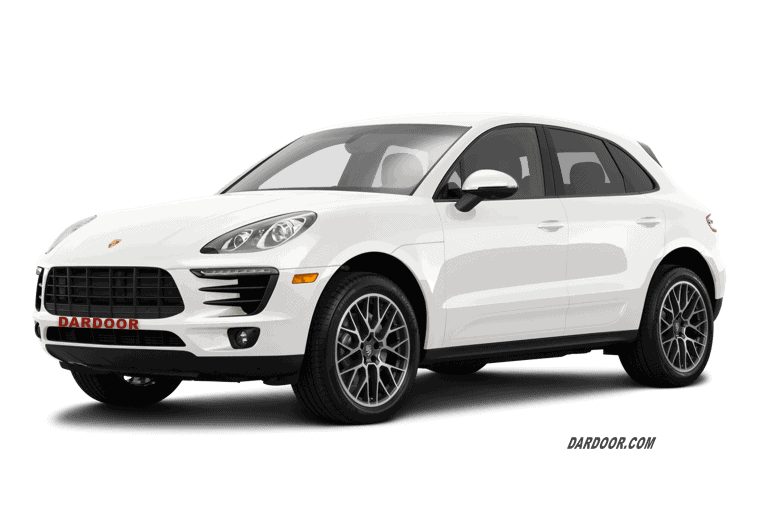
This is the genuine OEM workshop document for the 2015-2016 Porsche Macan repair manual with wiring diagrams in PDF format. It is the same manual that your local Porsche dealer mechanics use to diagnose and repair your car.
Overview
The 2015–2016 Porsche Macan represents the introduction of Porsche’s first compact luxury SUV, launching in early 2015 as a 2015 model year vehicle. Positioned to compete with the Audi Q5 and BMW X3, the Macan brought Porsche’s performance DNA to the growing luxury SUV segment. Despite being smaller than the Cayenne, the Macan delivered genuine sports car handling wrapped in a practical, family-oriented package.
Key Positioning
- Turbocharged 4-cylinder or 3.6L V6 engine options
- Dual-clutch transmission (PDK) with all-wheel drive
- 0–60 mph in 5.2–6.3 seconds (depending on model)
- Available carbon-ceramic brakes and air suspension
- Price range: $48,000–$76,000 (MSRP)
- Target market: Affluent luxury buyers seeking performance SUV credentials and Porsche brand prestige
Technical Specifications
| Specification | Macan S | Macan Turbo |
|---|---|---|
| Engine | 3.0L twin-turbocharged V6 | 3.6L twin-turbocharged V6 |
| Horsepower | 340 hp | 400 hp |
| Torque | 339 lb-ft | 406 lb-ft |
| 0–60 mph | 5.2 seconds | 4.8 seconds |
| Top Speed | 153 mph | 160 mph |
| Transmission | 6-speed PDK dual-clutch | 6-speed PDK dual-clutch |
| Drivetrain | AWD (Porsche Traction Management) | AWD (Porsche Traction Management) |
| Fuel Economy (EPA) | 19 city / 26 highway | 17 city / 24 highway |
| Curb Weight | 3,935 lbs | 4,145 lbs |
| Wheelbase | 107.0 inches | |
| Length/Width/Height | 177.8 x 72.0 x 59.4 inches | |
| Suspension | Air suspension (adaptive damping) | Air suspension with PASM |
| Brakes | Ceramic composite (Turbo std) | Carbon-ceramic (optional) |
| Tires | Michelin Latitude Sport 3 (235/60R18) | Michelin Latitude Sport 3 (255/55R19) |
| Fuel Tank | 16.9 gallons | |
| Seating | 5 passengers | |
| Cargo Space | 17.7 cu ft (behind rear seats); 53.0 cu ft (seats folded) | |
| Towing Capacity | 1,500 lbs |
Macan Base Model (2015 only)
- 2.0L turbocharged 4-cylinder: 252 hp, 273 lb-ft
- 0–60 mph: 6.3 seconds
- EPA: 21 city / 28 highway
10 Top Mechanical and Issues
1. Timing Chain Tensioner Failure & Rattle
Symptoms:
- Loud metallic rattling or “grinding” noise from front of engine (especially on cold starts)
- Rattle increases with RPM before smoothing out
- Check engine light (P0016, P0017 camshaft codes)
- Loss of power; engine hesitation
- Possible engine stalling or rough idle
Root Cause: The plastic timing chain tensioner on the 3.0L and 3.6L turbocharged engines develops cracks from thermal cycling and excessive heat. Porsche redesigned this component multiple times. The VVT (variable valve timing) system adds stress on the already-weakened tensioner.
Fix:
- Replace timing chain tensioner with updated OEM unit (this is the permanent fix)
- Inspect timing chain for wear; replace if damaged
- Perform complete oil and filter change (debris may contaminate system)
- Reprogram ECU to ensure proper VVT operation
- Verify proper oil pressure and flow to timing chain area
Cost: $2,500–$4,000 (parts + labor); severe cases requiring timing chain replacement: $4,500–$6,500
2. Dual-Clutch Transmission (PDK) Shudder & Hesitation
Symptoms:
- Harsh, jerky engagement during low-speed driving or parking lot maneuvers
- Noticeable shudder/vibration when shifting from Drive to Reverse
- Hesitation or delayed response when accelerating from a stop
- Transmission warning light; occasional limp mode activation
- Burnt smell or grinding noise from transmission
Root Cause: The PDK transmission’s dual-clutch pack experiences thermal stress from aggressive driving, stop-and-go traffic, or repeated high-torque launches. The mechatronic unit (computer-controlled component) may develop calibration issues. Low or contaminated transmission fluid exacerbates the problem.
Fix:
- Perform transmission fluid diagnosis (check for metal shavings, discoloration)
- Complete fluid and filter replacement with Porsche-approved PDK fluid only (crucial)
- Reprogram transmission control module with latest Porsche calibration software
- Inspect clutch pack for wear; replace if necessary
- Install transmission cooler if aftermarket tuning is planned
- Avoid aggressive launches; use Sport or Sport Plus mode selectively
Cost: Fluid change: $300–$500; transmission recalibration: $500–$800; clutch pack replacement: $3,500–$5,500
3. Air Suspension Compressor Failure
Symptoms:
- Vehicle sags or sits lower than normal, especially after overnight parking
- Air suspension warning light on dashboard
- Compressor cycling on/off frequently (audible humming)
- Inability to raise vehicle to desired height; stuck in low position
- Rough or bumpy ride quality
Root Cause: The air suspension compressor (pneumatic pump) located beneath the vehicle is exposed to road debris, salt, and moisture. The plastic composite pump housing cracks over time. Motor coil burnout occurs from overworking to compensate for air leaks in rubber air springs or connecting tubes.
Fix:
- Perform leak detection test to identify air spring or line leaks
- Replace defective air springs if ruptured (usually rear springs fail first)
- Replace air suspension compressor motor with OEM unit
- Inspect all air lines and connectors for cracks; replace as necessary
- Reprogram suspension control module if error codes persist
- Apply protective coating to compressor to prevent salt/debris damage
Cost: Air spring replacement: $400–$600 per corner; compressor motor: $1,200–$1,800 (parts + labor)
4. Panoramic Sunroof Rattle & Seal Failure
Symptoms:
- Audible rattling or creaking from sunroof area at highway speeds or rough roads
- Water leaking into headliner or interior trim (especially during heavy rain)
- Sunroof mechanism stuck (won’t open/close smoothly)
- Wind noise from sunroof when fully closed
- Rubber seal deterioration visible; gaps around sunroof frame
Root Cause: The panoramic glass sunroof panel and frame experience vibration-induced loosening of mounting hardware. Rubber seals degrade from UV exposure and temperature cycling. The sunroof drainage system clogs with debris, allowing water to pool and seep into the cabin.
Fix:
- Tighten all sunroof mounting bolts with proper torque specification
- Inspect and replace sunroof rubber seals and gaskets
- Clear sunroof drainage tubes and hoses; use compressed air or flush system
- Verify proper glass panel alignment; adjust if necessary
- Apply weather-resistant sealant to any gaps
- Test sunroof operation through full open/close cycle
Cost: Seal replacement: $300–$600; drainage cleaning: $150–$300; glass replacement (if cracked): $1,500–$2,500
5. Power Steering System Leaks & Loss of Pressure
Symptoms:
- Steering feels heavy or requires excessive effort to turn
- Low power steering fluid reservoir (requires frequent topping off)
- Visible fluid leaks from power steering hoses or pump area
- Whining or groaning noise from steering pump (especially during full lock turns)
- Steering jerks or momentarily loses assist mid-turn
Root Cause: High-pressure rubber hoses connecting the power steering pump to the steering rack deteriorate from heat exposure and pressure cycling. The pump itself (mechanically driven by serpentine belt) seals fail, causing internal leakage. Steering rack seals also degrade with age.
Fix:
- Perform dye test to identify leak location (most common: connection fittings, pump seals)
- Replace defective power steering hoses with OEM equivalents (don’t use universal hoses)
- Rebuild or replace power steering pump if internal seals failed
- Flush power steering system and refill with Porsche-approved fluid
- Inspect serpentine belt; replace if cracked or glazed
- Tighten all hose fittings; apply thread sealant if necessary
Cost: Hose replacement: $300–$700; pump rebuild/replacement: $800–$1,500; system flush: $150–$250
6. Engine Misfire & Carbon Buildup (GDI Issues)
Symptoms:
- Check engine light (P0300–P0306 cylinder misfire codes)
- Rough idle, especially when cold
- Hesitation during acceleration; loss of power
- Increased fuel consumption (EPA figures not achieved)
- Black exhaust smoke; rough running after extended idling
- Difficulty starting (especially in cold weather)
Root Cause: The gasoline direct injection (GDI) system injects fuel directly into the combustion chamber. Without fuel washing across intake valves, carbon deposits accumulate on the valve seats and spark plug electrodes. This is especially problematic in turbocharged engines due to higher temperatures and boost pressure. Poor-quality fuel accelerates carbon formation.
Fix:
- Perform walnut shell blasting (carbon cleaning) on intake valves (most effective)
- Replace spark plugs with fresh OEM units (NGK premium recommended)
- Fuel system cleaning using professional chemical cleaner through fuel injectors
- Verify fuel pressure and injector spray pattern; replace injectors if faulty
- Use only premium 91+ octane fuel; consider fuel system additive (Techron Concentrate)
- Consider delcarbonization service every 40,000 miles for turbocharged engines
Cost: Walnut blasting: $400–$800; spark plug replacement: $200–$400; fuel injection cleaning: $200–$300
7. Electrical Connector Corrosion & Intermittent Faults
Symptoms:
- Check engine light with no consistent error codes (intermittent)
- Electrical gremlins: lights flickering, gauges malfunctioning
- Door lock/window operation slow or unresponsive
- ABS or stability control warning lights (false warnings)
- Difficulty starting; weak cranking power (inconsistent)
Root Cause: Porsche’s design places multiple electrical connectors in areas prone to moisture intrusion: door jambs, wheel wells, undercarriage. Salt from winter road treatment and humidity corrode connector pins. Poor-quality aftermarket accessories or DIY modifications introduce moisture into electrical system.
Fix:
- Perform full electrical system scan; document all fault codes
- Locate corroded connectors (common areas: door modules, wheel speed sensors, BCM)
- Disconnect and clean corroded connectors with electrical contact cleaner
- Apply dielectric grease to connectors to prevent future corrosion
- Inspect wiring for damage; repair or replace as necessary
- Check ground connections throughout vehicle; clean and retorque
- Seal any obvious moisture entry points (door seals, rubber grommets)
Cost: Connector cleaning/replacement: $200–$600; diagnostics: $150–$300; wiring repairs: $300–$800
8. Engine Coolant Leaks & Thermostat Issues
Symptoms:
- Sweet-smelling coolant odor from engine bay
- Coolant level dropping rapidly (requires frequent top-offs)
- Engine running hot; temperature gauge reading high
- White or green fluid puddles under vehicle after parking
- Visible steam from under hood; radiator fan running constantly
Root Cause: Porsche’s turbocharged engines run hotter than naturally aspirated competitors. The plastic coolant hoses and connections, particularly at the turbocharger, deteriorate from thermal cycling. The thermostat (controlling coolant flow to maintain optimal temperature) sticks partially closed, causing overheating. Radiator and water pump seals also fail with age.
Fix:
- Inspect all coolant hoses for cracks, bulges, or soft spots; replace if defective
- Test thermostat operation; replace if stuck or overheating
- Flush cooling system with distilled water and Porsche-approved coolant
- Inspect water pump for leaks; replace if seals are failing
- Check radiator for internal blockages or external fin damage
- Verify turbocharger cooling line integrity (oil-to-coolant type)
- Pressure test cooling system to identify leaks
Cost: Hose replacement: $300–$600; thermostat: $400–$700; water pump: $600–$1,000; radiator replacement: $1,200–$1,800
9. Fuel Pump & Fuel Pressure Regulator Malfunction
Symptoms:
- Check engine light (P0087, P0089, P0090 fuel pressure codes)
- Engine hesitation or difficulty starting
- Reduced power; car won’t accelerate normally
- Fuel smell in cabin or from fuel door
- Weak idle; stalling at traffic lights
Root Cause: The in-tank fuel pump operates continuously under high pressure (50+ psi in turbocharged engines). The pump motor brushes wear out, or the impeller develops cavitation damage. The fuel pressure regulator fails due to exposure to fuel vapors and heat. Contaminated fuel or clogged fuel filter forces the pump to work harder.
Fix:
- Replace fuel filter (should be done every 30,000–40,000 miles)
- Pressure test fuel system at multiple engine loads
- Replace fuel pump if output is below specification
- Replace fuel pressure regulator if not maintaining proper pressure
- Inspect fuel injectors; clean or replace if clogged
- Drain and replace fuel if contamination is present
- Use only premium fuel from reputable stations
Cost: Fuel filter: $100–$200; fuel pump replacement: $800–$1,500; regulator replacement: $400–$700
10. Center Console Trim Panel Cracking & Rattling
Symptoms:
- Visible cracks in center console plastic trim (driver-side shift console area)
- Annoying rattle or squeaking from center console at highway speeds
- Center screen or infotainment unit loose or vibrating
- Dashboard vents rattle when driving over bumps
- Interior trim panels separating at seams
Root Cause: The center console and interior trim panels are constructed from plastic composite material that becomes brittle over time due to UV exposure and heat. Vibration from the engine and road surfaces cause clips and fasteners to loosen. The adhesive used at seams degrades, causing separation.
Fix:
- Tighten all fasteners securing center console and dashboard panels
- Apply flexible plastic epoxy or adhesive to cracks (cosmetic repair)
- Place felt tape or foam padding behind rattling panels to dampen vibration
- Reattach separated trim pieces using plastic-specific adhesive
- Replace severely cracked panels (aesthetic replacement only, no mechanical impact)
- Apply protective UV film to exposed plastic to prevent future degradation
Cost: DIY fix: $50–$150 (adhesive, padding); Porsche dealer trim replacement: $400–$800 per panel
Top 5 Competitors
| Competitor | Key Strengths | Key Weaknesses | Price Range |
|---|---|---|---|
| BMW X3 (2015–2016) | Premium luxury interior, excellent on-road handling, strong brand prestige | Smaller cargo space than Macan, transmission reliability issues (some years), higher maintenance costs | $42,000–$60,000 |
| Audi Q5 (2015–2016) | Sophisticated interior design, Audi Virtual Cockpit, smooth turbocharged engines | Less sporty handling than Macan, air suspension expensive to repair, lower resale value | $40,000–$65,000 |
| Mercedes-Benz GLC (launched 2016) | Luxury appointments, smooth ride quality, AMG performance option | Limited cargo space, premium parts expensive, complex electronics prone to issues | $45,000–$70,000 |
| Cadillac SRX (2015–2016) | American performance credentials, spacious interior, lower purchase price | Less refined than European competitors, poor fuel economy, limited technology | $35,000–$55,000 |
| Infiniti QX50 (2015–2016) | Excellent warranty coverage, sporty handling, good value proposition | Lower brand prestige than Macan, less efficient than competitors, lower resale value | $38,000–$58,000 |
Note: The Macan competes primarily with the BMW X3 and Audi Q5, but its performance focus and Porsche brand heritage position it uniquely in the luxury compact SUV segment. It’s sportier than all competitors but commands a price premium.
Top 10 Recalls, Advisories & TSB Highlights
1. Timing Chain Tensioner Cracking (Field Service Action)
- Years Affected: 2015–2016 (all engines)
- Issue: Plastic timing chain tensioner cracks due to thermal stress
- Risk: Timing chain rattle, engine noise, possible catastrophic timing failure
- Fix: Replacement of timing chain tensioner assembly with updated design
- Status: TSB issued; extended warranty coverage available
2. Panoramic Sunroof Seal Leaking (NHTSA ID: 15V487000)
- Years Affected: 2015–2016
- Issue: Sunroof rubber seal deteriorates; water intrusion into cabin
- Risk: Water damage to interior, corrosion of electrical components
- Fix: Sunroof seal replacement; drainage system cleaning and clearing
- Status: Recall issued; free dealer service
3. Air Suspension Compressor Failure (Customer Advisory)
- Years Affected: 2015–2016
- Issue: Air compressor motor fails or develops electrical faults
- Risk: Vehicle suspension sags; loss of ride height control
- Fix: Air suspension compressor motor replacement
- Status: Advisory issued; may be covered under warranty depending on mileage
4. Engine Misfire Due to Carbon Buildup (TSB-EN-15-008)
- Years Affected: 2015–2016 turbocharged models
- Issue: GDI carbon accumulation on intake valves
- Risk: Engine misfire, rough idle, loss of power
- Fix: Walnut shell blasting carbon cleaning; fuel injection service
- Status: TSB issued; no recall, but cleaning recommended preventively
5. PDK Transmission Hesitation (Field Service Action)
- Years Affected: 2015–2016
- Issue: Transmission shudders or hesitates during low-speed maneuvers
- Risk: Premature clutch wear; potential transmission damage if ignored
- Fix: PDK software reprogramming; transmission fluid replacement
- Status: Field service action issued; free reprogramming at dealers
6. Fuel Pressure Regulator Failure (TSB-FU-15-009)
- Years Affected: 2015–2016
- Issue: Fuel pressure regulator fails to maintain proper pressure
- Risk: Engine hesitation, starting difficulty, check engine light
- Fix: Fuel pressure regulator replacement with updated design
- Status: Covered under powertrain warranty; TSB issued
7. Power Steering Hose Leaks (Field Advisory)
- Years Affected: 2015–2016
- Issue: High-pressure rubber hoses crack or develop pinhole leaks
- Risk: Power steering fluid loss; steering assist failure
- Fix: Power steering hose replacement with OEM units
- Status: Advisory issued; repairs may be covered under warranty for early-year models
8. Electrical Connector Corrosion (Technical Advisory)
- Years Affected: 2015–2016
- Issue: Connectors corrode due to moisture intrusion, causing intermittent electrical faults
- Risk: Various electrical gremlins; ABS/stability control warnings
- Fix: Connector cleaning, dielectric grease application, wiring inspection
- Status: Advisory issued; not a recall, but preventive maintenance recommended
9. Engine Coolant Hose Deterioration (TSB-CO-15-012)
- Years Affected: 2015–2016
- Issue: Plastic coolant hoses weaken and crack from thermal cycling
- Risk: Coolant leaks, engine overheating
- Fix: Replacement of plastic hoses with improved design; full cooling system flush
- Status: Covered under powertrain warranty; TSB issued
10. Infotainment Screen Malfunction (Software Glitch)
- Years Affected: 2015–2016
- Issue: Touchscreen becomes unresponsive or displays errors
- Risk: Loss of navigation, climate control interface, vehicle settings
- Fix: Infotainment system software update; display replacement if update unsuccessful
- Status: Software update available at no cost; display replacement may require out-of-warranty payment
Maintenance Schedule
Engine Maintenance
| Service | Interval | Cost |
|---|---|---|
| Oil & filter change (Porsche synthetic) | 10,000 miles | $120–$180 |
| Air filter replacement | 20,000 miles | $80–$150 |
| Cabin air filter replacement | 20,000 miles | $70–$120 |
| Fuel filter replacement | 30,000 miles | $100–$200 |
| Spark plug replacement | 40,000 miles | $200–$400 |
| Engine coolant flush | 30,000 miles | $150–$250 |
| Transmission fluid change (PDK fluid) | 40,000 miles | $400–$700 |
| Differential fluid change (AWD) | 50,000 miles | $200–$350 |
| Carbon cleaning (walnut blasting) | 50,000 miles (preventive) | $400–$800 |
| Engine belt inspection | 30,000 miles | $75–$150 |
Brake & Suspension Maintenance
| Service | Interval | Cost |
|---|---|---|
| Brake fluid flush | 24 months | $200–$350 |
| Brake pad inspection | 15,000 miles | Included in inspection |
| Brake pad replacement | 30,000–50,000 miles | $600–$1,200 |
| Brake rotor inspection/replacement | 40,000 miles (or as needed) | $400–$800 |
| Carbon-ceramic brake maintenance | 80,000+ miles | Minimal (exceptional durability) |
| Suspension inspection | 20,000 miles | $200–$400 |
| Air suspension diagnostic | 50,000 miles | $150–$300 |
| Tire rotation | 5,000–10,000 miles | $75–$150 |
| Tire replacement (performance) | 25,000–40,000 miles | $250–$450 per tire |
| Wheel alignment | 20,000 miles or as needed | $150–$300 |
Electrical & Climate Control
| Service | Interval | Cost |
|---|---|---|
| Battery inspection | 24 months | Included in inspection |
| Battery replacement | 36,000–60,000 miles | $200–$350 |
| Alternator output test | 50,000 miles | $100–$150 |
| Air conditioning service | Annual | $150–$250 |
| Climate control system flush | 24 months | $100–$200 |
Body & Undercarriage
| Service | Interval | Cost |
|---|---|---|
| Undercarriage inspection | Annually | $75–$150 |
| Corrosion protection treatment | Annually | $100–$150 |
| Paint protection detail | Annually | $200–$400 |
| Sunroof track cleaning | Annually | $50–$100 |
Annual Inspection Checklist
- Battery voltage and CCA rating
- Fluid levels (oil, coolant, brake, power steering, windshield washer)
- Brake pad wear and rotor condition
- Air suspension system pressure and component condition
- Tire tread depth and pressure
- All lighting systems
- Windshield wipers and washers
- Engine bay for leaks, corrosion, or loose components
- Sunroof operation and seal condition
10 FAQs for Buyers
1. Is the 2015–2016 Macan a good investment?
The Macan is a depreciating asset, not an investment vehicle. Values have stabilized in the $28,000–$45,000 range depending on mileage and condition. The early 2015 model year experienced some teething issues, so 2016 models command slightly higher prices. However, the Macan’s strong brand prestige, performance reputation, and utility position it well compared to competitors—resale values have stabilized better than many luxury SUVs. Expect 40–50% depreciation over 5 years, which is better than average for the segment.
2. What’s the real-world fuel economy?
EPA ratings are 19 city / 26 highway for the S model and 17 city / 24 highway for the Turbo. Real-world experiences vary significantly:
- Spirited/aggressive driving: 16–19 mpg
- Highway cruising (steady speed): 24–27 mpg
- Mixed commuting: 20–23 mpg
- City/stop-and-go traffic: 16–18 mpg
Premium 91+ octane fuel is required. With a 16.9-gallon tank, expect $2,400–$3,500 annually for fuel if driven 12,000 miles per year.
3. Should I buy the Macan S or Macan Turbo?
Macan S (3.0L twin-turbo V6, 340 hp):
- Sufficient power for daily driving and spirited weekend use
- Better fuel economy than Turbo
- Lower maintenance costs
- $8,000–$12,000 cheaper purchase price
- Good for: Commuters, families, sensible enthusiasts
Macan Turbo (3.6L twin-turbo V6, 400 hp):
- Noticeably quicker (0–60 in 4.8 vs. 5.2 seconds)
- More responsive turbo feel; smoother power delivery
- Better resale value (Porsche brand preference for higher models)
- Higher fuel consumption and insurance
- Good for: Performance enthusiasts, track days, those valuing badge prestige
Recommendation: Unless you frequently drive on track or prioritize 0.4 seconds in acceleration, the Macan S delivers 90% of the Turbo’s performance at significantly lower cost. The S is the sweet spot for value.
4. Which model year is most reliable—2015 or 2016?
2016 is the safer choice. The 2015 was the first model year and experienced several early issues:
- Timing chain tensioner issues more prevalent in 2015
- PDK transmission shudder complaints concentrated in 2015
- Infotainment software bugs addressed with 2016 updates
- Sunroof seal design improved for 2016
However, a well-maintained 2015 Macan with documented service history is equally reliable. The differences are marginal if proper maintenance is observed.
5. Is the Macan practical as a daily driver?
Yes, absolutely. The Macan excels as a daily driver:
- Seating: Comfortable for 5 passengers on shorter commutes; rear seats cramped for adults on long trips
- Cargo space: 17.7 cu ft is adequate for groceries, luggage, small cargo; 53.0 cu ft with seats folded
- Visibility: Excellent; large windows and low window line
- Ride quality: Firm (especially in Sport mode) but not uncomfortable; air suspension handles bumps well
- Noise: Higher than competitors (sporty exhaust note, tire noise)
- Fuel costs: Premium fuel required; expect $2,400–$3,500 annually
The main trade-off is that the Macan prioritizes performance over comfort. It’s a sports car disguised as an SUV, not a luxury cruiser.
6. What’s the difference between models with and without air suspension?
Without air suspension (Base/standard):
- Conventional coil spring suspension
- Fixed ride height
- Lower maintenance cost
- Less adjustability
- Slightly harsher ride
With air suspension (optional on S, standard on Turbo):
- Adaptive air springs adjust ride height for aerodynamics and comfort
- Lowers automatically at highway speeds (improves efficiency)
- Raises for off-road or clearance needs
- Smoother, more compliant ride quality
- More expensive repairs ($1,500–$3,000 if compressor fails)
- PASM (Porsche Active Suspension Management) provides electronic damping adjustment
Recommendation: If budget allows, air suspension is worth the cost for comfort and aerodynamic benefits. However, the standard suspension is reliable and adequate if budget is tight.
7. What’s the maintenance cost difference between Porsche dealers and independent shops?
| Service | Porsche Dealer | Independent Porsche Specialist | General Mechanic |
|---|---|---|---|
| Oil change | $120–$180 | $80–$120 | $60–$100 |
| Brake pad replacement | $800–$1,200 | $600–$900 | Not recommended (needs expertise) |
| Transmission fluid change | $400–$700 | $300–$500 | Not recommended |
| Air suspension repair | $1,800–$2,500 | $1,500–$2,000 | Not recommended |
| Timing chain service | $3,500–$5,000 | $2,800–$4,000 | Not recommended |
Recommendation: Use Porsche dealers for warranty work and complex diagnostics. For routine maintenance (oil changes, filters, tires), independent Porsche specialists offer 20–30% savings without sacrificing quality. Avoid general mechanics for major work—specialized knowledge is essential.
8. Are warranty options worth considering for a used 2015–2016 Macan?
Third-party extended warranties (e.g., CarShield, Endurance): Limited value for Porsche
- Macan has relatively few catastrophic failures
- Excludes wear items (brakes, tires, batteries)
- Exclusions for pre-existing conditions make claims difficult
- Copayments and deductibles add up
Porsche Certified Pre-Owned (CPO) warranty: Highly recommended
- 6-year / 100,000-mile powertrain warranty (bumper-to-bumper)
- Covers air suspension, transmission, engine comprehensively
- Peace of mind for first 6 years of ownership
- Adds $1,500–$3,000 to purchase price but saves stress
- Common for dealer inventory 2015–2016 models
Verdict: If buying from Porsche dealer, negotiate CPO warranty into the deal. For private party purchases, extended warranties are less valuable; instead, prioritize pre-purchase inspection.
9. Should I buy a high-mileage Macan (50,000+ miles)?
Proceed cautiously, but it’s manageable. At 50,000+ miles, the Macan approaches major service intervals:
- Transmission fluid change (recommended at 40,000 miles)
- Air suspension compressor inspection (wear point)
- Brake fluid flush (every 24 months regardless of mileage)
- Potential timing chain tensioner replacement (depending on history)
Key inspection points:
- Complete service history (critical)
- Timing chain condition and noise (start engine cold; listen for rattle)
- Air suspension operation (test full height range; listen for compressor noise)
- Transmission smoothness (test in Drive and Reverse; listen for shudder)
- Sunroof seal condition (inspect for water stains on headliner)
Cost estimate for deferred maintenance: Budget $2,000–$4,000 for fluid changes, filters, and potential minor repairs.
Recommendation: A well-documented 50,000-mile Macan with all records and pre-purchase inspection is safer than an under-maintained 30,000-mile example. Price accordingly and factor maintenance into your offer.
10. What are the insurance costs for a 2015–2016 Macan?
Insurance costs vary by age, driving record, location, and coverage level:
| Coverage Type | Typical Annual Cost |
|---|---|
| Liability only (minimum) | $800–$1,200 |
| Liability + collision (50k deductible) | $1,000–$1,500 |
| Full coverage (collision/comprehensive/100k) | $1,500–$2,200 |
| Performance/sports car rated | $2,000–$3,000 |
Factors affecting cost:
- Age and driving record (young drivers: +50–100%)
- Location (urban vs. rural; urban: +20–40%)
- Turbo model vs. S model (Turbo: +5–10% higher)
- Annual mileage (higher mileage: +10–20%)
- Safety/security features (discounts for passive safety)
Recommendations:
- Shop multiple insurers; rates vary 30–50% between carriers
- Porsche specialist insurers (USAA, AAA, specialty carriers) offer better rates
- Install GPS theft deterrent to reduce insurance premiums
- Maintain clean driving record (one accident can add $500+/year)
Final Buyer Recommendations
Who Should Buy the 2015–2016 Macan?
✅ Ideal Buyers:
- Luxury SUV buyers prioritizing performance and handling over comfort
- Porsche enthusiasts wanting entry into brand with practical usability
- Professionals/executives seeking distinctive, performance-oriented vehicle
- Active lifestyles (skiing, hiking) with desire for sport driving dynamics
- Those willing to invest in premium maintenance for driving satisfaction
❌ Poor Fit:
- Budget-conscious buyers (premium fuel, maintenance, insurance costly)
- Luxury seekers prioritizing interior refinement over performance (try Mercedes GLC or BMW X3)
- Those seeking maximum cargo space (try Cayenne or larger SUVs)
- Warranty-dependent buyers (most 2015–2016 units out of warranty)
- High-mileage commuters seeking fuel efficiency (V6 turbos consume premium fuel)
Recommended Model Year & Configuration
Best Overall Value: 2016 Macan S with air suspension (if available)
Why:
- Second model year benefits from 2015 lessons learned
- Macan S delivers sufficient performance (340 hp) at lower cost than Turbo
- Air suspension improves comfort and resale value
- Standard features improved for 2016 (infotainment updates)
- Widest selection of well-maintained examples available
- Premium paint and tech packages enhance appeal
Alternative: 2015 Macan Turbo with documented full maintenance history
- If purchasing at steep discount (offset early production issues)
- Only if complete Porsche dealer service records available
- Pre-purchase inspection by independent Porsche specialist essential
Pre-Purchase Inspection Checklist
- Engine cold start test: Listen for timing chain rattle or knock (critical)
- Transmission smoothness: Test Drive/Reverse engagement; note any shudder
- Air suspension: Check all four corners for ride height; listen for compressor cycling
- Brake system: Inspect pad thickness, rotor condition; test brake response
- Sunroof operation: Open, close, tilt; inspect seals for gaps or deterioration
- Electrical systems: Test all lights, windows, door locks, climate control
- Power steering: Check for leaks; verify assist responsiveness
- Suspension: Listen for clunks or squeaks over bumps; inspect component condition
- Service records: Verify dealer/shop maintenance history; call Porsche dealer with VIN
- Paint/body: Check for accident history using paint depth gauge
- Undercarriage: Inspect for rust, corrosion, or damage (especially AWD components)
- Dyno run: Optional but valuable; confirms horsepower output matches specifications
Cost of Ownership Projection (Annual Estimate)
| Category | Annual Cost |
|---|---|
| Fuel (12,000 miles @ 21 mpg) | $2,400–$3,200 |
| Insurance (full coverage) | $1,500–$2,200 |
| Maintenance & routine service | $800–$1,200 |
| Unexpected repairs/reserves | $1,000–$1,500 |
| Registration & taxes | $400–$800 |
| Total Annual Cost | $6,100–$8,900 |
Long-term ownership: Budget $6,000–$9,000 annually to drive the Macan comfortably without sticker shock. High-mileage or neglected examples may incur additional $2,000–$4,000 in deferred maintenance.
Our Final Verdict
The 2015–2016 Porsche Macan is an excellent luxury performance SUV that successfully bridges the gap between practical family transportation and engaging sports driving. It offers genuine Porsche performance DNA in a usable, four-seat package with impressive cargo flexibility.
Top reasons to buy:
- Authentic Porsche performance and handling in SUV form
- Distinctive design and brand prestige
- Practical utility without sacrificing driving engagement
- Strong resale value within luxury SUV segment
- Surprising daily driver usability
Top reasons to avoid:
- High maintenance and fuel costs
- Firm ride quality (especially in Sport mode)
- Limited warranty on used units
- Complex electronics (repair costs substantial if failures occur)
- Air suspension repairs expensive
Buyer Satisfaction: ⭐⭐⭐⭐ (8.5/10) for the right buyer; ⭐⭐ (4/10) for budget-conscious buyers
Overall Rating: 8.5/10 for performance-oriented luxury SUV buyers; 6.5/10 for practical commuters
The Macan punches well above its size in terms of driving dynamics and performance. If you prioritize the experience of driving over maximum comfort or value, the Macan rewards with one of the most engaging luxury SUV experiences available. Just ensure you’re prepared for premium fuel costs, specialized maintenance, and the occasional nervous glance at repair estimates.