

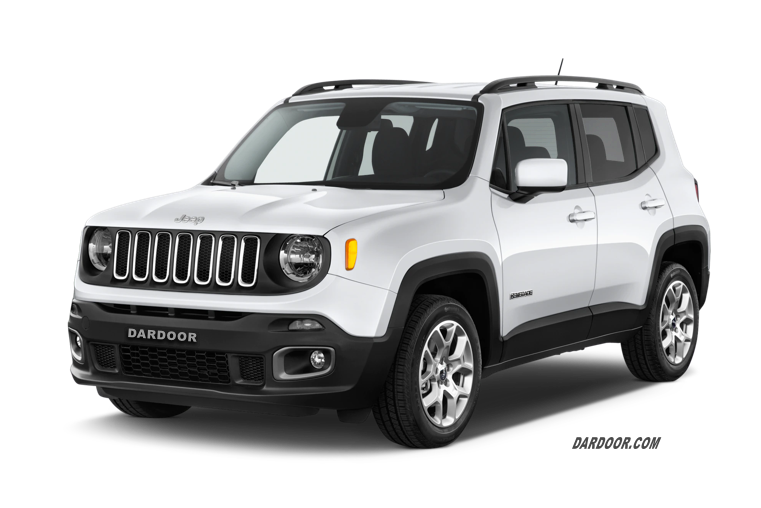
This is the original OEM workshop document for the 2015-2016 Jeep Renegade repair manual (gasoline and Hybrid) with the wiring diagram in PDF.
2015-2016 Jeep Renegade Repair Manual
$19.90
Unlock the full potential of your 2015-2016 Jeep Renegade with our original OEM workshop document. This comprehensive repair manual includes detailed wiring diagrams and is available in a convenient PDF format. It contains the same information used by your local Jeep dealer for diagnosing and repairing your Renegade.
| File Format | |
| File Language | English |
| You’ll Get | 197.7 MB |
| Pages Count | 8,091 |
| Wiring Diagram | Included |
| Delivery Method | Instant Download |
Engines Covered:
- 1.6 L Diesel
- 2.0 L Diesel
- 1.6 L Gasoline
- 2.4 L Gasoline
Key Features:
- Original OEM Manual: Authentic workshop document directly from the manufacturer, ensuring accuracy and reliability.
- Detailed Wiring Diagrams: Essential for understanding and troubleshooting the electrical systems of your Jeep.
- PDF Format: Easy to access and navigate on any device, with searchable content for quick reference.
Benefits:
- Professional-Grade Information: Access the same detailed procedures and specifications used by Jeep dealers for repairs and diagnostics.
- Versatile Engine Coverage: Comprehensive details for all engine variants, including diesel and gasoline options.
- Convenient and Portable: The PDF format allows for easy access and portability, perfect for on-the-go repairs.
Specifications:
- Format: PDF
- Compatibility: 2015-2016 Jeep Renegade, including all listed engine types.
- Content Includes: OEM repair instructions, wiring diagrams, diagnostic procedures, and more.
Why Choose Us: Our OEM workshop document provides the precise information needed for effective maintenance and repair of your Jeep Renegade. Trust in the manual used by Jeep professionals to keep your vehicle running smoothly.
Customer Reviews: ⭐️⭐️⭐️⭐️⭐️
“Absolutely essential for anyone working on a Jeep Renegade. The wiring diagrams are extremely detailed and useful!” – [Thomas Pettit]
Important Note: Before purchasing this manual, please check whether your vehicle is subject to any active service recalls, as authorized dealerships may perform necessary repairs free of charge. When replacing parts, always use genuine OEM components to ensure safety, reliability, and long-term performance.
This manual provides detailed instructions for maintenance, disassembly, reassembly, component inspection, adjustment, and diagnostics—intended for use by experienced mechanics. Proper application of this guide will help ensure thorough repairs and maintain your vehicle in peak condition.
Table of Contents: 2015-2016 Jeep Renegade Repair Manual
SAMPLE PAGES
A few pages will help you make the right decision
CAUTION: This OEM service and workshop repair manual provides detailed procedures for maintenance, disassembly, reassembly, inspection, adjustment, and diagnostics. It is intended as a comprehensive guide for experienced mechanics. To ensure thorough and accurate repairs that maintain your vehicle’s optimal performance, please read and follow this manual carefully. When replacing parts during any repair work, always use genuine Jeep parts to ensure quality, safety, and reliability.
2015–2016 Jeep Renegade – Specs, Common Problems, Recalls/TSBs, DTC Codes & Verdict
Technical Specs & Performance
- Engines (varies by market/trim): 1.4L turbo (some trims) / 2.4L Tigershark (common in North America)
- Transmissions: 6MT (some 1.4T) / 9-speed automatic (many trims)
- Drivetrain: FWD or 4×4 (Trailhawk and 4×4 trims)
- Class: Subcompact crossover SUV
- Trailhawk: Off-road-oriented gearing/clearance (trim dependent)
Top 10 Common Mechanical Issues (Owner-Reported) — Root Cause + Fix
- 9-speed automatic harsh shifting / hunting
Root cause: Calibration, adaptation learning, sensor/harness concerns on affected builds.
Fix: Check for software updates; verify recall status; perform relearn; inspect harness if codes present. - 2.4L oil consumption (some vehicles)
Root cause: Ring seating/PCV, extended intervals, driving profile.
Fix: Monitor usage; correct oil spec; inspect PCV; escalate to compression/leakdown if severe. - Cooling system warnings / thermostat issues
Root cause: Thermostat sticking, sensor faults, air pockets after service.
Fix: Bleed system correctly; replace thermostat/sensor if confirmed. - Alignment / tire wear
Root cause: Impacts/potholes, worn bushings, incorrect alignment.
Fix: 4-wheel alignment; inspect control arms/bushings; rotate tires regularly. - EVAP “check engine” (small leaks)
Root cause: Loose cap, purge/vent issues, cracked lines.
Fix: Smoke test EVAP; replace purge/vent valve; repair lines; clear codes. - Brake noise / uneven pad wear
Root cause: Slide pin corrosion, pad material, driving conditions.
Fix: Service caliper slides; replace pads/rotors; flush brake fluid when due. - Suspension clunks
Root cause: Sway bar links/bushings wear.
Fix: Replace links/bushings; torque at ride height. - Turbo heat-related hose issues (1.4T)
Root cause: Heat cycling and clamp loosening.
Fix: Inspect/replace soft hoses; upgrade clamps; check boost leaks. - Driveline vibration (4×4)
Root cause: Propshaft/CV wear, mount issues, balance problems.
Fix: Inspect joints/mounts; replace worn components; verify wheel balance. - Engine mounts vibration
Root cause: Mount collapse with age/heat.
Fix: Replace mounts; verify idle quality.
Top 10 Common Electrical Issues (Owner-Reported) — Root Cause + Fix
- Radio / Uconnect security update (recall)
Root cause: Software security vulnerability on certain radios.
Fix: Apply recall software update. - Keyless entry / start intermittent
Root cause: Weak fob battery, receiver issues, module wake/sleep glitches.
Fix: Replace fob battery; reprogram if needed; scan BCM for related codes. - Random warning lights (low voltage events)
Root cause: Weak battery, poor grounds, charging issues.
Fix: Battery/alternator test; clean grounds; verify charging stability. - CAN communication codes
Root cause: Corrosion at connectors/grounds, failing module pulling bus down.
Fix: Network scan; inspect grounds; isolate module per service manual flow. - Water intrusion causing electrical gremlins
Root cause: Door seals/drain issues, connector exposure.
Fix: Fix leak path; dry/repair connectors; apply dielectric protection as appropriate. - ABS/ESC warning
Root cause: Wheel speed sensor/hub or wiring faults.
Fix: Read ABS codes; replace sensor/hub; repair wiring. - Airbag/SRS light
Root cause: Seat connector issues, sensor faults, low voltage history.
Fix: Scan SRS; inspect under-seat connectors; repair and clear per procedure. - Power window switch intermittent
Root cause: Switch contact wear, door harness break near hinge.
Fix: Replace switch; inspect/repair harness. - HVAC blower issues
Root cause: Resistor/module failure, blower motor wear.
Fix: Replace resistor/module; test blower current draw. - Backup camera intermittent
Root cause: Camera moisture/failure, head unit input faults.
Fix: Check power/ground; replace camera if confirmed; update head unit software if applicable.
Top Competitors
- 🟦 Honda HR-V (2016–2018 Manual) ↗
- 🟧 Subaru Impreza / Crosstrek (2016 Manual) ↗
- 🟥 Jeep Compass/Patriot (2014–2016 Manual) ↗
- 🟨 Nissan Juke (2015 Manual) ↗
- 🟩 Jeep Renegade (OEM Manual) ↗
Pros & Cons
| ✅ Pros | ⚠️ Cons |
|---|---|
| Boxy design with great visibility | 9-speed shift behavior can annoy some owners |
| Available real 4×4 capability (Trailhawk) | Some trims feel underpowered |
| City-friendly size | Interior noise can be average on some tires |
| Good feature availability | Electrical “quirks” if battery/grounds weak |
| Strong aftermarket and community support | Resale varies by engine/trim |
🧾 Maintenance Schedule
| ⏱️ Interval | 🛠️ Service |
|---|---|
| Every 5,000–7,500 mi | Oil + filter, tire rotation, brake inspection |
| Every 15,000 mi | Cabin filter, engine air filter check, inspect suspension |
| Every 30,000 mi | Brake fluid check/replace as needed; inspect coolant hoses |
| Every 50,000–60,000 mi | Transmission service guidance varies—follow OEM schedule; inspect mounts |
| As needed | Alignment, wheel bearings, sensors, battery/charging system |
Top 10 Recalls & TSB Highlights (Verify by VIN)
- Trailer hitch missing fasteners (2015–2016 Renegade equipped with factory hitch).
- Radio security vulnerability (Uconnect/VP4) (software update recall).
- 9-speed transaxle / range sensor / harness-related recall campaign (applies to certain Renegade builds).
- Owner recall notice letters exist for key campaigns (documentation).
- Use NHTSA VIN lookup to confirm open recalls (most accurate).
- TSB highlight: software updates for shift quality / drivability (common on modern powertrains)
- TSB highlight: battery/charging diagnostics for intermittent warnings
- TSB highlight: water leak paths and connector corrosion checks
- TSB highlight: ABS sensor wiring routing/inspection after suspension work
- TSB highlight: infotainment freezes/reboots and firmware updates
DTC Trouble Code List
ECM (Engine Control Module)
| Code | Description |
|---|---|
| P0300 | Random/Multiple Cylinder Misfire |
| P0171 | System Too Lean (Bank 1) |
| P0420 | Catalyst Efficiency Below Threshold |
| P0128 | Coolant Thermostat Below Reg Temp |
| P0507 | Idle Speed Higher Than Expected |
| P0456 | EVAP Very Small Leak Detected |
| P0441 | EVAP Incorrect Purge Flow |
| P0101 | MAF Sensor Range/Performance |
| P0299 | Turbo Underboost (turbo trims) |
| P219A | Air/Fuel Imbalance |
TCM (Transmission Control Module)
| Code | Description |
|---|---|
| P0700 | Transmission Control System Malfunction |
| P0715 | Input/Turbine Speed Sensor Circuit |
| P0720 | Output Speed Sensor Circuit |
| P0730 | Incorrect Gear Ratio |
| P0733 | Gear 3 Incorrect Ratio |
| P0734 | Gear 4 Incorrect Ratio |
| P0841 | TF Pressure Sensor Range/Performance |
| P0868 | Transmission Fluid Pressure Low |
| P1D93 | Shift/Adaptation Performance (generic manufacturer) |
| P17F0 | Transmission Judder / Deterioration (generic) |
ABS / ESC (Brake System)
| Code | Description |
|---|---|
| C003A | Wheel Speed Sensor Circuit |
| C0040 | RF Wheel Speed Sensor Circuit |
| C0050 | RR Wheel Speed Sensor Circuit |
| C0060 | LF Wheel Speed Sensor Circuit |
| C0070 | LR Wheel Speed Sensor Circuit |
| C121C | Torque Request Signal Denied |
| C123F | Steering Angle Sensor Plausibility |
| C1240 | Brake Pressure Sensor |
| C1454 | ESC System Performance |
| C2200 | ABS Module Internal |
SRS (Airbag System)
| Code | Description |
|---|---|
| B0001 | Driver Airbag Circuit |
| B0002 | Passenger Airbag Circuit |
| B0010 | Driver Seatbelt Pretensioner |
| B0020 | Passenger Seatbelt Pretensioner |
| B0040 | Side Airbag Circuit |
| B0051 | OCS/Seat Sensor Fault |
| B0092 | Airbag Control Module Internal Fault |
| B0100 | Front Impact Sensor |
| B0113 | Side Impact Sensor |
| B1B02 | Airbag Warning Lamp Circuit |
Body Control / CAN Communication
| Code | Description |
|---|---|
| U0001 | High Speed CAN Communication Bus |
| U0100 | Lost Communication With ECM/PCM |
| U0121 | Lost Communication With ABS |
| U0140 | Lost Communication With BCM |
| U0151 | Lost Communication With ORC/Airbag Module |
| U0184 | Lost Comm With Radio |
| B10A1 | Ignition Run/Start Input |
| B12D1 | Door Ajar Switch Circuit |
| B162C | Interior Lamp Control |
| B1A35 | Keyless Entry Antenna Circuit |
🏁 Final Verdict
The 2015–2016 Renegade is a fun, character-filled small SUV—especially in 4×4 trims—but it’s best for owners who stay current on software updates and recall campaigns (notably hitch, radio security, and some 9-speed-related campaigns). Keep the battery/grounds healthy, follow maintenance intervals, and it can be a practical daily with real weekend capability.
| Brands | |
|---|---|
| File Language | English |
| File Format | |
| File Size | 197.7 MB |
| Page Count | 8,091 |
| Wiring Diagram Included | YES |
| Instant Download | YES |
| Delivery Method | Instant Fast Download Speed (The download link will appear on the checkout page after payment is complete) |
| Searchable & Printable | YES |
Related products
-
2020-2023 Jeep Gladiator Repair Manual
$65.00 Add to cart -
2014-2016 Jeep Compass and Patriot Repair Manual
$16.90 Add to cart -
2014-2018 Jeep Grand Cherokee Repair Manual
$34.90 Add to cart -

2005 Jeep Liberty Repair Manual
$16.90 Add to cart -

2003 Jeep Wrangler Repair Manual
$14.90 Add to cart -
2001 Jeep Grand Cherokee Repair Manual
$16.90 Add to cart -
2008 Jeep Wrangler Repair Manual
$16.90 Add to cart -

2011-2013 Jeep Grand Cherokee Repair Manual
$24.90 Add to cart