

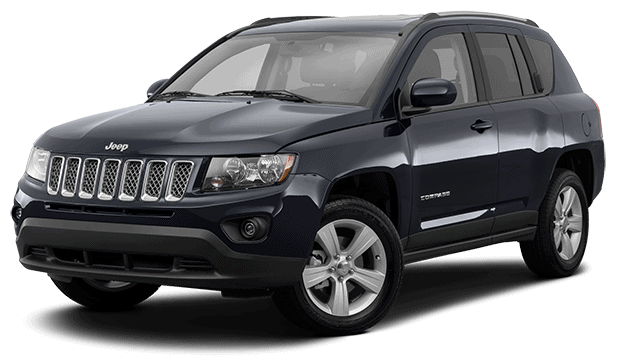

Get the official repair manual for the 2014-2016 Jeep Compass and Patriot, first generation, complete with wiring diagrams in PDF format.
2014-2016 Jeep Compass and Patriot Repair Manual
$16.90
Original OEM Workshop Manual for 2014-2016 Jeep Compass and Patriot – First Generation
Access the official repair manual for the 2014-2016 Jeep Compass and Patriot, first generation, complete with wiring diagrams in PDF format. This comprehensive OEM workshop document provides the same detailed repair and maintenance procedures used by Jeep dealer technicians.
| File Format | |
| File Language | English |
| You’ll Get | 178 MB |
| Wiring Diagram | Included |
| Delivery Method | Instant Download |
Key Features:
- Full wiring diagrams for all electrical systems
- Detailed repair, maintenance, and diagnostic instructions
- Manufacturer-authorized procedures for precise repairs
- Convenient, easy-to-use PDF format
Ensure accurate and thorough repairs for your Jeep Compass or Patriot with this trusted OEM workshop manual.
Engines Covered:-
- Engine 2.0 L (Gasoline).
- Engine 2.2 L (Diesel).
- Engine 2.4 L (Gasoline).
Important Note: Before purchasing this manual, check if your car is subject to service recall so the local dealer can repair your car free of charge. When replacing parts during repair work, please ensure to use Jeep OEM genuine spare parts.
This manual covers maintenance, disassembly, reassembly, inspection, and adjustment of components, as well as diagnostics for experienced mechanics. Utilize this manual fully to ensure complete repair work and keep your vehicle in optimum condition.
Table of Contents : 2014-2016 Jeep Compass and Patriot Repair Manual
GENERAL INFORMATION
- Engine Overhaul Procedures
- Symptom Check List Worksheets
- Trouble Shooting – Basic Procedures
- Waveforms – Injector Pattern Tutorial
- Wheel Alignment Theory & Operation
- Reminder Indicator Reset Procedures
- Routine Inspection Reference Guide
- Steering & Suspension Systems
- Circuit Testing Procedures – Non-DTC-Based Diagnostics
- Vehicle Quick Reference
ENGINE
- Engine 2.0 Liter
- Engine 2.2L Diesel
- Engine 2.4 Liter
- Engine Cooling System
- Exhaust System
- Fuel System
- Ignition System
- Starting – Non-DTC Based Diagnostics
- Starting – Service Information
ENGINE PERFORMANCE
- Driveability – Diesel – Non-DTC Based Diagnostics
- Driveability – Gas – Non-DTC Based Diagnostics
- Emissions Control
- Powertrain Control Module (PCM) – Electrical Diagnostics, 2.0L & 2.4L
- Powertrain Control Module – Electrical Diagnostics, 2.0L & 2.4L
- Powertrain Control Module – Electrical Diagnostics, 2.0L & 2.4L
- Powertrain Control Module – Electrical Diagnostics, 2.0L & 2.4L
- Powertrain Control Module – Electrical Diagnostics, 2.0L & 2.4L
- Powertrain Control Module (PCM) – Electrical Diagnostics, 2.0L & 2.4L – DTC
- Powertrain Control Module (PCM) – Electrical Diagnostics, 2.2L Diesel
- Powertrain Control Module (PCM) – Electrical Diagnostics, 2.2L Diesel – Testing
- Powertrain Control Module (PCM) – Electrical Diagnostics, 2.2L Diesel – Testing
- Powertrain Control Module (PCM) – Electrical Diagnostics, 2.2L Diesel
- Powertrain Control Module (PCM) – Electrical Diagnostics, 2.2L Diesel – DTC
TRANSMISSION
- Transmission – Non-DTC Based Diagnostics
AUTOMATIC TRANSMISSION
- Automatic Transmission – 6F24
- Transmission Control Module (TCM) – Electrical Diagnostics, 6F24
- CVT
- CVT – Transmission Control Module (TCM) – Electrical Diagnostics
MANUAL TRANSMISSION
- Manual Transmission – BG6
- Manual Transmission – T355
CLUTCH
- Clutch System
TRANSFER CASE
- Power Transfer Unit
DRIVELINE/AXLES
- All Wheel Drive (AWD) Module – Electrical Diagnostics
- Electronically Controlled Clutch
- Front Half Shaft
- Left Rear Half Shaft
- Propeller Shaft
- Rear Driveline Module
- Right Rear Half Shaft
SUSPENSION
- Front Suspension & Wheel Alignment
- Jeep Wheel Alignment Specifications
- Rear Suspension
- Tires & Wheels
STEERING
- Steering System
- Steering Control Module (SCM) – Electrical Diagnostics – DTC
BRAKES
- Antilock Brake System (ABS)
- Antilock Brake System (ABS) – Electrical Diagnostics
- Base – Service Information
ACCESSORIES AND EQUIPMENT
- Audio (Radio) – Electrical Diagnostics
- Audio/Video/Entertainment/Connectivity
- Body – Interior & Exterior
- Cabin Compartment Node (CCN) – Electrical Diagnostics
- Chime/Buzzer/Driver Assist
- Communication – Non-DTC Based Diagnostics
- Electronic Control Modules
- Frame and Bumpers
- Hands-Free Module (HFM) – Electrical Diagnostics
- Heated Glass
- Heated Mirrors
- Heated Seats
- Horn System
- Instrument Cluster
- Intrusion Transceiver Module (ITM) – Electrical Diagnostics
- Lamps/Lighting – Exterior
- Lamps/Lighting – Interior
- Message Center
- Navigation/Telecommunication
- Power Doors – Non-DTC Based Diagnostics
- Power Locks
- Power Mirrors
- Power Seats
- Power Top
- Power Windows – Non-DTC-Based Diagnostics
- Power Windows
- Speed Control
- Totally Integrated Power Module (TIPM)
- Totally Integrated Power Module (TIPM) – Electrical Diagnostics
- Totally Integrated Power Module (TIPM) – Testing
- Totally Integrated Power Module (TIPM) – DTC
- Universal Transmitter
- Vehicle Theft Security
- Wiper System & Washer System
- Wireless Control Module (WCM) – Electrical Diagnostics
- Amplifier (AMP) – Electrical Diagnostics – Base
RESTRAINTS
- Service Information
- Occupant Restraint Controller (ORC) – Electrical Diagnostics
- Occupant Restraint Controller (ORC) – Electrical Diagnostics – Testing
- Occupant Restraint Controller (ORC) – Electrical Diagnostics – Testing
- Occupant Restraint Controller (ORC) – Electrical Diagnostics – DTC
HVAC
- Heating & Air Conditioning – Electrical Diagnostics
- Heating & Air Conditioning
ELECTRICAL
- Battery System
- Charging
- Power Distribution
- Special Tools
WIRING
- System Wiring Diagrams
OWNERS MANUALS
- 2007 Compass Owner’s Manual
- 2008 Compass Owner’s Manual
- 2009 Compass Owner’s Manual
- 2010 Compass Owner’s Manual
- 2011 Compass Owner’s Manual
- 2012 Compass Owner’s Manual
- 2013 Compass Owner’s Manual
- 2014 Compass Owner’s Manual
- 2015 Compass Owner’s Manual
- 2016 Compass Owner’s Manual
SAMPLE PAGES
A few pages will help you make the right decision
Caution: This OEM service and workshop repair manual provides detailed procedures for maintenance, disassembly, reassembly, inspection, adjustment, and diagnostics. It is intended as a comprehensive guide for experienced mechanics. To ensure thorough and accurate repairs that maintain your vehicle’s optimal performance, please read and follow this manual carefully. When replacing parts during any repair work, always use genuine Jeep parts to ensure quality, safety, and reliability.
2014-2016 Jeep Compass: Comprehensive Guide
Overview
The 2014-2016 Jeep Compass is a compact SUV that represented the tail end of the first generation (MK49) before a complete redesign in 2017. These model years received minor updates but retained the platform introduced in 2007.
Key Specifications:
- Body Style: 5-door compact SUV
- Seating: 5 passengers
- Platform: GS (shared with Dodge Caliber, Patriot)
- Assembly: Belvidere, Illinois, USA
Technical Specifications
Engine Options
2.0L I4 (Base Engine)
- Displacement: 2.0L (122 cu in)
- Configuration: Inline-4
- Horsepower: 158 hp @ 6,000 rpm
- Torque: 141 lb-ft @ 5,000 rpm
- Valvetrain: DOHC, 16-valve
- Fuel Type: Regular unleaded
2.4L I4 (Available on Sport, Latitude, Limited)
- Displacement: 2.4L (148 cu in)
- Configuration: Inline-4, World Engine
- Horsepower: 172 hp @ 6,000 rpm
- Torque: 165 lb-ft @ 4,400 rpm
- Valvetrain: DOHC, 16-valve
- Fuel Type: Regular unleaded
Transmission Options
- 5-speed manual (2.0L only)
- CVT (Continuously Variable Transmission) with AutoStick (2.0L and 2.4L)
- 6-speed automatic (2.4L only, certain trims)
Drivetrain
- FWD (Front-Wheel Drive) – Standard
- 4WD (Four-Wheel Drive) – Available with Freedom Drive I or Freedom Drive II systems
Dimensions & Capacity
- Length: 173.4 inches
- Width: 71.2 inches
- Height: 65.0-66.1 inches (depending on trim)
- Wheelbase: 103.7 inches
- Ground Clearance: 8.5 inches (FWD), 8.6 inches (4WD)
- Cargo Volume: 22.7 cu ft (behind rear seats), 53.6 cu ft (seats folded)
- Curb Weight: 3,100-3,500 lbs
- Towing Capacity: 1,000 lbs (when properly equipped)
Performance
- Fuel Economy (EPA estimates):
- 2.0L FWD/Manual: 23 city / 30 highway mpg
- 2.0L FWD/CVT: 23 city / 31 highway mpg
- 2.4L FWD/CVT: 22 city / 31 highway mpg
- 2.4L 4WD/CVT: 21 city / 27 highway mpg
- 0-60 mph: ~10-11 seconds (2.4L)
Suspension
- Front: Independent MacPherson strut with coil springs, stabilizer bar
- Rear: Independent multi-link with coil springs, stabilizer bar
Brakes
- Front: 11.9-inch ventilated disc
- Rear: 11.0-inch solid disc
- ABS: 4-wheel anti-lock with Electronic Brake Distribution
Steering
- Type: Electric power-assisted rack-and-pinion
- Turning Circle: 36.6 feet
Trim Levels (2014-2016)
- Sport (base)
- Latitude
- Limited
- High Altitude (added 2015)
- 75th Anniversary Edition (2016 only)
Top 10 Mechanical & Electrical Issues
1. CVT Transmission Failure
Symptoms:
- Shuddering or jerking during acceleration
- Hesitation when shifting
- Whining or grinding noises
- Loss of power or failure to move
- Check Engine Light with transmission codes (P0700, P0868, P2763)
Root Cause: The Jatco JF011E CVT used in these models is prone to premature failure due to inadequate cooling, oil breakdown, and valve body issues. The transmission fluid degrades quickly, causing belt slippage and internal component wear.
Fix:
- Fluid flush and replacement (temporary, if caught early): $200-400
- CVT valve body replacement: $800-1,500
- Complete CVT transmission replacement: $3,500-5,500 (remanufactured) or $5,000-7,000 (new)
Cost Range: $200-$7,000
2. TIPM (Totally Integrated Power Module) Failure
Symptoms:
- Intermittent or complete failure of electrical systems (wipers, fuel pump, windows, lights)
- No-start condition (fuel pump doesn’t engage)
- Horn honking on its own
- Warning lights illuminating randomly
- Fuel gauge reading incorrectly
Root Cause: The TIPM (essentially the vehicle’s fuse box/relay center) has internal relay and circuit board failures due to poor solder joints, moisture intrusion, and component overheating. This was a widespread issue across Chrysler products of this era.
Fix:
- TIPM replacement (new): $800-1,200 (parts) + $200-400 (labor)
- Remanufactured TIPM: $400-600 + labor
- In some cases, specific relay replacement within TIPM: $100-300
Cost Range: $500-$1,600
3. Cylinder Head Issues / Engine Overheating
Symptoms:
- Engine overheating (temperature gauge in red zone)
- White smoke from exhaust
- Coolant loss without visible leaks
- Rough idle or misfires
- Check Engine Light (P0300-P0304 misfire codes)
- Oil contamination (milky appearance)
Root Cause: The 2.4L World Engine has a tendency to develop cylinder head warping or cracking, often due to overheating events. Additionally, the head gasket can fail, leading to coolant leaks into cylinders or oil passages.
Fix:
- Head gasket replacement: $1,200-2,000
- Cylinder head resurfacing: $300-600 (additional)
- Complete cylinder head replacement: $2,000-3,500
- Coolant system flush and thermostat replacement (preventive): $200-400
Cost Range: $200-$3,500
4. Starter Motor Failure
Symptoms:
- Clicking sound when turning the key (no engine crank)
- Intermittent no-start condition
- Grinding noise during startup
- Engine cranks very slowly
- Dashboard lights work but engine won’t turn over
Root Cause: The starter motor solenoid and internal components wear prematurely, particularly in higher-mileage vehicles or those in extreme climates. The starter is also prone to heat-related failures due to its location near the exhaust.
Fix:
- Starter motor replacement: $350-600 (parts and labor)
- Starter solenoid replacement (if separate): $150-300
- Battery and charging system testing (diagnostic): $50-100
Cost Range: $150-$600
5. Rear Differential Noise / Failure (4WD Models)
Symptoms:
- Whining, grinding, or howling noise from rear of vehicle (especially during turns)
- Clunking when accelerating or decelerating
- Vibration through the floor
- Difficulty engaging or staying in 4WD mode
- Metal shavings in differential fluid
Root Cause: The rear differential in 4WD models experiences premature bearing wear, pinion gear damage, and inadequate lubrication. This is often exacerbated by lack of maintenance (fluid changes) and aggressive driving.
Fix:
- Differential fluid change (preventive maintenance): $100-200
- Rear differential bearing replacement: $600-1,200
- Complete rear differential replacement/rebuild: $1,500-3,000
Cost Range: $100-$3,000
6. Throttle Body & Electronic Throttle Control Issues
Symptoms:
- Poor acceleration or lack of power
- Rough or high idle
- Stalling at stop signs or idle
- Check Engine Light (P0505, P2101, P2111, P2135)
- Electronic Throttle Control warning light
- Sudden loss of throttle response
Root Cause: Carbon buildup in the throttle body restricts airflow, while electronic throttle control sensor failures cause communication errors with the ECU. The throttle position sensor can also fail or provide incorrect readings.
Fix:
- Throttle body cleaning: $75-150
- Throttle position sensor replacement: $150-300
- Complete throttle body replacement: $300-600
Cost Range: $75-$600
7. Suspension Strut & Control Arm Bushing Wear
Symptoms:
- Clunking or knocking noise over bumps
- Excessive bouncing after hitting bumps
- Uneven tire wear
- Vehicle pulling to one side
- Loose or wandering steering feel
- Visible oil leakage on struts
Root Cause: Front struts, strut mounts, and lower control arm bushings wear prematurely due to poor quality components and the vehicle’s design. The front suspension takes significant abuse on rough roads.
Fix:
- Front strut replacement (pair): $500-900
- Strut mount replacement (pair): $200-400
- Lower control arm bushing replacement (both sides): $300-600
- Full front suspension overhaul: $1,200-2,000
- Alignment (required after suspension work): $80-150
Cost Range: $200-$2,000
8. Water Pump Failure
Symptoms:
- Coolant leak from front of engine
- Whining or grinding noise from engine bay
- Engine overheating
- Steam from under hood
- Visible coolant puddle under vehicle (usually pink/green)
- Low coolant warning light
Root Cause: The water pump bearing fails prematurely, often between 60,000-90,000 miles. The pump’s internal seal can also deteriorate, causing coolant leaks. This is a common failure point on the 2.4L engine.
Fix:
- Water pump replacement: $400-700 (parts and labor)
- Thermostat replacement (recommended while pump is out): $100-150 (additional)
- Coolant flush: $100-150
- Timing belt replacement (if due, recommended with water pump): $500-800 (additional)
Cost Range: $400-$1,200
9. Fuel Pump & Fuel System Issues
Symptoms:
- Engine cranks but won’t start
- Sputtering or hesitation during acceleration
- Loss of power under load
- Engine stalling while driving
- Difficulty starting after sitting (especially when warm)
- Check Engine Light (P0087, P0230, P0460)
Root Cause: The in-tank fuel pump fails prematurely, often due to running the vehicle on low fuel levels (which causes the pump to overheat) or electrical issues from the TIPM. The fuel pressure regulator can also fail.
Fix:
- Fuel pump replacement: $600-1,000 (parts and labor)
- Fuel filter replacement: $100-200
- Fuel pressure regulator replacement: $200-400
- TIPM diagnosis/repair (if related): $500-1,200
Cost Range: $100-$1,200
10. Window Regulator Failure
Symptoms:
- Power windows won’t go up or down
- Window moves slowly or gets stuck
- Grinding, clicking, or popping noise when operating window
- Window falls into door
- Window operates intermittently
Root Cause: The plastic components in the window regulator mechanism break or wear out, causing the window to bind or fail. This is especially common on the driver’s side due to frequent use. The window motor can also fail independently.
Fix:
- Window regulator replacement (one window): $250-450
- Window motor replacement only: $150-300
- Complete window assembly (regulator + motor): $300-500
- All four window regulators (if preventive): $800-1,500
Cost Range: $150-$500 per window
Top 5 Competitors
1. Mazda CX-5
Advantages: Superior driving dynamics, better fuel economy, higher quality interior, more reliable CVT-free transmission (6-speed automatic), better resale value Disadvantages: More expensive, less off-road capability, smaller cargo space
2. Honda CR-V
Advantages: Legendary reliability, spacious interior, excellent cargo space, strong resale value, better fuel economy, more refined driving experience Disadvantages: Higher price point, less “rugged” appearance, no true 4WD system (AWD only)
3. Subaru Forester
Advantages: Standard AWD, excellent safety ratings, better reliability, more powerful engine options, superior off-road capability, boxer engine design Disadvantages: CVT transmission concerns (though more reliable than Compass), higher maintenance costs, less cargo space
4. Ford Escape
Advantages: More powerful engine options (including EcoBoost turbo), better technology features, more refined interior, better handling Disadvantages: Less off-road capability, reliability concerns with EcoBoost engines, more expensive to maintain
5. Toyota RAV4
Advantages: Class-leading reliability, excellent resale value, spacious interior, powerful V6 option (before 2014), strong safety ratings, lower long-term ownership costs Disadvantages: Higher purchase price, less distinctive styling, CVT transmission in newer models (though more reliable)
Top 10 Recalls, Advisories & TSB Highlights
Recalls
1. NHTSA Campaign 14V-384: Alternator Decoupler Pulley
- Issue: Alternator decoupler pulley may fail, causing loss of charging system and potential stalling
- Affected: 2014 models with 2.4L engine
- Fix: Dealer replaces alternator with improved design
2. NHTSA Campaign 15V-094: Lower Control Arms
- Issue: Front lower control arm ball joints may fracture, causing loss of steering control
- Affected: 2014-2015 models
- Fix: Dealer inspects and replaces control arms as necessary
3. NHTSA Campaign 16V-245: Front Seat Belt Anchor
- Issue: Front seat belt anchor may not properly secure, increasing injury risk in crash
- Affected: 2016 models built March-April 2016
- Fix: Dealer inspects and reinstalls seat belt anchors
4. NHTSA Campaign 18V-355: Passenger Airbag (Takata)
- Issue: Takata airbag inflator may explode, sending metal fragments into cabin
- Affected: 2014-2016 models (phased recall)
- Fix: Dealer replaces passenger frontal airbag inflator
5. NHTSA Campaign 15V-288: Driver Airbag (Takata)
- Issue: Takata driver airbag inflator may rupture dangerously
- Affected: 2014-2015 models
- Fix: Dealer replaces driver frontal airbag inflator
Technical Service Bulletins (TSBs)
6. TSB 08-074-14: CVT Shudder/Judder
- Issue: CVT transmission exhibits shudder during acceleration or light throttle
- Solution: Software update and CVT fluid replacement with improved formulation
- Affected: 2014-2016 models with CVT
7. TSB 23-002-16: TIPM Software Update
- Issue: Various electrical issues including no-start, intermittent warning lights, accessory failures
- Solution: TIPM software reflash; TIPM replacement if hardware failure
- Affected: 2014-2016 models
8. TSB 09-002-14: Rough Idle/Hesitation
- Issue: Engine rough idle, hesitation, or surge at highway speeds
- Solution: ECM software update and throttle body cleaning
- Affected: 2014-2016 models with 2.4L engine
9. TSB 21-010-15: Rear Differential Noise
- Issue: Whining or howling noise from rear differential on 4WD models
- Solution: Differential fluid change with revised specification fluid
- Affected: 2014-2016 4WD models
10. TSB 08-031-15: Water Leak – Interior
- Issue: Water intrusion into cabin through sunroof drains or door seals
- Solution: Clear sunroof drain tubes; replace door weatherstripping
- Affected: 2014-2016 models with sunroof
Maintenance Schedule
Every 3 Months or 3,000 Miles
- Check tire pressure and adjust
- Inspect wipers and washer fluid
- Check all fluid levels
Every 6 Months or 6,000 Miles (Oil Change Service)
- Engine oil and filter change
- Rotate tires
- Inspect brake pads/shoes and rotors/drums
- Inspect exhaust system
- Check battery and charging system
- Inspect steering and suspension components
- Check CV joints and drive shaft boots
Every 12 Months or 12,000 Miles
- Replace cabin air filter
- Inspect coolant level and concentration
- Inspect drive belt(s)
- Lubricate door hinges and locks
Every 24 Months or 24,000 Miles
- Replace engine air filter
- Inspect spark plugs (replace if necessary)
- Inspect fuel filter
Every 36 Months or 36,000 Miles
- Replace brake fluid
- Inspect transmission fluid level and condition
- Inspect PCV valve
- Inspect rear differential fluid (4WD models)
Every 48 Months or 48,000 Miles
- Replace spark plugs
- Inspect and possibly replace drive belts
Every 60 Months or 60,000 Miles
- CVT fluid replacement (CRITICAL – many owners report this prevents premature failure)
- Replace coolant
- Replace rear differential fluid (4WD models)
- Inspect and clean throttle body
Every 120 Months or 120,000 Miles
- Replace timing belt (2.4L engine – CRITICAL SERVICE)
- Replace water pump (recommended with timing belt)
As Needed
- Battery replacement (typically 3-5 years)
- Tire replacement (typically 40,000-60,000 miles)
- Brake pad/rotor replacement
- Wiper blade replacement
Special Notes:
- CVT Transmission: Chrysler originally said “lifetime fluid,” but many mechanics and owners recommend changing CVT fluid every 50,000-60,000 miles to prevent premature failure
- TIPM: No scheduled maintenance, but be vigilant for electrical issues
- Severe Driving Conditions: Reduce intervals by 25-50% if: towing, off-road use, dusty conditions, extreme temperatures, short trips
10 Frequently Asked Questions for Buyers
1. Is the 2014-2016 Jeep Compass reliable?
No, these model years have below-average reliability ratings. The CVT transmission, TIPM electrical system, and various engine issues make them risky purchases, especially used with high mileage. Consumer Reports and J.D. Power consistently rated the Compass below competitors.
2. Which engine is better: 2.0L or 2.4L?
The 2.4L is the better choice. It provides noticeably more power (172 hp vs. 158 hp), better acceleration, and smoother highway driving. The 2.0L struggles with merging and passing. Fuel economy difference is minimal (1-2 mpg). If buying used, the 2.4L is worth seeking out.
3. Should I avoid the CVT transmission?
If possible, yes. The CVT in these models (Jatco JF011E) has a poor reliability record. The 6-speed automatic is more reliable but only available with the 2.4L engine on certain trims. If you must buy a CVT model, ensure it has complete CVT fluid change history every 50,000-60,000 miles.
4. What should I check before buying a used Compass?
- CVT condition: Test drive and feel for shuddering, hesitation, or unusual noises
- TIPM issues: Test all electrical components (windows, wipers, horn, lights, fuel pump startup)
- Service records: Verify CVT fluid changes, TIPM software updates
- Check engine light codes: Get a pre-purchase inspection
- Coolant system: Look for leaks, check for milky oil (head gasket failure)
- Differential noise (4WD models): Listen for whining from rear
5. What’s a fair price for a 2014-2016 Compass?
As of 2024-2025:
- 2014: $8,000-12,000 (depending on mileage/condition)
- 2015: $9,000-13,000
- 2016: $10,000-14,000
High-mileage (100k+) or models with CVT issues should be significantly discounted or avoided. Limited and High Altitude trims command premium pricing. Factor in $1,000-3,000 for potential CVT repairs.
6. How long will a 2014-2016 Compass last?
With excellent maintenance and some luck, 150,000-180,000 miles is achievable. However, many owners report major issues (especially CVT failure) between 80,000-120,000 miles. These are not “200,000+ mile” vehicles like Toyotas or Hondas. Budget for significant repairs after 100k miles.
7. Is 4WD worth it on the Compass?
Only if you truly need off-road capability. The 4WD system (especially Freedom Drive II with low range) is surprisingly capable for light trails. However, 4WD models add complexity, reduce fuel economy, and introduce the problematic rear differential. For most buyers, FWD with winter tires is sufficient.
8. What are the most expensive repairs to budget for?
- CVT transmission replacement: $3,500-7,000
- Engine replacement/rebuild (cylinder head failure): $3,000-6,000
- TIPM replacement: $500-1,600
- Rear differential rebuild: $1,500-3,000
- Timing belt service (with water pump): $800-1,200
9. Are parts and repairs expensive?
Moderate. Parts are generally affordable due to Chrysler parts commonality and aftermarket availability. However, labor can be expensive for complex repairs (CVT, TIPM). Independent mechanics familiar with Chrysler products can save you 30-40% vs. dealerships. Budget $1,000-2,000 annually for maintenance and repairs after 100k miles.
10. Should I buy an extended warranty?
If purchasing used with miles approaching 80,000+, a good extended warranty (covering CVT, TIPM, engine) might provide peace of mind and offset repair costs. However, warranties can be expensive ($2,000-3,500) and have exclusions. Read terms carefully. For lower-mileage examples with full service history, self-insuring (saving money monthly) may be smarter.
Final Buyer Recommendations
Skip This Vehicle If:
- ❌ You want reliable, low-maintenance transportation
- ❌ You’re buying high-mileage (100k+) without warranty
- ❌ You can’t afford $2,000-5,000 in potential repairs
- ❌ You need a vehicle for long commutes or road trips
- ❌ You value resale value and depreciation protection
Consider This Vehicle Only If:
- ✅ You’re getting it significantly below market value
- ✅ It has complete service records (especially CVT fluid changes)
- ✅ You have a trusted independent mechanic familiar with Chrysler products
- ✅ You’re mechanically inclined or can DIY some repairs
- ✅ You’re buying lower mileage (under 60k) with warranty
- ✅ You specifically need the Jeep styling/brand at this price point
Better Alternatives in Same Price Range:
- Honda CR-V (2012-2016) – Better reliability, resale value
- Mazda CX-5 (2013-2016) – More fun to drive, better quality
- Toyota RAV4 (2013-2015) – Superior long-term reliability
- Subaru Forester (2014-2016) – Better AWD system, more reliable
- Ford Escape (2013-2016) – More features, comparable reliability
Bottom Line
The 2014-2016 Jeep Compass is a budget-friendly entry into the compact SUV market with distinctive Jeep styling and surprising off-road capability (4WD models). However, it suffers from significant reliability issues, particularly the CVT transmission and TIPM electrical system. These problems make it a risky used purchase unless you’re getting an exceptional deal, comprehensive service records, and are prepared for potentially expensive repairs.
Our Verdict: Proceed with extreme caution. For most buyers, spending slightly more on a Honda CR-V, Toyota RAV4, or Mazda CX-5 will result in a far better ownership experience with lower long-term costs. If you must buy a Compass, prioritize:
- 2.4L engine with 6-speed automatic (not CVT)
- Complete maintenance records
- Under 60,000 miles
- No check engine lights or electrical gremlins
- Pre-purchase inspection by qualified mechanic
- Budget for CVT replacement or major repairs
Risk Rating: High ! | Recommended Only for Budget-Conscious Buyers with Mechanical Skills
Related products
-
2003 Jeep Liberty Repair Manual
$16.90 Add to cart -

2003 Jeep Wrangler Repair Manual
$14.90 Add to cart -
2001 Jeep Grand Cherokee Repair Manual
$16.90 Add to cart -

2020-2023 Jeep Gladiator Repair Manual
$65.00 Add to cart -
2014-2018 Jeep Grand Cherokee Repair Manual
$34.90 Add to cart -

2018-2019 Jeep Wrangler JL Wiring Diagram
$16.90 Add to cart -
2005 Jeep Grand Cherokee Repair Manual
$16.90 Add to cart -
2014 Jeep Cherokee Latitude Repair Manual
$19.90 Add to cart