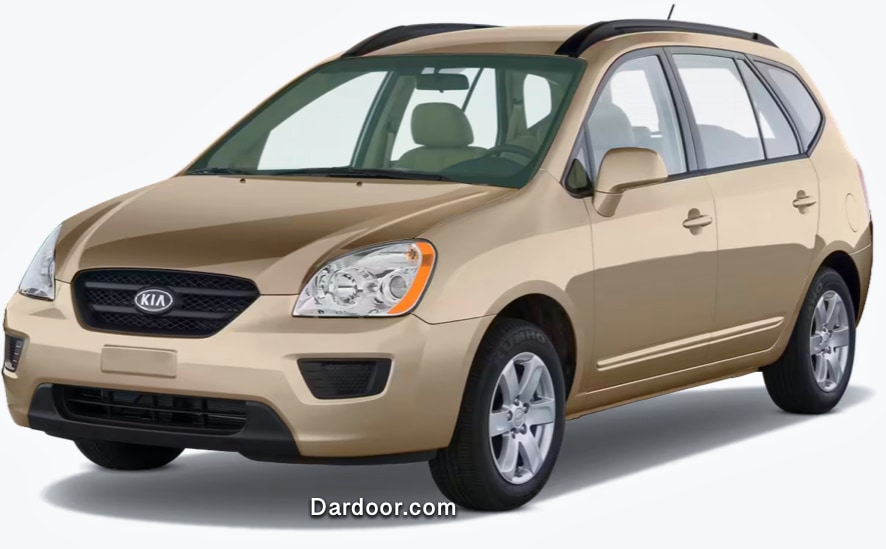
2010–2011 Kia Rondo — OEM Workshop Service & Repair Manual (PDF) with Wiring Diagrams
Get the
official OEM workshop manual for the
2010–2011 Kia Rondo—the exact documentation used by Kia dealership technicians. This comprehensive, fully indexed
PDF provides step-by-step service procedures, torque specifications, and
full electrical wiring diagrams so you can diagnose and repair with confidence.
Engines Covered
- 2.4L I4 DOHC (Petrol)
- 2.7L V6 DOHC (Petrol)
| Files Format |
PDF |
| File Language |
English |
| You’ll Get |
93 MB |
| Pages Count |
2,165 |
| Delivery Method |
Instant Download |
Key Features
Complete OEM Coverage
Factory procedures across engine, transmission, chassis, body, and electrical systems.
Wiring Diagrams Included
Clear schematics with connector views, pinouts, grounds, and power distribution.
Diagnostics & DTCs
Dealer-grade troubleshooting flowcharts and fault-code references.
User-Friendly PDF
Searchable, printable pages—access from desktop or mobile and print what you need.
What’s Inside
- Engine service & overhaul procedures, fluids, and torque specs
- Automatic & manual transmission service
- Brakes, ABS, suspension, and steering
- HVAC, restraints, body & interior systems
- Maintenance schedules and inspection charts
- Diagnostic procedures with step-by-step testing
Download & Compatibility
Delivery: Instant digital PDF download
Compatibility: Windows, macOS, iOS, Android
This OEM service and workshop repair manual provides detailed procedures for maintenance, disassembly, reassembly, inspection, adjustment, and diagnostics. It is intended as a comprehensive guide for experienced mechanics. To ensure thorough and accurate repairs that maintain your vehicle’s optimal performance, please read and follow this manual carefully. When replacing parts during any repair work, always use genuine Kia parts to ensure quality, safety, and reliability.
Sample Pages: 2010-2011 Kia Rondo Repair Manual
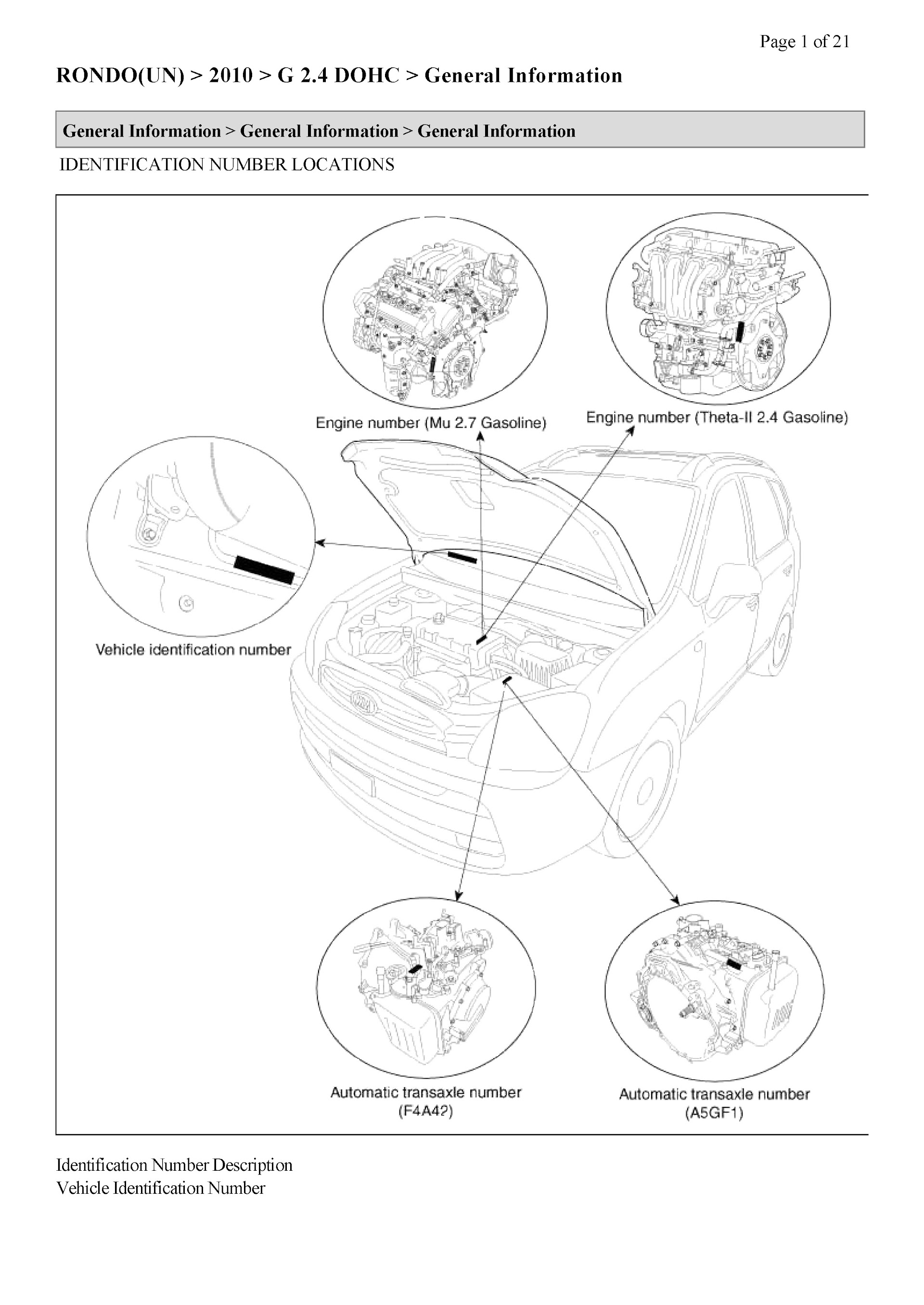
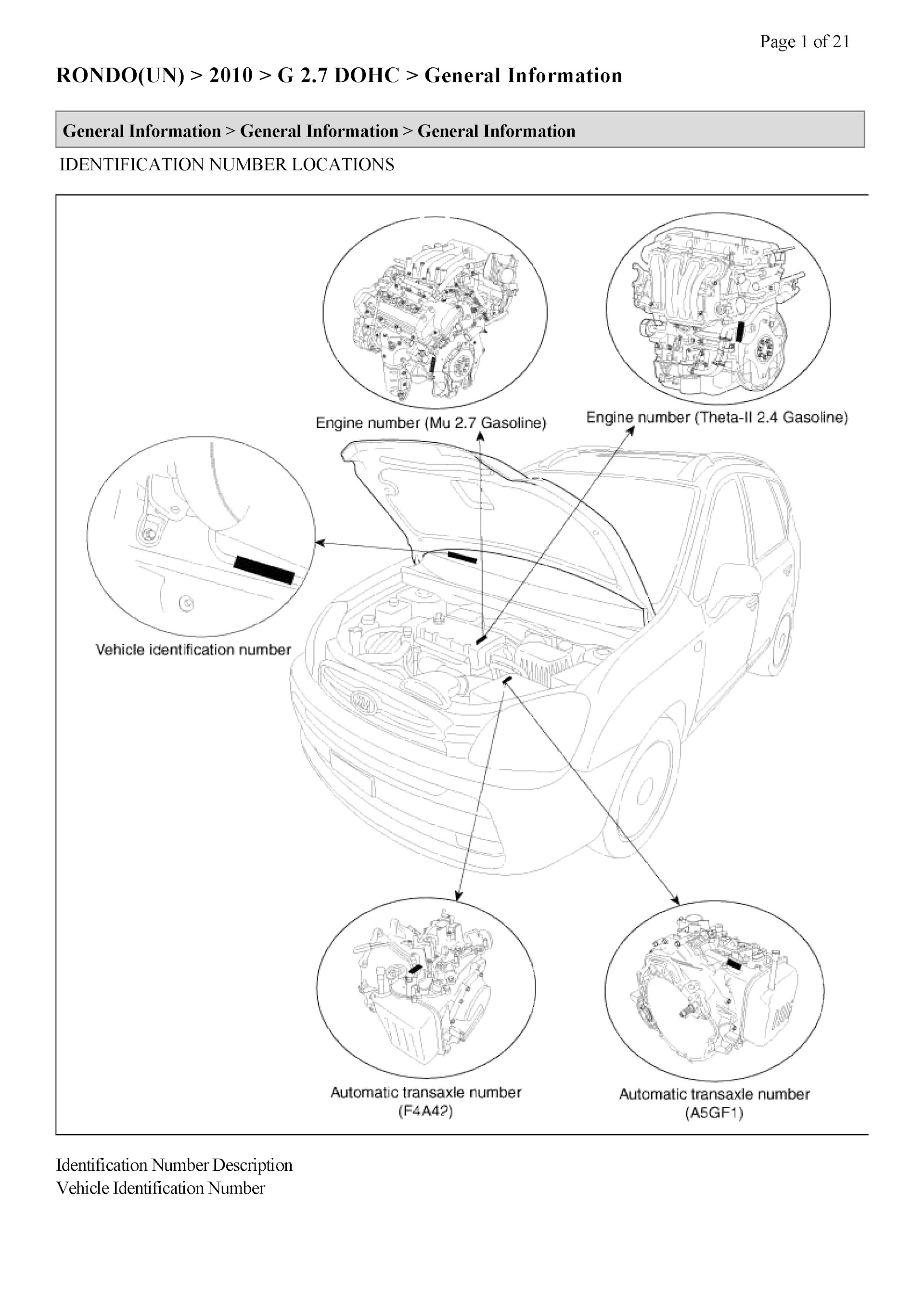
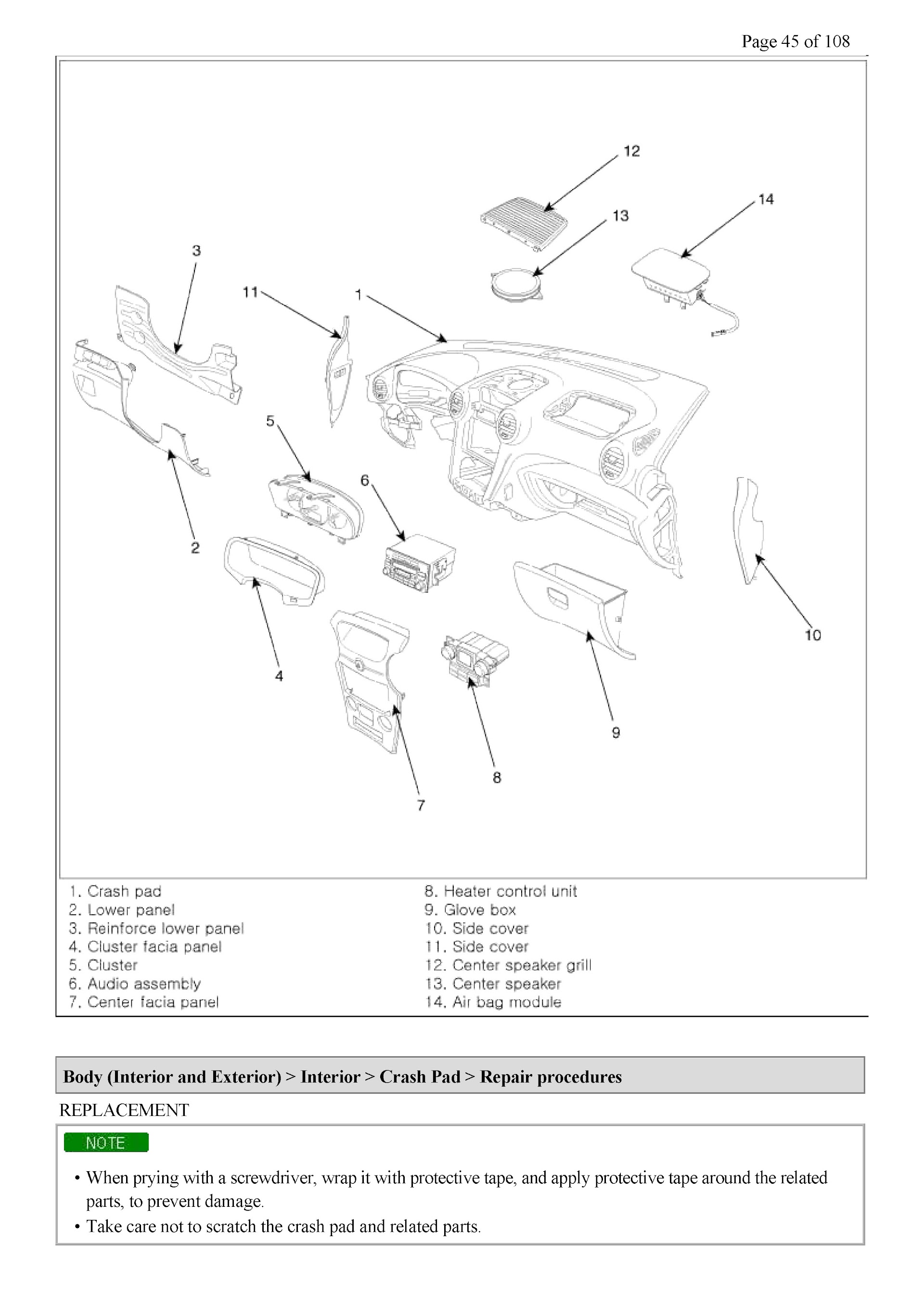
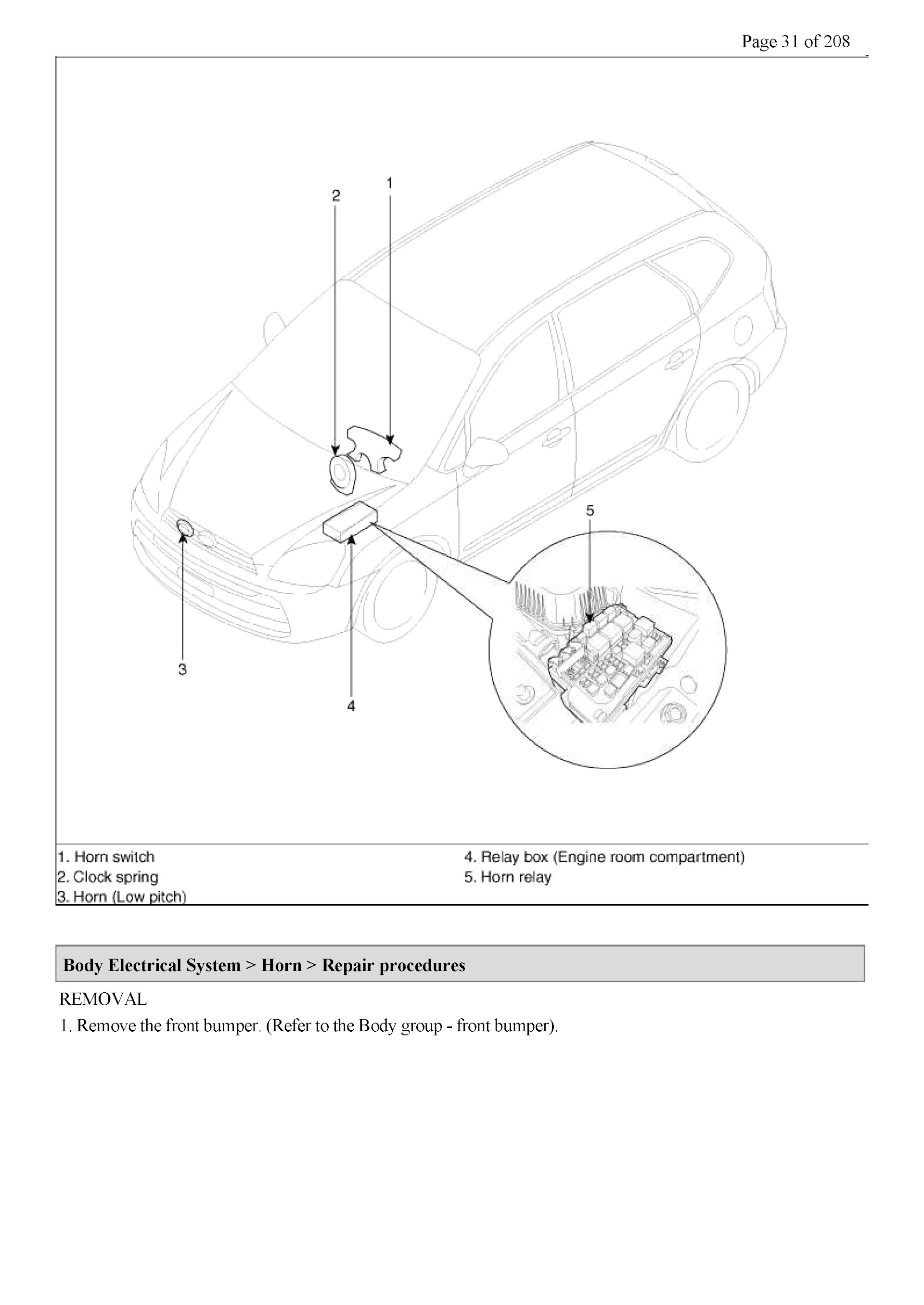
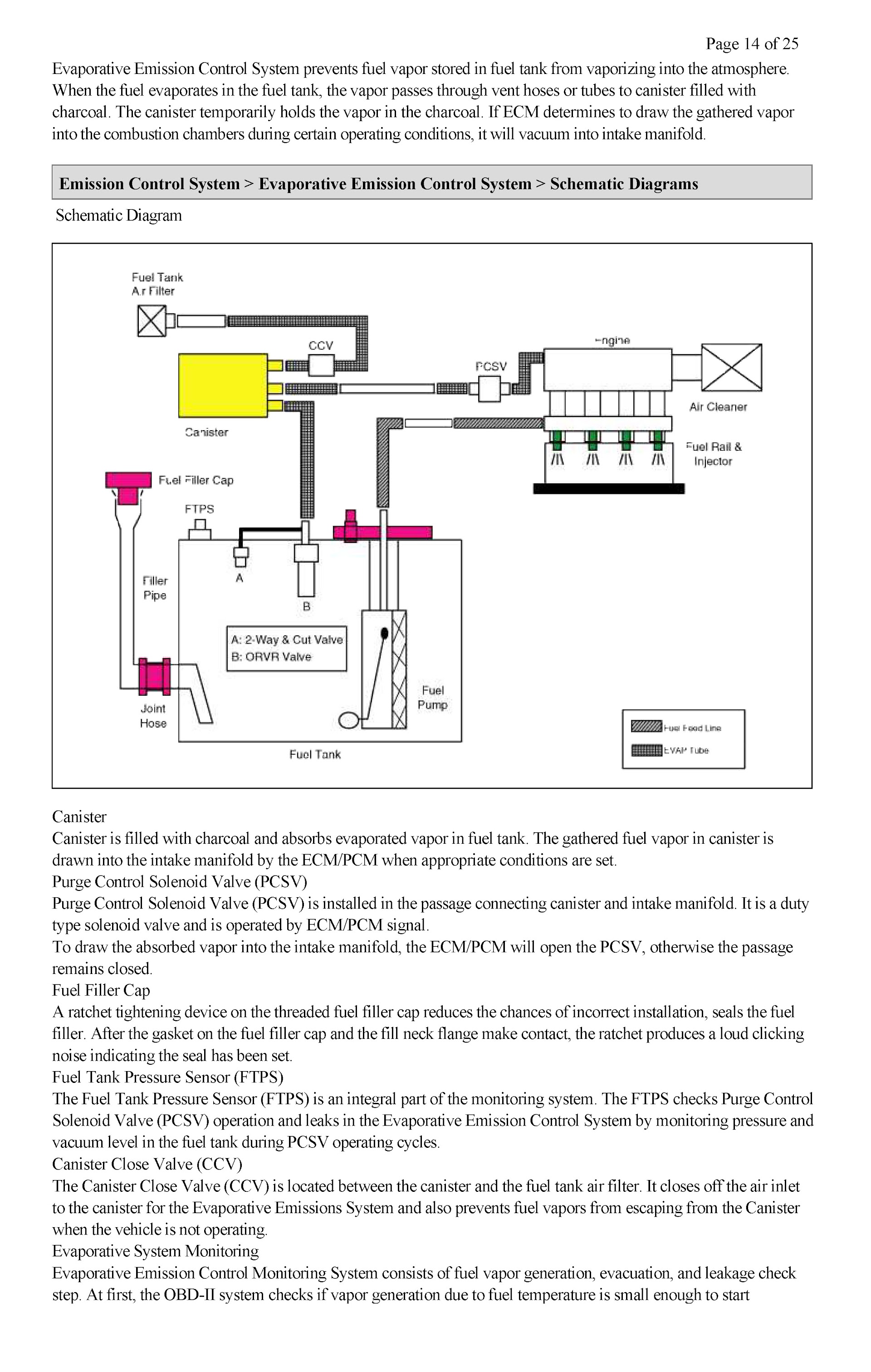
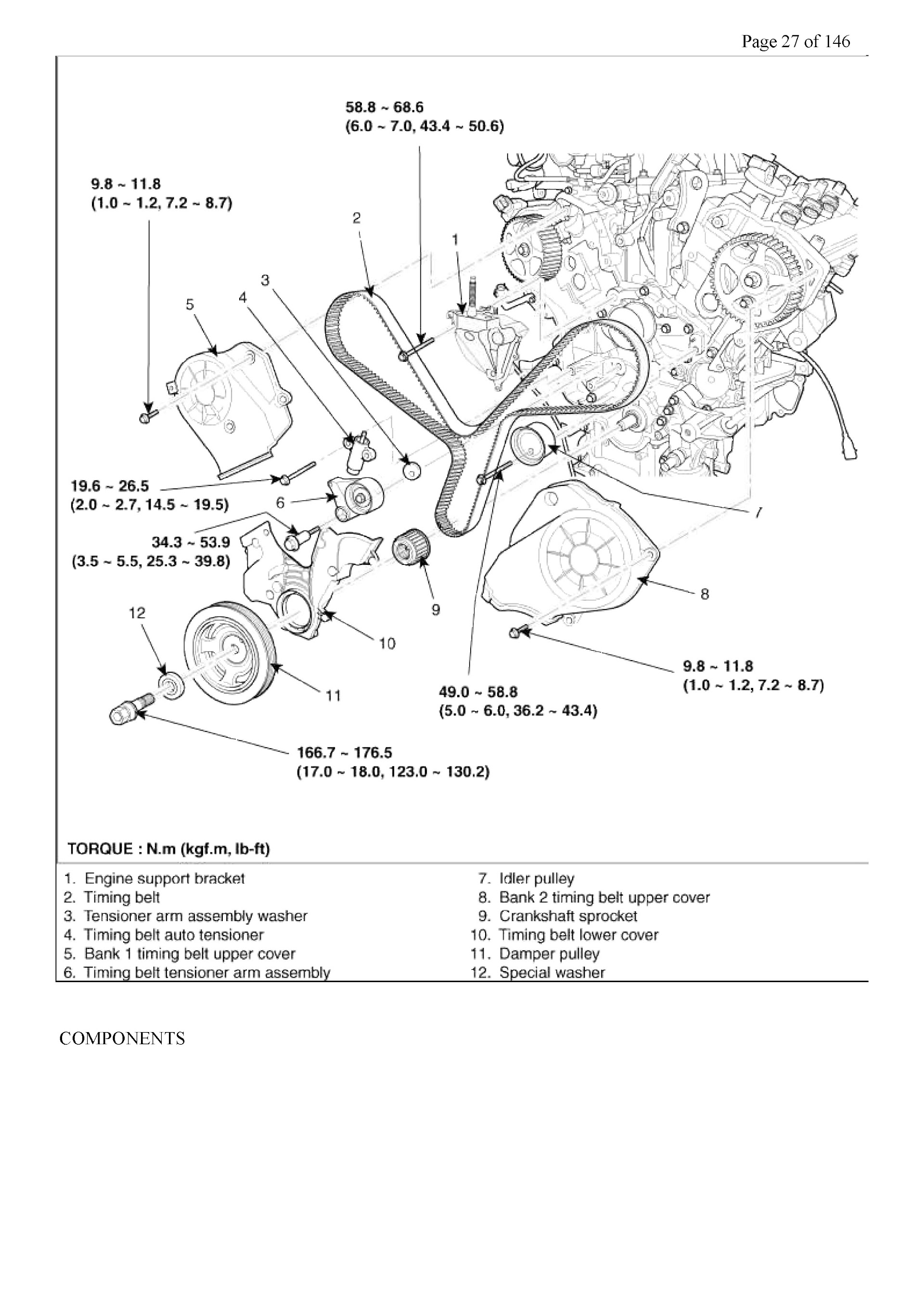
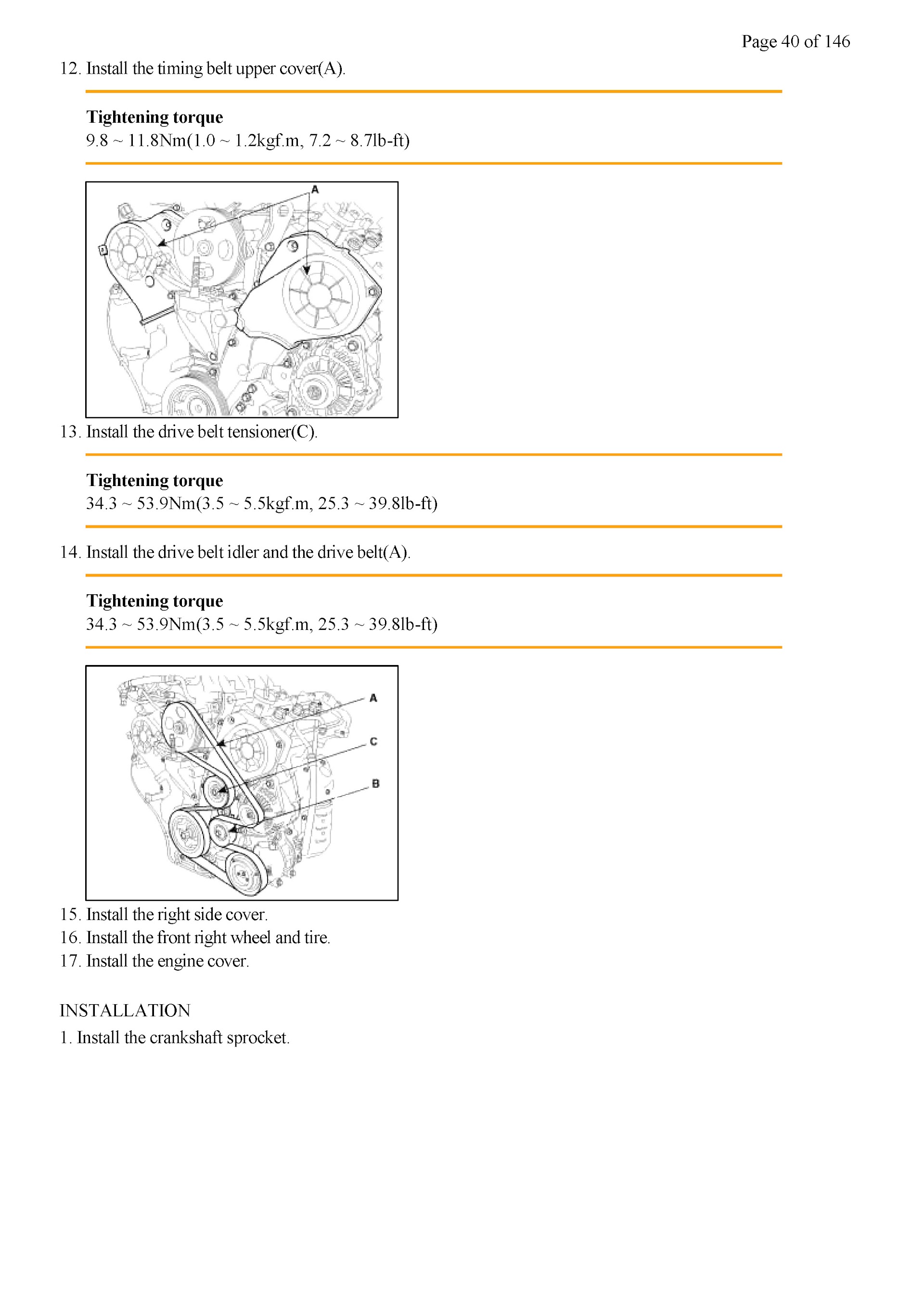
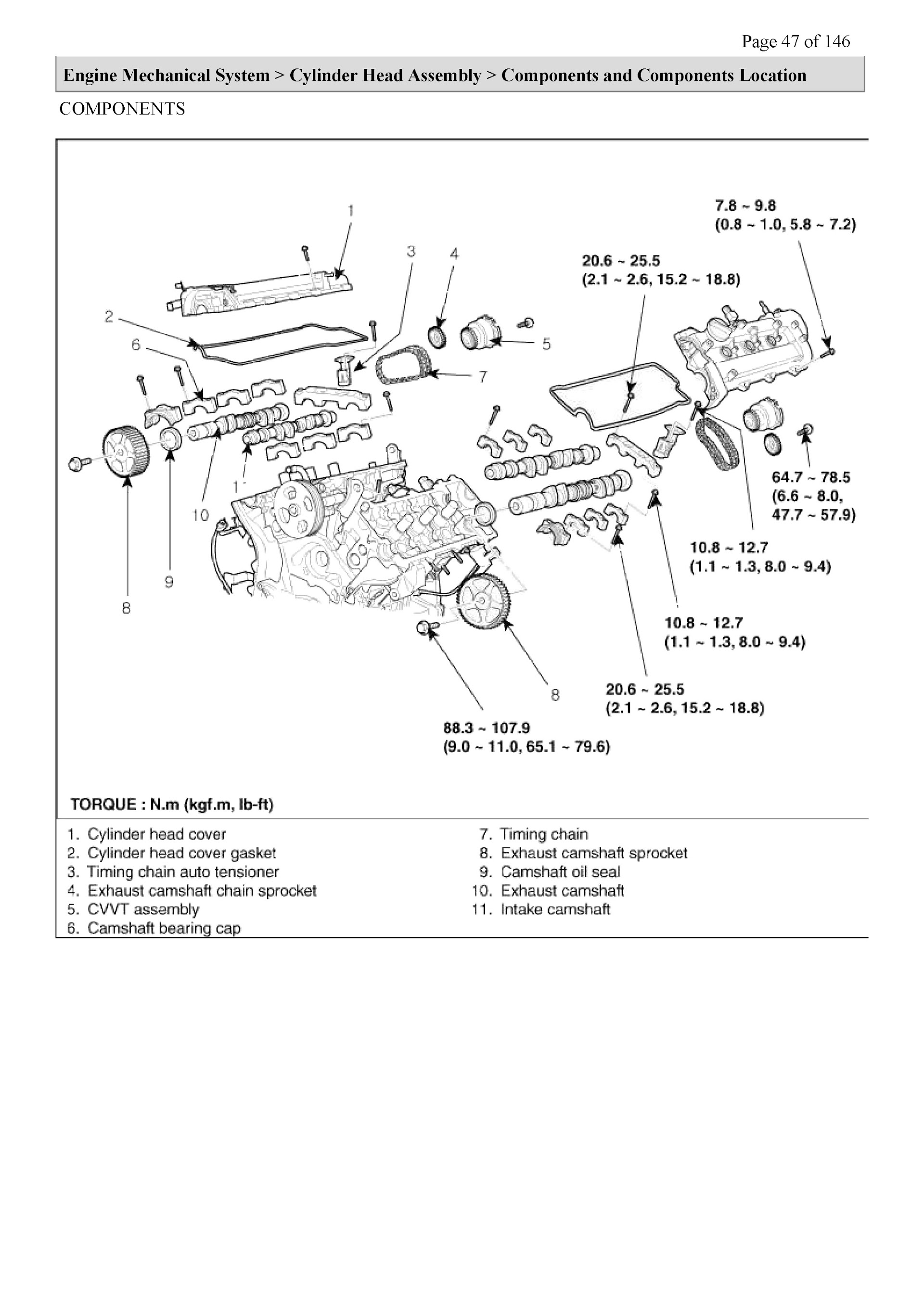
CAUTION: This manual provides detailed instructions for maintenance, disassembly, reassembly, component inspection, adjustment, and diagnostics—intended for use by experienced mechanics. Proper application of this guide will help ensure thorough repairs and maintain your vehicle in peak condition.
Important Note: Before purchasing this manual, please check whether your vehicle is subject to any active service recalls, as authorized dealerships may perform necessary repairs free of charge. When replacing parts, always use genuine OEM components to ensure safety, reliability, and long-term performance.
2010–2011 Kia Rondo – Full Vehicle Overview, Issues, DTCs & Maintenance Guide
The 2010–2011 Kia Rondo (also known as the Kia Carens in some markets) is a compact MPV that combines practicality, flexible seating, and affordability. Known for its spacious interior and versatility, it was offered with multiple engine options including 2.4L inline-4 and 2.7L V6 engines paired with automatic or manual transmissions. While discontinued in North America after 2011, it remains a reliable choice for families seeking value and utility.
The Kia Carens is a compact car (C-segment) manufactured by Kia from 1999 to 2022, spanning four generations. It was also marketed under the name Kia Rondo in several regions.
The first three generations were produced as Multi-Purpose Vehicles (MPVs) and sold globally, including in South Korea, Europe, and North America (since the second generation).
The fourth generation, introduced in 2022, shifted towards a crossover-inspired design and was developed primarily as a strategic model for the Indian market, where it remained on sale.
Production of the Carens ended in most global markets by 2017 with the discontinuation of the Rondo in North America and Europe, while the fourth-generation Carens continues exclusively for India and select Asian markets as of 2025.
⚙️ Technical Specifications & Performance
- Engine Options: 2.4L I4 (175 hp), 2.7L V6 (192 hp)
- Transmission: 4-speed/5-speed automatic or 5-speed manual
- Drivetrain: Front-wheel drive (FWD)
- 0–100 km/h: 9.5–11.2 seconds (depending on engine)
- Fuel Efficiency: 9–11 L/100km (combined)
- Towing Capacity: Up to 1,590 kg (with V6)
- Seating: 5 or 7 passengers
🔧 Top 10 Common Mechanical Issues
- Premature brake wear
Cause: Undersized rotors and pads for vehicle weight.
Repair: Upgrade to higher-quality rotors and pads.
- Steering clunk/noise
Cause: Worn intermediate steering shaft.
Repair: Replace shaft with updated version.
- Engine oil leaks
Cause: Failing valve cover gasket.
Repair: Replace valve cover gasket and inspect seals.
- Excessive engine vibration
Cause: Worn engine mounts.
Repair: Replace engine mounts with OEM or heavy-duty parts.
- Radiator/overheating
Cause: Radiator cracks or coolant leaks.
Repair: Replace radiator and inspect hoses.
- Timing belt wear (V6)
Cause: Normal wear, sometimes premature due to tensioner issues.
Repair: Replace timing belt, tensioner, and water pump at interval.
- Suspension noise
Cause: Worn sway bar bushings and links.
Repair: Replace bushings and stabilizer links.
- Transmission hesitation
Cause: Old fluid or valve body wear.
Repair: Flush ATF and service transmission valve body.
- Fuel pump failure
Cause: Weak fuel pump motor.
Repair: Replace in-tank fuel pump module.
- Exhaust rust
Cause: Thin steel exhaust prone to corrosion.
Repair: Replace muffler and exhaust sections with stainless steel.
💡 Top 10 Common Electrical Issues
- Power window failure
Cause: Weak regulator motors.
Repair: Replace window regulator assemblies.
- Airbag light on
Cause: Faulty seat occupancy sensor.
Repair: Replace seat sensor mat.
- Instrument cluster flickering
Cause: Cold solder joints in circuit board.
Repair: Resolder or replace cluster.
- Battery drain
Cause: Stuck relay in fuse box.
Repair: Diagnose parasitic draw and replace faulty relay/module.
- Blower motor failure
Cause: Burnt blower resistor.
Repair: Replace blower resistor pack.
- Central locking malfunction
Cause: Weak actuator motors.
Repair: Replace faulty door actuators.
- Radio/infotainment freezing
Cause: Internal hardware fault.
Repair: Replace head unit or reflash firmware.
- ABS warning light
Cause: Faulty wheel speed sensor.
Repair: Replace defective sensor and clear codes.
- Lighting failures
Cause: Poor ground connection.
Repair: Clean and secure ground wires.
- Horn not working
Cause: Faulty horn relay or corroded wiring.
Repair: Replace relay or repair wiring harness.
📊 Pros and Cons
| Pros 👍 |
Cons 👎 |
| Spacious interior with optional 7 seats |
Fuel economy below rivals |
| Affordable pricing |
Transmission can be unrefined |
| Decent reliability when maintained |
Cheap interior plastics |
| Good safety equipment for its class |
Discontinued in North America after 2011 |
| Strong V6 performance |
Resale value weaker than Japanese rivals |
🛠️ Maintenance Schedule
| Interval ⏱️ |
Maintenance Task 🔧 |
| Every 8,000 km / 6 months |
Engine oil & filter change |
| Every 20,000 km |
Inspect brakes, tires, suspension |
| Every 40,000 km |
Replace air & cabin filter, check cooling system |
| Every 60,000 km |
Transmission service, replace spark plugs |
| Every 100,000 km |
Timing belt replacement (V6 only) |
| Every 120,000 km |
Coolant and brake fluid flush |
⚠️ Recalls, Advisories & Safety Alerts
- Airbag recall: Takata inflator defect affecting passenger airbags (2015 recall).
- Fuel system advisory: Fuel pump premature failure reported (service campaign).
- Brake booster vacuum loss: Low temperatures causing reduced braking performance.
- Steering intermediate shaft recall: Excessive play corrected by replacement.
- Check Consumer Report.
DTC Trouble Code List
Engine Control Module (ECM)
| Code |
Description |
| P0300 |
Random Cylinder Misfire |
| P0171 |
System Too Lean |
| P0420 |
Catalyst Efficiency Below Threshold |
| P0128 |
Coolant Thermostat Below Regulating Temp |
| P0113 |
Intake Air Temp Sensor High |
| P0507 |
Idle Control RPM Higher Than Expected |
| P0456 |
EVAP Small Leak Detected |
| P0101 |
MAF Sensor Range/Performance |
| P0340 |
Camshaft Position Sensor Circuit |
| P0335 |
Crankshaft Position Sensor Circuit |
Transmission Control Module (TCM)
| Code |
Description |
| P0700 |
Transmission Control System Malfunction |
| P0733 |
Gear Ratio Error 3rd Gear |
| P0741 |
TCC Performance or Stuck Off |
| P0750 |
Shift Solenoid A Malfunction |
| P0755 |
Shift Solenoid B Malfunction |
| P0760 |
Shift Solenoid C Malfunction |
| P0715 |
Input/Turbine Speed Sensor |
| P0720 |
Output Speed Sensor Circuit |
| P0793 |
Intermediate Shaft Speed Sensor |
| P2701 |
Friction Element Apply Time Range |
ABS / ESC
| Code |
Description |
| C0035 |
Left Front Wheel Speed Sensor |
| C0040 |
Right Front Wheel Speed Sensor |
| C0045 |
Left Rear Wheel Speed Sensor |
| C0050 |
Right Rear Wheel Speed Sensor |
| C0110 |
ABS Pump Motor Circuit |
| C0131 |
ABS Pressure Circuit Malfunction |
| C0265 |
ABS Module Relay Circuit |
| C0221 |
Brake Switch Circuit |
| C0561 |
System Disabled Information Stored |
| C0899 |
Low Voltage ABS Module |
SRS Airbag System
| Code |
Description |
| B0100 |
Driver Airbag Circuit Open |
| B0103 |
Passenger Airbag Circuit Open |
| B0131 |
Side Airbag Deployment Fault |
| B0141 |
Seatbelt Pretensioner Circuit |
| B0155 |
Passenger Presence Sensor Fault |
| B1000 |
Airbag ECU Internal Fault |
| B1378 |
Battery Voltage Low |
| B1421 |
Occupant Sensor Malfunction |
| B1801 |
Driver Side Airbag Squib |
| B1811 |
Passenger Side Airbag Squib |
Body Control / CAN Communication
| Code |
Description |
| U0001 |
High-Speed CAN Communication Bus |
| U0100 |
Lost Communication With ECM/PCM |
| U0121 |
Lost Communication With ABS Control |
| U0140 |
Lost Communication With Body Control |
| U0155 |
Lost Communication With Instrument Cluster |
| U0164 |
Lost Communication With HVAC Control |
| U0170 |
Lost Communication With Immobilizer |
| U0184 |
Lost Communication With Radio |
| U0199 |
Lost Communication With Door Module |
| U0401 |
Invalid Data Received From ECM |
✅ Final Verdict & Conclusion: The 2010–2011 Kia Rondo is a practical family hauler offering good value, flexible seating, and respectable reliability. While it lacks refinement compared to Japanese rivals and suffers from some common brake, steering, and electrical issues, most problems are well-documented and fixable. For buyers seeking an affordable and versatile MPV, the Rondo remains a solid used choice when maintained properly.