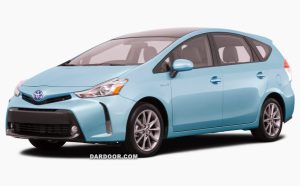
Get the original OEM workshop service and repair manual with the wiring diagram for the 2021–2024 Toyota RAV4 Prime in a convenient, searchable PDF format.
Overview
The 2021–2024 Toyota RAV4 Prime is Toyota’s plug-in hybrid compact SUV built on the RAV4 platform. It uses a 2.5 L Atkinson-cycle four-cylinder gasoline engine paired with dual electric motors and a hybrid CVT (P810), delivering about 302 hp combined with standard AWD and an EPA-estimated ~42 mi electric-only range on a full charge.
Technical Specifications
- Engine: 2.5 L inline-4 gasoline + electric motors (A25A-FXS)
- Transmission: CVT-style Hybrid P810
- Combined System Power: ~302 hp
- Battery: ~18.1 kWh lithium-ion (PHEV)
- EV Range: ~42 mi per full charge
- MPG (gas + EV): ~94 MPGe combined, ~38 MPG combined when battery depleted
- Drivetrain: AWD standard
- Towing: Up to ~2,500 lbs
Market Pricing (US + approx CAD) • Typical used 2021–2023 RAV4 Prime: $35,000–$49,000 (≈ $47,000–$66,000 CAD)
Performance
- 0–60 mph ≈ 5.5–5.9 s (sporty for compact SUV).
- Combined 302 hp provides brisk acceleration with immediate electric torque.
- Excellent fuel economy for PHEV class (MPGe ~94).
- AWD improves traction in varied conditions.
Top 10 Common Mechanical Issues (Symptoms + Root Cause + Fix + Cost)
1- Hybrid Battery Cooling Fan Noise
Symptoms: Loud whirring or fan noise under acceleration
Root Cause: Aging cooling fan bearings working harder to cool battery at high load
Fix: Replace cooling fan assembly when noisy or showing excessive play
Cost: $450–$900 (≈ $600–$1,200 CAD)
2- Inverter Pump Failure
Symptoms: Warning lights (check hybrid system), reduced EV power
Root Cause:Heat cycling stress over time on high-load pump
Fix:Replace inverter water pump and inspect coolant hoses
Cost:$700–$1,400 (≈ $950–$1,850 CAD)
3- Suspension Bushings Wear
Symptoms: Creaking or clunk over bumps
Root Cause:Long-term material fatigue
Fix:Replace worn bushings/links, wheel alignment
Cost:$300–$750 (≈ $400–$1,000 CAD)
4- Brake Wear/Glaze
Symptoms: Reduced stopping power, squeal under braking
Root Cause:Heavier regenerative braking load distribution
Fix:Resurface or replace rotors and pads, correct brake fluid flush
Cost:$350–$800 (≈ $475–$1,050 CAD)
5- Coolant Leak at Water Pump
Symptoms: Low coolant warning, slight puddle under front
Root Cause:Pump seal degradation
Fix:Replace water pump & coolant, pressure test
Cost:$700–$1,200 (≈ $950–$1,600 CAD)
6- Engine Oil Leak (Rear Main)
Symptoms: Oil spot beneath rear of engine
Root Cause:Wear to rear main seal over time
Fix:Replace rear main seal (labor-intensive job)
Cost:$900–$2,000 (≈ $1,250–$2,650 CAD)
7- EV Charge Port Hinge Fault
Symptoms: Loose or difficult-to-close charging port
Root Cause:Weak hinge design tolerances
Fix:Replace charge port door & latching assembly
Cost:$200–$450 (≈ $270–$600 CAD)
8- Exhaust Heat Shield Rattle
Symptoms: Rattle at idle or initial acceleration
Root Cause:Loosened clips or heat shield fatigue
Fix:Re-secure shields or replace damaged parts
Cost: $100–$260 (≈ $135–$350 CAD)
9- Engine Mount Wear
Symptoms: Vibration under acceleration
Root Cause:Normal wear under hybrid powertrain torque
Fix:Replace mounts; inspect adjacent components
Cost: $400–$900 (≈ $540–$1,200 CAD)
10- Cabin HVAC Blend Door Stiction
Symptoms: Inconsistent airflow, clicking behind dash
Root Cause: Actuator gear wear
Fix:Replace HVAC blend/mode actuator
Cost: $250–$600 (≈ $340–$800 CAD)
⚡ Top 10 Common Electrical Issues (Symptoms + Root Cause + Fix + Cost)
1- Infotainment Bluetooth / Android Auto Dropout
Symptoms: Dropouts, no audio, disconnects
Root Cause:Software glitches or head unit firmware
Fix:Update firmware; reset head unit; wiper grounds
Cost:$0–$300 (≈ $0–$400 CAD)
2- Rearview Camera Freezes
Symptoms: Black or frozen camera when in Reverse
Root Cause:Display software/memory fault (widespread Toyota concern)
Fix:Dealer software update or display replacement
Cost:$150–$900 (≈ $200–$1,200 CAD)
3- Hybrid System MIL & Readiness Codes
Symptoms: Warning lights about EV/hybrid system
Root Cause:Faulty sensors, CAN communication hitches
Fix:Scan with Toyota tech, verify sensors/cables
Cost:$200–$650 (≈ $270–$860 CAD)
4- 12V Battery Drain
Symptoms: No-start, accessory warning
Root Cause:Parasitic draw or aged 12V battery
Fix:Parasitic draw test; replace 12V battery
Cost:$150–$300 (≈ $200–$400 CAD)
5- TPMS Light / Sensor Fault
Symptoms: TPMS warning
Root Cause:Sensor battery age
Fix:Replace TPMS sensors / program
Cost:$250–$500 (≈ $340–$675 CAD)
6- Power Window Soft Stop / Slow
Symptoms: Window slow or pinches
Root Cause:Dry channels/calibration drift
Fix:Clean/lube channels; reset auto; replace regulator if worn
Cost:$200–$550 (≈ $270–$745 CAD)
7- HVAC Display / Climate Panel Glitch
Symptoms: Unresponsive controls
Root Cause:Faulty panel or CAN glitch
Fix:Reset systems; replace panel if faulty
Cost:$300–$800 (≈ $400–$1,050 CAD)
8- Wireless Phone Charger Fault
Symptoms: Wireless charger not powering phones
Root Cause:Power feed or module failure
Fix:Test FUSE/power; replace module
Cost:$80–$250 (≈ $105–$340 CAD)
9- Hybrid Charge Port Indicator
Symptoms: Charge latch or lights abnormal
Root Cause:Sensor or latch wiring wear
Fix:Test wiring; replace port sensor/latch
Cost:$150–$450 (≈ $200–$600 CAD)
10- Audio Amplifier Hiss/Drop
Symptoms: Audio hiss or loss
Root Cause:Grounds, heat, or amp component stress
Fix:Check power/ground; replace amp
Cost:$350–$900 (≈ $475–$1,200 CAD)
Pros & Cons
| Pros | Cons |
|---|---|
| Exceptional electric range for PHEV (~42 mi) | Premium pricing compared to non-PHEV RAV4s |
| Strong acceleration (≈5.5–5.9 s 0–60) | More complex hybrid systems could cost more to repair |
| Excellent MPGe and real-world economy | Infotainment/electronics glitches reported |
| Standard AWD and solid safety | Some trims have connectivity/USB issues |
| Good cargo & utility for class | Intermittent body/trim fitment complaints |
Maintenance Schedule (Typical)
| Interval | Service | Notes |
|---|---|---|
| Every 5,000–7,500 mi | Oil & filter, inspect brakes/tires | High-use enviro = shorter interval |
| Every 15,000 mi | Cabin filter, rotate tires | Helps cabin air quality |
| Every 30,000 mi | Engine air filter, brake fluid | Hybrid cooling check |
| Every 45,000–60,000 mi | Coolant service | Inspect hybrid inverter coolant |
| Every 90,000–120,000 mi | Spark plugs | Tune-up recommended |
Top 5 SUV Hybrid Competitors
Top 10 Recalls & TSB Highlights
- Instrument Panel Display — Toyota/Hyundai Recall: Display/seat belt indicator issues may mask warnings.
- Hybrid System Controller Software Updates: TSBs for EV system readiness or torque management.
- Fuel Injector Harness Relay Checks: Address potential signal faults.
- Brake Actuator Relearn / VSC Calibration: Software refinement for ABS/VSC alerts.
- TPMS Sensor Programming: Correct false low-pressure readings.
- Drive Module CAN Communication TSB: Fixes intermittent communication hangs.
- Rear Camera Service Campaign: Fix freeze/stall on reverse camera feed (software/controls).
- HVAC Blend Door Calibration: TSB for inconsistent airflow.
- Hybrid Inverter Pump Update: Dealer may update part or control logic under certain conditions.
- Aux Battery Cable Routing**: Ensure secure routing to avoid chafing and 12V drains. ↗
Important: Recall applicability depends on VIN, region, and whether the remedy was already completed. Always verify with Toyota/NHTSA by VIN before purchase.
❓ Frequently Asked Questions
1. Is the 2021–2024 Toyota RAV4 Prime reliable?
Overall reliability is considered strong for a plug-in hybrid SUV. The gasoline engine and hybrid drivetrain are proven Toyota designs, but owners report occasional issues related to electronics, infotainment software, and hybrid cooling components. Preventive maintenance and software updates significantly improve long-term reliability.
2. What is the most expensive common repair on the RAV4 Prime?
The most expensive repairs typically involve the hybrid system, such as inverter cooling pumps or high-voltage battery diagnostics. These repairs can range from $700–$1,400 (≈ $950–$1,850 CAD), depending on the exact component and labor rates.
3. How long does the hybrid battery last?
Toyota hybrid batteries are designed to last well over 8–10 years under normal use. In the US, the hybrid battery is covered by an extended warranty, and real-world data suggests many packs exceed 150,000–200,000 miles with proper cooling system maintenance.
4. Is it safe to drive with a “Check Hybrid System” warning?
Not always. Some warnings are triggered by low 12-volt battery voltage or software issues, but others can indicate cooling, inverter, or high-voltage faults. If the warning appears, reduced power or EV mode disablement is possible, and the vehicle should be scanned as soon as possible.
5. Does the RAV4 Prime require special maintenance compared to a regular RAV4?
Yes. In addition to standard engine maintenance, the RAV4 Prime requires periodic inspection of the hybrid cooling system, inverter coolant, high-voltage wiring, and software updates. Brake wear is often reduced due to regenerative braking.
6. Which model years are best to buy?
Later model years (2023–2024) tend to benefit from updated software, improved infotainment stability, and fewer early-production issues. However, a well-maintained 2021–2022 model with completed recalls and updates can still be an excellent purchase.
7. Is the RAV4 Prime expensive to maintain long-term?
Routine maintenance costs are generally lower than comparable gas SUVs due to reduced brake wear and fewer engine hours. However, when hybrid or electronic components fail, repairs can be more expensive than non-hybrid RAV4 models.
8. Can the RAV4 Prime be driven without charging it?
Yes. The vehicle operates like a conventional hybrid when the battery is depleted, automatically switching to gasoline and regenerative charging. Fuel economy remains competitive even without plugging in, though charging maximizes cost savings.
9. How does the RAV4 Prime perform in winter conditions?
Cold temperatures reduce electric-only range, but standard AWD provides good traction. The hybrid system may rely more on the gasoline engine in winter, and proper winter tires are strongly recommended for best performance.
10. Is the RAV4 Prime worth buying used?
Yes, provided the vehicle has a documented service history, completed recalls, and no unresolved hybrid system warnings. A pre-purchase scan of hybrid and body control modules is highly recommended to avoid hidden electrical or battery-related issues.
🏆 Our Final Verdict
The 2021–2024 Toyota RAV4 Prime PHV successfully blends EV-like electric range with SUV practicality, strong performance, and AWD capability, making it a compelling PHEV option. Its reliability is generally strong, but owners should be aware of hybrid cooling/electrical quirks and plan preventative maintenance accordingly.