


Get the original OEM workshop service and repair manual for the 2009-2015 Hyundai Tucson, also known as the Hyundai ix35, complete with detailed wiring diagrams in a convenient PDF format.
2009-2015 Hyundai Tucson Repair Manual
$16.90
Original OEM Workshop Manual: 2009-2015 Hyundai Tucson (ix35) Complete Repair Manual with Wiring Diagrams – PDF Format
Get the original OEM workshop service and repair manual for the 2009-2015 Hyundai Tucson, also known as the Hyundai ix35, complete with detailed wiring diagrams in a convenient PDF format.
| File Format | |
| File Language | English |
| You’ll Get | 100.4 MB |
| Page Count | 2,100 |
| Delivery Method | Instant Download |
Key Features
- Comprehensive Coverage: Includes all mechanical, electrical, and wiring systems for the Hyundai Tucson/ix35 models from 2009 to 2015.
- OEM Quality: The same manual used by Hyundai dealer technicians to diagnose, repair, and maintain the vehicle.
- User-Friendly PDF Format: Download, search, and navigate through the manual easily on any device.
What’s Included
- General Information
- Specifications, maintenance schedules, and safety guidelines.
- Engine Service and Repair
- Covers all engines, including the 2.0L and 2.4L petrol engines and diesel variants.
- Transmission
- Manual, automatic, and AWD system repair and service procedures.
- Suspension and Steering
- Front and rear suspension systems, alignment, steering column, and power steering components.
- Braking System
- Hydraulic brakes, ABS, and electronic brake-force distribution (EBD).
- Electrical and Wiring Diagrams
- Detailed wiring schematics for all electrical systems:
- Power distribution
- Engine and transmission control systems
- Lighting and interior systems
- Audio and infotainment wiring
- HVAC (Heating, Ventilation, and Air Conditioning) circuits
- Safety systems (airbags, ABS, etc.)
- Detailed wiring schematics for all electrical systems:
- Body and Interior
- Body panels, trims, seats, and electrical interior components.
- Troubleshooting and Diagnostics
- Fault codes, troubleshooting charts, and step-by-step diagnostic procedures.
Why You Need This Manual
- OEM Accuracy: Trusted by professional Hyundai service technicians.
- Complete DIY Guide: Perfect for Hyundai Tucson/ix35 owners who prefer do-it-yourself repairs and maintenance.
- Saves Time and Money: Avoid costly dealer visits with step-by-step instructions.
- Easy Navigation: Quick access to specific sections, diagrams, and part details.
Download now to gain access to the 2009-2015 Hyundai Tucson/ix35 repair manual and wiring diagrams, ensuring you have all the tools you need to maintain and repair your vehicle with confidence! 🚗🔧
This manual includes the procedures for maintenance, disassembling, reassembling, inspection, and adjustment of components and diagnostics for the guidance of experienced mechanics. Please use this manual to ensure complete repair work to keep your vehicle in optimum condition. When replacement parts during repair work are needed, be sure to use OEM genuine parts.
Sample Pages: 2009-2015 Hyundai Tucson Repair Manual
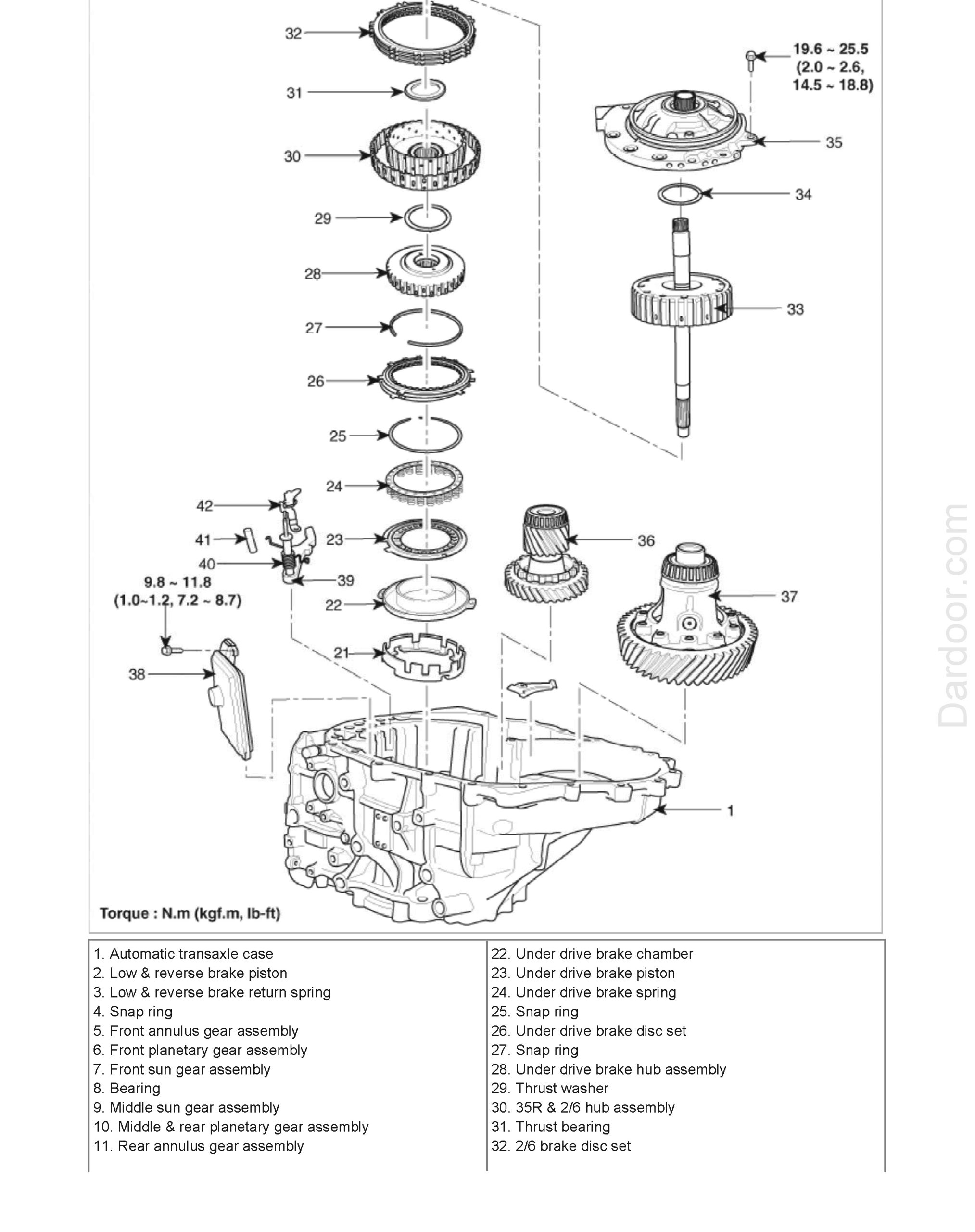
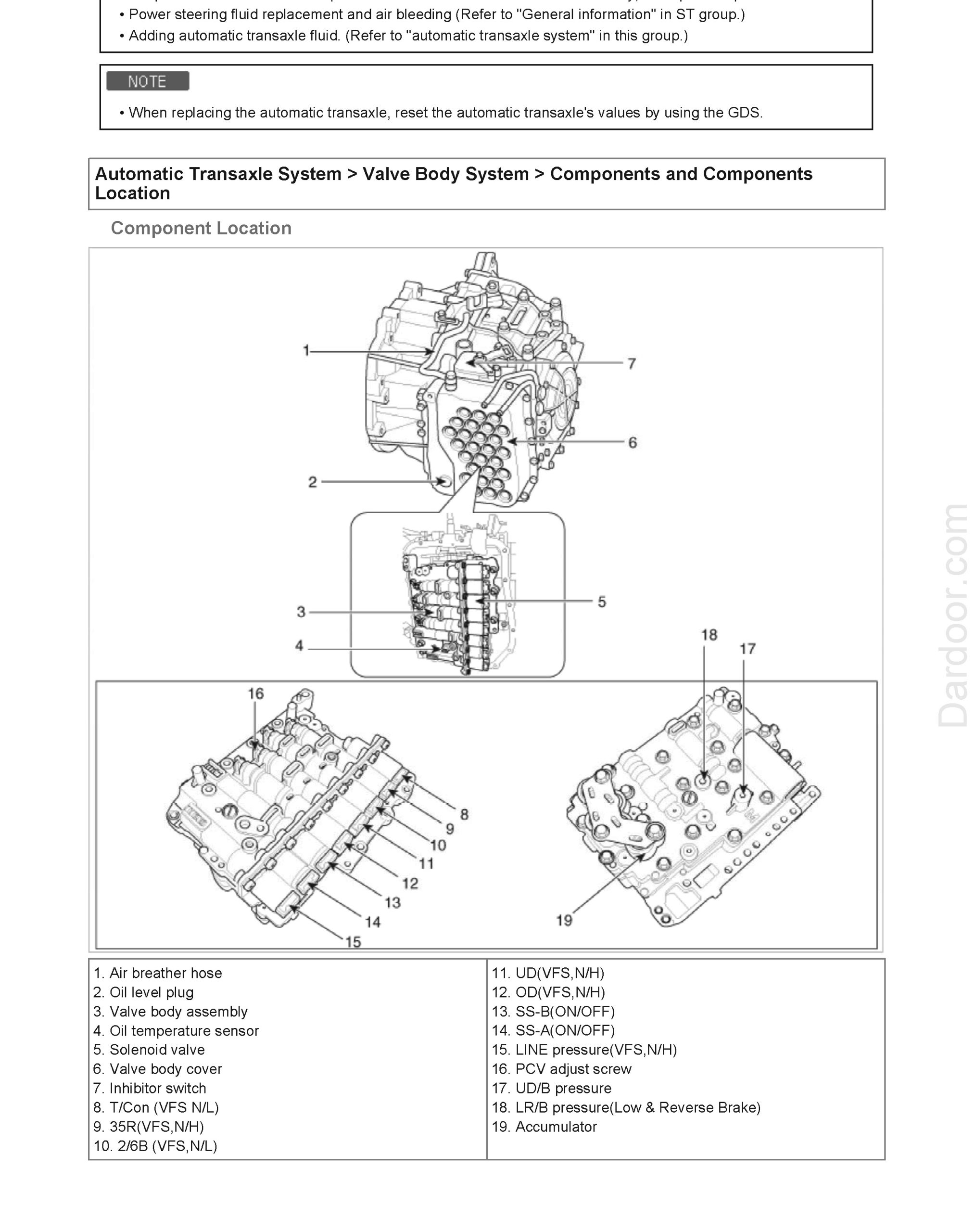
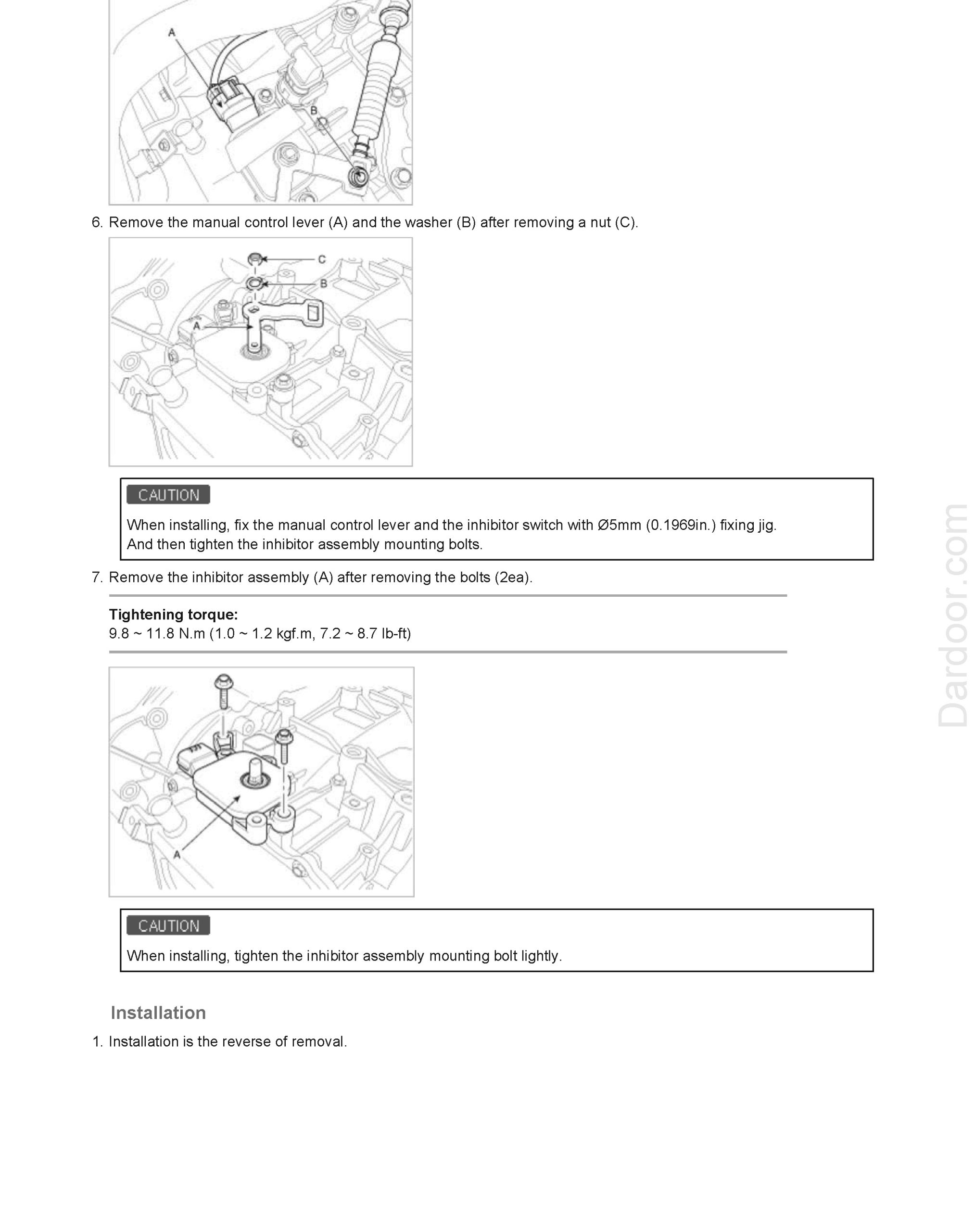
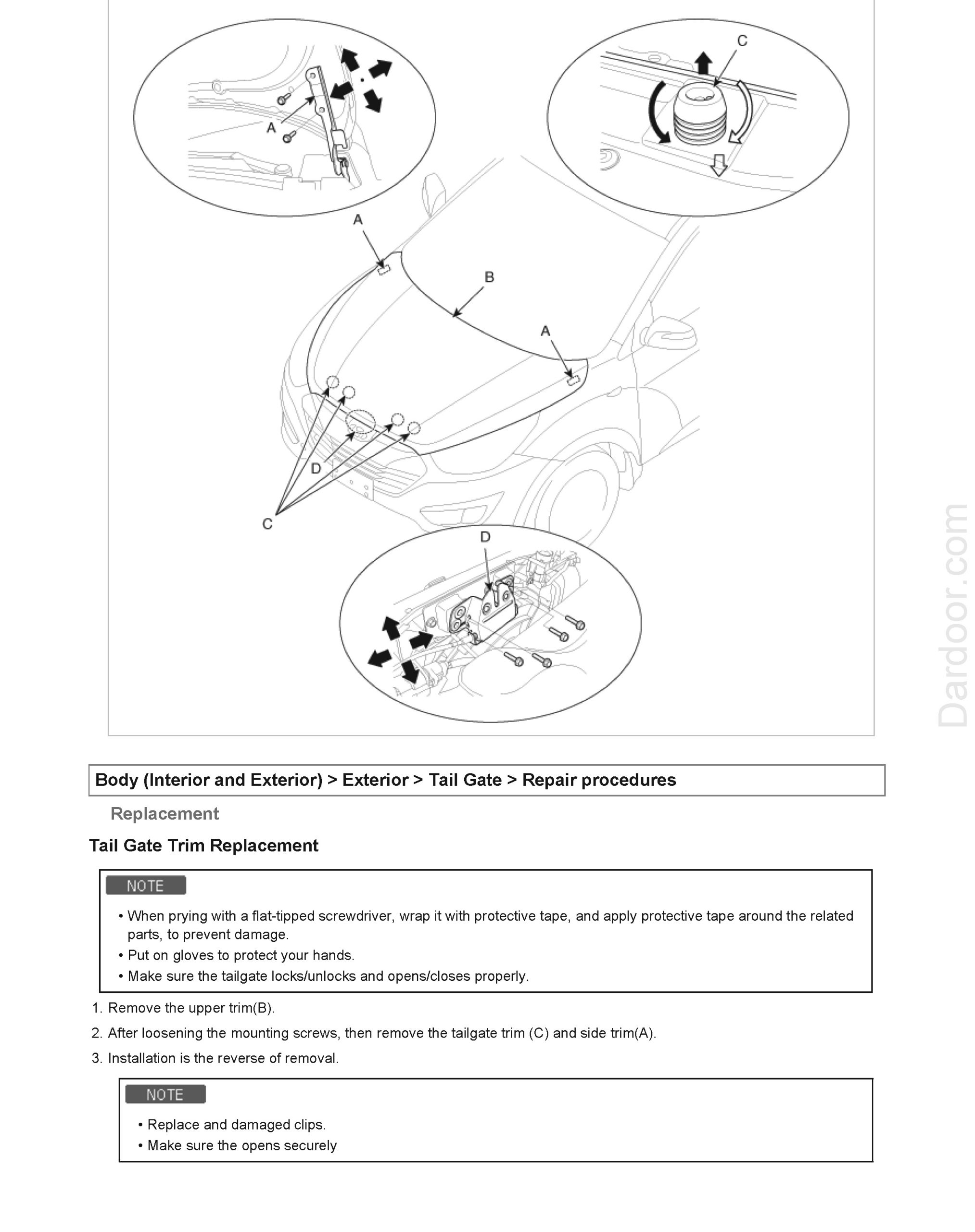
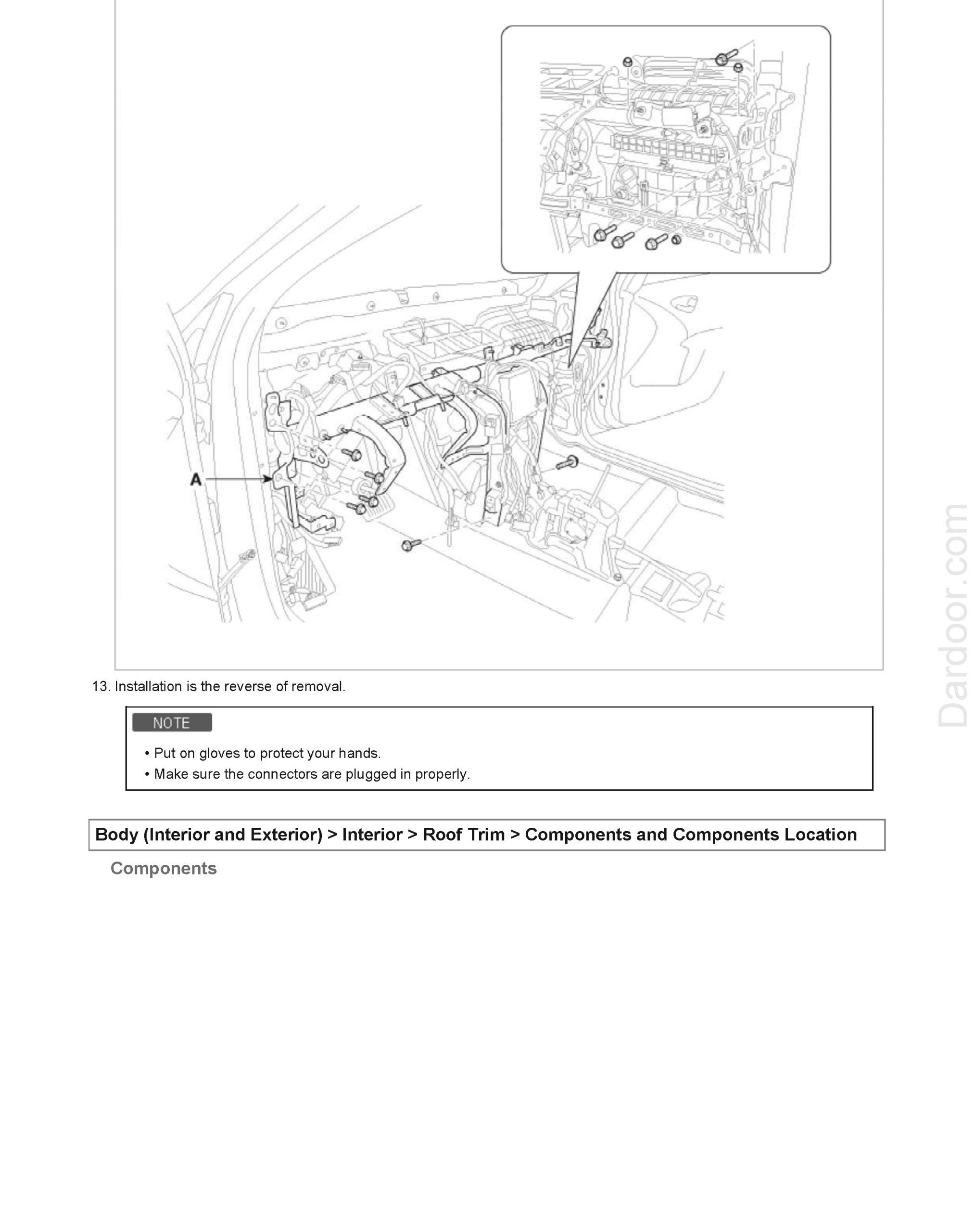
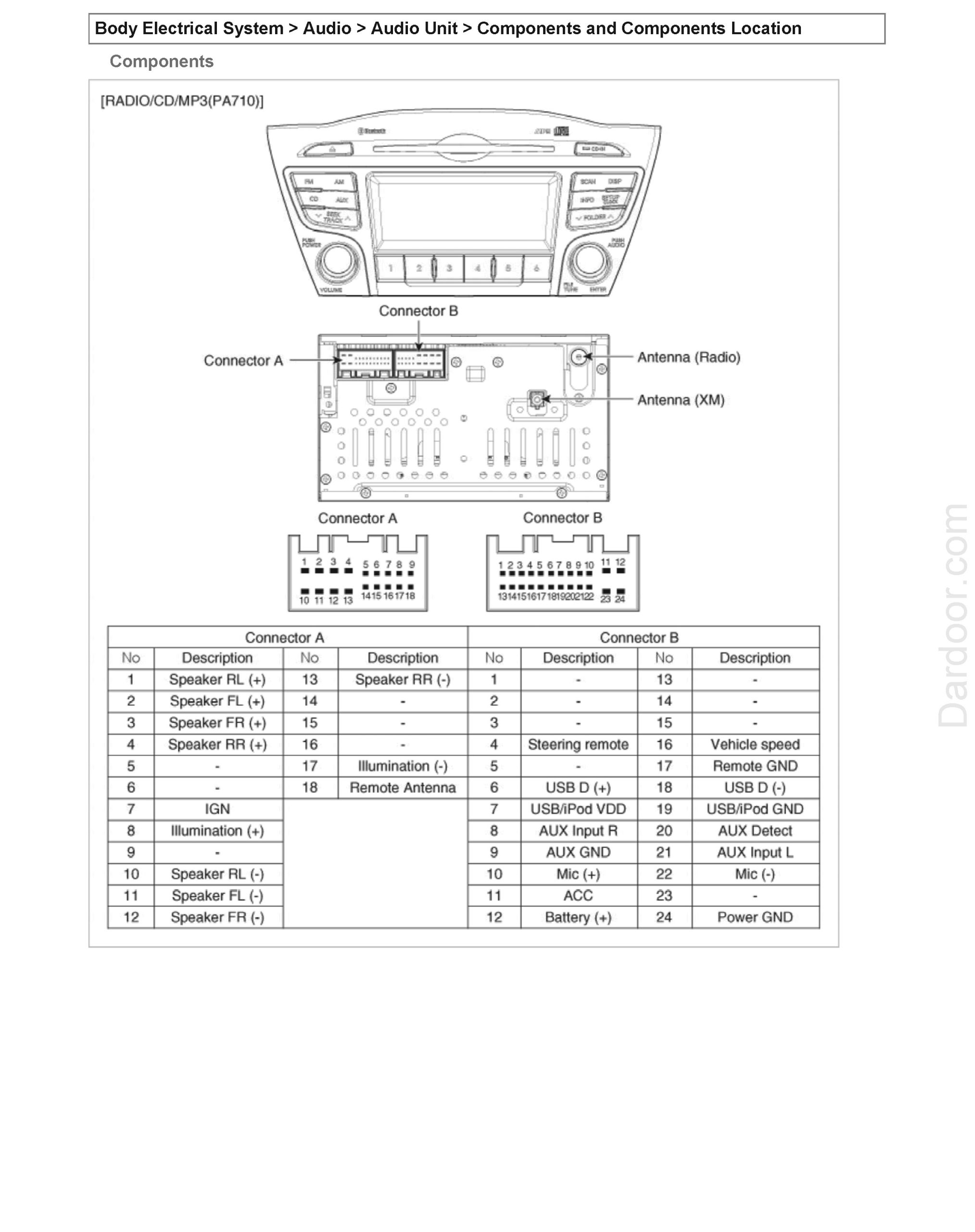
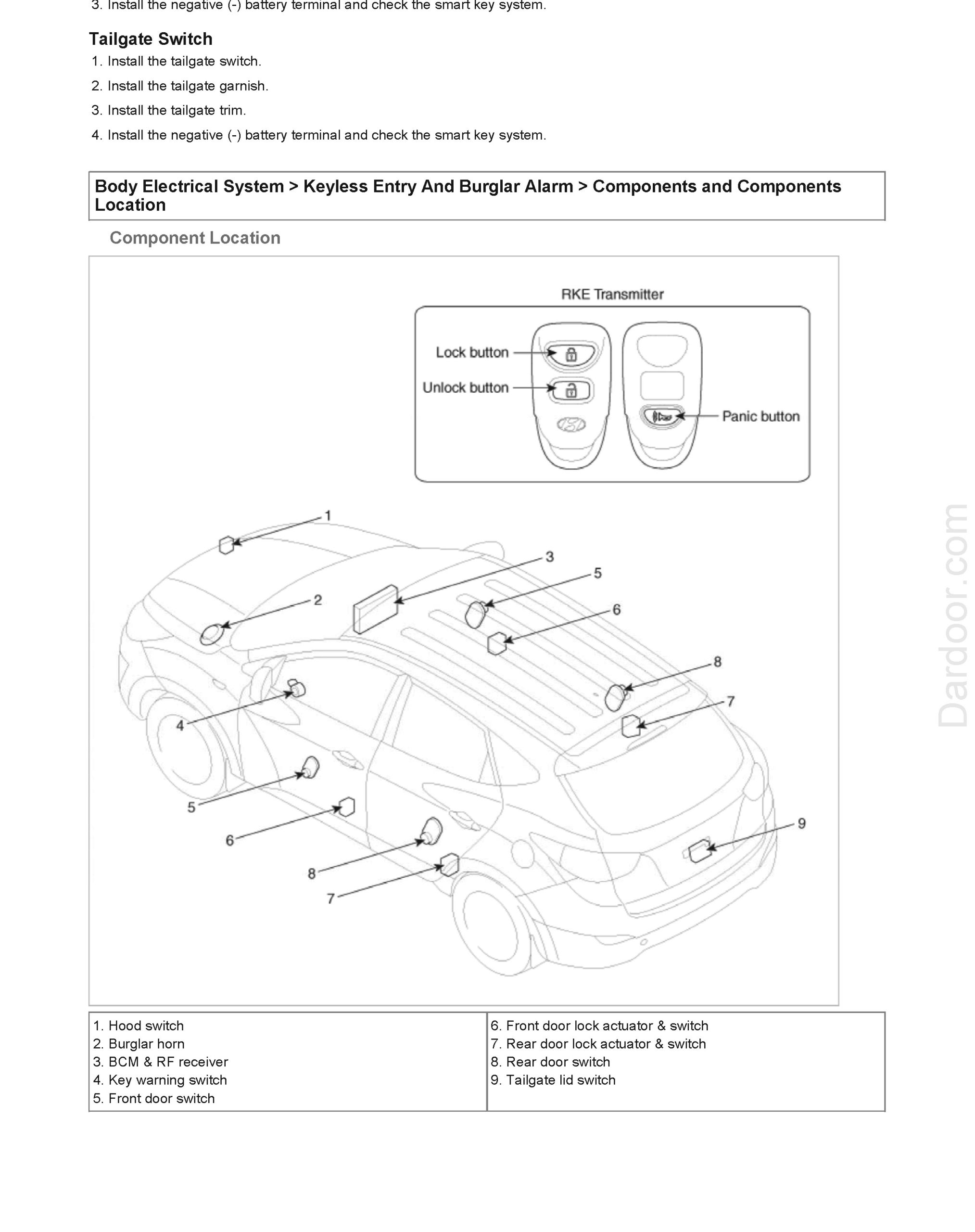
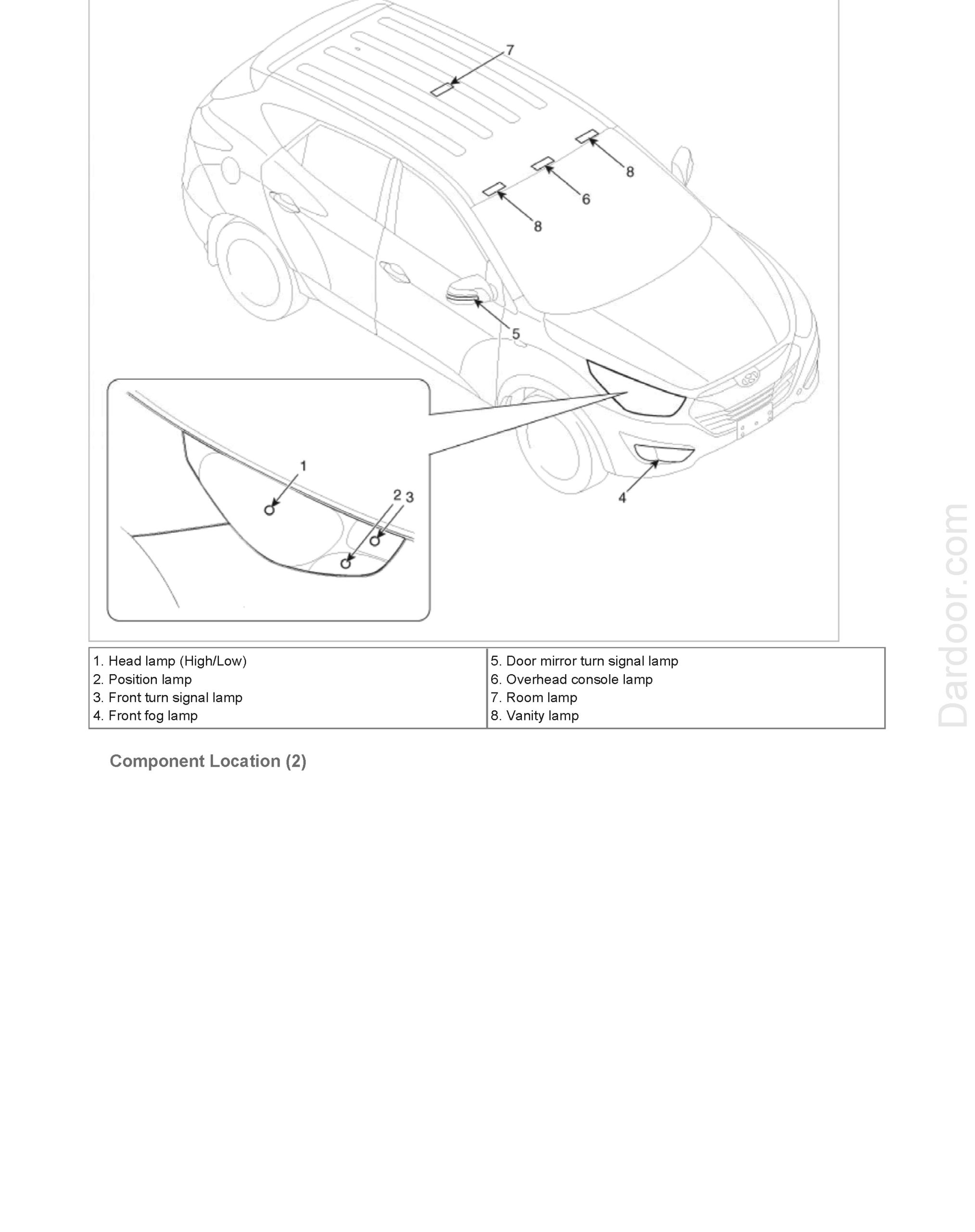
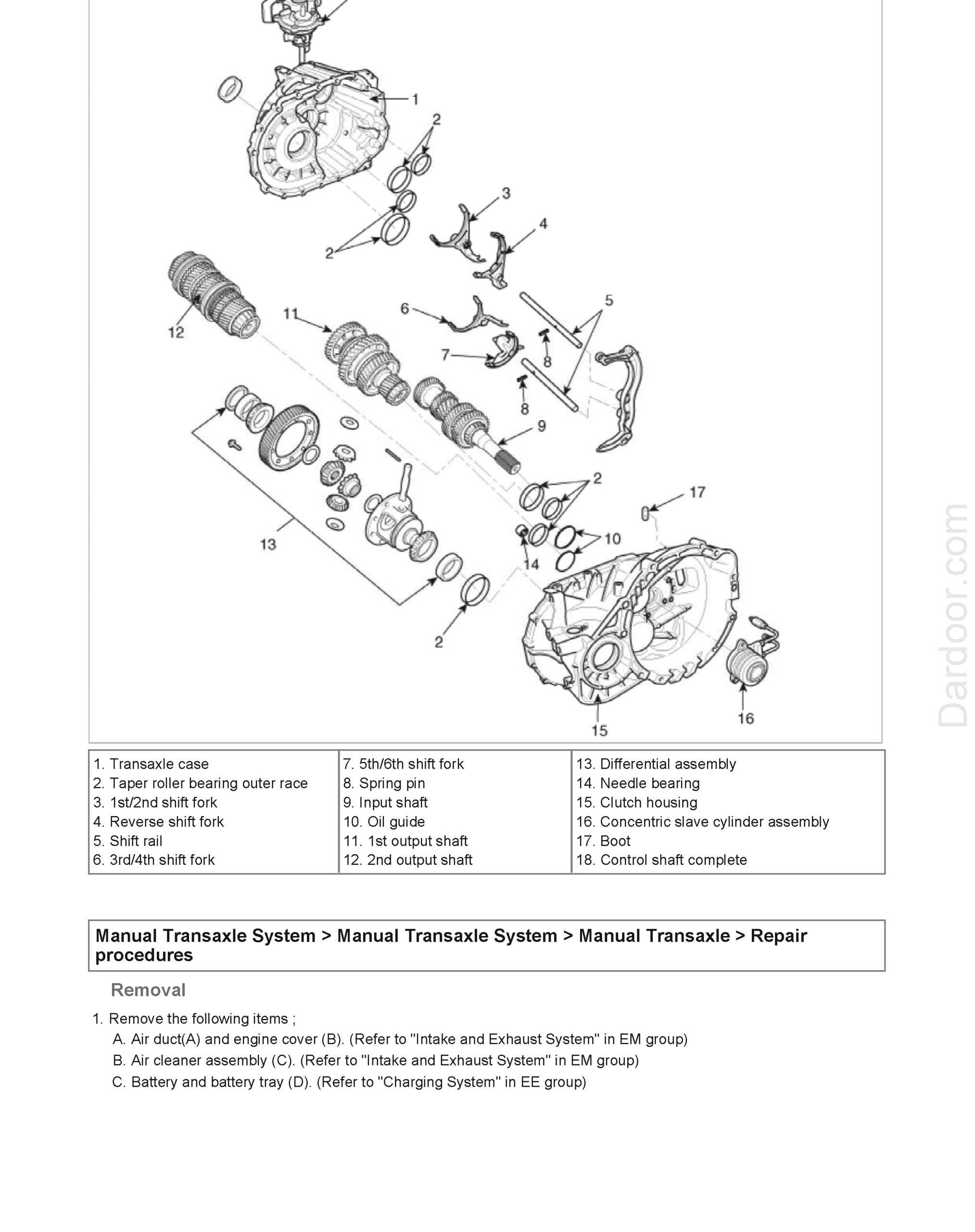
CAUTION: Please note that this manual is made for the use of persons who have special techniques and certifications. Suppose non-specialized or uncertified technicians perform repairs or services only using this manual or without proper equipment or tools. In that case, this may cause severe injury to you or other persons nearby and also cause damage to your vehicle. In order to prevent dangerous operations and damage to your car, please be sure to follow the instructions thoroughly.
2009–2015 Hyundai Tucson: Comprehensive Guide
Overview
The 2009–2015 Hyundai Tucson is a compact crossover SUV that represented the second generation (LM/ix35) of Hyundai’s popular compact SUV. It offered a blend of affordability, practicality, and Hyundai’s industry-leading warranty.
Generation: Second Generation (LM/ix35) Body Style: 5-door compact crossover SUV Platform: Hyundai-Kia Theta platform Assembly: South Korea, Czech Republic
Technical Specifications
Engine Options
2.0L 4-Cylinder (Base)
- Displacement: 2.0L inline-4
- Horsepower: 165 hp @ 6,200 rpm
- Torque: 146 lb-ft @ 4,600 rpm
- Fuel Type: Regular gasoline
- Fuel Economy: 23/31 mpg (city/highway, FWD)
2.4L 4-Cylinder (Upgraded)
- Displacement: 2.4L inline-4 (Theta II GDI)
- Horsepower: 176 hp @ 6,000 rpm
- Torque: 168 lb-ft @ 4,000 rpm
- Direct Injection: Yes
- Fuel Economy: 21/28 mpg (city/highway, FWD)
Transmission
- 6-speed automatic transmission (standard on most trims)
- 6-speed manual transmission (available on base GL with 2.0L)
Drivetrain
- Front-wheel drive (FWD) – standard
- All-wheel drive (AWD) – optional
Dimensions & Capacity
- Length: 174.8 inches
- Width: 71.7 inches
- Height: 65.9 inches
- Wheelbase: 105.1 inches
- Cargo Space: 25.7 cu ft (seats up), 55.8 cu ft (seats down)
- Seating Capacity: 5 passengers
- Towing Capacity: 2,000 lbs (when properly equipped)
- Curb Weight: 3,199–3,494 lbs
Suspension & Brakes
- Front: MacPherson strut with coil springs
- Rear: Multi-link with coil springs
- Brakes: 4-wheel disc brakes with ABS
Trim Levels (varied by year)
- GL (base)
- GLS
- SE
- Limited
Top 10 Mechanical and Electrical Issues
1. Theta II Engine Failure (2.0L & 2.4L GDI)
Symptoms:
- Knocking or ticking noises from engine
- Loss of power or hesitation
- Engine stalling while driving
- Check engine light illuminated
- Metal shavings in oil
- Complete engine seizure (catastrophic failure)
Root Cause:
- Manufacturing defects in engine machining process left metal debris in crankshaft oil passages
- Inadequate oil flow to connecting rod bearings
- Bearing wear and eventual failure
- Affects both 2.0L and 2.4L Theta II engines
Fix:
- Engine replacement (most common solution)
- Some cases may involve bearing replacement if caught early
- Software update for engine monitoring (Knock Sensor Detection System – KSDS)
Cost: $5,000–$8,500 for engine replacement; $1,500–$3,000 for bearing work if viable
2. Transmission Slipping and Failure
Symptoms:
- Harsh or delayed shifting
- Slipping between gears
- Shuddering during acceleration
- Transmission overheating
- Check engine light with transmission codes
- Vehicle won’t move in any gear
Root Cause:
- Torque converter failure
- Valve body issues
- Transmission fluid contamination
- Inadequate transmission cooling (especially in AWD models)
- Solenoid pack failures
Fix:
- Transmission fluid flush and filter replacement (early intervention)
- Valve body replacement
- Torque converter replacement
- Complete transmission rebuild or replacement (severe cases)
Cost: $200–$400 (fluid service); $800–$1,500 (valve body); $3,000–$5,000 (rebuild/replacement)
3. Excessive Oil Consumption
Symptoms:
- Low oil level warnings
- Needing to add 1+ quarts between oil changes
- Blue smoke from exhaust
- Fouled spark plugs
- Check engine light (misfire codes)
Root Cause:
- Piston ring design allows oil to bypass into combustion chamber
- Engine design issues with Theta II engines
- Carbon buildup on piston rings
- PCV system issues
Fix:
- Engine replacement under warranty/recall
- Piston ring replacement
- Regular oil consumption monitoring
- More frequent oil changes
- PCV valve replacement
Cost: $0–$8,000 (covered under extended warranty/recall); $2,500–$4,000 (piston ring job); $150–$300 (PCV system)
4. Front Strut Mount and Bearing Failure
Symptoms:
- Clunking or knocking noise over bumps
- Noise when turning steering wheel
- Poor steering return to center
- Uneven tire wear
- Vibration in steering wheel
Root Cause:
- Premature wear of strut mount bearings
- Inadequate lubrication
- Design weakness in mount assembly
- Exposure to road salt and moisture
Fix:
- Replace front strut mounts and bearings
- Often combined with strut replacement
- Wheel alignment after replacement
Cost: $400–$800 (strut mounts only); $800–$1,200 (with struts)
5. Electronic Throttle Control (ETC) Issues
Symptoms:
- Reduced engine power message
- Limp mode activation (limited to ~35 mph)
- Rough idle or stalling
- Poor acceleration response
- Check engine light with throttle body codes
Root Cause:
- Carbon buildup on throttle body
- Throttle position sensor failure
- Accelerator pedal position sensor issues
- Wiring harness problems
- ECM software issues
Fix:
- Throttle body cleaning
- Throttle body replacement
- Accelerator pedal assembly replacement
- ECM reprogramming
- Wiring harness repair
Cost: $150–$300 (cleaning/reprogramming); $400–$700 (throttle body); $200–$400 (pedal assembly)
6. Fuel System Issues (GDI Engines)
Symptoms:
- Hard starting or extended cranking
- Rough idle and misfires
- Loss of power
- Poor fuel economy
- Check engine light (fuel system codes)
- Fuel smell inside cabin
Root Cause:
- High-pressure fuel pump failure
- Fuel injector clogging (direct injection)
- Carbon buildup on intake valves
- Fuel pressure regulator issues
- Contaminated fuel
Fix:
- High-pressure fuel pump replacement
- Fuel injector cleaning or replacement
- Intake valve cleaning (walnut blasting)
- Fuel system cleaning service
- Fuel pressure regulator replacement
Cost: $800–$1,500 (HPFP); $300–$600 (injector service); $400–$700 (valve cleaning); $200–$400 (regulator)
7. AWD System Malfunctions
Symptoms:
- AWD warning light illuminated
- Burning smell from rear differential
- Vibration or shuddering during turns
- Unusual noise from rear of vehicle
- Loss of AWD functionality
Root Cause:
- Rear differential coupler failure
- Transfer case actuator issues
- Inadequate differential fluid
- Overheating due to low fluid or heavy use
- Electronic control module failure
Fix:
- Rear differential fluid change
- Coupler replacement
- Transfer case actuator replacement
- Differential rebuild or replacement
- AWD control module replacement
Cost: $150–$250 (fluid service); $800–$1,500 (coupler); $1,500–$3,000 (differential rebuild)
8. Panoramic Sunroof Malfunctions and Leaks
Symptoms:
- Sunroof won’t open or close
- Grinding or clicking noises
- Water leaking into cabin
- Headliner staining
- Sunroof tilts but won’t slide
- Electrical reset required repeatedly
Root Cause:
- Drain tube clogging (leaves, debris)
- Sunroof track misalignment
- Motor or cable failure
- Seal deterioration
- Electronic module issues
Fix:
- Drain tube cleaning
- Sunroof track realignment and lubrication
- Motor or cable assembly replacement
- Seal replacement
- Sunroof cassette replacement (severe cases)
Cost: $100–$200 (drain cleaning); $400–$800 (motor/cable); $1,200–$2,500 (cassette replacement)
9. Steering Coupling and Column Issues
Symptoms:
- Clunking noise when turning steering wheel
- Steering wheel looseness or play
- Difficulty turning at low speeds
- Popping sound from steering column
- Steering wheel not centered after turns
Root Cause:
- Universal joint wear in steering coupling
- Inadequate lubrication
- Spline wear in steering column
- Bushings deterioration
- Design flaw in coupling assembly
Fix:
- Steering coupling replacement
- Steering column lubrication
- Column assembly replacement (severe cases)
- Software update for electronic power steering
Cost: $300–$600 (coupling); $800–$1,500 (column assembly)
10. Electrical System and Battery Drain Issues
Symptoms:
- Battery dies after sitting overnight
- Dome lights staying on
- Radio/infotainment system not shutting off
- Remote start malfunction
- Parasitic draw on battery
- Electrical accessories not working
Root Cause:
- Faulty door latch switches keeping systems active
- Radio/infotainment module not entering sleep mode
- Alarm system malfunction
- Alternator undercharging
- Wiring harness shorts or corrosion
Fix:
- Door latch switch replacement
- Radio/infotainment module replacement or update
- Parasitic draw testing and repair
- Alternator replacement
- Battery replacement
- Wiring harness repair
Cost: $150–$300 (door switches); $400–$800 (radio module); $300–$600 (alternator); $100–$200 (battery)
Top 5 Competitors
1. Honda CR-V (2007–2011, 2012–2016)
- More reliable, better resale value
- More spacious interior and cargo area
- Better fuel economy
- Higher price point
- Less standard features for the money
2. Toyota RAV4 (2009–2012, 2013–2018)
- Superior reliability reputation
- Available V6 option (older generation)
- Higher resale value
- More expensive to purchase
- Conservative styling
3. Mazda CX-5 (2013–2016)
- More engaging driving dynamics
- Better interior quality
- Superior handling
- Introduced mid-cycle (2013)
- Smaller cargo area
4. Ford Escape (2009–2012, 2013–2016)
- Available turbocharged engines
- More powerful options
- American brand familiarity
- Less reliable than Hyundai
- Higher depreciation
5. Nissan Rogue (2008–2013, 2014–2016)
- More interior space
- Smooth CVT transmission
- Competitive pricing
- CVT reliability concerns
- Less engaging to drive
Top 10 Recalls, Advisories & TSB Highlights
Recalls
1. Engine Fire Risk (Multiple Campaigns)
- Affected: 2011–2013 with 2.0L and 2.4L engines
- Issue: Engine debris can restrict oil flow, causing bearings to fail and potentially result in engine seizure or fire
- Fix: Engine replacement, software update (KSDS installation)
- Status: Ongoing monitoring required; owners should check VIN regularly
2. ABS Module Fire Risk
- Affected: 2011–2015 models
- Issue: Brake fluid can leak into ABS module causing electrical short and potential fire, even when vehicle is parked
- Fix: ABS module inspection and replacement; fuse installation to reduce fire risk
- Status: Critical – address immediately
3. Seat Belt Pretensioner Failure
- Affected: 2011–2013 models
- Issue: Front seat belt pretensioners may not properly deploy in a crash
- Fix: Seat belt pretensioner replacement
- Status: Safety critical
4. Panoramic Sunroof Shattering
- Affected: 2011–2013 with panoramic sunroof
- Issue: Sunroof glass may shatter spontaneously while driving
- Fix: Sunroof glass replacement with updated design
- Status: Resolved for recalled vehicles
5. Brake Light Switch Failure
- Affected: 2009–2011 models
- Issue: Brake light switch may fail, preventing brake lights from illuminating or disabling cruise control
- Fix: Brake light switch replacement
- Status: Completed campaign
Technical Service Bulletins (TSBs)
6. TSB #14-01-022: Engine Knock/Rattle Noise
- Issue: Knocking or rattling noise from engine on cold start
- Cause: Timing chain tensioner or guides
- Fix: Updated timing chain components
7. TSB #13-01-009: Transmission Shift Flare
- Issue: Transmission flare (RPM increase) during shifts
- Cause: Transmission software calibration
- Fix: ECM/TCM reprogramming
8. TSB #11-01-028: Wind Noise from A-Pillar
- Issue: Excessive wind noise at highway speeds
- Cause: A-pillar seal gap
- Fix: A-pillar trim adjustment and seal replacement
9. TSB #12-40-001: Bluetooth Connectivity Issues
- Issue: Phone won’t pair or frequent disconnections
- Cause: Software incompatibility
- Fix: Audio system software update
10. TSB #13-BR-002: Brake Noise/Squeal
- Issue: Squealing or grinding noise from front brakes
- Cause: Brake pad composition
- Fix: Updated brake pad installation
Maintenance Schedule
Every 3,750–5,000 Miles (or 6 months)
- Engine oil and filter change (conventional oil)
- Tire rotation
- Visual inspection of brakes, hoses, belts
Every 7,500 Miles (or 12 months)
- Engine oil and filter change (synthetic oil)
- Cabin air filter inspection
- Battery check
Every 15,000 Miles
- Cabin air filter replacement
- Inspect brake pads and rotors
- Check all fluid levels
- Inspect suspension components
Every 30,000 Miles
- Engine air filter replacement
- Spark plugs inspection (2.0L)
- Fuel filter inspection
- Brake fluid inspection
- Coolant inspection
- Power steering fluid check
- Differential fluid check (AWD)
Every 60,000 Miles
- Transmission fluid and filter change
- Coolant replacement
- Spark plug replacement (2.4L GDI)
- Drive belts inspection/replacement
- Brake fluid flush
- Differential fluid change (AWD)
- Fuel system cleaning (GDI engines)
Every 90,000 Miles
- Spark plug replacement (2.0L)
- Timing chain inspection
- Full brake system service
- Suspension component replacement as needed
Every 100,000 Miles
- Water pump inspection/replacement
- Thermostat replacement
- Major inspection of all systems
As Needed
- Battery replacement (4–6 years)
- Brake pad replacement (30,000–70,000 miles)
- Tire replacement (40,000–60,000 miles)
- Wiper blades (annually)
10 FAQs for Buyers
1. Are the 2009–2015 Hyundai Tucsons reliable?
Reliability is mixed. While Hyundai improved significantly during this era, the Theta II engine issues are a major concern. The 2009–2010 models without GDI tend to be more reliable. Overall reliability is below average compared to Honda CR-V and Toyota RAV4, primarily due to engine problems.
2. Which engine is better: 2.0L or 2.4L?
The 2.0L is generally more reliable as it lacks direct injection and has fewer carbon buildup issues. The 2.4L offers better performance and fuel economy but has higher risk of engine failure and requires more maintenance (intake valve cleaning). If choosing the 2.4L, ensure comprehensive service records exist.
3. What years should I avoid?
Avoid 2011–2013 models most critically due to highest incidence of engine failures and multiple recalls. 2014–2015 models are slightly better but still affected. 2009–2010 are generally safer choices if you’re considering this generation.
4. Is the AWD system reliable?
The AWD system is moderately reliable but requires regular differential fluid changes (every 30,000–45,000 miles). Rear differential issues are not uncommon, especially in vehicles used in harsh winters or with inadequate maintenance. FWD models avoid these concerns entirely.
5. What’s the typical lifespan?
Without engine issues, Tucsons can last 150,000–200,000 miles with proper maintenance. However, engine failures commonly occur between 70,000–120,000 miles in affected vehicles. Many don’t make it past 100,000 miles due to engine problems.
6. Should I buy one with high mileage?
High-mileage Tucsons (100,000+ miles) are risky unless the engine has already been replaced under warranty/recall. If considering one, verify engine replacement documentation, get a pre-purchase inspection focusing on engine health, and budget for potential major repairs.
7. What warranty coverage exists?
Hyundai extended the powertrain warranty to lifetime for original owners on affected vehicles due to engine issues. Second owners typically get 5-year/60,000-mile limited warranty (from original sale date). Verify warranty status before purchase as coverage varies significantly.
8. Are parts and repairs expensive?
Parts are moderately priced, less expensive than Honda/Toyota but more than domestic brands. Labor rates are average. However, major repairs (engine, transmission) are expensive regardless. Hyundai dealership service is competitively priced compared to other brands.
9. What should I inspect during a test drive?
- Listen for engine knocking (especially when cold)
- Check for smooth transmission shifts
- Test AWD engagement if equipped
- Verify sunroof operation (if equipped)
- Listen for strut/suspension noises over bumps
- Check for oil consumption/burning smell
- Verify all recalls completed
- Request compression test or leak-down test on engine
10. What’s a fair price for a used Tucson?
Prices vary by year, mileage, and condition:
- 2009–2011: $6,000–$10,000
- 2012–2013: $8,000–$12,000
- 2014–2015: $10,000–$15,000
Prices are generally lower than competitors due to engine concerns. Factor in potential repair costs when evaluating price. Vehicles with new engines or comprehensive service records command premiums.
Final Buyer Recommendations
⚠️ Proceed with Caution
The 2009–2015 Hyundai Tucson offers value and features but comes with significant reliability concerns that cannot be ignored.
Best Candidates for Purchase:
✅ 2009–2010 models with the 2.0L engine and lower miles
✅ Vehicles with documented engine replacement under warranty
✅ Examples with comprehensive service records showing religious maintenance
✅ Original owner vehicles still under lifetime powertrain warranty
✅ Low-mileage examples (under 60,000 miles) at discounted prices
Avoid:
❌ 2011–2013 models unless engine has been replaced
❌ High-mileage examples (100,000+) without engine replacement
❌ Vehicles with unknown service history
❌ Examples showing signs of neglect
❌ Any vehicle with active check engine light or engine noises
Alternative Recommendations:
If you want better reliability in the same price range:
- Honda CR-V (2007–2011) – Superior reliability, better resale
- Toyota RAV4 (2009–2012) – Proven durability, higher initial cost
- Mazda CX-5 (2013+) – Better driving experience, newer technology
If you prefer Hyundai:
- Consider the 2016+ Tucson (third generation) – resolved most Theta II issues
- Look at Hyundai Santa Fe Sport – similar price, more space, some share same engine concerns
You Still Choose a Tucson:
Pre-Purchase Essentials:
- Run VIN through NHTSA and Hyundai recall databases
- Obtain comprehensive vehicle history report (Carfax/AutoCheck)
- Get pre-purchase inspection by Hyundai-experienced mechanic
- Request engine compression and leak-down testing
- Verify all recalls and TSBs completed
- Check for warranty transferability
Budget for Ownership:
- Set aside $2,000–$3,000 emergency fund for potential engine issues
- Plan for more frequent oil changes (every 3,750 miles) to extend engine life
- Keep meticulous service records
- Use quality synthetic oil and OEM filters
- Monitor oil consumption between changes
Extended Warranty Consideration: Given the engine risk, a comprehensive extended warranty from a reputable provider might provide peace of mind, though premiums may be high due to known issues.
Bottom Line:
The 2009–2015 Tucson can be a decent budget-friendly compact SUV if you find the right example and are willing to accept higher risk. It excels in features-per-dollar and interior space but falls short in reliability compared to competitors.
For most buyers, competitors like the Honda CR-V or Toyota RAV4 represent safer long-term investments despite higher purchase prices. The potential cost of engine replacement can quickly erase any initial savings.
If you prioritize value and warranty coverage over proven reliability, and find a well-maintained example with documented history, the Tucson could work—but go in with eyes open to the risks.
Risk Level: Moderate to High ⚠️
Recommended for: Budget-conscious buyers willing to gamble, those with mechanical knowledge, drivers keeping vehicles short-term
Not recommended for: Buyers seeking worry-free ownership, high-mileage commuters, those without emergency repair funds
Related products
-

2011 Hyundai ix35 Repair Manual
$16.90 Add to cart -

2015-2019 Hyundai Tucson Repair Manual
$19.90 Add to cart -

2019-2020 Hyundai Kona Wiring Diagram
$16.90 Add to cart -
2006-2010 Hyundai Elantra Repair Manual
$14.90 Add to cart -
2005-2007 Hyundai Santa Fe Repair Manual
$16.90 Add to cart -

2012-2014 Hyundai Genesis Repair Manual
$16.90 Add to cart -
2001-2007 Hyundai Terracan Wiring Diagram
$11.90 Add to cart -
2005-2006 Hyundai Azera Wiring Diagram
$16.90 Add to cart