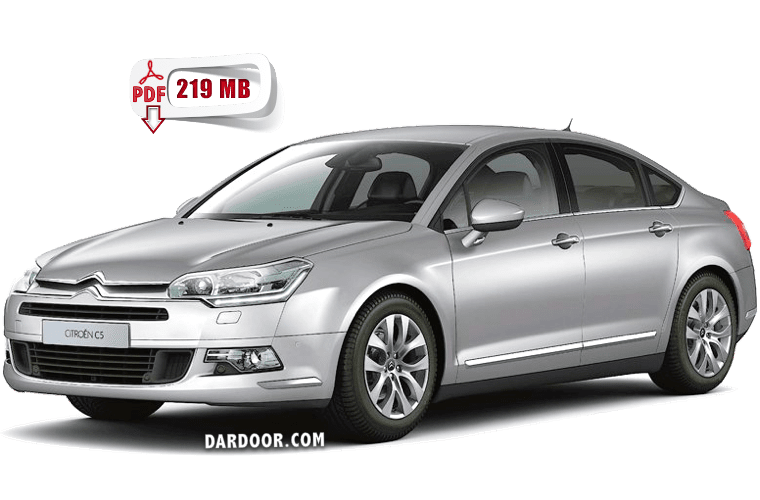
2008–2017 Citroën C5 (X7 RD/TD) — OEM Workshop Service & Repair Manual (PDF)
Download the original OEM workshop manual for the 2008–2017 Citroën C5 (Second Generation, X7 – RD/TD). This dealer-grade PDF provides factory-authorized procedures for service, maintenance, diagnostics, and repair work—ideal for professional workshops and serious DIY owners.
| File Format |
PDF |
| File Language |
English |
| You’ll Get |
219.6 MB |
| Page Count |
3,593 |
| Delivery Method |
Instant Download |
| Searchable & Printable |
YES |
| Wiring Included |
NO |
Use factory documentation—reduce guesswork and service your Citroën C5 with confidence.
Vehicle Coverage
- Model Years: 2008–2017
- Generation: Second Generation (X7)
- Chassis: RD / TD
- Body Styles: Sedan & Tourer
- Engine Covered: 2.0L HDi Diesel
Key Features
Factory Procedures
Manufacturer-authorized steps, sequences, and technical specifications for accurate repairs.
Diagnostics & Troubleshooting
Fault-code logic, test routines, and workflow guidance to pinpoint issues quickly.
Searchable PDF
Easy navigation and fast lookup—print only the pages you need.
Note: Contents may vary slightly by market and equipment level. This listing is for X7 (RD/TD) with 2.0L HDi coverage.
What’s Inside
- Maintenance schedules, fluids, capacities, and torque specifications
- 2.0L HDi engine mechanical repair, fuel system, cooling, intake/exhaust
- Transmission & drivetrain service procedures
- Brakes, ABS/ESP, suspension, and steering systems
- Body, interior, HVAC, and safety systems (SRS/airbags)
Download & Compatibility
Delivery: Instant digital PDF download
Compatibility: Windows • macOS • iOS • Android
This manual provides detailed instructions for maintenance, disassembly, reassembly, component inspection, adjustment, and diagnostics—intended for use by experienced mechanics. Proper application of this guide will help ensure thorough repairs and maintain your vehicle in peak condition.
Important Note: Before purchasing this manual, please check whether your vehicle is subject to any active service recalls, as authorized dealerships may perform necessary repairs free of charge. When replacing parts, always use genuine OEM components to ensure safety, reliability, and long-term performance.
Table of Contents : 2008-2017 Citroen C5 Repair Manual (RD/TD)
- Body Work
- Electrical
- Equipment
- Mechanical 2.0l HDi
Sample Pages
CAUTION: This OEM service and workshop repair manual provides detailed procedures for maintenance, disassembly, reassembly, inspection, adjustment, and diagnostics. It is intended as a comprehensive guide for experienced mechanics. To ensure thorough and accurate repairs that maintain your vehicle’s optimal performance, please read and follow this manual carefully. When replacing parts during any repair work, always use genuine
Citroën parts to ensure quality, safety, and reliability.
2008–2017 Citroën C5: Comprehensive Guide
Overview
The 2008–2017 Citroën C5 is a large family car (D-segment) that was the second generation of the C5 nameplate. Available as a sedan (Berline) and estate/wagon (Tourer), it offered French comfort and style with distinctive design elements.
Key Highlights:
- Citroën’s signature hydropneumatic suspension (on some models) for exceptional ride comfort
- Spacious interior with focus on passenger comfort
- Available in multiple body styles and engine configurations
- Strong presence in European markets, particularly France
- Positioned as a comfortable alternative to German executive sedans
Technical Specifications
Engines
Petrol Engines:
- 1.6 VTi – 120 hp (88 kW)
- 1.6 THP – 150 hp (110 kW), 156 hp (115 kW), 200 hp (147 kW)
- 1.8i – 125 hp (92 kW)
- 2.0i – 143 hp (105 kW)
- 3.0 V6 – 211 hp (155 kW)
Diesel Engines:
- 1.6 HDi – 110 hp (81 kW), 112 hp (82 kW), 115 hp (84 kW)
- 2.0 HDi – 138 hp (101 kW), 140 hp (103 kW), 150 hp (110 kW), 163 hp (120 kW)
- 2.2 HDi – 173 hp (127 kW), 200 hp (147 kW)
- 2.7 HDi V6 – 204 hp (150 kW)
Transmission
- 5-speed manual
- 6-speed manual
- 4-speed automatic
- 6-speed automatic
Dimensions
- Length: 4,779–4,815 mm (sedan), 4,830 mm (Tourer)
- Width: 1,860 mm
- Height: 1,458–1,490 mm (sedan), 1,510 mm (Tourer)
- Wheelbase: 2,815 mm
- Cargo capacity: 467 L (sedan), 505–1,598 L (Tourer)
Performance (varies by engine)
- 0-60 mph: 8.5–13.5 seconds
- Top speed: 115–146 mph
- Fuel economy: 35–65 mpg (combined, depending on engine)
Suspension
- Front: MacPherson struts
- Rear: Multi-link (conventional) or Hydropneumatic suspension
- Optional Hydractive 3+ adaptive suspension
10 Top Mechanical and Electrical Issues
1. Hydropneumatic Suspension Failure
Symptoms:
- Car sitting very low or lopsided
- Suspension warning light illuminated
- Bouncy or uncomfortable ride
- Hissing sounds from suspension area
- Slow to rise when starting engine
Root Cause:
- Leaking suspension spheres (accumulators)
- Failed hydraulic pump
- Deteriorated hydraulic lines and seals
- LHM fluid leaks
- Height corrector valve failures
Fix:
- Replace suspension spheres (each corner)
- Rebuild or replace hydraulic pump
- Replace leaking hydraulic lines
- Flush and refill LHM fluid
- Replace height corrector valves
Cost: £500–£2,500 ($650–$3,200) depending on components needed
2. Dual-Mass Flywheel (DMF) Failure
Symptoms:
- Rattling noise when idling in neutral
- Vibration through clutch pedal
- Difficulty engaging gears
- Juddering during acceleration
- Grinding noises when starting
Root Cause:
- Wear of internal springs in DMF
- Particularly common on diesel models with high mileage
- Aggressive driving or towing accelerates wear
- Normal wear item on high-torque diesel engines
Fix:
- Replace dual-mass flywheel
- Replace clutch kit simultaneously (recommended)
- Resurface or replace pressure plate
Cost: £800–£1,500 ($1,000–$1,900) including labor
3. Turbocharger Failure (Diesel Models)
Symptoms:
- Loss of power, especially under acceleration
- Blue or black smoke from exhaust
- Whining or whistling noises
- Increased oil consumption
- Check engine light illuminated
- Turbo lag or boost pressure issues
Root Cause:
- Oil starvation due to clogged oil feed pipes
- Worn turbo bearings
- Carbon buildup in variable geometry mechanism
- Oil contamination from extended service intervals
Fix:
- Replace or recondition turbocharger
- Clean or replace oil feed and return lines
- Replace air filter and check intake system
- Change engine oil and filter
Cost: £600–£2,000 ($780–$2,600) for replacement; £300–£800 for reconditioning
4. Diesel Particulate Filter (DPF) Problems
Symptoms:
- DPF warning light on dashboard
- Loss of power (limp mode)
- Increased fuel consumption
- Difficulty starting
- Rough idle
- Strong exhaust smell during regeneration
Root Cause:
- Frequent short journeys preventing regeneration
- Blocked DPF from excessive soot accumulation
- Failed DPF pressure sensors
- Low-quality diesel fuel
- Engine oil contamination affecting regeneration
Fix:
- Forced regeneration using diagnostic equipment
- Clean DPF (professional or chemical cleaning)
- Replace DPF if severely blocked
- Replace pressure sensors
- Modify driving habits (longer journeys)
Cost: £100–£200 for forced regen; £150–£400 for cleaning; £800–£1,800 for replacement
5. Electronic Parking Brake (EPB) Malfunction
Symptoms:
- “Parking brake faulty” warning message
- Unable to release or engage parking brake
- Grinding or clicking noises from rear wheels
- Brake warning light stays on
- EPB activates unexpectedly
Root Cause:
- Failed actuator motors on rear calipers
- Worn or seized brake caliper mechanisms
- Faulty EPB control module
- Corroded wiring or connectors
- Weak battery voltage affecting operation
Fix:
- Replace rear brake caliper actuators
- Replace complete rear calipers if seized
- Replace EPB control module
- Clean and treat corroded connectors
- Check and charge/replace battery
Cost: £300–£800 ($390–$1,040) per caliper with actuator; £150–£400 for module
6. Power Steering Pump and Rack Failure
Symptoms:
- Heavy steering, especially at low speeds
- Whining or groaning noise when turning
- Power steering fluid leaks (often pink/red fluid)
- Intermittent loss of power assistance
- Steering wheel difficult to turn when stationary
Root Cause:
- Worn power steering pump bearings and seals
- Leaking steering rack seals
- Contaminated or low power steering fluid
- Failed high-pressure hoses
- Electronic power steering sensor failures (on models with EPAS)
Fix:
- Replace power steering pump
- Replace or recondition steering rack
- Replace high-pressure hoses
- Flush and refill power steering fluid
- Repair or replace sensors on electronic systems
Cost: £250–£600 ($325–$780) for pump; £400–£1,200 for rack replacement
7. Automatic Gearbox Issues (AL4/DP0)
Symptoms:
- Harsh or delayed gear changes
- Slipping between gears
- Jerking during acceleration
- Stuck in one gear (limp mode)
- Gearbox warning light
- Whining noise from transmission
Root Cause:
- Worn clutch packs and friction plates
- Faulty solenoid valves
- Contaminated or degraded transmission fluid
- Failed electronic control unit (ECU)
- Torque converter problems
- Known reliability issues with AL4/DP0 gearbox
Fix:
- Replace transmission fluid and filter (regular maintenance)
- Replace solenoid valves
- Rebuild transmission (clutch packs, seals)
- Replace torque converter
- Replace or reprogram ECU
Cost: £150–£300 for fluid service; £400–£800 for solenoids; £1,500–£3,500 for rebuild
8. Engine Timing Chain Problems (1.6 THP)
Symptoms:
- Rattling noise from engine on cold start
- Rattling during acceleration
- Check engine light with timing-related codes
- Poor performance and fuel economy
- Engine misfires
- In severe cases: engine failure
Root Cause:
- Stretched timing chain due to design weakness
- Worn timing chain tensioner
- Failed timing chain guides
- Inadequate oil pressure or poor oil quality
- Known issue with BMW/PSA Prince engine (1.6 THP)
Fix:
- Replace timing chain kit (chain, tensioner, guides)
- Replace oil pump if worn
- Use correct specification oil
- Some engines may need complete replacement if damage occurred
Cost: £800–£1,500 ($1,040–$1,950) for timing chain replacement; £3,000+ for engine damage
9. Air Conditioning Compressor and Climate Control Faults
Symptoms:
- No cold air from A/C system
- Intermittent cooling
- Clicking or squealing noise from engine bay
- A/C clutch not engaging
- Climate control display errors
- Automatic climate control stuck on one setting
Root Cause:
- Failed A/C compressor clutch or bearings
- Refrigerant leaks from condenser or evaporator
- Faulty climate control module
- Failed pressure sensors
- Blocked cabin filter restricting airflow
- Electrical connector corrosion
Fix:
- Replace A/C compressor
- Repair refrigerant leaks and recharge system
- Replace climate control module
- Replace pressure sensors
- Replace cabin air filter
- Clean or replace electrical connectors
Cost: £400–£900 ($520–$1,170) for compressor; £100–£250 for regas and leak repair; £200–£500 for module
10. Electrical Gremlins and BSI (Body System Interface) Issues
Symptoms:
- Random warning lights on dashboard
- Electrical components working intermittently (windows, locks, wipers)
- Central locking failures
- Battery draining overnight
- Instrument cluster going blank or displaying errors
- Key fob not recognized
Root Cause:
- Failed BSI (Built-in Systems Interface) module
- Corroded fuse box and connectors
- Water ingress into electrical components
- Software glitches requiring reprogramming
- Faulty earth connections
- Age-related degradation of wiring looms
Fix:
- Replace or reprogram BSI module
- Clean and treat corroded connectors
- Repair water ingress points (sunroof drains, door seals)
- Replace faulty relays and fuses
- Repair or replace damaged wiring
- Update software via diagnostic tool
Cost: £300–£800 ($390–$1,040) for BSI replacement/programming; £50–£300 for connector/wiring repairs
Top 5 Competitors
- More conservative styling
- Strong build quality and refinement
- Wide engine range including efficient diesels
- Better residual values
- Less comfort-focused than C5
- Excellent driving dynamics
- Spacious and practical, especially estate
- Good diesel engines
- Strong safety ratings
- More driver-focused than comfort-oriented
- Platform cousin to C5 (shares many components)
- More modern styling (toward end of C5’s run)
- Similar engine options
- Better interior quality on later models
- Different suspension setup (generally firmer)
- French alternative with similar comfort focus
- Four-wheel steering on some models
- Good diesel engines
- Less reliable overall
- Competitive pricing
- Superior driving dynamics
- Excellent reliability record
- Attractive styling
- Less spacious than C5
- Firmer ride, less comfort-oriented
Top 10 Recalls, Advisories & TSB Highlights
Note: Recall information varies significantly by market (UK, EU, other regions). The following represents major known issues:
1. Airbag Inflator Recall (Takata)
- Affects various model years
- Faulty airbag inflators could rupture
- Free replacement at dealers
2. Electronic Stability Control (ESC) Software Update
- ESC system may not function correctly
- Software reprogramming required
- Safety-critical issue
3. Steering Column Lock Failure
- Steering could lock while driving (rare but serious)
- Affected certain production batches
- Replacement of steering lock mechanism
4. Fuel Leak Risk (Diesel Models)
- Fuel lines could crack and leak
- Fire risk
- Replacement of affected fuel lines
5. Seat Belt Pretensioner Issue
- Pretensioners may not deploy correctly
- Affects driver and passenger seats
- Replacement of seatbelt assemblies
6. Brake Servo Vacuum Pump Failure
- Loss of brake assistance
- Primarily diesel models
- Pump replacement campaign
7. Child Lock Malfunction
- Rear child locks may not engage properly
- Safety issue for families
- Adjustment or replacement of lock mechanism
8. Headlight Adjustment Fault
- Automatic headlight leveling not working
- Could dazzle oncoming traffic
- Sensor and control unit replacement
9. Handbrake Cable Corrosion
- Parking brake cables could seize or fail
- Particularly in rust-prone climates
- Cable replacement and protection treatment
10. Engine Management Software Updates
- Various updates for emissions compliance
- Improved reliability and performance
- Multiple TSBs for different engine variants
Always check with your local Citroën dealer using your VIN to see if any outstanding recalls apply to your specific vehicle.
Maintenance Schedule
Every 12 Months or 12,500 Miles (20,000 km) – Whichever Comes First
Oil Service:
- Engine oil and filter change
- Inspect fluid levels (coolant, brake, power steering, LHM)
- Check tire condition and pressures
- Inspect brake pads and discs
- Check exhaust system
- Inspect suspension and steering components
- Test all lights and wipers
- Reset service indicator
Every 24 Months or 25,000 Miles (40,000 km)
Standard Service Plus:
- Replace cabin air filter
- Replace air filter
- Inspect fuel filter (diesel: may need replacement)
- Check drive belts for wear
- Inspect cooling system hoses
- Check battery condition
- Lubricate door hinges and locks
Every 3 Years or 37,500 Miles (60,000 km)
Major Service:
- All items from 12-month and 24-month services
- Replace spark plugs (petrol engines)
- Replace fuel filter (diesel engines – may be more frequent)
- Replace brake fluid
- Inspect timing belt/chain (belt replacement intervals vary by engine)
- Inspect clutch operation
- Check air conditioning system
Every 4 Years or 50,000 Miles (80,000 km)
Extended Service:
- Replace coolant
- Inspect automatic transmission fluid (may need replacement)
- Thorough inspection of hydropneumatic suspension (where fitted)
- Check DPF condition (diesel)
Additional Intervals
Timing Belt (where applicable):
- Replace every 100,000 miles (160,000 km) or 10 years
- Critical for interference engines to prevent catastrophic failure
- Note: 1.6 THP has timing chain (not belt)
Automatic Transmission Fluid:
- Every 60,000–80,000 miles despite “lifetime fill” claims
- Essential for AL4/DP0 gearbox longevity
LHM Hydraulic Fluid (Hydropneumatic Suspension):
- Check level regularly
- Replace every 2–3 years or 40,000 miles
- Critical for suspension and braking performance
DPF Regeneration (Diesel):
- Monitor DPF warning light
- Perform longer journeys regularly (30+ minutes at highway speeds)
10 FAQs for Buyers
1. Is the hydropneumatic suspension worth it, or should I avoid it?
The hydropneumatic suspension provides exceptional ride comfort and is a unique feature of certain Citroën models. However, it requires specialized maintenance and can be expensive to repair when components fail. If you value comfort above all and can budget for potential £1,000–£2,500 suspension repairs, it’s a wonderful feature. If you want lower running costs, look for conventional suspension models. Have it thoroughly inspected before purchase.
2. Which engine is most reliable?
The 2.0 HDi diesel (140 hp and 163 hp variants) are generally considered the most reliable and offer good performance with excellent fuel economy. The 1.6 VTi petrol is simple and reliable but lacks power. Avoid the 1.6 THP petrol due to timing chain issues, and be cautious with the AL4 automatic gearbox regardless of engine.
3. Should I buy manual or automatic?
The 6-speed manual is more reliable and offers better driver engagement. The 4-speed and 6-speed automatics (particularly the AL4/DP0) have known reliability issues including harsh shifting and premature failure. If you must have an automatic, ensure it has full service history with regular fluid changes, and budget for potential repairs. A manual is the safer choice.
4. What mileage is too high for a used C5?
With proper maintenance, the C5 can exceed 200,000 miles. However, key considerations:
- Under 75,000 miles: Relatively low risk if well-maintained
- 75,000–125,000 miles: Sweet spot for value; major services should be complete
- 125,000–175,000 miles: Expect component replacements (suspension, turbo, DMF)
- Over 175,000 miles: Only if comprehensive service history and budget for repairs
Service history is more important than mileage.
5. Are parts expensive and hard to find?
Parts availability is generally good in Europe, particularly France and UK, as PSA/Stellantis has extensive dealer networks. Genuine Citroën parts can be expensive, but aftermarket alternatives are widely available for common components. Specialist items (BSI modules, hydropneumatic components) are pricier. Budget £500–£1,000 annually for maintenance on higher mileage vehicles.
6. What should I check during a pre-purchase inspection?
Critical checks:
- Full diagnostic scan for fault codes (essential)
- Suspension operation: test height adjustment, check for leaks
- Test automatic gearbox thoroughly (all gears, cold and warm)
- Listen for timing chain rattle (1.6 THP)
- Check for DPF warning lights (diesel)
- Test electronic parking brake
- Inspect all electrical functions (windows, locks, climate control)
- Verify complete service history, especially oil changes and transmission servicing
- Check for rust, particularly sills and rear subframe
- Test all hydraulic systems
7. Is the C5 expensive to insure and tax?
Insurance groups typically range from 15–28 depending on engine and trim, which is moderate for the class. Road tax (UK) varies significantly:
- Pre-April 2017: Based on CO2 emissions (£30–£305 annually)
- Post-April 2017: Standard rate (currently £190/year)
Diesel models generally have lower CO2 emissions. Get quotes for your specific model before purchasing.
8. Can I use the C5 for towing?
Yes, the C5 Tourer is particularly good for towing. Braked towing capacities:
- Most models: 1,550–1,650 kg
- V6 models: up to 1,800 kg
The hydropneumatic suspension maintains level stance when loaded. However, towing accelerates wear on the dual-mass flywheel and clutch. Ensure the vehicle is equipped with a properly fitted towbar and check service history for clutch condition.
9. Are there any models or years to specifically avoid?
Avoid:
- 2008–2010 models: Early production issues, less refined
- Any 1.6 THP petrol: Timing chain problems
- Automatics without proven fluid service history
- High-mileage diesels without DPF service records
- Any vehicle showing electrical faults (BSI issues can be costly)
Prefer:
- 2012–2017 models: Most refined and updated
- Manual transmission versions
- 2.0 HDi diesel engines
- Tourer (estate) for practicality and load capacity
10. What’s the realistic fuel economy in daily use?
Real-world fuel economy:
- 1.6 HDi diesel: 45–55 mpg
- 2.0 HDi diesel: 40–50 mpg
- 1.6 VTi petrol: 32–38 mpg
- 1.6 THP petrol: 30–38 mpg
- 3.0 V6 petrol: 25–30 mpg
Highway driving improves these figures; urban driving reduces them significantly. Diesels excel on longer journeys. Automatic transmissions typically return 2–5 mpg less than manuals.
Final Buyer Recommendations
Should You Buy a 2008–2017 Citroën C5?
Buy if:
- You prioritize ride comfort over sporty handling
- You appreciate unique French engineering (especially hydropneumatic suspension)
- You have access to a good independent specialist or Citroën dealer
- You’re comfortable with moderate-to-high maintenance costs
- You value spaciousness, especially in estate form
- You can find one with complete service history
- You prefer manual transmission with the 2.0 HDi engine
Avoid if:
- You need Japanese-level reliability
- You want low-cost maintenance and repairs
- You frequently make short urban journeys (diesel models)
- You can’t budget £800–£1,500 annually for repairs
- You must have an automatic gearbox
- You prioritize strong resale value
- You want a car with readily available parts everywhere
Best Configuration to Buy
Optimal choice: 2013–2017 C5 Tourer with the 2.0 HDi diesel (163 hp), manual transmission, in Exclusive trim with conventional suspension.
Why:
- Later models have resolved early issues and received updates
- 2.0 HDi is reliable, powerful enough, and economical
- Manual avoids problematic AL4 automatic
- Tourer offers maximum practicality
- Conventional suspension reduces repair costs versus hydropneumatic
- Exclusive trim provides good equipment without extreme complexity
Price Expectations (as of 2026)
- £2,000–£4,000: High mileage (120,000+ miles), older examples, some issues
- £4,000–£7,000: Mid-mileage (60,000–100,000 miles), good condition, 2011–2014
- £7,000–£10,000: Low mileage, excellent condition, 2015–2017, top specifications
- Under £2,000: Project cars or those needing significant work
Our Final Verdict
The Citroën C5 is a comfortable, spacious, and distinctive alternative to mainstream German rivals. It offers genuine character and excellent long-distance comfort, particularly with hydropneumatic suspension. However, it demands careful inspection, regular maintenance, and a realistic budget for repairs.
This is a car for enthusiasts who appreciate French engineering quirks rather than those seeking appliance-like reliability. With proper care and the right model (2.0 HDi manual), it can be a rewarding ownership experience. Without diligent maintenance, it can become a money pit.
Bottom line: Buy with your eyes open, get a thorough pre-purchase inspection, ensure complete service history, and budget appropriately. In the right hands, the C5 is an underrated gem offering luxury-car comfort at mid-range prices.