

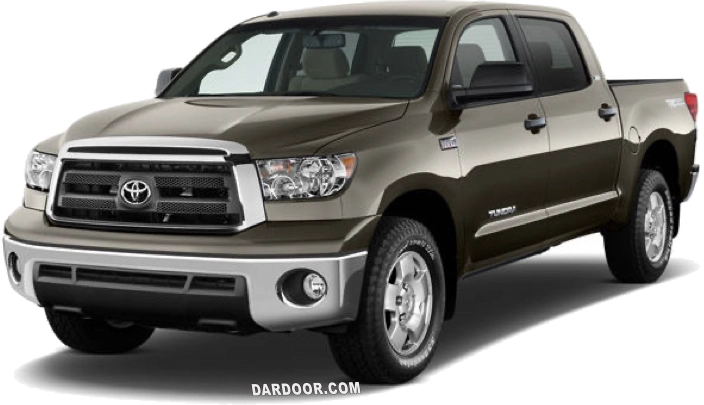
Get the original OEM workshop manual with the wiring diagram for the 2007-2010 Toyota Tundra in a simple PDF format.
2007-2010 Toyota Tundra Repair Manual
$26.00
2007-2010 Toyota Tundra OEM Workshop Repair Manual – PDF
Get the original OEM workshop manual for the 2007-2010 Toyota Tundra in a simple PDF format. This comprehensive manual includes detailed wiring diagrams and step-by-step instructions for diagnosing, maintaining, and repairing your Tundra.
Engines Covered:-
- 1GR-FE
- 2UZ-FE
- 3UR-FE
- 3UR-FBE
| File Format | |
| File Language | English |
| You’ll Get | 174 MB |
| Page Count | 11,800 |
| Wiring Diagram | Included |
| Delivery Method | Instant Download |
Download the 2007-2010 Toyota Tundra repair manual today and confidently handle repairs and maintenance with the precision of a professional.
The same trusted guide used by Toyota dealer technicians, this factory-issued manual ensures accurate and reliable procedures for every repair and maintenance task.
- Complete OEM Workshop Manual
- Covers 2007-2010 Toyota Tundra Models
- Includes Wiring Diagrams
- Professional, Dealer-Approved Instructions
- User-Friendly PDF Format for Easy Access
This manual provides detailed instructions for maintenance, disassembly, reassembly, component inspection, adjustment, and diagnostics, tailored for experienced mechanics. Use this manual thoroughly to ensure comprehensive repair work and maintain your vehicle in peak condition.
Important Note: Before purchasing this manual, please verify if your vehicle is subject to any Toyota service recalls, as the local dealer may repair it free of charge. When replacing parts, ensure that only genuine Toyota OEM spare parts are used.
Table of Contents : 2007-2010 Toyota Tundra Repair Manual
SAMPLE PAGES:
CAUTION: This OEM service and workshop repair manual provides detailed procedures for maintenance, disassembly, reassembly, inspection, adjustment, and diagnostics. It is intended as a comprehensive guide for experienced mechanics. To ensure thorough and accurate repairs that maintain your vehicle’s optimal performance, please read and follow this manual carefully. When replacing parts during any repair work, always use genuine Toyota parts to ensure quality, safety, and reliability.
2007–2010 Toyota Tundra: Comprehensive Guide
Overview
The 2007–2010 Toyota Tundra represents the first generation of Toyota’s full-size pickup truck platform redesign. Launched in 2007, this generation marked a significant departure from the previous model with a larger footprint, more powerful engine options, and enhanced towing capacity. The Tundra was positioned to compete directly with the Ford F-150, Chevrolet Silverado, and Ram 1500 while emphasizing Toyota’s reputation for reliability and durability.
Key Positioning
- Available in Regular Cab, Double Cab, and CrewMax body styles
- Three engine options: 4.0L V6, 5.7L V8, and 4.7L V8
- 5.5-foot and 6-foot bed options
- Towing capacity up to 11,500 lbs (depending on configuration)
- Price range: $24,000–$45,000 (MSRP, depending on trim and options)
- Target market: Full-size pickup buyers seeking Toyota reliability and resale value
Technical Specifications
Engine Options
| Engine | Years | Displacement | Horsepower | Torque | Fuel Economy |
|---|---|---|---|---|---|
| 4.0L V6 (5VZ-FE) | 2007–2008 | 4.0L | 236 hp | 266 lb-ft | 17–21 mpg |
| 5.7L V8 (3UR-FE) | 2007–2010 | 5.7L | 381 hp | 401 lb-ft | 16–20 mpg |
| 4.7L V8 (2TR-FE) | 2009–2010 | 4.7L | 310 hp | 278 lb-ft | 18–22 mpg |
Transmission & Drivetrain
| Specification | Details |
|---|---|
| Transmission | 5-speed automatic (2007–2008); 6-speed automatic (2009–2010) |
| Transfer Case | 2-speed electronic shift (4WD models) |
| Differentials | Limited-slip front/rear (locking rear on TRD models) |
| Drivetrain Options | RWD, 4WD (part-time), 4WD (full-time) |
Chassis & Suspension
| Specification | Details |
|---|---|
| Frame | Ladder-frame steel construction |
| Front Suspension | Independent double-wishbone with coil springs |
| Rear Suspension | Solid axle with multi-leaf springs (2WD); coil springs (4WD) |
| Steering | Power-assisted rack-and-pinion |
| Brakes | Power disc (front); disc/drum options (rear) |
| Ground Clearance | 8.6–9.2 inches (varies by suspension) |
| Approach Angle | 28.6 degrees |
| Departure Angle | 23.5 degrees |
| Break-Over Angle | 18.9 degrees |
Dimensions & Capacity
| Specification | Details |
|---|---|
| Wheelbase | 140.6–145.8 inches (Regular/Double Cab) |
| Overall Length | 204.9–228.9 inches (5.5-ft to 6-ft bed) |
| Overall Width | 79.7 inches |
| Overall Height | 70.9–71.9 inches |
| Bed Length | 5.5 or 6.0 feet |
| Curb Weight | 4,080–4,980 lbs (varies by engine/4WD) |
| GVWR | 4,730–5,350 lbs |
| Payload Capacity | 1,320–1,610 lbs |
| Towing Capacity | 8,000–11,500 lbs (depending on configuration) |
| Fuel Tank | 26.4–30.5 gallons |
Features by Trim Level
| Trim | Key Features |
|---|---|
| Regular Cab | Base model, minimal amenities, work-focused |
| Double Cab | Rear-hinged doors, jump seats, more passenger space |
| CrewMax | 4 full-size doors, 5 passengers, premium comfort |
| SR5 | Mid-level trim, better interior, power windows/locks |
| Limited | Luxury appointments, leather, premium audio, navigation |
| TRD | Off-road tuning, upgraded suspension, skid plates, locking differentials |
10 Top Mechanical and Electrical Issues
1. 5.7L V8 Engine Sludge Buildup & Timing Chain Problems
Symptoms:
- Excessive engine noise (loud ticking from engine bay)
- Check engine light (various codes related to valve timing)
- Reduced horsepower and acceleration
- Poor idle quality; rough startup
- Metallic debris visible in oil upon inspection
- Engine warning lights and limp mode activation
Root Cause: Inadequate oil circulation in the 5.7L V8 engine results in sludge accumulation in oil galleys and around valve train components. Extended service intervals (up to 10,000 miles) exacerbate the issue. Timing chain stretch occurs from sludge buildup preventing proper lubrication of chain components. Low-quality or incorrect oil viscosity accelerates degradation.
Fix:
- Perform complete engine flush with specialized cleaning solution
- Replace oil and filter with OEM Toyota 0W-20 or 5W-30 synthetic oil
- Reduce service interval to 5,000 miles with synthetic oil
- If timing chain stretch confirmed, replace timing chain and associated components (intake cam sprocket, exhaust cam sprocket, tensioners)
- Inspect and clean oil passages; replace valve cover gaskets if leaking
- Use only premium quality oil meeting Toyota specifications
Cost:
- Engine flush + oil change: $150–$300
- Timing chain replacement: $2,500–$4,000 (includes labor and associated parts)
- Major engine work (if sludge severe): $3,000–$6,000
2. Transmission Shudder & Torque Converter Issues (5-Speed Auto)
Symptoms:
- Harsh vibration or shudder during acceleration from stop
- Transmission slipping (RPMs climb without power transfer)
- Delayed engagement when shifting from Park to Drive
- Flare during gear changes (engine races briefly)
- Transmission overheating; temperature warning light
- Check engine light (transmission-related codes)
Root Cause: The 5-speed automatic transmission (2007–2008 models) suffers from torque converter clutch issues. Degraded transmission fluid with high friction material content causes shudder. Worn transmission bands and clutch plates slip under load. Internal seal failure allows fluid mixing, reducing hydraulic pressure.
Fix:
- Flush and replace transmission fluid with OEM Toyota ATF (Type T-IV recommended)
- Inspect transmission filter; replace if clogged
- Test torque converter function; replace if faulty
- Reprogram transmission computer to optimize shift strategy (may help but not guaranteed)
- For severe slipping: rebuild or replace transmission assembly
- Consider aftermarket transmission cooler to reduce operating temperatures
Cost:
- Fluid change: $250–$500
- Transmission cooler installation: $1,000–$1,500
- Transmission rebuild: $2,500–$3,500
- Transmission replacement: $3,500–$5,000
3. Crankshaft Position Sensor Failure
Symptoms:
- Check engine light (P0016, P0017, P0018 codes)
- Engine stalls while driving
- Difficulty starting; extended cranking time
- Rough idle; engine hesitation
- Limp mode activation; reduced power
- Engine will not start in cold weather
Root Cause: The crankshaft position sensor (CPS) is located near the crankshaft pulley where it experiences high heat and vibration. Thermal cycling causes the sensor to fail prematurely. Moisture intrusion and corrosion damage the connector pins. Loose ground connections reduce signal integrity.
Fix:
- Replace crankshaft position sensor with OEM Toyota part
- Inspect sensor wiring harness for damage; repair as needed
- Clean and apply dielectric grease to electrical connector
- Verify proper sensor gap (typically 0.020–0.050 inches)
- Clear diagnostic codes after replacement
- Test with diagnostic scan tool to confirm proper operation
Cost: $250–$500 (parts and labor)
4. VVT (Variable Valve Timing) Solenoid Carbon Buildup
Symptoms:
- Check engine light (P0011, P0014 codes)
- Rough idle, especially when cold
- Poor throttle response; hesitation during acceleration
- Reduced fuel economy
- Rattling noise from engine bay on startup
- Loss of power across RPM range
Root Cause: Carbon deposits accumulate on the VVT solenoid valve from combustion byproducts and low-quality oil. This restricts oil flow through the solenoid, preventing proper valve timing adjustment. Dirty engine oil accelerates carbon formation. Extended oil change intervals allow sludge to build up in the solenoid galleries.
Fix:
- Replace VVT solenoid(s) with OEM Toyota units (there are typically multiple solenoids)
- Perform complete engine flush to remove carbon deposits
- Replace oil and filter with high-quality synthetic oil
- Clean fuel injectors using specialized fuel system cleaner
- Update engine control unit (ECU) programming if available
- Use Shell Rotella or equivalent top-tier synthetic oil going forward
- Reduce service interval to 5,000 miles for prevention
Cost: $400–$800 per solenoid (parts + labor); complete cleanup: $800–$1,500
5. Thermostat Housing Leak & Coolant Bypass Issues
Symptoms:
- White/sweet-smelling coolant pooling under engine
- Engine temperature running higher than normal
- Radiator fan running constantly
- Overheating warnings; check engine light
- Coolant level dropping rapidly
- Corrosion visible around thermostat housing
Root Cause: The aluminum thermostat housing corrodes internally and externally from coolant chemistry breakdown. Gasket degradation causes weeping leaks around the housing perimeter. Hard water deposits in cooling system restrict flow. Failed thermostat allows hot coolant to bypass the radiator.
Fix:
- Replace thermostat assembly and associated gaskets
- Flush entire cooling system with distilled water and coolant cleaner
- Replace coolant with Toyota Long-Life Coolant (LLC) or equivalent (pink/red, not green)
- Inspect water pump; replace if bearing wear or seal failure detected
- Install new hose clamps; inspect all hose connections
- Bleed air from cooling system after refill
- Replace radiator cap if pressure rating is low
- Consider radiator replacement if internal corrosion confirmed
Cost: $300–$700 (thermostat + flush); $1,000–$2,000 (if radiator replacement needed)
6. Spark Plug & Ignition Coil Failure
Symptoms:
- Misfiring; rough idle
- Check engine light (P0300, P0301–P0308 codes)
- Loss of power; hesitation during acceleration
- Increased fuel consumption; black exhaust
- Wet or black spark plugs upon inspection
- Difficulty starting, especially in cold weather
Root Cause: OEM Toyota spark plugs are rated for 60,000–100,000 mile intervals depending on type. Premature failure occurs from carbon buildup, especially in vehicles with short-trip driving patterns. Ignition coil packs fail from thermal stress and moisture intrusion into connector ports. High-octane fuel requirement (91+) is sometimes ignored, leading to knock and coil damage.
Fix:
- Replace all spark plugs with OEM Toyota or quality equivalent (iridium-tipped preferred)
- Inspect ignition coil packs; replace any with visible carbon or burn marks
- Clean electrical connectors on coil packs; apply dielectric grease
- Check fuel pressure regulator function (should be 45–50 psi)
- Clean fuel injectors using specialized fuel system cleaner
- Use premium 91+ octane fuel as recommended
- Reduce spark plug service interval to 40,000 miles for high-mileage vehicles
Cost: $150–$350 (spark plugs); $100–$300 per ignition coil (typically 8 coils on 5.7L V8)
7. Oxygen Sensor Malfunction & Check Engine Light
Symptoms:
- Check engine light (P0130–P0165 codes)
- Reduced fuel economy
- Loss of power; hesitation during acceleration
- Rough idle
- Black exhaust; fuel smell from tailpipe
- Failed emissions test
Root Cause: Oxygen sensors (O2 sensors) degrade from high exhaust temperatures and thermal cycling. Contamination from carbon deposits, oil vapor, or fuel additives accelerates failure. Sensors located upstream and downstream of the catalytic converter; upstream sensors fail more frequently. Loose electrical connections cause signal errors.
Fix:
- Replace faulty oxygen sensor(s) with OEM Toyota or quality equivalent
- Inspect exhaust system for leaks; repair as needed
- Clean mass airflow (MAF) sensor if contaminated (common cause of false O2 codes)
- Verify proper sensor installation (correct torque; heat-resistant paste applied)
- Clear diagnostic codes after replacement
- Test with diagnostic scan tool to confirm proper operation
- Use quality fuel to minimize carbon deposits
Cost: $200–$400 per sensor; typically 2–4 sensors on V8 engines (upstream and downstream)
8. Transmission Fluid Cooler Line Rupture & Transmission Failure
Symptoms:
- Transmission fluid leaking (red fluid pooling under vehicle)
- Transmission overheating; temperature warning light
- Transmission slipping; loss of power
- Burnt smell from transmission area
- Check engine light (transmission temperature codes)
- Difficulty engaging gears
Root Cause: The transmission fluid cooler lines are aluminum tubing that corrodes from road salt exposure and transmission fluid chemistry. Vibration causes lines to rub against frame or engine components, creating holes. Poor routing allows lines to contact sharp edges. Plastic transmission cooler tanks fail from age and heat cycling.
Fix:
- Locate rupture point using inspection or pressure test
- Replace damaged cooler line(s) with OEM or quality equivalent
- Inspect transmission pan for debris; perform transmission fluid flush if contamination present
- Clean transmission cooler with solvent to remove debris
- Consider upgrading to braided stainless steel cooler lines for durability
- Install protective routing clips or heat shielding to prevent future rubbing
- Refill transmission with proper fluid and pressure test system
Cost: $300–$600 (cooler line replacement); $1,500–$3,000 (if transmission damage requires rebuild)
9. Alternator Output Failure & Battery Discharge
Symptoms:
- Battery warning light on dashboard
- Difficulty starting; weak cranking
- Electrical system not charging (voltmeter reads below 13V at idle)
- Interior lights dimming while driving
- Battery dead after short periods of inactivity
- Clicking sound when turning key (no crank)
Root Cause: The alternator is sized adequately for stock electrical loads but begins to underperform around 100,000+ miles. Worn brushes and slip ring deterioration reduce output. Voltage regulator failure prevents proper charging algorithm. Corrosion on battery terminals and ground connections creates high resistance, reducing charging efficiency. Aftermarket electrical accessories (winches, auxiliary lights) strain alternator capacity.
Fix:
- Test alternator output; should charge at 13.5–14.5V at idle, 14.2–14.8V at 2,000 RPM
- If output low, replace alternator with OEM Toyota unit
- Inspect battery connections; clean and tighten all terminals
- Check ground cable from battery to frame and engine; repair if corroded
- Replace battery if voltage drops rapidly or fails load test (consider 800+ CCA rating)
- Remove or verify function of aftermarket electrical devices
- Verify serpentine belt tension and condition; replace if frayed
Cost: $300–$600 (alternator replacement); $100–$200 (battery); $50–$150 (electrical connections cleaning)
10. Dashboard Instrument Cluster Failure & Gauge Malfunction
Symptoms:
- Speedometer doesn’t work or fluctuates erratically
- Fuel gauge reads incorrectly (stuck on E or F)
- Temperature gauge not functioning
- Check engine light always on or flickering
- Backlight failure (gauges invisible at night)
- Odometer not advancing
- Electrical smell from dashboard
Root Cause: The instrument cluster contains soldered circuit boards that crack from thermal cycling and vibration. Defective LCD segments fail over time. The speedometer stepper motor wears out from continuous operation. Corroded electrical connectors prevent proper data transmission from body control module (BCM). Poor ground connections cause erratic gauge readings.
Fix:
- Attempt to reflow solder joints on circuit board (requires cluster removal from dash)
- Replace defective LCD segments if reflow unsuccessful
- Inspect and clean main harness connectors; apply dielectric grease
- Verify ground wire connections to frame
- Replace stepper motors if speedometer inoperable (common failure)
- Reprogram instrument cluster with proper VIN and vehicle data
- Replace entire cluster assembly if repairs unsuccessful
- Verify BCM communication with diagnostic scan tool
Cost: $300–$600 (board repair or component replacement); $800–$1,500 (cluster replacement with programming and labor)
Top 5 Competitors
| Competitor | Key Strengths | Key Weaknesses | Price Range |
|---|---|---|---|
| 2007–2010 Ford F-150 | More towing capacity (up to 12,500 lbs), wider trim selection, better fuel economy variants available | More expensive upfront, rust issues in northern climates, complex electronics prone to failure, higher maintenance costs | $22,000–$48,000 |
| 2007–2010 Chevrolet Silverado 1500 | Powerful V8 options, smooth transmission, good towing, capable 4WD system | Poorer fuel economy than Tundra, transmission reliability issues, interior design less refined, higher repair costs | $20,000–$46,000 |
| 2007–2010 Ram 1500 | Smooth Hemi V8 engine, comfortable interior, good ride quality, strong resale value | Fuel economy significantly worse than Tundra (14–16 mpg), transmission problems, less reliable long-term, higher maintenance | $21,000–$45,000 |
| 2007–2010 GMC Sierra 1500 | Premium interior, good towing capacity, smooth engines, upscale appearance | Same transmission issues as Silverado, poorer reliability record, higher maintenance costs, worse fuel economy | $25,000–$50,000 |
| 2007–2010 Nissan Titan | Powerful V8 engine, aggressive styling, spacious crew cab, good off-road capability | Poor fuel economy (14–17 mpg), transmission reliability concerns, fewer service centers than Toyota, higher long-term ownership costs | $23,000–$47,000 |
Tundra’s Competitive Advantages:
- Superior reliability and durability reputation
- Best fuel economy in full-size truck segment
- Legendary resale value
- More affordable maintenance and repair costs
- Wider dealer service network
Top 10 Recalls, Advisories & TSB Highlights
1. Floor Mat Interference with Accelerator Pedal (NHTSA ID: 10V067000)
- Years Affected: 2007–2010 (all Tundra models)
- Issue: Unsecured floor mats can shift forward and trap accelerator pedal, causing unintended acceleration
- Risk: Uncontrolled acceleration; inability to brake; potential collision
- Fix: Replace with new floor mats featuring improved anchor design; install pedal retention clip; driver education
- Status: Recall completed in 2010; replacement mats available free from dealers
2. Front Seatbelt Pretensioner May Not Deploy (NHTSA ID: 08V176000)
- Years Affected: 2007–2009
- Issue: Seatbelt pretensioner mechanism may fail to activate during frontal collision
- Risk: Increased injury risk in front-end crashes
- Fix: Replace seatbelt pretensioner assembly with improved design
- Status: Recall completed; free dealer service
3. Transmission Torque Converter Shudder (TSB-AT-07-012)
- Years Affected: 2007–2008 (5-speed automatic models)
- Issue: Torque converter clutch causes shudder during acceleration from stop
- Risk: Transmission component wear; potential transmission failure
- Fix: Transmission fluid and filter replacement; torque converter inspection; software update to shift strategy
- Status: TSB issued; covered under powertrain warranty (8 years / 100,000 miles)
4. 5.7L V8 Timing Chain Stretch (Field Service Action)
- Years Affected: 2007–2010 (5.7L V8 models)
- Issue: Timing chain stretches from inadequate lubrication and sludge buildup
- Risk: Valve timing errors; rough running; potential engine damage
- Fix: Engine flush; oil change with synthetic; timing chain inspection; tensioner replacement if needed
- Status: Service action issued; inspection and maintenance covered under powertrain warranty
5. Crankshaft Position Sensor Failure (Customer Advisory)
- Years Affected: 2007–2010 (all engines)
- Issue: Sensor fails prematurely from thermal stress and moisture intrusion
- Risk: No-start condition; stalling while driving
- Fix: Sensor replacement with improved weather-sealing design
- Status: Advisory issued; not a formal recall; aftermarket sensors available as cost-effective alternative
6. Door Latch May Not Hold Door Securely (NHTSA ID: 07V265000)
- Years Affected: 2007–2008
- Issue: Front door latch mechanism may not engage properly
- Risk: Door may open while vehicle is in motion
- Fix: Replace door latch assembly with improved design
- Status: Recall completed; free dealer service
7. Fuel Tank Filler Neck Corrosion & Leakage (Technical Service Bulletin)
- Years Affected: 2007–2010 (salt-belt states primarily affected)
- Issue: Aluminum filler neck corrodes from road salt and moisture exposure
- Risk: Fuel leaks; potential fire hazard
- Fix: Replace fuel filler neck assembly; inspect fuel tank for corrosion
- Status: TSB issued; covers northern climates where salt is used; covered under corrosion warranty
8. Airbag Control Module Software Glitch (NHTSA ID: 08V354000)
- Years Affected: 2007–2009
- Issue: ACM software may fail to properly deploy airbags in certain collision scenarios
- Risk: Increased injury risk in accidents; failure to deploy airbags
- Fix: Airbag control module software reflash; in some cases, module replacement
- Status: Recall completed; free dealer service
9. Rear View Mirror Vibration (Customer Complaint Pattern)
- Years Affected: 2007–2010 (CrewMax and Double Cab)
- Issue: Rear-view mirror vibrates excessively at highway speeds
- Risk: Poor visibility; driver distraction
- Fix: Tighten mirror mount bolts; replace mirror assembly if bracket damaged
- Status: Not a formal recall; field repair available at dealer
10. Transmission Fluid Cooler Line Rupture (Field Service Action)
- Years Affected: 2007–2010 (all transmission types)
- Issue: Aluminum cooler lines corrode and rupture from road salt exposure and vibration
- Risk: Transmission fluid leaks; transmission overheating; transmission failure
- Fix: Replace corroded cooler lines; inspect transmission cooler; consider upgrade to braided stainless steel lines
- Status: Service action issued; not a formal recall; repairs typically not covered after warranty expiration
Maintenance Schedule
Engine Maintenance
| Service | Interval | Cost |
|---|---|---|
| Oil & filter change (conventional) | 5,000 miles | $50–$100 |
| Oil & filter change (synthetic) | 10,000 miles | $80–$150 |
| Air filter replacement | 15,000–30,000 miles | $50–$150 |
| Cabin air filter replacement | 15,000–30,000 miles | $50–$100 |
| Fuel filter replacement | 50,000 miles | $100–$200 |
| Spark plug replacement | 30,000 miles | $100–$250 |
| Engine coolant flush | 30,000 miles (every 2 years) | $100–$200 |
| Transmission fluid change (5-speed) | 60,000 miles | $150–$300 |
| Transmission fluid change (6-speed) | 80,000 miles | $200–$400 |
| Differential fluid change (limited-slip) | 50,000 miles | $150–$300 |
| Transfer case fluid change (4WD) | 50,000 miles | $100–$200 |
| Drive belt inspection | 30,000 miles | $50–$100 |
| Drive belt replacement | 60,000–100,000 miles | $200–$400 |
Brake & Suspension Maintenance
| Service | Interval | Cost |
|---|---|---|
| Brake fluid flush | 24 months / 30,000 miles | $100–$200 |
| Brake pad inspection | 10,000 miles | Included in inspection |
| Brake pad replacement | 25,000–50,000 miles | $200–$400 (all four corners) |
| Brake rotor resurfacing | 50,000–80,000 miles | $200–$400 |
| Brake rotor replacement | 80,000+ miles | $300–$600 |
| Suspension inspection | 20,000 miles | $100–$200 |
| Shock absorber replacement | 50,000–80,000 miles | $400–$800 |
| Strut assembly replacement (if equipped) | 60,000–100,000 miles | $500–$1,000 |
| Tie rod/ball joint inspection | 40,000 miles | $100–$150 |
| Tie rod/ball joint replacement | As needed (typically 60,000+ miles) | $200–$500 per component |
| Wheel alignment | 30,000 miles or as needed | $100–$200 |
| Tire rotation | 5,000–10,000 miles | $50–$100 |
| Tire replacement (light-truck tires) | 30,000–50,000 miles | $150–$300 per tire |
Electrical & HVAC Maintenance
| Service | Interval | Cost |
|---|---|---|
| Battery inspection | 12 months | Included in inspection |
| Battery replacement (if needed) | 36,000–60,000 miles | $100–$200 |
| Alternator output test | 60,000 miles | $100–$150 |
| Alternator replacement (if needed) | 80,000–120,000 miles | $300–$600 |
| Air conditioning system inspection | Annually | $75–$150 |
| Air conditioning recharge | 24 months or as needed | $150–$300 |
| Coolant fan operation check | 30,000 miles | Included in inspection |
Body & Undercarriage Maintenance
| Service | Interval | Cost |
|---|---|---|
| Undercarriage inspection | Annually | $75–$150 |
| Undercarriage rust treatment/coating | Annually (in salt climates) | $100–$300 |
| Bed liner inspection | Annually | $50–$100 |
| Door/window weatherstripping inspection | 24 months | $50–$100 |
| Hinges and latch lubrication | 12 months | $50–$100 |
| Lug nut torque check | After tire service | Included in service |
Annual Inspection Checklist
- Battery voltage and health
- All fluid levels (oil, coolant, brake fluid, power steering, differential, transfer case)
- Brake pad wear and rotor condition
- Suspension components for wear, cracks, or loose bolts
- Tire tread depth, pressure, and wear patterns
- All light operation (headlights, taillights, brake lights, turn signals)
- Engine air filter condition
- Serpentine belt condition and tension
- Wiper blade condition and visibility
- Horn operation
- All gauges and warning lights function
- Undercarriage for rust, corrosion, or damage
- Bed condition and tie-down anchors
- 4WD/AWD system function (if equipped)
10 FAQs for Buyers
1. Is the 2007–2010 Toyota Tundra a good investment for reliability?
Absolutely. The Tundra is widely regarded as one of the most reliable full-size trucks ever built. Common issues (timing chain stretch, torque converter shudder) are manageable with proper maintenance and typically occur only on higher-mileage examples. Well-maintained Tundras frequently exceed 200,000 miles with minimal issues beyond routine wear items. Resale values remain strong due to reputation, making it a solid long-term investment. Compared to competitors (Ford F-150, Chevy Silverado, Ram 1500), the Tundra is significantly more reliable and cheaper to maintain long-term.
2. Which engine is most reliable—the 4.0L V6, 5.7L V8, or 4.7L V8?
Ranking (most to least reliable):
- 4.7L V8 (2009–2010): Newest design with refined cooling and lubrication. Fewer reported issues. Best balance of power and efficiency.
- 5.7L V8 (2007–2010): Powerful and generally reliable but prone to sludge buildup and timing chain stretch if maintenance is neglected. Requires synthetic oil and frequent changes for longevity.
- 4.0L V6 (2007–2008): Most reliable but least powerful. Older design with proven track record. Fewer reported issues but lacks horsepower for towing. Discontinued after 2008.
Recommendation: If choosing between used models, prioritize a 4.7L V8 (2009–2010) with documented service history. If 5.7L V8, verify complete service records showing frequent oil changes with synthetic fluid.
3. What’s the real-world fuel economy for different engines?
EPA estimates vs. real-world:
| Engine | EPA Combined | Real-World Combined | Notes |
|---|---|---|---|
| 4.0L V6 (RWD) | 19 mpg | 17–19 mpg | Best fuel economy; limited towing |
| 4.0L V6 (4WD) | 18 mpg | 16–18 mpg | Heavierdue to transfer case |
| 5.7L V8 (RWD) | 18 mpg | 15–18 mpg | Depends on driving habits; aggressive driving: 12–14 mpg |
| 5.7L V8 (4WD) | 17 mpg | 14–17 mpg | 4WD reduces efficiency; highway: 17–20 mpg |
| 4.7L V8 (2009–2010) | 19 mpg | 17–20 mpg | Improved efficiency; best balance |
Factors affecting real-world economy:
- Towing load (decreases economy by 20–40%)
- Bed height and tonneau cover (tonneau covers improve highway efficiency by 5–8%)
- Driving style (aggressive acceleration/braking reduces economy)
- Terrain (mountainous terrain reduces economy significantly)
- Tire pressure (underinflation reduces economy by 3–5%)
4. How much does it cost to maintain a Tundra annually?
Annual maintenance budget estimate:
| Category | Annual Cost |
|---|---|
| Oil changes (2–3x annually at 5,000 mile intervals) | $100–$300 |
| Tire rotation, balance, alignment | $150–$300 |
| Air filter, cabin air filter, spark plugs (prorated over service intervals) | $100–$200 |
| Brakes, suspension wear items (prorated) | $300–$500 |
| Coolant, transmission fluid, differential fluid (prorated) | $200–$400 |
| Unexpected repairs/parts replacement | $300–$800 |
| Total Annual Budget | $1,150–$2,500 |
Cost comparison to competitors:
- Tundra: $1,150–$2,500/year (lowest)
- F-150: $1,500–$3,000/year (10–20% higher)
- Silverado/Sierra: $1,500–$3,200/year (20–30% higher)
- Ram 1500: $1,800–$3,500/year (40–50% higher)
5. Should I buy a Tundra with the 5-speed or 6-speed transmission?
6-speed automatic (2009–2010 models) is the better choice because it offers:
- Better fuel economy (1–2 mpg improvement)
- Smoother, more responsive shifting
- Improved towing performance
- Fewer reported reliability issues
- Better long-term durability
5-speed automatic (2007–2008) concerns:
- Known torque converter shudder issues
- Lower fuel economy
- Less refined shifting logic
- Higher failure rates beyond 100,000 miles
- Transmissions rebuilt/replaced more frequently
However, a well-maintained 5-speed transmission is serviceable; just budget for fluid changes every 50,000 miles and potential rebuilds around 150,000+ miles.
6. How much towing capacity does the Tundra actually have?
Maximum towing capacity: 11,500 lbs (with proper configuration)
Factors affecting towing capacity:
- Engine type (5.7L V8 highest; 4.0L V6 lowest at ~8,000 lbs)
- Transmission type (6-speed auto handles more than 5-speed)
- Rear axle type (limited-slip or locking differential preferred)
- Payload capacity remaining (GVWR must not be exceeded)
- Hitch rating (Class III or IV recommended for max capacity)
- Brake system (integrated trailer brake controller recommended)
Real-world towing considerations:
- Most Tundras safely tow 8,000–10,000 lbs consistently
- Towing reduces fuel economy by 20–40%
- Payload capacity is reduced when towing (typically 1,200–1,400 lbs remaining)
- Transmission cooler highly recommended for regular towing
7. What are the common high-mileage issues on Tundras over 100,000 miles?
Common issues 100,000+ miles:
| Issue | Likelihood | Cost to Fix |
|---|---|---|
| Timing chain stretch (5.7L V8) | Moderate | $2,500–$4,000 |
| Transmission fluid leaks/shifts harshly | Moderate | $500–$3,500 |
| Cooler line rupture | Moderate | $300–$1,500 |
| Alternator failure | Low–Moderate | $400–$700 |
| Water pump seal failure | Low–Moderate | $300–$600 |
| Oxygen sensor degradation | Moderate | $200–$600 |
| Crankshaft position sensor failure | Low | $250–$500 |
| Shock absorber wear (4WD) | Moderate–High | $800–$1,600 |
| Rust (undercarriage, frame) | Moderate (salt climates) | $500–$3,000+ |
| Brake pad/rotor wear | High | $300–$800 |
8. How does the regular cab, double cab, and CrewMax compare?
| Configuration | Key Differences | Best For |
|---|---|---|
| Regular Cab | 2 full-size doors, minimal rear area, longest bed (6-ft standard) | Work trucks, contractors, buyers prioritizing cargo space and cost savings |
| Double Cab | Rear-hinged doors, flip-up jump seats, 5–6 ft bed, moderate rear legroom | Small families, occasional rear-seat passengers, balance of bed and cabin space |
| CrewMax | 4 full-size doors, full rear seats (5 passengers), short bed (5.5 ft), most passenger room | Families, frequent rear passengers, those willing to sacrifice bed space for comfort |
Practical advice:
- Regular Cab: Best for utility and value
- Double Cab: Versatile; recommended for most buyers
- CrewMax: Best for families; loses significant cargo space
9. Is it worth buying a Tundra at 80,000+ miles?
Yes, but with caution. An 80,000+ mile Tundra can be an excellent value if:
✅ Positive factors:
- Complete service history documented (oil changes, fluid flushes, parts replacements)
- No evidence of timing chain issues (5.7L engines)
- Transmission shifts smoothly without shudder
- No rust on frame (critical in northern climates)
- Suspension components inspected and recently serviced
- Engine runs smoothly with no codes
❌ Red flags:
- Missing service records
- Timing chain rattles on startup (5.7L V8)
- Transmission hesitation or shudder
- Rust on frame or undercarriage
- Leaking cooler lines or transmission fluid
- High-mileage shock absorbers (suspension sags)
- Check engine light on
Budget for 80,000+ mileage:
- Immediate: $1,500–$3,000 (fluids, filters, inspection)
- Next 12 months: $2,000–$4,000 (wear items, preventive maintenance)
10. Should I buy a Tundra with 4WD or save money with RWD?
Depends on climate and usage:
Buy 4WD if:
- You live in snow/ice climate
- You tow trailers (better traction)
- You want resale value (4WD commands 10–15% premium)
- You drive off-road occasionally
- Salary justifies additional $2,000–$4,000 upfront and $500–$1,000/year maintenance
Buy RWD if:
- You live in warm, dry climate (no snow)
- You rarely use truck to capacity
- You want best fuel economy (1–2 mpg improvement)
- You want lowest initial purchase price
- You want lowest maintenance costs
Resale value: 4WD Tundras sell faster and command higher prices, offsetting higher upfront costs over 5–10 year ownership.
Final Buyer Recommendations
Who Should Buy the 2007–2010 Toyota Tundra?
✅ Ideal Buyers:
- Those seeking maximum reliability in a full-size truck
- Buyers planning long-term ownership (200,000+ miles)
- Those prioritizing lower maintenance and repair costs
- Families needing truck capability and passenger comfort
- Business owners/contractors needing work vehicle durability
- Buyers valuing strong resale value
- Those in northern climates (salt-resistant reputation)
❌ Poor Fit:
- Buyers on extremely tight budgets (maintenance costs add up)
- Those prioritizing luxury interior (basic design, sparse features)
- Buyers wanting maximum payload/towing (limited compared to F-150)
- Buyers living in urban areas needing compact vehicle
- Those uncomfortable with basic 2007–2008 infotainment systems
- Budget buyers (Silverado, Dodge Ram cheaper used alternatives)
Recommended Model Year & Configuration
Best Overall Choice: 2009–2010 Tundra CrewMax with 5.7L V8 and 6-Speed Automatic
Why:
- 6-speed transmission more reliable than 5-speed
- 5.7L V8 tuned and refined by 2009 (fewer early issues)
- CrewMax offers modern conveniences and passenger comfort
- Latest generation features (backup camera on some trims)
- Most remaining warranty coverage possible
- Widest selection of well-maintained examples available
- Best fuel economy within 5.7L V8 generation
Alternative (Budget-Conscious): 2008–2009 Tundra Double Cab with 4.7L V8
- More affordable than later years
- 4.7L V8 offers excellent balance of power and reliability
- Double Cab provides practical cabin configuration
- Fewer electronics to fail compared to 2010 models
Pre-Purchase Inspection Checklist
- Timing chain inspection (5.7L engines): Listen for rattles on cold startup; pressure test oil pressure
- Transmission function: Smooth engagement from P to D; no shudder or delayed response
- Turbo cooler line condition: Inspect for cracks, corrosion, or leaks
- Coolant color and condition: Should be pink/red (Toyota LLC), not brown or milky
- Oil condition: Pull dipstick; check for sludge or metal shavings; smell for burnt odor
- Frame and undercarriage: Inspect for rust, especially critical in northern climates
- Suspension components: Check shocks for leaks, test for worn bushings
- Brake system: Test pedal feel, listen for unusual noises, inspect pad thickness
- Electrical system: Test battery voltage (13.5–14.5V charging), verify all lights work
- Full diagnostic scan: Retrieve all fault codes; research any issues found
- Service history verification: Call Toyota dealer with VIN to confirm service records
- Test drive scenarios: Cold start, highway acceleration, towing simulation with weight
Cost of Ownership Projection (Annual Estimate)
| Category | Annual Cost |
|---|---|
| Fuel (12,000 miles @ 17 mpg, $3.50/gal) | $2,470 |
| Insurance (comprehensive, varies by region) | $1,000–$1,500 |
| Maintenance & routine service | $1,150–$1,800 |
| Unexpected repairs/reserves (5-year depreciation) | $1,000–$1,500 |
| Registration & taxes (varies by state) | $200–$500 |
| Total Annual Cost | $5,820–$7,270 |
Depreciation & Resale Expectations
Tundras hold value better than competitors:
| Year/Mileage | Estimated Value (2024) |
|---|---|
| 2007 (120,000+ miles) | $12,000–$18,000 |
| 2008 (100,000–120,000 miles) | $16,000–$24,000 |
| 2009 (80,000–100,000 miles) | $22,000–$32,000 |
| 2010 (60,000–80,000 miles) | $28,000–$42,000 |
| 2010 (40,000–60,000 miles, low mileage) | $35,000–$50,000 |
Resale advantages:
- Strong Toyota brand reputation
- Excellent reliability perception
- Work truck appeal (contractors favor used Tundras)
- 4WD command premium (10–15% over RWD)
- Accessories add value (tonneau covers, bed liners)
Our Final Verdict
The 2007–2010 Toyota Tundra is an exceptional value in the full-size truck segment for buyers prioritizing reliability, durability, and lower total cost of ownership. While it may lack the luxury amenities of competitors and interior design isn’t cutting-edge, the legendary Toyota build quality, manageable maintenance costs, and strong resale value make it an outstanding long-term investment.
Top reasons to buy:
- Legendary reliability and durability
- Lowest maintenance/repair costs vs. competitors
- Strong resale value and market demand
- Proven engine platforms
- Excellent towing and payload capability
- Toyota dealer network availability
Top reasons to avoid:
- Aging interior design (less appealing to luxury seekers)
- Lower infotainment features than newer trucks
- Limited advanced safety features (2007–2008 models)
- Potential timing chain issues on 5.7L (if not maintained)
- Not latest technology/features
Overall Rating: 8.5/10 for long-term reliability; 7.5/10 for modern amenities
Best suited for: Work trucks, families planning 10+ years ownership, buyers valuing durability over luxury, and those wanting lowest total cost of ownership.
The 2007–2010 Tundra remains one of the smartest used truck purchases available and continues to deliver Toyota’s promise of reliability and value.
Related products
-
2007-2013 Toyota Corolla Repair Manual
$24.00 Add to cart -
2003-2006 Toyota Prius Repair Manual
$16.90 Add to cart -
2009-2011 Toyota Venza Wiring Diagram
$16.90 Add to cart - Sale!
2007 Toyota Matrix Wiring Diagram
Original price was: $16.90.$0.00Current price is: $0.00. Add to cart -
2004-2007 Toyota Corolla Matrix Repair Manual
$16.90 Add to cart -
2015-2018 Toyota Tacoma Repair Manual
$24.90 Add to cart -
2011-2012 Toyota RAV4 Repair Manual
$16.90 Add to cart -
2007-2011 Toyota Camry Repair Manual
$19.90 Add to cart