

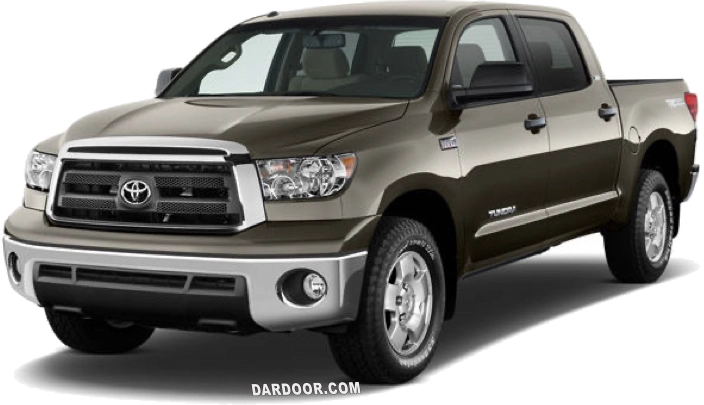
Get the original OEM workshop manual with the wiring diagram for the 2007-2010 Toyota Tundra in a simple PDF format.
2007-2010 Toyota Tundra Repair Manual
$19.90
2007-2010 Toyota Tundra OEM Workshop Repair Manual – PDF
Get the original OEM workshop manual for the 2007-2010 Toyota Tundra in a simple PDF format. This comprehensive manual includes detailed wiring diagrams and step-by-step instructions for diagnosing, maintaining, and repairing your Tundra.
Engines Covered:-
- 1GR-FE
- 2UZ-FE
- 3UR-FE
- 3UR-FBE
| File Format | |
| File Language | English |
| You’ll Get | 174 MB |
| Page Count | 11,800 |
| Wiring Diagram | Included |
| Delivery Method | Instant Download |
Download the 2007-2010 Toyota Tundra repair manual today and confidently handle repairs and maintenance with the precision of a professional.
The same trusted guide used by Toyota dealer technicians, this factory-issued manual ensures accurate and reliable procedures for every repair and maintenance task.
- Complete OEM Workshop Manual
- Covers 2007-2010 Toyota Tundra Models
- Includes Wiring Diagrams
- Professional, Dealer-Approved Instructions
- User-Friendly PDF Format for Easy Access
This manual provides detailed instructions for maintenance, disassembly, reassembly, component inspection, adjustment, and diagnostics, tailored for experienced mechanics. Use this manual thoroughly to ensure comprehensive repair work and maintain your vehicle in peak condition.
Important Note: Before purchasing this manual, please verify if your vehicle is subject to any Toyota service recalls, as the local dealer may repair it free of charge. When replacing parts, ensure that only genuine Toyota OEM spare parts are used.
Table of Contents : 2007-2010 Toyota Tundra Repair Manual
SAMPLE PAGES:
CAUTION: This OEM service and workshop repair manual provides detailed procedures for maintenance, disassembly, reassembly, inspection, adjustment, and diagnostics. It is intended as a comprehensive guide for experienced mechanics. To ensure thorough and accurate repairs that maintain your vehicle’s optimal performance, please read and follow this manual carefully. When replacing parts during any repair work, always use genuine Toyota parts to ensure quality, safety, and reliability.
2007–2010 Toyota Tundra — Overview, Specs, Common Problems, Recalls/TSBs, DTC Codes & Verdict
📌 Overview
The 2007–2010 Toyota Tundra brought major upgrades: a larger chassis, multiple cab/bed configs, and a strong i-FORCE V8 lineup. The 5.7L V8 paired with a 6-speed automatic is the performance favorite and can reach up to ~10,800 lb towing when properly equipped.
Best picks: 5.7L with documented maintenance + rust/campaign history checked. Budget/work fleet: 4.7L is simpler and widely supported.
⚙️ Technical Specs & Performance
🧩 Engines & Output (typical for 2007–2010 range)
| Engine | Power | Torque | Transmission | Notes |
|---|---|---|---|---|
| 4.0L V6 (1GR-FE) | ~236 hp | ~266 lb-ft | 5-spd auto | Best for light duty; simpler but not a towing champ. |
| 4.7L V8 (2UZ-FE) | ~276 hp | ~313 lb-ft | 5-spd auto | Proven V8; common on earlier builds. |
| 5.7L V8 i-FORCE (3UR-FE) | 381 hp | 401 lb-ft | 6-spd auto | Top performer; max tow configs can reach ~10,800 lb. |
| 4.6L V8 (1UR-FE) (not all trims/years) | ~310 hp | ~327 lb-ft | 6-spd auto | Introduced for improved efficiency/performance balance. |
👉 Tip: Real towing ability depends on configuration (cab/bed/axle ratio), payload, hitch setup, and cooling package—always confirm the door-sticker payload and the factory tow package.
🔧 Top 10 Common Mechanical Issues Reported by Owners (With Symptoms • Root Cause • Fix • Cost)
- Secondary Air Injection System Failure (mainly some 5.7L/4.7L years)
- Symptoms: Check Engine Light, limp mode, reduced power, rough running on cold start.
- Root cause: Water intrusion/condensation damages air pumps and switching valves; system seizes or sticks.
- Fix: Replace air injection pump(s)/valves; verify drain/updates; some owners use updated parts per Toyota programs.
- Cost to fix (USD): ~$600–$2,500 (parts/labor vary widely; dealer often higher).
- Frame/underbody corrosion (regional—salt “cold climate” exposure)
- Symptoms: Visible scaling/rust, perforation concerns, failed inspections, clunks from weakened sections.
- Root cause: Corrosion from road salt + coatings that can degrade over time (region-dependent).
- Fix: Inspection + corrosion-resistant compound (CRC) application; in severe cases, frame repair/replacement programs (where applicable).
- Cost to fix (USD): ~$200–$900 (treatment) to $5,000+ (major repair); campaign coverage may reduce cost.
- Exhaust manifold leaks/cracks
- Symptoms: Ticking noise on cold start, exhaust smell, reduced efficiency, occasional O2/trim codes.
- Root cause: Heat cycling leads to cracked manifolds or failing manifold gaskets/studs.
- Fix: Replace manifolds and gaskets; inspect studs; consider updated hardware.
- Cost to fix (USD): ~$500–$2,000.
- Water pump seep/leak (V8)
- Symptoms: Coolant smell, pink crust around pump, overheating risk if ignored.
- Root cause: Seal wear from age/heat cycles.
- Fix: Replace water pump + coolant; inspect belt/tensioner.
- Cost to fix (USD): ~$350–$900.
- Front wheel bearing/hub wear
- Symptoms: Humming that changes with speed, vibration, ABS light in severe cases.
- Root cause: Bearing wear accelerated by heavy loads, larger tires, or water intrusion.
- Fix: Replace hub assembly; torque to spec; align if needed.
- Cost to fix (USD): ~$350–$900 per corner.
- Driveshaft U-joint wear / clunk on takeoff
- Symptoms: Clunk from stop, vibration under load, squeak at low speed.
- Root cause: Grease breakdown, wear from towing/4WD use.
- Fix: Replace U-joints; grease serviceable joints; inspect carrier bearing (if equipped).
- Cost to fix (USD): ~$200–$900.
- Brake judder (warped rotors) & rapid pad wear
- Symptoms: Steering shake while braking, pulsation, longer stopping distance.
- Root cause: Heat from towing/loads + uneven pad deposits; sometimes caliper slide issues.
- Fix: Replace rotors/pads; service caliper pins; flush brake fluid if contaminated.
- Cost to fix (USD): ~$350–$1,200 (axle dependent).
- Rear differential whine / axle seal seep
- Symptoms: Whining at cruise, gear noise, oil spots near axle ends.
- Root cause: Fluid breakdown, towing heat, seal wear.
- Fix: Fluid service with correct spec; replace axle seals/bearings if leaking/noisy.
- Cost to fix (USD): ~$150–$1,500.
- Front suspension bushing/ball joint wear
- Symptoms: Clunks over bumps, uneven tire wear, wandering steering.
- Root cause: High load cycles, age, road impacts.
- Fix: Replace control arms/ball joints/bushings; alignment afterward.
- Cost to fix (USD): ~$400–$1,800 (scope varies).
- Oil seepage (timing cover/cam area) on higher-mileage V8s
- Symptoms: Oil smell, damp engine front, drips on driveway.
- Root cause: Sealant aging and gasket shrinkage over time.
- Fix: Confirm with dye test; reseal affected area; replace related gaskets as needed.
- Cost to fix (USD): ~$600–$2,500 (labor-heavy if reseal is extensive).
⚡ Top 10 Common Electrical Issues Reported by Owners (With Symptoms • Root Cause • Fix • Cost)
- TPMS warning light (sensor battery failure / calibration issues)
- Symptoms: TPMS light on, intermittent warnings, no actual pressure loss.
- Root cause: Sensor battery depletion; some vehicles affected by TPMS recalibration/labeling compliance campaigns in certain regions.
- Fix: Replace TPMS sensors during tire service; perform correct relearn/calibration.
- Cost to fix (USD): ~$120–$450 (set depends on sensors + programming).
- Starter “click/no crank” (more common on 5.7L layout service complexity)
- Symptoms: Single click, slow crank, intermittent no-start especially hot soak.
- Root cause: Starter wear; voltage drop from aging cables/grounds.
- Fix: Load-test battery; voltage-drop test; replace starter and/or cables as required.
- Cost to fix (USD): ~$350–$1,200 (engine/access varies by labor).
- Alternator failure / low charging voltage
- Symptoms: Battery light, dim lights, dead battery, erratic electronics.
- Root cause: Diode/regulator wear; heat load; aged belt tension.
- Fix: Replace alternator; inspect belt/tensioner; check battery health.
- Cost to fix (USD): ~$300–$850.
- Door lock actuator failure
- Symptoms: One door won’t lock/unlock, weak cycling noise, intermittent remote operation.
- Root cause: Motor/gear wear inside actuator.
- Fix: Replace actuator (or rebuild where possible).
- Cost to fix (USD): ~$180–$600 per door.
- Window regulator/motor issues
- Symptoms: Slow window, stuck window, grinding/clicking.
- Root cause: Regulator cable wear, motor wear, moisture intrusion.
- Fix: Replace regulator assembly; lubricate tracks.
- Cost to fix (USD): ~$220–$650 per window.
- HVAC blower motor resistor / blower control failure
- Symptoms: Fan works only on certain speeds or not at all.
- Root cause: Resistor overheating; connector heat damage.
- Fix: Replace resistor/module and repair connector if melted.
- Cost to fix (USD): ~$120–$450.
- Instrument cluster/illumination quirks
- Symptoms: Flickering backlight, dead segments, intermittent gauges.
- Root cause: Aging solder joints, cluster internal component wear.
- Fix: Professional cluster rebuild or replacement; verify grounds first.
- Cost to fix (USD): ~$200–$900.
- Trailer wiring / 7-pin connector corrosion
- Symptoms: No trailer lights/brakes, intermittent signals, “short” warnings on trailer controller.
- Root cause: Corrosion in connector pins; chafed harness near hitch.
- Fix: Clean/replace connector; repair harness; add dielectric grease.
- Cost to fix (USD): ~$50–$400.
- Oxygen sensor / A/F sensor failures
- Symptoms: Check Engine Light, reduced fuel economy, rough idle (sometimes).
- Root cause: Sensor aging; exhaust leaks can accelerate failures.
- Fix: Replace affected sensor; fix exhaust leaks first if present.
- Cost to fix (USD): ~$150–$500 per sensor.
- CAN communication “ghost” issues after low voltage
- Symptoms: Random warning lights, multiple modules setting codes, intermittent no-start.
- Root cause: Weak battery/poor grounds causing module resets and communication errors.
- Fix: Battery/charging system test; clean grounds; scan and clear; road test.
- Cost to fix (USD): ~$0–$350 (often battery/terminals) to $800+ if harness repairs are needed.
⚖️ Pros and Cons
| ✅ Pros | ❌ Cons |
|---|---|
| Strong V8 performance (especially 5.7L) | Fuel economy is below average vs newer trucks |
| Good long-term durability when maintained | Secondary air injection issues can be expensive |
| Excellent resale value in many markets | Rust/corrosion risk in salt regions—must inspect |
| Comfortable ride for a full-size truck | Tech/interior can feel dated vs competitors |
🧰 Maintenance Schedule (Practical Owner Table)
| Service Item | Interval (miles) | Interval (time) | Notes |
|---|---|---|---|
| Engine oil & filter | 5,000–7,500 | 6–12 months | More frequent if towing/short trips. |
| Tire rotation | 5,000 | — | Helps prevent cupping/uneven wear. |
| Engine air filter | 15,000–30,000 | — | Dusty conditions: shorten interval. |
| Cabin air filter | 15,000 | — | HVAC airflow/odor improvement. |
| Brake inspection | 10,000 | — | Especially important if towing. |
| Brake fluid | — | Every 3 years | Moisture control for ABS longevity. |
| Transmission fluid | 60,000 | — | Towing/heavy use: consider 30–45k. |
| Front/Rear diff fluid | 30,000–60,000 | — | 4WD/towing: shorten interval. |
| Transfer case fluid (4WD) | 30,000–60,000 | — | Inspect for leaks; use correct spec. |
| Coolant | 100,000 then 50,000 | 5 years then 3 years | Use correct Toyota-spec coolant. |
| Spark plugs (Iridium) | 120,000 | — | Misfire prevention; do coils if weak. |
| Serpentine belt | Inspect 15,000 | Replace as needed | Replace if cracked/glazed/noisy. |
🔔 Note: Always confirm intervals with the exact engine and duty cycle. Fleet/towing schedules should be more aggressive than commuter schedules./div>
🏁 Top 5 Competitors
- Ford F-150 ↗
- Chevrolet Silverado 1500 ↗
- GMC Sierra 1500
- RAM 1500 ↗
- Nissan Titan ↗
🚨 Top 10 Recalls, Advisories, Safety Alerts & TSB Highlights (2007–2010 Tundra)
- Rear propeller shaft joint heat-treatment defect (2007 4WD) — inspect/replace rear driveshaft as required.
- Accelerator pedal / unsecured floor mat interference — revised pedals, floor mat retention guidance/parts (multiple phases).
- Corrosion concerns (rear cross-member / CRC campaign) — inspect and apply corrosion-resistant compound (region/campaign dependent).
- Frame corrosion settlement / warranty extension (certain 2007–2008) — inspection standard + coverage extension in specified states/regions.
- TRD accessory wheels + Toyota-recommended tires (certain 2008–2011) — safety notice/inspection per campaign.
- TPMS compliance campaign (certain 2007–2011 sales regions) — recalibration/labeling/activation threshold concerns.
- Additional floor mat/accelerator follow-up phases — ongoing follow-up notices for completion verification.
- Customer Support Program (CSP): Air Injection Pump/Valve coverage extension — extended coverage for air injection components (where applicable).
- Cold-climate corrosion program updates — documentation and eligibility details (state lists/coverage rules).
- Service bulletin guidance: frame replacement/CRC procedures (reference docs) — repair process documentation used for campaign handling.
Important: Recall applicability depends on VIN, region, and whether the remedy was already completed. Always verify with Toyota/NHTSA by VIN before purchase.
🧠 DTC Trouble Code List
🛠️ ECM (Engine Control Module) — 10 Common Codes
| Code | What it Usually Means |
|---|---|
| P0300 | Random/multiple cylinder misfire detected |
| P0171 | System too lean (Bank 1) |
| P0172 | System too rich (Bank 1) |
| P0420 | Catalyst efficiency below threshold (Bank 1) |
| P0430 | Catalyst efficiency below threshold (Bank 2) |
| P0441 | EVAP incorrect purge flow |
| P0455 | EVAP gross leak (loose cap/leak) |
| P0128 | Coolant thermostat (temp below regulating) |
| P0012 | Cam timing over-retarded (Bank 1) |
| P2442 | Secondary air injection switching valve stuck closed |
🧰 TCM (Transmission Control Module) — 10 Common Codes
| Code | What it Usually Means |
|---|---|
| P0700 | Transmission control system malfunction (generic flag) |
| P0717 | Input/turbine speed sensor circuit no signal |
| P0720 | Output speed sensor circuit malfunction |
| P0741 | TCC (torque converter clutch) performance/stuck off |
| P0751 | Shift solenoid “A” performance/stuck |
| P0756 | Shift solenoid “B” performance/stuck |
| P0776 | Pressure control solenoid “B” performance/stuck |
| P0796 | Pressure control solenoid “C” performance/stuck |
| P2714 | Pressure control solenoid “D” performance/stuck |
| P0894 | Transmission component slipping |
🛑 ABS / ESC (Brake System) — 10 Common Codes
| Code | What it Usually Means |
|---|---|
| C0200 | Front wheel speed sensor signal malfunction |
| C0205 | Front wheel speed sensor circuit range/performance |
| C0210 | Rear wheel speed sensor signal malfunction |
| C0215 | Rear wheel speed sensor circuit range/performance |
| C1241 | Low battery positive voltage (ABS/VSC) |
| C1223 | ABS control system malfunction |
| C1336 | Zero point calibration of yaw rate sensor undone |
| C1201 | Engine control system malfunction (ABS receives ECM request) |
| C1256 | Accumulator low pressure / brake booster concern |
| C1300 | ABS ECU internal malfunction |
🧷 SRS (Airbag System) — 10 Common Codes
| Code | What it Usually Means |
|---|---|
| B0100 | Airbag ECU malfunction |
| B0101 | Front airbag sensor circuit |
| B0111 | Driver airbag squib circuit |
| B0116 | Passenger airbag squib circuit |
| B0121 | Side airbag (LH) squib circuit |
| B0126 | Side airbag (RH) squib circuit |
| B0131 | Curtain shield airbag (LH) circuit |
| B0136 | Curtain shield airbag (RH) circuit |
| B1421 | Occupant classification system malfunction |
| B1795 | Seat belt pretensioner circuit malfunction |
🧩 Body Control / CAN Communication — 10 Common Codes
| Code | What it Usually Means |
|---|---|
| U0100 | Lost communication with ECM/PCM |
| U0101 | Lost communication with TCM |
| U0121 | Lost communication with ABS control module |
| U0140 | Lost communication with Body Control Module |
| U0155 | Lost communication with instrument cluster |
| U0073 | Control module communication bus “A” off |
| B1241 | Power supply/IG voltage malfunction (body electronics) |
| B2321 | Steering/column or related body circuit malfunction |
| B2780 | Immobilizer communication malfunction |
| B2799 | Immobilizer/engine immobilisation system malfunction |
🧠 Pro tip: if you see multiple U-codes at once, start with battery health, charging voltage, and grounds before chasing modules.
❓ FAQ
Which engine is best in the 2007–2010 Tundra?
The 5.7L V8 is the best for towing and overall power, and it uses a 6-speed automatic in 2007+ Tundras.
What’s the #1 expensive problem to check before buying?
Two big ones: secondary air injection failures (can trigger limp mode) and frame/underbody corrosion in salt regions—both can become very costly without campaign coverage.
How do I check if recalls were completed?
Run the VIN through Toyota or NHTSA recall lookup and confirm “remedy completed” with service records.
Is 10,800 lb towing realistic?
It’s possible on specific configurations with the right equipment, but real-world towing is limited by payload, hitch weight, and cooling package. Always verify the door sticker and tow package.
Best maintenance habit for long life?
Short oil intervals under towing/short trips, and timely drivetrain fluid changes (diff/transfer/trans) go a long way.
✅ Final Verdict
Related products
-
2009-2011 Toyota Venza Wiring Diagram
$16.90 Add to cart -
2007-2011 Toyota Camry Repair Manual
$19.90 Add to cart -
2007 Toyota Yaris Repair Manual
$16.90 Add to cart -
2003-2006 Toyota Prius Repair Manual
$16.90 Add to cart -
2004-2007 Toyota Sienna Repair Manual
$19.90 Add to cart -
2005-2010 Toyota Scion tC Repair Manual
$19.90 Add to cart -
2007-2011 Toyota Camry Hybrid Repair Manual
$19.90 Add to cart -
Sale!
2006 Toyota Corolla Wiring Diagram
Original price was: $16.90.$0.00Current price is: $0.00. Add to cart