

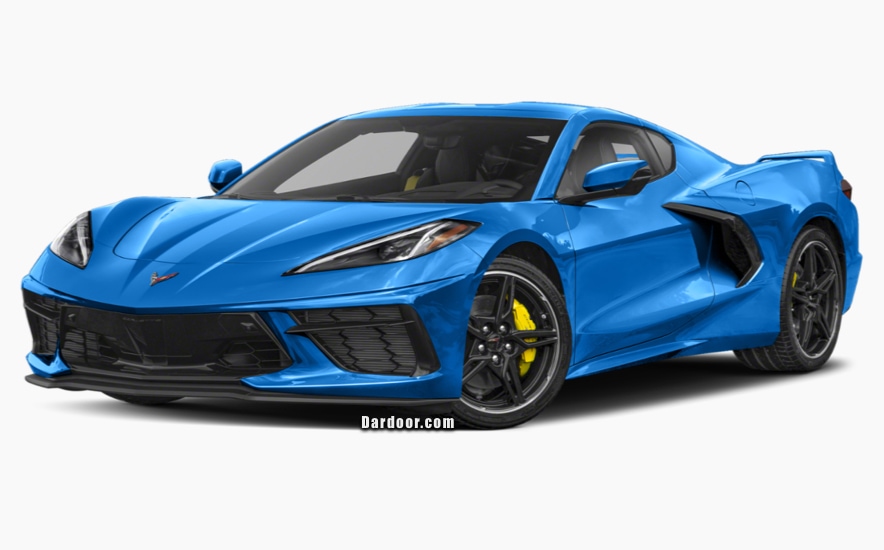
Get the official OEM workshop repair manual for the 2022 Chevrolet Corvette C8, the exact same manual used by GM and Chevrolet dealership technicians.
2022 Chevrolet Corvette Repair Manual C8
$36.00
2022 Chevrolet Corvette (C8) OEM Workshop Repair Manual – PDF Download
Get the official OEM workshop repair manual for the 2022 Chevrolet Corvette C8, the exact same manual used by GM and Chevrolet dealership technicians. This comprehensive PDF document covers every aspect of the mid-engine C8 Corvette, including mechanical, electrical, and diagnostic systems, with factory-approved service procedures.
| File Format | |
| File Language | English |
| You’ll Get | 178 MB |
| Page Count | 5,841 |
| Delivery Method | Instant Download |
Take full control of your 2022 Corvette C8 maintenance and repairs.
Engines Covered: –
- 6.2L (LT2)
Transmissions Covered: –
- 8-Speed Dual-Clutch Automatic Tremec DCT TR9080 (M1L)
🔧 What’s Included:
- ✅ Complete OEM Service & Repair Manual
- ✅ Engine, Drivetrain, Brakes, Suspension & More
- ✅ Chassis, Body, Interior, HVAC & Infotainment Systems
- ✅ Searchable & Printable PDF Format
⚙️ Vehicle Details:
- Make: Chevrolet
- Model: Corvette
- Generation: C8 (Eighth Generation)
- Year: 2022
- Engine: 6.2L LT2 V8 (Mid-Engine)
- Transmission: 8-Speed Dual-Clutch Automatic
💡 Why Choose This Manual?
- Official GM Factory Manual – No third-party or incomplete content
- Same Manual Used by Chevrolet Dealer Technicians
- Perfect for Professionals and DIY Mechanics
- One-Time Purchase – No subscriptions, no expiration
- Full-Color Diagrams & Step-by-Step Instructions
📥 Instant PDF Download – Compatible with Windows, macOS, iOS, Android
🔔 Use it on your tablet, phone, or computer — or print only the pages you need.
This manual provides detailed instructions for maintenance, disassembly, reassembly, component inspection, adjustment, and diagnostics—intended for use by experienced mechanics. Proper application of this guide will help ensure thorough repairs and maintain your vehicle in peak condition.
Important Note: Before purchasing this manual, please check whether your vehicle is subject to any active service recalls, as authorized dealerships may perform necessary repairs free of charge. When replacing parts, always use genuine OEM components to ensure safety, reliability, and long-term performance.
Table of Contents: 2022 Chevrolet Corvette Repair Manual
Sample Pages
CAUTION: This OEM service and workshop repair manual provides detailed procedures for maintenance, disassembly, reassembly, inspection, adjustment, and diagnostics. It is intended as a comprehensive guide for experienced mechanics. To ensure thorough and accurate repairs that maintain your vehicle’s optimal performance, please read and follow this manual carefully. When replacing parts during any repair work, always use genuine Chevrolet parts to ensure quality, safety, and reliability.
2022 Chevrolet Corvette (C8) – Comprehensive Guide
Overview
The 2022 Chevrolet Corvette C8 represents a revolutionary shift for America’s sports car, moving to a mid-engine layout for the first time in the model’s nearly 70-year history. This eighth-generation Corvette competes directly with exotic European supercars at a fraction of the price.
Key Highlights:
- First mid-engine Corvette in production history
- 0-60 mph in under 3 seconds with Z51 package
- Starting MSRP around $60,000-$70,000 (base Stingray)
- Available as coupe or convertible with retractable hardtop
- Driver-focused cockpit with fighter jet-inspired design
Technical Specifications
Engine & Performance
- Engine: 6.2L LT2 V8 (naturally aspirated)
- Horsepower: 490 hp (with performance exhaust) / 495 hp
- Torque: 465 lb-ft
- Transmission: 8-speed dual-clutch automatic (DCT)
- Drivetrain: Rear-wheel drive (RWD)
- 0-60 mph: 2.9 seconds (with Z51 package)
- Top Speed: 194 mph
- Quarter Mile: ~11.2 seconds
Dimensions
- Length: 182.3 inches
- Width: 76.1 inches
- Height: 48.6 inches
- Wheelbase: 107.2 inches
- Curb Weight: 3,366-3,647 lbs (depending on configuration)
- Weight Distribution: ~40/60 (front/rear)
Fuel Economy
- City: 15 mpg
- Highway: 27 mpg
- Combined: 19 mpg
- Fuel Tank: 18.6 gallons
- Fuel Type: Premium unleaded recommended
Suspension & Brakes
- Front Suspension: Double wishbone with magnetorheological dampers
- Rear Suspension: Double wishbone with magnetorheological dampers
- Front Brakes: 12.6-inch rotors (13.6-inch with Z51)
- Rear Brakes: 13.3-inch rotors (14.1-inch with Z51)
- Steering: Electric power-assisted rack-and-pinion
Wheels & Tires
- Front Wheels: 19-inch (20-inch with Z51)
- Rear Wheels: 20-inch (21-inch with Z51)
- Front Tires: 245/35ZR19 (245/30ZR20 with Z51)
- Rear Tires: 305/30ZR20 (305/25ZR21 with Z51)
Top 10 Mechanical & Electrical Issues
1. Frunk (Front Trunk) Latch Failure
-
- Symptoms: Frunk won’t open, error messages, latch mechanism stuck, electronic release not working
- Root Cause: Faulty electronic latch actuator, software glitch in body control module, mechanical binding in release cable, water intrusion causing corrosion
- Fix: Replace frunk latch assembly, update body control module software, adjust cable tension, clean and lubricate mechanism
- Cost: $200-$600 (parts and labor)
2. Brake Squeal and Judder
-
- Symptoms: High-pitched squealing during braking, vibration through brake pedal, uneven braking feel, noise at low speeds
- Root Cause: Brake pad composition designed for performance generates noise, rotor glazing, dust accumulation, pad bedding issues, caliper guide pin binding
- Fix: Resurface or replace rotors, install updated brake pads, proper bedding procedure, apply anti-squeal compound, lubricate caliper pins
- Cost: $500-$1,500 (depending on whether rotors need replacement)
3. Convertible Top Malfunction
-
- Symptoms: Top won’t retract or deploy, slow operation, error messages on display, creaking noises, incomplete closing/opening
- Root Cause: Hydraulic fluid low or contaminated, sensor misalignment, software calibration issue, mechanical obstruction, motor failure
- Fix: Refill/flush hydraulic system, recalibrate sensors, software update, replace top motor or hydraulic pump, adjust linkage
- Cost: $300-$2,500 (simple fixes to motor replacement)
4. Rear Camera and Parking Sensor Issues
-
- Symptoms: Distorted or blank rear camera display, false parking sensor alerts, intermittent camera failure, poor night vision
- Root Cause: Camera lens contamination from engine heat/exhaust, software bugs, moisture in camera housing, wiring harness damage from heat
- Fix: Clean camera lens, update infotainment software, replace camera module, repair or reroute wiring harness, seal camera housing
- Cost: $150-$800 (cleaning to full camera replacement)
5. Transmission Overheating (DCT)
-
- Symptoms: Transmission warning light, reduced power mode, rough shifting, delayed engagement, burning smell
- Root Cause: Aggressive driving without proper cooling, transmission fluid degradation, clogged transmission cooler, software calibration conservative
- Fix: Allow transmission to cool, replace transmission fluid, flush cooler, software update for shift strategy, install auxiliary cooler (aftermarket)
- Cost: $300-$1,200 (fluid service to cooler installation)
6. Infotainment System Freezing/Rebooting
-
- Symptoms: Touchscreen unresponsive, system randomly reboots, Apple CarPlay/Android Auto disconnects, navigation errors, slow response
- Root Cause: Software bugs in Chevrolet Infotainment 3 system, insufficient memory/processing power, corrupted data, USB connection issues
- Fix: Perform hard reset (hold power button 10+ seconds), update to latest software version, clear cache/data, replace infotainment module if persistent
- Cost: $0-$1,500 (software update free at dealer, module replacement expensive)
7. Engine Oil Consumption
-
- Symptoms: Low oil warning light between changes, dipstick shows low oil level, visible smoke from exhaust (rare), need to add oil frequently
- Root Cause: Piston ring design allows some oil consumption under high RPM/load, valve stem seals, PCV system issues, normal for high-performance engines
- Fix: Monitor oil level regularly (check every 500-1,000 miles), add oil as needed, replace PCV valve, engine tear-down only if excessive (>1 qt per 1,000 miles)
- Cost: $50-$300 for monitoring/top-ups (major repair $3,000+ if internal issue)
8. Lift System Failure (Front Axle Lift)
-
- Symptoms: Lift won’t engage or retract, error messages, system stuck in raised position, slow operation, GPS memory not saving locations
- Root Cause: Hydraulic leak in lift cylinders, electrical sensor failure, software glitch in GPS save feature, air in hydraulic lines, pump motor failure
- Fix: Bleed hydraulic system, replace lift cylinders or seals, update software, replace pump motor, recalibrate sensors
- Cost: $400-$2,000 (bleeding/minor repair to full system replacement)
9. Exhaust Popping/Cracking (Afterfire)
-
- Symptoms: Loud popping/crackling sounds on deceleration, backfire noises, excessive exhaust smell, check engine light (rare)
- Root Cause: By design for performance exhaust character, unburnt fuel igniting in hot exhaust, aggressive fuel cut strategy, aftermarket exhaust amplifies
- Fix: Normal behavior for many owners (feature not bug), software update can reduce if desired, adjust driving style, replace catalytic converters if damaged
- Cost: $0-$1,500 (usually no fix needed; cat replacement if damaged)
10. Door Striker Adjustment Issues
-
- Symptoms: Doors don’t close properly on first attempt, rattling from door area, wind noise, door alignment appears off, requires slamming
- Root Cause: Striker plate out of adjustment from factory, door seal compression over time, body flex during spirited driving, improper initial alignment
- Fix: Adjust striker plate position, replace door seals if compressed, realign door hinges, add shims if needed
- Cost: $100-$400 (adjustment to full realignment)
Top 5 Competitors
1. Porsche 718 Cayman/Boxster
- Price Range: $65,000-$100,000+
- Engine: 2.0L turbo 4-cylinder (300 hp) or 4.0L flat-6 (394-414 hp in GTS/GT4)
- Advantages: Superior handling precision, build quality, brand prestige, flat-6 sound in higher trims
- Disadvantages: Less power in base models, significantly more expensive, smaller cargo space, less dramatic styling
2. Audi R8 V10
- Price Range: $150,000-$200,000+
- Engine: 5.2L V10 (562-602 hp)
- Advantages: AWD grip, exotic supercar presence, naturally aspirated V10, premium interior
- Disadvantages: Much more expensive (2-3x C8 price), higher maintenance costs, less track-focused than C8 Z51
3. McLaren GT
- Price Range: $210,000-$230,000
- Engine: 4.0L twin-turbo V8 (612 hp)
- Advantages: True exotic status, more power, lighter weight, carbon fiber construction
- Disadvantages: 3-4x the price, expensive maintenance, limited dealer network, less practical
4. Nissan GT-R
- Price Range: $115,000-$215,000 (Nismo)
- Engine: 3.8L twin-turbo V6 (565-600 hp)
- Advantages: AWD traction, proven performance, advanced technology, launch control
- Disadvantages: Aging platform (since 2007), heavier, less exotic feel, harsh ride
5. Toyota GR Supra
- Price Range: $45,000-$65,000
- Engine: 2.0L turbo 4-cylinder (255 hp) or 3.0L turbo inline-6 (382 hp)
- Advantages: Lower price point, Toyota reliability, tuner potential, manual transmission available
- Disadvantages: Less power, front-engine layout, BMW parts/maintenance, not as dramatic as C8
Top 10 Recalls, Advisories & TSB Highlights
Recalls
1. NHTSA Recall 21V-679 (September 2021)
- Issue: Seat belt pretensioners may not properly restrain occupants
- Affected: ~2,700 vehicles (2020-2021 model years, but relevant for 2022 buyers)
- Fix: Dealer inspection and replacement of seat belt pretensioners
2. NHTSA Recall 22V-353 (May 2022)
- Issue: Tire pressure monitoring system may not warn of low tire pressure
- Affected: Various 2022 models including Corvette
- Fix: Software update to TPMS module
3. NHTSA Recall 22V-897 (November 2022)
- Issue: Instrument cluster display may go blank while driving
- Affected: 2022 Corvette models
- Fix: Replace instrument cluster or update software
Technical Service Bulletins (TSBs)
4. TSB 21-NA-206 (Brake Squeal)
- Issue: High-pitch squeal from brakes during light braking
- Resolution: Revised brake pad design, resurface rotors, apply anti-squeal compound
- Cost Coverage: Warranty typically covers
5. TSB 22-NA-089 (Transmission Calibration)
- Issue: Harsh shifts, delayed engagement, rough downshifts
- Resolution: Transmission control module software update
- Cost Coverage: Free software update at dealer
6. TSB 21-NA-357 (Convertible Top Noise)
- Issue: Creaking, squeaking noises from convertible top mechanism
- Resolution: Lubricate top linkage points, adjust tension
- Cost Coverage: Warranty covers if under bumper-to-bumper
7. TSB 22-NA-127 (Infotainment System)
- Issue: System freezing, slow response, Apple CarPlay disconnects
- Resolution: Multiple software updates addressing various bugs
- Cost Coverage: Free updates available
8. TSB 21-NA-288 (Wind Noise)
- Issue: Excessive wind noise at highway speeds from door seals
- Resolution: Adjust door alignment, replace door seals if damaged
- Cost Coverage: Warranty covers adjustment
9. TSB 22-NA-045 (Lift System)
- Issue: Front lift system slow to respond or won’t save GPS locations
- Resolution: Software update, hydraulic system bleed procedure
- Cost Coverage: Free software update; hydraulic work may vary
10. TSB 21-NA-401 (Engine Oil Consumption)
- Issue: Some owners reporting oil consumption between changes
- Resolution: GM considers up to 1 quart per 2,000 miles “normal” for performance engines; monitor and document
- Cost Coverage: Not defect unless excessive; monitoring recommended
Maintenance Schedule
Every Oil Change or 7,500 Miles / 12 Months
- Engine oil and filter change (use Mobil 1 0W-40 or Dexos-approved synthetic)
- Tire rotation and pressure check
- Inspect brake pads and rotors
- Check fluid levels (coolant, brake, transmission, power steering)
- Inspect belts and hoses
- Cabin air filter inspection
Every 15,000 Miles / 24 Months
- Replace cabin air filter
- Inspect suspension components
- Check battery condition
- Inspect exhaust system
- Lubricate door hinges and locks
Every 30,000 Miles / 36 Months
- Replace engine air filter
- Inspect spark plugs (replace if needed)
- Transmission fluid inspection (replace if track-driven frequently)
- Brake fluid flush (especially important for track use)
- Coolant system inspection
Every 45,000 Miles / 48 Months
- Replace spark plugs (iridium plugs)
- Inspect fuel system
- Differential fluid change
- Inspect drive axles and CV joints
Every 60,000 Miles / 60 Months
- Replace transmission fluid (DCT fluid and filter)
- Replace coolant (Dex-Cool)
- Comprehensive brake system inspection
- Inspect steering components
Every 100,000 Miles
- Replace accessory drive belt
- Comprehensive engine inspection
- Replace all fluids
Track Use Specific Maintenance
- Change oil every 3-5 track days or 2,500 miles
- Inspect brake pads and fluid before each track event
- Check tire condition and pressures
- Transmission fluid change every 15,000 miles with heavy track use
- Differential fluid every 15,000 miles
Annual Maintenance (Regardless of Mileage)
- Comprehensive safety inspection
- Battery test and terminals cleaning
- Tire tread depth and condition check
- All fluid level verification
- Software updates check at dealer
⚠️ Important: Estimated Annual Maintenance Cost: $800-$1,500 (normal driving); $2,000-$4,000+ (track use)
10 Frequently Asked Questions for Buyers
1. Is the C8 Corvette reliable for daily driving?
Generally yes, but with caveats. The C8 is surprisingly practical with decent ground clearance (with lift system), comfortable ride in Tour mode, and good visibility. However, the low seating position, limited cargo space (no rear seats), and firm ride may not suit everyone. Early model years (2020-2021) had more teething issues; 2022+ models are more sorted. Expect typical GM fit-and-finish quirks and some electronic glitches, but the drivetrain is robust.
2. Should I get the Z51 Performance Package?
Highly recommended if you plan any spirited driving or track use. The Z51 adds: performance suspension, electronic limited-slip differential, larger brakes, performance cooling, sport exhaust, and Michelin Pilot Sport 4S tires. It also improves resale value significantly. Skip it only if you’re purely cruising and want the softest ride possible. Cost: ~$5,000-$6,000 option.
3. Convertible or Coupe?
Coupe offers better structural rigidity, lighter weight (~80 lbs), and superior track performance. Convertible provides open-air experience with a power-retractable hardtop (operates up to 30 mph in 16 seconds) and still maintains good rigidity. The convertible top mechanism is well-engineered but adds complexity and potential maintenance. Choose based on climate and intended use—both look fantastic.
4. What’s the real-world fuel economy?
Expect 16-18 mpg in mixed driving, 12-14 mpg in spirited/city driving, and 24-27 mpg on highway cruises. Track use can drop to single digits. The V8 cylinder deactivation helps highway economy. Premium fuel is recommended for optimal performance, though regular won’t damage the engine (just reduces power slightly).
5. How much cargo space is there really?
The frunk (front trunk) offers 12.6 cubic feet—enough for two golf bags or weekend luggage for two. There’s also a small rear storage area behind the seats for soft items. Total is competitive with other mid-engine sports cars but far less than a front-engine Corvette. No room for rear passengers. The car works for trips but requires strategic packing.
6. Is the visibility really that bad?
Rear visibility is limited due to the mid-engine design and flying buttresses. The standard rear camera is essential (comes on all models). Side visibility is good, and the front view is excellent. Parking sensors and the available front camera help. After a week, most owners adapt. The convertible offers better over-the-shoulder visibility when the top is down.
7. What warranty coverage comes with the C8?
- Bumper-to-bumper: 3 years/36,000 miles
- Powertrain: 5 years/60,000 miles
- Corrosion: 6 years/100,000 miles
- Roadside Assistance: 5 years/60,000 miles
🔔 Note: Extended warranties are available. Given the advanced technology and potential electronic issues, many buyers opt for extended coverage, especially if keeping the car beyond 3 years.
8. How does the mid-engine layout affect driving characteristics?
The mid-engine placement provides near-perfect weight distribution (40/60), exceptional handling balance, and high-speed stability. The car rotates more eagerly than front-engine Corvettes, requiring smoother inputs. Understeer is minimal; oversteer is manageable with excellent traction and stability control. The learning curve is short—most drivers adapt within a few drives. Track performance is significantly improved over C7.
9. Are insurance costs higher than a regular sports car?
Yes, significantly. Insurance rates are 20-40% higher than a comparable front-engine sports car due to: high replacement costs, expensive carbon fiber and aluminum body parts, advanced technology, and theft risk. Expect $2,000-$4,000+ annually depending on age, location, and driving record. Get quotes before buying. Some insurers offer discounts for garage parking and tracking devices.
10. Should I wait for the C8 Z06 or stick with the Stingray?
The Stingray (base C8) offers tremendous performance for the price—490 hp is plenty for street use and most track days. The Z06 (2023+) with its 670 hp flat-plane crank V8 is more exotic but costs $40,000-$50,000 more, has harsher ride quality, higher running costs, and dealer markups. Unless you’re a serious track enthusiast or want maximum exclusivity, the Stingray is the sweet spot for 90% of buyers.
Final Buyer Recommendations
Strong Buy If:
- You want exotic mid-engine performance at 1/3 the price of European competitors
- Track days or spirited driving are priorities—few cars offer this performance-per-dollar
- You appreciate American muscle heritage with modern technology
- You can live with 2-seater practicality and limited cargo space
- You’re comfortable with typical GM electronics and build quality quirks
- Resale value matters—C8 Corvettes hold value exceptionally well
Consider Alternatives If:
- You need rear seats or significant cargo capacity regularly
- You prioritize luxury interior materials and fit-and-finish over performance
- You’re concerned about reliability and want German or Japanese engineering
- Budget is tight—the base price is reasonable, but desirable options (Z51, tech packages) add up quickly
- You do very low annual mileage—the car deserves to be driven
Buying Tips
1. Get the Z51 Package unless you’re absolutely certain you’ll never drive spiritedly. Resale value alone justifies the cost.
2. Front Lift is Essential for daily driving—scraping the front fascia on driveways and speed bumps gets old fast. ~$1,500 option.
3. Avoid Early 2020 Models if buying used—2021-2022 models have fewer teething issues and software bugs worked out.
4. Inspect Carefully: Check for frunk latch operation, convertible top function (if applicable), brake condition, and any signs of track abuse (worn tires, brake fade, fluid leaks).
5. Service History: Verify regular oil changes and any recall/TSB work completed. Engine oil consumption should be documented.
6. Extended Warranty: Consider purchasing if keeping beyond 3 years—infotainment and electrical issues can be expensive.
7. Negotiate or Walk: With production ramping up, dealer markups are decreasing. Never pay $20,000+ over MSRP; wait for market to stabilize or order directly.
8. Test Drive Multiple Modes: Experience Tour, Sport, and Track modes to understand the car’s range—it’s surprisingly livable in Tour.
9. Check for Updates: Have dealer confirm all software updates applied before taking delivery.
10. Budget for Insurance and Tires: Factor in $2,000+ annual insurance and $1,500-$2,000 for tire replacements (every 15,000-20,000 miles with Z51).
Bottom Line
The 2022 C8 Corvette represents extraordinary value in the sports car world. It delivers legitimate supercar performance, head-turning styling, and surprising usability at a price that undercuts nearly every competitor. While GM’s typical fit-and-finish issues and some electronic gremlins exist, the core driving experience and engineering excellence make this one of the most significant sports cars of the modern era.
For buyers seeking maximum performance per dollar, especially those interested in track use or weekend fun, the C8 Stingray with Z51 is nearly unbeatable. Just ensure you’re comfortable with 2-seater compromises and budget accordingly for insurance, premium fuel, and performance maintenance.
👍 Recommended Configuration: 2022 Corvette Stingray Coupe with Z51 Performance Package, Front Lift, Magnetic Ride Control, and GT2 bucket seats = ~$75,000-$80,000 (without dealer markup).
Overall Rating: 9/10 (deducted 1 point for interior quality inconsistencies and electronic bugs)
| Brands | |
|---|---|
| File Format | |
| File Language | English |
| File Size | 178 MB |
| Page Count | 5,841 |
| Searchable & Printable | YES |
| Instant Download | YES |
Related products
-
2010-2011 Chevrolet Camaro Repair Manual
$24.00 Add to cart -

2006-2008 Chevrolet HHR Repair Manual
$19.90 Add to cart -

2011-2016 Chevrolet Captiva Repair Manual
$16.90 Add to cart -
2019 GMC Canyon Wiring Diagram
$19.90 Add to cart -

2014-2016 Buick Encore Repair Manual
$19.90 Add to cart -
2007-2010 Chevrolet Aveo Repair Manual
$19.90 Add to cart -

2014-2019 Chevrolet Suburban Repair Manual
$24.90 Add to cart -
2011-2015 Chevrolet Volt Repair Manual
$19.90 Add to cart