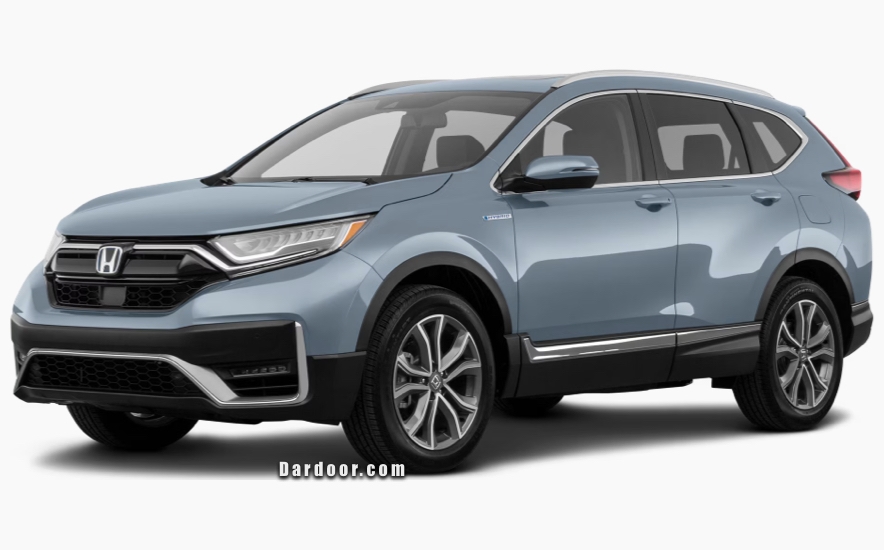
2020–2022 Honda CR-V — OEM Workshop Service & Repair Manual (PDF)
Get the official OEM workshop service and repair manual for the 2020–2022 Honda CR-V, covering both Hybrid and Gasoline models. This comprehensive PDF is the exact same resource used by Honda dealership technicians, delivering factory-authorized procedures, diagnostics, torque specifications, and complete electrical wiring diagrams.
| File Format |
PDF |
| File Language |
English |
| You’ll Get |
429.9 MB |
| Page Count |
14,934 |
| Wiring Diagram |
Included |
| Delivery Method |
Instant Download |
Maintain and repair your Honda CR-V with the same expertise trusted by Honda professionals.
Vehicle Coverage
- Model Years: 2020, 2021, 2022
- Models: Honda CR-V Gasoline & CR-V Hybrid
- Engines: 1.5L Turbocharged Petrol • 2.0L Hybrid System
- Transmissions: CVT • e-CVT (Hybrid)
Key Features
Complete OEM Coverage
Factory procedures for service, repair, and maintenance across all systems.
Hybrid-Specific Information
High-voltage safety, battery systems, inverter, and hybrid diagnostics.
Wiring Diagrams
Full electrical schematics, connector views, pinouts, and grounding locations.
Diagnostics & DTCs
Official Honda troubleshooting flowcharts and fault-code repair steps.
What’s Inside
- Routine maintenance schedules, fluids, and torque specifications
- Engine, transmission, and drivetrain repair procedures
- Hybrid system servicing and high-voltage precautions
- Brakes (including regenerative braking), ABS, suspension & steering
- Complete electrical system with wiring diagrams
- Body, interior, HVAC, SRS/airbags, and safety systems
Download & Compatibility
Delivery: Instant digital PDF download
Compatibility: Windows • macOS • iOS • Android
This manual offers comprehensive instructions for maintenance, disassembly, reassembly, component inspection, adjustment, and diagnostics—specifically designed for experienced mechanics. Proper use of this manual will help ensure thorough repairs and keep your vehicle performing at its best.
Important Note: Before purchasing this manual, please check whether your vehicle is subject to any active Nissan service recalls. In some cases, repairs may be performed free of charge by your local Nissan dealer. When replacing parts, always use genuine Nissan OEM components to ensure safety, reliability, and optimal performance.
Table of Contents: 2020-2022 Honda CR-V Repair Manual

Sample Pages
CAUTION: This OEM service and workshop repair manual provides detailed procedures for maintenance, disassembly, reassembly, inspection, adjustment, and diagnostics. It is intended as a comprehensive guide for experienced mechanics. To ensure thorough and accurate repairs that maintain your vehicle’s optimal performance, please read and follow this manual carefully. When replacing parts during any repair work,
always use genuine Honda parts to ensure quality, safety, and reliability.
2020–2022 Honda CR-V: Comprehensive Guide
Overview
The 2020–2022 Honda CR-V is a compact crossover SUV representing the fifth generation (facelifted). It’s one of Honda’s best-selling vehicles, known for reliability, practicality, and fuel efficiency.
Trim Levels: LX, EX, EX-L, Touring Body Style: 5-door SUV Seating: 5 passengers
Technical Specifications
Engine Options:
- 1.5L Turbocharged 4-cylinder (LX, EX, EX-L)
- Horsepower: 190 hp @ 5,600 rpm
- Torque: 179 lb-ft @ 2,000-5,000 rpm
- 2.0L Hybrid 4-cylinder (EX, EX-L, Touring – Hybrid models)
- Combined output: 212 hp
- Electric motors: Dual-motor hybrid system
Transmission:
- CVT (Continuously Variable Transmission) – standard on all models
Drivetrain:
- Front-wheel drive (FWD) – standard
- All-wheel drive (AWD) – available on all trims
Dimensions:
- Length: 180.6 inches
- Width: 73.0 inches
- Height: 66.1 inches
- Wheelbase: 104.7 inches
- Ground clearance: 7.8-8.2 inches
Cargo Capacity:
- Behind rear seats: 39.2 cubic feet
- Maximum (rear seats folded): 75.8 cubic feet
- Hybrid: 33.2 / 68.7 cubic feet
Fuel Economy (EPA estimates):
- 1.5T FWD: 28 city / 34 highway / 30 combined mpg
- 1.5T AWD: 27 city / 32 highway / 29 combined mpg
- Hybrid AWD: 40 city / 35 highway / 38 combined mpg
Fuel Tank Capacity:
- 1.5T: 14.0 gallons
- Hybrid: 12.8 gallons
Towing Capacity: 1,500 lbs (when properly equipped)
Curb Weight: 3,337–3,929 lbs (depending on configuration)
Top 10 Mechanical & Electrical Issues
1. Oil Dilution (1.5L Turbo Engine)
Symptoms:
- Rising oil level on dipstick
- Gasoline smell in engine oil
- Check engine light
- Engine running rough, especially in cold weather
Root Cause: Unburned fuel bypasses piston rings and contaminates engine oil during short trips in cold weather. The 1.5L turbo engine runs rich during cold starts, and insufficient warm-up time prevents fuel from evaporating from the oil.
Fix:
- Software update from Honda (extends engine warm-up period)
- Oil and filter change
- In severe cases, potential engine component replacement
Cost: $0–$150 (if under warranty/recall); $100–$500+ for oil changes and monitoring
2. AC Compressor Failure
Symptoms:
- AC blows warm air
- Loud grinding or squealing noise from engine bay
- AC clutch not engaging
- Intermittent cooling
Root Cause: Premature wear of AC compressor internal components, particularly the clutch bearing and reed valves. Manufacturing defects in certain batches.
Fix:
- AC compressor replacement
- System evacuation and recharge
- Check for metal debris in system
Cost: $800–$1,500 (parts and labor)
3. Infotainment System Freezing/Crashing
Symptoms:
- Touchscreen becomes unresponsive
- System reboots randomly
- Backup camera not displaying
- Apple CarPlay/Android Auto disconnecting
Root Cause: Software bugs in the Honda infotainment system, insufficient processing power, or corrupted firmware updates.
Fix:
- Software update from dealer
- Hard reset (hold power button for 10+ seconds)
- In severe cases, infotainment unit replacement
Cost: $0–$50 (software update); $1,000–$2,000 (unit replacement)
4. Turbocharger Wastegate Rattle
Symptoms:
- Rattling noise from engine during cold start
- Noise disappears after warm-up
- No performance issues initially
- Check engine light (in advanced cases)
Root Cause: Excessive clearance in the turbocharger wastegate actuator rod. The rod rattles when cold due to thermal contraction, stops when components expand with heat.
Fix:
- Turbocharger replacement (covered under powertrain warranty in most cases)
- TSB exists for this issue
Cost: $0–$200 (if under warranty); $1,500–$2,500 (out of warranty)
5. Power Tailgate Malfunction
Symptoms:
- Tailgate won’t open or close automatically
- Tailgate reverses direction unexpectedly
- Beeping sounds without cause
- Manual operation still works
Root Cause: Faulty power tailgate control module, worn strut dampers, or misaligned sensors detecting false obstructions.
Fix:
- Recalibrate tailgate system
- Replace tailgate struts
- Replace control module or sensors
Cost: $300–$800 (struts); $500–$1,200 (control module)
6. Brake System Vibration/Pulsation
Symptoms:
- Steering wheel vibration during braking
- Pulsating brake pedal
- Reduced braking efficiency
- Noise during braking
Root Cause: Warped brake rotors due to excessive heat, uneven pad deposits, or manufacturing defects. The 2020–2022 CR-V models have had reports of premature rotor warping.
Fix:
- Resurface or replace brake rotors
- Replace brake pads
- Proper break-in procedure for new brakes
Cost: $300–$600 (front); $250–$500 (rear)
7. CVT Transmission Shuddering/Jerking
Symptoms:
- Shuddering or jerking during acceleration (15–25 mph range)
- Hesitation when accelerating from stop
- Unusual transmission noises
- Check engine light with transmission codes
Root Cause: CVT fluid degradation, software calibration issues, or internal clutch wear. Heat and stress cause premature fluid breakdown.
Fix:
- CVT fluid change (use Honda HCF-2 fluid only)
- Software update
- In severe cases, CVT replacement
Cost: $150–$300 (fluid change); $4,000–$7,000 (CVT replacement)
8. Sunroof Drain Tube Clogs
Symptoms:
- Water leaking into cabin (typically driver/passenger footwell)
- Headliner staining or sagging
- Musty odor
- Water pooling in sunroof track
Root Cause: Debris accumulation in sunroof drain tubes, preventing proper water drainage. Leaves, dirt, and pollen create blockages.
Fix:
- Clean drain tubes with compressed air or flexible wire
- Flush with water
- Check drain tube connections
Cost: $50–$200 (if DIY); $150–$400 (professional service)
9. Fuel Injector Failure
Symptoms:
- Rough idle
- Engine misfires
- Check engine light with misfire codes
- Reduced fuel economy
- Hard starting
Root Cause: Carbon buildup on direct injection fuel injectors, or injector internal component failure. Direct injection engines are more prone to carbon deposits.
Fix:
- Fuel injector cleaning service
- Replace failed injectors
- Use top-tier gasoline to prevent buildup
Cost: $150–$300 (cleaning); $400–$800 (replacement per injector)
10. Electronic Parking Brake Malfunction
Symptoms:
- “Parking Brake Problem” warning message
- Brake won’t engage or release
- Grinding noise when engaging
- Check brake system light
Root Cause: Faulty electronic parking brake actuator motor, corroded cables, or sensor failure. Exposure to salt and moisture accelerates wear.
Fix:
- Replace parking brake actuator
- Clean and lubricate cables
- Software calibration
Cost: $400–$900 (per side)
Top 5 Competitors
- Pros: Superior reliability ratings, excellent resale value, available hybrid with better MPG, more off-road capability (TRD/Adventure trims)
- Cons: Firmer ride, less refined interior, less cargo space, slower infotainment
- Price Range: $26,000–$38,000
- Pros: Premium interior quality, engaging driving dynamics, upscale materials, available turbo engine (250 hp)
- Cons: Less cargo space, smaller rear seat, lower reliability scores than CR-V, pricier
- Price Range: $25,000–$37,000
- Pros: Standard AWD, excellent visibility, more ground clearance (8.7″), superior safety ratings, spacious interior
- Cons: Less powerful engine (182 hp), dated infotainment, CVT less refined, lower fuel economy
- Price Range: $24,000–$34,000
- Pros: Comfortable ride, spacious interior, good tech features, competitive pricing, ProPilot Assist semi-autonomous driving
- Cons: CVT reliability concerns, less engaging to drive, lower resale value
- Price Range: $26,000–$36,000
- Pros: Striking design, excellent warranty (10yr/100k powertrain), loaded with features, available hybrid/PHEV
- Cons: Newer design (less proven), smaller cargo space, some turbo engine issues reported
- Price Range: $25,000–$37,000
Top 10 Recalls, Advisories & TSB Highlights
Recalls
1. Recall 20V-750 (December 2020)
- Issue: Fuel pump failure causing engine stall
- Affected: 2020–2021 models with 1.5L turbo
- Fix: Fuel pump replacement
2. Recall 22V-354 (May 2022)
- Issue: Rear suspension defect (lower arm bolts may loosen)
- Affected: 2020–2022 models
- Fix: Inspect and replace lower arm assembly if needed
3. Recall 21V-391 (June 2021)
- Issue: Software error causing delayed rearview camera display
- Affected: 2020–2021 models
- Fix: Software update
4. Recall 20V-014 (January 2020)
- Issue: Software error affecting vehicle stability assist (VSA) function
- Affected: 2020 models
- Fix: Software update for VSA module
Technical Service Bulletins (TSBs)
5. TSB 20-048 (Oil Dilution)
- Issue: Engine oil level rise and fuel odor (1.5L turbo)
- Models: 2020–2021
- Solution: Software update, customer education on proper warm-up
6. TSB 21-019 (Turbo Wastegate Rattle)
- Issue: Rattling noise from turbocharger during cold start
- Models: 2020–2021 with 1.5L turbo
- Solution: Turbocharger replacement under warranty
7. TSB 20-089 (Infotainment Freeze)
- Issue: Audio/display system freezes or slow response
- Models: 2020–2021
- Solution: Software update for head unit
8. TSB 21-067 (AC Performance)
- Issue: Insufficient cooling or intermittent AC operation
- Models: 2020–2022
- Solution: AC compressor inspection and possible replacement
9. TSB 22-015 (CVT Shudder)
- Issue: Transmission shudder during light acceleration
- Models: 2020–2022
- Solution: CVT fluid replacement with updated fluid, software update
10. TSB 20-034 (Paint Chipping)
- Issue: Premature paint chipping on hood and roof
- Models: 2020–2021
- Solution: Goodwill repair on case-by-case basis
Maintenance Schedule
Every 7,500 Miles or 12 Months
- Engine oil and filter change (0W-20 synthetic)
- Rotate tires
- Multi-point inspection
- Check fluid levels
Every 15,000 Miles
- Inspect brakes
- Check parking brake adjustment
- Inspect suspension components
- Check exhaust system
Every 30,000 Miles
- Replace air filter
- Replace cabin air filter
- Inspect drive belt
- Check tire alignment
Every 45,000 Miles
- Replace engine coolant (first time)
- Inspect fuel lines and connections
Every 60,000 Miles
- Replace spark plugs
- Replace transmission fluid (CVT – if towing or severe conditions)
- Inspect timing belt (if equipped – most use timing chain)
- Replace rear differential fluid (AWD models)
Every 90,000 Miles
- Replace engine coolant (subsequent changes)
- Replace transmission fluid (normal driving)
Every 105,000 Miles
- Inspect valve clearance (1.5L turbo)
As Needed
- Battery (typically 3–5 years)
- Brake fluid (every 3 years)
- Brake pads/rotors (30,000–70,000 miles depending on driving)
- Tires (40,000–60,000 miles)
- Wiper blades (annually or as needed)
Note: Severe driving conditions (frequent short trips, towing, extreme temperatures, dusty conditions) require more frequent service.
10 FAQs for Buyers
1. Is the 1.5L turbo engine oil dilution issue fixed in 2020+ models?
Honda addressed the oil dilution problem with software updates that extend the engine warm-up cycle. While the issue is significantly reduced in 2020+ models, it can still occur if you frequently take very short trips in extremely cold weather (below 20°F). The problem is less severe than in 2017–2019 models. If you live in a cold climate and take mostly short trips, consider warming up the engine for 1–2 minutes or take longer drives periodically.
2. Should I buy the 1.5L turbo or the hybrid?
Choose 1.5L Turbo if: You want lower purchase price, prefer simpler mechanics, do mostly highway driving, need better towing capability, or live in areas without cold winters.
Choose Hybrid if: You do significant city driving, want maximum fuel economy (40 city MPG), prioritize smoothness and quietness, don’t mind higher initial cost, or want more power (212 hp combined).
The hybrid pays for itself in fuel savings after approximately 5–7 years of average driving.
3. How reliable is the CR-V compared to the RAV4?
The CR-V has a strong reliability record, though the RAV4 typically edges it out slightly in long-term reliability rankings. The CR-V’s main concerns are the 1.5L turbo oil dilution and some AC compressor issues. The RAV4 has had transmission issues in some years. Both are excellent choices; the CR-V offers better interior space and comfort, while the RAV4 has stronger resale value and a slight reliability advantage.
4. What’s the difference between 2020 and 2022 CR-V models?
Changes are minimal:
- 2020: Mid-cycle refresh with updated styling, revised front/rear fascias, Honda Sensing standard on all trims
- 2021: Wireless Apple CarPlay added (Touring only), minor feature shuffling
- 2022: Very few changes from 2021
All three years are mechanically similar. Buy based on price and features rather than model year within this range.
5. Is AWD worth it?
Get AWD if: You live in snowy/icy climates, drive on unpaved roads regularly, want better resale value, or tow occasionally.
Skip AWD if: You live in mild climates, primarily drive on paved roads, want maximum fuel economy (saves 1–2 MPG), or want to save $1,500–$2,000.
Honda’s AWD system is competent for light off-road and winter conditions but isn’t as robust as Subaru’s system. It’s primarily a foul-weather system rather than serious off-road capability.
6. What are the common problems I should look for when buying used?
- Check oil level and smell for fuel contamination (1.5L turbo)
- Test AC thoroughly at maximum cooling
- Listen for turbo wastegate rattle on cold start
- Check for CVT shuddering between 15–25 mph
- Test all infotainment functions (freezing issues)
- Inspect sunroof drains and check for water leaks
- Verify all recalls/TSBs have been completed (check VIN at Honda dealer)
- Look for brake pulsation
- Test power tailgate operation
- Check for service records showing proper maintenance
7. What trim level offers the best value?
EX is generally the sweet spot for value. It adds over the LX:
- Sunroof
- Power driver’s seat
- LaneWatch camera
- Heated front seats
- Better audio system
- Remote start
The EX-L adds leather and additional luxury features but at a significant price jump. The Touring is well-equipped but expensive. The LX lacks features most buyers want. For most people, EX or EX-L provide the best balance of features and price.
8. How does the CR-V handle in snow?
With AWD and good winter tires, the CR-V is excellent in snow. The ground clearance (7.8–8.2″) is adequate for most winter conditions. Honda’s Real Time AWD with Intelligent Control System provides good traction. However, it’s not as capable as Subaru’s symmetrical AWD or systems with true off-road modes. For typical winter driving (snow-covered roads, icy conditions), it’s very capable. For deep snow or serious off-roading, look elsewhere.
9. What’s the real-world fuel economy?
1.5L Turbo:
- City: 25–27 MPG
- Highway: 32–35 MPG
- Combined: 28–30 MPG
Hybrid:
- City: 38–42 MPG
- Highway: 34–37 MPG
- Combined: 36–40 MPG
Actual economy depends heavily on driving style, terrain, weather, and whether you have AWD (reduces MPG by 1–2). The hybrid’s advantage is most pronounced in city driving.
10. How long will a CR-V last?
With proper maintenance, expect 200,000–250,000+ miles. Honda has an excellent reputation for longevity. Key factors:
- Follow maintenance schedule religiously
- Use Honda-specified fluids (especially CVT fluid)
- Address issues promptly (don’t ignore check engine lights)
- Keep up with recalls and TSBs
The main wildcards are the CVT transmission (generally good for 150,000–200,000 miles) and the 1.5L turbo longevity (still somewhat unknown due to oil dilution concerns, but should be fine with proper care).
Final Buyer Recommendations
BUY if:
- You prioritize interior space and cargo versatility
- You want a comfortable, quiet daily driver
- You value Honda’s reliability reputation
- You need good fuel economy without going full hybrid
- You want comprehensive safety features (Honda Sensing)
- You prefer proven technology over cutting-edge features
CONSIDER ALTERNATIVES if:
- You want the absolute best reliability (→ Toyota RAV4)
- You prioritize driving dynamics (→ Mazda CX-5)
- You need serious off-road capability (→ Subaru Forester, Jeep Cherokee)
- You want a more premium interior (→ Mazda CX-5)
- You’re concerned about turbo engine longevity (→ RAV4, Forester)
Best Model Year: 2021–2022 (if budget allows)
These have the most refined software and fewer early production issues. The 2020 is fine but check for all TSBs and recalls.
Best Configuration:
- Budget-conscious: EX with FWD (if mild climate) or AWD
- Best value: EX-L with AWD
- Maximum efficiency: Hybrid EX or EX-L
- Fully loaded: Touring Hybrid
Price Expectations (Used Market, Feb 2026):
- 2020 LX FWD: $21,000–$24,000
- 2020 EX AWD: $24,000–$27,000
- 2021 EX-L AWD: $26,000–$29,000
- 2022 Touring AWD: $29,000–$32,000
- 2020–2022 Hybrid models: Add $3,000–$5,000
Red Flags to Avoid:
- High oil levels or fuel smell in oil (oil dilution issue)
- No service records or skipped maintenance
- CVT shuddering (expensive repair)
- AC not blowing cold
- Salvage title or accident history
- Incomplete recall work
Pre-Purchase Inspection Checklist:
- Run VIN through Honda dealer for open recalls
- Get pre-purchase inspection from independent mechanic
- Request Carfax/AutoCheck report
- Test drive in various conditions (highway, city, cold start)
- Verify all electronic features work
- Check for fluid leaks underneath
- Inspect tires for even wear (indicates alignment/suspension issues)
Our Verdict
The 2020–2022 Honda CR-V is an excellent compact SUV that delivers on Honda’s reputation for reliability, practicality, and value. While it has some known issues (primarily the 1.5L turbo oil dilution and AC compressor concerns), these are manageable with proper maintenance and awareness. The spacious interior, strong fuel economy, and comprehensive safety features make it a top choice in the segment. The hybrid variant is particularly appealing for city drivers.
Our Overall Rating: 8.5/10 – Highly recommended for buyers seeking a dependable, practical family SUV.