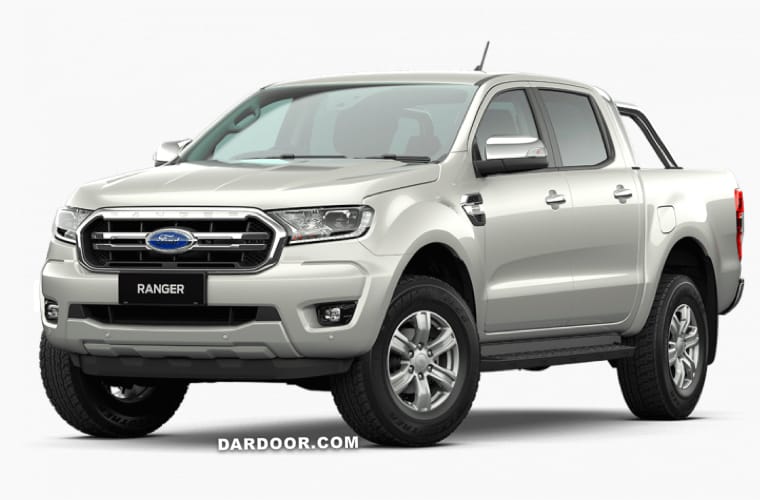
Get the original OEM workshop document for the 2015-2016 Ford Ranger PX MKII Repair Manual, including the wiring diagram, available in PDF format.
📌 Overview
The 2015–2016 Ford Ranger PX MkII (often called PX2 in Australia) is known for strong towing, solid off-road capability, and the popular 3.2L 5-cyl and 2.2L 4-cyl Duratorq turbo-diesels. Like most modern diesels, long term ownership success depends on maintenance, cooling health, and keeping the EGR/DPF system happy.
🧠 Pro tip: Before buying, run a VIN recall check and scan for stored DTCs. Ford and government recall portals list model-year campaigns and VIN ranges.
🧰 Technical Specs & Performance (Typical EU/UK-spec examples)
| Item | Details |
|---|---|
| Engines (diesel) | 2.2 TDCi (approx. 130–160 PS) and 3.2 TDCi (approx. 200 PS) (varies by market/trim). (Ref: Ford EU tech specs PDF) |
| Torque (typical) | Up to ~470 Nm (3.2 TDCi example). (Ref: Ford EU tech specs PDF) |
| Transmissions | 6-speed manual (MT82) and 6-speed auto (6R80) depending on engine/market. (Ref: Ford EU tech specs PDF) |
| Wading depth (rated) | Up to ~800 mm (market/trim dependent). (Ref: Ford EU tech specs PDF) |
| Tow rating (typical) | Up to ~3,500 kg braked in many markets (configuration dependent). (Ref: Ford EU tech specs PDF) |
Notes: Specs vary by region (AU/UK/EU/ZA/ME), cab type (Single/Super/Double), drivetrain (4×2/4×4), and trim. Always confirm exact output/towing limits from your owner’s manual/VIN datasheet.
🔧 Top 10 Common Mechanical Issues (Owner-Reported) — Root Cause & Fix
- DPF clogging / frequent regenerations (diesel)
- Symptoms: DPF warning, limp mode, higher fuel use, hot smell after shutdown, poor throttle response.
- Root cause: Repeated short trips, interrupted regen cycles, soot load buildup; sometimes EGR/boost issues contribute.
- Fix: Force regen (diagnostic tool), check for underlying EGR/boost faults, use correct low-ash oil, drive-cycle habits (longer highway runs). Severe cases: DPF remove/clean/replace (where legal).
- Cost (typical): $150–$400 (forced regen/diagnosis) • $400–$1,200 (cleaning) • $1,200–$3,000+ (replacement).
- EGR valve/cooler issues (soot + heat)
- Symptoms: Rough idle, hesitation, smoke, DTCs, reduced power, occasional overheating if cooler leaks internally.
- Root cause: Carbon buildup in EGR paths; cooler degradation over time (diesel soot + thermal cycling).
- Fix: Inspect/clean EGR valve + intake tract, pressure-test cooler, replace failed components, update ECU calibrations if applicable.
- Cost (typical): $250–$600 (cleaning) • $600–$1,800 (EGR valve/cooler replacement).
- Intercooler hose leaks / boost pipe splits
- Symptoms: Hissing under load, reduced boost/power, black smoke, oily mist around hoses, limp mode.
- Root cause: Age/heat, oil vapor softening rubber, clamp fatigue, hose delamination.
- Fix: Pressure test intake, replace hoses/clamps (often upgraded silicone kits), clean MAP/MAF if contaminated.
- Cost (typical): $120–$450 (parts) • $250–$900 (installed).
- Turbo actuator / VGT control problems
- Symptoms: Underboost/overboost, limp mode, whistle change, poor towing performance, boost-related DTCs.
- Root cause: Soot fouling VGT mechanism, actuator wear, vacuum/boost control leaks.
- Fix: Check vacuum/boost control, clean or replace actuator, inspect turbo for shaft play; address upstream soot causes (EGR/DPF).
- Cost (typical): $250–$800 (actuator/control repair) • $1,200–$3,500+ (turbo replacement).
- Cooling system stress (towing/heat) — radiator/thermostat/hoses
- Symptoms: Temperature creep under load, coolant loss, heater performance changes, fan running hard.
- Root cause: Age + heavy towing, blocked radiator fins, thermostat fatigue, small leaks, degraded coolant.
- Fix: Pressure test, flush with correct coolant, replace thermostat/hoses as needed, ensure radiator/condenser stack is clean.
- Cost (typical): $150–$350 (service/flush) • $400–$1,400 (thermostat/radiator/hoses as required).
- Oil pump / lubrication concerns (rare but severe)
- Symptoms: Low oil pressure warning, ticking/knock, rapid engine noise escalation (stop immediately).
- Root cause: Internal wear/failure scenario highlighted by performance/workshop communities; neglect and oil quality can worsen outcomes.
- Fix: Immediate shutdown, confirm oil pressure mechanically, inspect pickup/pump; repair before damage spreads.
- Cost (typical): $800–$2,500 (pump/related work) • $4,000–$12,000+ (engine damage rebuild/replace).
- Auto transmission heat/shift flare under heavy towing (6R80)
- Symptoms: Shudder, delayed engagement, flare between gears, hotter trans temps, harsh downshifts.
- Root cause: Heat buildup with towing, fluid degradation, valve body wear, torque converter issues in higher mileage units.
- Fix: Correct-spec fluid service, check cooler flow, consider auxiliary trans cooler (towing use), diagnose TCC/valve body.
- Cost (typical): $250–$550 (fluid/filter service) • $900–$2,500 (valve body/TC work) • $3,500–$6,500 (rebuild).
- Front brake hose twist / premature wear (safety campaign)
- Symptoms: Brake warning lamp, longer pedal travel, brake fluid loss (urgent).
- Root cause: Hose twist during assembly can create tight bends and wear under extreme suspension travel. (Safety recall campaign details)
- Fix: Dealer replacement of front brake hoses under recall where applicable.
- Cost (typical): $0 (recall) • $250–$600 (out of recall, both sides).
- Driveline vibrations (tailshaft angles, centre bearing, U-joints)
- Symptoms: Vibration at highway speeds, clunk on takeoff, rumble under load.
- Root cause: Wear in U-joints/centre bearing; lifts can change driveline angles.
- Fix: Inspect driveline, replace worn joints/bearing, balance tailshaft, correct lift geometry.
- Cost (typical): $200–$600 (bearing/joints) • $600–$1,400 (tailshaft rebuild/balance).
- Rear seatback latch spring (safety recall)
- Symptoms: Seatback not locking upright; movement when pulled forward (safety risk).
- Root cause: Latch spring may break causing latch mechanism failure. (Recall notice)
- Fix: Dealer repair/replacement under recall where applicable.
- Cost (typical): $0 (recall) • $150–$600 (out of recall depending on parts/labour).
Sources used for common-fault themes include independent Ranger/PX community writeups and workshop/performance shops; always confirm diagnosis with scan data and physical testing.
Some issues are heavily usage-dependent (towing, short-trip driving, off-road mud/dust). (Examples: Unsealed 4×4 and workshop community summaries)
⚡ Top 10 Common Electrical Issues (Owner-Reported) — Root Cause & Fix
- Transmission “limp mode” / harsh shifting (lead-frame / internal sensor faults — common discussion)
- Symptoms: Wrench/gear warning light, stuck gear, harsh shifts, intermittent limp mode.
- Root cause: Internal transmission sensor/lead-frame related faults are commonly discussed in Ranger communities and troubleshooting articles.
- Fix: Scan TCM, check wiring/connectors, fluid condition, confirm sensor/lead-frame faults and repair as required.
- Cost (typical): $150–$350 (diagnosis) • $600–$2,000 (sensor/valve body related) • $3,500–$6,500 (rebuild if needed).
- Battery drain (parasitic draw)
- Symptoms: Slow crank, flat battery overnight/after a few days, random electrical glitches.
- Root cause: Aftermarket accessories, sticking relays, infotainment modules not sleeping, door latch/BCM wake-ups.
- Fix: Parasitic draw test, isolate circuit, update modules where applicable, fix latch switch faults, verify accessory wiring.
- Cost (typical): $120–$350 (testing) • $200–$1,200 (repair depends on culprit).
- Reverse camera / infotainment glitches (SYNC / head unit)
- Symptoms: Black screen, delayed camera, frozen screen, Bluetooth dropouts.
- Root cause: Firmware bugs, moisture in camera connection, failing camera module.
- Fix: Software update, clean/secure connectors, replace camera if failing.
- Cost (typical): $0–$250 (update/diagnosis) • $250–$900 (camera/module replacement).
- ABS/traction control warning lights (wheel speed sensors)
- Symptoms: ABS/ESC lights, no traction control, odd brake modulation at low speed.
- Root cause: Sensor contamination/damage, wiring chafe, tone ring issues after off-road use.
- Fix: Scan ABS module, inspect sensor/wiring, clean or replace sensor, confirm tone ring integrity.
- Cost (typical): $150–$300 (diagnosis) • $200–$650 (sensor repair).
- Airbag/SRS warning (connectors under seats)
- Symptoms: Airbag light on, stored SRS codes, intermittent after seat movement.
- Root cause: Loose/oxidized connectors, seat wiring strain.
- Fix: Read SRS codes, inspect/secure connectors, repair wiring, clear and re-test.
- Cost (typical): $120–$250 (scan/repair minor) • $250–$900 (harness repair).
- Glow plug / relay circuit faults (diesel starting)
- Symptoms: Hard cold starts, smoke on startup, MIL, glow lamp flashing.
- Root cause: Failed glow plug(s), relay/module, wiring resistance.
- Fix: Test resistance/current draw, replace faulty plugs/relay, verify correct control signals.
- Cost (typical): $250–$800 (plugs + labour) • $150–$450 (relay/module).
- Alternator/regulator undercharge or overcharge
- Symptoms: Battery light, dim lights, random module resets, whine noise.
- Root cause: Alternator wear, regulator faults, poor grounds.
- Fix: Charging system test, load test, repair grounds, replace alternator if weak.
- Cost (typical): $450–$1,200 (alternator installed).
- Central locking/door latch switch faults
- Symptoms: Doors won’t lock/unlock consistently, interior lights stay on, alarm false triggers.
- Root cause: Latch microswitch wear, moisture ingress, broken latch mechanisms.
- Fix: Scan BCM, test latch signals, replace faulty latch/actuator.
- Cost (typical): $250–$750 per door depending on parts.
- Parking sensors / trailer wiring gremlins
- Symptoms: Constant beeping, sensors disabled, trailer lights errors.
- Root cause: Water intrusion in connectors, non-OEM trailer wiring splices, sensor damage.
- Fix: Inspect/clean connectors, restore OEM wiring practices, replace failed sensors.
- Cost (typical): $120–$350 (diagnosis/cleaning) • $200–$900 (repairs).
- Instrument cluster warning “Christmas tree” after off-road (connector/ground issues)
- Symptoms: Multiple warning lights at once, intermittent faults, resets.
- Root cause: Ground straps corrosion, connector contamination, water/mud ingress after deep crossings.
- Fix: Inspect grounds/connectors, dry/clean, apply dielectric protection, scan and clear, re-check after drive cycle.
- Cost (typical): $120–$450 (clean/repair) • $400–$1,500 (if harness repair needed).
✅ Pros & ❌ Cons
| ✅ Pros | ❌ Cons |
|---|---|
| Strong towing capability (often up to ~3,500 kg depending on config). (Ref: Ford EU tech specs PDF) | Modern diesel ownership = DPF/EGR sensitivity if used for short trips. |
| Good off-road fundamentals; rated wading depth up to ~800 mm depending on model. (Ref: Ford EU tech specs PDF) | Heat management matters when towing (cooling + transmission). |
| Wide parts availability and strong aftermarket support. | Some safety campaigns exist (brake hoses, seatback latch, etc.). |
| 3.2L torque feel is excellent for hauling. | Electrical niggles can be time-consuming (draws, sensors, connectors). |
🗓️ Maintenance Schedule (Simple, Owner-Friendly)
| Interval | What to Do | Why it Matters |
|---|---|---|
| Every 10,000–15,000 km (or 6–12 months) | 🛢️ Engine oil + filter (correct spec), inspect belts/hoses, check leaks | Protects turbo + timing components; reduces soot-related stress |
| Every service | 🧽 Air filter check (dusty use), inspect intercooler hoses/clamps | Boost leaks and dust ingestion are expensive |
| Every 20,000–30,000 km | 🛑 Brake inspection, rotate tyres, wheel alignment | Even wear + safer towing and highway braking |
| Every 40,000–60,000 km | 🧰 Transmission service (esp. towing), diff/transfer oils (4×4), fuel filter | Heat + contaminants shorten drivetrain life |
| Every 2–4 years | 🧊 Coolant service + pressure test; inspect thermostat & radiator condition | Prevents overheating under load |
Tip: If you mostly do short trips, schedule regular longer highway runs to support DPF regeneration (and avoid repeated interrupted regens).
🥊 Top 5 Competitors
- 🧩 Toyota Hilux (2015–2020 Wiring Diagram): View on Dardoor ↗
- 🧩 Mitsubishi Triton/L200 (2015–2018 Wiring Diagram): View on Dardoor ↗
- 🧩 Nissan Navara NP300 (2015–2020 Repair Manual): View on Dardoor ↗
- 🧩 Holden Colorado / Chevrolet Colorado (2012–2017 Repair Manual): View on Dardoor ↗
- 🧩 Toyota Hilux (2004–2008 Repair Manual – older gen but same segment): View on Dardoor ↗
🚨 10 Recalls, Advisories & Safety/TSB Highlights (Check by VIN)
- 17S12 (AU): Gearshift cable retaining clip — clip may be insecure; cables can contact driveshaft → difficulty changing gears / loss of drive. (Ranger 2015–2016 AU recall)
- 19S12 (AU): Front brake hoses — hose twist during assembly can cause wear/failure → brake fluid loss and longer stopping distances. (Ranger 2016–2018 AU recall; some MY16 units included)
- 18S06 (AU): Side-door latch pawl spring tab — door may not latch or may unlatch while driving. (Ranger 2010–2016 AU recall includes MY15–MY16)
- 17S04 (AU): Side airbag initiators chemical mixture — may prevent side airbag deployment. (Ranger & Everest 2016–2017 AU recall; some MY16 builds included)
- 16S10 (AU): Rear seatback latch spring — may not lock upright; increased injury risk in collision. (Ranger recall notice)
- Brake hose “warning lamp” guidance — if brake warning lamp illuminates, stop safely and inspect immediately (recall hazard description reinforces urgency).
- Door latch safety guidance — if door won’t latch properly, do not drive until repaired (risk of door opening while driving).
- Seatback latch advisory — do not allow rear passengers until latch engagement is verified/repair completed (recall advisory).
- DPF/EGR drivability complaints (TSB-type theme) — many drivability issues are solved by addressing boost leaks, correct oil spec, and completing regen cycles (common workshop practice).
- Transmission limp/shift concerns (TSB-type theme) — diagnosis often points to sensor/valve body/lead-frame related faults and wiring/connector checks (common diagnostic pathway cited in community writeups).
⚠️ Important: Recalls vary by country and VIN range. Always run a VIN check via your local Ford recall portal and/or your country’s recall database.
🧾 DTC Trouble Code Tables (10 codes each)
🧠 Engine Control Module (ECM) — 10 Common Codes
| Code | Meaning (Typical) | Quick Checks |
|---|---|---|
| P0101 | MAF sensor range/performance | Air leaks, filter, MAF contamination |
| P0299 | Turbo underboost | Boost hoses, clamps, actuator control |
| P0401 | EGR insufficient flow | EGR carbon, cooler flow, intake soot |
| P0404 | EGR control circuit range/performance | Connector, valve position feedback |
| P2002 | DPF efficiency below threshold | Soot load, pressure sensor, leaks |
| P2463 | DPF soot accumulation | Regen history, driving pattern |
| P2263 | Turbo/supercharger boost system performance | Boost leaks, actuator, MAP |
| P0191 | Fuel rail pressure sensor range/performance | Fuel filter, wiring, pressure control |
| P0335 | Crankshaft position sensor circuit | Sensor, harness, signal dropouts |
| P0113 | IAT sensor high input | IAT wiring, connector corrosion |
🧠 Transmission Control Module (TCM) — 10 Common Codes
| Code | Meaning (Typical) | Quick Checks |
|---|---|---|
| P0700 | Transmission control system malfunction | Pull detailed TCM codes |
| P0720 | Output speed sensor circuit | Sensor, wiring, connector |
| P0715 | Input/turbine speed sensor circuit | Sensor, harness, internal faults |
| P0731 | Gear 1 incorrect ratio | Fluid, clutch/valve body diagnosis |
| P0732 | Gear 2 incorrect ratio | Same: ratio + slip checks |
| P0741 | TCC performance or stuck off | TC lockup data, fluid, solenoid |
| P0751 | Shift solenoid A performance/stuck | Solenoid, valve body, debris |
| P0761 | Shift solenoid C performance/stuck | Solenoid & wiring checks |
| P0871 | Transmission fluid pressure sensor/switch range | Pressure readings, wiring |
| P2701 | Friction element apply time out of range | Internal wear vs valve body |
🛑 ABS / ESC (Brake System) — 10 Common Codes
| Code | Meaning (Typical) | Quick Checks |
|---|---|---|
| C003A | Wheel speed sensor (generic) | Sensor, tone ring, wiring |
| C0040 | Wheel speed sensor circuit | Continuity + connector |
| C1095 | ABS hydraulic pump motor | Power/ground, relay |
| C1300 | ABS module fault | Battery/grounds, module diag |
| C1145 | Yaw rate sensor | Calibration, sensor supply |
| C1155 | Steering angle sensor | Alignment + recalibration |
| C1236 | Wheel speed mismatch | Tyre sizes, sensor issues |
| C1440 | Brake switch plausibility | Brake switch, BCM input |
| U0121 | Lost comm with ABS module | CAN wiring, power/grounds |
| U0415 | Invalid data from ABS module | Network + module checks |
🎈 SRS Airbag System — 10 Common Codes
| Code | Meaning (Typical) | Quick Checks |
|---|---|---|
| B0020 | Driver airbag circuit | Clock spring, connectors |
| B0028 | Passenger airbag circuit | Wiring, connectors |
| B0050 | Seatbelt pretensioner | Seat wiring, connector |
| B0073 | Occupant classification system | Calibration, sensor mat |
| B0092 | Side airbag circuit | Seat/side module connectors |
| B0100 | SRS module internal | Battery events, module test |
| B1193 | Crash sensor fault | Sensor supply/ground |
| U0151 | Lost comm with restraints control | CAN wiring, module power |
| B1213 | Side curtain airbag | Connector + module checks |
| B1342 | ECU is defective (generic) | Confirm with scan + test plan |
🧩 Body Control / CAN Communication — 10 Common Codes
| Code | Meaning (Typical) | Quick Checks |
|---|---|---|
| U0100 | Lost comm with ECM/PCM | CAN wiring, grounds |
| U0101 | Lost comm with TCM | Network, module power |
| U0121 | Lost comm with ABS | CAN, fuses, grounds |
| U0140 | Lost comm with BCM | BCM power, connectors |
| U0155 | Lost comm with cluster | Cluster supply + CAN |
| B1318 | Battery voltage low | Battery, alternator, grounds |
| B1325 | System voltage high | Regulator test |
| B1D02 | Door latch/ajar circuit | Latch microswitch, harness |
| B1B70 | Central locking fault (generic) | Actuator, BCM outputs |
| U3003 | Battery voltage / power supply issue | Load test, grounds |
Note: These are common “starter” codes seen across many vehicles. Exact definitions can vary by market calibration and scan tool database.
❓ FAQ
Is the 3.2L Ranger PX MkII reliable?
Generally strong when maintained, but diesel emissions hardware (DPF/EGR) + boost leaks are common pain points. Towing owners should be strict about cooling and transmission servicing.
What’s the biggest “must check” before buying?
Run a VIN recall check (brake hoses, door latch, seatback latch, etc.), scan for DTCs, and inspect for boost hose oil mist/leaks and evidence of frequent DPF regens.
Why does it go into limp mode under load?
Often boost leaks, EGR/DPF soot load, turbo control issues, or transmission sensor/shift control faults. A scan tool + live boost/rail pressure data usually pinpoints it.
How do I reduce DPF problems?
Use correct oil, keep the engine healthy (no boost leaks), avoid repeated short trips, and let regenerations finish—regular highway drives help.
Are recalls country-specific?
Yes. The same model year may have different campaigns across Australia, Europe, South Africa, and the Middle East. Always check your local Ford/recall authority site.
Is the 6-speed auto (6R80) good for towing?
It can be, but heat is the enemy. Regular correct-spec fluid service and cooler health matter—especially if towing heavy in hot climates.
🏁 Final Verdict
The 2015–2016 Ford Ranger PX MkII is a capable all-round ute with excellent towing and off-road fundamentals, but it rewards owners who stay ahead of maintenance—especially for DPF/EGR, cooling, and boost plumbing. If your typical driving is short urban trips, expect higher diesel-system maintenance risk. For buyers who tour/tow and service on time, it can be a strong long-term workhorse.
✅ Best for: Towing, touring, and mixed highway driving with disciplined servicing.
⚠️ Be cautious if: Mostly short trips, unknown service history, or active warning lights/recall status not confirmed.
⚠️ Be cautious if: Mostly short trips, unknown service history, or active warning lights/recall status not confirmed.