

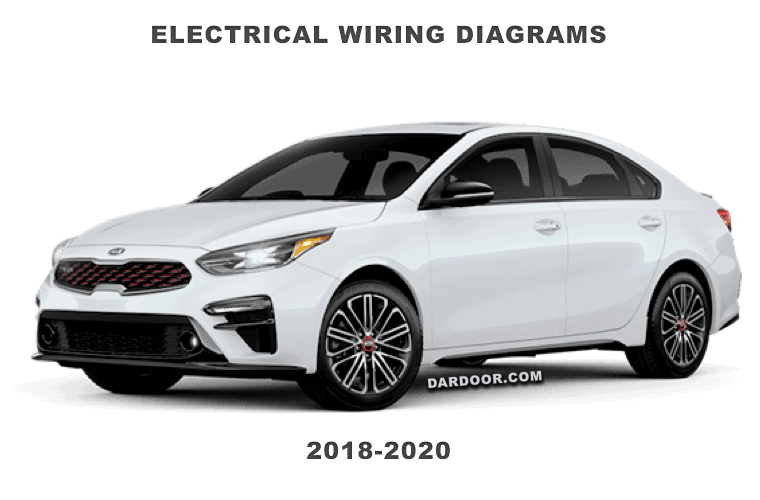
Get the official electrical workshop document for the 2018-2020 Kia Forte wiring diagram (also known as Cerato) in a convenient PDF format.
2018-2020 Kia Forte Wiring Diagram
$16.90
Original OEM Workshop Electrical Manual for 2018-2020 Kia Forte (Cerato) Wiring Diagram
Get the official electrical workshop document for the 2018-2020 Kia Forte wiring diagram (also known as Cerato) in a convenient PDF format. This OEM manual provides detailed wiring diagrams and comprehensive instructions, trusted by Kia dealership technicians for diagnosing and repairing your vehicle’s electrical systems.
| File Format | |
| File Language | English |
| Workshop Repair Manual | 83 MB |
| Page Count | 273 |
| Delivery Method | Instant Download |
Key Features:
- Complete and accurate wiring diagrams for all electrical systems
- Manufacturer-authorized procedures for diagnostics and repairs
- User-friendly PDF format for easy navigation
- Designed for both professional electricians and DIY enthusiasts
Ensure precision and confidence in maintaining your Kia Forte’s electrical systems with this trusted OEM manual.
This manual includes the procedures for maintenance, disassembling, reassembling, inspection, and adjustment of components and diagnostics for the guidance of experienced mechanics. Please peruse and utilize this manual fully to ensure complete repair work to keep your vehicle in optimum condition. Before you buy this manual check first if your car is subject to Kia service recall so the local dealer can repair your car FREE of charge. When replacing parts during repair work, please make sure to use genuine OEM spare parts.
Table of Contents : 2018-2020 Kia Forte Wiring Diagram (Cerato)
Sample Pages
CAUTION: Please note that this manual is made for the use of persons who have special techniques and certifications. If non-specialized or uncertified technicians perform repairs or services only using this manual or without proper equipment or tools, this may cause severe injury to you or other persons nearby and also cause damage to your vehicle. To prevent dangerous operations and damage to your vehicle, please be sure to follow the instructions thoroughly.
2018–2020 Kia Forte: Comprehensive Buyer’s Guide
Overview
The 2018–2020 Kia Forte is a compact sedan that entered its third generation in 2019. The 2018 model was the final year of the second generation, while 2019 brought a complete redesign with improved styling, technology, and efficiency.
2018 Model (2nd Generation)
- Available in LX, S, and EX trims
- More conservative styling
- Older platform shared with previous generation
2019–2020 Models (3rd Generation)
- Complete redesign with sleeker, sportier styling
- New platform with improved handling
- Available in FE, LXS, S, EX, and GT trims
- GT trim adds performance-focused features
Technical Specifications
2018 Kia Forte
Engine Options:
- Base: 2.0L 4-cylinder, 147 hp, 132 lb-ft torque
- Upgraded: 1.6L turbocharged 4-cylinder (EX trim), 201 hp, 195 lb-ft torque
Transmission:
- 6-speed manual (base engine only)
- 6-speed automatic
- 7-speed dual-clutch automatic (1.6T)
Dimensions:
- Length: 179.5 inches
- Wheelbase: 106.3 inches
- Cargo: 14.9 cubic feet
Fuel Economy (EPA):
- 2.0L: 29/38 mpg (city/highway)
- 1.6T: 26/32 mpg
2019–2020 Kia Forte
Engine Options:
- Base: 2.0L 4-cylinder, 147 hp, 132 lb-ft torque
- GT: 1.6L turbocharged 4-cylinder, 201 hp, 195 lb-ft torque
Transmission:
- CVT (Continuously Variable Transmission) – standard on most trims
- 6-speed manual (S trim with 2.0L)
- 7-speed dual-clutch automatic (GT)
Dimensions:
- Length: 182.7 inches
- Wheelbase: 106.3 inches
- Cargo: 15.3 cubic feet
Fuel Economy (EPA):
- 2.0L CVT: 31/41 mpg (city/highway)
- 1.6T: 27/32 mpg
Safety:
- Forward Collision Warning/Avoidance Assist
- Lane Keeping Assist
- Driver Attention Warning (standard on most trims)
Top 10 Mechanical & Electrical Issues
1. Engine Stalling/Loss of Power (2019–2020)
Symptoms: Engine suddenly stalls while driving, loss of acceleration, inability to restart, check engine light
Root Cause: Faulty fuel pump that fails to maintain proper fuel pressure, leading to fuel starvation
Fix: Replace fuel pump assembly
Cost: $400–$800 (covered under recall for many vehicles)
2. Dual-Clutch Transmission Shuddering (2018–2020 with DCT)
Symptoms: Vibration or shuddering during acceleration from stop, jerky shifts, hesitation at low speeds
Root Cause: Clutch pack wear, inadequate transmission fluid cooling, software calibration issues
Fix: Software update, transmission fluid replacement, or clutch pack replacement in severe cases
Cost: $150–$300 (software/fluid), $2,000–$4,000 (clutch replacement)
3. CVT Transmission Whining/Juddering (2019–2020)
Symptoms: Whining noise during acceleration, shuddering, slipping sensation, delayed engagement
Root Cause: CVT belt/pulley wear, fluid contamination, or internal component failure
Fix: CVT fluid change, software update, or CVT replacement in severe cases
Cost: $200–$400 (fluid/software), $3,500–$5,500 (CVT replacement)
4. Theta II Engine Bearing Failure (2018 with 2.0L)
Symptoms: Knocking noise from engine, metal shavings in oil, loss of oil pressure, engine seizure
Root Cause: Manufacturing defect causing inadequate bearing clearance and premature bearing wear
Fix: Engine replacement or rebuild
Cost: $5,000–$8,000 (potentially covered under extended warranty/recall)
5. Electronic Power Steering (EPS) Failure
Symptoms: Heavy steering, warning light on dashboard, loss of power assist, steering becomes difficult
Root Cause: EPS motor/control module failure due to electrical issues or internal component wear
Fix: Replace EPS motor or control module
Cost: $800–$1,500
6. Infotainment System Freezing/Black Screen
Symptoms: Touchscreen unresponsive, system reboots randomly, black screen, audio cuts out, no backup camera display
Root Cause: Software bugs, corrupted firmware, or head unit hardware failure
Fix: Software update/reset, or head unit replacement
Cost: $0–$150 (software update), $800–$1,500 (head unit replacement)
7. Air Conditioning Compressor Failure
Symptoms: No cold air, loud grinding/squealing noise from engine bay, AC clutch not engaging, intermittent cooling
Root Cause: Compressor bearing failure, clutch failure, or internal seal leaks
Fix: Replace AC compressor and receiver-drier, evacuate and recharge system
Cost: $800–$1,400
8. Rear Brake Caliper Seizing
Symptoms: Rear brake dragging, burning smell, reduced fuel economy, uneven brake pad wear, pulling to one side
Root Cause: Caliper piston or slider pins corroding and seizing due to moisture and road salt
Fix: Replace rear brake calipers, pads, and resurface/replace rotors
Cost: $400–$700 (both rear calipers)
9. Headlight Condensation/Failure
Symptoms: Moisture inside headlight housing, reduced visibility at night, headlight bulbs burning out prematurely
Root Cause: Poor seal on headlight housing allowing moisture infiltration, or defective headlight assembly
Fix: Replace headlight assembly with improved seal design
Cost: $300–$600 per side
10. Battery Drain/Electrical System Issues
Symptoms: Dead battery after sitting overnight, electrical accessories not working, warning lights, difficulty starting
Root Cause: Parasitic draw from faulty module (often BlueLink telematics), alternator failure, or weak battery
Fix: Diagnose parasitic draw, replace faulty module/fuse, or replace battery/alternator
Cost: $150–$300 (battery), $500–$800 (alternator), $200–$500 (module diagnosis/repair)
Top 5 Competitors
1. Honda Civic (2018–2020)
- Strengths: More refined driving dynamics, better resale value, excellent reliability reputation, more powerful base engine (158 hp)
- Weaknesses: Higher price, smaller trunk (14.7 cu ft in sedan)
- Best For: Buyers prioritizing long-term reliability and driving enjoyment
2. Toyota Corolla (2018–2020)
- Strengths: Outstanding reliability, excellent fuel economy (up to 40 mpg highway), strong resale value, Toyota Safety Sense standard
- Weaknesses: Less engaging to drive, dated interior (pre-2020), CVT can feel sluggish
- Best For: Reliability-focused buyers seeking low cost of ownership
3. Mazda3 (2018–2020)
- Strengths: Upscale interior, engaging handling, refined ride quality, premium feel
- Weaknesses: Smaller rear seat, less cargo space (13.2 cu ft), higher price
- Best For: Buyers wanting a more premium, driver-focused compact sedan
4. Hyundai Elantra (2018–2020)
- Strengths: Shares platform/powertrain with Forte, excellent warranty (10yr/100k powertrain), competitive pricing, good features
- Weaknesses: Similar reliability concerns as Forte, average driving dynamics
- Best For: Value shoppers wanting comprehensive warranty coverage
5. Nissan Sentra (2018–2020)
- Strengths: Comfortable ride, spacious interior, competitive pricing, user-friendly tech
- Weaknesses: CVT reliability concerns, underwhelming performance, lower resale value
- Best For: Comfort-focused buyers on a budget (but Honda/Toyota generally better choices)
Top 10 Recalls, Advisories & TSB Highlights
Recalls
1. Fuel Pump Failure (NHTSA 20V-750, 21V-928)
- Affected: 2019–2020 Forte
- Issue: Fuel pump may fail, causing engine stalling and potential crash risk
- Action: Dealer replaces fuel pump assembly free of charge
2. Engine Fire Risk – No Recall Yet (Under Investigation)
- Affected: 2018–2020 with Theta II 2.0L engine
- Issue: Engine bearing failure can lead to oil starvation, seizure, and potential fire
- Action: NHTSA investigating; monitor oil consumption, check for recalls
3. Incorrect Owner’s Manual Information
- Affected: 2019 Forte
- Issue: Owner’s manual contains incorrect tire pressure specifications
- Action: Dealer provides corrected information
4. Anti-Lock Brake System (ABS) Module Failure
- Affected: 2018 Forte (certain production dates)
- Issue: ABS module may fail, increasing crash risk
- Action: Dealer replaces ABS module
5. Software Update for Forward Collision Avoidance
- Affected: 2019–2020 Forte
- Issue: Forward Collision Avoidance Assist may not detect vehicles properly
- Action: Dealer performs software update
Technical Service Bulletins (TSBs)
6. TSB: Dual-Clutch Transmission Shudder
- Affected: 2018–2020 Forte with DCT
- Issue: Transmission shuddering during light acceleration
- Fix: Software update and transmission fluid change procedure
7. TSB: Infotainment System Reset Procedure
- Affected: 2019–2020 Forte
- Issue: Head unit freezing or operating slowly
- Fix: Software update and system reset procedure
8. TSB: Wind Noise from Windows
- Affected: 2019–2020 Forte
- Issue: Excessive wind noise from front door windows at highway speeds
- Fix: Window weatherstrip replacement or adjustment
9. TSB: Sunroof Rattle/Noise
- Affected: 2019–2020 Forte with sunroof
- Issue: Rattle or squeaking noise from sunroof area
- Fix: Sunroof seal adjustment or glass adjustment procedure
10. TSB: Engine Knock/Rattle on Cold Start
- Affected: 2018–2020 with 2.0L engine
- Issue: Brief knocking noise during cold start (normal characteristic)
- Fix: Information bulletin explaining this is normal GDI engine characteristic; monitor for worsening
Maintenance Schedule
Every 6 Months or 7,500 Miles (Whichever Comes First)
Oil Change Interval:
- Conventional oil: 3,000–5,000 miles
- Synthetic blend: 5,000–7,500 miles
- Full synthetic: 7,500–10,000 miles (follow Kia’s recommendation)
Basic Maintenance:
- Engine oil and filter change
- Tire rotation
- Visual inspection (brakes, fluid levels, belts, hoses)
- Check tire pressure and tread depth
Every 15,000 Miles
- Air filter inspection (replace if dirty)
- Cabin air filter replacement
- Brake fluid inspection
- Check battery condition
Every 30,000 Miles
- Replace engine air filter
- Replace cabin air filter (if not done at 15k)
- Inspect brake pads and rotors
- Inspect suspension components
- Coolant level check
- Transmission fluid inspection (especially DCT and CVT)
Every 45,000 Miles
- Replace spark plugs (for 2.0L engine)
- Inspect drive belts
- Inspect exhaust system
- Rotate tires
Every 60,000 Miles
- Major service interval
- Replace transmission fluid (CVT and DCT – critical)
- Replace coolant (first time, then every 30k miles)
- Replace brake fluid
- Inspect all fluids and filters
- Timing chain inspection (2.0L)
- Fuel filter inspection
Every 90,000 Miles
- Replace spark plugs (1.6T engine)
- Replace transmission fluid again
- Inspect timing chain and tensioner
As Needed
- Brake pad replacement: typically 30,000–70,000 miles
- Tire replacement: typically 40,000–70,000 miles
- Battery replacement: typically 3–5 years
- Wiper blades: annually or as needed
Important Notes:
- Severe driving conditions (frequent short trips, extreme temperatures, towing) require more frequent maintenance
- Always check your owner’s manual for specific recommendations
- DCT and CVT transmissions require fluid changes more frequently than traditional automatics
- Keep all maintenance records for warranty claims
10 FAQs for Buyers
1. Is the 2018–2020 Kia Forte reliable?
The Forte has average to below-average reliability for these years. The 2018 model shares the Theta II engine concerns with other Kia/Hyundai models (bearing failures, potential fires). The 2019–2020 models had widespread fuel pump failures resulting in recalls. The dual-clutch and CVT transmissions have also shown issues. However, many owners have trouble-free experiences, especially with proper maintenance.
Verdict: Less reliable than Honda Civic or Toyota Corolla, but Kia’s 10-year/100,000-mile warranty provides protection.
2. Should I avoid the turbocharged 1.6L engine?
Not necessarily. The 1.6T provides significantly better performance (201 hp vs. 147 hp) and is more enjoyable to drive. However, it does require premium fuel and has more complex components that could require expensive repairs out of warranty. The dual-clutch transmission paired with it has had shuddering issues.
Recommendation: Fine if you want more performance and plan to keep the car within warranty. Otherwise, the 2.0L is simpler and cheaper to maintain.
3. Which transmission should I choose?
- 6-speed manual: Most reliable and engaging, but rare
- 6-speed automatic (2018): Traditional and generally reliable
- CVT (2019–2020): Good fuel economy but has shown some reliability issues; less engaging
- 7-speed DCT (turbocharged models): Performance-oriented but prone to shuddering; expensive to repair
Best choice: CVT for efficiency and acceptable reliability with proper maintenance; manual if you enjoy driving engagement.
4. What’s the difference between 2018 and 2019 models?
Major differences:
- Complete redesign in 2019: new platform, exterior, interior
- Transmission: 2018 had 6-speed auto; 2019+ switched to CVT
- Technology: 2019+ has newer infotainment, better safety features
- Fuel economy: 2019–2020 improved (31/41 mpg vs. 29/38 mpg)
- Size: 2019+ slightly longer and more spacious
Should you pay more for 2019+? Yes, if the price difference is reasonable. The 2019+ is a significantly improved vehicle.
5. How does the Forte’s warranty compare to competitors?
Kia Forte:
- 5 years/60,000 miles basic
- 10 years/100,000 miles powertrain
- 5 years/100,000 miles anti-perforation
Honda Civic/Toyota Corolla:
- 3 years/36,000 miles basic
- 5 years/60,000 miles powertrain
Verdict: Kia’s warranty is significantly better and is a major selling point, especially given reliability concerns.
6. What should I check when buying a used Forte?
Critical checks:
- Service history: Verify regular oil changes (critical for engine longevity)
- Recall completion: Check if fuel pump and other recalls were completed
- Transmission operation: Test drive in various conditions; check for shuddering/slipping
- Engine noise: Listen for knocking, especially on cold start
- Oil consumption: Check oil level and condition; look for leaks
- Check engine light history: Run OBD-II scanner for stored codes
- CarFax/AutoCheck: Look for accidents, flood damage, or odometer discrepancies
- Pre-purchase inspection: Have independent mechanic inspect, especially for engine/transmission
Red flags: Engine knocking, excessive oil consumption, transmission issues, incomplete recalls, missing service records.
7. What’s the fuel economy in real-world driving?
2018 (2.0L with 6-speed auto):
- City: 26–28 mpg
- Highway: 35–38 mpg
- Combined: 29–32 mpg
2019–2020 (2.0L with CVT):
- City: 28–31 mpg
- Highway: 38–42 mpg
- Combined: 32–36 mpg
1.6T (both years):
- City: 24–26 mpg
- Highway: 30–33 mpg
- Combined: 27–29 mpg
The CVT-equipped 2019–2020 models achieve better real-world fuel economy, especially in highway driving.
8. How much does it cost to maintain?
Annual maintenance costs (estimate):
- Years 1–3: $400–$700 (covered by warranty)
- Years 4–5: $800–$1,200
- Years 6–10: $1,200–$1,800
Major expenses to anticipate:
- Brake job: $300–$600
- Tire replacement: $400–$800
- Transmission service: $200–$400
- Timing chain service: $800–$1,500
- CVT/DCT failure (out of warranty): $3,500–$5,500
Verdict: Comparable to other compact sedans when within warranty; potentially higher after warranty expires if major components fail.
9. Does the Forte hold its value?
Depreciation:
- Year 1: ~20–25% loss
- Year 3: ~40–50% loss
- Year 5: ~55–65% loss
Compared to competitors:
- Honda Civic: 45–55% (5-year)
- Toyota Corolla: 48–58% (5-year)
- Mazda3: 50–60% (5-year)
Verdict: Forte depreciates faster than Honda and Toyota, similar to Nissan. This is good for used buyers but not for new buyers planning to resell.
10. Is the GT trim worth the extra cost?
GT adds:
- 1.6L turbo engine (201 hp)
- 7-speed DCT
- Sport-tuned suspension
- 18-inch wheels
- Upgraded interior
- Additional tech features
Cost premium: $4,000–$6,000 over base models
Worth it if: You value performance and driving engagement, plan to keep within warranty, and accept premium fuel costs.
Not worth it if: You prioritize reliability, fuel economy, and lower maintenance costs. The base 2.0L is adequate for most drivers.
Final Buyer Recommendations
✅ BUY if:
- You want strong warranty coverage – The 10-year/100,000-mile powertrain warranty is one of the best in the industry
- Budget-conscious – Excellent value with lots of features for the money; depreciates quickly, making used models affordable
- 2019–2020 models appeal to you – The redesigned generation is significantly improved over 2018
- You maintain vehicles properly – Regular maintenance (especially transmission fluid changes) prevents many issues
- Low-mileage examples – Cars with documented service history and under 50,000 miles are safer bets
- You’ll keep it within warranty – Maximum protection during ownership
⚠️ PROCEED WITH CAUTION if:
- Buying a 2018 model – Higher risk due to Theta II engine concerns; ensure all recalls completed
- High mileage (80,000+) – Approaching end of powertrain warranty; transmission and engine issues more likely
- DCT transmission models – Dual-clutch has shown reliability issues; ensure warranty coverage
- No service history – Without documentation, impossible to know if critical maintenance was performed
- You plan long-term ownership (10+ years) – Higher risk of expensive repairs after warranty expires
❌ AVOID if:
- You prioritize reliability above all – Honda Civic and Toyota Corolla are significantly more reliable
- Strong resale value matters – Forte depreciates faster than Japanese competitors
- You can’t afford post-warranty repairs – Potential for expensive transmission/engine issues
- Evidence of neglect – Missing oil changes, incomplete recalls, check engine lights
- Signs of engine problems – Knocking, excessive oil consumption, warning lights
- Transmission issues present – Shuddering, slipping, or hesitation indicate expensive repairs ahead
Best Choice Configuration
For most buyers: 2019–2020 Kia Forte LXS or S with 2.0L engine and CVT transmission
- Good balance of features, efficiency, and reliability
- Avoid first year of 2018 and complexity of turbo/DCT
- Certified Pre-Owned (CPO) extends warranty to 10yr/100k from original in-service date
💡 Smart Buying Strategy:
- Target price range: $12,000–$18,000 (depending on year/mileage)
- Ideal mileage: 20,000–50,000 miles
- Must-have: Complete service records and recall completion verification
- Get pre-purchase inspection: Especially focus on engine (oil consumption, noises) and transmission operation
- Check NHTSA.gov: Search VIN for open recalls and safety investigations
- Consider CPO: Extended warranty worth the premium given reliability concerns
- Budget for maintenance: Set aside $100–150/month for future repairs
Our Overall Verdict
The 2018–2020 Kia Forte is a solid value proposition with an excellent warranty, but it’s not the most reliable compact sedan. The 2019–2020 models represent a significant improvement over 2018. If you can find a well-maintained example with service records, complete recalls, and remaining warranty coverage, it’s a sensible purchase—especially for budget-conscious buyers who value features and warranty protection over long-term reliability and resale value.
However, if reliability is your top priority and you can afford the premium, the Honda Civic or Toyota Corolla from these same years are superior choices with better long-term ownership experiences.
Best for: Value-focused buyers, first-time car buyers, those who maintain vehicles well and keep them within warranty
Not ideal for: Reliability-focused buyers, those keeping cars 10+ years, buyers unable to afford post-warranty repairs
Related products
-

2007 Kia Rondo Repair Manual
$14.90 Add to cart -

2015-2018 Kia Sorento Repair Manual
$16.90 Add to cart -
2012-2013 Kia Rondo Repair Manual
$16.90 Add to cart -
2009 Kia Rondo Repair Manual
$16.90 Add to cart -

2016 Kia Sportage Repair Manual
$16.90 Add to cart -

2011-2015 Kia Sportage Repair Manual
$19.90 Add to cart -
2011 Kia Forte Repair Manual
$16.90 Add to cart -

2008 Kia Sedona Repair Manual
$14.90 Add to cart