

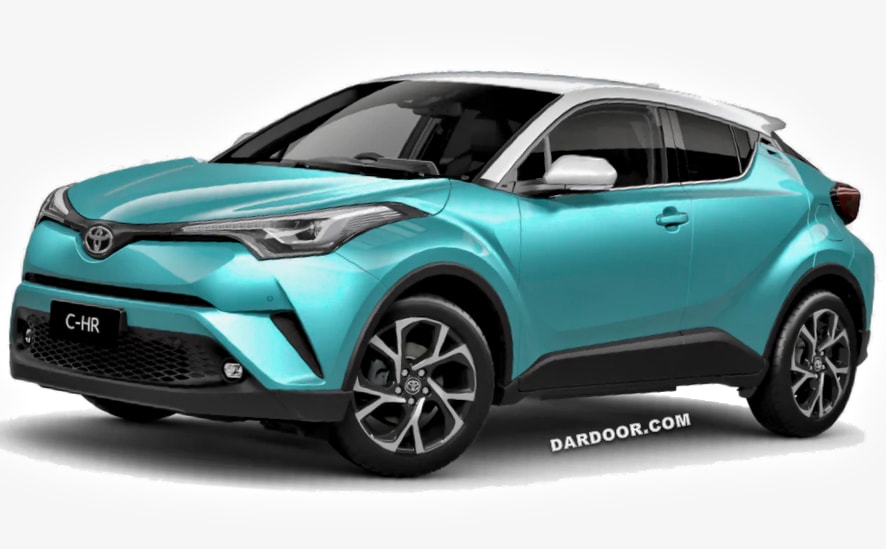
This is the original OEM workshop manual for the 2016-2018 Toyota C-HR Wiring Diagram, (LHD & RHD) in PDF.
2016-2018 Toyota C-HR Wiring Diagram
$24.00
This is the original OEM workshop manual for the 2016-2018 Toyota C-HR Wiring Diagram, (LHD & RHD) in PDF.
Engines Covered: –
- NGX10L, NGX10R، NGX50L، NGX50RM، ZGX10L, 8NR-FTS & 3ZR-FAE.
Reference Manual :
- EM32H2E
| File Format | |
| File Language | English |
| You’ll Get | 18.6 MB |
| Pages Count | 1,361 |
| Delivery Method | Instant Download |
| Searchable & Printable | YES |
The Toyota C-HR is a subcompact crossover SUV manufactured by Toyota since 2016. The C-HR is based on the same TNGA-C (GA-C) platform as the E210 series Corolla and is positioned between the Corolla Cross and Yaris Cross by size.
The production of the C-HR was revealed at the March 2016 Geneva Motor Show and started production in November 2016. It was launched in Japan on 14 December 2016. It went on sale in Europe, Australia, South Africa and North America in early 2017, and in Southeast Asia, China and Taiwan in 2018. The name C-HR can stand for either Compact High Rider, Cross Hatch Run or Coupe High Rider.
CONTENTS: 2016-2018 Toyota C-HR Wiring Diagram
- Overall Electrical Wiring Diagram
- Relay Locations
- Electrical Wire Routing
- System Wiring Diagram
Sample Pages
CAUTION: Please note that this electrical wiring manual is made for the use of persons who have special techniques and certifications. If non-specialized or uncertified technicians perform repairs or services only using this manual or without proper equipment or tools, this may cause severe injury to you or other persons nearby and also cause damage to your vehicle. Please follow the instructions to prevent dangerous operations and damage to your vehicle.
2016–2018 Toyota C-HR: Comprehensive Guide
Overview
The Toyota C-HR (Coupe High-Rider) is a subcompact crossover SUV that debuted globally in 2016, arriving in North America for the 2018 model year. It features bold, angular styling aimed at younger buyers and emphasizes style over utility.
Key Characteristics:
- Distinctive, polarizing design with dramatic body lines
- Focus on urban driving and fuel efficiency
- Limited cargo space compared to competitors
- Strong emphasis on safety features
- Front-wheel drive only in North America (AWD available in other markets)
Technical Specifications
Engine & Performance
- Engine: 2.0L 4-cylinder (3ZR-FAE)
- Horsepower: 144 hp @ 6,100 rpm
- Torque: 139 lb-ft @ 3,900 rpm
- Transmission: CVT (Continuously Variable Transmission)
- Drivetrain: Front-wheel drive (FWD) only in North America
- 0-60 mph: ~9.0-9.5 seconds
- Top Speed: ~118 mph (electronically limited)
Fuel Economy (EPA Estimates)
- City: 27 mpg
- Highway: 31 mpg
- Combined: 29 mpg
- Fuel Tank: 13.2 gallons
Dimensions & Capacity
- Length: 171.2 inches
- Width: 70.7 inches
- Height: 61.6 inches
- Wheelbase: 103.9 inches
- Curb Weight: 3,300–3,415 lbs
- Seating Capacity: 5 passengers
- Cargo Space: 19.0 cubic feet (36.4 cu ft with rear seats folded)
- Ground Clearance: 5.9 inches
Suspension & Brakes
- Front Suspension: MacPherson strut
- Rear Suspension: Double wishbone
- Front Brakes: 11.7-inch ventilated discs
- Rear Brakes: 11.1-inch solid discs
- Wheels: 17-inch or 18-inch alloy (depending on trim)
Safety Features
- Toyota Safety Sense P (TSS-P) standard:
- Pre-Collision System with Pedestrian Detection
- Lane Departure Alert with Steering Assist
- Automatic High Beams
- Dynamic Radar Cruise Control
- 10 airbags standard
- Star Safety System (VSC, traction control, ABS, brake assist, etc.)
Trim Levels (2018 North America)
- XLE: Base trim with standard features
- XLE Premium: Adds leather-trimmed seats, heated front seats, blind spot monitoring, rear cross-traffic alert
Top 10 Mechanical & Electrical Issues
1. CVT Transmission Shuddering/Hesitation
- Symptoms: Vibration or shuddering during acceleration, hesitation when accelerating from a stop, rough shifting behavior
- Root Cause: CVT fluid degradation, software calibration issues, or internal CVT component wear
- Fix: CVT fluid flush and software update; severe cases may require CVT replacement
- Cost: $150–$300 (fluid/software); $3,500–$6,000 (CVT replacement)
2. Brake System Noise (Squeaking/Grinding)
- Symptoms: Squeaking, squealing, or grinding noises when braking, particularly at low speeds
- Root Cause: Brake pad material design, dust accumulation, or inadequate lubrication on slide pins
- Fix: Brake pad replacement with updated pads, rotor resurfacing/replacement, caliper cleaning and lubrication
- Cost: $250–$500 (pads); $400–$700 (pads and rotors)
3. Infotainment System Freezing/Unresponsive Touchscreen
- Symptoms: Touchscreen becomes unresponsive, system freezes, slow response times, Bluetooth connectivity issues
- Root Cause: Software glitches, outdated firmware, or overheating of infotainment unit
- Fix: Software update/reflash, system reset, or head unit replacement in severe cases
- Cost: $0–$150 (software update); $800–$1,500 (unit replacement)
4. Excessive Wind Noise
- Symptoms: Wind noise around windows and mirrors at highway speeds, whistling sounds
- Root Cause: Design of exterior mirrors and A-pillar geometry, door seal gaps
- Fix: Door seal adjustment/replacement, mirror design modification (limited dealer fixes available)
- Cost: $100–$300 (seal replacement); often no permanent fix available
5. Air Conditioning System Issues
- Symptoms: Weak cooling performance, intermittent AC operation, unusual noises from AC system
- Root Cause: Refrigerant leaks, compressor clutch failure, or evaporator issues
- Fix: Refrigerant recharge, leak repair, compressor or evaporator replacement
- Cost: $150–$300 (recharge); $500–$1,200 (compressor); $800–$1,500 (evaporator)
6. Dashboard Rattles and Interior Squeaks
- Symptoms: Rattling noises from dashboard, door panels, or center console, especially on rough roads
- Root Cause: Loose clips, inadequate padding between plastic panels, manufacturing tolerances
- Fix: Locate source and secure clips, add foam padding, tighten fasteners
- Cost: $50–$200 (DIY foam/clips); $200–$500 (dealer labor)
7. Rear Hatch/Liftgate Issues
- Symptoms: Difficulty opening or closing rear hatch, hatch won’t stay open, rattling from liftgate area
- Root Cause: Weak hatch struts, latch mechanism misalignment, or striker adjustment needed
- Fix: Replace hatch struts, adjust latch mechanism, lubricate hinges
- Cost: $150–$400 (struts); $100–$250 (adjustment)
8. Headlight Condensation
- Symptoms: Moisture/condensation inside headlight assemblies after rain or car wash
- Root Cause: Inadequate sealing or blocked headlight ventilation ports
- Fix: Clear ventilation ports, reseal headlight assembly, or replace headlight housing
- Cost: $50–$150 (resealing); $300–$600 per headlight (replacement)
9. Battery Drain Issues
- Symptoms: Dead battery after vehicle sits for several days, difficulty starting, electrical system warnings
- Root Cause: Parasitic drain from infotainment system or other electrical components staying active
- Fix: Software update to reduce parasitic draw, identify and repair faulty component, battery replacement
- Cost: $0–$150 (software fix); $150–$250 (battery replacement)
10. Fuel Tank/Evaporative System Check Engine Light
- Symptoms: Check engine light illuminated, codes related to EVAP system (P0441, P0456), fuel smell
- Root Cause: Faulty fuel tank pressure sensor, purge valve malfunction, or loose/cracked EVAP hoses
- Fix: Replace fuel tank pressure sensor, purge valve, or repair EVAP system hoses
- Cost: $150–$350 (sensor/valve); $200–$500 (hose repairs)
Top 5 Competitors
1. Honda HR-V (2016-2022)
- Pros: Superior cargo versatility (Magic Seat), better rear seat space, available AWD, more refined CVT
- Cons: Less powerful engine, less bold styling
- Price Range: Similar to C-HR
2. Mazda CX-3 (2016-2021)
- Pros: More engaging driving dynamics, upscale interior, available AWD, better acceleration
- Cons: Significantly less cargo space, firmer ride, smaller rear seat
- Price Range: Slightly higher than C-HR
3. Nissan Kicks (2018+)
- Pros: Lower price point, better fuel economy, more rear legroom
- Cons: Less power (122 hp), no AWD option, cheaper interior materials
- Price Range: $2,000–$3,000 less than C-HR
4. Hyundai Kona (2018+)
- Pros: More powerful engine options (including turbo), available AWD, better warranty, more features for the money
- Cons: Slightly smaller cargo area, less refined at highway speeds
- Price Range: Similar to C-HR, better value proposition
5. Subaru Crosstrek (2016-2020)
- Pros: Standard AWD, better ground clearance, more rugged capability, excellent resale value
- Cons: Less powerful base engine, more utilitarian interior, higher price
- Price Range: $2,000–$4,000 more than C-HR
Top 10 Recalls, Advisories & TSB Highlights
Recalls
1. Fuel Pump Recall (2020)
- Issue: Low-pressure fuel pump may fail, causing engine to stall
- Affected: 2018-2019 models with specific production dates
- Fix: Fuel pump replacement (free at dealer)
2. Seat Belt Pretensioner Recall
- Issue: Front seat belt pretensioners may not activate properly in a crash
- Affected: Limited 2018 models
- Fix: Pretensioner replacement (free at dealer)
3. Engine Wire Harness Recall
- Issue: Engine wire harness may contact and wear against engine cover, potentially causing fire
- Affected: Select 2018-2019 models
- Fix: Wire harness inspection and rerouting/replacement
Technical Service Bulletins (TSBs)
4. TSB: CVT Transmission Judder
- Issue: Vibration or judder during light acceleration
- Solution: CVT software update and fluid replacement
- Bulletin: T-SB-0083-18
5. TSB: Brake Noise
- Issue: Squeaking or squealing from brakes during light braking
- Solution: Updated brake pad kit installation
- Bulletin: T-SB-0145-18
6. TSB: Infotainment System Issues
- Issue: Display screen freezing, slow response, or system crashes
- Solution: Software update/reflash
- Bulletin: T-SB-0058-19
7. TSB: Wind Noise from A-Pillar/Mirror Area
- Issue: Excessive wind noise at highway speeds
- Solution: Mirror assembly inspection and possible replacement with revised design
- Bulletin: T-SB-0021-19
8. TSB: Dashboard Rattle
- Issue: Rattling noise from instrument panel area
- Solution: Installation of foam padding at specific locations
- Bulletin: T-SB-0102-18
9. TSB: Rear Hatch Adjustment
- Issue: Rear hatch difficult to close or doesn’t align properly
- Solution: Latch striker adjustment procedure
- Bulletin: T-SB-0067-18
10. TSB: Air Conditioning Odor
- Issue: Musty smell from AC vents when system starts
- Solution: Evaporator cleaning and application of anti-microbial treatment
- Bulletin: T-SB-0034-19
Maintenance Schedule
Every 5,000 Miles or 6 Months
- Engine oil and oil filter change
- Rotate tires
- Multi-point inspection
Every 10,000 Miles or 12 Months
- Cabin air filter replacement
- Inspect brake pads and rotors
Every 15,000 Miles
- Engine air filter inspection (replace if needed)
Every 30,000 Miles
- Engine air filter replacement
- Transmission fluid inspection
- Brake fluid inspection
Every 50,000 Miles
- Inspect cooling system hoses and connections
- Inspect drive belts
Every 60,000 Miles
- Spark plug replacement
- Brake fluid replacement
- Transmission fluid replacement (if not using Toyota WS fluid)
Every 100,000 Miles
- Coolant replacement
- Replace engine drive belts
Additional Maintenance
- Battery: Inspect terminals every 10,000 miles; typical lifespan 3-5 years
- Tires: Replace when tread depth reaches 2/32 inch (typically 40,000-60,000 miles)
- Brake pads: Replace as needed (typically 30,000-70,000 miles depending on driving)
- Wiper blades: Replace annually or when performance degrades
Note: Severe driving conditions (frequent short trips, extreme temperatures, dusty conditions, towing) may require more frequent maintenance.
10 FAQs for Buyers
1. Is the Toyota C-HR reliable?
Yes, the C-HR generally has good reliability ratings typical of Toyota products. However, some owners report issues with the CVT transmission and interior noise. Overall reliability is above average for the subcompact crossover segment.
2. Why is there no AWD option in North America?
Toyota chose to offer FWD only in North America to keep costs competitive and improve fuel economy. AWD versions are available in other markets like Europe and Asia.
3. Is the C-HR good in snow?
With FWD and limited ground clearance (5.9 inches), the C-HR is adequate in light snow with proper winter tires but not ideal for heavy snow or off-road conditions. The lack of AWD is a significant limitation.
4. How is the cargo space?
Cargo space is limited at 19.0 cubic feet, one of the smallest in the segment. The stylish sloping roofline and small rear window compromise practicality. It’s adequate for groceries and small items but not ideal for families or those needing frequent cargo hauling.
5. Is the C-HR underpowered?
Yes, many reviewers and owners find the 144-hp engine paired with the CVT to be sluggish, especially during highway merging and passing. The C-HR prioritizes fuel efficiency over performance.
6. What’s the rear seat visibility like?
Rear visibility is poor due to the small rear window, thick C-pillars, and high beltline. The rearview camera is essential, and the available blind-spot monitoring is highly recommended.
7. Does the C-HR hold its value well?
Toyota products generally hold value well, and the C-HR is no exception. However, depreciation may be slightly higher than mainstream Toyota models due to its niche styling and limited practicality.
8. What’s the difference between XLE and XLE Premium?
The XLE Premium adds: leather-trimmed seats, heated front seats, blind spot monitor with rear cross-traffic alert, and a power driver’s seat. Most buyers find the Premium trim worth the upgrade for these features.
9. Are parts and service expensive?
Parts and service costs are moderate and typical for Toyota. The brand’s widespread dealer network and parts availability keep costs reasonable. Routine maintenance is affordable.
10. Should I buy new or used?
Given the C-HR’s good reliability and Toyota’s reputation, a used 2018-2019 model can offer excellent value. Look for certified pre-owned (CPO) options with Toyota’s warranty extension. Avoid examples with CVT issues or accident history.
Final Buyer Recommendations
✅ BUY if:
- You prioritize style over utility – The C-HR’s distinctive design is its main selling point
- You’re primarily an urban/suburban driver – Best suited for city driving with light highway use
- You want Toyota reliability and safety – Standard Toyota Safety Sense P is excellent
- You don’t need AWD – FWD is adequate for your climate and driving needs
- You value fuel efficiency – 29 mpg combined is competitive
- You’re a single person or couple – Cargo and rear seat space adequate for 1-2 people
⚠️ CONSIDER ALTERNATIVES if:
- You need AWD – Honda HR-V, Mazda CX-3, or Subaru Crosstrek are better choices
- You need cargo space – Honda HR-V or Hyundai Kona offer significantly more room
- You want better acceleration – Hyundai Kona (turbo) or Mazda CX-3 provide more power
- You frequently drive on highways – Wind noise and sluggish acceleration are drawbacks
- You have a family – Rear seat and cargo space are limited
- You want better visibility – The C-HR has some of the worst sightlines in the segment
💡 Key Buying Tips:
- Get the XLE Premium trim – Blind spot monitoring is essential given poor visibility; heated seats and leather are nice bonuses
- Test drive on the highway – Ensure you’re comfortable with the acceleration and wind noise
- Check for recalls – Verify all recalls (especially fuel pump) have been completed
- Inspect the CVT carefully – Test for shuddering, hesitation, or unusual noises during the test drive
- Budget for wind noise – This is a design issue with limited fixes; be prepared to live with it
- Consider extended warranty – If buying used, Toyota’s CPO warranty or an extended warranty can provide peace of mind for CVT issues
- Prioritize newer models (2019) – Later production years may have refined some early issues
- Check for TSB updates – Ensure dealer has applied relevant software updates for transmission and infotainment
- Avoid flood/accident vehicles – The C-HR’s complex body structure makes collision repairs expensive
- Compare to Honda HR-V carefully – The HR-V offers better practicality for a similar price
Our Final Verdict
The 2016-2018 (2018 in North America) Toyota C-HR is a stylish, safe, and relatively reliable subcompact crossover best suited for buyers who value distinctive design and urban drivability over cargo space and performance. It’s an excellent choice for style-conscious singles or couples who don’t need AWD, but families and those requiring practicality should look at the Honda HR-V or other competitors. At the right price (especially used), it offers good value with Toyota’s legendary reliability and safety features.
Recommended Action: Test drive both the C-HR and Honda HR-V back-to-back to determine which better suits your priorities – style (C-HR) versus practicality (HR-V).
| Brands | |
|---|---|
| File Format | |
| File Language | English |
| You'll Get | 18.6 MB |
| Page Count | 1,361 |
| Instant Download | YES |
Related products
-

2005-2012 Toyota Avalon Repair Manual
$19.90 Add to cart -

2009-2011 Toyota Venza Repair Manual
$19.90 Add to cart -
2006 Toyota Camry Solara Wiring Diagram
$14.90 Add to cart -

2011-2012 Toyota RAV4 Repair Manual
$16.90 Add to cart -
2004-2007 Toyota Corolla Matrix Repair Manual
$16.90 Add to cart -
2005-2006 Toyota Tacoma Repair Manual
$19.90 Add to cart -
2005-2008 Toyota Tacoma Repair Manual
$19.90 Add to cart -
Sale!
Free 2007 Toyota Prius Hybrid Wiring Diagram
Original price was: $16.90.$0.00Current price is: $0.00. Add to cart