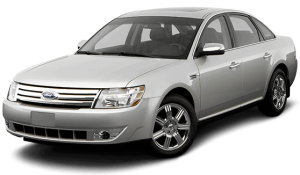
2013-2014 Ford Fusion Repair Manual

$16.90

Get the official repair manual for the 2013-2014 Ford Fusion, complete with detailed wiring diagrams, in a convenient PDF format.

OEM Workshop Manual for 2013-2014 Ford Fusion

Access the official repair manual for the 2013-2014 Ford Fusion , complete with detailed wiring diagrams, in a convenient PDF format. This OEM manual provides comprehensive guidance for servicing, maintenance, and repairs, just like the one used by Ford dealership mechanics.

File Format PDF
File Language English
File Size 31.5 MB
Page Count 1,020
wiring Diagram Included
Delivery Method Instant Download

Key Features:

  • Full wiring diagrams for all electrical systems
  • Step-by-step instructions for service and repair procedures
  • Manufacturer-authorized diagnostics and maintenance guidance
  • User-friendly PDF format for easy reference

Get the trusted information you need to maintain and repair your Ford Fusion with this original OEM workshop manual.


This manual provides detailed instructions for maintenance, disassembly, reassembly, component inspection, adjustment, and diagnostics—intended for use by experienced mechanics. Proper application of this guide will help ensure thorough repairs and maintain your vehicle in peak condition.

Important Note: Before purchasing this manual, please check whether your vehicle is subject to any active service recalls, as authorized dealerships may perform necessary repairs free of charge. When replacing parts, always use genuine OEM components to ensure safety, reliability, and long-term performance.

Table of Contents : 2013-2014 Ford Fusion Repair Manual

Engine

  • Engine – 1.5L EcoBoost (118kW/160PS) – Removal
  • Engine – 1.5L EcoBoost (118kW/160PS) – Installation
  • Engine – 1.5L EcoBoost (118kW/160PS) – Spark Plugs
  • Engine – 1.5L EcoBoost (118kW/160PS) – Ignition Coil-On-Plug
  • Engine – 1.5L EcoBoost (118kW/160PS) – Throttle Body
  • Engine – 1.6L EcoBoost (132kW/180PS) – Sigma – Removal
  • Engine – 1.6L EcoBoost (132kW/180PS) – Sigma – Installation
  • Engine – 1.6L EcoBoost (132kW/180PS) – Sigma – Ignition Coil-On-Plug
  • Engine – 1.6L EcoBoost (132kW/180PS) – Sigma – Throttle Body
  • Engine – 2.0L EcoBoost (184kW/250PS) – MI4 – Removal
  • Engine – 2.0L EcoBoost (184kW/250PS) – MI4 – Installation
  • Engine – 2.0L EcoBoost (184kW/250PS) – MI4 – Intake Manifold
  • Engine – 2.0L EcoBoost (184kW/250PS) – MI4 – Ignition Coil-On-Plug
  • Engine – 2.0L EcoBoost (184kW/250PS) – MI4 – Throttle Body
  • Engine – 2.5L Duratec (125kW/170PS) – Removal
  • Engine – 2.5L Duratec (125kW/170PS) – Installation
  • Engine – 2.5L Duratec (125kW/170PS) – Ignition Coil-On-Plug
  • Engine Cooling – Component Location
  • Intake Air Distribution and Filtering – Component Location

Fuel System

  • Engine – 1.5l – Quick Release Coupling
  • Engine – 1.6l – Quick Release Coupling
  • Engine – 2.0l – Quick Release Coupling

The suspension (Removal and Installation)

  • Rear Stabilizer Bar Link
  • Toe Link
  • Front Strut and Spring Disassembly
  • Front Strut and Spring Removal
  • Lower Arm Vertical Link
  • Lower Arm

Brake (Removal and Installation)

  • Brake Disc
  • Rear Brake Flexible Hose
  • Brake Pads
  • Brake Caliper Anchor Plate
  • Brake Caliper
  • Electronic Parking Brake (EPB) Service Mode Activation and Deactivation

Driveshaft/Differential (Removal and Installation)

  • Axle Assembly
  • Rear Driveshaft
  • Rear Halfshaft Seal
  • Rear Halfshaft
  • Front Halfshaft LH
  • Front Halfshaft RH

Steering (Removal and Installation)

  • Steering Column Multifunction Switch LH

Intake Air Distribution and Filtering (Removal and Installation)

  • Air Cleaner – Fusion 1.6l
  • Air Cleaner – Fusion 2.0l
  • Air Cleaner Outlet Pipe – Fusion 1.6l
  • Air Cleaner Outlet Pipe – Fusion 2.0l
  • Charge Air Cooler (CAC) – Fusion 1.6l
  • Charge Air Cooler (CAC) – Fusion 2.0l

Transmission (Removal and Installation)

  • Transmission – 1.5L EcoBoost (118kW/160PS)
  • Transmission – 1.6L EcoBoost (132kW/180PS) – Sigma
  • Transmission – 2.0L EcoBoost (184kW/250PS) – MI4
  • Transmission – 2.5L Duratec (125kW/170PS)
  • Transmission Fluid Drain and Refill

Climate Control (Removal and Installation)

  • Cabin Air Filter

Instrumentation, Message Center and Warning Chimes

  • Instrument Panel Cluster (IPC)

Information and Entertainment System (Removal and Installation)

  • Front Control/Display Interface Module (FCDIM)
  • AM/FM/CD/SYNC – Front Controls Interface Module (FCIM)
  • AM/FM/CD/SYNC/Sony Audio System – Front Controls Interface Module (FCIM)
  • AM/FM/CD/SYNC/Sony Audio System – Front Display Interface Module (FDIM)
  • AM/FM/CD/SYNC/Touchscreen Display – Front Controls Interface Module (FCIM)
  • AM/FM/CD/SYNC/Touchscreen Display – Front Display Interface Module (FDIM)

Light (Removal and Installation)

  • Rear Lamp Assembly – 4-Door
  • Reversing Lamp
  • Headlamp Adjustment
  • Front Fog Lamp
  • Headlamp Assembly
  • Headlamp Bulb
  • High Mounted Stoplamp
  • Parking, Rear and License Plate Lamps

Cruise Control (Removal and Installation)

  • Cruise Control Module (CCM)
  • Module Controlled Functions – Component Location

Other (Removal and Installation)

  • Exterior Mirror
  • Floor Console
  • Front Bumper Cover
  • Front Door Trim Panel
  • Front Door Window Control Switch
  • Front Head Restraint Guide Sleeve
  • Front Seat Backrest Blower Motor
  • Front Seat Backrest Cover
  • Front Seat Backrest
  • Front Seat Climate Control Module (SCME)
  • Front Seat Cushion Blower Motor
  • Front Seat Cushion Cover
  • Front Seat Lumbar Assembly
  • Front Seat Power Lumbar Assembly
  • Front Seat Track Motor
  • Front Seat Track
  • Front Seat
  • Instrument Panel
  • Instrument Panel Upper Section
  • Adding Homelink

Wiring Diagrams

  • Turn Signal Stop Hazard Lamps
  • Auto HVAC
  • Manual HVAC
  • Fog Lights
  • Headlights
  • BCM
  • Driver Door Module C501B
  • Instrument Cluster
  • Mirror
  • Module Communication Network
  • Radio

Owner’s Manual

  • 2014 Fusion Owner’s Manual


Technical Service Bulletins (TBSs): 2013-2014 Ford Fusion

  • MY FORD TOUCH/MY LINCOLN TOUCH-VARIOUS FUNCTIONALITY CONCERNS—BUILT ON OR BEFORE 8/15/2013
  • ENERGI – SERVICE ENGINE SOON LAMP AND DTC P2183
  • ENERGI – LACK OF 120V/240V HIGH VOLTAGE BATTERY CHARGING AND DTCS P0D08 AND/OR P0D0F
  • HYBRID – RED TRIANGLE LAMP AND POSSIBLE NO-START – P0ADC, P0AE0 OR P0AE7
  • INFORMATION DISPLAY DEFAULTING TO ROUND TACHOMETER – BUILT ON OR BETWEEN 8/20/2013 AND 11/22/2013
  • HYBRID/ENERGI – WRENCH/ENGINE LAMP ILLUMINATED WITH DTC P26CA AND/OR U019F – BUILT ON OR BEFORE 9/2/2013
  • WRENCH LAMP WITH DTC P061A – REDUCTION IN-VEHICLE POWER
  • 1.6L GTDI / 2.0L GTDI – SERVICE ENGINE SOON LIGHT – DTCS P007B/P0236/P06A7
  • GLOBAL POSITIONING SATELLITE MODULE (GPSM) – NAVIGATION DISPLAY OFFSET OR INCORRECT
  • POSITION BUILT ON OR BEFORE 1/6/2014
  • HF-35 TRANSMISSION FLUID LEAK AT DAMPER HOUSING TO TRANSMISSION CASE JOINT – RTV
  • SEALANT FAILURE – BUILT ON OR BEFORE 12/1/2013
  • CLIMATE CONTROL SYSTEM BLOWS COLD AIR DURING REMOTE START EVENT – DEFROST NOT
  • SELECTABLE UNDER REMOTE START MENU – INSTRUMENT CLUSTER
  • MUSTY ODOR FROM A/C VENT ON INITIAL START-UP – BUILT ON OR BEFORE 2/24/2014
  • WRENCH OR SERVICE ENGINE SOON LAMP ILLUMINATED AND CONTINUOUS MEMORY
  • DIAGNOSTIC TROUBLE CODE (CMDTC) P1A18, P1A19, P0AEE OR P0BCD
  • HD RADIO INOPERATIVE – DIAGNOSTIC TROUBLE CODE (DTC) U3000:96
  • AMBIENT LIGHTING INTERMITTENTLY INOPERATIVE AFTER ENGINE START-UP – BUILT ON OR BEFORE 5/13/2014
  • EASY FUEL CAPLESS – CONCERNS WITH FUEL NOZZLE INSERTION OR REMOVAL
  • GURGLE/PERCOLATING/TAPPING NOISE FROM FUEL TANK AREA
  • MY FORD TOUCH/MY LINCOLN TOUCH – AMBIENT LIGHTING DEFAULTS TO WHITE OR ICE-BLUE AFTER CYCLING THE IGNITION SWITCH
  • HYBRID/ENERGI – MALFUNCTION INDICATOR LIGHT (MIL) WITH DIAGNOSTIC TROUBLE CODE (DTC) P0456, P0457, P04EE AND/OR P04EF
  • HF35 TRANSMISSION – THUMPING/RUBBING OR GRINDING NOISE
  • 1.5L GASOLINE TURBOCHARGED DIRECT INJECTION (GTDI) ENGINE – DIAGNOSTIC TROUBLE
  • CODES (DTCS) P00C6, P0191 AND/OR P0192
  • THE FUEL GAUGE DROPS TO 3/4 FULL AFTER A SHORT DRIVE OF 15 KM (10 MILES) OR LESS FOLLOWING A FUEL FILL-UP
  • 1.5L GTDI – MALFUNCTION INDICATOR LAMP (MIL) ILLUMINATED WITH DTCS P0036, P0137, P0138 AND/OR P0141
  • 2.5L DIAGNOSTIC TROUBLE CODE (DTC) P061A – BUILT ON OR BEFORE 12/19/2013

SAMPLE PAGES: 2013-2014 Ford Fusion

2014 Ford Fusion Repair Manual Component Locations2013-2014 Ford Fusion workshop manual2013-2014 Ford Fusion wiring diagrams2014 Ford Fusion Repair Manual


CAUTION : This OEM service and workshop repair manual provides detailed procedures for maintenance, disassembly, reassembly, inspection, adjustment, and diagnostics. It is intended as a comprehensive guide for experienced mechanics. To ensure thorough and accurate repairs that maintain your vehicle’s optimal performance, please read and follow this manual carefully. When replacing parts during any repair work, always use genuine Ford parts to ensure quality, safety, and reliability.

2013–2014 Ford Fusion: Overview, Specs, Common Problems, Maintenance, Recalls, DTC Codes & Verdict

The 2013–2014 Ford Fusion delivers sharp styling, solid safety, and strong turbo options, but it’s known for cooling-system leaks, harsh 6F35 shifting, SYNC/APIM screen failures, and door-latch/brake-hose recall items. Use this guide to spot symptoms early, budget repairs, and follow a smart maintenance plan.

📌 Overview

The 2013–2014 Ford Fusion (2nd generation) is a midsize sedan known for modern design, available turbocharged EcoBoost power, and strong crash-safety tech. It came with multiple engine choices and a 6 speed automatic (most trims), plus hybrid/plug-in variants in the same generation.

  • 🚗 Class: Midsize sedan
  • 🧠 Key strengths: styling, road manners, available turbo power, safety tech
  • ⚠️ Watch-outs: cooling leaks (some engines), 6F35 shift quality, SYNC/APIM screens, door latch & brake-hose recall items

⚙️ Technical Specs & Performance

🔩 Engines & Power (common North American options)

Engine Type Output (approx.) Notes
2.5L I4 NA gasoline ~175 hp Simple + generally durable baseline option
1.6L EcoBoost I4 Turbo gasoline ~179 hp Better torque, but cooling system needs attention
2.0L EcoBoost I4 Turbo gasoline ~240 hp Strong performance; maintenance matters

Source note: Fusion 2nd-gen engine lineup and outputs vary by trim/market.

🏁 Performance feel (real-world)

  • 🚀 2.0 EcoBoost: quickest, best for highway passing
  • 🟰 2.5 NA: smooth and simple, but slower acceleration
  • ⚖️ 1.6 EcoBoost: good torque for city driving; keep cooling system healthy

🧰 Top 10 Common Mechanical Issues Reported by Owners (with Root Cause & Fix)

  1. Harsh/Delayed Shifts (6F35 6-speed automatic)
    • Symptoms: hard 1–2 / 2–3 shifts, hesitation, “slam” into gear when cold, occasional clunks
    • Root Cause: valve body wear, solenoid behavior, adaptive learning issues; worsened by old fluid or mounts
    • Fix: scan for TCM codes, perform relearn/adaptive reset, fluid service (correct spec), inspect mounts; rebuild/valve body if persistent
    • Cost (typical): $250–$450 (service/reset) • $1,200–$3,500 (valve body/rebuild range)

    Owner discussions commonly point to shift quality concerns on the 6F35 family.
  2. Coolant Leaks / Overheating (especially turbo variants)
    • Symptoms: low coolant, sweet smell, overheating warning, heater performance drops, visible seepage near housing/hoses
    • Root Cause: aging plastic thermostat housing, hose connections, water pump seepage, small leaks that become bigger over time
    • Fix: pressure test cooling system, replace leaking housing/hoses, verify fan operation; refill & properly bleed system
    • Cost (typical): $180–$450 (housing/hoses) • $500–$1,200 (water pump + labor)

    Cooling leak causes and symptoms overview.
  3. Brake Hose Leak Risk (front flexible hose/jounce hose)
    • Symptoms: soft brake pedal, longer stopping distance, brake fluid loss, warning light
    • Root Cause: hose deterioration/rubbing leading to leakage on affected builds
    • Fix: replace affected front brake hoses and flush/bleed system (recall remedy if eligible)
    • Cost (typical): $0 (recall repair) • $250–$600 (out of warranty/independent shop)

    Ford recall reference for Fusion brake hose concern (23S12).
  4. Door Latch Failure / Door Won’t Latch
    • Symptoms: door won’t close, latch feels “stuck,” door may open unexpectedly if not latched
    • Root Cause: latch pawl spring tab cracking in high-thermal-load areas; some vehicles needed rework after prior repairs
    • Fix: latch replacement per recall/service action
    • Cost (typical): $0 (recall repair) • $250–$650 (per door, parts+labor)

    Door latch recall follow-up/verification described in Ford Part 573 report context.
  5. Steering Pull / Front-End Clunks
    • Symptoms: clunk over bumps, vague steering, uneven tire wear, pull to one side
    • Root Cause: worn control arm bushings/ball joints, sway bar links, alignment issues
    • Fix: inspect suspension joints, replace worn links/control arms, align vehicle
    • Cost (typical): $180–$450 (links/alignment) • $450–$1,200 (arms/bushings)
  6. Wheel Bearing Noise
    • Symptoms: humming/growl that changes with speed, louder in turns
    • Root Cause: bearing wear, impact damage, water intrusion over time
    • Fix: replace hub/bearing assembly, torque to spec
    • Cost (typical): $300–$750 per corner
  7. Turbo Wastegate Rattle / Boost Leaks (EcoBoost)
    • Symptoms: rattle under load, reduced boost, limp mode, underboost codes
    • Root Cause: wastegate wear, cracked charge pipes, loose clamps, diverter/bypass valve issues
    • Fix: smoke/boost-leak test, repair piping, inspect wastegate actuator; replace turbo only if necessary
    • Cost (typical): $150–$450 (leak repair) • $1,200–$2,800 (turbo work range)
  8. Engine Mount Wear (vibration / driveline thump)
    • Symptoms: vibration in cabin, thunk on shifts, harsh engagement
    • Root Cause: mount rubber deterioration
    • Fix: inspect and replace worn mounts; recheck shift feel afterward
    • Cost (typical): $250–$700
  9. AC Not Cold / Intermittent Cooling
    • Symptoms: warm air, cycles hot/cold, compressor noise
    • Root Cause: low refrigerant, leaks, pressure sensor, compressor clutch/control issues
    • Fix: leak test + recharge, replace failed sensor/seal, verify condenser airflow
    • Cost (typical): $180–$350 (service) • $700–$1,800 (major components)
  10. Exhaust Flex Pipe / Heat Shield Rattle
    • Symptoms: metallic rattle at idle/accel, exhaust noise changes with RPM
    • Root Cause: shield corrosion, flex pipe fatigue
    • Fix: secure/replace shield, repair/replace flex section
    • Cost (typical): $120–$450

⚡ Top 10 Common Electrical Issues Reported by Owners (with Root Cause & Fix)

  1. SYNC / MyFord Touch Black Screen (APIM or display-related)
    • Symptoms: screen stays black, touch unresponsive, radio may still play
    • Root Cause: APIM module faults, software lockups, internal display issues
    • Fix: attempt reset/master reset; update software; replace/reprogram APIM if failed
    • Cost (typical): $0–$150 (diagnosis/reset) • $350–$1,200 (APIM+programming range)

    Ford SYNC reset procedure reference.
  2. Battery Drain / Parasitic Draw
    • Symptoms: dead battery after sitting, intermittent no-start, frequent jump starts
    • Root Cause: module not “sleeping,” stuck relays, infotainment/USB accessories, door modules
    • Fix: parasitic draw test, isolate circuit via fuses, update modules if applicable, repair faulty module/relay
    • Cost (typical): $120–$250 (test/diagnosis) • $250–$900 (module/repair range)

    Example owner thread describing “module not going to sleep” style drain behavior.
  3. Backup Camera Blue/Black Screen or Intermittent Feed
    • Symptoms: blank image, flicker, delayed camera, “camera unavailable” message
    • Root Cause: camera unit failure, wiring at trunk/hinge area, APIM/BCM communication issues
    • Fix: inspect harness at flex points, check grounds, replace camera if confirmed
    • Cost (typical): $180–$650
  4. TPMS Light On (false warnings)
    • Symptoms: TPMS warning with correct tire pressure
    • Root Cause: sensor battery depleted, sensor communication faults
    • Fix: scan TPMS IDs, replace faulty sensor(s), relearn procedure
    • Cost (typical): $60–$120 per sensor + labor
  5. Power Windows Slow / Stop Working
    • Symptoms: window sticks, slow movement, clicks but no motion
    • Root Cause: regulator wear, motor failure, switch contact issues
    • Fix: test switch voltage, replace regulator/motor assembly if needed
    • Cost (typical): $220–$650 per window
  6. Keyless Entry / Door Handle Sensor Issues
    • Symptoms: intermittent unlock/lock, car doesn’t detect key, random lock/unlock behavior
    • Root Cause: handle sensor wear, moisture intrusion, wiring faults
    • Fix: scan BCM for faults, inspect handle wiring, replace affected handle/sensor
    • Cost (typical): $250–$650 per handle
  7. HVAC Blend Door Actuator Clicking
    • Symptoms: repetitive clicking behind dash, temperature stuck hot/cold
    • Root Cause: actuator gear wear or calibration loss
    • Fix: recalibrate if supported; replace actuator
    • Cost (typical): $250–$900 (labor varies heavily)
  8. Airbag/SRS Warning Light
    • Symptoms: SRS light on, stored crash/sensor code
    • Root Cause: connector issues under seats, sensor faults, recall-related inflator concerns on some populations
    • Fix: scan SRS with capable tool, repair connector/sensor, confirm recall status
    • Cost (typical): $120–$300 (diag/connector) • $300–$1,500 (sensor/module range)
  9. Instrument Cluster / Warning Lights Randomly Flicker
    • Symptoms: intermittent warning lamps, gauges reset, “no key detected” glitches
    • Root Cause: weak battery/charging issues, ground points, BCM network noise
    • Fix: load-test battery, check alternator output, clean/retorque grounds, scan CAN network
    • Cost (typical): $150–$450 (typical electrical diagnosis) • $250–$900 (repair range)
  10. Headlight/Taillight Moisture or Intermittent Bulb-Out Warnings
    • Symptoms: condensation, bulb warnings, flicker
    • Root Cause: housing seals, connector corrosion, poor ground
    • Fix: dry & reseal, clean connectors, repair ground, replace housing if needed
    • Cost (typical): $80–$600

Top Common Issues

  1. Engine Stalling and Coolant Issues:
    • Some owners have experienced engine stalling, often linked to coolant system problems. These issues can lead to overheating and potential engine damage if not addressed promptly. community.cartalk.com
  2. Transmission Problems:
    • Reports indicate instances of transmission failures, including rough shifting and, in some cases, complete transmission failure. These issues can result in significant repair costs. community.cartalk.com
  3. Power Steering Failures:
    • There have been reports of sudden loss of power steering assistance, making the vehicle difficult to steer and increasing the risk of accidents. reddit.com
  4. Fuel System Issues:
    • Owners have reported problems such as stalling, poor fuel economy, and unusual noises from the fuel tank. These issues are often attributed to components like the purge canister valve. copilotsearch.com


✅ Pros & ❌ Cons

✅ Pros ❌ Cons
Modern styling + comfortable ride 6F35 shift quality complaints on some vehicles
Strong 2.0 EcoBoost performance Cooling leaks/overheating risk if neglected
Good safety tech availability SYNC/APIM black screen issues
Wide trim/engine choices Recall items: door latches, brake hoses (check VIN)

🛠️ Maintenance Schedule (Practical)

Interval Service Notes
Every 8,000–10,000 km (5,000–6,000 mi) Oil & filter Turbo engines benefit from stricter intervals
Every 20,000–30,000 km Engine air filter • Cabin filter Earlier if dusty conditions
Every 50,000–80,000 km Transmission fluid service Helps shift quality & longevity (use correct spec)
Every 60,000 km Brake fluid exchange Important for ABS/ESC system health
Every 80,000–120,000 km Spark plugs EcoBoost often prefers earlier plug changes
Every 5 years Coolant service (inspect annually) Pressure-test if any coolant loss is noticed
Annually Battery/charging test • Suspension inspection Prevents “mystery” electrical issues

🏁 Top Competitors


⚠️ Top 10 Recalls, Advisories, Safety Alerts & TSB Highlights (Check VIN)

  1. Front brake hose leak (23S12 / safety recall): possible brake-fluid leak → longer stopping distance.
  2. Door latch pawl spring tab cracking (16S30 and related actions): door may be difficult to latch or open while driving. Ford Recall Portal
  3. Door latch re-check / incomplete prior repair population (20V-331 context): some latches not replaced correctly during earlier recalls.
  4. Shift cable bushing deterioration (22V-413 / 22S43 population includes Fusion 2013–2016): bushing may degrade/detach; gear position mismatch risk.
  5. Earlier shift cable bushing action context (19V-362): bushing material compatibility/contamination protection updates.
  6. Side air curtain inflator “diffuser” concern (17V-803): air curtain may not fully inflate; projectile risk in deployment.
  7. Service bulletins commonly address infotainment resets/updates: SYNC software updates & resets used to resolve lockups (not always a safety recall).
  8. Brake system advisories: any brake warning light + fluid loss should be treated as urgent; some vehicles fall into hose-related campaigns.
  9. Door latch “won’t close” symptom campaigns: reported as a frequent safety-related service topic due to latch failure risk.
  10. General note: Fusion recall applicability can depend on plant/build date; confirm in Ford OASIS/dealer system or VIN lookup. NHTSA VIN database

High Priority Recalls:

  • Engine Fire Risk:
    • Ford recalled certain 2013-2014 Fusion models equipped with 1.6L GTDI engines due to the potential for engine fires caused by overheating. cars.com
  • Door Latch Failure:
    • A recall was issued for 2013-2014 Fusion vehicles due to a component within the door latch that could crack, potentially resulting in the door not closing properly. cars.com
  • Transmission Shift Cable Detachment:
    • Ford recalled certain 2013-2016 Fusion vehicles equipped with 2.5L engines because the bushing that attaches the transmission shifter cable to the transmission may degrade, potentially causing the transmission to not remain in the intended gear. media.ford.com
Always verify by VIN with the manufacturer/NHTSA tools. above are high-impact items known to include 2013–2014 Fusion in certain build ranges.

🧾 DTC Trouble Code List

🧠 Engine Control Module (ECM) — 10 Common OBD-II Codes

DTC Meaning (Plain English) Common Checks
P0171 System Too Lean (Bank 1) intake leaks, MAF, fuel pressure
P0300 Random/Multiple Misfire plugs, coils, compression, fuel
P0301 Misfire Cylinder 1 coil/plug/injector, compression
P0420 Catalyst Efficiency Low O2 sensors, exhaust leaks, cat
P0456 EVAP Small Leak gas cap, purge/vent, smoke test
P0480 Cooling Fan Control fan relay, wiring, fan module
P0299 Turbo Underboost boost leaks, wastegate, sensors
P0087 Fuel Rail/System Pressure Low pump, filter, HPFP (if equipped)
P0117 ECT Sensor Low Input sensor, wiring, coolant level
P2196 O2 Sensor Signal Biased/Rich O2 sensor, fuel trims, injector leak

🧲 Transmission Control Module (TCM) — 10 Common Codes

DTC Meaning Common Checks
P0700 Transmission Control System (MIL Request) scan TCM for subcodes
P0715 Input/Turbine Speed Sensor sensor, wiring, connector
P0720 Output Speed Sensor OSS sensor, harness, fluid contamination
P0731 Gear 1 Incorrect Ratio slip, valve body, clutch wear
P0732 Gear 2 Incorrect Ratio adaptives, pressure control, wear
P0741 TCC Performance/Stuck Off fluid, solenoids, converter
P0751 Shift Solenoid A Performance solenoid, valve body, wiring
P0761 Shift Solenoid C Performance solenoid/valve body issues
P0776 Pressure Control Solenoid B Performance line pressure, solenoid, wear
P087A Transmission Fluid Pressure Sensor/Switch sensor, internal pressure, wiring

🛑 ABS / ESC (Brake System) — 10 Common Codes

DTC Meaning Common Checks
C0031 LF Wheel Speed Sensor sensor, tone ring, wiring
C0034 RF Wheel Speed Sensor sensor, bearing play, harness
C0037 LR Wheel Speed Sensor sensor, corrosion, connector
C0040 RR Wheel Speed Sensor sensor, debris, wiring
C0045 Brake Pedal Position Sensor sensor calibration, wiring
C1095 Hydraulic Pump Motor Circuit pump, relay, fuse, ground
C1102 ABS Valve Relay / Power power supply, module relay
C1145 Yaw Rate Sensor sensor calibration, mounting
C1288 Steering Angle Sensor alignment, calibration, sensor
U0121 Lost Communication With ABS CAN wiring, module power/ground

🎈 SRS Airbag System — 10 Common Codes

DTC Meaning Common Checks
B0010 Driver Airbag Circuit clock spring, connectors
B0020 Passenger Airbag Circuit dash connectors, wiring
B0051 Seatbelt Pretensioner Circuit seat connector, harness
B0070 Passenger Presence System seat sensor mat/calibration
B0092 Crash Event Storage Full/Stored module reset/replacement
B141B Driver Seat Position Sensor sensor alignment, wiring
B0028 Side Curtain Airbag Circuit curtain inflator, connector
B1193 Airbag Diagnostic Monitor module power/ground
U0151 Lost Comm With Restraints Control CAN, power/ground
B1869 Occupant Classification Fault OCS calibration, seat components

🔌 Body Control / CAN Communication — 10 Common Codes

DTC Meaning Common Checks
U0100 Lost Communication With ECM/PCM CAN wiring, module power
U0121 Lost Communication With ABS CAN, ABS module power
U0140 Lost Communication With BCM BCM power/grounds, network
U0155 Lost Communication With Instrument Cluster cluster connector, CAN
U0184 Lost Communication With Radio APIM/radio power, CAN
B1325 System Voltage Out of Range battery, alternator, grounds
B108C Keyless Entry Antenna Fault antenna/module wiring
B11DB Door Ajar Switch Circuit latch switch, wiring
B1D00 Exterior Lighting Control Fault grounds, connectors, BCM
U3003 Battery Voltage / Module Internal Fault charging test, module scan

 FAQ ❓

Is the 2013–2014 Fusion a good used car?
Yes—if you choose a well-maintained one, confirm recall work by VIN, and test for transmission shift quality + infotainment stability.
Which engine is the safest pick?
The 2.5L is typically the simplest. The 2.0 EcoBoost is strong but benefits from strict oil/cooling maintenance. (Always inspect service history.)
What’s the “must-check” before buying?
✅ Recalls completed (door latches, brake hose campaigns if applicable), ✅ coolant level/leaks, ✅ cold-start shifting behavior, ✅ SYNC screen function.
If my SYNC screen is black, what should I try first?
Try a system reset/master reset procedure; if it returns, the APIM/display may need repair or replacement.
Can harsh shifting be “fixed” without a rebuild?
Sometimes. A correct fluid service, adaptive relearn, and addressing mounts can improve it. If internal wear exists, repairs can escalate.

🏆 Final Verdict

The 2013–2014 Ford Fusion is still a strong-looking, comfortable midsize sedan with great trim variety and solid safety potential. To own it confidently, prioritize cooling-system health, verify recall completion (especially door latch and brake hose items), and test-drive for cold shift behavior plus SYNC/APIM stability. A clean service history makes all the difference.

  • ⭐ Best for: drivers who want style + comfort and will stay on top of maintenance
  • ⚠️ Avoid if: you can’t verify recall/service history or you feel severe transmission slamming on test drive

⚠️ Disclaimer: This guide is informational and based on widely reported owner/repair patterns and recall documentation. Always confirm exact specifications, service bulletins, and recall eligibility by VIN with an authorized dealer or official safety database.


File Language

English

File Size

31.5 MB

Page Count

1,020

Wiring Diagram Included

YES

Instant Download

YES