

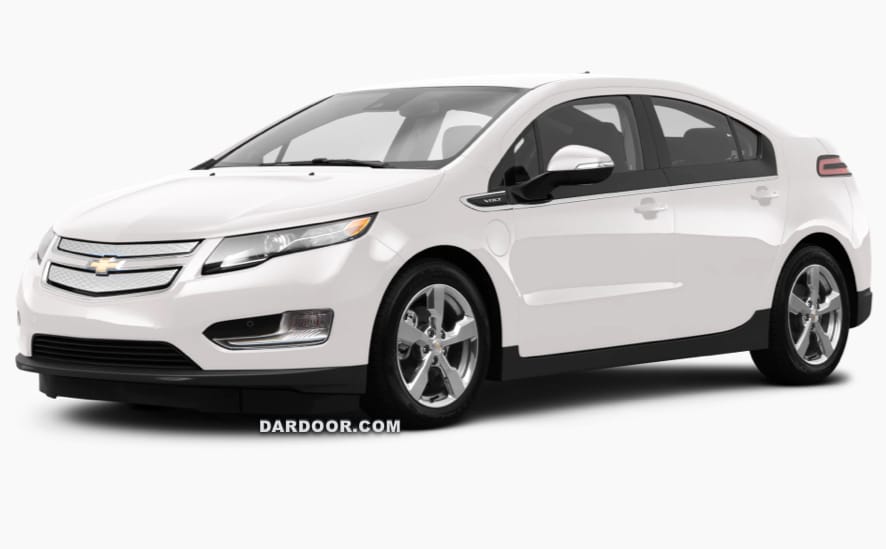
Gain access to the official OEM workshop repair manual for the 2012 Chevrolet Volt, complete with wiring diagramsin a simple, easy-to-use PDF format.
2012 Chevrolet Volt Repair Manual
$16.90
2012 Chevrolet Volt OEM Workshop Service & Repair Manual – Instant PDF Download
⚡ The Ultimate Repair & Maintenance Guide for Your Chevrolet Volt!
Gain access to the official OEM workshop repair manual for the 2012 Chevrolet Volt, complete with wiring diagramsin a simple, easy-to-use PDF format. This comprehensive guide provides the same dealer-level service and repair procedures used by Chevrolet technicians, ensuring accurate maintenance and troubleshooting for your vehicle.
| File Format | |
| File Language | English |
| You’ll Get | 81 MB |
| Page Count | 8,110 |
| Wiring Diagram | Included |
| Delivery Method | Instant Download |
Also Known As:
✔ Buick Velite 5
✔ Holden Volt
✔ Opel Ampera
✔ Vauxhall Ampera
Key Features:
✅ Complete OEM Repair Manual – Covers all systems, components, and procedures.
✅ Wiring Diagrams Included – Essential for troubleshooting and electrical repairs.
✅ Dealer-Authorized Instructions – Trusted manufacturer-approved methods.
✅ Step-by-Step Guidance – From routine maintenance to advanced diagnostics.
✅ User-Friendly PDF Format – Instant access on any device, print only what you need.
What’s Inside?
-
- Electric Drive System & Battery Maintenance
- Engine & Transmission Service Procedures
- Suspension, Brakes & Steering Systems
- Complete Electrical System & Wiring Diagrams
- HVAC, Interior, and Exterior Components
- Routine Maintenance & Service Schedules
- Troubleshooting & Diagnostic Trouble Codes (DTCs)
🛠 Why Choose This Manual?
Whether you’re a DIY enthusiast or a professional mechanic, this factory-approved Chevrolet Volt manual ensures you have the most precise and detailed service information available.
📥 Download Now & Take Full Control of Your Repairs!
Avoid costly mistakes—get the official Chevrolet Volt workshop manual today and maintain your vehicle with confidence!
🔗 Instant PDF Download – Available Now!
This manual includes the procedures for maintenance, disassembling, reassembling, inspection, and adjustment of components and diagnostics for the guidance of experienced mechanics. Please use this manual thoroughly to ensure complete repair work to keep your vehicle in optimum condition. Please make sure to use Chevrolet OEM genuine parts.
Table of Contents: 2012 Chevrolet Volt Repair Manual
Sample Pages
CAUTION: This manual is intended for use by individuals with specialized training and proper certification. Attempting repairs or maintenance using only this manual—without the necessary skills, tools, or equipment—may result in serious injury to yourself or others and may also cause significant damage to the vehicle. To ensure safety and prevent vehicle damage, always follow the instructions carefully and use appropriate tools and procedures.
🛠️ Common Issues with the 2012 Chevrolet Volt
Common Mechanical Issues
- Battery Degradation
- Problem: Reduced electric-only range over time due to battery capacity loss. Some owners report a significant drop in range after several years of use.
- Fix: Battery capacity is covered under Chevrolet’s 8-year/100,000-mile warranty for hybrid components.
- Engine and Generator Issues
- Problem: The 1.4L gasoline engine (range extender) may experience stalling, rough idling, or failure to start. This is often linked to faulty fuel injectors or software glitches.
- Fix: Software updates or fuel injector replacements under warranty.
- Coolant Leaks
- Problem: Leaks in the battery cooling system can lead to reduced performance or overheating.
- Recall (NHTSA 12V-527): Chevrolet addressed this issue by adding a bracket to prevent coolant line damage.
- Transmission (Voltec Drive Unit)
- Problem: Some owners report jerking or hesitation during acceleration, often due to software calibration issues.
- Fix: Software updates from dealerships.
- Brake System
- Problem: Premature wear of brake pads/rotors or a spongy brake pedal feel. Some 2012 models were recalled for brake booster corrosion (NHTSA 14V-118).
- Battery Cooling System & Management:
- Issue: Some drivers have experienced issues with the battery cooling loop and management system, which may lead to reduced electric range or triggering of warning lights.
- Symptoms: Diminished electric-only range, dashboard warnings related to the hybrid system, or unusual battery temperature readings.
- Remedy: Regular coolant checks for the battery cooling loop and ensuring that any software updates for the battery management system are installed. Note that the high-voltage battery is typically covered under an extended warranty (8 years/100,000 miles).
- Charge Port Door Latch:
- Issue: A few reports mention that the charge port door may not always close properly, possibly due to a faulty latch or misalignment.
- Symptoms: Difficulty initiating a charge session or a door that rattles while driving.
- Remedy: Inspection and adjustment or replacement of the charge port latch mechanism.
- Regenerative Braking & Brake Feel:
- Issue: Some owners have noted that the transition between regenerative braking and conventional friction brakes can feel abrupt.
- Symptoms: A slightly jerky brake pedal feel during light braking.
- Remedy: This is generally managed by the vehicle’s software, though ensuring that the brake system is regularly serviced helps maintain consistent performance.
- Infotainment & Electrical Glitches:
- Issue: As with many vehicles with advanced electronics, occasional glitches with the infotainment system and other electronic modules have been reported.
- Symptoms: Unresponsive touchscreen or intermittent connectivity issues with Bluetooth and smartphone integration.
- Remedy: Software updates and occasional resets usually resolve these minor issues.
- Transmission Behavior:
- Issue: The Volt’s powertrain relies on a complex integration between the electric motors and the gasoline engine. Some drivers have reported slight hesitations when the engine transitions from electric-only operation to generator mode.
- Symptoms: Brief lag in power delivery during the switch-over.
- Remedy: This behavior is generally characteristic of the hybrid system and can be minimized by proper maintenance of the transmission fluid and powertrain software updates.
Common Electrical Issues
- Charging System Failures
- Problem: Inability to charge the battery or slow charging times, often due to faulty charging ports or onboard chargers.
- Fix: Replacement of the charging module under warranty.
- Infotainment System Glitches
- Problem: Screen freezes, unresponsive controls, or Bluetooth connectivity issues.
- Fix: Software updates from dealerships.
- 12V Battery Drain
- Problem: Frequent 12V auxiliary battery failures, causing the vehicle to not start or display warning lights.
- Fix: Replacement of the 12V battery and inspection of the charging system.
- Faulty Sensors
- Problem: Erratic behavior from TPMS (Tire Pressure Monitoring System) or hybrid system sensors.
- Takata Airbag Recall
- Recall (NHTSA 16V-356): Defective Takata airbag inflators could rupture. Replacement is free.
Key Recalls
-
- Coolant Leak (2012): NHTSA 12V-527 (added bracket to prevent coolant line damage).
- Brake Booster Corrosion (2012): NHTSA 14V-118 (replaced brake boosters).
- Takata Airbags (2012): NHTSA 16V-356 (critical safety risk).
Recommendations
-
- Check Recalls: Verify open recalls using Chevrolet’s recall lookup tool or the NHTSA VIN database.
- Monitor Battery Health: Test the hybrid battery’s capacity and address degradation under warranty if eligible.
- Inspect Charging System: Ensure the charging port and onboard charger are functioning properly.
- Replace 12V Battery: Test and replace the auxiliary battery if needed.
- Replace Takata Airbags Immediately: Do not delay—this is a severe safety hazard.
Performance Specs
| Specification | Details |
|---|---|
| Electric Range | Approximately 38 miles (EPA-rated) |
| Total Range | Roughly 350–380 miles (combined electric and gasoline modes) |
| Engine | 1.4L gasoline engine used as a generator |
| Combined System Output | Around 149–150 hp (combined electric & gasoline output) |
| Transmission | Electronic Continuously Variable Transmission (eCVT-like) |
| Drivetrain | Front-Wheel Drive (FWD) |
| 0-60 mph | Approximately 9–10 seconds (varies based on driving conditions) |
| Fuel Economy | Effective MPG is high when driving in electric mode |
Note: Actual performance and efficiency may vary with driving conditions, battery state, and load.
Maintenance Schedule
Following the manufacturer’s maintenance schedule is key to ensuring long-term reliability of the Volt’s hybrid powertrain. Below is a general guideline:
| Maintenance Item | Interval (Miles) | Interval (Km) |
|---|---|---|
| Engine Oil Change (Synthetic 0W-20 or 5W-30) | Every 5,000-7,500 | 8,000-12,000 |
| High-Voltage Battery Cooling System Check | Annually | Annually |
| Transmission/Hybrid Fluid Check/Change | Every 30,000-40,000 | 48,000-64,000 |
| Brake Fluid Replacement | Every 30,000 | 48,000 |
| Coolant Flush (Engine & Battery Cooling) | Every 100,000 | 160,000 |
| Air Filter Replacement | Every 15,000 | 24,000 |
| Cabin Air Filter Replacement | Every 15,000 | 24,000 |
| Tire Rotation & Alignment | Every 5,000-7,500 | 8,000-12,000 |
Note: Always consult the owner’s manual for specifics and adjust intervals based on your driving conditions.
Competitors
The 2012 Chevrolet Volt competes with other plug-in hybrids and fuel-efficient vehicles. Notable competitors include:
| Competitor | Pros | Cons |
|---|---|---|
| Toyota Prius Plug-in Hybrid | Excellent reliability, proven hybrid technology, greater cargo space | Lower electric-only range compared to Volt |
| Honda Clarity Plug-In Hybrid | Refined ride, spacious interior, strong fuel economy | Higher purchase price, less sporty driving dynamics |
| Hyundai Ioniq Plug-In Hybrid | Very high fuel efficiency, modern tech features | Limited electric-only range, less engaging to drive |
| Kia Niro Plug-In Hybrid | Competitive pricing, good warranty, and fuel economy | Interior quality may lag behind some competitors |
| Ford Fusion Energi | Smooth ride, well-equipped, comfortable interior | Underwhelming performance compared to Volt |
| BMW i3 Range Extender | Unique design, premium feel, and innovative electric range | Very different styling and smaller interior space |
Pros & Cons
Pros:
-
- Excellent Electric Range: With around 38 miles of electric-only driving, the Volt is ideal for daily commutes.
- Overall Efficiency: The combination of electric and gasoline power results in high overall fuel economy.
- Smooth, Quiet Operation: Electric driving mode is nearly silent and provides a refined ride.
- Innovative Hybrid Technology: Offers a glimpse into the future of eco-friendly driving with its advanced hybrid powertrain.
- Low Operating Costs: Reduced fuel consumption and tax incentives for hybrid vehicles add to its economic appeal.
Cons:
-
- Complex Hybrid System: The integration of electric and gasoline components can lead to higher repair costs if issues arise.
- Battery Degradation Over Time: Although usually covered under an extended warranty, high mileage may reduce electric range.
- Infotainment & Electrical Glitches: Occasional issues with touchscreen responsiveness or sensor warnings.
- Limited Cargo Space: The placement of the battery pack may reduce overall trunk capacity compared to conventional sedans.
- Transition Lag: Some drivers report a slight lag during the switch from electric to gasoline power, though this is typical of early hybrid systems.
Reliability Note
The 2012 Chevrolet Volt remains a pioneering plug-in hybrid that offers a compelling blend of electric driving for daily commutes and a gasoline range extender for longer trips. Its excellent electric range, smooth operation, and low operating costs make it a standout in the hybrid segment. However, the complexity of its hybrid system and the potential for battery degradation are factors to consider.
👉 Verdict: If you prioritize fuel efficiency and eco-friendly driving and are comfortable with the technology and maintenance associated with hybrids, the 2012 Chevrolet Volt is a strong choice—especially with its low operating costs and decent electric-only range.
The 2012 Volt is generally reliable, but battery degradation and charging system issues are notable concerns. The gasoline engine and brake system recalls are also critical to address. Regular maintenance and prompt recall repairs will help avoid major issues. If purchasing used, ensure all recalls have been addressed and request a battery health check.
| Brands | |
|---|---|
| File Format | |
| File Language | English |
| File Size | 81 MB |
| Page Count | 8,110 |
| Wiring Diagram Included | YES |
| Searchable & Printable | YES |
| Instant Download | YES |
Related products
-

2013-2015 Buick Encore Repair Manual
$19.90 Add to cart -

2010-2016 Chevrolet Cruze Repair Manual
$16.90 Add to cart -

2012-2016 Buick LaCrosse Repair Manual
$19.90 Add to cart -
2013-2016 GMC Acadia Repair Manual
$24.90 Add to cart -

2010-2013 Chevrolet Camaro Repair Manual
$24.90 Add to cart -

2014-2019 Chevrolet Suburban Repair Manual
$24.90 Add to cart -

2006-2010 Chevrolet Captiva Repair Manual
$19.90 Add to cart -

2007-2010 Chevrolet Aveo Repair Manual
$19.90 Add to cart