

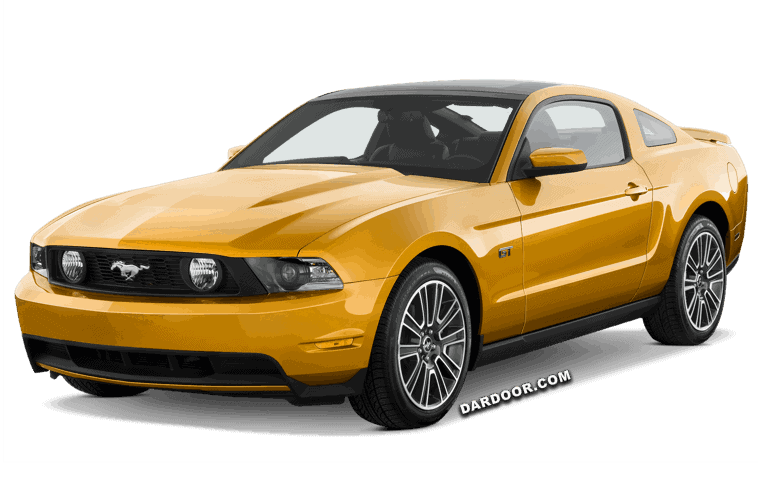
Unlock the original OEM manual with the wiring diagram for the 2005-2010 Ford Mustang and Mustang GT S197 (5th generation), with this comprehensive PDF format
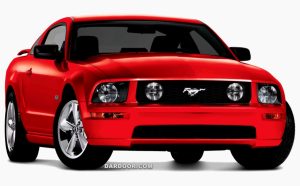
2005-2010 Ford Mustang Repair Manual and GT S197
$24.90
Unlock the official repair manual for the 2005-2010 Ford Mustang and Mustang GT S197 (5th generation), now available in a comprehensive PDF format. This essential resource contains detailed information identical to that used by Ford dealer mechanics and technicians, ensuring you have the same expert guidance at your fingertips.
Key Features:
– Full Wiring Diagram Included: Navigate electrical systems confidently with a complete wiring diagram.
– Manufacturer-Authorized Procedures: Follow recommended procedures sanctioned by Ford for accurate repairs.
– Easy-to-Follow Format for DIY Repairs: Whether you’re a seasoned DIY enthusiast or a professional, the manual’s clear instructions empower you to tackle repairs effectively.
Ensure every repair is performed to exacting standards with the trusted guidance of the original OEM workshop manual for the 2005-2010 Ford Mustang and Mustang GT S197.
| File Format | |
| File Language | English |
| You’ll Get | 282.8 MB |
| Wiring Diagram | Included |
| Delivery Method | Instant Download |
This manual offers comprehensive instructions for maintenance, disassembly, reassembly, component inspection, adjustment, and diagnostics—specifically designed for experienced mechanics. Proper use of this manual will help ensure thorough repairs and keep your vehicle performing at its best.
Important Note: Before purchasing this manual, please check whether your vehicle is subject to any active Ford service recalls. In some cases, repairs may be performed free of charge by your local Ford dealer. When replacing parts, always use genuine Ford OEM components to ensure safety, reliability, and optimal performance.
CONTENTS: 2005-2010 Ford Mustang Repair Manual and Mustang GT S197
General Information
-
- Identification Codes
- Jacking and Lifting
- Maintenance Schedule – Gasoline Engines
- Noise Vibration and Harshness
Chasis
-
- Brake System
- Driveline
- Steering System
- Suspension
Powertrain
-
- Automatic Transmission
- Engine
- Exhaust System
- Fuel System
- Manual Transmission
Electrical
-
- Audio Systems
- Battery and Charging System
- Climate Control System
- Electrical Distribution
- Electronic Feature Group
- Instrumentation and Warning Systems
- Lighting
Body and Paint
-
- Body
- Frame and Mounting
Engine and Emission Facts Summary
-
- 4.0L-SOHC
- 4.6L-SOHC
Powertrain Control and Emissions Diagnosis
-
- Introduction
- Acronyms and Definitions
- Description and Operation
- Diagnostic Methods
- Diagnostic Trouble Code (DTC) Charts and Descriptions
- Pinpoint Tests
- Reference Values
- Symptom Charts
Wiring
-
- Audio System, Navigation
- Charging System
- Climate Controlled Seats
- Cluster and Panel Illumination
- Component Location Index
- Component Testing
- Connector List
- Connector Location Index
- Connector Repair Procedures
- Convertible Top
- Cooling Fan
- Electronic Engine Controls – 4.0L
- Electronic Engine Controls – 4.6L
- Electronic Engine Controls – 5.4L
- Fog Lamps
- Fuse and Relay Information
- Ground Location Index
- Grounds
- Harness Location Index
- Headlamps. Autolamps
- Heated Window
- Horn, Cigar Lighter
- Instrument Cluster
- Interior Lamps
- Introduction
- Luggage Compartment
- Manual Climate Control System
- Module Communications Network
- Overhead Console
- Parking, Rear and License Lamps
- Passive Anti-Theft System
- Power Distribution-SJB
- Power Door Locks
- Power Mirrors
- Power Windows
- Remote Keyless Entry and Alarm
- Reversing Lamps
- Seating
- Shift Interlock
- Speed Control
- Splice Location Index
- Starting System
- Supplemental Restraint System
- Symbols
- Tire Pressure Monitor System
- Transmission Controls – 5R55S
- Turn Signal, Stop, Hazard Lamps
- Vehicle Dynamic Systems
- Vehicle Repair Location Charts
- Wipers and Washers
- Wiring Harness Overview
SAMPLE PAGES
CAUTION: This OEM service and workshop repair manual provides detailed procedures for maintenance, disassembly, reassembly, inspection, adjustment, and diagnostics. It is intended as a comprehensive guide for experienced mechanics. To ensure thorough and accurate repairs that maintain your vehicle’s optimal performance, please read and follow this manual carefully. When replacing parts during any repair work, always use genuine Ford parts to ensure quality, safety, and reliability.
🛠️ Common Issues with the 2005-2010 Ford Mustang
The 2005-2010 Ford Mustang GT (S197) marked the return of retro-styled muscle cars, blending modern engineering with classic Mustang heritage. This fifth-generation Mustang was well-regarded for its bold design, powerful V8 engine, and vast aftermarket support.
Ford offered various trims and special editions, including the GT, Shelby GT500, Bullitt, and more, making the S197 Mustang one of the most customizable and tunable Mustangs ever.
Trims & Configurations
| Trim | Engine | Transmission | Key Features |
| Mustang V6 | 4.0L V6 (210 hp) | 5-speed manual / 5-speed auto | Base model, cloth seats, 16” wheels |
| Mustang GT | 4.6L V8 (300-315 hp) | 5-speed manual / 5-speed auto | Leather seats, 17” wheels, better brakes |
| Mustang GT California Special (CS) | 4.6L V8 | 5-speed manual / 5-speed auto | Unique badging, front fascia, leather seats |
| Shelby GT500 (2007-2010) | 5.4L Supercharged V8 (500-540 hp) | 6-speed manual | Performance suspension, Brembo brakes |
| Bullitt Edition (2008-2009) | 4.6L V8 (315 hp) | 5-speed manual | Unique intake, dark green paint, tuned suspension |
🔹 Best for Performance: Shelby GT500
🔹 Best for Collectors: Bullitt Edition
🔹 Best Balance of Power & Daily Driving: Mustang GT (2008-2010 models have 315 hp)
Common Issues & Repairs
While the S197 Mustang GT is reliable, some issues arise over time:
1. Alternator Failure
-
- Issue: The stock alternator tends to fail prematurely due to overheating.
- Symptoms: Dimming headlights, battery warning light, electrical issues.
- Remedy: Upgrade to a higher-output alternator (~$200-$400).
2. Manual Transmission Clutch Wear (Tremec TR-3650)
-
- Issue: The 5-speed manual transmission (Tremec TR-3650) has weak factory clutch components.
- Symptoms: Difficulty shifting, clutch slippage, hard 2nd-3rd shifts.
- Remedy: Upgrading to an aftermarket clutch kit (~$700-$1,200) improves durability.
3. Cooling System Problems
-
- Issue: The cooling system may struggle in hot climates or heavy driving conditions.
- Symptoms: Overheating, coolant leaks, engine knocking.
- Remedy:
- Upgrading to a larger radiator (~$300-$600) helps.
- Check thermostat & water pump (~$150-$300).
4. Rear Differential Whine
-
- Issue: The limited-slip differential (LSD) can develop a whine due to wear or fluid breakdown.
- Symptoms: Whining noise at highway speeds, rear-end vibrations.
- Remedy: Changing differential fluid (~$100-$200) can help; rebuilt LSDs cost ~$500+.
5. Suspension Wear (Lower Control Arms & Bushings)
-
- Issue: The stock control arm bushings can wear out, causing loose handling.
- Symptoms: Clunking noises, poor traction, excessive wheel hop.
- Remedy: Aftermarket lower control arms (~$150-$400) improve handling.
6. Interior Build Quality & Door Panel Cracks
-
- Issue: The door panels and dashboard may develop cracks over time.
- Symptoms: Cracked panels, peeling door inserts, rattles.
- Remedy: Using UV protectants & replacing worn interior parts (~$100-$300).
Common Mechanical Issues
- Engine (4.6L 3V V8 “Modular” Engine)
- Spark Plug Breakage:
- Problem: Two-piece spark plugs can seize and break during removal, requiring costly extraction.
- Fix: Replace with updated one-piece spark plugs (Motorcraft SP-515). Use anti-seize compound during installation.
- Timing Chain Tensioners/Phasers:
- Problem: Worn tensioners or phasers cause rattling noises (often mistaken for “engine knock”).
- Fix: Replace timing components and use high-quality oil (5W-20 or 5W-30 synthetic).
- Spark Plug Breakage:
- Manual Transmission (Tremec TR-3650)
- Grinding Gears: Common in 2nd and 3rd gears due to worn synchronizers.
- Clutch Issues: Premature clutch wear or pedal assembly failure (e.g., broken clutch return springs).
- Fix: Upgrade to aftermarket synchronizers or consider a TR-6060 swap for high-performance use.
- Suspension and Drivetrain
- Front Control Arm Bushings: Worn bushings cause clunking noises or vague steering.
- Rear Wheel Hop: Live axle design leads to wheel hop during hard acceleration.
- Fix: Install aftermarket lower control arms or panhard bar.
- Cooling System
- Thermostat Housing Leaks: Plastic housing cracks over time.
- Fix: Replace with aluminum housing.
- Thermostat Housing Leaks: Plastic housing cracks over time.
- Exhaust Manifolds
- Cracking: Factory manifolds prone to cracking, especially in cold climates.
- Fix: Upgrade to aftermarket headers.
- Cracking: Factory manifolds prone to cracking, especially in cold climates.
Common Electrical Issues
- Alternator Failure:
- Symptoms: Battery warning light, dimming headlights.
- Fix: Replace alternator and check battery health.
- Power Window Regulators:
- Failure: Windows stick or stop working.
- Fix: Replace regulator/motor assembly.
- Fuel Pump Driver Module (FPDM):
- Problem: Overheats, causing intermittent stalling or no-start conditions.
- Fix: Relocate FPDM from rear axle to a cooler area.
- Faulty Sensors:
- Camshaft Position Sensor (CMP): Triggers check engine light (P0340/P0345 codes).
- Throttle Position Sensor (TPS): Causes erratic throttle response.
Performance Specs (GT & Shelby GT500)
| Model | Engine | Horsepower | Torque | 0-60 mph | Top Speed |
| Mustang GT (2005-2009) | 4.6L V8 | 300 hp | 320 lb-ft | ~5.1 sec | 143 mph |
| Mustang GT (2010) | 4.6L V8 | 315 hp | 325 lb-ft | ~4.9 sec | 145 mph |
| Shelby GT500 (2007-2009) | 5.4L Supercharged V8 | 500 hp | 480 lb-ft | ~4.3 sec | 155 mph |
| Shelby GT500 (2010) | 5.4L Supercharged V8 | 540 hp | 510 lb-ft | ~4.1 sec | 155 mph |
🔹 Best for Daily Driving: 2008-2010 Mustang GT (315 hp, better tuning)
🔹 Best for Racing: Shelby GT500 (540 hp in 2010)
🔹 Best for Weekend Fun: Bullitt Edition (Unique styling, performance tuning)
Key Recalls
-
- Takata Airbag Inflators (2005–2008 models): NHTSA 16V-356 (risk of rupture).
- Passenger Airbag Deactivation Switch (2005–2006): NHTSA 06V-286 (fire risk due to fluid ingress).
- Brake Pedal Bracket (2005–2009): NHTSA 09V-399 (bracket cracks, affecting braking).
Rust and Body Issues
-
- Undercarriage/Wheel Wells: Prone to rust in snowy/salty regions.
- Hood/Decklid Paint Chipping: Factory paint may chip along edges.
Maintenance Schedule
Regular maintenance keeps the Mustang GT running strong.
| Maintenance Item | Interval (Miles) | Interval (Km) |
| Oil Change (5W-20 Synthetic Recommended) | Every 5,000 | 8,000 |
| Transmission Fluid Change (Manual & Auto) | Every 30,000-50,000 | 48,000-80,000 |
| Brake Fluid Replacement | Every 30,000 | 48,000 |
| Coolant Flush & Replacement | Every 50,000 | 80,000 |
| Spark Plug Replacement | Every 60,000 | 96,000 |
| Differential Fluid Change | Every 50,000 | 80,000 |
| Suspension Inspection | Every 30,000 | 48,000 |
Competitors
The 2005-2010 Mustang GT (S197) competes with other modern muscle cars.
| Competitor | Pros | Cons |
| Chevrolet Camaro SS (2010) | More power (426 hp), better IRS handling | Heavier, less visibility |
| Dodge Challenger R/T (2008-2010) | Comfortable ride, retro styling | Heaviest of the three, slower handling |
| Nissan 370Z (2009-2010) | Sharp handling, high-revving V6 | Less torque, no V8 power |
| Pontiac GTO (2004-2006) | 400 hp LS2 V8, smooth ride | Limited aftermarket, discontinued |
| BMW M3 (E92, 2008-2013) | Excellent handling, high-revving V8 | Expensive repairs, not as powerful in a straight line |
🔹 Best for Straight-Line Speed: Camaro SS (More power, heavier body)
🔹 Best for Handling: Nissan 370Z / BMW M3 (Lighter, sportier ride)
🔹 Best for Retro Muscle Car Feel: Challenger R/T (Classic looks, cruiser ride)
Recommendations
-
- Spark Plug Maintenance: Replace with one-piece plugs early to avoid breakage.
- Oil Changes: Use full synthetic oil and change every 5k miles to protect timing components.
- Upgrade Suspension: Address wheel hop with aftermarket control arms or shocks.
- Check Recalls: Verify unresolved recalls via NHTSA VIN lookup.
- Pre-Purchase Inspection: Focus on transmission health, rust, and engine noise.
Pros & Cons
Pros
✅ Powerful & Reliable 4.6L V8 – Bulletproof engine with strong aftermarket support.
✅ Retro-Styled Exterior – Classic Mustang look with modern performance.
✅ Affordable Performance – Great value for a muscle car.
✅ Easily Modifiable – Huge aftermarket support for tuning & upgrades.
✅ Strong Resale Value – Well-maintained models hold their value.
Cons
❌ Weak Clutch & Transmission Issues – TR-3650 needs aftermarket clutch for performance.
❌ Interior Quality Feels Cheap – Plastic-heavy, prone to wear & rattles.
❌ Rear Suspension Can Feel Loose – Stock suspension allows too much wheel hop.
❌ Stock Brakes Could Be Better – Upgrading to performance brakes recommended for track use.
Reliability Note
The 2005–2010 Mustang GT is robust but requires proactive maintenance. The 4.6L V8 is durable if timing components and spark plugs are addressed, while the TR-3650 transmission benefits from gentle shifting. Rust and electrical quirks are manageable with vigilance. A well-maintained example can exceed 200k miles, making it a solid choice for enthusiasts.
Final Verdict
The 2005-2010 Ford Mustang GT (S197) is a fantastic modern muscle car, offering strong V8 power, classic styling, and a great aftermarket scene. While some parts (clutch, suspension) need upgrading, the Mustang GT is one of the best budget-friendly performance cars on the market.
👉 Verdict: Best for enthusiasts looking for an affordable V8 muscle car with excellent tuning potential. 🚗💨
| Brands | |
|---|---|
| File Format | |
| File Language | English |
| File Size | 282.8 MB |
| Wiring Diagram Included | YES |
| Instant Download | YES |
| Searchable & Printable | YES |
| Indexed | YES |
| Permissions | All Permissions, No Password Protected |
| Delivery Method | Instant Fast Download Speed (The download link will appear on the checkout page after payment is complete) |
Related products
-

2008 Ford Taurus Repair Manual
$19.90 Add to cart -

2018-2020 Ford F-150 Repair Manual
$42.00 Add to cart -
1997-2003 Ford F-150 Repair Manual
$16.90 Add to cart -
2008-2014 Ford Falcon FG Repair Manual
$17.90 Add to cart -

2015-2017 Ford Expedition Repair Manual
$26.90 Add to cart -
2006-2013 Ford Transit Repair Manual
$16.90 Add to cart -
2007 Ford Mustang Repair Manual
$24.90 Add to cart -

2015-2017 Ford F-150 Repair Manual
$36.00 Add to cart