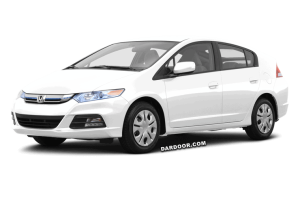
Overview
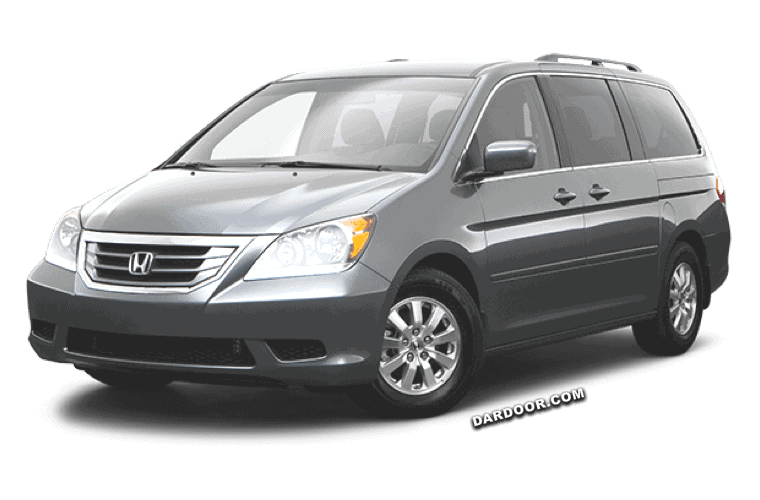
The 2005–2009 Honda Odyssey represents the third generation of Honda’s popular minivan. It offered families a blend of practicality, reliability, and features during this era.
Generation: Third Generation (RL3/RL4) Body Style: 4-door minivan Seating: 7 or 8 passengers (depending on configuration) Production Years: 2005–2010 (2009 model year covered here)
Trim Levels
- LX – Base model with cloth seats
- EX – Mid-level with power sliding doors
- EX-L – Leather seating, heated front seats
- Touring – Top trim with navigation, rear entertainment system
Technical Specifications
| Specification |
Details |
| Engine |
3.5L V6 (J35A7) |
| Horsepower |
244-255 hp (varies by year) |
| Torque |
240-250 lb-ft |
| Transmission |
5-speed automatic |
| Drivetrain |
Front-wheel drive (FWD) |
| Fuel Economy |
16-17 city / 23-25 highway mpg |
| Fuel Capacity |
20.0 gallons |
| Wheelbase |
118.1 inches |
| Length |
201.2 inches |
| Width |
77.1 inches |
| Height |
68.4-69.1 inches |
| Curb Weight |
4,357-4,548 lbs |
| Towing Capacity |
3,500 lbs |
| Cargo Space |
38.4 cu ft (behind 3rd row) / 148.5 cu ft (max) |
Top 10 Mechanical & Electrical Issues
1. Transmission Failure
- Symptoms: Rough shifting, slipping gears, delayed engagement, check engine light, transmission won’t shift out of 2nd or 3rd gear
- Root Cause: Defective torque converter, worn clutch packs, overheating due to inadequate cooling, faulty pressure switches
- Fix: Transmission rebuild or replacement, torque converter replacement, transmission fluid flush with Honda ATF-Z1
- Cost: $2,500–$5,500 (rebuild: $2,500–$3,500 / replacement: $4,000–$5,500)
2. VCM (Variable Cylinder Management) System Issues
- Symptoms: Excessive engine vibration, spark plug fouling, rough idle, premature engine wear, check engine light
- Root Cause: VCM system causes uneven wear on cylinders 1, 4, 6 when deactivating, carbon buildup, piston ring damage
- Fix: VCM disable device (VCMuzzler/VCMtuner), software update, piston ring replacement in severe cases, regular use of fuel system cleaner
- Cost: $300–$500 (VCM disabler) / $2,500–$4,000 (piston ring replacement)
3. Power Sliding Door Failures
- Symptoms: Doors won’t open/close, erratic operation, grinding noises, door reverses while closing, error messages
- Root Cause: Worn door rollers, faulty door motors, damaged cables, sensor misalignment, corroded wiring connections
- Fix: Replace door rollers, motor replacement, cable replacement, clean/lubricate tracks, sensor recalibration
- Cost: $200–$800 per door (rollers: $200–$400 / motor: $400–$800)
4. Engine Misfires & Spark Plug Issues
- Symptoms: Rough idle, hesitation during acceleration, check engine light with P0300-P0306 codes, reduced fuel economy
- Root Cause: VCM-related carbon buildup, faulty ignition coils, worn spark plugs, valve clearance issues
- Fix: Replace spark plugs and ignition coils, valve adjustment, fuel system cleaning, VCM disabler installation
- Cost: $300–$800 (plugs/coils: $300–$500 / valve adjustment: $200–$300)
5. Timing Belt & Water Pump
- Symptoms: Squealing noise from engine, coolant leaks, engine overheating, catastrophic engine failure if belt breaks
- Root Cause: Normal wear (interference engine requires replacement every 105k miles), water pump bearing failure
- Fix: Replace timing belt, water pump, drive belts, tensioners as preventive maintenance
- Cost: $800–$1,500 (includes labor for timing belt kit + water pump)
6. AC Compressor Failure
- Symptoms: No cold air, loud clicking/grinding noise from compressor, AC clutch not engaging, intermittent cooling
- Root Cause: Compressor clutch bearing failure, internal compressor damage, refrigerant leaks, electrical issues
- Fix: AC compressor replacement, refrigerant recharge, clutch replacement, evaporator cleaning
- Cost: $800–$1,400 (compressor: $500–$900 + labor + refrigerant)
7. Wheel Bearing Noise
- Symptoms: Humming/grinding noise from wheels (increases with speed), vibration in steering wheel, uneven tire wear
- Root Cause: Normal wear, water/salt contamination, inadequate lubrication, impacts from potholes
- Fix: Replace wheel bearing hub assembly, inspect suspension components
- Cost: $250–$450 per wheel (parts: $100–$200 / labor: $150–$250)
8. Engine Oil Consumption
- Symptoms: Low oil warning light, blue smoke from exhaust, frequent need to add oil between changes, oil spots under vehicle
- Root Cause: VCM-related piston ring wear, valve seal deterioration, PCV system issues
- Fix: VCM disabler, piston ring replacement, valve seal replacement, regular oil monitoring, use of high-mileage oil
- Cost: $300–$500 (VCM fix) / $2,000–$4,000 (engine rebuild for severe cases)
9. Starter Motor Failure
- Symptoms: Click but no crank, intermittent starting issues, grinding noise during starting, no response when turning key
- Root Cause: Worn starter motor brushes, solenoid failure, heat-related deterioration, corroded connections
- Fix: Starter motor replacement, clean/tighten battery connections, check charging system
- Cost: $350–$650 (starter: $150–$300 + labor $200–$350)
10. Brake System Issues (Rear Brake Wear)
- Symptoms: Squealing/grinding from rear brakes, reduced braking performance, brake warning light, vibration when braking
- Root Cause: Premature rear brake pad wear, seized caliper pins, rotor warping, brake fluid contamination
- Ix: Replace rear brake pads and rotors, service calipers, brake fluid flush
- Cost: $300–$600 (pads/rotors: $200–$400 / calipers add $200–$300)
Top 5 Competitors
- Pros: Available AWD, excellent reliability, strong resale value, spacious interior
- Cons: Less refined ride, higher price, lower fuel economy with AWD
- Key Difference: AWD option makes it ideal for winter climates
- Pros: Stow ‘n Go seating, comfortable ride, strong V6 engine
- Cons: Lower reliability ratings, more electrical issues, higher depreciation
- Key Difference: Stow ‘n Go seats offer unmatched cargo versatility
- Pros: Lower price point, Stow ‘n Go seating, good cargo space
- Cons: Less refined interior, reliability concerns, cheaper materials
- Key Difference: More budget-friendly but fewer features
- Pros: Unique styling, comfortable seats, smooth V6 engine
- Cons: Poor reliability record, limited availability, awkward dashboard design
- Key Difference: Distinctive look but reliability issues limit appeal
- Pros: Lower purchase price, good warranty, decent features
- Cons: Lower resale value, less refined, smaller cargo space
- Key Difference: Budget option with adequate features but less prestige
Top 10 Recalls, Advisories & TSB Highlights
Recalls
1. Fuel Pump Strainer (2007-2008 models)
- Issue: Fuel pump strainer may crack causing engine stalling
- Fix: Replace fuel pump assembly
- Recall #: 08V394000
2. Vehicle Stability Assist (VSA) Modulator (2005 models)
- Issue: VSA modulator may malfunction, affecting braking
- Fix: Replace VSA modulator
- Recall #: 05V541000
3. Secondary Hood Latch (2005-2006 models)
- Issue: Hood may open unexpectedly while driving
- Fix: Install redesigned secondary hood latch
- Recall #: 06V315000
4. Ignition Interlock (2005-2006 models)
- Issue: Key can be removed without being in PARK position
- Fix: Replace ignition interlock mechanism
- Recall #: 06V263000
5. Power Tailgate (2005-2007 models)
- Issue: Power tailgate may close unexpectedly causing injury
- Fix: Update control software, install warning label
- Recall #: 13V253000
Technical Service Bulletins (TSBs)
6. TSB 09-050: Transmission Judder
- Issue: Vibration/judder during light acceleration at 15-50 mph
- Fix: Update transmission software, replace torque converter if needed
7. TSB 10-002: Engine Idle Vibration
- Issue: Excessive vibration at idle due to VCM system
- Fix: Update PCM software, adjust active engine mounts
8. TSB 08-020: Power Sliding Door Rattle
- Issue: Rattling noise from sliding door tracks
- Fix: Apply felt tape to door tracks, adjust door alignment
9. TSB 07-032: AC Evaporator Odor
- Issue: Musty smell from AC vents
- Fix: Clean evaporator, apply anti-microbial treatment
10. TSB 11-078: Brake Squeal
- Issue: Squealing from rear brakes during light braking
- Fix: Replace brake pads with updated part number
Maintenance Schedule
Every 5,000 Miles / 6 Months
- Engine oil and filter change
- Rotate tires
- Inspect brake pads and rotors
- Check fluid levels (coolant, brake, power steering, transmission)
Every 15,000 Miles / 12 Months
- Replace engine air filter
- Inspect drive belts
- Check battery condition
- Inspect suspension components
Every 30,000 Miles / 24 Months
- Replace cabin air filter
- Transmission fluid inspection (replace if dark/burnt smell)
- Inspect cooling system
- Brake fluid flush
- Inspect wheel bearings
Every 45,000 Miles
- Replace spark plugs
- Valve clearance adjustment (if noisy)
- Inspect exhaust system
Every 60,000 Miles
- Transmission fluid replacement (critical for longevity)
- Replace drive belts
- Coolant system flush
- Inspect fuel system
Every 105,000 Miles
- CRITICAL: Replace timing belt, water pump, tensioners
- Replace coolant
- Inspect camshaft seals
As Needed
- Brake pads/rotors: typically every 30,000-60,000 miles
- Tires: every 40,000-60,000 miles
- Battery: every 4-6 years
- Wiper blades: every 6-12 months
10 Buyer FAQs
1. What mileage is too high for a 2005-2009 Odyssey?
With proper maintenance (especially transmission and timing belt service), these can run 200,000+ miles. Look for examples under 150,000 miles with complete service records. Avoid vehicles over 100,000 without timing belt replacement proof.
2. Is the transmission really that bad?
The 2005-2010 transmissions have a concerning failure rate, especially if not maintained with Honda-specific ATF-Z1 fluid. Budget for potential transmission work. 2008-2009 models are slightly better. Always check for smooth shifting during test drive.
3. Should I avoid the VCM system?
The VCM causes long-term issues including oil consumption and misfires. Many owners successfully use VCM disabler devices. If buying, factor in $300-500 for a VCM Muzzler or similar device to prevent future problems.
4. Which year is most reliable?
2008-2009 models are generally considered the best of this generation with fewer early-production issues. However, all years share the same fundamental transmission and VCM concerns.
5. Has the timing belt been replaced?
This is a critical question. The J35 engine is an interference design—if the belt breaks, the engine suffers catastrophic damage ($4,000-6,000 repair). Timing belt must be replaced every 105,000 miles. Walk away if it’s due and not done.
6. What should I look for during a test drive?
- Transmission shifts smoothly without delays or harsh engagement
- No excessive vibration at idle (VCM issue)
- Power sliding doors operate properly
- AC blows cold
- No warning lights on dashboard
- Steering feels tight, no wandering
- Brakes are firm and responsive
7. Are parts expensive?
Parts are moderately priced compared to luxury vehicles. OEM Honda parts are more expensive but recommended for critical components (transmission fluid, timing belt). Aftermarket options available for routine maintenance items.
8. How much should I budget for annual maintenance?
Expect $1,000-1,500 annually for routine maintenance (oil changes, tires, brakes). Budget an additional $1,500-2,000 reserve for unexpected repairs (common issues listed above). Major services (timing belt) are $800-1,500.
9. Is an extended warranty worth it?
Given transmission and VCM issues, an extended powertrain warranty from a reputable provider could provide peace of mind. Read the fine print—many exclude pre-existing conditions. Cost typically $1,500-3,000 depending on coverage.
10. What are the best alternatives if I’m concerned about reliability?
The 2004-2010 Toyota Sienna is more reliable but pricier. The 2011+ Odyssey has a redesigned transmission addressing many issues. If budget allows, consider a newer model year.
Final Buyer Recommendations
✅ BUY IF:
- You find a well-maintained example with complete service records
- Timing belt has been replaced (or you budget $1,500 for immediate service)
- Transmission shifts smoothly with documented fluid changes using Honda ATF-Z1
- You’re comfortable installing a VCM disabler ($300-500) to prevent long-term engine issues
- Price reflects potential repair costs ($3,000-5,000 below comparable competitors)
- You need seating for 7-8, excellent cargo versatility, and Honda build quality
- Vehicle has under 120,000 miles with no evidence of transmission problems
❌ AVOID IF:
- No maintenance records available
- Timing belt service is overdue or unknown
- Transmission shows any signs of problems (harsh shifts, slipping, delays)
- Seller cannot provide proof of regular transmission fluid changes
- Price is at or above market average (these should sell at discount due to known issues)
- You’re not mechanically inclined or comfortable budgeting for repairs
- You need maximum reliability without potential major repair costs
🔍 Pre-Purchase Inspection Checklist:
- Transmission function test (30+ minute test drive including highway)
- Timing belt verification (remove cover to inspect or check records)
- Compression test (check for VCM-related cylinder damage)
- Power sliding door operation (test both doors fully)
- Computer diagnostic scan (check for stored codes)
- Undercarriage inspection (rust, leaks, suspension wear)
- Service records review (verify Honda ATF-Z1 transmission fluid used)
💰 Negotiation Tips:
- Use the transmission/VCM reputation to negotiate 10-15% below asking price
- If timing belt is due, deduct $1,200-1,500 from your offer
- Budget $500-1,000 for immediate “catch-up” maintenance
- Factor in VCM disabler installation ($400 including device + shop install)
🎯 Best Value Target:
2008-2009 EX or EX-L with 80,000-120,000 miles, complete maintenance records, timing belt already replaced, and smooth transmission operation. These offer the best balance of features, relative reliability within the generation, and value.
Bottom Line: The 2005-2009 Honda Odyssey is a capable family minivan with excellent space and features, but it comes with well-documented transmission and VCM-related concerns. Buy only with thorough inspection, complete maintenance history, and realistic budget for potential repairs. A well-maintained example can serve families well, but this generation requires more scrutiny than Honda’s typical reputation suggests.