Why Does My Brake Pedal Sink to the Floor? Diagnosis and Repair Guide
Soft Brake Pedal Troubleshooting: Causes, Fixes, and Safety Tips
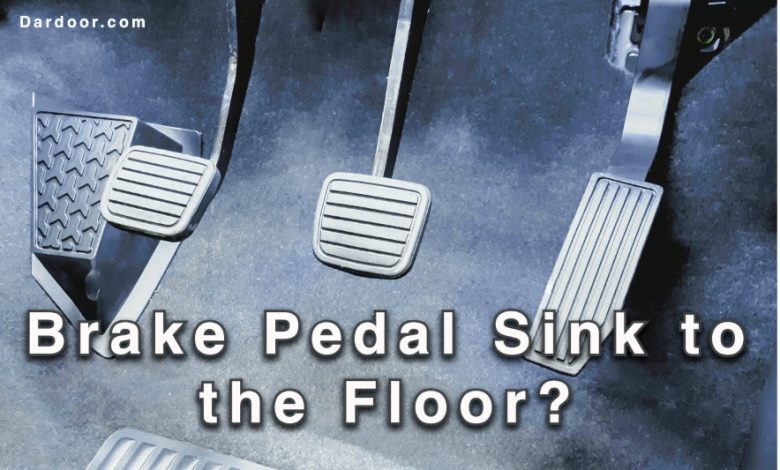
This in-depth guide covers the causes of a sinking brake pedal, tools required for diagnosis, step-by-step troubleshooting, repair procedures, costs, FAQs, and preventive maintenance. By the end, you’ll know how to restore safe and reliable braking performance.
🚦 Symptoms of a Soft or Sinking Brake Pedal
- Pedal sinks slowly to the floor when pressed.
- Pedal feels soft, spongy, or unresponsive.
- Brake warning light illuminated on dashboard.
- Increased stopping distance.
- Brake fluid warning light due to low fluid.
- Brake pedal requires pumping to build pressure.
⚠️ Common Causes of Brake Pedal Failure
| Cause | Effect | Solution |
|---|---|---|
| Brake fluid leak | Loss of hydraulic pressure | Repair leak, refill, bleed system |
| Air in brake lines | Spongy pedal, sinking feel | Bleed brakes to remove air |
| Failed master cylinder | Fluid bypasses seals internally | Replace master cylinder |
| Leaking caliper or wheel cylinder | Brake fluid visible near wheels | Replace faulty component |
| ABS hydraulic unit fault | Fluid bypass inside ABS valves | Replace or rebuild ABS unit |
| Worn brake pads and rotors | Excessive travel before braking force applied | Replace pads and rotors |
🧰 Tools and Equipment Needed
- OBD-II scanner (for ABS-related issues)
- Jack and jack stands
- Socket and wrench set
- Brake bleeder kit
- Brake fluid (DOT 3/4/5.1 as specified)
- Multimeter (for ABS pump electrical testing)
- Replacement parts: master cylinder, calipers, hoses (as required)
- Gloves, rags, and safety glasses
🔍 Diagnosing a Sinking Brake Pedal
1. Check Brake Fluid Level
Low fluid indicates an external leak. Refill and inspect for leaks around calipers, hoses, and master cylinder.
2. Inspect for Leaks
- Look under vehicle for fluid puddles.
- Inspect calipers, wheel cylinders, brake hoses, and master cylinder.
3. Master Cylinder Test
Apply steady pressure to pedal. If it slowly sinks with no external leaks, the master cylinder seals are bypassing internally and require replacement.
4. ABS Hydraulic Unit Test
Scan ABS for codes. A fault inside ABS valves or pump may cause fluid bypass, leading to sinking pedal.
5. Air in System
If fluid level is fine but pedal is soft, bleed the brake system to remove trapped air.
🔧 Repair Procedures
1. Fix Fluid Leaks
- Replace leaking calipers, hoses, or cylinders.
- Refill and bleed system.
2. Replace Master Cylinder
- Disconnect brake lines from cylinder.
- Unbolt master cylinder from brake booster.
- Install new cylinder, bench bleed, then reconnect.
- Bleed entire brake system.
3. Bleed Brakes
Remove air using manual, vacuum, pressure, or ABS scan-tool bleed method.
4. ABS Hydraulic Unit Replacement
- Requires professional tools.
- Remove and replace ABS module/pump assembly.
- Bleed with scan tool to purge air from solenoids.
⚠️ Troubleshooting After Repairs
| Problem | Possible Cause | Solution |
|---|---|---|
| Pedal still soft | Air in system | Re-bleed brakes, check ABS unit |
| ABS light remains on | Stored codes not cleared | Clear with scanner |
| Pedal hard but poor braking | Blocked brake line or collapsed hose | Replace affected line |
| Pedal sinks again after days | Slow leak in system | Inspect hoses, fittings, and master cylinder |
💲 Cost of Repairs
- Brake bleed only: $80–$150
- Master cylinder replacement: $250–$600
- ABS unit replacement: $800–$1,800
- Caliper replacement: $150–$350 per wheel
- Total repair range: $100–$2,000 depending on fault
❓ Frequently Asked Questions
Q: Is it safe to drive with a brake pedal that goes to the floor?
A: No. It indicates hydraulic failure and drastically reduces braking ability.
Q: Can I just top off brake fluid to fix the issue?
A: No. Low fluid is a symptom of a leak. The leak must be repaired.
Q: Why does my pedal sink after replacing the master cylinder?
A: Air may still be trapped. Re-bleed system thoroughly, including ABS unit if needed.
Q: How often should brake fluid be replaced?
A: Every 2–3 years, regardless of mileage.
🛡️ Preventive Maintenance
- Inspect brake system annually for leaks or wear.
- Flush brake fluid regularly.
- Check brake hoses for cracks and swelling.
- Inspect ABS pump and lines during routine service.
- Replace worn pads and rotors promptly to avoid overextending hydraulic parts.
✅ Conclusion
A brake pedal that sinks to the floor is one of the most serious safety issues a driver can face. Causes range from leaks and air in the system to failed master cylinders and ABS hydraulic unit faults. With proper diagnosis, repair, and maintenance, you can restore full braking performance. Always treat this issue as an emergency and repair it immediately to ensure vehicle safety.