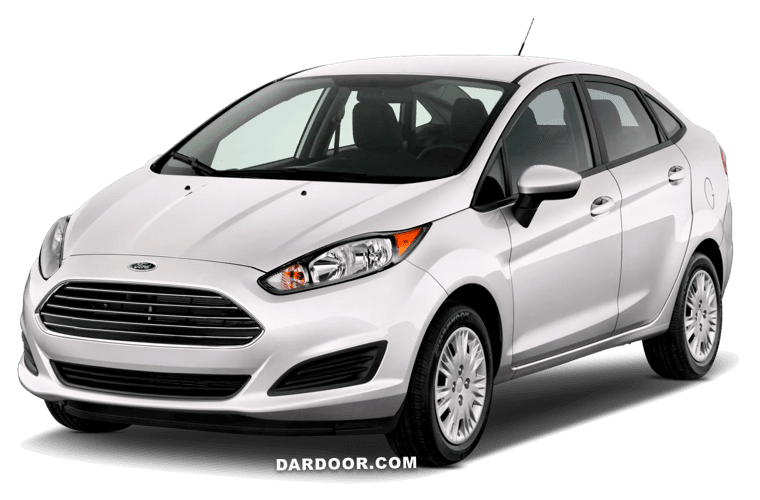
The Ultimate Collection of OEM Electrical Manuals: Ford Fiesta Wiring Diagrams (2010-2020)
Overview
This is the complete collection of official OEM electrical manuals for the Ford Fiesta, covering models manufactured between 2010 and 2020. Available in a simple, easy-to-use PDF format. This comprehensive resource is trusted by Ford technicians for diagnosing and repairing the electrical systems of the Fiesta.
| File Format |
PDF |
| File Language |
English |
| You’ll Get |
138.4 MB |
| Pages Count |
1,194 |
| Delivery Method |
Instant Download |
| Searchable & Printable |
YES |
Why This Collection Is Essential
- Covers All Fiesta Models: Includes wiring diagrams for both early and later models (2010-2020).
- Comprehensive Electrical Information: Gain access to every wire, connection, and circuit in your Ford Fiesta.
- OEM Quality: This is the exact resource used by Ford dealership technicians.
- Easy to Understand: Clear and detailed diagrams with color-coded wires for simplicity.
Key Features
- Color-Coded Schematics: Simplify repairs by easily identifying wires.
- Updated Content: Reflects all updates and changes made to the Fiesta’s electrical systems over the years.
- Hybrid and Advanced Technology Coverage: Includes details for models equipped with hybrid and advanced infotainment systems.
- Safety Systems: Airbag, seatbelt tensioner, and ABS circuit diagrams.
Benefits of Owning This Collection
- Save time and money by diagnosing and fixing electrical issues yourself.
- Avoid guesswork with manufacturer-approved diagrams and instructions.
- Ensure the reliability and safety of your vehicle’s electrical systems.
- Perfect for both professional technicians and DIY enthusiasts.
Download the Ford Fiesta Wiring Diagram Collection (2010-2020) today and gain access to the ultimate electrical repair and diagnostic resource! 🚗📘
[
This OEM service and workshop repair manual provides detailed procedures for maintenance, disassembly, reassembly, inspection, adjustment, and diagnostics. It is intended as a comprehensive guide for experienced mechanics. To ensure thorough and accurate repairs that maintain your vehicle’s optimal performance, please read and follow this manual carefully. When replacing parts during any repair work, always use OEM genuine Ford parts to ensure quality, safety, and reliability.
Table of Contents : 2010-2020 Ford Fiesta Wiring Diagram
- 2010-2013, Wiring Diagrams, Ford Fiesta.
- 2014-2015 Wiring Diagrams, Ford Fiesta.
- 2016-2017 Wiring Diagrams, Ford Fiesta.
- 2018-2020 Wiring Diagrams, Ford Fiesta.
Sample Pages
CAUTION: This manual provides detailed instructions for maintenance, disassembly, reassembly, component inspection, adjustment, and diagnostics—intended for use by experienced mechanics. Proper application of this guide will help ensure thorough repairs and maintain your vehicle in peak condition.
Important Note: Before purchasing this manual, please check whether your vehicle is subject to any active service recalls, as authorized dealerships may perform necessary repairs free of charge. When replacing parts, always use genuine OEM components to ensure safety, reliability, and long-term performance.
🚗 2010–2020 Ford Fiesta – Full Vehicle Overview, Issues, DTCs & Maintenance Guide
The 2010–2020 Ford Fiesta is a subcompact car offered as a sedan or hatchback (depending on market), known for its nimble handling, efficient engines, and affordable ownership costs. It’s widely praised for its fun-to-drive character, but certain model years—especially those equipped with Ford’s dual-clutch PowerShift transmission—are frequently associated with drivability complaints. With proper maintenance and the right configuration, the Fiesta can be a practical and economical daily driver.
⚙️ Technical Specifications & Performance
- Engine Options (varies by region): 1.0L EcoBoost I3, 1.4L/1.5L/1.6L/1.5L I4, 1.6L EcoBoost (ST)
- Power Output: ~80 hp to ~200 hp (Fiesta ST)
- Transmission: 5/6-speed manual, 4-speed automatic (some markets), 6-speed dual-clutch (PowerShift)
- Drivetrain: Front-wheel drive (FWD)
- 0–100 km/h: ~6.7 sec (ST) / ~9.5–12.5 sec (non-ST, engine dependent)
- Fuel Efficiency: ~5.0–7.5 L/100 km combined (engine/market dependent)
- Boot Capacity: ~290L hatch / ~350L sedan (approx., market dependent)
🔧 Top 10 Common Mechanical Issues (Root Cause & Fix)
- PowerShift DCT shuddering / slipping
🔍 Root Cause: Clutch pack contamination/wear and adaptive learning issues; heat and stop-go driving accelerate wear.
🛠️ Fix: TCM relearn/update; replace clutch pack and seals; inspect forks/actuators; consider manual-transmission models for long-term simplicity.
- Transmission harsh shifting / delayed engagement
🔍 Root Cause: Faulty TCM or actuator motor; outdated calibration.
🛠️ Fix: Diagnose TCM, update software; replace actuator/TCM if failing; verify proper ground connections.
- Engine overheating
🔍 Root Cause: Thermostat stuck, radiator fan control issues, coolant leaks at hoses/expansion tank.
🛠️ Fix: Replace thermostat; inspect fan operation and relays; pressure-test system and replace leaking parts.
- Coolant leaks
🔍 Root Cause: Plastic fittings, water pump seepage, expansion tank cracks with age/heat cycling.
🛠️ Fix: Replace leaking hoses/fittings; replace water pump if seepage is present; renew coolant with correct spec.
- Front suspension clunks
🔍 Root Cause: Worn sway bar links, strut mounts, control arm bushings.
🛠️ Fix: Replace links/mounts; inspect bushings/ball joints and replace as needed; align after repairs.
- Steering wander / uneven tire wear
🔍 Root Cause: Misalignment, worn tie rods, bent wheels, low tire pressure habits.
🛠️ Fix: 4-wheel alignment; replace worn steering components; balance wheels and maintain correct pressures.
- Brake vibration
🔍 Root Cause: Warped rotors from heat and aggressive braking; sticking caliper slides.
🛠️ Fix: Replace/resurface rotors; service caliper slides; upgrade pads for heat tolerance if needed.
- Engine misfires under load
🔍 Root Cause: Worn spark plugs/coils, vacuum leaks, fuel quality issues (EcoBoost sensitivity in some cases).
🛠️ Fix: Replace plugs (correct heat range/gap) and coils if needed; smoke-test for leaks; clean MAF; verify fuel pressure.
- Turbo boost loss (EcoBoost models)
🔍 Root Cause: Boost leaks, faulty wastegate/actuator, failing boost control solenoid.
🛠️ Fix: Pressure-test charge pipes; replace damaged hoses; test/replace boost control solenoid and actuator as required.
- AC weak cooling
🔍 Root Cause: Low refrigerant from slow leaks, condenser damage, compressor clutch wear.
🛠️ Fix: Leak test and repair; recharge to spec; replace condenser/compressor components as necessary.
💡 Top 10 Common Electrical Issues (Root Cause & Fix)
- TCM electrical faults (PowerShift)
🔍 Root Cause: TCM internal failure and heat-related solder degradation; voltage/ground issues can worsen symptoms.
🛠️ Fix: Verify battery/charging health and grounds; replace TCM if confirmed faulty; perform programming and adaptive relearn.
- Battery drain / parasitic draw
🔍 Root Cause: Modules not sleeping (infotainment/BCM), aftermarket accessories, weak battery.
🛠️ Fix: Perform parasitic draw test; update modules; remove/rewire accessories; replace battery if weak.
- Infotainment (SYNC) freezing or Bluetooth dropouts
🔍 Root Cause: Firmware bugs, corrupted pairing cache.
🛠️ Fix: Update SYNC software; master reset; re-pair devices; replace APIM if hardware failure is confirmed.
- Instrument cluster flicker / intermittent warnings
🔍 Root Cause: Low system voltage, loose connectors, failing cluster solder joints (age-related).
🛠️ Fix: Load-test battery/alternator; reseat connectors; repair/replace cluster if persistent.
- Power window issues
🔍 Root Cause: Window regulator/motor wear or switch failure.
🛠️ Fix: Replace regulator/motor; test switches and wiring at door hinge loom.
- Central locking / key fob intermittent
🔍 Root Cause: Weak fob battery, BCM logic glitches, antenna/receiver issues.
🛠️ Fix: Replace fob battery; reprogram keys; diagnose BCM/antenna circuit if issue persists.
- ABS/traction control light
🔍 Root Cause: Wheel speed sensor failure, corroded tone ring, wiring damage.🛠️ Fix: Scan ABS module; replace sensor; repair wiring; clean/replace tone ring if damaged.
- Airbag (SRS) warning light
🔍 Root Cause: Seat connector issues, clock spring wear, impact sensor faults.🛠️ Fix: Diagnose with SRS-capable scanner; repair connectors; replace clock spring/sensor as needed.
- Headlight / DRL issues
🔍 Root Cause: Bulb/ballast failure (HID/LED variants), moisture intrusion, poor ground.🛠️ Fix: Replace bulb/ballast; reseal housings; clean/secure grounds.
- Cooling fan not running (electrical control)
🔍 Root Cause: Fan control module/relay failure, wiring faults.🛠️ Fix: Test relays and fan control; replace fan module/assembly; verify PCM command.
📊 Pros & Cons Comparison with Competitors
| Model |
Pros 👍 |
Cons 👎 |
| Ford Fiesta |
Fun handling; Efficient engines; Affordable parts (most markets); Strong ST performance |
PowerShift reliability concerns; Small rear space; Cabin noise on some trims |
| Honda Fit |
Excellent practicality; Strong reliability; Efficient |
Less sporty feel; Road noise |
| Toyota Yaris |
Low running costs; Reliable; Simple |
Less power; Basic cabin |
| Volkswagen Polo |
Refined feel; Good safety; Solid highway manners |
Costlier repairs; DSG servicing (where equipped) |
| Hyundai i20 / Accent |
Good value; Long warranty (some markets); Comfortable |
Less engaging to drive; Average resale (varies) |
| Mazda2 |
Sharp handling; Efficient; Quality interior for class |
Rear space tight; Smaller infotainment on base trims |
🛠️ Maintenance Schedule
| Interval ⏱️ |
Maintenance Task 🔧 |
| Every 8,000–10,000 km / 6–12 months |
Engine oil & filter replacement |
| Every 15,000 km |
Tire rotation; brake inspection; check battery health |
| Every 30,000 km |
Replace engine air filter; replace cabin filter; inspect coolant hoses |
| Every 60,000 km |
Replace spark plugs (engine dependent); brake fluid replacement; inspect suspension/steering |
| Every 80,000–100,000 km |
Coolant service (if required by spec); transmission service (manual/auto/CVT/DCT per spec) |
| Every 120,000 km |
Accessory belt inspection/replacement; full driveline inspection |
⚠️ Recalls, Advisories & Safety Alerts
- PowerShift TCM / drivability campaigns (varies by market and year): Hesitation, harsh shifts, or loss of drive; addressed via software updates and, in some cases, TCM replacement programs.
- Door latch recall (varies by market): Latch may not fully engage or could open unexpectedly; latch replacement performed.
- Fuel system / EVAP-related notices: Potential fuel odor or EVAP valve faults; inspection and component replacement as needed.
- Airbag (Takata) inflator-related recalls (market dependent): Inflator rupture risk; inflator replacement.
- Steering gear/fastener inspection campaigns: Loose fasteners could affect steering feel; torque check and replacement if needed.
- Brake hose routing / leak inspections: Hose chafe risk in certain builds; reroute/replace.
- Cooling fan / overheating advisories: Fan control issues may contribute to overheating; updated parts or software in some cases.
- Seat belt pretensioner / buckle notices: Improper locking or pretensioner performance; replaced under recall if affected.
- Wiring harness chafe campaigns: Harness routing could chafe and cause intermittent electrical faults; harness protection added.
- Underbody corrosion checks (region dependent): Salt-belt inspections for subframe/underbody corrosion; treatment or replacement if required.
🧾 Diagnostic Trouble Codes (DTC) Tables
💻 Engine Control Module (ECM)
| Code |
Description |
| P0171 |
System Too Lean (Bank 1) |
| P0300 |
Random/Multiple Cylinder Misfire |
| P0301 |
Cylinder 1 Misfire |
| P0101 |
MAF Sensor Range/Performance |
| P0128 |
Coolant Thermostat Below Regulating Temperature |
| P0420 |
Catalyst Efficiency Below Threshold |
| P0456 |
EVAP System Small Leak Detected |
| P2195 |
O2 Sensor Signal Stuck Lean |
| P0299 |
Turbo/Supercharger Underboost (EcoBoost) |
| P06DA |
Engine Oil Pressure Control Solenoid |
⚙️ Transmission Control Module (TCM)
| Code |
Description |
| P0700 |
Transmission Control System Malfunction |
| P0715 |
Input/Turbine Speed Sensor Circuit |
| P0720 |
Output Speed Sensor Circuit |
| P0730 |
Incorrect Gear Ratio |
| P0741 |
TCC Performance/Stuck Off (auto) |
| P0750 |
Shift Solenoid A Malfunction |
| P090C |
Clutch Actuator B Circuit Low (DCT) |
| P087A |
Clutch Position Sensor Circuit (DCT) |
| P2831 |
Shift Fork A Position Circuit |
| P2872 |
Clutch A Stuck Engaged (DCT) |
🛑 ABS / ESC (Brake System)
| Code |
Description |
| C003A |
Left Front Wheel Speed Sensor |
| C003B |
Right Front Wheel Speed Sensor |
| C0051 |
Steering Angle Sensor Malfunction |
| C1095 |
Hydraulic Pump Motor Circuit |
| C1145 |
Brake Pressure Sensor Circuit |
| C1236 |
Yaw Rate Sensor Input |
| C1288 |
Brake Switch Circuit Fault |
| U0121 |
Lost Communication with ABS Module |
| C0031 |
Wheel Speed Sensor Signal Erratic |
| C101A |
ABS Control Module Internal Fault |
🎈 SRS Airbag System
| Code |
Description |
| B0001 |
Driver Frontal Deployment Loop Fault |
| B0002 |
Passenger Frontal Deployment Loop Fault |
| B0020 |
Right Side Airbag Deployment Loop |
| B0022 |
Left Side Airbag Deployment Loop |
| B0051 |
Seat Belt Pretensioner Circuit |
| B0070 |
Passenger Presence System Fault |
| B0092 |
Crash Sensor Communication Fault |
| B0100 |
Restraints Control Module Fault |
| B1231 |
Impact Sensor Front Fault |
| U0151 |
Lost Communication with Restraints Control Module |
📡 Body Control / CAN Communication
| Code |
Description |
| U0100 |
Lost Communication with ECM/PCM |
| U0101 |
Lost Communication with TCM |
| U0121 |
Lost Communication with ABS Module |
| U0155 |
Lost Communication with Instrument Panel Cluster |
| U0140 |
Lost Communication with BCM |
| U0401 |
Invalid Data Received from ECM/PCM |
| U0415 |
Invalid Data Received from ABS |
| B1325 |
System Voltage Out of Range |
| B1D01 |
Door Ajar Switch Circuit |
| U3003 |
Battery Voltage / System Voltage Fault |
✅ Final Verdict & Conclusion
The 2010–2020 Ford Fiesta is an economical, fun-to-drive subcompact that shines in urban use and—especially in ST form—delivers genuine enthusiast appeal. For long-term ownership, the biggest deciding factor is transmission choice: manual-equipped models are generally simpler and more predictable, while PowerShift dual-clutch models require careful maintenance and may involve higher repair risk. If you prioritize low operating cost and agility, a well-maintained Fiesta (preferably manual or carefully documented transmission service history) can be a smart, budget-friendly choice.