

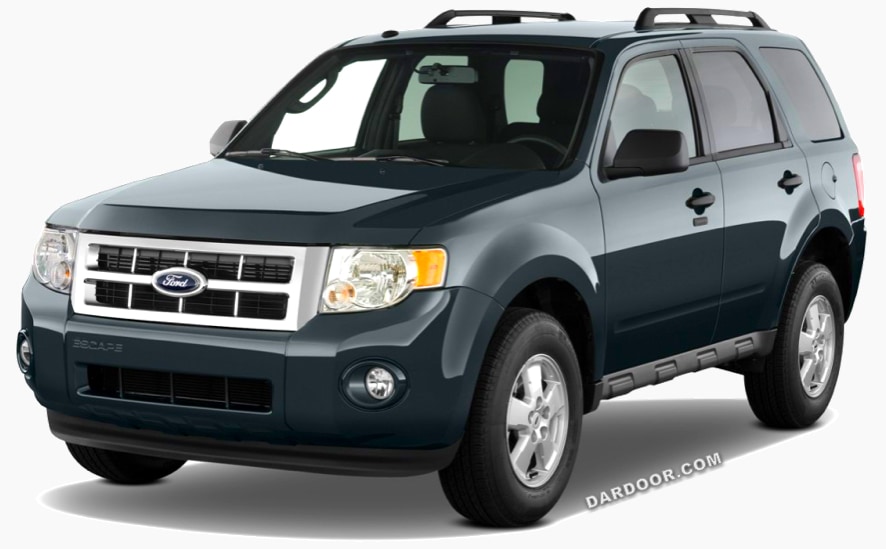

Get the official repair manual for the 2008-2011 Ford Escape, complete with detailed wiring diagrams, in a user-friendly PDF format.
2008-2011 Ford Escape Repair Manual
$19.90
OEM Workshop Manual for 2008-2011 Ford Escape
Get the official repair manual for the 2008-2011 Ford Escape, complete with detailed wiring diagrams, in a user-friendly PDF format. This comprehensive OEM workshop document provides the same trusted service, repair, and maintenance procedures relied upon by Ford dealership technicians.
| File Format | |
| File Language | English |
| You’ll Get | 88 MB |
| Wiring Diagram | Included |
| Delivery Method | Instant Download |
Key Features:
- Complete wiring diagrams for all electrical systems
- Detailed step-by-step service and repair instructions
- Manufacturer-approved diagnostics and maintenance guidance
- Convenient PDF format for quick and easy access
Ensure your Ford Escape stays in top condition with this trusted OEM manual, designed to meet all your repair and maintenance needs.
The Manual Covers The Following Models: –
- 2008 Ford Escape
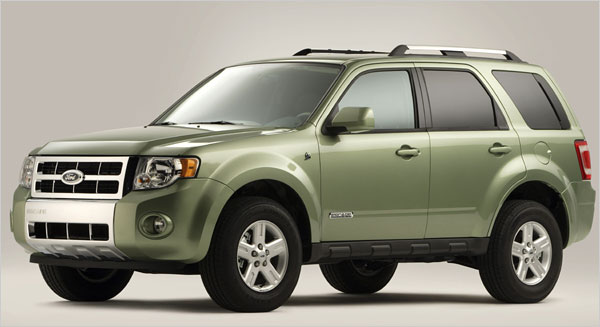
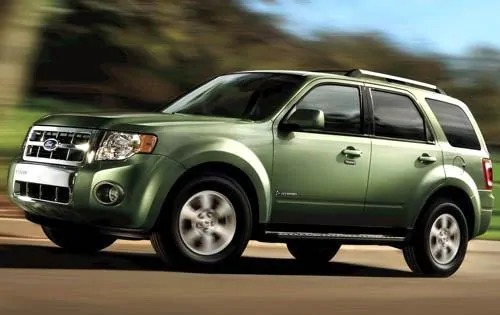
- 2008 Ford Escape Hybrid
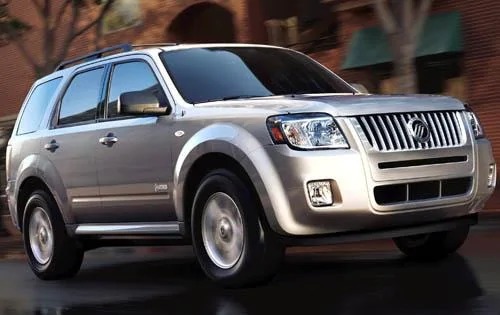
- 2008 Mercury Mariner
- 2008 Mercury Mariner Hybrid
This manual includes the procedures for maintenance, disassembling, reassembling, inspection, and adjustment of components and diagnostics for the guidance of experienced mechanics. Please use this manual to ensure complete repair work to keep your vehicle in optimum condition. When replacement parts during repair work are needed, be sure to use Ford genuine OEM parts.
Table of Contents : 2008-2011 Ford Escape Repair Manual
General Information
- Identification Codes
- Jacking and Lifting
- Maintenance Schedule
- Noise, Vibration and Harshness
Body
- Body System — General Information
- Front End Body Panels
- Body Closures
- Interior Trim and Ornamentation
- Exterior Trim and Ornamentation
- Rear View Mirrors
- Seating
- Glass, Frames and Mechanisms
- Instrument Panel and Console
- Handles, Locks, Latches and Entry Systems
- Wipers and Washers
- Roof Opening Panel
- Bumpers
- Safety Belt System
- Supplemental Restraint System
- Body Repairs
Frame and Mounting
- Uni-Body. Subframe and Mounting System
Engine
- Engine System — General Information
- Engine — 2.3L
- Engine — 3.0L (4V)
- Engine — 2.3L Hybrid
- Engine Cooling
- Engine Cooling — Hybrid
- Fuel Charging and Controls — 2.3L
- Fuel Charging and Controls — 3.0L (4V)
- Fuel Charging and Controls — Hybrid
- Accessory Drive — 2.3L
- Accessory Drive — 3.0L (4V)
- Accessory Drive — Hybrid
- Starting System
- Engine Ignition — 2.3L
- Engine Ignition — 3.0L (4V)
- Engine Emission Control — 2.3L
- Engine Emission Control — 3.0L (4V)
- Engine Emission Control — Hybrid
- Intake Air Distribution and Filtering — 2.3L
- Intake Air Distribution and Filtering — 3.0L (4V)
- Intake Air Distribution and Filtering — Hybrid
- Evaporative Emissions
- Evaporative Emissions — Hybrid
- Electronic Engine Controls — 2.3L
- Electronic Engine Controls — 3.0L (4V)
- Electronic Engine Controls — Hybrid
Suspension
- Suspension System — General Information
- Front Suspension
- Rear Suspension
- Wheels and Tires
Driveline
- Driveline System — General Information
- Driveshaft
- Rear Drive Axle/Differential
- Front Drive Halfshafts
- Rear Drive Halfshafts
Brake System
Brake System — General Information
Drum Brake
Front Disc Brake
Rear Disc Brake
Parking Brake and Actuation
Hydraulic Brake Actuation
Power Brake Actuation
Vehicle Dynamic Systems
Automatic Transmission
- Automatic Transaxle/Transmission — CD4E
- Automatic Transaxle/Transmission — Electronically Controlled Continuously Variable Transmission (eCVT)
- Transaxle/Transmission Cooling — CD4E
- Transaxle/Transmission Cooling — Hybrid
- Automatic Transaxle/Transmission External Controls — CD4E
- Automatic Transaxle/Transmission External Controls — Hybrid
Manual Transmission, Clutch and Transfer Case
- Manual Transaxle/Transmission and Clutch — General Information
- Clutch
- Clutch Controls
- Manual Transaxle/Transmission
- Manual Transaxle/Transmission External Controls
- Four Wheel Drive (4WD) Systems
- Transfer Case — Power Transfer Unit (PTU)
Exhaust System
- Exhaust System
Fuel System
- Fuel System — General Information
- Fuel Tank and Lines
- Fuel Tank and Lines — Hybrid
- Acceleration Control
- Acceleration Control — Hybrid
- Speed Control
Steering System
- Steering System
- Power Steering
- Steering Linkage
- Steering Column
- Steering Column Switches
Climate Control System
- Climate Control System — General Information and Diagnostics
- Climate Control System — General Information and Diagnostics — Hybrid
- Climate Control
- Auxiliary Climate Control — Hybrid
Instrumentation and Warning Systems
- Instrument Cluster and Panel Illumination
- Instrumentation, Message Center, and Warning Chimes
- Horn
- Parking Aid
Battery and Charging System
- Charging System — General Information and Diagnostics
- Battery, Mounting and Cables
- Generator and Regulator
- High Voltage Traction Battery
- High Voltage Converter/Inverter
Audio Systems
- Information and Entertainment Systems
Lighting
- Exterior Lighting
- Interior Lighting
Electrical Distribution
- Module Communications Network
- Module Configuration
Electronic Feature Group
- Anti-Theft — Passive Anti-Theft System (PATS)
- Anti-Theft — Passive Anti-Theft System (PATS) – Hybrid
- Multifunction Electronic Modules
- Electronic Compass
Electrical Wiring Diagrams
- Wiring Diagrams Ford Escape, Mariner
- Wiring Diagrams Ford Escape Hybrid, Mariner Hybrid
Owner’s Manual
- 2008 Ford Escape Owner’s Manual
- 2008 Mercury Mariner Owner’s Manual
SAMPLE PAGES
CAUTION: Please note that this manual is made for the use of persons who have special techniques and certifications. If non-specialized or uncertified technicians perform repairs or services only using this manual or without proper equipment or tools, this may cause severe injury to you or other persons nearby and also cause damage to your vehicle. In order to prevent dangerous operations and damage to your vehicle, please be sure to follow the instructions thoroughly.
🛠️ Common Issues with the 2008- 2011 Ford Escape
Overview: 2008–2011 Ford Escape (2nd Generation Refresh)
| Attribute | Details |
| Body Style | Compact SUV, 4-door |
| Drivetrain | FWD or AWD |
| Transmission | 4-speed automatic (2008), 6-speed automatic (2009–2011) |
| Platform | Ford CD2 (shared with Mazda Tribute, Mercury Mariner) |
| Trim Levels | XLS, XLT, Limited, Hybrid |
Engine Options & Specs
| Engine | Power | Torque | Fuel Economy (L/100 km) |
| 2.3L I4 (2008 only) | 153 hp | 152 lb-ft | ~10.2 city / 8.1 hwy |
| 2.5L I4 (2009–2011) | 171 hp | 171 lb-ft | ~9.8 city / 7.4 hwy |
| 3.0L V6 (2008–2011) | 240 hp | 223 lb-ft | ~11.2 city / 8.0 hwy |
| 2.5L I4 Hybrid (2009–2011) | 177 hp (combined) | — | ~6.5 city / 7.0 hwy |
Key Features by Trim
| Trim | Highlights |
| XLS | Basic trim, cloth seats, manual locks/windows (early models) |
| XLT | Power features, alloy wheels, optional sunroof, upgraded audio |
| Limited | Leather seats, premium audio, heated front seats, optional nav system |
| Hybrid | Fuel-efficient, regenerative braking, unique LCD displays |
Common Problems
| Issue | Symptoms / Notes |
| Throttle body failure | Loss of power, hesitation, limp mode; TSB issued |
| Transmission issues (2008 4AT) | Harsh shifting, failure at high mileage; better in 2009+ 6-speed AT |
| Power steering failure | Especially electric assist systems—TSB/recall issued |
| Hybrid battery cooling fan | Can become clogged or noisy; affects hybrid models |
| Interior wear | Fading plastics, worn seat fabric or leather in higher-mileage units |
| Rear liftgate glass struts | Weak struts cause hatch glass not to stay open |
| ABS tone ring cracks | Triggers ABS/brake warning lights |
Maintenance Schedule (General Guide)
| Service | Interval |
| Engine Oil & Filter | Every 5,000–8,000 km |
| Transmission Fluid (ATF) | Every 48,000–96,000 km |
| Spark Plugs (2.5L/3.0L) | Every 160,000 km |
| Air Filter | Every 24,000–40,000 km |
| Cabin Air Filter | Every 20,000–30,000 km |
| Coolant Flush | Every 160,000 km or 5 years |
| Brake Fluid | Every 2 years |
| Hybrid Battery Cooling Service | Inspect fan & vents annually |
Pros & Cons
✅ Pros
-
- Smooth and predictable handling
- Available hybrid model (great fuel economy)
- Reliable I4 and V6 engines
- Simple and cheap to maintain
- AWD capability
❌ Cons
-
- Dated interior design and tech
- Transmission issues on 2008 models
- Road noise can be noticeable
- Rear suspension bushings wear prematurely
- Mediocre crash scores compared to newer rivals
Main Competitors (at the time)
| Model | Strengths |
| Toyota RAV4 | More reliable, available V6, more spacious |
| Honda CR-V | Better ride, better interior quality |
| Mazda Tribute | Mechanically identical but sportier styling |
| Chevrolet Equinox | Comfortable ride, larger cargo space |
| Hyundai Tucson | Budget-friendly, good warranty |
| Subaru Forester | AWD standard, rugged feel |
Resources
- Workshop Manual (PDF): Available from trusted sources like Dardoor.com
- Ford Owner Support: https://owner.ford.com
- TSB & Recall Check: NHTSA.gov
Related products
-
2010 Ford Ranger Repair Manual
$16.90 Add to cart -
2019 Ford Ranger Repair Manual
$35.90 Add to cart -
1997-2003 Ford F-150 Repair Manual
$16.90 Add to cart -

2013-2019 Ford Escape Repair Manual
$19.90 Add to cart -

2015-2016 Ford Ranger PX MK2 Repair Manual
$24.90 Add to cart -
2006-2013 Ford Transit Repair Manual
$16.90 Add to cart -
2008 Ford Taurus Repair Manual
$19.90 Add to cart -
2018-2020 Ford F-150 Repair Manual
$42.00 Add to cart