

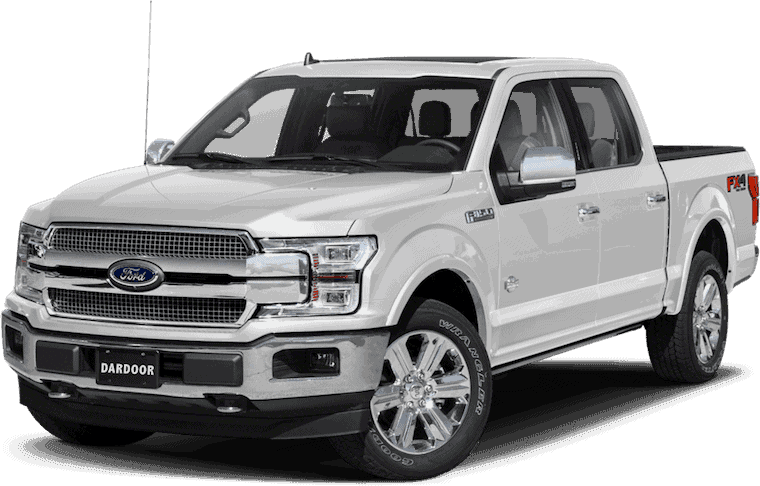
Get the OEM repair manual with the wiring diagram for the 2018-2020 Ford F-150 in a fully coloured PDF format.
2018-2020 Ford F-150 Repair Manual
$42.00
Get the OEM repair manual for the 2018-2020 Ford F-150 in a fully coloured PDF format. This comprehensive OEM workshop document spans over 20,000 pages and includes detailed service and repair instructions, along with complete wiring diagrams. It offers step-by-step guidance for every aspect of vehicle maintenance and repair, providing the same trusted information used by Ford dealer technicians to keep your vehicle running at its best.
| File Format | |
| File Language | English |
| You’ll Get | 648.9 MB |
| Page Count | 20,575 |
| Wiring Diagram | Included |
| Delivery Method | Instant Download |
Download now with full confidence and ensure professional-grade care for your Ford F-150.
Models Covered:
- SSV, STX, XL, XLT, FX2, FX4, Limited, Lariat, Police Responders, King Ranch, Platinum, Raptor,
- 6-Speed Automatic 6R80,
- 10-Speed Automatic 10R80
Engines Covered:
- 2.7L Ecoboost,
- 3.0L Power Stroke Diesel,
- 3.5 Ecoboost,
- 3.3L Duratec V6,
- 5.0L 32V Ti-VCT V8.
Key Features:
- More than 20,000 original and coloured pages
- Comprehensive wiring diagrams for all electrical systems
- Detailed step-by-step service and repair instructions
- Manufacturer-authorized content for accurate diagnostics and repairs
- User-friendly, downloadable PDF format
This manual provides detailed instructions for maintenance, disassembly, reassembly, component inspection, adjustment, and diagnostics—intended for use by experienced mechanics. Proper application of this guide will help ensure thorough repairs and maintain your vehicle in peak condition.
Important Note: Before purchasing this manual, please check whether your vehicle is subject to any active service recalls, as authorized dealerships may perform necessary repairs free of charge. When replacing parts, always use genuine OEM components to ensure safety, reliability, and long-term performance.
Table of Contents : 2018-2020 Ford F-150 Repair Manual
SAMPLE PAGES
CAUTION: This manual is intended for use by individuals with specialized skills and certifications. If repairs or services are performed by non-specialized or uncertified technicians using only this manual or without the proper equipment and tools, there is a risk of severe injury to you or those nearby, as well as potential damage to your vehicle. To avoid hazardous operations and ensure vehicle integrity, please follow the instructions closely and use appropriate tools and equipment.
2018–2020 Ford F-150: Comprehensive Buyer’s Guide
Overview
The 2018–2020 Ford F-150 represents the 13th generation of America’s best-selling pickup truck. This generation underwent a significant redesign in 2015 with an aluminum body, and by 2018–2020, it was a refined, mature product offering exceptional capability, technology, and versatility.
Key Highlights:
- Aluminum body construction (saves ~700 lbs vs. steel)
- Multiple engine options from V6 to V8
- Best-in-class towing capacity (up to 13,200 lbs)
- Advanced tech features including Pro Trailer Backup Assist
- Available luxury features rivaling premium SUVs
Technical Specifications
Trims & Configurations
| Trim | Key Features |
| XL | Base work truck, steel wheels, manual locks/windows (optional power features). |
| XLT | Adds power accessories, chrome bumpers, SYNC 3, and cloth seats. |
| Lariat | Leather seats, dual-zone climate, 2.7L EcoBoost standard, 8-inch touchscreen. |
| King Ranch | Western-themed interior, premium leather, heated & ventilated seats. |
| Platinum | High-end luxury features, adaptive cruise control, LED lighting. |
| Limited | Top-tier luxury, 3.5L EcoBoost HO, premium sound system, massaging seats. |
| Raptor | Off-road-focused, high-output 3.5L EcoBoost, FOX shocks, 4WD standard. |
- Best for Fuel Economy: 3.0L Diesel (~30 MPG highway)
- Best for Towing: 3.5L EcoBoost (~13,200 lbs)
- Best for Off-Roading: Raptor (High-Output 3.5L EcoBoost)
Available Cab & Bed Configurations
- Regular Cab (2-door) – 6.5 ft or 8 ft bed
- SuperCab (Extended 4-door) – 6.5 ft or 8 ft bed
- SuperCrew (Full 4-door) – 5.5 ft or 6.5 ft bed
Performance Specs
Engine Options
3.3L Ti-VCT V6 (Base)
- Horsepower: 290 hp @ 6,500 rpm
- Torque: 265 lb-ft @ 4,000 rpm
- Transmission: 6-speed automatic
- Towing: Up to 7,700 lbs
2.7L EcoBoost V6
- Horsepower: 325 hp @ 5,500 rpm
- Torque: 400 lb-ft @ 2,750 rpm
- Transmission: 10-speed automatic
- Towing: Up to 8,500 lbs
3.5L EcoBoost V6
- Horsepower: 375 hp @ 5,000 rpm
- Torque: 470 lb-ft @ 3,500 rpm
- Transmission: 10-speed automatic
- Towing: Up to 13,200 lbs (with max towing package)
5.0L Ti-VCT V8
- Horsepower: 395 hp @ 5,750 rpm
- Torque: 400 lb-ft @ 3,250 rpm
- Transmission: 10-speed automatic
- Towing: Up to 11,600 lbs
3.0L Power Stroke Diesel V6 (2018–2019)
- Horsepower: 250 hp @ 3,250 rpm
- Torque: 440 lb-ft @ 1,750 rpm
- Transmission: 10-speed automatic
- Towing: Up to 11,400 lbs
- Fuel Economy: 22/30 mpg (city/highway)
Dimensions & Capacity
- Cab Configurations: Regular Cab, SuperCab, SuperCrew
- Bed Lengths: 5.5′, 6.5′, 8′ (depending on cab)
- Wheelbase:122.4″ to 163.7″
- Overall Length: 209.3″ to 250.5″
- Width: 79.9″ (excluding mirrors)
- Height: 75.6″ to 78.5″
- Payload Capacity: Up to 3,270 lbs
- Ground Clearance: 8.8″ to 9.4″
Drivetrain
- 4×2 (RWD) or 4×4 (AWD/4WD)
- Electronic shift-on-the-fly 4WD system
- Available electronic locking rear differential
Fuel Economy (EPA estimates, 2WD)
- 3.3L V6: 19/25 mpg (city/highway)
- 2.7L EcoBoost: 20/26 mpg
- 3.5L EcoBoost: 17/23 mpg
- 5.0L V8: 17/23 mpg
- 3.0L Diesel: 22/30 mpg
Top 10 Mechanical & Electrical Issues
1. 10-Speed Transmission Problems
Symptoms:
- Harsh or delayed shifting, especially 3rd to 4th gear
- Shuddering or jerking during acceleration
- Hesitation when downshifting
- “Clunking” noise during gear changes
Root Cause:
- Faulty transmission control module (TCM) software
- Torque converter clutch issues
- Inadequate transmission fluid cooling
- Adaptive learning strategy problems
Fix:
- TCM software updates/reflash (multiple iterations released)
- Transmission fluid flush and replacement
- Torque converter replacement in severe cases
- Complete transmission replacement (worst cases)
Cost: $0–150 (software update) | $300–600 (fluid service) | $1,500–2,500 (torque converter) | $4,000–7,000 (transmission replacement)
2. EcoBoost Engine Cam Phaser Failure
Symptoms:
- Loud rattling/knocking noise on cold start (first 5-10 seconds)
- Check engine light with timing-related codes (P0016, P0017, P0018)
- Rough idle
- Reduced engine performance
Root Cause:
- Inadequate oil pressure to cam phasers during startup
- Worn cam phaser components
- Oil contamination or low oil level
- Design flaw in early EcoBoost engines
Fix:
- Replace cam phasers (both intake and exhaust)
- Replace timing chains if stretched
- Update engine software
- Some cases covered under extended warranty
Cost: $2,000–4,000 (cam phaser replacement) | May be covered under Ford’s extended warranty program
3. SYNC 3 Infotainment System Freezing/Malfunctioning
Symptoms:
- Touchscreen becomes unresponsive
- System reboots randomly
- Bluetooth connectivity issues
- Navigation system freezing
- Backup camera not displaying
Root Cause:
- Software bugs and glitches
- Corrupted system files
- Insufficient processing power for system demands
- USB port electrical interference
Fix:
- Perform master reset (hold power + skip forward for 10 seconds)
- Software update through Ford or via USB
- Replace APIM (Audio Processing Interface Module) if hardware failure
Cost: $0 (reset/software update) | $800–1,500 (APIM replacement)
4. Exhaust Manifold Cracking (5.0L V8)
Symptoms:
- Loud ticking or tapping noise from engine bay, worse when cold
- Exhaust smell in cabin
- Check engine light (P0420, P0430 codes)
- Failed emissions test
- Visible exhaust leak
Root Cause:
- Thermal expansion/contraction cycles
- Inadequate manifold design for heat stress
- Poor casting quality
Fix:
- Replace cracked exhaust manifold(s)
- Replace manifold bolts and gaskets
- Some covered under warranty extension
Cost: $1,200–2,000 per side (parts and labor)
5. Diesel Particulate Filter (DPF) Issues (3.0L Diesel)
Symptoms:
- Frequent regeneration cycles
- Reduced fuel economy
- Loss of power
- Check engine light
- “Service Exhaust Filter” warning message
- Engine derate (limited power mode)
Root Cause:
- Short trips preventing complete DPF regeneration
- DPF sensor failures
- Excessive soot accumulation
- Faulty regeneration system components
Fix:
- Perform forced DPF regeneration
- Replace DPF filter if clogged beyond cleaning
- Replace DPF sensors
- Software updates
Cost: $100–300 (forced regeneration) | $1,500–3,000 (DPF replacement) | $200–400 (sensors)
6. Sunroof Drain Tube Clogs and Water Leaks
Symptoms:
- Water dripping from headliner
- Wet carpet (front footwells)
- Musty odor in cabin
- Water pooling in door panels
- Fogged windows
Root Cause:
- Debris clogging sunroof drain tubes
- Improperly sealed body seams
- Cracked or disconnected drain hoses
- Door seal deterioration
Fix:
- Clear sunroof drain tubes with compressed air or flexible wire
- Reseal body seams
- Replace damaged drain hoses
- Replace door seals
Cost: $50–200 (drain cleaning) | $300–800 (comprehensive leak repair)
7. Electronic Power Steering Failure
Symptoms:
- “Service AdvanceTrac” warning message
- Loss of power steering assist
- Heavy, difficult steering
- Warning lights on dashboard
- Grinding noise when turning
Root Cause:
- Faulty steering rack sensor
- Electronic power steering control module failure
- Software glitches
- Wiring harness issues
Fix:
- Software updates/recalibration
- Replace steering rack sensor
- Replace power steering control module
- Inspect and repair wiring
Cost: $150–400 (sensor replacement) | $800–1,500 (control module) | $1,500–2,500 (steering rack replacement)
8. Fuel System Issues (Direct Injection Carbon Buildup)
Symptoms:
- Rough idle
- Misfires (particularly on EcoBoost engines)
- Loss of power
- Poor fuel economy
- Check engine light (P0300-P0306 misfire codes)
- Hard starting
Root Cause:
- Carbon deposits on intake valves (direct injection has no fuel wash)
- Faulty fuel injectors
- High-pressure fuel pump failure
- PCV system issues causing oil contamination
Fix:
- Walnut blasting to remove carbon deposits
- Replace fuel injectors
- Replace high-pressure fuel pump
- Clean or replace PCV valve
Cost: $400–800 (carbon cleaning) | $600–1,200 (injector replacement) | $800–1,500 (fuel pump replacement)
9. IWE (Integrated Wheel End) 4WD System Failure
Symptoms:
- Grinding, clicking, or popping noise from front wheels
- Noise occurs when decelerating or coasting
- 4WD not engaging properly
- Vibration from front end
Root Cause:
- Vacuum leak in IWE system
- Damaged vacuum lines
- Faulty IWE solenoid valve
- Failed wheel hub IWE actuators
- Check valve failure
Fix:
- Replace vacuum lines and check valve
- Replace IWE solenoid
- Replace wheel hub assemblies with IWE actuators
- Install manual locking hubs (aftermarket solution)
Cost: $100–300 (vacuum lines/check valve) | $200–400 (solenoid) | $800–1,500 (both hub assemblies)
10. Battery Drain and Electrical Gremlins
Symptoms:
- Dead battery after sitting overnight or for few days
- Accessories staying on after key removed
- Parasitic draw
- Warning lights illuminating randomly
- Remote start not working
Root Cause:
- Body Control Module (BCM) not entering sleep mode
- Faulty door switches/latches keeping systems awake
- Aftermarket accessories causing drain
- Defective battery or alternator
- Software bugs
Fix:
- BCM software update
- Replace faulty door latches/switches
- Test and eliminate parasitic draw sources
- Replace battery or alternator if failed
- Disconnect and properly install aftermarket accessories
Cost: $0–150 (software update) | $150–350 per door (latch replacement) | $150–250 (battery) | $500–800 (alternator)
Competitors
1. Chevrolet Silverado 1500 (2019–2020)
Comparison:
- Similar engine lineup including turbo 4-cylinder, V6, V8 options
- Maximum towing: up to 12,500 lbs (slightly less than F-150)
- More traditional steel body construction
- Slightly better ride quality
- Less advanced technology features
- Verdict: Strong competitor with proven V8 reliability, but F-150 edges ahead in technology and towing capacity
2. Ram 1500 (2019–2020)
Comparison:
- Available with mild-hybrid eTorque system
- Best-in-class interior quality and comfort
- Coil-spring rear suspension (smoother ride)
- Maximum towing: up to 12,750 lbs
- Excellent fuel economy with diesel option (up to 32 mpg highway)
- Verdict: Superior ride comfort and interior, but F-150 offers more engine choices and higher max towing
3. GMC Sierra 1500 (2019–2020)
Comparison:
- Essentially upscale Silverado twin
- Available CarbonPro carbon fiber bed
- MultiPro tailgate innovation
- Similar towing/payload capabilities
- Higher price point for comparable equipment
- Verdict: More premium feel than F-150, but higher cost and fewer technology features
4. Toyota Tundra (2018–2020)
Comparison:
- Legendary reliability and durability
- 5.7L V8 only engine option (381 hp)
- Maximum towing: up to 10,200 lbs (significantly less)
- Outdated interior and technology
- Better resale value
- Lower fuel economy
- Verdict: Can’t match F-150’s capabilities or technology, but offers Toyota reliability
5. Nissan Titan (2018–2020)
Comparison:
- 5.6L V8 engine (390 hp)
- Maximum towing: up to 9,660 lbs
- Comfortable interior
- Lower price point
- Less refined driving dynamics
- Fewer configuration options
- Verdict: Value proposition, but significantly behind F-150 in capability and market share
Top 10 Recalls, Advisories & TSB Highlights
Recalls
1. NHTSA Campaign 19V120 (March 2019)
- Issue: Engine block heater cable can short circuit and cause fire
- Vehicles: 2015–2019 F-150 with engine block heater
- Fix: Dealers inspect and replace engine block heater cable
2. NHTSA Campaign 19V650 (August 2019)
- Issue: Seat belt pretensioner may not properly restrain occupants
- Vehicles: 2018–2019 F-150
- Fix: Replace seat belt retractor assemblies
3. NHTSA Campaign 20V061 (February 2020)
- Issue: Speed control deactivation may cause unintended acceleration
- Vehicles: 2019–2020 F-150 with adaptive cruise control
- Fix: Software update to body control module
4. NHTSA Campaign 18V085 (February 2018)
- Issue: Seat back frames may fracture in crash
- Vehicles: 2015–2018 F-150 SuperCrew
- Fix: Replace driver and passenger seat back frames
5. NHTSA Campaign 21V838 (October 2021)
- Issue: 10-speed transmission may unexpectedly downshift to 1st gear
- Vehicles: 2018–2020 F-150 with 10-speed transmission
- Fix: Software update to powertrain control module
Technical Service Bulletins (TSBs)
6. TSB 19-2383 (October 2019)
- Issue: 10-speed transmission harsh/delayed shifts
- Vehicles: 2018–2019 F-150 with 10R80 transmission
- Fix: Reprogram powertrain control module with updated software
7. TSB 18-2459 (December 2018)
- Issue: Cam phaser rattle noise on cold start (EcoBoost engines)
- Vehicles: 2017–2018 F-150 with 3.5L EcoBoost
- Fix: Replace cam phasers under warranty extension
8. TSB 20-2228 (July 2020)
- Issue: SYNC 3 system freezing or slow response
- Vehicles: 2018–2020 F-150 with SYNC 3
- Fix: Software update to APIM module
9. TSB 19-2287 (September 2019)
- Issue: IWE grinding/clicking noise from front hubs
- Vehicles: 2015–2019 F-150 4WD
- Fix: Replace IWE vacuum check valve and lines
10. TSB 19-2332 (September 2019)
- Issue: Exhaust manifold tick/crack on 5.0L V8
- Vehicles: 2018–2019 F-150 with 5.0L V8
- Fix: Replace exhaust manifold under extended warranty coverage
Check Recalls: Verify open recalls using Ford’s recall lookup tool or the NHTSA VIN database.
Maintenance Schedule
Every 5,000–7,500 Miles (or 6 Months)
- Engine oil and filter change (varies by engine; 3.0L diesel every 10,000 miles)
- Rotate tires
- Inspect brake pads and rotors
- Check fluid levels (coolant, brake, power steering)
- Inspect air filter
Every 15,000 Miles (or 12 Months)
- Replace engine air filter
- Inspect cabin air filter (replace if needed)
- Inspect drive belts
- Inspect exhaust system
- Lubricate driveshaft universal joints (4WD)
Every 30,000 Miles (or 24 Months)
- Replace cabin air filter
- Inspect spark plugs
- Transmission fluid inspection (check level and condition)
- Inspect cooling system hoses and clamps
- Inspect brake fluid (replace every 3 years)
- Inspect differential fluid
- Clean IWE vacuum system (4WD)
Every 60,000 Miles (or 48 Months)
- Replace spark plugs
- Replace fuel filter (diesel only)
- Flush and replace coolant
- Replace differential fluid
- Inspect transmission fluid (replace if needed)
- Inspect transfer case fluid (4WD)
Every 100,000 Miles
- Replace transmission fluid
- Replace transfer case fluid (4WD)
- Inspect and potentially replace drive belts
- Comprehensive brake system inspection
- Inspect steering and suspension components
As Needed
- Replace wiper blades (every 6–12 months)
- Check and adjust tire pressure monthly
- Inspect battery terminals (clean if corroded)
- Check lights and bulbs
- Wash and wax exterior (rust prevention)
EcoBoost-Specific Maintenance
- Use Top Tier gasoline for better fuel system cleanliness
- Consider carbon cleaning service at 60,000–80,000 miles
- Check turbocharger waste gate operation during service
Diesel-Specific Maintenance (3.0L)
- Use diesel-specific oil (CJ-4 or CK-4 rated)
- Fuel filter replacement every 15,000–20,000 miles
- DEF (Diesel Exhaust Fluid) top-ups as needed
- Allow proper DPF regeneration cycles (avoid excessive idling or short trips)
10 Frequently Asked Questions (FAQs) for Buyers
1. Which engine should I choose?
Answer: It depends on your needs:
- 3.3L V6: Best for basic hauling, lowest cost, adequate for light-duty use
- 2.7L EcoBoost: Sweet spot for most buyers—good power, excellent fuel economy, capable towing
- 3.5L EcoBoost: Maximum towing and payload; best for heavy trailers and demanding work
- 5.0L V8: Traditional V8 enthusiasts; proven reliability, good towing, easier maintenance
- 3.0L Diesel: Long highway commuters; best fuel economy (22/30 mpg), excellent torque, but higher maintenance costs
Most Popular: The 2.7L EcoBoost offers the best balance of performance, efficiency, and cost.
2. How reliable is the 10-speed transmission?
Answer: The 10-speed transmission had growing pains in 2017–2018 models with shift quality issues. By 2019–2020, most issues were addressed through software updates. That said, some owners still report occasional harsh shifts or shuddering. Regular transmission fluid changes (every 60,000 miles) can help longevity. If you’re concerned, the 6-speed paired with the 3.3L V6 is a proven, reliable alternative, though less refined.
3. Are aluminum body panels a concern for durability?
Answer: Despite initial skepticism, Ford’s aluminum body has proven durable in real-world use. The aluminum is thicker and stronger than steel equivalents, resists corrosion better, and repairs are widely available at certified shops.
Caution: Repair costs can be 10–20% higher than steel due to specialized equipment and training required. Ensure your insurance and body shops are familiar with aluminum repairs.
4. What’s the real-world fuel economy?
Answer: Expect these real-world numbers (combined driving):
- 3.3L V6: 17–19 mpg
- 2.7L EcoBoost: 18–21 mpg
- 3.5L EcoBoost: 16–18 mpg
- 5.0L V8: 15–17 mpg
- 3.0L Diesel: 24–27 mpg
Note: Towing, 4WD, larger tires, and aggressive driving significantly reduce these numbers. The diesel offers 30–40% better fuel economy than gas engines for highway driving.
5. Should I buy 2WD or 4WD?
Answer:
- 2WD: Better fuel economy (1–2 mpg), lower purchase price ($3,000–4,000 less), less maintenance, adequate for most climates
- 4WD: Essential for snow/ice, off-roading, or towing in slippery conditions; better resale value
Recommendation: If you live in the Snow Belt or frequently tow, get 4WD. Otherwise, 2WD is sufficient and more economical.
6. What trim level offers the best value?
Answer:
- XLT: Best overall value with good equipment balance (cloth seats, SYNC 3, decent tech)
- Lariat: Sweet spot for luxury seekers (leather, heated seats, advanced safety features)
- King Ranch/Platinum: Premium trims with luxury SUV-level features, but expensive
Tip: Look for XLT or Lariat with optional packages (302A, 502A) for maximum features at reasonable cost.
7. How much can these trucks actually tow?
Answer: Maximum ratings are optimistic. Real-world safe towing:
- 2.7L EcoBoost: 6,000–7,500 lbs comfortably
- 3.5L EcoBoost: 9,000–11,000 lbs comfortably
- 5.0L V8: 8,000–10,000 lbs comfortably
- 3.0L Diesel: 8,000–10,000 lbs comfortably
Important: Max towing requires specific configurations (3.5L EcoBoost, Max Trailer Tow Package, 4WD SuperCrew with shortest bed). Confirm your specific truck’s door jamb sticker for actual capacity.
8. What known problems should I look for when buying used?
Answer: Inspect these areas carefully:
- Listen for cam phaser rattle on EcoBoost engines during cold start
- Test drive 10-speed transmission through all gears for harsh shifting
- Check for exhaust manifold ticking on 5.0L V8
- Inspect for water leaks in headliner/carpet (sunroof drains)
- Test 4WD engagement and listen for IWE grinding noises
- Verify recall completion (check VIN on NHTSA website)
- Check service history for transmission software updates
9. Is the FX4 off-road package worth it?
Answer: The FX4 package includes:
- Electronic locking rear differential
- Off-road tuned shocks
- Skid plates
- Hill descent control
- All-terrain tires
If you actually go off-road regularly, it’s absolutely worth the $1,000–1,500 cost. For occasional dirt roads or snowy driveways, the standard 4WD system is sufficient. The rear locker alone makes it valuable for serious off-roading or towing in slippery conditions.
10. Should I avoid the first year (2018) or wait for later years?
Answer: The 2018–2020 models are essentially the same platform introduced in 2015, so they’re mature designs. However:
- 2018: Avoid early production (built before March 2018); 10-speed transmission issues more common
- 2019–2020: Most software bugs resolved; better transmission tuning; refreshed front-end styling (2019)
Recommendation: 2019–2020 models are safer bets with more refined systems. If buying 2018, ensure all TSBs and recalls are completed.
Final Buyer Recommendations
Strengths
- ✅ Excellent towing and payload capabilities
- ✅ Wide range of engine options for every need
- ✅ Advanced technology and safety features
- ✅ Aluminum body reduces weight and improves efficiency
- ✅ Best-selling truck with strong resale value
- ✅ Comfortable, refined ride for daily driving
- ✅ Extensive dealer network for service and parts
Weaknesses
- ❌ 10-speed transmission issues (though improved by 2019)
- ❌ EcoBoost cam phaser problems on earlier models
- ❌ Higher repair costs for aluminum body work
- ❌ Complex electrical systems prone to occasional glitches
- ❌ Diesel option discontinued after 2019
- ❌ Some reliability concerns compared to Toyota Tundra
Best Configurations to Buy
1. For Daily Drivers/Light Hauling:
- Engine: 2.7L EcoBoost
- Cab: SuperCrew
- Bed: 5.5′ or 6.5′
- Trim: XLT with 302A package
- Drivetrain: 4WD if needed, otherwise 2WD
2. For Heavy Towing/Work Use:
- Engine: 3.5L EcoBoost with Max Trailer Tow Package
- Cab: SuperCrew or SuperCab
- Bed: 6.5′
- Trim: Lariat or XLT
- Drivetrain: 4WD
3. For Highway Commuters:
- Engine: 3.0L Diesel (2018–2019 only) or 2.7L EcoBoost
- Cab: SuperCrew
- Bed: 5.5′
- Trim: Lariat with 502A package
- Drivetrain: 2WD
4. For Off-Road Enthusiasts:
- Engine: 5.0L V8 or 3.5L EcoBoost
- Cab: SuperCrew
- Bed: 5.5′ or 6.5′
- Trim: XLT or Lariat with FX4 package
- Drivetrain: 4WD
Common Issues with
Models to Avoid
- 🚫 Early 2018 models (built before March 2018) with 10-speed transmission
- 🚫 High-mileage EcoBoost trucks(over 100k) without documented cam phaser replacement
- 🚫 3.5L EcoBoost without service records (carbon buildup concerns)
- 🚫 Trucks with unfixed recalls (check NHTSA database)
- 🚫 Modified trucks with aftermarket tuning (voids warranty, unknown reliability)
Common Issues with
Pre-Purchase Inspection Checklist
Before buying a used 2018–2020 F-150:
- ✔️ VIN check for recalls and service history (Carfax/AutoCheck)
- ✔️ Cold start test for cam phaser rattle (EcoBoost engines)
- ✔️ Transmission test on highway for shift quality
- ✔️ 4WD engagement test and listen for IWE noises
- ✔️ Interior electronics test (SYNC 3, cameras, sensors)
- ✔️ Underbody inspection for rust, leaks, damage
- ✔️ Compression test on high-mileage engines (over 100k)
- ✔️ Verify all recalls completed at Ford dealer
- ✔️ Check oil consumption between changes (EcoBoost concern)
- ✔️ Pre-purchase inspection by independent mechanic
Our Final Verdict
The 2018–2020 Ford F-150 is an excellent full-size truck offering unmatched versatility, capability, and technology. While it has some reliability concerns—particularly with the 10-speed transmission and EcoBoost cam phasers—most issues are manageable with proper maintenance and can be mitigated by choosing later model years (2019–2020).
Buy if:
- You need maximum towing capability (best-in-class)
- You want the latest truck technology and features
- You prioritize fuel economy (2.7L EcoBoost or diesel)
- You value a comfortable daily driver that can work hard
Consider alternatives if:
- You prioritize bulletproof reliability (Toyota Tundra)
- You want a smoother ride (Ram 1500)
- You prefer traditional V8 simplicity (Chevy/GMC with 5.3L)
- You’re concerned about potential repair costs
Best Year: 2019–2020 models offer the most refined experience with resolved early issues.
Expected Longevity: With proper maintenance, these trucks can easily exceed 200,000 miles, though EcoBoost engines may require more intensive service than naturally aspirated V8s.
Resale Value: F-150s hold value exceptionally well, typically retaining 50–60% after 5 years—among the best in the segment.
Bottom Line: The 2018–2020 F-150 is a solid choice for buyers seeking a capable, modern full-size truck. Prioritize 2019–2020 model years, avoid early 2018 production, ensure all recalls and TSBs are completed, and budget for potential transmission or EcoBoost-related repairs. With these precautions, you’ll have a versatile truck that excels at work and daily driving alike.
| Brands | |
|---|---|
| File Format | |
| File Language | English |
| File Size | 648.9 MB |
| Page Count | 20,575 |
| Wiring Diagram Included | YES |
| Indexed | YES |
| Searchable & Printable | YES |
| Instant Download | YES |
| Permissions | All Permissions, No Password Protected |
| Delivery Method | Instant Fast Download Speed (The download link will appear on the checkout page after payment is complete) |
Related products
-

2008 Ford Taurus Repair Manual
$19.90 Add to cart -

2008-2014 Ford Falcon FG Repair Manual
$17.90 Add to cart -

2015-2018 Ford Focus MK3 Repair Manual
$24.90 Add to cart -

2012-2014 Ford Kuga Repair Manual
$19.90 Add to cart -

2016-2019 Ford Explorer Repair Manual
$24.90 Add to cart -
2019 Ford Ranger Repair Manual
$35.90 Add to cart -
2007 Ford Mustang Repair Manual
$24.90 Add to cart -
2011 Ford Ranger Repair Manual
$16.90 Add to cart