

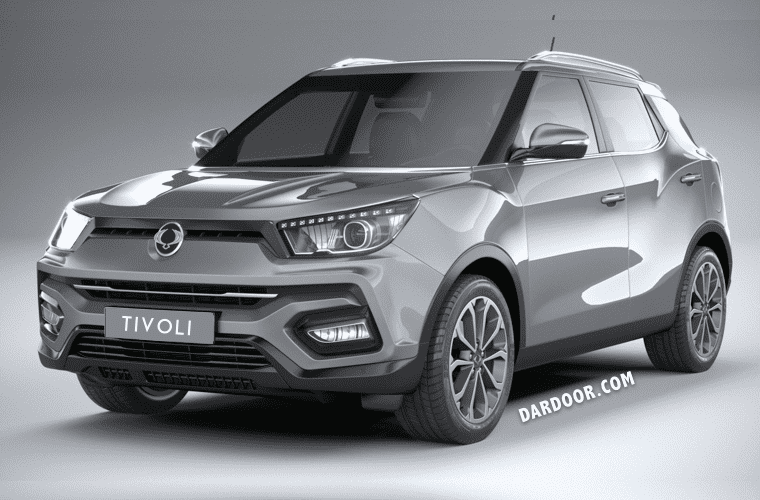
Get the original and colored OEM workshop service and auto repair manual for the 2018-2019 SsangYong Tivoli and Tivoli XLV (X116), complete with wiring diagrams in a user-friendly PDF file format.
2018-2019 SsangYong Tivoli Repair Manual
$16.90
Get the original and coloured OEM Workshop Manual: 2018-2019 SsangYong Tivoli and Tivoli XLV (X116)
This is the original and coloured OEM workshop service and auto repair manual for the 2018-2019 SsangYong Tivoli and Tivoli XLV (X116), complete with wiring diagrams in a user-friendly PDF file format.
| File Format | |
| File Language | English |
| You’ll Get | 216.3 MB |
| Page Count | 1,776 |
| Wiring Diagram | Included |
| Delivery Method | Instant Download |
Engines Covered
- G16DF
- G16DTF
Key Features
- Authorized Dealer Resource: The same manual used by SsangYong-certified mechanics and technicians.
- Comprehensive Coverage: Includes every element of vehicle service, repair, and maintenance.
- Detailed Wiring Diagrams: Accurate, easy-to-read colored schematics for troubleshooting electrical issues.
- Straightforward Instructions: Step-by-step procedures approved by the manufacturer, perfect for DIY use.
What’s Inside
- Service and Maintenance Guidelines: Detailed procedures for regular upkeep and advanced repairs.
- Electrical System Support: Complete and precise wiring diagrams to assist with diagnosing and repairing electrical components.
- Illustrated Diagrams: Visual guides for dismantling and reassembling parts.
- Diagnostic Procedures: Comprehensive troubleshooting techniques to identify and resolve problems.
This updated workshop manual ensures you have access to trusted and reliable information, making it perfect for both professional mechanics and DIY enthusiasts. Keep your SsangYong Tivoli or Tivoli XLV (X116) in optimal condition with this indispensable manual.
Download your copy today and take charge of your vehicle’s maintenance and repair!
This manual provides detailed instructions for maintenance, disassembly, reassembly, component inspection, adjustment, and diagnostics—intended for use by experienced mechanics. Proper application of this guide will help ensure thorough repairs and maintain your vehicle in peak condition.
Important Note: Before purchasing this manual, please check whether your vehicle is subject to any active service recalls, as authorized dealerships may perform necessary repairs free of charge. When replacing parts, always use genuine OEM components to ensure safety, reliability, and long-term performance.
Table of Contents : 2018-2019 SsangYong Tivoli & XLV (X116)
SAMPLE PAGES
CAUTION: This OEM service and workshop repair manual provides detailed procedures for maintenance, disassembly, reassembly, inspection, adjustment, and diagnostics. It is intended as a comprehensive guide for experienced mechanics. To ensure thorough and accurate repairs that maintain your vehicle’s optimal performance, please read and follow this manual carefully. When replacing parts during any repair work, always use genuine SsangYong parts to ensure quality, safety, and reliability.
2018-2019 SsangYong Tivoli & XLV (X116) Comprehensive Guide
Overview
The SsangYong Tivoli is a subcompact crossover SUV launched in 2015, with the XLV being the extended wheelbase variant offering more cargo space and rear legroom. The X116 generation represents SsangYong’s entry into the competitive B-segment SUV market, primarily sold in Europe, Asia, and select other markets.
Design & Positioning:
- Modern European styling influenced by ex-Audi designer Peter Schreyer
- Positioned as an affordable alternative to mainstream Japanese and European subcompact SUVs
- Named after the Italian town of Tivoli (gardens of Villa d’Este)
- XLV adds approximately 8 inches to overall length
Technical Specifications
Engine Options
1.6L Petrol (G16D)
- Type: 4-cylinder, naturally aspirated
- Displacement: 1,597 cc
- Power: 126-128 hp @ 6,000 rpm
- Torque: 157 Nm (116 lb-ft) @ 4,600 rpm
- Fuel system: Multi-point injection
1.6L Turbo Diesel (D16)
- Type: 4-cylinder turbocharged diesel
- Displacement: 1,597 cc
- Power: 113-115 hp @ 4,000 rpm
- Torque: 300 Nm (221 lb-ft) @ 1,500-2,500 rpm
- Fuel system: Common rail direct injection
1.2L Turbo Petrol (optional in some markets)
- Power: 126-128 hp
- Torque: 230 Nm (170 lb-ft)
Transmission Options
- 6-speed manual transmission
- 6-speed Aisin automatic transmission (petrol)
- 7-speed dual-clutch transmission (diesel, some markets)
Drivetrain
- Front-wheel drive (FWD) – standard
- All-wheel drive (AWD) – optional on diesel variants
Dimensions
Tivoli:
- Length: 4,195 mm (165.2 in)
- Width: 1,795 mm (70.7 in)
- Height: 1,590-1,635 mm (62.6-64.4 in)
- Wheelbase: 2,600 mm (102.4 in)
- Cargo capacity: 423-1,503 liters
Tivoli XLV:
- Length: 4,440 mm (174.8 in)
- Wheelbase: 2,800 mm (110.2 in)
- Cargo capacity: 720-1,719 liters
Performance
- 0-100 km/h: 10.5-13.5 seconds (varies by engine)
- Top speed: 165-185 km/h (103-115 mph)
- Fuel consumption: 5.2-7.5 L/100km (31-45 mpg) depending on engine
Suspension & Brakes
- Front: MacPherson strut
- Rear: Multi-link independent suspension
- Brakes: Ventilated discs front, solid discs rear
- Electric power steering
Top 10 Mechanical & Electrical Issues
1. Dual-Clutch Transmission (DCT) Problems
Symptoms:
- Jerky or hesitant gear changes, especially in stop-and-go traffic
- Shuddering or vibration during acceleration
- Transmission slipping or refusing to engage gears
- Warning lights on dashboard
- Burning smell from transmission
Root Cause:
- Mechatronic unit failure (electronics controlling clutch actuation)
- Clutch pack wear due to overheating
- Software calibration issues causing harsh engagement
- Inadequate lubrication or contaminated transmission fluid
Fix:
- Software update/reprogramming (early intervention)
- Clutch pack replacement
- Mechatronic unit replacement
- Complete transmission overhaul in severe cases
Cost: $800-$5,500 (software update to full transmission replacement)
2. Diesel Particulate Filter (DPF) Blockage
Symptoms:
- Loss of power and reduced acceleration
- Increased fuel consumption
- Engine warning light (often with DPF symbol)
- Limp mode activation
- Excessive black smoke from exhaust
- Rough idle or stalling
Root Cause:
- Primarily short-distance driving preventing regeneration cycles
- Low-quality diesel fuel leaving excessive ash deposits
- Faulty DPF pressure sensors giving incorrect readings
- EGR valve issues contributing to soot buildup
Fix:
- Forced regeneration using diagnostic equipment
- DPF cleaning (chemical or thermal cleaning process)
- DPF replacement if severely clogged or damaged
- Address underlying causes (EGR, sensors)
Cost: $150-$2,200 (regeneration service to DPF replacement)
3. Turbocharger Failure (Diesel Models)
Symptoms:
- Significant loss of power, especially under load
- Blue or gray smoke from exhaust
- Loud whining or whistling noise from engine bay
- Increased oil consumption
- Check engine light
- Poor fuel economy
Root Cause:
- Oil contamination or insufficient lubrication
- Foreign object damage to turbine or compressor wheels
- Wastegate actuator failure
- Worn turbo bearings from high mileage or poor maintenance
- EGR system issues causing carbon buildup
Fix:
- Turbocharger replacement (most common solution)
- Wastegate actuator replacement if that’s the only issue
- Oil and filter change with system flush
- Repair/replacement of oil feed and return lines
Cost: $900-$2,800 (actuator repair to full turbo replacement)
4. Infotainment System Freezing/Failure
Symptoms:
- Touchscreen unresponsive or freezing
- System randomly rebooting
- Bluetooth connectivity issues
- Navigation system not working
- Radio/audio cutting out
- Backup camera display failure
Root Cause:
- Software bugs and glitches in the operating system
- Overheating of the head unit
- Corrupted firmware or failed software updates
- Hardware failure of the main board
- Poor quality control in manufacturing
Fix:
- System reset (hold power button for 10-15 seconds)
- Software/firmware update from dealer
- Head unit replacement if hardware failed
- Cooling modifications to prevent overheating
Cost: $0-$1,500 (software update free to full head unit replacement)
5. Front Suspension Noise and Wear
Symptoms:
- Clunking or knocking sounds over bumps
- Rattling from front end, especially on rough roads
- Uneven tire wear
- Steering feels loose or vague
- Vehicle pulling to one side
Root Cause:
- Premature wear of front suspension bushings (lower control arms)
- Drop link (anti-roll bar links) failure
- Front strut top mount bearing wear
- Ball joint wear
- Generally inadequate durability for rough road conditions
Fix:
- Replace worn bushings (control arms)
- Replace drop links
- Replace strut top mounts
- Ball joint replacement
- Full alignment after repairs
Cost: $200-$1,200 (depending on components needed)
6. EGR Valve Failure (Diesel)
Symptoms:
- Check engine light illuminated
- Rough idle or stalling
- Reduced power and hesitation
- Increased emissions and failed emissions tests
- Black smoke from exhaust
- Poor fuel economy
Root Cause:
- Carbon buildup clogging the EGR valve
- Valve stuck open or closed
- EGR cooler failure causing coolant leaks
- Electrical connector corrosion
- Poor quality diesel fuel accelerating carbon deposits
Fix:
- EGR valve cleaning (if caught early)
- EGR valve replacement
- EGR cooler replacement if leaking
- Software update to adjust EGR operation
- Clean intake manifold of carbon deposits
Cost: $250-$900 (cleaning to full replacement)
7. Electrical Gremlins and Sensor Failures
Symptoms:
- Intermittent warning lights
- Parking sensors not working or giving false alerts
- Power window failures
- Central locking issues
- Dashboard display malfunctions
- Climate control problems
Root Cause:
- Poor quality electrical connectors prone to corrosion
- Water ingress into electrical components
- Faulty sensors (parking, temperature, etc.)
- Body control module software issues
- Inadequate weatherproofing and sealing
Fix:
- Individual sensor replacement as needed
- Connector cleaning and application of dielectric grease
- Software updates for control modules
- Body control module replacement in severe cases
- Improved weatherproofing/sealing
Cost: $100-$1,000 (per issue, varies widely)
8. Air Conditioning Compressor Failure
Symptoms:
- No cold air or weak cooling
- Loud grinding or squealing noise when AC is on
- AC clutch not engaging
- Intermittent cooling
- Refrigerant leaks
Root Cause:
- Compressor clutch bearing failure
- Internal compressor seizure
- Refrigerant leaks from seals
- Electrical issues with compressor clutch
- Contamination in AC system from previous failures
Fix:
- AC compressor replacement
- Full system flush and evacuation
- Receiver/dryer replacement
- Recharge with proper refrigerant amount
- Replace expansion valve/orifice tube
Cost: $600-$1,400 (full AC compressor replacement with recharge)
9. Fuel Injector Issues (Diesel)
Symptoms:
- Hard starting, especially when cold
- Rough running and misfiring
- Black smoke from exhaust
- Knocking or rattling noise from engine
- Loss of power
- Increased fuel consumption
- Check engine light with misfire codes
Root Cause:
- Carbon buildup on injector nozzles
- Internal injector failure (seal deterioration)
- Low-quality diesel fuel
- Contaminated fuel system
- High-pressure fuel pump issues affecting injector operation
Fix:
- Injector cleaning service
- Individual injector replacement
- Complete set of injectors replacement (recommended)
- Fuel system cleaning
- High-pressure pump inspection/replacement if needed
Cost: $400-$2,500 (cleaning service to full injector set replacement)
10. Premature Brake Wear
Symptoms:
- Squealing or grinding noise when braking
- Pulsating brake pedal
- Reduced braking performance
- Brake dust accumulation on wheels
- Brake warning light
- Uneven braking or pulling to one side
Root Cause:
- Soft brake pad material wearing quickly
- Brake caliper slider pin seizure
- Inadequate brake pad quality from factory
- Driving conditions (city driving, mountainous areas)
- Warped brake rotors from heat
Fix:
- Replace brake pads with higher quality aftermarket parts
- Clean and lubricate caliper slide pins
- Machine or replace brake rotors
- Replace brake fluid (if contaminated/old)
- Brake caliper replacement if seized
Cost: $200-$800 (per axle, depending on rotors needed)
Top 5 Competitors (2018-2019)
1. Nissan Juke
- Advantages: Established brand, quirky styling, more powerful engine options
- Disadvantages: Smaller cargo space, aging design by 2018-2019
- Price comparison: Similar pricing, sometimes slightly higher
2. Renault Captur
- Advantages: Better interior quality, proven reliability, wider dealer network
- Disadvantages: Less standard equipment at base levels
- Price comparison: Comparable, sometimes €1,000-2,000 more
3. Peugeot 2008
- Advantages: Better build quality, more refined driving experience, stronger brand
- Disadvantages: Higher pricing, smaller boot space than XLV
- Price comparison: €2,000-4,000 more expensive
4. Mazda CX-3
- Advantages: Superior driving dynamics, better reliability record, premium feel
- Disadvantages: Less interior space, higher price point
- Price comparison: €3,000-5,000 more expensive
5. Dacia Duster
- Advantages: Excellent value, proven ruggedness, available 4WD
- Disadvantages: More basic interior, less refined on-road
- Price comparison: Similar or slightly cheaper, better value proposition
Tivoli’s Market Position: The SsangYong offered competitive pricing with generous standard equipment, making it attractive for budget-conscious buyers willing to accept a lesser-known brand. The 7-year warranty was a significant selling point against competitors.
Top 10 Recalls, Advisories & TSB Highlights
1. Brake System Recall (2018)
- Issue: Potential brake fluid leak from master cylinder
- Affected vehicles: Various 2018 models
- Action: Master cylinder inspection and replacement if necessary
2. Seatbelt Pretensioner Recall
- Issue: Seatbelt pretensioners may not deploy correctly in an accident
- Affected vehicles: Selected 2017-2018 production
- Action: Replacement of faulty pretensioner units
3. Fuel System Leak Advisory (Diesel)
- Issue: Fuel line connections may develop leaks
- Affected vehicles: 2018 diesel models
- Action: Inspection and replacement of fuel lines and connections
4. Steering Column Software Update
- Issue: Electronic power steering assistance may fail intermittently
- Affected vehicles: 2018-2019 models
- Action: ECU software update
5. Airbag Control Module TSB
- Issue: Airbag warning light illuminating incorrectly
- Affected vehicles: 2018 production runs
- Action: Control module software update or replacement
6. DCT Transmission Software Updates
- Issue: Harsh shifting and jerky operation
- Affected vehicles: All 7-speed DCT equipped vehicles
- Action: Multiple software updates released to improve shift quality
7. DPF Regeneration Strategy Update
- Issue: Premature DPF clogging in urban driving conditions
- Affected vehicles: All diesel models
- Action: ECU reprogramming to improve regeneration strategy
8. Body Control Module Update
- Issue: Various electrical gremlins including window and locking issues
- Affected vehicles: 2018-2019 models
- Action: BCM software update
9. Infotainment System Firmware Updates
- Issue: System freezing, Bluetooth connectivity problems
- Affected vehicles: All models with touchscreen system
- Action: Regular firmware updates released
10. Front Suspension Component Inspection Campaign
- Issue: Premature wear of control arm bushings
- Affected vehicles: High-mileage 2017-2019 models
- Action: Inspection campaign and replacement if worn beyond specification
Note: Recall availability varies by market. Owners should contact their local SsangYong dealer with their VIN to check for applicable recalls.
Maintenance Schedule
Every 10,000 km (6,000 miles) or 12 Months
Petrol Models:
- Engine oil and filter change
- Visual inspection of belts, hoses, fluid levels
- Tire pressure and condition check
- Brake system inspection
Diesel Models:
- Engine oil and filter change
- Fuel filter replacement (or every other service)
- Visual inspection of DPF system
- Brake system inspection
Every 20,000 km (12,000 miles) or 24 Months
- Air filter replacement
- Cabin air filter replacement
- Brake fluid inspection
- Coolant level check
- Battery health check
- All lights and wipers inspection
Every 40,000 km (24,000 miles) or 48 Months
- Spark plugs replacement (petrol)
- Transmission fluid inspection (automatic)
- Differential oil change (AWD models)
- Brake fluid replacement
- Coolant replacement
- Thorough suspension inspection
Every 60,000 km (36,000 miles)
- Timing belt inspection (some markets recommend replacement)
- Drive belt replacement
- Transmission fluid change (automatic and DCT)
- Fuel system cleaning (diesel)
Every 80,000-100,000 km (50,000-60,000 miles)
- Timing belt replacement (critical – interference engine)
- Water pump replacement (recommended with timing belt)
- Complete coolant system flush
- Clutch inspection (manual transmission)
Additional Maintenance Items
As Needed:
- Brake pad replacement: typically 30,000-50,000 km
- Brake rotor replacement/machining: 60,000-80,000 km
- Tires: 40,000-60,000 km depending on driving
- Battery: 3-5 years
- Wiper blades: annually or as needed
Diesel Specific:
- DPF cleaning/regeneration: monitor system warnings
- EGR valve cleaning: every 60,000-80,000 km recommended
- Diesel fuel additive: use quality fuel or additives to prevent issues
Critical Note: The timing belt is an interference design. Failure will cause catastrophic engine damage. Do not exceed manufacturer intervals (typically 100,000 km or 6 years, whichever comes first).
10 FAQs for Buyers
1. Is the SsangYong Tivoli reliable?
The Tivoli has mixed reliability ratings. While the basic mechanical components (engines, manual transmissions) are generally solid, there are known issues with the DCT transmission, DPF systems, and electrical components. Reliability is acceptable if properly maintained, but it doesn’t match Japanese or mainstream European brands. The 7-year warranty provides peace of mind for the first owner.
2. Should I buy petrol or diesel?
Choose Petrol if: You mainly drive in the city, do short trips, want simpler maintenance, and lower upfront costs.
Choose Diesel if: You do significant highway/motorway driving (over 20,000 km annually), need the torque for towing, and can handle higher maintenance costs.
The diesel is more prone to DPF and EGR issues if used primarily for short trips. The petrol is more reliable overall but less fuel-efficient on longer journeys.
3. Is the 7-speed DCT transmission reliable?
No, the DCT transmission is one of the weak points of the Tivoli. It suffers from jerky operation, premature wear, and expensive repairs. If possible, opt for the 6-speed manual (most reliable) or the 6-speed automatic (better than DCT but only available with petrol). If buying a DCT-equipped vehicle, ensure it has full service history and test drive extensively.
4. What’s the difference between Tivoli and Tivoli XLV?
The XLV is a stretched version with 200mm extra wheelbase, resulting in:
- More rear legroom (significantly better for passengers)
- Larger cargo area (720L vs 423L with seats up)
- Slightly worse fuel economy (marginal difference)
- About 5-7% higher price
- Similar driving dynamics
The XLV is worth it if you need the extra space; otherwise, the standard Tivoli is more maneuverable in urban environments.
5. How does the warranty work on used models?
SsangYong offers a 7-year/150,000 km warranty (market dependent), which is transferable to subsequent owners. However, check the specific terms in your market:
- Original owner gets full 7 years
- Second owners may get remaining warranty period
- Some markets limit second-owner warranty to 5 years or less
- Warranty requires proper maintenance at authorized service centers
Always verify remaining warranty with VIN check before purchase.
6. Are parts expensive and hard to find?
Parts availability varies significantly by market:
- Good availability: UK, Korea, Australia, some European markets
- Limited availability: Markets with few dealers
Cost comparison:
- Service parts (filters, oil): Competitive with mainstream brands
- Mechanical components: Generally 10-30% cheaper than VW/Ford equivalents
- Body panels and trim: Can be expensive and slow to obtain
- Specialist components (DCT, turbo): Moderate to expensive
Independent specialists can often service Tivolis more affordably than dealers for routine maintenance.
7. What trim level should I buy?
Base trim (EX/SE): Adequate for most buyers, includes essentials but basic interior.
Mid-range trim (ELX/LE): Best value – adds touchscreen, better upholstery, improved equipment without excessive price premium.
Top trim (Ultimate/Limited): Adds leather, navigation, premium audio, full LED lights – only worthwhile if found at good used price.
Prioritize vehicles with full service history and good mechanical condition over trim level. The technology features age quickly, but a well-maintained engine lasts.
8. Is the Tivoli good for towing?
Towing capacity:
- Petrol 1.6: 750-1,000 kg braked (limited)
- Diesel 1.6 AWD: 1,500 kg braked (good for class)
The diesel with AWD is adequate for light towing (small trailers, lightweight caravans), but:
- Ensure transmission is in good condition (DCT struggles with towing)
- Manual transmission preferred for regular towing
- Competition offers better towing capacity (Duster: 1,800 kg)
9. What should I check when buying a used Tivoli?
Critical checks:
- Transmission: Extensive test drive with all modes, check for jerking/hesitation
- Service history: Absolutely essential, especially timing belt service
- DPF status: Diesel models – check for forced regenerations in history
- Suspension: Listen for knocks/rattles over bumps
- Electronics: Test all infotainment, climate control, windows, locks
- Turbo: Diesel – listen for whistling, check for smoke
- Oil consumption: Check oil level, look for leaks
- Warranty status: Verify remaining warranty with VIN
- Rust: Check underbody, particularly in salt-use areas
- Recalls: Confirm all recalls completed
Red flags: Missing service history, no timing belt replacement by 100,000 km, DCT with harsh shifting, multiple warning lights.
10. Should I buy a Tivoli or save for something else?
Buy a Tivoli if:
- Budget is primary concern and you want new-car features
- You’re okay with a lesser-known brand
- Warranty coverage is important to you
- You need space and value (especially XLV)
- You keep cars short-term (within warranty period)
Consider alternatives if:
- You plan to keep the vehicle beyond 7-10 years
- Resale value is important
- You need absolute reliability (choose Japanese)
- Dealer network in your area is limited
- You do mostly short trips and considering diesel
The Tivoli represents good value when purchased new or nearly-new with warranty remaining. As a 2018-2019 used purchase in 2025-2026, carefully evaluate the specific vehicle’s condition and price against more established competitors.
Final Buyer Recommendations
Overall Assessment
The 2018-2019 SsangYong Tivoli and XLV offer competitive value for money with generous equipment levels and a comprehensive warranty. However, they come with notable reliability concerns and lower resale values compared to mainstream competitors.
Recommended Configuration
Best choice: 1.6L Petrol + 6-speed Manual + Mid-trim (ELX/LE)
Reasoning:
- Manual transmission avoids DCT issues
- Petrol engine simpler and more reliable than diesel
- Mid-trim offers best value-to-equipment ratio
- AWD unnecessary unless specific need; adds complexity
Who Should Buy?
✅ Good fit for:
- Budget-conscious buyers prioritizing space and features
- First-time car buyers or young families
- Buyers who keep vehicles 3-5 years (within warranty)
- Urban/suburban drivers with occasional long trips
- Those with access to good SsangYong dealer support
❌ Not recommended for:
- Buyers prioritizing long-term reliability and resale value
- High-mileage drivers needing bulletproof dependability
- Those in areas with limited dealer/service network
- Buyers who can’t afford unexpected repairs post-warranty
- Anyone considering diesel for primarily city use
Buying Strategy
For Used Purchases:
- Price expectations: Should be 20-30% less than equivalent Nissan Juke or Renault Captur
- Maximum mileage: 60,000 km for diesel, 80,000 km for petrol (to stay within warranty)
- Essential requirements:
- Complete service history from authorized dealer
- Timing belt replaced if over 100,000 km
- No outstanding recalls
- Clean diagnostic scan (request at purchase)
- Remaining warranty transferrable
- Budget for ownership: Set aside €800-1,200 annually for maintenance and potential repairs beyond standard servicing
Value Proposition Score: 7/10
Strengths:
- Excellent standard equipment for the price
- Spacious interior, especially XLV variant
- Generous warranty coverage (if remaining)
- Competitive running costs with petrol manual
- Decent styling and modern features
Weaknesses:
- Below-average reliability ratings
- DCT transmission issues
- Limited dealer network in some markets
- Poor resale value
- Electronics and build quality issues
Our Final Verdict
The SsangYong Tivoli is a sensible budget choice for buyers who understand and accept the trade-offs of a lesser-known brand. It’s best suited for short-to-medium term ownership (3-7 years) within the warranty period. The key to a positive ownership experience is:
- Choosing the right powertrain (petrol manual preferred)
- Buying with warranty remaining
- Maintaining meticulously at authorized service centers
- Budgeting for potential repairs
- Accepting lower resale values
If you can find a well-maintained 2018-2019 petrol manual at 25-30% below competitor pricing with warranty remaining, it represents decent value. However, if the price difference is less than 20%, or if it’s a diesel/DCT model with high mileage, you’re better served by a more established competitor like the Mazda CX-3, Nissan Juke, or even stretching budget for a Honda HR-V.
For buyers seeking maximum reliability and peace of mind, save a bit more for a used Japanese alternative. For buyers seeking maximum space and features per dollar and comfortable with slightly higher risk, the Tivoli delivers considerable value within its warranty period.
Related products
-

2018 SsangYong Rexton Repair Manual
$16.90 Add to cart -

2012-2013 SsangYong Rexton Repair Manual
$16.90 Add to cart -
2016 SsangYong Rexton Repair Manual
$14.90 Add to cart -

2018 SsangYong Tivoli and XLV Repair Manual
$14.90 Add to cart -
2010 SsangYong Kyron Repair Manual
$14.90 Add to cart -

2015-2016 SsangYong Tivoli Repair Manual
$16.90 Add to cart -
2015 SsangYong Korando Repair Manual
$14.90 Add to cart -

2017 SsangYong Rexton Repair Manual
$16.90 Add to cart