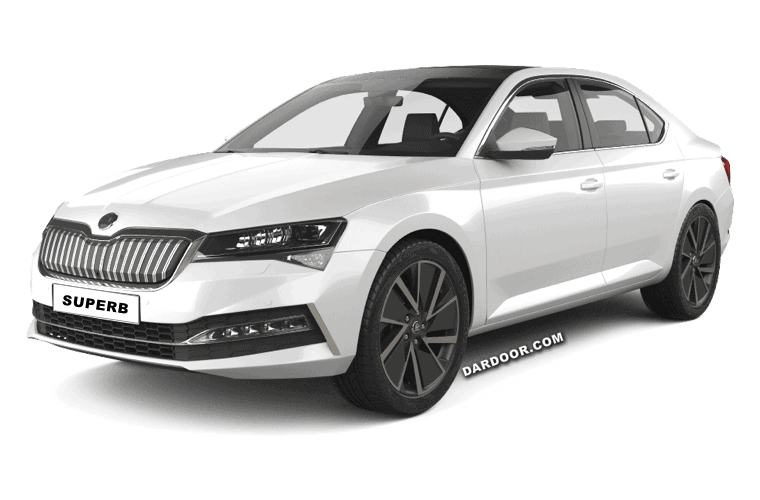
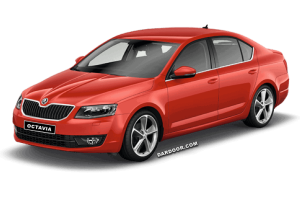
2015–2020 Škoda Superb — OEM Workshop Service & Repair Manual (PDF) + Wiring Diagrams
Get the original OEM workshop service and auto repair manual for the 2015–2020 Škoda Superb in a simple, user-friendly PDF format. This dealer-level manual includes complete wiring diagrams and factory-authorized procedures for accurate diagnostics, maintenance, and repair—ideal for professional technicians and serious DIY owners.
| File Format |
PDF |
| File Language |
English |
| You’ll Get |
285.8 MB |
| Page Count |
4,079 |
| Wiring Diagram |
Included |
| Delivery Method |
Instant digital PDF download |
Use factory-authorized procedures for accurate repairs and reliable results.
Engines Covered
- 1.4 TSI: 92 kW, 110 kW
- 1.6: 88 kW
- 2.0 TDI CR: 110 kW, 130 kW, 140 kW
- 1.8: 132 kW
- 2.0 TSI: 132 kW, 162 kW, 206 kW
Key Features
- Official OEM Procedures; Factory-correct repair sequences, torque specs, special tools, and service notes.
- Complete Wiring Diagrams; Electrical schematics, connectors, pinouts, grounds, fuse/relay layouts, and network info.
- Diagnostics & Troubleshooting; DTC coverage with guided test routines and flowcharts for fast fault finding.
- Searchable PDF; Easy navigation and print-ready pages for workshop or home use.
What’s Inside
- Maintenance schedules, fluids, capacities, and torque charts
- Engine mechanical, fueling, cooling, intake/exhaust, turbo systems (TSI/TDI)
- Transmission, drivetrain, steering, suspension, and braking systems
- ABS/ESC diagnostics, sensor testing, and calibration notes
- Electrical: wiring diagrams, module locations, CAN networks, connectors & grounds
- Body, interior, SRS/airbags, HVAC, infotainment, lighting systems
- Factory troubleshooting flowcharts and repair procedures
Download & Compatibility
Delivery: Instant digital PDF download
Compatibility: Windows • macOS • iOS • Android
This manual provides detailed instructions for maintenance, disassembly, reassembly, component inspection, adjustment, and diagnostics—intended for use by experienced mechanics. Proper application of this guide will help ensure thorough repairs and maintain your vehicle in peak condition.
Important Note: Before purchasing this manual, please check whether your vehicle is subject to any active service recalls, as authorized dealerships may perform necessary repairs free of charge. When replacing parts, always use genuine OEM components to ensure safety, reliability, and long-term performance.
Table of Contents : 2015-2020 Škoda Superb Repair Manual
-
- Fuel system – Petrol engines.
- Fuel system for diesel engines.
- Diesel Engine Fuel System.
- Petrol Engine Fuel System.
- 1.4, 92kW, 110kW TSI Engine.
- 1.6, 88kW, 2.0, 110kW, 130kW, 140 kW TDI CR engine.
- 1.8, 132kW, 2.0, 132kW, 162kW, 206kW TSI Engine.
- Brake systems.
- DSG Gearbox 0D9.
- DSG Gearbox 02Q.
- Body Repairs.
- General body repairs exterior.
- General body repairs interior.
- Paint General Information.
- Heating Air conditioning.
- Air Conditioning System.
- Auxiliary heating.
- Propshaft and Rear Final Drive.
- Running gear, axles, steering.
- Wheels, Tires.
- Electrical System, General notes.
- Electrical System.
- Current Flow Diagram – Basic equipment.
SAMPLE PAGES
CAUTION: This OEM service and workshop repair manual provides detailed procedures for maintenance, disassembly, reassembly, inspection, adjustment, and diagnostics. It is intended as a comprehensive guide for experienced mechanics. To ensure thorough and accurate repairs that maintain your vehicle’s optimal performance, please read and follow this manual carefully. When replacing parts during any repair work,
always use genuine Škoda parts to ensure quality, safety, and reliability.
2015-2020 Škoda Superb: Comprehensive Guide
Overview
The 2015-2020 Škoda Superb (B8 generation) is a large family sedan/estate that competes in the D-segment, offering Volkswagen Group engineering with excellent value. Built on the MQB platform shared with the VW Passat and Audi A4, it provides premium features at a more accessible price point.
Key Highlights:
- Exceptional interior space and practicality, especially in estate form
- Premium build quality with VAG engineering
- Advanced technology features
- Excellent value proposition
- Available as sedan (liftback) or Combi (estate)
Technical Specifications
Engines Available:
Petrol:
- 1.4 TSI (125 PS / 150 PS) – 4-cylinder turbocharged
- 1.5 TSI (150 PS) – 4-cylinder turbocharged with ACT (cylinder deactivation)
- 2.0 TSI (190 PS / 220 PS / 272 PS) – 4-cylinder turbocharged
Diesel:
- 1.6 TDI (120 PS) – 4-cylinder turbodiesel
- 2.0 TDI (150 PS / 190 PS) – 4-cylinder turbodiesel
Transmissions:
- 6-speed manual
- 7-speed DSG (dual-clutch automatic)
Dimensions:
- Length: 4,861 mm (sedan) / 4,862 mm (Combi)
- Width: 1,864 mm
- Height: 1,468-1,477 mm
- Wheelbase: 2,841 mm
- Boot capacity: 625L (sedan) / 660L (Combi), expandable to 1,760L/1,950L
Performance (varies by engine):
- 0-100 km/h: 7.7-15.0 seconds
- Top speed: 195-250 km/h
- Fuel economy: 3.8-6.5 L/100km (combined)
Features:
- Adaptive cruise control
- Lane assist and blind spot monitoring
- LED headlights (on higher trims)
- Virtual Cockpit digital instrument cluster
- Panoramic sunroof
- Three-zone climate control
- Park assist
Top 10 Mechanical and Electrical Issues
1. DSG Transmission Mechatronic Failure (7-speed DQ200)
-
- Symptoms: Jerky gear changes, warning lights, transmission going into limp mode, loss of drive, grinding noises, difficulty selecting gears
- Root Cause: Faulty mechatronic unit (electro-hydraulic control module), clutch wear, software issues, overheating due to stop-start traffic
- Fix: Mechatronic unit replacement or repair, clutch pack replacement, software update, transmission fluid change
- Cost: £800-2,500 ($1,000-3,200 USD)
2. DPF (Diesel Particulate Filter) Blockage
-
- Symptoms: Loss of power, increased fuel consumption, exhaust warning light, engine going into limp mode, rough idle, difficulty starting
- Root Cause: Primarily short journeys preventing DPF regeneration, faulty sensors, EGR valve issues, poor quality diesel fuel
- Fix: Forced DPF regeneration, DPF cleaning, DPF replacement in severe cases, EGR valve cleaning/replacement
- Cost: £100-200 (regeneration) / £500-1,800 (replacement)
3. Timing Chain Tensioner Failure (1.4 TSI)
-
- Symptoms: Rattling noise on cold start, metallic rattling from engine bay, warning lights, rough running, potential catastrophic engine failure
- Root Cause: Design weakness in early tensioners, oil starvation, extended service intervals, low oil pressure
- Fix: Timing chain, tensioner, and guides replacement; usually includes water pump replacement
- Cost: £1,200-2,500 ($1,500-3,200 USD)
4. Turbocharger Failure
-
- Symptoms: Loss of power, excessive smoke (blue or black), whistling or whining noises, oil consumption, turbo underboost/overboost codes
- Root Cause: Oil contamination, carbon buildup, worn bearings, damaged actuator, failed wastegate, lack of maintenance
- Fix: Turbocharger replacement or rebuild, oil and filter change, intercooler cleaning, check for oil feed/return line issues
- Cost: £800-2,200 ($1,000-2,800 USD)
5. Infotainment System Freezing/Failing
-
- Symptoms: Touchscreen unresponsive, system randomly rebooting, loss of navigation, Bluetooth connectivity issues, blank screen
- Root Cause: Software bugs, faulty control unit, corrupted memory, loose connections, overheating of unit
- Fix: Software update, hard reset (holding power button), control unit replacement, wiring harness inspection
- Cost: £0-150 (software update) / £600-1,500 (unit replacement)
6. Water Pump Failure (TSI Engines)
-
- Symptoms: Coolant leaks under car, overheating engine, warning lights, steam from engine bay, squealing noises, coolant loss without visible leaks
- Root Cause: Plastic impeller failure, bearing wear, seal degradation, age-related deterioration (common around 60,000-100,000 miles)
- Fix: Water pump replacement (often done with timing chain service on TSI engines), coolant flush
- Cost: £300-800 ($380-1,000 USD)
7. EGR Valve Carbon Buildup
-
- Symptoms: Rough idle, hesitation on acceleration, black smoke, poor fuel economy, EML warning light, failed emissions test
- Root Cause: Carbon deposits from recirculated exhaust gases, short journey driving patterns, diesel engines particularly affected
- Fix: EGR valve cleaning, EGR valve replacement, intake manifold cleaning, software recalibration
- Cost: £150-250 (cleaning) / £400-800 (replacement)
8. Electronic Parking Brake (EPB) Failure
-
- Symptoms: Warning light on dashboard, parking brake won’t release or engage, error messages, grinding noise when operating, brake stuck on
- Root Cause: Faulty actuator motor, worn brake pads, corroded cables, control module failure, software glitches
- Fix: Actuator motor replacement, brake pad replacement, control module reset or replacement, cable lubrication/replacement
- Cost: £250-800 ($320-1,000 USD)
9. AdBlue System Issues (Diesel Models)
-
- Symptoms: Warning messages about AdBlue, engine won’t start, reduced power, frequent AdBlue top-up warnings, crystallization around filler cap
- Root Cause: Faulty AdBlue pump, blocked injectors, sensor failures, frozen AdBlue (below -11°C), crystallization in system
- Fix: AdBlue pump replacement, injector cleaning/replacement, sensor replacement, system flushing, heater element repair
- Cost: £200-1,200 ($250-1,500 USD)
10. Sunroof Drainage Blockage
-
- Symptoms: Water leaking into cabin (usually footwells or headlining), damp smell, wet carpets, electrical issues from water damage, misting windows
- Root Cause: Blocked drainage tubes from leaves/debris, disconnected drain tubes, blocked drain outlets, perished seals
- Fix: Drain tube cleaning (compressed air or flexible wire), tube reconnection, outlet clearing, seal replacement
- Cost: £80-300 ($100-380 USD) – can be much higher if water damage affects electronics
Top 5 Competitors
Similar platform and engines, slightly more expensive, strong brand recognition, excellent build quality
Sportier handling, good value, strong diesel engines, decent tech features
Stylish design, excellent reliability record, engaging driving dynamics, strong petrol engines
Exceptional reliability, hybrid options, lower running costs, strong resale value
Competitive pricing, generous warranty, good equipment levels, solid build quality
Top 10 Recalls, Advisories & TSB Highlights
1. Fuel Pump Failure (Multiple Markets)
Risk of fuel pump failure causing engine stalling. Affected petrol models. Fuel pump replacement required.
2. Seatbelt Pre-tensioner Fault
Potential malfunction of front seatbelt pre-tensioners in crash scenario. Replacement of affected components.
3. Brake Servo Vacuum Leak
Possible vacuum leak in brake servo potentially increasing stopping distance. Brake servo inspection and replacement.
4. Engine Stalling Issue (1.5 TSI)
ACT (cylinder deactivation) system causing unexpected engine stalling. Software update and potential hardware modification.
5. Steering Column Lock Failure
Electronic steering lock may fail to disengage, preventing vehicle start. Steering column lock replacement.
6. DSG Software Update
Multiple campaigns for DSG transmission software updates to improve shifting behavior and reliability.
7. Coolant Pump Failure Risk
Risk of electric coolant pump failure leading to overheating. Pump inspection and replacement on affected vehicles.
8. Airbag Control Unit Fault
Potential malfunction preventing airbag deployment. Control unit replacement required.
9. Panoramic Sunroof Glass Shattering
Reports of spontaneous sunroof glass breakage. Inspection and replacement program in some markets.
10. Rear Seatbelt Anchorage
Improper welding of rear seatbelt anchorage points. Structural reinforcement or replacement.
🔔 Note: Specific recall information varies by market and VIN. Always check with your local Škoda dealer or national safety authority.
Maintenance Schedule
Every 12 months or 15,000 km (9,300 miles) – whichever comes first
Oil Service (Interim):
- Engine oil and filter change
- Visual inspection of brakes, tires, lights
- Fluid level checks
- Reset service indicator
Every 24 months or 30,000 km (18,600 miles)
Inspection Service:
- All Oil Service items plus:
- Air filter replacement
- Cabin/pollen filter replacement
- Brake fluid check (replacement every 2-3 years)
- Coolant check
- Inspect drive belts
- Check suspension components
- Inspect exhaust system
- Battery test
Every 60,000 km (37,300 miles) or 4 years
- Spark plug replacement (petrol engines)
- Fuel filter replacement (diesel engines)
Every 120,000 km (74,600 miles) or as needed
- Timing belt/chain inspection (chain engines may not need replacement)
- DSG transmission fluid change (every 60,000 km recommended despite “lifetime” claims)
Every 210,000 km (130,500 miles) or 7 years
As Required
- DPF regeneration (diesel – often automatic)
- AdBlue top-up (diesel – typically every 6,000-10,000 km)
- Brake pad replacement (typically 40,000-70,000 km depending on driving)
- Tire rotation every 10,000 km
10 FAQs for Buyers
1. Should I choose petrol or diesel?
Choose diesel (1.6 or 2.0 TDI) if you drive over 20,000 km annually, mostly motorway miles. Choose petrol (1.4 or 1.5 TSI) for mixed driving, lower annual mileage, or predominantly urban use. The 2.0 TSI petrol is best for performance enthusiasts.
2. Is the DSG transmission reliable?
The 7-speed DQ200 DSG (used with smaller engines) has known issues, particularly in stop-start traffic. The 6-speed DSG (used with larger engines) is more robust. Regular fluid changes help. Manual transmission is more reliable if you don’t mind shifting.
3. What’s the real-world fuel economy?
1.6 TDI: 4.5-5.5 L/100km; 2.0 TDI 150: 5.0-6.0 L/100km; 1.4 TSI: 6.0-7.5 L/100km; 1.5 TSI: 5.5-7.0 L/100km; 2.0 TSI 190: 7.5-9.0 L/100km
4. Which trim level offers best value?
The mid-range SE or SE L Technology trims offer the best balance of features and value. They include most desirable equipment without the depreciation hit of top-spec models.
5. Are parts expensive?
Parts are reasonably priced as they’re shared with VW/Audi group vehicles. Generally 10-20% cheaper than equivalent VW Passat parts. Independent specialists can service these for less than main dealers.
6. What mileage is too high?
Well-maintained examples can easily exceed 200,000 km. Focus on service history rather than just mileage. Under 120,000 km with full service history is ideal for used buyers.
7. Sedan or Combi (estate)?
The Combi offers slightly more cargo space (660L vs 625L) and often better resale value. Sedan has a more elegant profile. Both drive identically. Choose based on space needs.
8. What are common warning lights?
DPF warning (diesel), AdBlue warning (diesel), DSG transmission warnings, tire pressure monitoring, and engine management lights are most common. Most require diagnostic scanning for specific fault codes.
9. Does it have a spare tire?
Most models came with a space-saver spare tire or tire repair kit depending on market and trim. Check the specific vehicle before purchase if this matters to you.
10. How does depreciation compare to competitors?
Škoda Superbs depreciate faster initially than VW Passat but slower than Ford Mondeo. After 3 years, expect 50-60% residual value. This makes them excellent used buys but weaker for new car buyers.
Final Buyer Recommendations
Buy if:
- You need maximum space and practicality for the money
- You value build quality and premium features at a lower price point
- You have access to specialist servicing or DIY knowledge for VAG vehicles
- You drive primarily longer distances (for diesel) or mixed driving (for petrol)
- You appreciate understated elegance over flashy badges
Avoid if:
- You primarily do short urban journeys and want diesel (DPF issues)
- You’re concerned about DSG reliability and don’t want manual transmission
- Brand prestige is important to you
- You need the absolute lowest running costs (consider Toyota/Lexus hybrid instead)
- Main dealer servicing is your only option and you’re budget-conscious
What to Look for When Buying Used:
✓ Full service history – absolutely essential, preferably main dealer or specialist
✓ DSG service records – fluid changes every 40,000-60,000 km despite “lifetime” claims
✓ Timing chain noise – listen for rattling on cold start (1.4 TSI)
✓ DPF condition – check for regeneration cycles, soot level if possible
✓ Sunroof drains – check for water ingress, damp carpets, musty smells
✓ Infotainment operation – test all functions thoroughly
✓ Warning lights – take for diagnostic scan before purchase
✓ Turbo condition – excessive smoke or unusual noises
✓ AdBlue system – ensure no warning lights (diesel)
✓ Service indicator – should show time to next service, not overdue
Best Engine Choices:
- Overall best balance: 1.5 TSI 150 PS (2017+) with cylinder deactivation
- Long-distance diesel: 2.0 TDI 150 PS with 6-speed DSG or manual
- Performance: 2.0 TSI 190 PS or 272 PS
- Budget/reliability: 1.4 TSI 125 PS manual (avoid early timing chain issues)
Model Year Sweet Spot: 2017-2018 models offer the best value – post-facelift refinements, newer engine options (1.5 TSI), improved infotainment, but avoid earliest depreciation. Full manufacturer warranty may still be available on later examples.
Bottom Line
The Škoda Superb represents excellent value in the large family car segment, offering near-premium quality and space at mainstream prices. While it shares some common VAG issues (DSG, DPF, timing chains), proper maintenance and informed buying can result in a highly satisfactory ownership experience.