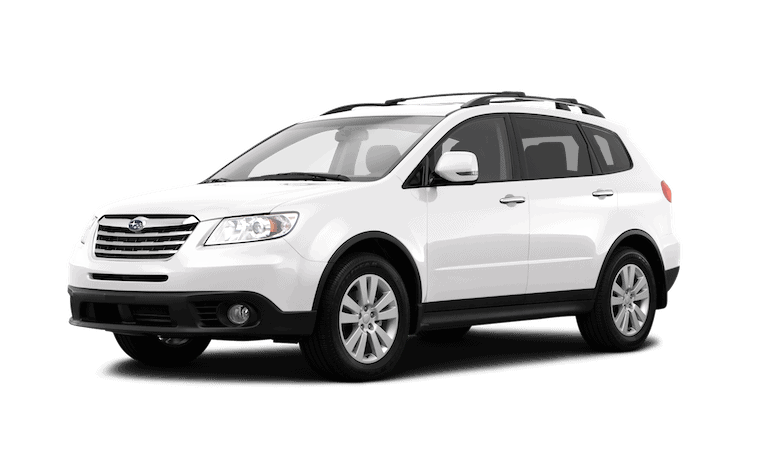
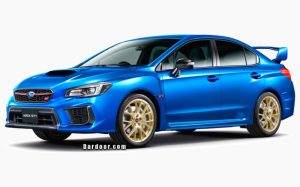
2014 Subaru Tribeca — OEM Workshop Service & Repair Manual (PDF)
Get the original OEM workshop service and repair manual for the 2014 Subaru Tribeca in a clean, searchable PDF format. This is the same factory-grade documentation used by professional technicians, covering service schedules, step-by-step repair procedures, diagnostics, and technical specifications so you can maintain and repair with confidence.
| File Format |
PDF |
| File Language |
English |
| You’ll Get |
104.7 MB |
| Wiring Diagram |
Included |
| Delivery Method |
Instant Download |
Vehicle Coverage
- Model Year: 2014
- Make / Model: Subaru Tribeca
- Platform: Tribeca (B9 / WX series)
- Engine: 3.6L H6 (EZ36)
- Drivetrain: Symmetrical AWD
- Transmission: Automatic (5EAT where applicable)
Key Features
Complete OEM Coverage
Factory procedures across engine, transmission, AWD, chassis, HVAC, body, and more.
Diagnostics & DTCs
Fault-code references, testing routines, and troubleshooting flowcharts.
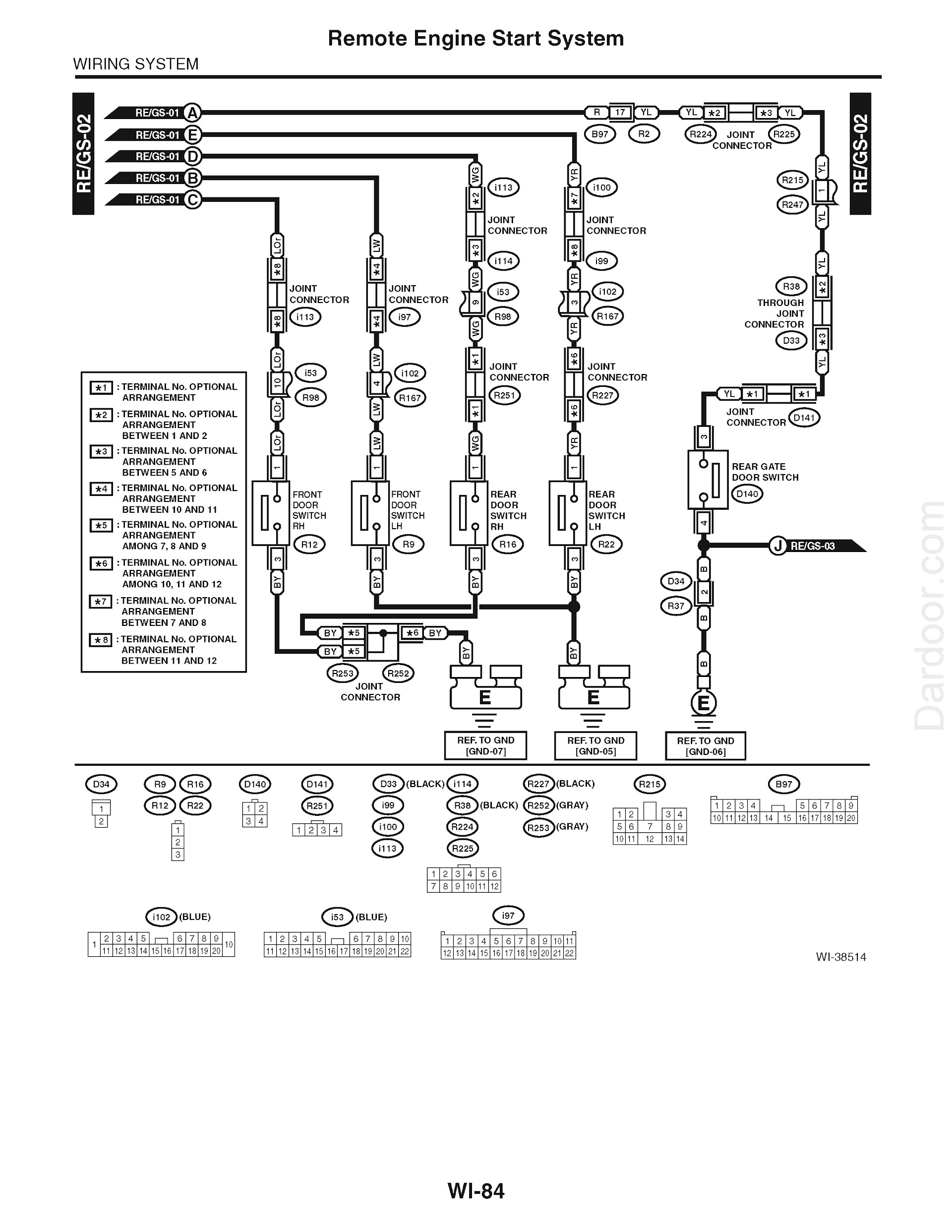
Wiring & Electrical Info
Power distribution, connector views, grounds, and circuit troubleshooting guidance.
Searchable PDF
Bookmarked sections for fast navigation—print only what you need.
What’s Inside
- Maintenance schedules, fluids, capacities, and torque specifications
- Engine mechanical (EZ36), cooling, lubrication, intake/exhaust
- Transmission service & driveline/AWD system procedures
- Brakes/ABS, suspension, steering & alignment
- Electrical: modules, connectors, grounds, and circuit diagnostics
- Body, interior, HVAC, and safety systems (SRS/airbags)
Download & Compatibility
Delivery: Instant digital PDF download
Compatibility: Windows • macOS • iOS • Android
This manual provides detailed instructions for maintenance, disassembly, reassembly, component inspection, adjustment, and diagnostics—intended for use by experienced mechanics. Proper application of this guide will help ensure thorough repairs and maintain your vehicle in peak condition.
Important Note: Before purchasing this manual, please check whether your vehicle is subject to any active service recalls, as authorized dealerships may perform necessary repairs free of charge. When replacing parts, always use genuine OEM components to ensure safety, reliability, and long-term performance.
SAMPLE PAGES: 2014 Subaru Tribeca
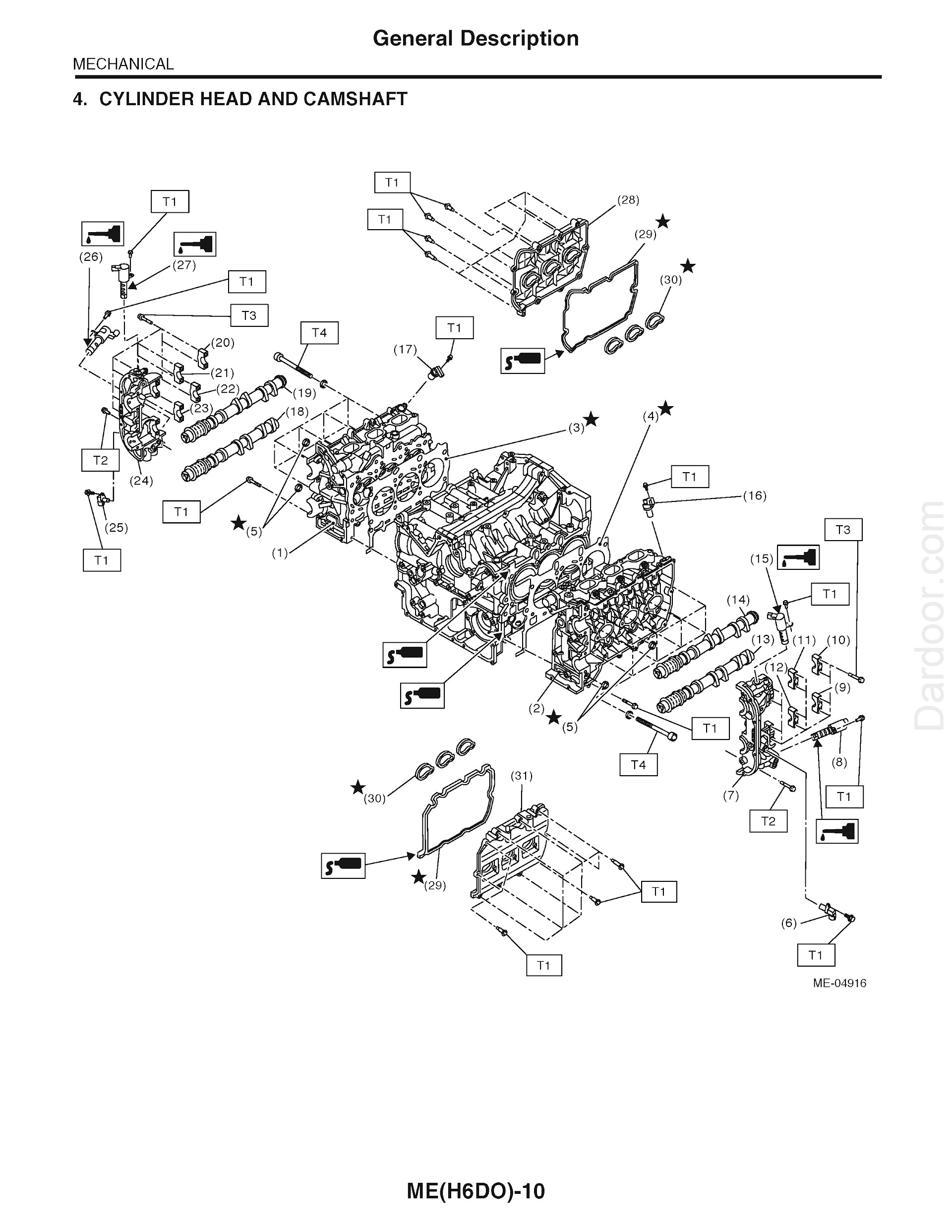
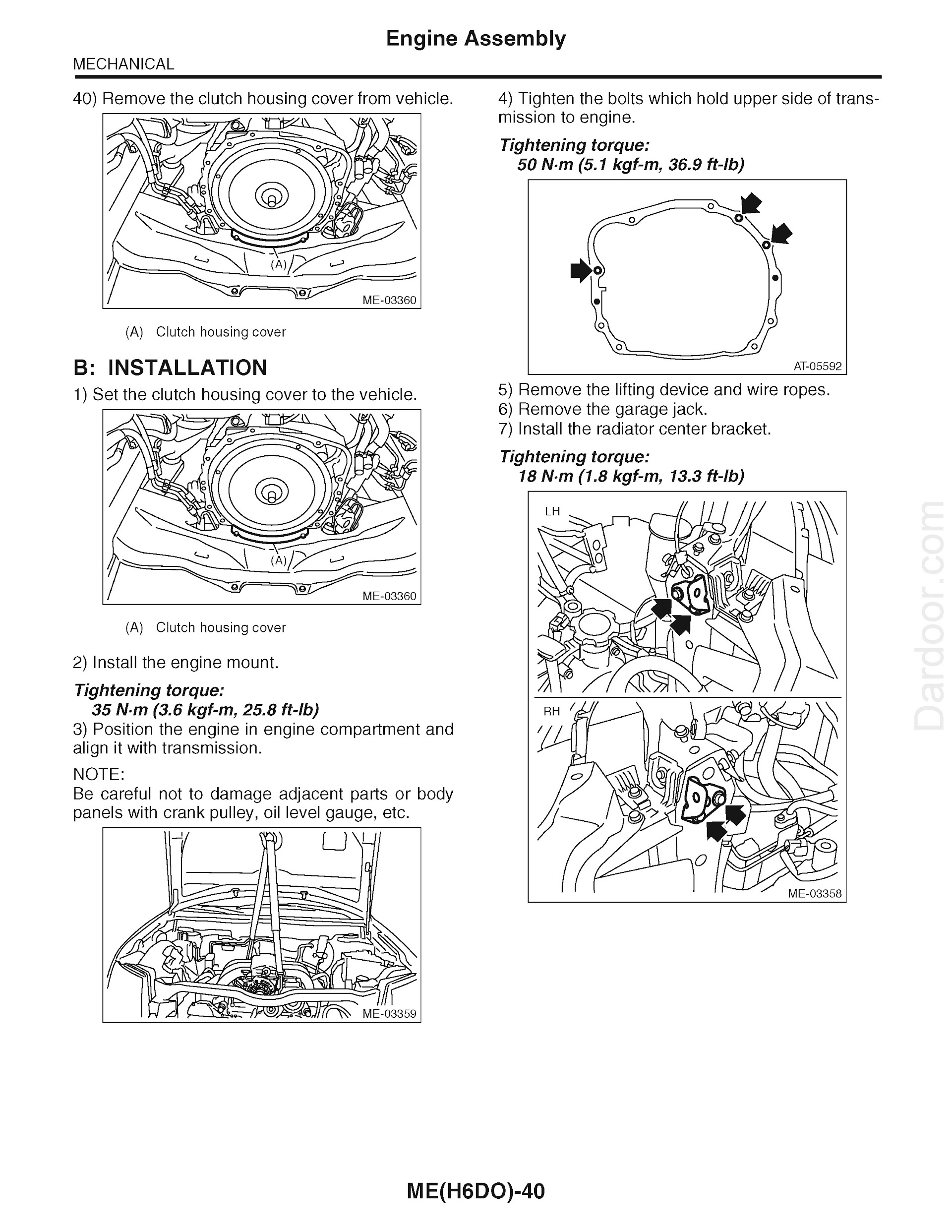
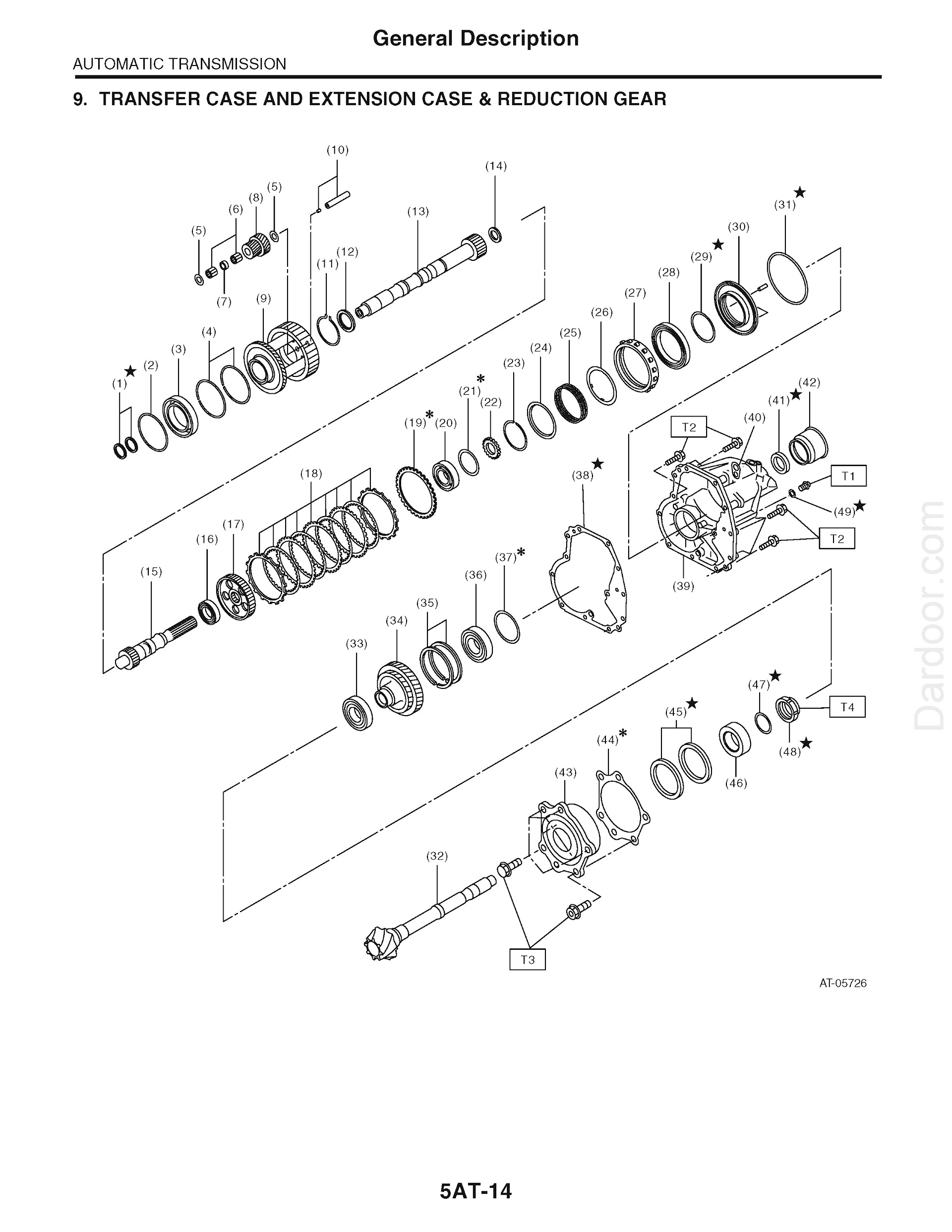

CAUTION: This OEM service and workshop repair manual provides detailed procedures for maintenance, disassembly, reassembly, inspection, adjustment, and diagnostics. It is intended as a comprehensive guide for experienced mechanics. To ensure thorough and accurate repairs that maintain your vehicle’s optimal performance, please read and follow this manual carefully. When replacing parts during any repair work, always
use genuine Subaru parts to ensure quality, safety, and reliability.
2014 Subaru Tribeca Comprehensive Guide
Overview
The 2014 Subaru Tribeca represents the final model year of Subaru’s mid-size crossover SUV, marking the end of production for this nameplate. Originally introduced in 2006 and significantly refreshed in 2008, the Tribeca was Subaru’s attempt to compete in the three-row family SUV segment with their signature symmetrical all-wheel drive system.
Key Highlights:
- Last year of production (discontinued after 2014)
- Standard Symmetrical All-Wheel Drive
- Spacious three-row seating (5+2 configuration)
- Premium interior materials and features
- Boxer engine with proven reliability
- Strong safety ratings
- Limited market presence due to slow sales
Why It Was Discontinued:
- Slow sales compared to competitors
- Higher price point than Forester/Outback
- Poor fuel economy for class
- Third-row space criticized as cramped
- Replaced by larger Ascent in 2019
Technical Specifications
Engine
- Type: 3.6L DOHC horizontally-opposed 6-cylinder (EZ36)
- Horsepower: 256 hp @ 6,000 rpm
- Torque: 247 lb-ft @ 4,400 rpm
- Valvetrain: DOHC with chain-driven dual AVCS (Active Valve Control System)
- Fuel System: Multi-port fuel injection
- Compression Ratio: 10.5:1
Transmission & Drivetrain
- Transmission: 5-speed automatic (5EAT)
- Drivetrain: Symmetrical All-Wheel Drive (AWD) standard
- Transfer Case: Multi-plate electronically controlled clutch
- Gear Ratios: 1st: 3.545, 2nd: 2.111, 3rd: 1.448, 4th: 1.000, 5th: 0.832, Reverse: 3.333
- Final Drive: 4.444:1
Performance
- 0-60 mph: 8.3 seconds
- Quarter Mile: 16.4 seconds @ 86 mph
- Top Speed: 115 mph (electronically limited)
- Fuel Economy (EPA): 16 mpg city / 21 mpg highway / 18 mpg combined
- Fuel Tank Capacity: 20.0 gallons
- Range: ~320 city / ~420 highway miles
- Towing Capacity: 2,000 lbs (when properly equipped)
Dimensions
- Length: 192.5 inches
- Width: 74.8 inches
- Height: 68.5 inches
- Wheelbase: 112.2 inches
- Ground Clearance: 8.3 inches
- Curb Weight: 4,376-4,398 lbs
- GVWR: 5,830 lbs
- Cargo Capacity: 8.3 cu ft (behind 3rd row), 37.4 cu ft (behind 2nd row), 74.4 cu ft (all seats folded)
Seating & Interior
- Seating Capacity: 7 passengers (2+3+2 configuration)
- Front Headroom: 40.9 inches
- Front Legroom: 41.0 inches
- Second-Row Headroom: 39.9 inches
- Second-Row Legroom: 36.2 inches
- Third-Row Headroom: 36.5 inches
- Third-Row Legroom: 27.4 inches (tight for adults)
Suspension & Brakes
- Front Suspension: Independent MacPherson strut with stabilizer bar
- Rear Suspension: Independent double-wishbone with stabilizer bar
- Front Brakes: 12.4-inch ventilated disc
- Rear Brakes: 12.0-inch ventilated disc
- ABS: 4-wheel, 4-channel with Electronic Brake-force Distribution (EBD)
- Steering: Electric power-assisted rack-and-pinion
- Turning Diameter: 37.4 feet
Available Trims (2014)
- 3.6R Limited (base trim – well-equipped)
- 3.6R Touring (top trim with additional luxury features)
Standard Safety Features
- 6 airbags (front, side, curtain)
- Vehicle Dynamics Control (VDC)
- Traction Control System (TCS)
- Anti-lock Braking System (ABS)
- Electronic Brake-force Distribution (EBD)
- Brake Assist
- Daytime Running Lights
- Tire Pressure Monitoring System (TPMS)
Notable Features
- Standard: Power moonroof, leather upholstery, heated front seats, 6-speaker audio, rearview camera, dual-zone climate control
- Available (Touring): Navigation system, 440-watt Harman/Kardon premium audio (9 speakers), power liftgate, heated steering wheel, ventilated front seats
Top 10 Mechanical & Electrical Issues
1. Torque Converter Shudder & Transmission Judder
Symptoms:
- Vibration/shudder during light acceleration (30-50 mph typical)
- Feels like driving over rumble strips
- Shudder when transmission locks up (4th-5th gear)
- More noticeable when warmed up
- Temporary improvement when transmission fluid changed
- Worsens over time if not addressed
Root Cause:
- Torque converter clutch material deterioration
- Transmission fluid breakdown/contamination
- Valve body issues causing improper lockup
- Torque converter shudder is common in 2008-2014 models
- Heat degradation of internal components
- Inadequate transmission fluid service intervals
Fix:
- Transmission fluid and filter replacement (temporary fix)
- Torque converter replacement
- Transmission valve body replacement/rebuild
- Complete transmission replacement (severe cases)
- Use only Subaru High Torque CVT-II fluid (critical)
- Some cases covered under extended warranty
Cost: $300-$500 (fluid service), $1,500-$2,500 (torque converter replacement), $3,000-$5,000 (transmission rebuild/replacement)
2. Head Gasket Leaks (Less Common on EZ36 but Still Possible)
Symptoms:
- External oil leaks at head gasket seam
- Coolant loss without visible leaks
- White smoke from exhaust (coolant burning)
- Rough idle or misfires
- Overheating (severe cases)
- Sweet smell from exhaust
- Milky oil on dipstick or oil cap (internal leak)
Root Cause:
- Head gasket material degradation over time
- Thermal cycling stress on gaskets
- EZ36 engine less prone than older EJ25, but still susceptible
- Cylinder head warping (less common)
- Cooling system contamination
- Improper coolant mixture or maintenance
Fix:
- Head gasket replacement (both sides recommended)
- Cylinder head resurfacing if warped
- New head bolts (required)
- Timing chain and related components (while apart)
- Complete cooling system flush
- Water pump replacement (preventive)
Cost: $2,500-$4,500 (head gasket replacement both sides including labor)
3. Catalytic Converter Failure & Check Engine Light
Symptoms:
- Check Engine Light with P0420/P0430 codes (catalyst efficiency below threshold)
- Reduced fuel economy
- Sulfur/rotten egg smell from exhaust
- Loss of power during acceleration
- Rattling noise from underneath vehicle
- Failed emissions testing
Root Cause:
- Normal wear at higher mileage (100,000+ miles typical)
- Oil consumption leading to catalyst contamination
- Use of low-quality fuel
- Repeated short trips preventing proper warm-up
- Engine misfires damaging catalyst
- Age-related catalyst substrate breakdown
Fix:
- Catalytic converter replacement (4 total on EZ36)
- Oxygen sensor replacement (often needed)
- Address underlying causes (oil consumption, misfires)
- Front cats most commonly fail first
- OEM vs. aftermarket consideration (aftermarket may not last)
Cost: $800-$1,500 per catalytic converter, $3,000-$5,000 for all four (OEM), $1,500-$3,000 (aftermarket cats, shorter lifespan)
4. Power Steering Pump Failure & Leaks
Symptoms:
- Whining or groaning noise when turning wheel
- Stiff or heavy steering, especially at low speeds
- Power steering fluid leaks (pink/red fluid under vehicle)
- Squealing noise from engine bay
- Intermittent loss of power steering assist
- Low power steering fluid warning light
Root Cause:
- Power steering pump seal degradation
- High-pressure hose deterioration
- Rack and pinion seal leaks
- Power steering pump bearing wear
- Contaminated fluid causing internal damage
- Age and heat cycling
Fix:
- Power steering pump replacement
- High-pressure hose replacement
- Rack and pinion replacement (if leaking)
- Power steering fluid flush
- Reservoir replacement
- Inspect all PS lines and connections
Cost: $400-$800 (pump replacement), $200-$400 (hose replacement), $1,000-$2,000 (rack and pinion)
5. Front Wheel Bearing Noise & Failure
Symptoms:
- Humming, growling, or rumbling noise from front wheels
- Noise increases with vehicle speed
- Changes pitch when turning (louder turning one direction)
- Vibration in steering wheel
- ABS/VDC warning lights (advanced failure)
- Uneven tire wear
Root Cause:
- Normal wear on high-mileage vehicles (80,000+ miles)
- Water/contaminant intrusion into bearing
- Impact damage from potholes
- Excessive weight of vehicle
- Lack of proper lubrication
- Seal degradation allowing grease escape
Fix:
- Wheel hub bearing assembly replacement (hub unit bearings)
- Both sides often recommended if one fails
- ABS sensor inspection/cleaning
- Suspension component inspection
- Alignment check after replacement
Cost: $300-$600 per side (parts and labor), $600-$1,200 both fronts
6. Rear Differential Fluid Leak & Seal Failure
Symptoms:
- Gear oil puddles under rear of vehicle
- Whining or humming from rear differential
- Clunking when changing from drive to reverse
- Burning smell from rear (low fluid)
- Difficulty turning or binding in tight turns
- Rear differential overheating
Root Cause:
- Pinion seal deterioration
- Output shaft seals leaking
- Differential cover gasket failure
- Axle seals allowing fluid escape
- Vent tube clogging causing pressure buildup
- Age-related seal degradation
Fix:
- Pinion seal replacement
- Output shaft seal replacement
- Differential cover gasket replacement
- Axle seal replacement
- Complete rear differential fluid service
- Vent tube cleaning/replacement
Cost: $300-$600 (seal replacements), $200-$400 (differential service), $150-$300 (cover gasket only)
7. Oxygen Sensor Failures & Related Codes
Symptoms:
- Check Engine Light with O2 sensor codes (P0130-P0167 range)
- Decreased fuel economy (2-3 mpg loss)
- Rough idle or hesitation
- Failed emissions testing
- Sluggish acceleration
- Possible catalyst efficiency codes following
Root Cause:
- Normal sensor degradation (60,000-100,000 mile lifespan)
- Contamination from oil consumption
- Coolant contamination from head gasket issues
- Silicone contamination from sealants
- Carbon buildup from short trips
- Electrical connector corrosion
Fix:
- Oxygen sensor replacement (bank 1/2, sensor 1/2)
- Address oil consumption if present
- Check engine health (compression test)
- Connector cleaning and dielectric grease
- Use OEM sensors for best longevity
Cost: $150-$300 per sensor (parts and labor), 4 sensors total = $600-$1,200 if all replaced
8. Sunroof Drain Tube Clogs & Water Leaks
Symptoms:
- Water dripping from headliner
- Wet carpet on front floor (driver/passenger)
- Musty odor in cabin
- Water pooling in door sills
- Headliner staining
- Electrical issues from water damage
- Mold/mildew growth
Root Cause:
- Sunroof drain tubes clogging with debris (leaves, dirt)
- Drain tube disconnection at joints
- Drain tube cracking with age
- Improper drain tube routing
- Sunroof seal degradation
- Debris accumulation in drain channels
Fix:
- Drain tube cleaning with compressed air/wire
- Drain tube replacement if cracked
- Sunroof seal inspection/replacement
- Interior drying and cleaning
- Preventive cleaning every 6-12 months
- Check and clear all four drain tubes
Cost: $100-$300 (drain cleaning), $400-$800 (tube replacement and seal work), $500-$1,500 (water damage repair if extensive)
9. Exhaust System Rust & Component Failure
Symptoms:
- Loud exhaust noise or roar
- Rattling or buzzing from underneath
- Exhaust smell in cabin
- Visible rust holes in exhaust components
- Failed emissions testing (exhaust leak)
- Hissing or ticking from engine bay
Root Cause:
- Road salt exposure (common in salt belt regions)
- Moisture accumulation in exhaust
- Short-trip driving preventing full evaporation
- Age-related corrosion (8+ years)
- Inferior replacement parts if previously repaired
- Heat shield deterioration
Fix:
- Muffler replacement
- Exhaust pipe/flex pipe replacement
- Heat shield repair or removal
- Complete exhaust system replacement (severe rust)
- Catalytic converter replacement if rusted through
- Exhaust manifold gasket replacement
Cost: $200-$500 (muffler), $300-$600 (flex pipe), $1,500-$3,000 (full exhaust system)
10. Alternator Failure & Electrical System Issues
Symptoms:
- Battery warning light illuminated
- Dimming headlights or interior lights
- Electrical accessories malfunctioning
- Dead battery or slow cranking
- Whining noise from alternator
- Battery not charging (voltage below 13.5V)
- Dashboard warning lights flickering
Root Cause:
- Voltage regulator failure
- Worn alternator brushes
- Bearing failure in alternator
- Diode bridge failure
- Wiring harness corrosion
- Normal wear (100,000+ mile lifespan typical)
Fix:
- Alternator replacement (remanufactured common)
- Battery replacement if damaged by low voltage
- Serpentine belt replacement
- Battery cable cleaning/replacement
- Electrical system inspection
- Load test after replacement
Cost: $400-$700 (alternator replacement with labor), $100-$200 (battery), $500-$900 (complete service)
Top 5 Competitors
Strengths:
- More spacious third-row seating
- Better fuel economy (18/25 mpg)
- Lower cost of ownership
- Excellent reliability reputation
- Higher resale values
- Optional FWD for lower price
- More features for the money
Weaknesses:
- FWD-based AWD system (less capable)
- Less engaging driving dynamics
- Dated interior design by 2014
- Softer suspension (more body roll)
Comparison: The Pilot offers superior practicality, reliability, and value, with a more usable third row. The Tribeca counters with standard symmetrical AWD, more upscale interior materials, and better handling, but at a reliability and value disadvantage.
Verdict: Better choice for families prioritizing space, reliability, and low ownership costs.
Strengths:
- More engaging driving dynamics
- Powerful 3.7L V6 (273 hp)
- Sportier handling and steering
- More refined interior (2014+)
- Better styling
- Competitive pricing
Weaknesses:
- FWD-based AWD system
- Worse fuel economy (16/22 mpg)
- Less reliable than Subaru boxer engines
- Smaller cargo space
- Higher maintenance costs than Pilot
Comparison: The CX-9 and Tribeca are the most driver-focused options in this class. The Mazda offers more power and sharper handling, while the Tribeca provides superior AWD capability and potentially better long-term reliability. Both sacrifice some practicality for dynamics.
Verdict: Best alternative if you want Tribeca-like driving character without Subaru ownership.
Strengths:
- Legendary Toyota reliability
- Available hybrid model (excellent mpg)
- Lower long-term ownership costs
- Strong resale values
- Spacious interior
- V6 and 4-cylinder options
- Proven durability to 200,000+ miles
Weaknesses:
- Bland styling and interior
- Less engaging to drive
- FWD-based AWD
- Higher initial purchase price
- Conservative feature set
Comparison: The Highlander is the reliability champion with excellent resale value and lower ownership costs. The Tribeca offers more driving engagement, better AWD, and more upscale materials, but can’t match Toyota’s dependability track record.
Verdict: Safest choice for buyers prioritizing reliability and resale value above all else.
Strengths:
- Luxury brand prestige
- Powerful 3.7L V6 (300 hp)
- SH-AWD system (advanced torque vectoring)
- Premium interior materials
- More features and technology
- Sporty handling for size
Weaknesses:
- Higher purchase price
- Premium fuel required
- More expensive maintenance
- Worse fuel economy (16/21 mpg)
- Aging technology by 2014
Comparison: The MDX represents a step up in luxury and performance but at a significant cost premium. Both offer sophisticated AWD systems, but the Acura demands premium fuel and higher maintenance costs. The Tribeca provides 80% of the experience at 70% of the cost.
Verdict: Better choice if budget allows and you want more luxury/performance, but Tribeca offers better value.
Strengths:
- Unique, boxy styling
- Most spacious interior in class
- Available EcoBoost engine (365 hp)
- Excellent third-row space
- Lower initial purchase price
- Comfortable ride
- Good towing capacity (4,500 lbs)
Weaknesses:
- Poor fuel economy (16/23 mpg base, worse with EcoBoost)
- FWD-based AWD system
- Lower reliability ratings
- Polarizing styling
- Worse resale values
- More expensive repairs
Comparison: The Flex maximizes interior space and offers more power, but sacrifices fuel economy and AWD capability. The Tribeca is more refined, more reliable, and better in adverse conditions, while the Flex excels at hauling people and cargo in comfort.
Verdict: Best for families needing maximum space and towing, willing to sacrifice efficiency.
Top 10 Recalls, Advisories & TSB Highlights
Recalls
1. Passenger Airbag Inflator Recall (Takata – Multiple Campaigns)
- Issue: Takata airbag inflators may rupture, sending metal fragments into cabin
- Risk: Serious injury or death from shrapnel
- Affected: 2014 Tribeca (ongoing campaign through multiple phases)
- Fix: Passenger airbag inflator replacement
- Status: CRITICAL – Check VIN at NHTSA.gov or Subaru recall site immediately
- Notes: Multiple recall expansions; some vehicles recalled multiple times
2. Brake Light Switch Recall (2010-2014)
- Issue: Brake light switch may malfunction, preventing brake lights from illuminating or allowing ignition key removal while not in Park
- Risk: Increased crash risk from drivers behind not seeing brake application; vehicle could roll away
- Fix: Brake light switch replacement
- Status: Completed for most vehicles; verify with VIN check
3. Steering Column Bolt Recall (2014)
- Issue: Steering column mounting bolts may loosen over time
- Risk: Loss of steering control
- Affected: 2014 Tribeca manufactured January-February 2014
- Fix: Steering column bolt inspection and proper tightening
- Status: Limited production run affected
4. Front Passenger Seat Weight Sensor Recall (2012-2014)
- Issue: Seat weight sensor mat may malfunction, causing airbag system to incorrectly classify occupant
- Risk: Airbag may not deploy or may deploy unexpectedly
- Fix: Seat sensor mat and cushion replacement
- Status: Check VIN for applicability
5. Parking Brake Cable Recall (2006-2014)
- Issue: Parking brake cable may corrode and stick in applied position
- Risk: Rear brake drag, potential rear wheel lockup, crash risk
- Affected: Salt-belt states primarily
- Fix: Parking brake cable replacement
- Status: Regional recall – check if your state affected
Technical Service Bulletins (TSBs)
6. Transmission Shudder/Vibration (TSB #16-157-11R)
- Issue: Torque converter shudder during light acceleration
- Solution: Transmission fluid and filter replacement with updated fluid specification
- Applicability: 2010-2014 Tribeca with automatic transmission
- Notes: May provide temporary relief; torque converter replacement often ultimately needed
7. Sunroof Wind Noise and Water Leak (TSB #15-123-14)
- Issue: Wind noise from sunroof area, potential water intrusion
- Solution: Sunroof weatherstrip adjustment or replacement
- Applicability: 2008-2014 Tribeca with moonroof
- Cost if not under warranty: $150-$400
8. Navigation System Freezing/Rebooting (TSB #13-88-13)
- Issue: Navigation system may freeze, reboot randomly, or become unresponsive
- Solution: Software update and system reset
- Applicability: 2010-2014 Tribeca with factory navigation
- Notes: Often requires multiple updates; some units never fully resolved
9. Rear Hatch Rattle or Squeak (TSB #09-60-09R)
- Issue: Rattles or squeaks from rear hatch area over bumps
- Solution: Latch striker adjustment and lubrication
- Applicability: 2008-2014 Tribeca
- DIY Friendly: Yes – lubrication and adjustment
10. Air Conditioning Compressor Noise (TSB #15-76-14)
- Issue: Rattling or buzzing from A/C compressor at idle
- Solution: Compressor clutch inspection; compressor replacement if defective
- Applicability: 2010-2014 Tribeca
- Cost if not under warranty: $800-$1,500 (compressor replacement)
Maintenance Schedule
Every 6,000 Miles or 6 Months (Severe Conditions)
- Engine oil and filter change
- Inspect brake pads, rotors, fluid
- Rotate tires
- Inspect axle boots, suspension
- Check all fluid levels
Every 7,500 Miles or 7.5 Months (Normal Conditions)
- Engine oil and filter change (0W-20 synthetic recommended)
- Tire rotation
- Multipoint inspection
- Check brake system
- Inspect steering/suspension
Every 15,000 Miles or 15 Months
- All previous services
- Cabin air filter replacement
- Inspect engine air filter
Every 30,000 Miles or 30 Months
- Engine air filter replacement
- Brake fluid replacement (critical for ABS/VDC health)
- Front differential fluid change
- Rear differential fluid change
- Transmission fluid inspection
- Spark plug inspection
- All previous services
Every 60,000 Miles or 60 Months
- Transmission fluid and filter replacement (CRITICAL – do not skip)
- Spark plug replacement
- Fuel filter replacement
- Coolant replacement
- Drive belts inspection/replacement
- Front/rear differential fluid service
- Inspect/replace timing chain tensioner (preventive)
- All previous services
Every 100,000 Miles or 100 Months
- Timing chain inspection (EZ36 is chain, not belt)
- Coolant system flush
- Power steering fluid replacement
- Complete brake system service
- All filters replacement
- Comprehensive inspection of all systems
Additional Maintenance Items
Severe Service Conditions Apply If:
- Frequent short trips (less than 5 miles)
- Extended idling or low-speed driving
- Trailer towing
- Dusty, rough, or salt-covered roads
- Mountainous driving
- Commercial use or delivery
Common Wear Items Schedule:
- Battery: 4-6 years
- Brake pads: 30,000-60,000 miles (front), 40,000-80,000 miles (rear)
- Brake rotors: 60,000-100,000 miles
- Tires: 40,000-60,000 miles (varies by brand/type)
- Wiper blades: Every 6-12 months
- Serpentine belt: 60,000-90,000 miles
- Wheel alignment: Every 20,000-30,000 miles or as needed
Critical Preventive Maintenance:
- Transmission fluid change at 60K: Prevents $3,000-$5,000 transmission failure
- Coolant system service: Prevents head gasket issues
- Differential services: Prevents costly AWD component damage
Annual Maintenance Costs
Years 1-5 (Under 60,000 miles):
- Routine maintenance: $800-$1,200/year
- Unexpected repairs: $300-$800/year
- Total: $1,100-$2,000/year
Years 6-10 (60,000-120,000 miles):
- Routine maintenance: $1,200-$1,800/year
- Major services: $1,000-$2,500 (60K, 90K services)
- Unexpected repairs: $800-$2,000/year
- Total: $2,000-$4,000/year average
10 FAQs for Buyers
1. Is the 2014 Tribeca reliable?
The 2014 Tribeca has above-average reliability compared to other Subarus and the segment, primarily because the EZ36 3.6L engine is more reliable than the problematic EJ25 2.5L found in other Subarus. However, the 5-speed automatic transmission is the weak point, with torque converter shudder being common after 80,000-100,000 miles.
Key reliability points:
- EZ36 engine: Reliable, rarely has head gasket issues unlike EJ25
- Transmission: Moderate reliability; shudder common but manageable
- AWD system: Very reliable with proper maintenance
- Electrical: Generally dependable
- Rust resistance: Average for age (inspect undercarriage)
Expected lifespan: 150,000-200,000+ miles with proper maintenance
Verdict: More reliable than most 3-row SUVs of this era, but transmission requires vigilance.
2. What’s the biggest problem with the 2014 Tribeca?
Transmission torque converter shudder is the most commonly reported issue. It typically develops between 60,000-120,000 miles and manifests as vibration during light acceleration in 4th-5th gear (40-55 mph is most common).
Why it matters:
- Affects daily driving comfort
- Worsens over time if ignored
- Can lead to complete transmission failure
- Repair costs $1,500-$5,000 depending on severity
Prevention: Change transmission fluid every 30,000-40,000 miles (not the 100,000-mile “inspection” Subaru recommends). Use only genuine Subaru ATF or equivalent high-quality fluid.
3. Is the third row actually usable?
For children: Yes. For adults: Not comfortably.
Third-row specs:
- 27.4 inches legroom (among smallest in class)
- 36.5 inches headroom (adequate)
- Best for children under 12 years old
- Adults can fit for short trips (<30 minutes)
- Access is tight; requires folding second row
Comparison to competitors:
- Honda Pilot: 31.9″ legroom (significantly better)
- Toyota Highlander: 27.7″ legroom (similar)
- Mazda CX-9: 27.4″ legroom (identical)
Verdict: The Tribeca is best considered a 5-passenger vehicle with emergency seating for 2 more, not a true 7-passenger family hauler.
4. How bad is the fuel economy really?
EPA: 16 city / 21 highway / 18 combined Real-world: 15-17 city / 20-22 highway / 17-19 combined
This is poor for the class and one reason the Tribeca sold poorly:
Comparison:
- Honda Pilot: 18/25 mpg (significantly better)
- Toyota Highlander V6: 18/24 mpg (better)
- Mazda CX-9: 16/22 mpg (similar)
- Acura MDX: 16/21 mpg (similar)
Annual fuel cost (15,000 miles, $3.50/gallon):
- Tribeca: ~$2,900
- Pilot: ~$2,500
- Difference: $400/year more expensive
Why so poor: Heavy vehicle (4,400 lbs), 5-speed transmission (outdated by 2014), full-time AWD, aerodynamics (boxy shape), 3.6L engine working hard
Verdict: Expect to spend $400-$600 more per year on gas versus competitors.
5. What should I inspect when buying a used 2014 Tribeca?
Pre-Purchase Inspection Checklist:
1- Transmission (CRITICAL):
- Test drive 20+ minutes to warm up transmission
- Drive 40-55 mph in light acceleration (torque converter lockup range)
- Feel for any shudder or vibration
- Check for delayed shifts or harsh engagement
- Ask for transmission service records
2- Engine:
- Cold start – listen for unusual noises
- Check oil level (should be full, not low)
- Inspect for oil leaks (head gaskets, valve covers)
- Coolant level and condition
- No white smoke from exhaust
3- Undercarriage:
- Rust inspection (frame, suspension, exhaust)
- Differential fluid leaks (pink fluid on differential housing)
- CV boot tears
- Exhaust system condition
4- Interior:
- Sunroof operation – test repeatedly
- Check headliner and carpet for water stains
- All electrical functions (windows, locks, seats, climate)
- Navigation system (if equipped) – test for 15+ minutes
5- Maintenance Records:
- Transmission services documented
- Regular oil changes
- Differential services
- Any recall completion documentation
6- CarFax/AutoCheck:
- Accident history
- Service records
- Title status
- Previous owners
🛑 Red flags to walk away:
- No maintenance records
- Transmission shudder present
- Evidence of water leaks
- Accident history with front-end damage
- Engine oil leaks
- Rust perforation
Professional inspection cost: $100-$200 (worth every penny)
6. Should I buy one with high mileage (100,000+ miles)?
Proceed with extreme caution. High-mileage Tribecas can be good values if properly maintained, but risks increase significantly.
Acceptable if:
- Complete service records available
- Transmission serviced every 30,000-40,000 miles
- No transmission shudder present
- Recent timing chain inspection
- No oil leaks or warning lights
- Priced accordingly ($6,000-$10,000 range)
- You budget $2,000-$4,000/year
for repairs
Avoid if:
- No service records
- Transmission shudder present
- Multiple warning lights
- Signs of deferred maintenance
- Asking price above $10,000
Common 100K+ mile repairs to expect:
- Transmission service or torque converter: $300-$2,500
- Catalytic converters: $1,500-$5,000
- Wheel bearings: $600-$1,200
- Suspension components: $500-$1,500
- Alternator, starter, battery: $500-$900
- Exhaust system: $500-$2,000
Verdict: Only buy high-mileage if price reflects upcoming maintenance needs and records are excellent.
7. How does it handle in snow and off-road?
Snow/Winter Performance: Excellent (9/10)
The Tribeca excels in winter conditions:
- Symmetrical AWD is among the best systems available
- 8.3″ ground clearance adequate for most conditions
- Weight distribution helps traction
- Vehicle Dynamics Control (VDC) excellent in slippery conditions
- Low center of gravity (boxer engine) improves stability
- Better than: Most FWD-based AWD systems (Pilot, Highlander, CX-9)
- Equal to: Acura MDX SH-AWD, some luxury SUVs
- Worse than: Body-on-frame SUVs (4Runner, Tahoe) for deep snow
Off-Road Performance: Moderate (5/10)
Not designed for serious off-roading:
- Ground clearance limiting factor
- Approach/departure angles not optimized
- No low-range transfer case
- Independent suspension limits articulation
- Underbody not protected
Suitable for:
- Maintained dirt/gravel roads
- Light trail driving
- Beach driving
- Forest service roads
- Ski resort access
Not suitable for:
- Rock crawling
- Deep mud
- Steep inclines/declines
- Serious trail running
Verdict: One of the best AWD systems for winter driving; adequate for light off-pavement use but not a true off-roader.
8. What’s the typical depreciation and resale value?
Original MSRP (2014): $31,420 (Limited) – $35,770 (Touring)
Depreciation Timeline:
-
- Year 1 (2015): -25% ($23,500-$26,800)
- Year 3 (2017): -50% ($15,700-$17,900)
- Year 5 (2019): -65% ($11,000-$12,500)
- Year 8 (2022): -75% ($7,850-$8,900)
- Year 10 (2024): -80% ($6,300-$7,150)
- Current (2026): -85% ($4,700-$5,400)
Current Market Value (2026 – 12 years old):
- Excellent condition, low miles (<80K): $8,000-$11,000
- Good condition, average miles (80-120K): $5,000-$8,000
- Fair condition, high miles (120K+): $3,000-$5,000
- Poor condition: $1,500-$3,000
Resale Value vs. Competitors:
- Worse than: Honda Pilot, Toyota Highlander (hold value better)
- Similar to: Mazda CX-9
- Better than: Domestic 3-row SUVs (Ford Flex, Chevy Traverse)
Why poor resale:
- Discontinued model (orphan status)
- Limited market demand
- Poor fuel economy
- Small third row
- Better options available new/used
Verdict: Heavy depreciation makes 2014 Tribecas excellent used buys but poor new purchases. Expect continued depreciation to $3,000-$5,000 range by 2028-2030.
9. What are the long-term ownership costs?
5-Year Ownership Cost Projection (buying at 8-10 years old):
-
- Purchase Price: $6,000-$9,000
- Fuel: $2,900/year × 5 = $14,500
- Insurance: $1,200/year × 5 = $6,000
- Routine Maintenance: $1,200/year × 5 = $6,000
- Major Repairs: $3,000-$6,000 (transmission, cats, suspension)
- Registration/Taxes: $300/year × 5 = $1,500
- Depreciation: $2,000-$3,000
- Total 5-Year Cost: $33,000-$45,000 Per Mile Cost (75,000 miles): $0.44-$0.60
Comparison to Competitors:
- Honda Pilot: $0.38-$0.50/mile (cheaper)
- Toyota Highlander: $0.40-$0.52/mile (cheaper)
- Mazda CX-9: $0.46-$0.62/mile (similar)
Breakdown by Category:
- Fuel: 44% of costs (poor MPG hurts)
- Purchase/Depreciation: 25%
- Maintenance/Repairs: 20%
- Insurance: 11%
Money-Saving Tips:
- Buy from private seller (save $1,000-$2,000)
- DIY maintenance where possible
- Find independent Subaru specialist (30-40% cheaper than dealer)
- Buy with records to avoid costly surprises
- Budget $200/month for repairs/maintenance
Verdict: Moderate ownership costs; fuel and potential transmission repairs are biggest expenses.
10. Is it worth buying in 2026, or should I get something newer?
Buy a 2014 Tribeca if:
- Budget is $5,000-$10,000
- You want proven Subaru AWD capability
- You need seating for 6-7 occasionally (not regularly)
- You can handle 16-18 mpg fuel economy
- You appreciate understated luxury
- You have access to good Subaru mechanic
- You find one with excellent service records
- You need winter capability above all else
Skip it and buy newer if:
- You need a true 7-passenger vehicle regularly
- Fuel economy is a priority (get hybrid Highlander)
- You want modern safety tech (pre-collision, adaptive cruise)
- Your budget allows $15,000+ for newer options
- You want better reliability (get 2016+ Pilot or Highlander)
- You can’t handle potential $2,000-$4,000 repair bills
- You want better resale value
Better alternatives in 2026:
Same budget ($6,000-$10,000):
- 2012-2014 Honda Pilot (better reliability, more space)
- 2011-2013 Toyota Highlander (better long-term value)
- 2013-2015 Mazda CX-9 (similar driving experience, cheaper repairs)
Slightly higher budget ($12,000-$18,000):
- 2016-2017 Honda Pilot (modern safety, better everything)
- 2014-2016 Toyota Highlander (hybrid available, better reliability)
- 2016-2017 Mazda CX-9 (completely redesigned, excellent)
Verdict: The 2014 Tribeca is a good value for the right buyer – someone who prioritizes AWD capability over fuel economy, doesn’t need a spacious third row, and appreciates getting a premium vehicle at budget-car pricing. However, competitors offer better overall packages unless winter capability is your #1 priority.
Final Buyer Recommendations
✅ BUY IF:
-
- AWD capability is your top priority – The symmetrical AWD system is excellent and a primary reason to choose Tribeca
- You live in snow/winter climate – This is where the Tribeca truly shines
- Budget is $5,000-$10,000 – Sweet spot for value
- You find one with complete service records – Documentation crucial for transmission health
- Third row is occasional use only – Not for regular 7-passenger duty
- You appreciate understated luxury – Premium feel without flashy badge
- You can accept 16-18 mpg – Fuel economy is poor; budget accordingly
- Access to good independent Subaru mechanic – Saves 30-40% on maintenance
❌ AVOID IF:
-
- You need spacious third-row regularly – Pilot or Highlander much better
- Fuel economy is important – 16-18 mpg combined is genuinely poor
- No service records available – Transmission history critical
- Transmission shudder already present – $1,500-$5,000 repair likely
- Budget is very tight – Plan for $1,500-$3,000 annual repairs/maintenance
- You want modern safety features – No pre-collision, adaptive cruise, etc.
- Significant rust present – Common in salt-belt regions; expensive to repair
- High mileage (120K+) with unknown maintenance – Too risky
🎯 IDEAL BUYER PROFILE:
-
- Price range: $6,000-$9,000 for good condition, <100K miles
- Location: Northern states with winter weather
- Family size: 2-4 people regularly, occasional 6-7
- Annual mileage: 10,000-15,000 (minimize fuel cost impact)
- Mechanical aptitude: Comfortable with DIY maintenance or has trusted mechanic
- Priorities: Winter capability > fuel economy > space > technology
- Budget: $150-200/month for fuel/maintenance/repairs
💡 SMART BUYING CHECKLIST
Before Viewing:
- ✓ Request maintenance records (especially transmission services)
- ✓ Run CarFax/AutoCheck report
- ✓ Check NHTSA for open recalls
- ✓ Research fair market value for mileage/condition
- ✓ Schedule independent inspection if seriously interested
During Inspection:
- ✓ Extended test drive (20+ minutes)
- ✓ Test specifically for transmission shudder at 40-55 mph
- ✓ Cold start and warm running evaluation
- ✓ Check all fluids (oil, coolant, transmission, differential)
- ✓ Inspect undercarriage for rust and leaks
- ✓ Test all electrical systems thoroughly
- ✓ Check headliner and carpets for water damage
- ✓ Test sunroof operation multiple times
Negotiation Tips:
- Use transmission service needs as leverage ($300-600)
- Point out upcoming 60K/90K/120K service costs
- Factor in fuel costs vs. competitors
- Private sellers typically $1,000-$2,000 cheaper than dealers
- Fair price: 85-90% of KBB “Good” condition for private party
After Purchase:
- Immediately change transmission fluid if no recent records
- Address any open recalls
- Establish relationship with independent Subaru specialist
- Join Tribeca owner forums for advice/support
- Budget $150-200/month for maintenance reserve fund
🏆 VERDICT
Overall Rating: ★★★☆☆ (6.5/10)
Category Scores:
- AWD Capability: 9/10 (Excellent symmetrical system)
- Reliability: 7/10 (Good engine, mediocre transmission)
- Value: 8/10 (Depreciation makes it affordable)
- Practicality: 5/10 (Small third row, poor MPG)
- Comfort: 7/10 (Nice interior, good ride)
- Technology: 4/10 (Dated by 2014 standards)
- Ownership Costs: 5/10 (High fuel, moderate repairs)
- Resale Value: 3/10 (Heavy depreciation)
FINAL RECOMMENDATION
The 2014 Subaru Tribeca is a niche vehicle that rewards the right buyer while disappointing those seeking mainstream practicality. It’s best characterized as a premium 5-passenger SUV with emergency seating rather than a true 7-passenger family hauler.
Best Use Case: Winter-focused buyers in northern climates who occasionally need a third row, value AWD capability above fuel economy, and can find a well-maintained example with service records at the right price ($6,000-$9,000).
Who Should Skip It: Families needing regular 7-passenger capacity, fuel-conscious buyers, those wanting modern safety technology, or anyone unable to handle moderate repair costs should choose a Honda Pilot or Toyota Highlander instead.
The Bottom Line: At 12 years old in 2026, the Tribeca represents excellent value for winter capability enthusiasts but requires careful selection, thorough inspection, and realistic expectations about fuel costs and eventual transmission service. Buy smart with records, maintain religiously (especially transmission), and you’ll have a capable, comfortable SUV that excels in its intended environment while disappointing in others.
Alternative Recommendation: If you can stretch your budget to $12,000-$15,000, a 2016-2017 Honda Pilot or Toyota Highlander provides significantly better overall value, modern safety features, and superior practicality – unless winter AWD capability is truly your #1 priority, in which case the Tribeca’s symmetrical system still makes it compelling at its depreciated price point.